


News
Former Cllr prosecuted for working door without a licence


- Paul Haywood Dowson was sentenced on Tuesday 12 September at Haverfordwest Magistrates’ Court.
ON TUESDAY 12 September Paul Haywood Dowson was sentenced for working illegally as a door supervisor at a licensed premises in South Wales. He received a 12-month Community Rehabilitation Order with 10 days Rehabilitation Activity Requirement (RAR), a fine of £500, and a Victim Surcharge of £114.00 contribution to prosecution costs of £2,587.50
Dowson worked as a security operative at a licensed premises in Tenby between November 2021 and June 2022. Dyfed Powys Police officers and a licensing officer observed him working as a door supervisor at the premises on 30 April 2022, 29 May 2022 and 04 June 2022.
On each occasion Paul Dowson was observed carrying out the duties of a door supervisor at the door of the premises. He was dressed predominantly in black, displaying an armband licence card holder and a coat bearing the text ‘security’ displayed on it. When he was seen on 29 May 2022, police officers spoke to him, and he confirmed to them that he was working at the premises.
He had held two previous door supervisor licences, but his last licence had expired on 18 March 2022. Paul Dowson continued working at the premises until the Designated Premises Supervisor became aware that he was no longer licensed in June 2022. His employment was subsequently terminated.
Paul Dowson was formally interviewed on 29 October 2022 by the Security Industry Authority (SIA). He agreed that he was standing outside of the door of the premises as described by the police officers but maintained that he was not engaged as a door supervisor at the premises.

He suggested that he was working at the premises in a non-designated role only, in relation to CCTV installations, but this claim was refuted by the premises management.
The bench stated at the sentencing:
“This matter was a significant issue as a door supervisor is a person with (responsibility for) the well-being, regulation, and control of members of the public, you knew you did not have a valid licence but carried on over a sustained period until stopped. That shows a disregard for the law and for those you were meant to be protecting.”
Mark Chapman, one of the SIA’s Criminal Investigations Managers said: “Paul Dowson’s case is an example of what happens when individuals choose to work when not licensed to do so. Dowson continued to work without a licence, putting the security of the venue’s patrons and staff at risk. As a result, he now has a conviction with substantial costs to pay.
“I’d like to acknowledge the contribution made to the investigation by our law enforcement partner, Dyfed Powys Police. They were exemplary in supporting the SIA to bring this case to court. This and other similar cases in the region have further strengthened the regulated security industry by ensuring that those providing security to the public are licensed to do so”.
The Courtroom Proceedings and Its Implications
In a courtroom saga that has captivated many locals, Dowson faced a challenging legal battle, further complicated by his personal struggles with ADHD.

Early on in the proceedings, Dowson posed a pointed question to PC Lewis, the licensing officer. He questioned why PC Lewis didn’t act upon witnessing an alleged offence right in front of him. When met with hesitation from PC Lewis, the magistrate swiftly intervened, marking Dowson’s line of questioning as irrelevant.
Throughout the trial, Dowson employed rigorous cross-examinations in an effort to challenge the credibility of the witnesses. Nonetheless, he encountered a series of setbacks. The chair of the bench repeatedly deemed his queries as ‘irrelevant,’ disrupting the flow of Dowson’s defence strategy.
The testimonies of PC Cranmer and PC Priestley brought additional complexity. Both officers recalled encounters with Dowson but offered contrasting narratives. PC Cranmer recounted her evening patrol on the 29th of April, during which she and PC Priestley allegedly spotted Dowson outside the 5 Arches pub. According to her, Dowson was clad in a black jacket and a pink security armband, a description that became a focal point in her testimony.
Despite Dowson’s attempts to pinpoint inconsistencies in the officers’ accounts, his cross-examinations were frequently cut short by the chair of the bench. These interruptions, combined with Dowson’s declared ADHD – a condition known to affect focus and impulsivity – seemed to hamper his ability to mount a robust defence.
The magistrates declared Dowson guilty: The emphasis was placed on the potential public safety threats associated with Dowson’s alleged actions. The verdict seemed to underscore the severity of the offence, with the chair indicating potential sentencing at the higher tariff range.
The subsequent sentencing hearing proved to be equally challenging for Dowson. A report, presented by Julie Norman from the probation service, shed light on Dowson’s health. Detailing his cardiac, pulmonary, and ADHD diagnoses, the report argued for leniency, given his health concerns and the challenges posed by ADHD in comprehending legal proceedings.
Ultimately, the court ruled in favour of a 12-month probation for Dowson. However, the financial penalties were substantial: a total sum of £3,201.50, which includes a fine, a victim surcharge, and costs to the Security Industry Authority (SIA). Given Dowson’s current reliance on universal credit due to his health challenges, the court mandated monthly payments of £200.
In a post-verdict revelation to The Herald, Dowson unveiled intriguing findings from an FOI request to the SIA. The data, covering prosecutions and sentences from 2017-2021, revealed that for offences similar to Dowson’s, no past sentence had exceeded a low-end fine. This stark contrast to Dowson’s own penalties prompts questions about the trial’s fairness and potential inconsistencies in the legal system’s approach.
The trial, with its intricate web of testimonies, personal challenges, and legal nuances, paints a vivid portrait of the complexities inherent in the British judicial process, especially when a local court is dealing with a local controversial figure.


Around 70 tractors joined the annual charity road run, hosted by the Begelly Arms Hotel
THE ANNUAL Kilgetty and Begelly Charity Tractor Run brought a colourful convoy to the roads around the Narberth area on Saturday (Jul 4), with around 70 tractors taking part.
The event was hosted by the Begelly Arms Hotel, where farmers, families and supporters gathered before the start of the run.
Entrants were treated to bacon rolls and coffee by the hosts before setting off, while many families took the opportunity to pose for photographs alongside the tractors.
The road run once again proved to be a popular community event, bringing together local farmers, vintage tractor enthusiasts and supporters for a good cause.
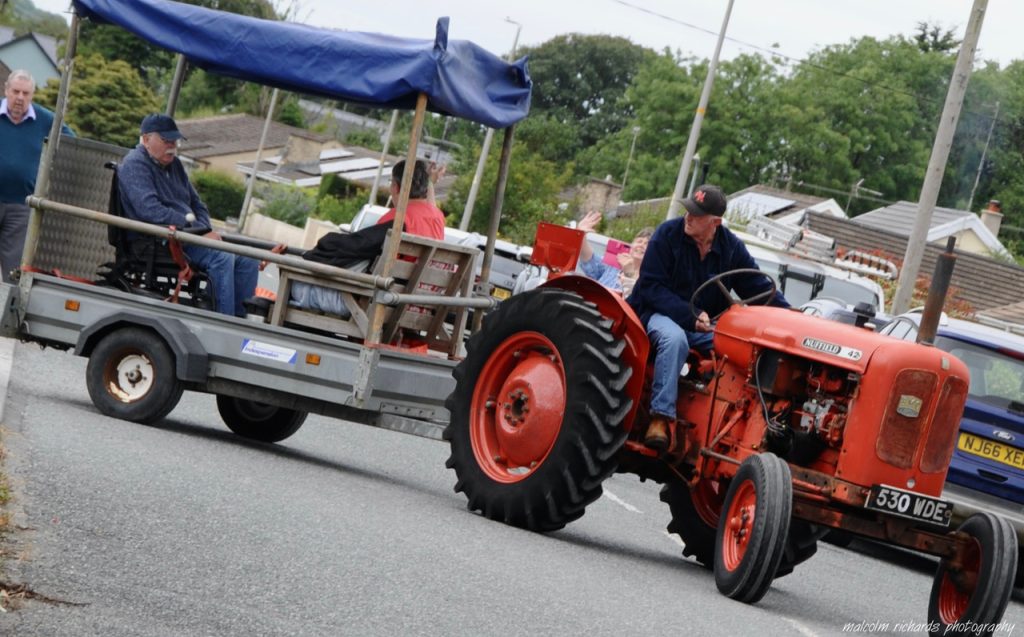
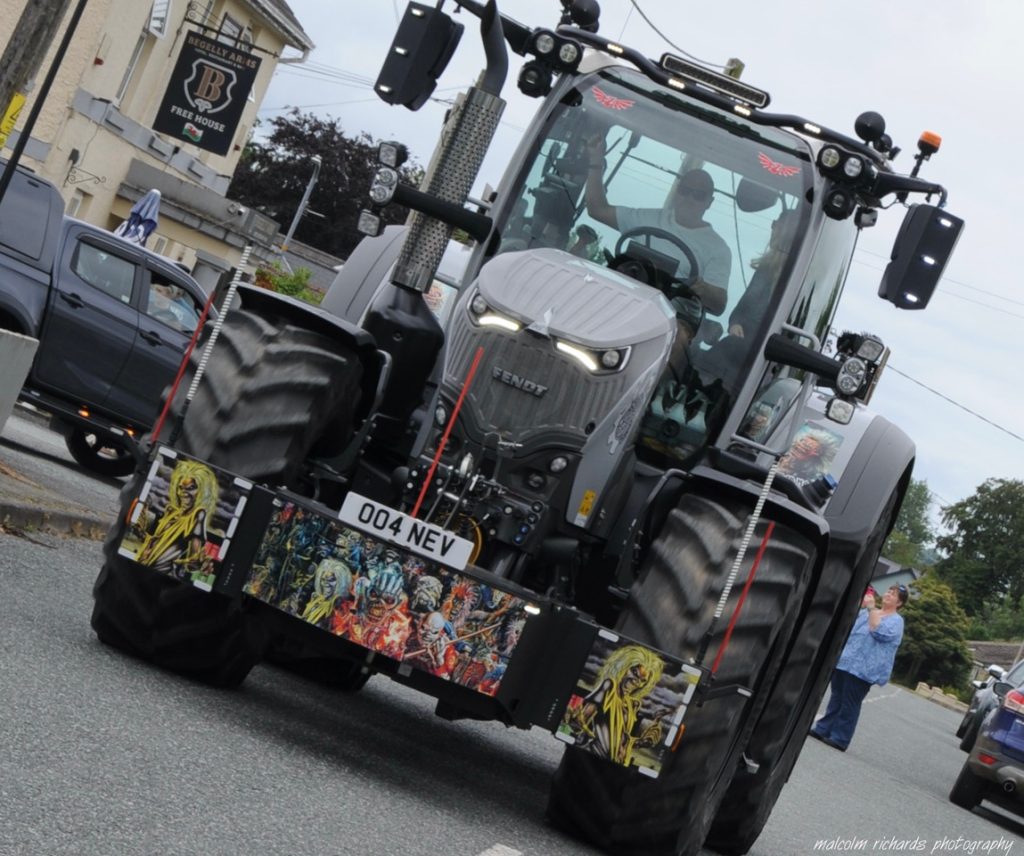
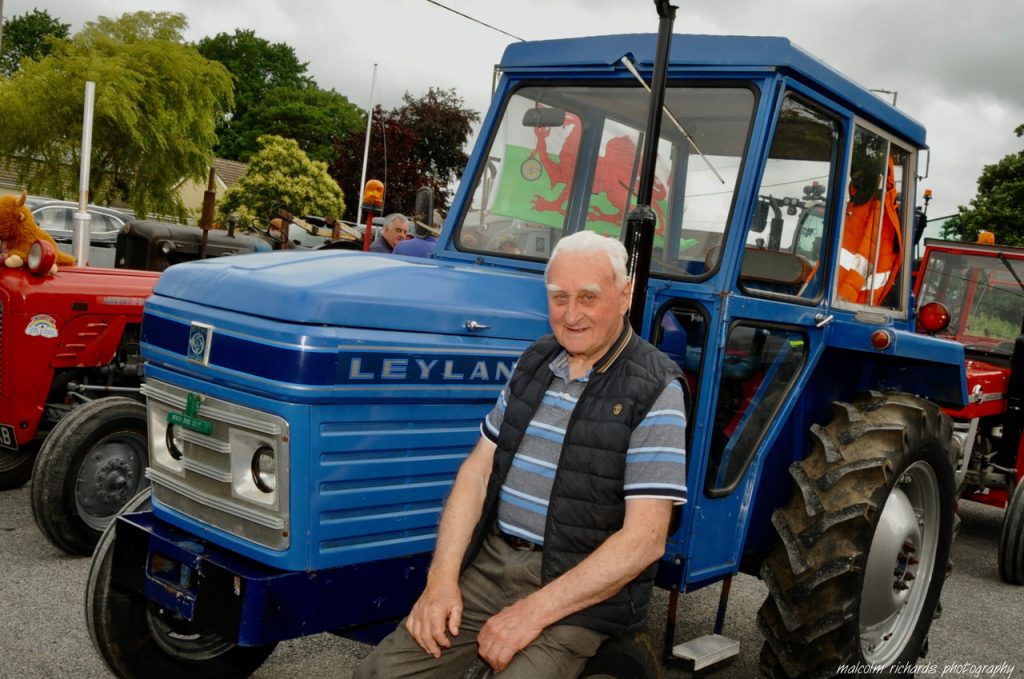

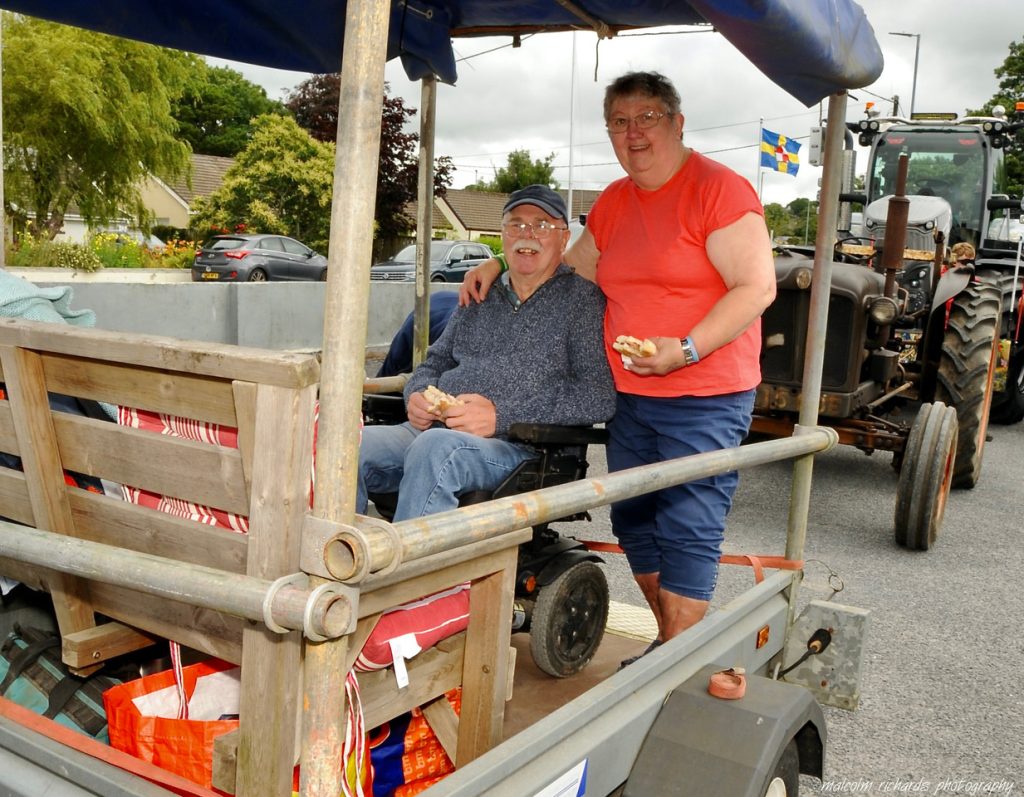
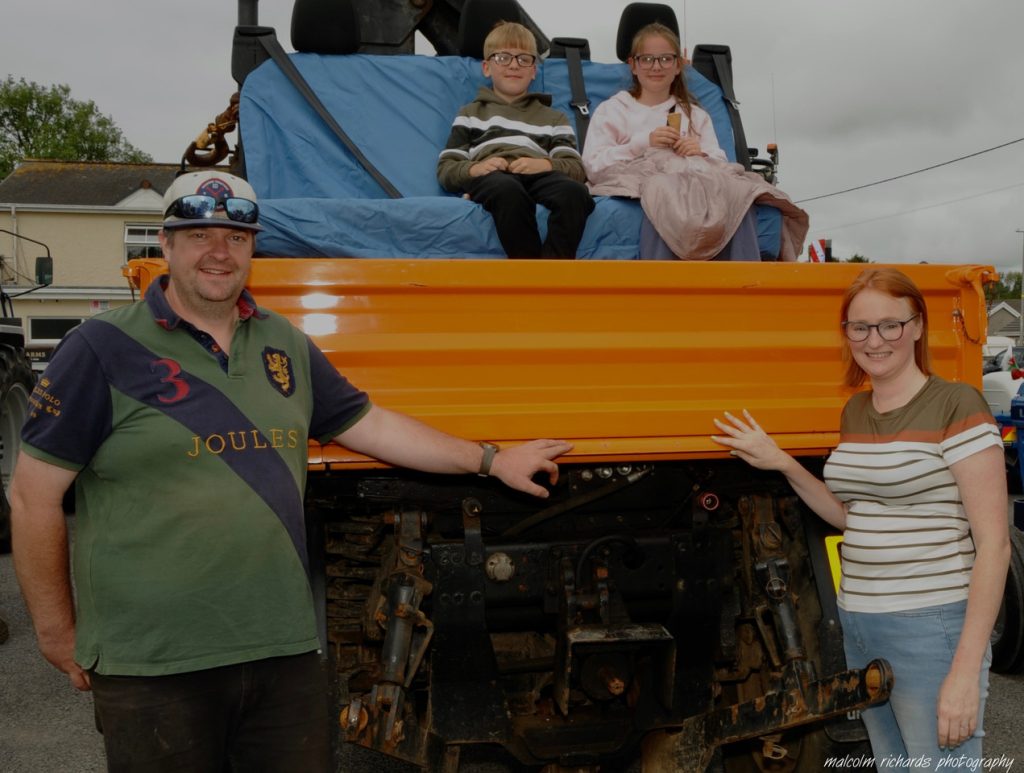






The sight of dozens of tractors heading out together made an impressive display as the convoy travelled through the local area.
Organisers said local charities are set to benefit from money raised at the event.
The annual run has become a well-supported fixture in the local calendar, with farming families turning out in force to take part and support the fundraising effort.
For further information, contact Peter Adams at the Begelly Arms on 01834 812601.
Pictures: Malcolm Richards
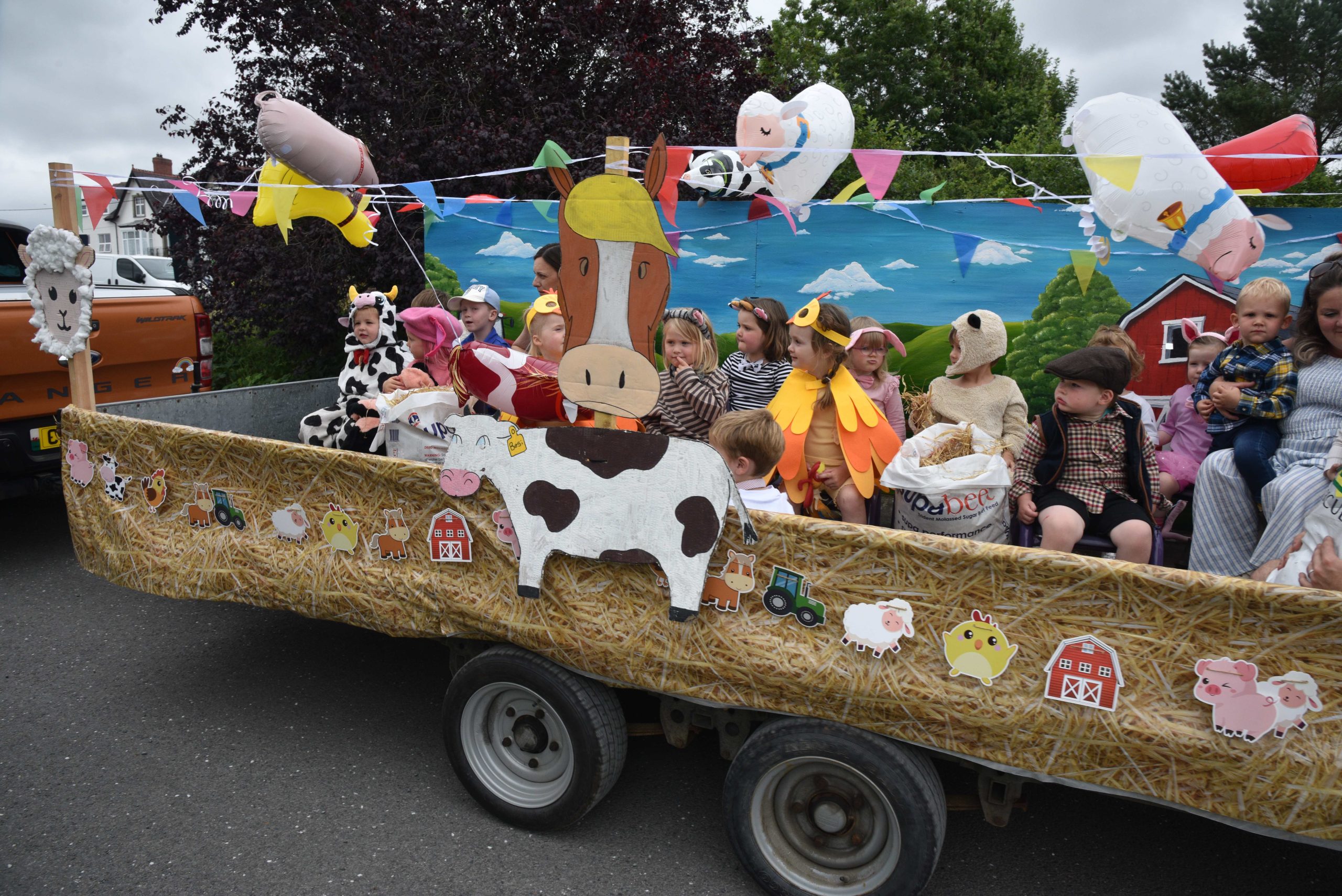
PONTRHYDFENDIGAID Carnival returned in style on Saturday, with a strong community turnout as villagers, families, children and young people gathered on the Village Green before the procession moved on to Bont Pavilion.
The afternoon was full of colour, music and community spirit, with bunting, balloons, decorated floats and smiling faces helping to create a true village celebration.
Among the highlights were the children’s and young people’s entries, which showed real creativity, confidence and effort. Farmyard scenes, animal costumes, a Noah’s Ark-themed float and brightly decorated tableaux all helped bring the carnival to life.

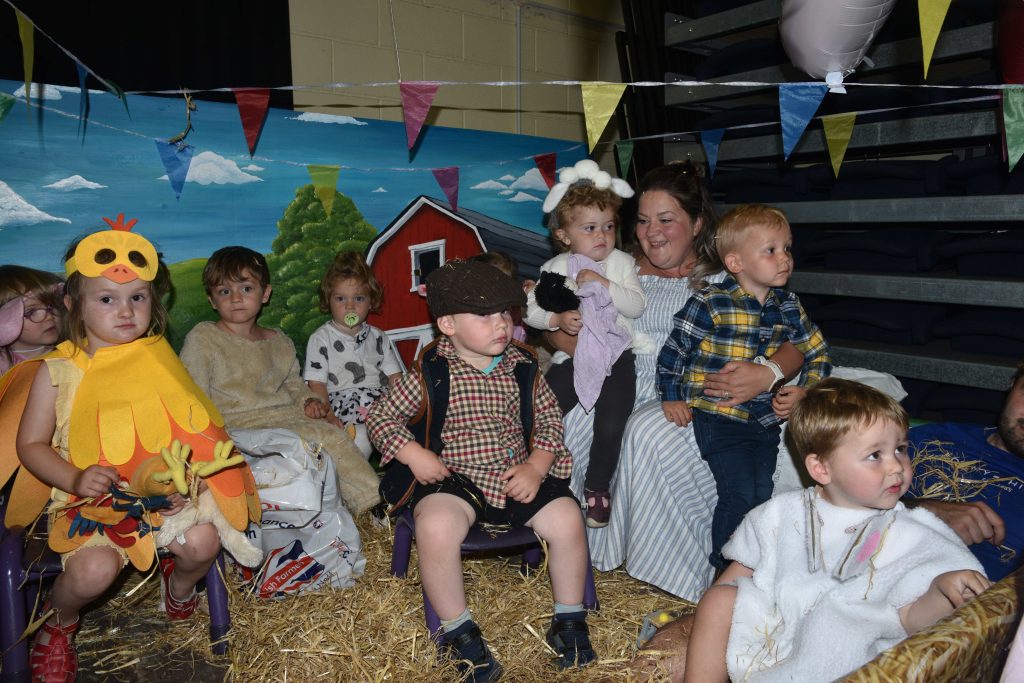
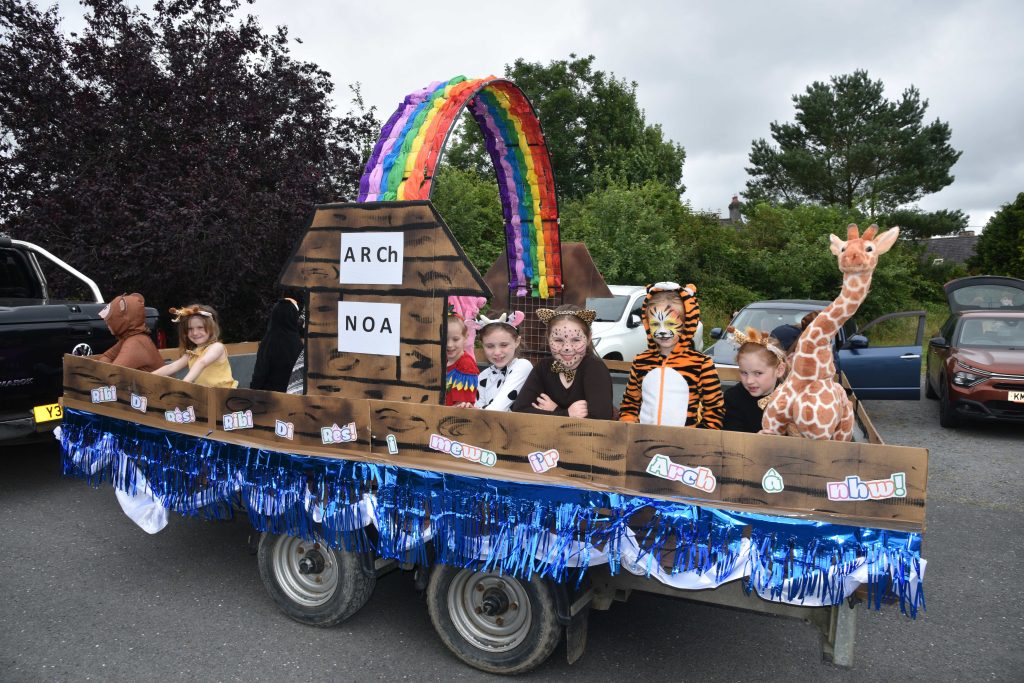
Organisers praised the work that had gone into the displays, competitions and activities, with many families clearly spending hours preparing costumes, props and entries.
The carnival programme featured a wide range of competitions, including floats and tableaux, children’s age-group entries, adverts, pairs, “anything on wheels” and the ever-popular welly throwing competition.
The mix of Welsh and English throughout the event reflected the strong local identity of Pontrhydfendigaid and the importance of keeping village traditions alive for the next generation.
Thanks were also paid to the organisers, volunteers, presidents, compères, families and all those who gave their time behind the scenes. Events of this kind take a great deal of work, and the turnout showed how much the carnival continues to mean to the community.
Pontrhydfendigaid Carnival 2026 proved to be a joyful reminder of what can be achieved when a village comes together.
Photographs and report by Jeremy Rundle

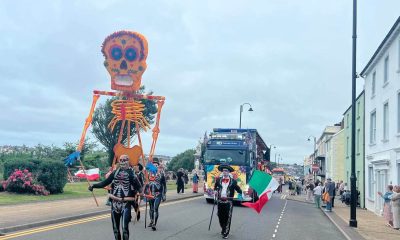
MILFORD HAVEN was filled with colour, music and community spirit on Saturday as the town’s annual carnival brought crowds onto the streets.
The Milford Haven Round Table Carnival returned on Saturday, July 4, with the procession leaving Waterloo Square at 1pm before making its way across Hakin Bridge, along Hamilton Terrace and Charles Street, and down towards Milford Waterfront.
Families lined the route to watch the floats, walkers and performers pass through the town, with spectators cheering and waving as the procession made its way through Milford Haven.
Despite grey skies overhead, there was a strong turnout from local residents and visitors, with many gathering early to secure a good view of the parade.
One of the most eye-catching entries was Queen Bee’s Jubilee, a colourful bee-themed entry by St Katharine’s Stratford Players.
The float was decorated with sunflowers, yellow and black bunting, and performers dressed in matching costumes. Walkers accompanying the float continued the theme, carrying large sunflower props and helping to bring a bright splash of colour to the procession.
St Katharine’s Stratford Players later confirmed that Queen Bee’s Jubilee had been crowned the overall winner of Milford Haven Carnival 2026. The group also took first place in Category B.
In a post after the event, the group said they were “absolutely buzzing” to have won, and thanked all those who had helped build, paint, create, carry, organise, dress up, dance, walk and cheer them on.
They also gave special thanks to Dave Morgan and Ben Bryce for their support, and thanked Milford Haven Round Table for organising what they described as a great community event.
The group said: “It takes a whole hive to make something this special, and we couldn’t be prouder of ours.”
The event also had a strong musical element. Public posts ahead of the carnival listed live performances from Milford Haven Town Band, Swansea Pipe Band and Samba Doc, while other carnival posts referenced visiting Isle of Wight performers, including Vectis Corps of Drums Marching Band, Medina Marching Band and The Ventnor Comic Jazz Band.
The sound of drums, brass and carnival music helped create a lively atmosphere as the parade travelled through the town.

Milford Haven Round Table, which organises the carnival, had appealed to residents in Hakin and Hubberston before the event to help keep roads clear for the procession. Organisers said a large number of lorries, floats and support vehicles were expected to take part, and thanked the community for its support.
After the parade, the celebrations continued at Milford Waterfront, where visitors were able to enjoy live music, food and drink, stalls, a funfair, mini golf and family entertainment.
The Kids Activity Zone included Animal Cwtch, the Big Science Project, face painting, Maisie Moo Music, Mr Jon Jon Kids Entertainer, Buzzard Chris Bushcraft, The Bubbleologist, a magician and the new Round Table mascot bear.
There was also entertainment on the water, with a Svitzer tug display and Angle Lifeboat listed as part of the day’s programme.
Street food was also part of the waterfront line-up, with Junkyard Dogs and Market Street Burgers among those named in the official event listing.
The carnival was followed by a free after-party at the Lord Nelson Hotel, organised by Westpresents and The Lord Nelson Hotel in partnership with TCW Productions. The event was due to run from 3pm to 11pm, with live performances, outdoor bars, a face painter and a large LED screen.
Milford Haven Carnival remains one of the town’s best-loved summer events, bringing together local families, volunteers, businesses, performers and community groups.
Saturday’s turnout showed the continued strength of support for the event, with residents turning out in numbers to celebrate a day that has become a key part of Milford Haven’s community calendar.




Community2 hours ago
Kilgetty and Begelly tractor run raises funds for local charities
Around 70 tractors joined the annual charity road run, hosted by the Begelly Arms Hotel THE ANNUAL Kilgetty and Begelly...

Community2 hours ago
Milford Haven Carnival brings colour, music and crowds to the town
MILFORD HAVEN was filled with colour, music and community spirit on Saturday as the town’s annual carnival brought crowds onto...


News1 day ago
A40 closed near Llandeilo following collision
A SECTION of the A40 in Carmarthenshire has been closed in both directions following a collision. The road is currently...

Local Government1 day ago
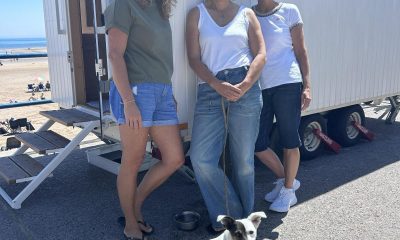
Award-winning Saundersfoot sauna faces refusal over location concerns
PLANS to allow an award-winning outdoor sauna to remain permanently at Saundersfoot Harbour have been recommended for refusal by Pembrokeshire...


Health1 day ago
NHS at 78: A moment to give back to the service Wales helped create
As the health service marks its 78th birthday, people in Pembrokeshire are being urged to support local NHS charities helping...

Community2 days ago
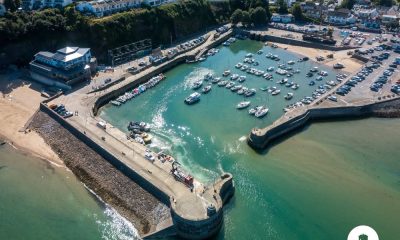
Saundersfoot Harbour regeneration project wins national planning award
SAUNDERSFOOT HARBOUR’S redevelopment has been named Best Project at the RTPI Cymru Awards for Planning Excellence 2026. The award recognises...


Business2 days ago
Pembrokeshire-based Ascona Group expands UK portfolio with Truckhaven acquisition
PEMBROKESHIRE-BASED Ascona Group has completed the acquisition of Truckhaven (Carnforth) Ltd, a major trunk road services area in Lancashire. The...

Health3 days ago
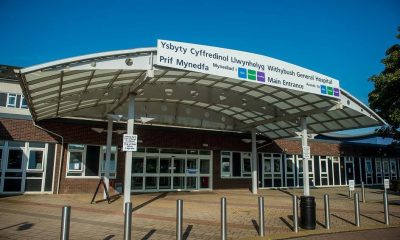
Wales begins early NHS winter planning after long waits and ambulance pressure
Ministers say health boards and councils must act now to ease pressure on hospitals, ambulances and social care before winter...


Crime4 days ago
Judge calls pensioner a ‘dirty old man’ as he avoids jail for exposing himself to women
Judge says 75-year-old Stewart Laugharne behaved ‘disgracefully’ as he avoids jail but is ordered to sign sex offenders register A...
Health4 days ago
Stroke services consultation reaches halfway point as public urged to have say
HYWEL DDA University Health Board is urging people to take part in its consultation on the future of stroke services,...
-

 News5 days ago
Biker dies and woman seriously injured in Black Mountain crash
-
 Crime4 days ago
Estate agent banned after drug-drive crash in Milford Haven
-
 Community6 days ago
Thousands line Cardigan streets for Lord Rhys homecoming parade
-
 Local Government5 days ago
Flood defence scheme moves closer as community invited to view plans
-

 Community6 days ago
Civic service brings Pembrokeshire towns together in Haverfordwest
-

 Crime4 days ago
Eight guilty over ‘industrial scale’ cocaine conspiracy into Pembrokeshire and Carmarthenshire
-
 Crime4 days ago
Men threatened to have prisoner killed in chilling phone call to his father
-
Crime4 days ago
Judge calls pensioner a ‘dirty old man’ as he avoids jail for exposing himself to women