

News
Welsh Democracy at risk unless changes made, warns Constitutional Commission


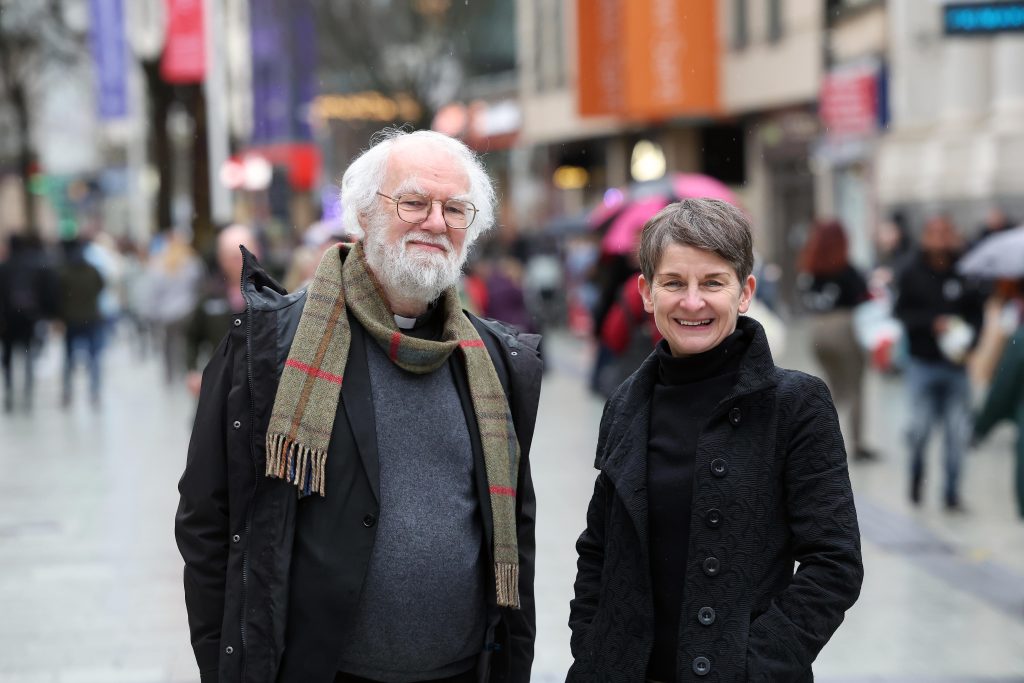
THIS WEEK the Independent Commission on the Constitutional Future of Wales released its long-awaited final report, concluding a two-year national conversation on Wales’ governance and future prospects. The report, co-chaired by Professor Laura McAllister and Dr Rowan Williams, presents a stark warning: urgent changes to Welsh devolution are necessary to avert its collapse.
Established in 2021, the 11-member Commission boasts diverse backgrounds, offering a rich tapestry of expertise and political views. Its extensive engagement efforts – including surveys, roadshows, and a Community Engagement Fund – have echoed the voices of thousands across Wales. The Commission’s interim report, published in December 2022, highlighted significant governance issues within the Union, deeming the ‘status quo’ an unstable foundation for Wales’ prosperity.
The final report, underpinned by this comprehensive public dialogue, deems all three previously outlined constitutional options for Wales – independence, federalism, and enhanced devolution – as viable. However, it stresses the necessity of immediate changes to safeguard current devolutionary arrangements. Key among these are the devolution of justice, policing, and rail infrastructure, alongside major financial reforms to maximize Welsh value for money.
Additionally, the report calls for legislated protections for inter-governmental relations, ensuring efficient collaboration and public interest delivery. The three constitutional options offer distinct paths: enhanced devolution promises economic stability without fundamental shifts; a federal UK presents a balanced, accountable ‘middle way’; while independence carries the greatest economic risks but also the potential for significant, long-term benefits.
Professor McAllister emphasizes the timeliness of this national conversation, noting the transformative changes in Welsh governance over the past quarter-century and the pressing need for responsive reforms. Dr Rowan Williams highlights the importance of this grassroots engagement, urging the continuation of this national dialogue beyond the Commission’s lifespan to foster a robust democratic culture in Wales.


Responses to the report vary across the political spectrum. Labour’s Shadow Secretary of State for Wales, Jo Stevens, acknowledges the report’s significance, reiterating Labour’s commitment to devolution. Jane Dodds MS, Leader of the Welsh Liberal Democrats, criticizes the status quo’s inadequacy, advocating for pragmatic reform and localized power distribution.
Conversely, Darren Millar MS, Shadow Minister for the Constitution, critiques the report as a diversion from pressing issues, arguing for a focus on public services over constitutional debates. YesCymru welcomes the report, viewing it as a stepping stone towards independence, stressing the need for Welsh control over its destiny.
Plaid Cymru, via Rhun ap Iorwerth MS, plans to respond to the report at a forthcoming Aberystwyth University event, reflecting on its implications for Welsh independence.
In summary, the Commission’s final report ignites a vital conversation on Wales’ constitutional future, offering a foundation for imminent, impactful change. It underscores the need for a balanced, informed dialogue to shape the path ahead, ensuring that Welsh democracy not only survives but thrives in the coming years.

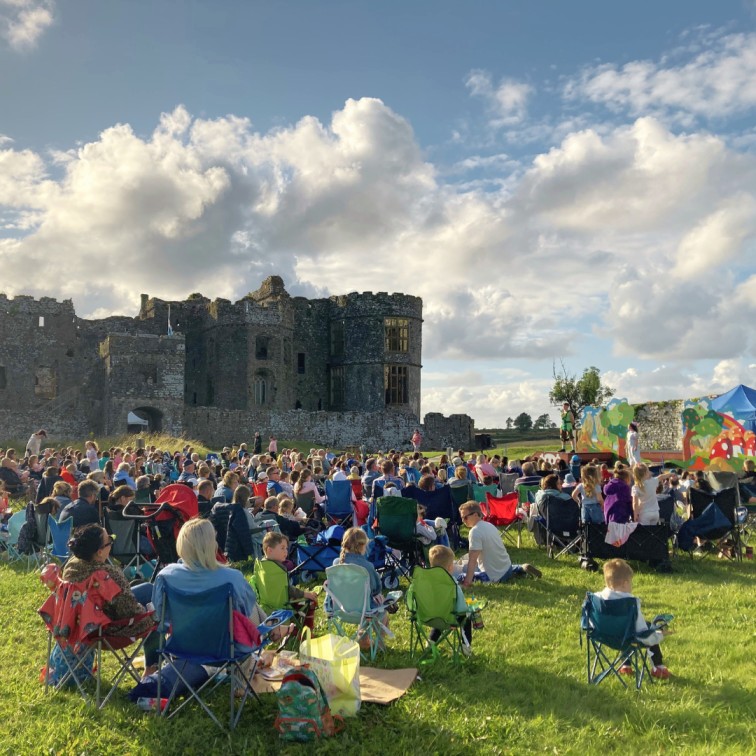
SUMMER evenings at Carew Castle will be filled with mystery, music and family entertainment as two much-loved stories are brought to life in the historic castle grounds.
Audiences are being invited to pack a picnic, bring a rug or low-backed chair and enjoy professional touring theatre in one of Pembrokeshire’s most atmospheric settings.
Hot drinks and ice creams will also be available during the performances.
The first of this summer’s open-air productions takes place on Thursday, July 30, when the critically acclaimed Pantaloons Theatre Company presents a new adaptation of Sherlock Holmes and The Hound of the Baskervilles.
Featuring live music, audience interaction and inventive theatrical comedy, the production follows Holmes and Watson as they investigate the deadly secret behind the Baskerville family curse.
Suitable for all ages, although parental guidance is advised, the show promises an evening of suspense, mayhem and laughter.
The entertainment continues on Tuesday, August 4, when Immersion Theatre brings its trademark energy to a musical adaptation of The Jungle Book.
Packed with original songs, audience participation and larger-than-life characters, the production follows Mowgli, Baloo and Bagheera on a fast-paced jungle adventure.
The story features cheeky monkeys, a slithering snake and the fearsome tiger Shere Khan.
Recommended for children aged four and above, the show promises a funny, exciting and entertaining evening for the whole family.
Daisy Hughes, manager of Carew Castle, said: “What works so well about outdoor theatre at Carew Castle is the relaxed, sociable feel of it.
“People can bring a picnic, settle in with family and friends, and enjoy professional touring theatre without the formality of a traditional auditorium.

“This year’s productions offer two very different experiences, from the suspense and humour of Sherlock Holmes and The Hound of the Baskervilles to the colour, music and energy of The Jungle Book.
“They are exactly the kind of performances that work beautifully outdoors, with plenty for families and theatre fans to enjoy.”
Gates will open at 5.30pm for Sherlock Holmes and The Hound of the Baskervilles, with the performance beginning at 6.30pm.
The show will run for approximately two hours, including an interval.
For The Jungle Book, gates will open at 4.45pm and the performance will begin at 5.30pm.
The show has an approximate running time of one hour and 25 minutes, with an interval between acts.
Tickets cost £16 for adults and £12 for children aged between three and 16.
A family ticket, covering two adults and two children or three adults and one child, costs £50.
Booking is essential through the Carew Castle website.
Tickets are non-refundable and performances will go ahead in wet weather. Visitors are advised to wear warm, waterproof clothing and bring a torch.
Caption: Live theatre returns to Carew Castle this summer, bringing stories, songs and suspense to the historic grounds.
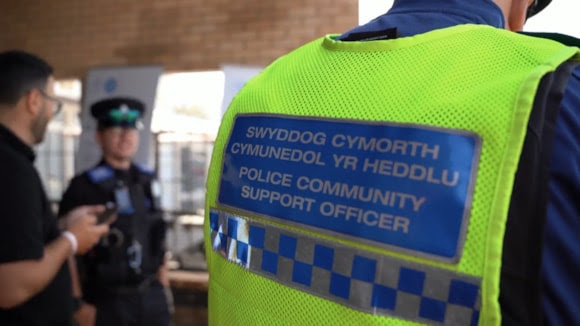
A JOINT policing operation aimed at tackling antisocial behaviour in Tenby and across Pembrokeshire will return during the busy summer holiday period.
Operation Lion brings together Transport for Wales, Dyfed-Powys Police and British Transport Police to provide an increased visible presence in the area as visitor numbers rise.
The annual operation, first launched in 2015, will run throughout the six-week school summer holidays, with dedicated patrols every Friday, Saturday and Sunday.
British Transport Police officers will patrol Tenby and the surrounding area, working alongside Dyfed-Powys Police to respond to incidents and reassure residents, businesses and visitors.
Transport for Wales security teams will also patrol train services between Tenby and Pembroke Dock, while additional cover will be provided on the final service to Carmarthen.
The operation aims to reduce antisocial behaviour, public disorder and vandalism, while improving public safety through a visible police and security presence.
Organisers say the initiative has helped reduce summer incidents in previous years and has received positive feedback from businesses and communities in Tenby.
Transport for Wales security manager Simon Turton said: “We’re proud to once again support Operation Lion alongside our colleagues from British Transport Police and Dyfed-Powys Police.
“This initiative is a great example of partnership working in action. Through a proactive, community-focused approach, we have helped reduce antisocial behaviour in Tenby and across Pembrokeshire over the years, and we are committed to building on that success again this summer.
“Our aim is simple: to ensure that residents and visitors can enjoy everything these fantastic areas have to offer in a safe and welcoming environment.”
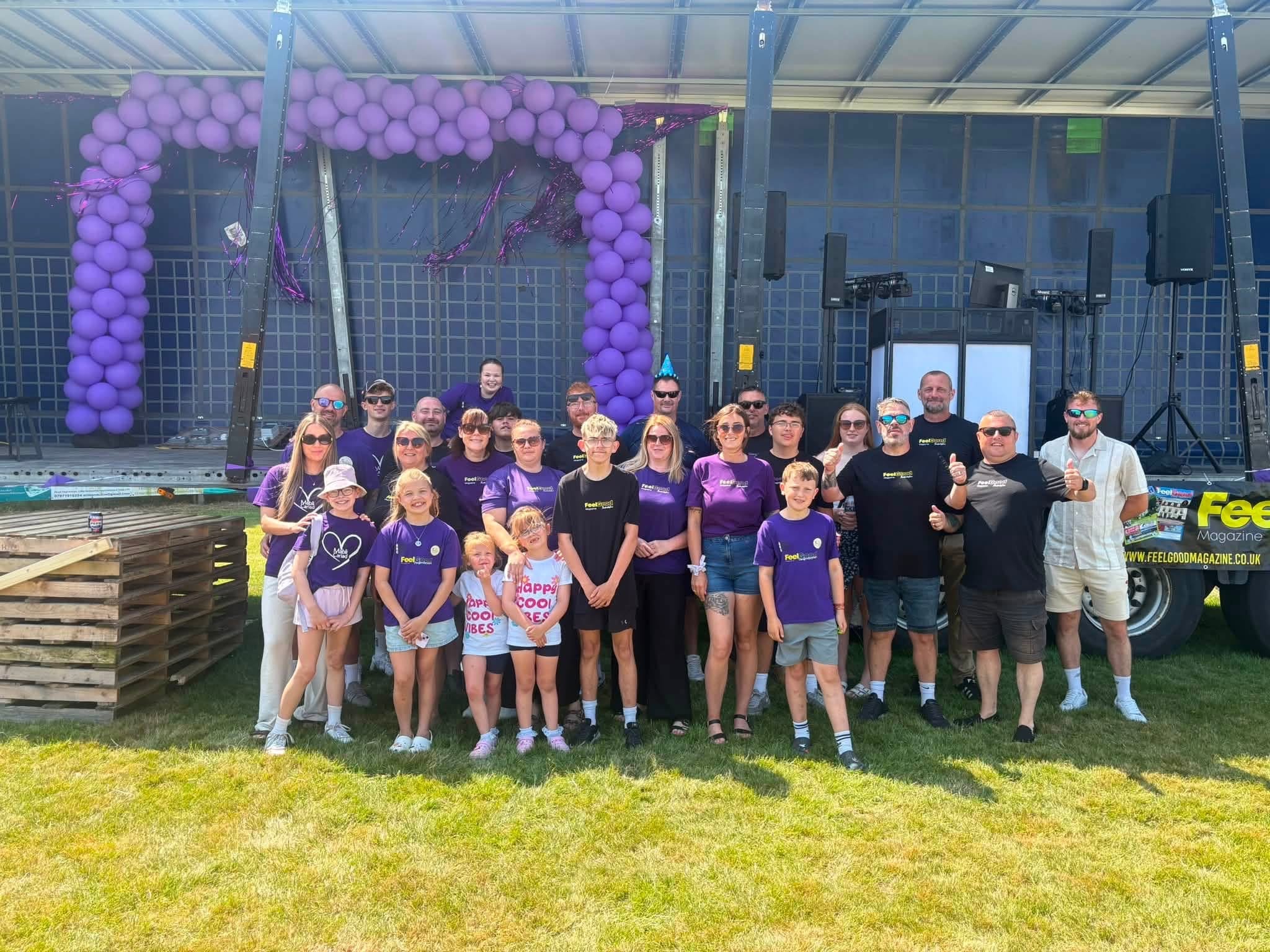
LETTERSTON came together for a packed week of entertainment, sport and community spirit, raising more than £2,500 in memory of local girl Mabli.
Letterston Fun Week featured a treasure hunt, bingo, pool, junior football, men’s and ladies’ darts, a quiz night and children’s disco, before concluding with a hugely successful Fun Day.
Organiser Tim Evans thanked the volunteers, performers, sponsors and residents who helped make the week possible, describing the support received at every event as “incredible”.
The Fun Day began with a chicken wing challenge, won by Shaun McVey of Letterston, before young singers Arthur, Mila, Etta and Nancie from Ysgol Ger y Llan took to the stage alongside Cassidy from Tonna.


They were followed by dancers from the Lowri Jones School of Dance, who performed in front of a packed field.
Live music came from Chrissy D and Steve Bartram, while children were entertained by Crazy Clayton.
As the evening continued, the Fishguard and Goodwick Rugby Club Choir delivered what organisers described as an outstanding performance.
Local band Roccanna then took to the stage, led by Letterston’s own Tristan Mansell, before headline act Forever Elton brought the celebrations to a close with a tribute to the music of Elton John.
Tim said: “This year has been a challenging one to organise, with plenty of obstacles along the way, but seeing the whole week come together so successfully made every bit of hard work worthwhile.
“To every volunteer who helped set up, sold raffle tickets and programmes, marshalled events, cleared away afterwards or simply stepped in wherever needed, I honestly could not be prouder.
“You worked your socks off to give Letterston an event to be proud of, and I cannot thank you enough.”
More than £2,500 has already been raised, with organisers expecting the final total to increase as the remaining proceeds are counted.

Fun Week is held each year in memory of Mabli, whose life continues to be celebrated by the Letterston community.
Paying tribute, Tim added: “Rob, Gwen and all the family, it is a privilege for us to organise this event each year and create a day where Mabli’s life can be celebrated by the whole community.
“We send you all our love and look forward to doing it all again next year.”
Organisers thanked everyone who attended, donated, volunteered, performed, sponsored or supported the events.
Letterston Fun Day will return on Saturday, July 17, 2027.



Local Government12 hours ago
Calls grow for independent investigation into Manorbier school closure
Councillor alleges misleading figures, inadequate insurance and poor treatment of staff CALLS for an independent investigation into the controversial closure...

Community19 hours ago
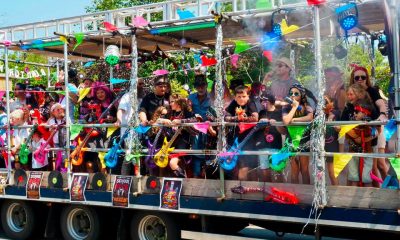
Neyland Carnival hailed a huge success after streets fill with colour and crowds
NEYLAND CARNIVAL organisers have thanked the community, volunteers and local businesses who helped make this year’s event a memorable success....


Community22 hours ago
Tenby Summer Spectacular: Anger grows over ‘disaster waiting to happen’ warning
A growing backlash has followed police calls for the event’s licence to be revoked, with supporters questioning why authorities failed...

Charity2 days ago
RSPB secures ‘missing link’ to reconnect wildlife habitats in Carmarthenshire
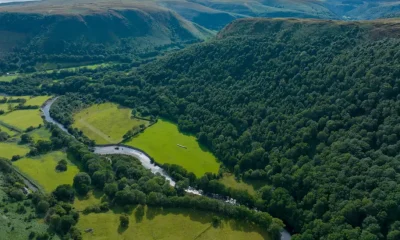
RSPB CYMRU has purchased a 96-hectare upland site in Carmarthenshire, describing it as a vital step towards reconnecting one of...


Crime3 days ago
Ann Widdecombe: Welsh politicians pay tribute as murder probe launched
Prime Minister Sir Keir Starmer has praised the former minister’s “conviction and dedication”, while political figures in Wales remembered her...


News3 days ago
Solardo pulls out of Haverfordwest show as organisers offer full refunds
Headline act confirms non-appearance as Park House Series announces major event changes DANCE music duo Solardo will no longer perform...


Local Government3 days ago
Conservatives win Pembroke Dock seat as Reform stalls and Dowson polls just 11
Jamie Street takes Market ward with a 43-vote majority as Reform finishes fourth despite its major Senedd breakthrough two months...


Health3 days ago
Hospital ward closed after highly contagious scabies outbreak
Hywel Dda confirms wider rise in cases across Carmarthenshire, Pembrokeshire and Ceredigion as patients and staff are offered treatment A...


Crime4 days ago
Teacher stabbing trial: The first week of evidence
Jury hears accounts of alleged planned classroom attack, teacher’s fear she was dying, and boy’s words after leaving school A...


Community4 days ago
Haverfordwest Castle refurbishment reaches new heights as roof goes on
Major milestone reached in project to transform historic gaol building into flagship visitor attraction A MAJOR milestone has been reached...
-

 Farming6 days ago
Pembrokeshire slaughterhouse given urgent improvement rating after audit failure
-

 Entertainment5 days ago
Swing and big band classics heading to Torch Theatre
-

 News7 days ago
Large fire breaks out at Impala Terminal in Milford Haven
-

 News6 days ago
From boccia to boxing: ALN multisport events give youngsters chance to try activities
-

 News6 days ago
Questions raised over Hamilton Accies finances after club’s Haverfordwest friendly
-
 Education7 days ago
Council failed Welsh language standards over school closure
-
 Entertainment7 days ago
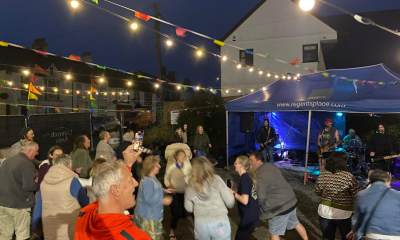
Crymych Arms to host weekend of local music, food and drink
-

 Farming4 days ago
Working Carmarthenshire farm opens gates to visitors with new holiday cottages