

News
Cars to remain banned from Pembrokeshire beach this summer

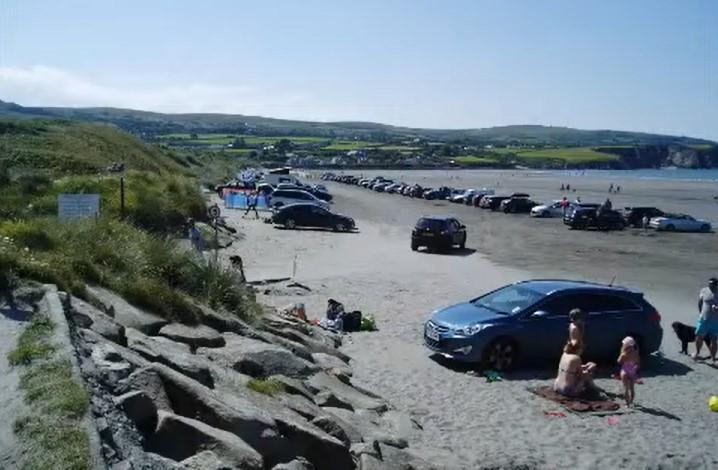
NEWPORT SANDS, which became car-free last year, will remain so, but early stages of a £350,000 scheme to improve facilities have been backed by members of Pembrokeshire Coast National Park.
Last May, the Authority ended parking on the Newport Sands beach after purchasing the land, in response to growing safety concerns.
It said the beach would be a ‘car-free’ zone, with exceptions only allowed for emergency services and essential car users such as the RNLI and coastguards.
A petition was later launched demanding a backtrack, saying an outright ban will have an adverse effect on a wide cross-section of beach users, including disabled visitors.
Last July, members of Pembrokeshire Coast National Park’s authority agreed to keep the car-free resolution, with a further update and report being provided after the first car-free summer, along with “actively pursuing options of how to improve access for people living with disability”.

Between October and November of last year, the Park also ran an online public consultation regarding the future of Traeth Mawr, with 107 responses received, members of Pembrokeshire Coast National Park’s authority meeting of March 20 heard.
A report for members said: “There is evident anger that access to the beach has been stopped for vehicles, as well as praise for this decision,” adding, amongst other issues: “There is a theme that current access for the disabled population is not where it needs to be with investment needed for a variety of mobility equipment, parking options, changing places toilets and changing/ cleaning facilities.”
It went on to say: “The Authority has considered these responses in drawing up a specific project for Traeth Mawr, seeking to use funding available as part of the Special Landscapes Special Places fund.”
Detailing the project, the report said: “The Authority has developed a project proposal to enhance the existing car park at Traeth Mawr, to replace and upgrade the existing toilet block and provide an enhanced facility including a changing places area.
“Updated drainage facilities will be provided as part of these changes. Additional changes proposed include permeable surfaces in the overflow car park, improved ramps to access the beach and three permanent beach wheelchair storage areas. Enhanced landscaping and appropriate planting are also proposed to deliver net biodiversity benefits.”
The Park made £25,548 last year from parking at Traeth Mawr, but, as part of a wider two-year financial contributions to Pembrokeshire County Council to support public conveniences will be paying approximately £14,600 a year for Traeth Mawr for two years.
“It is anticipated that some of the capital works programmed will assist in reducing the annual revenue costs associated with running the facility if a more sustainable foul drainage solution and options such as small-scale solar PV panels can be incorporated as part of the design,” members heard.

Anticipated costs associated for the project are in the region of £330-£350,000, the report adding: “Precise costs will not be identified until further investigation works have concluded. The Authority has secured grant funding to meet the above outlined costs.”
A public consultation will take place as part of the planning application processes.

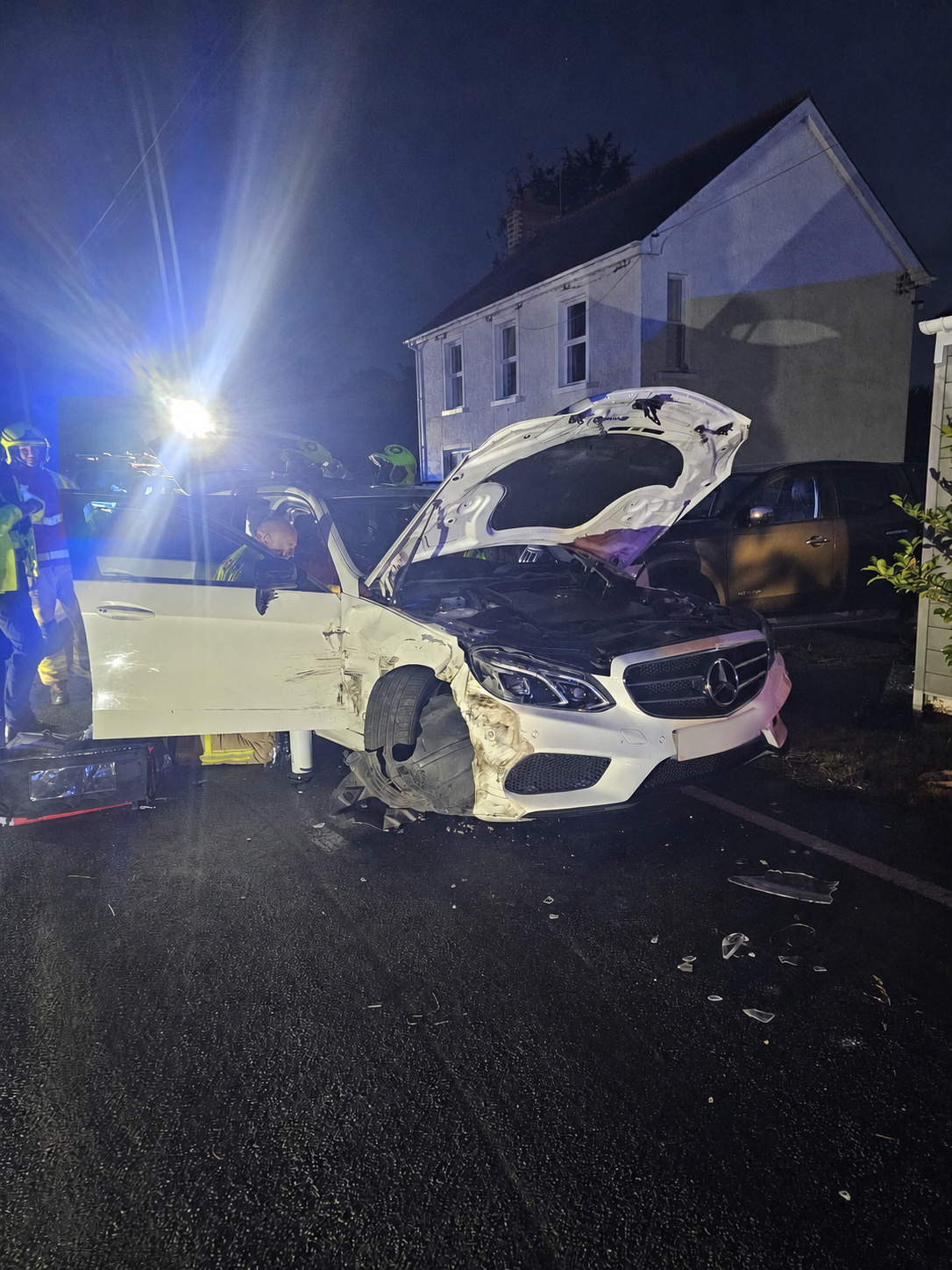
HAKIN MOTORS has asked customers for patience after the owner’s wife was injured in a collision involving a suspected drink-driver on Friday evening (Jul 11).
The owner, Alex Nel, said his wife was travelling home from the garage when her Mercedes was struck, leaving the vehicle badly damaged.
Although her injuries are not believed to be serious, she has been left battered and bruised and is currently unable to drive.
As a result, the garage’s opening hours may vary temporarily while the owner takes responsibility for school runs, appointments and other family commitments.
In a message to customers, Hakin Motors said: “Friday evening, my wife was hit by a drunk driver on her way home from the yard.
“Fortunately, the injuries aren’t too serious, but she is battered, bruised and not able to drive currently.
“This means that the garage hours are going to be a little different, with me doing school drop-offs, pick-ups and all the driving around for a while.
“I will do my utmost to ensure everything booked in is completed, but I ask for everyone’s patience while I try to balance the garage with looking after my family.”
The business thanked customers for their understanding and said it would continue working through existing bookings wherever possible.
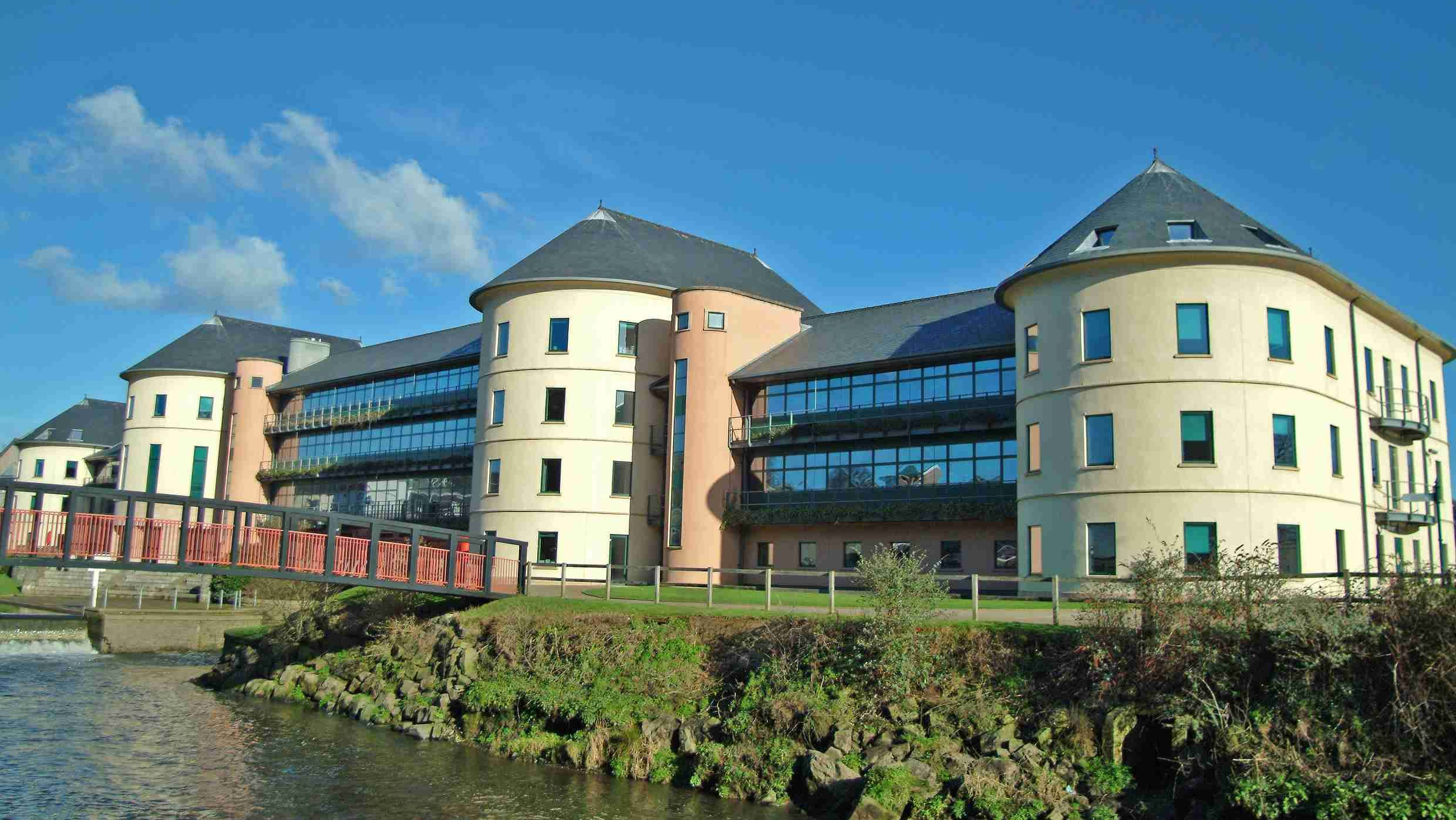
PEMBROKESHIRE COUNTY COUNCIL is asking residents and other interested parties for their views on Council Tax premiums for the 2027-28 financial year.
The consultation focuses on the future level of additional Council Tax charged on second homes and long-term empty properties across Pembrokeshire.
A Council Tax premium is charged on top of the standard Council Tax bill, which also includes contributions towards the Dyfed-Powys Police and Crime Commissioner and town and community councils.
The council said feedback received through the consultation would help inform future decisions about the level of the premiums and how any additional income raised should be used to support local priorities.
Councillor Jon Harvey, Cabinet Member for Corporate Finance and Efficiencies, said: “We want to hear from as many people as possible on this important issue.
“By taking part in the consultation, residents and stakeholders can help shape future decisions and ensure that a wide range of views are considered before any recommendations are made.
“Please have your say by the closing date of Monday, August 10, 2026.”
The consultation includes background information on Council Tax premiums, the current position in Pembrokeshire and the legal framework within which the authority must operate.
Residents can take part online through the Council Tax Premium Setting for 2027-28 consultation on Pembrokeshire County Council’s website.
Paper copies are available by calling 01437 764551 or emailing [email protected].
A final decision on the premium levels and the use of any money raised is expected to be made by the full council at its meeting on October 15, 2026.
Any changes agreed will take effect from April 1, 2027.

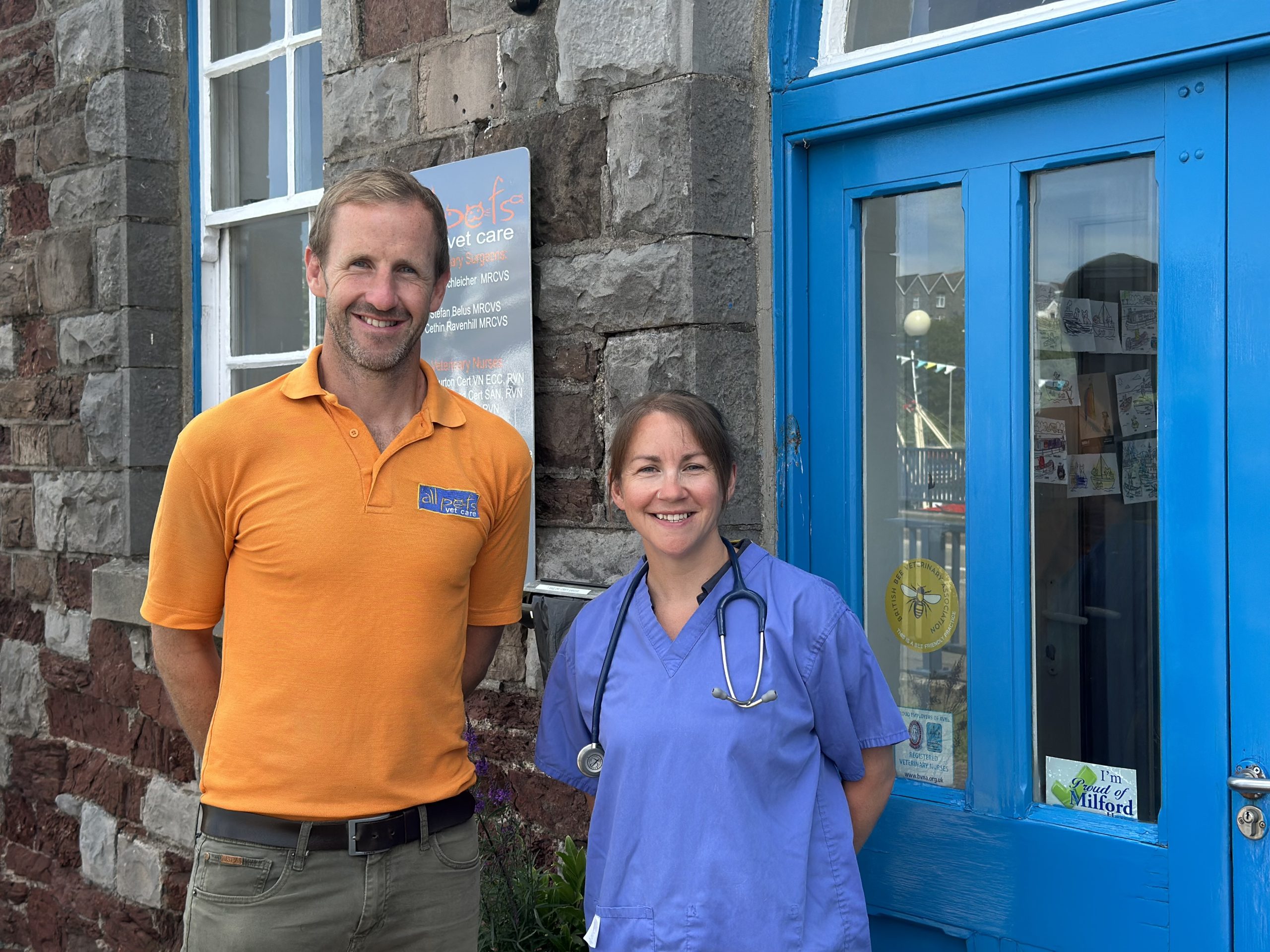
ALL PETS VET CARE is beginning a new chapter as ownership of the practice passes from founder Billa Schleicher to experienced local vets Alice Richards and Pete Howe.
The change will ensure the practice remains independently owned and firmly rooted in the Pembrokeshire community.
Alice and Pete have both worked as small animal vets in Pembrokeshire for more than a decade and say they are proud to build on the strong foundations already established at the practice.
They have pledged to continue providing compassionate, gentle and fairly priced veterinary care, with every animal treated as a valued member of the family.
The existing All Pets Vet Care team will remain in place, meaning clients will continue to see the same familiar faces and receive consistent, high-quality care.
Alice and Pete said the team’s longstanding relationships with clients were central to the practice’s success and that they intended to support and invest in staff as the business develops.
Alice said: “It is a privilege to take on All Pets Vet Care. There is a wonderful team here, and we are committed to maintaining the same personal and caring approach that clients and their pets know and trust.
“Remaining independent means we can stay close to the needs of our clients and the local community.”
Pete added: “We both care deeply about Pembrokeshire and the people and pets who live here.
“We want every client to feel supported, listened to and confident that their pets are in safe hands.
“That includes continuing to provide our own out-of-hours care for registered clients, so pets can be seen close to home by a familiar and trusted team when it matters most.”
All Pets Vet Care is one of only a small number of practices in Pembrokeshire to provide its own out-of-hours service for registered clients, offering continuity of care during evenings, nights and weekends.

The practice will also continue supporting local wildlife charities Tinkers Hill Bird Rescue and The Hogspital, which cares for sick and injured hedgehogs.
The partnerships have formed an important part of Billa’s legacy at the practice and will continue under the new owners.
Alice and Pete said All Pets Vet Care would remain an active part of the community, providing trusted advice, continuity of care and a genuinely personal service to pet owners across Pembrokeshire.
As the practice looks to the future, its commitment remains unchanged: providing trusted, compassionate and independent care for local pets and the people who love them.


Community4 hours ago
Neyland Carnival hailed a huge success after streets fill with colour and crowds
NEYLAND CARNIVAL organisers have thanked the community, volunteers and local businesses who helped make this year’s event a memorable success....


Community7 hours ago
Tenby Summer Spectacular: Anger grows over ‘disaster waiting to happen’ warning
A growing backlash has followed police calls for the event’s licence to be revoked, with supporters questioning why authorities failed...
Community10 hours ago
Police warn Tenby Summer Spectacular is ‘a disaster waiting to happen’
POLICE have warned that Tenby’s Summer Spectacular has become “a disaster waiting to happen”, amid concerns about overcrowding, crowd surges...

Charity1 day ago
RSPB secures ‘missing link’ to reconnect wildlife habitats in Carmarthenshire
RSPB CYMRU has purchased a 96-hectare upland site in Carmarthenshire, describing it as a vital step towards reconnecting one of...


Crime2 days ago
Ann Widdecombe: Welsh politicians pay tribute as murder probe launched
Prime Minister Sir Keir Starmer has praised the former minister’s “conviction and dedication”, while political figures in Wales remembered her...


News2 days ago
Solardo pulls out of Haverfordwest show as organisers offer full refunds
Headline act confirms non-appearance as Park House Series announces major event changes DANCE music duo Solardo will no longer perform...


Local Government2 days ago
Conservatives win Pembroke Dock seat as Reform stalls and Dowson polls just 11
Jamie Street takes Market ward with a 43-vote majority as Reform finishes fourth despite its major Senedd breakthrough two months...

Health2 days ago
Hospital ward closed after highly contagious scabies outbreak
Hywel Dda confirms wider rise in cases across Carmarthenshire, Pembrokeshire and Ceredigion as patients and staff are offered treatment A...


Crime3 days ago
Teacher stabbing trial: The first week of evidence
Jury hears accounts of alleged planned classroom attack, teacher’s fear she was dying, and boy’s words after leaving school A...


Community3 days ago
Haverfordwest Castle refurbishment reaches new heights as roof goes on
Major milestone reached in project to transform historic gaol building into flagship visitor attraction A MAJOR milestone has been reached...
-
 Farming6 days ago
Pembrokeshire slaughterhouse given urgent improvement rating after audit failure
-

 News5 days ago
From boccia to boxing: ALN multisport events give youngsters chance to try activities
-

 News6 days ago
Large fire breaks out at Impala Terminal in Milford Haven
-
 Education6 days ago
Council failed Welsh language standards over school closure
-

 Entertainment4 days ago
Swing and big band classics heading to Torch Theatre
-

 News5 days ago
Questions raised over Hamilton Accies finances after club’s Haverfordwest friendly
-
 Farming3 days ago
Working Carmarthenshire farm opens gates to visitors with new holiday cottages
-
 Entertainment6 days ago
Crymych Arms to host weekend of local music, food and drink