


Politics
Claimed £2m council rent arrears to come under spotlight

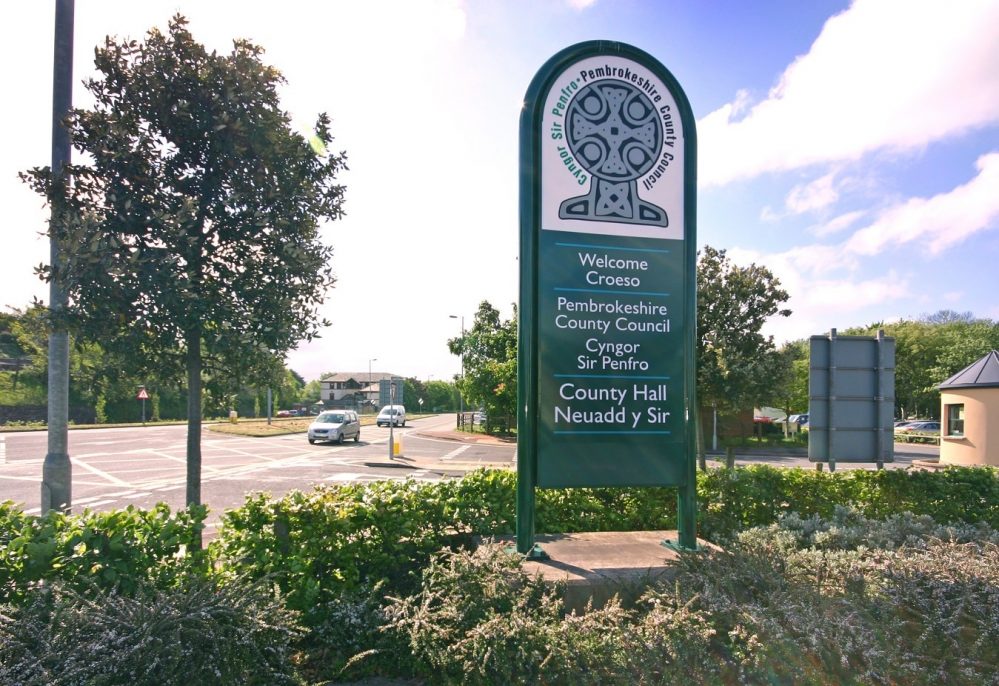
CONCERNS that Pembrokeshire County Council has “serious rental arrears of more than £2m” are to come under the spotlight in a series of questions to senior councillors at County Hall next week.
Merlin’s Bridge councillor John Cole, in a submitted question to be heard at the May 9 meeting of Pembrokeshire County Council, will ask: “In the budget seminars. It was reported that the council has serious rental arrears that are over £2 million.”
In a three-pronged question to Cabinet Member for Housing Operations & Regulatory Services Cllr Michelle Bateman, he will ask:
“What amount of arrears are attributed to housing benefit not being passed on to the council by tenants?
“What is the highest, lowest and average amount of arrears owed and number of tenants in arrears?

“Would it not be prudent to have a clause in Tenancy agreements that tenants agree that housing benefit rents are made directly to the Council, thereby negating the arrears occurring in the first instance.”
A similar point is to be raised by Conservative group leader Cllr Di Clements with another Cabinet member.
The county councillor for Marletwy will ask two related questions “Can the Cabinet member for Finance [Cllr Alec Cormack] provide me with the current number of properties in council tax arrears and the total figure of such arrears?
“What were the above figures a year ago, and what are the estimated figures a year from now?”
The questions are expected to be answered by the appropriate Cabinet members at the May 9 meeting.



CONCERNS are growing in Neyland after another vehicle collision added to long-running fears over speeding and road safety in the town.
Residents say the latest incident, in which a driver struck a parked vehicle, has renewed calls for action on Honeyborough Road and Kensington Road, where there have been repeated reports of vehicles losing control, wing mirrors being knocked off and damage caused to parked cars.
The issue has become a major concern for people living near the bend where Honeyborough Road leads into Kensington Road.
Earlier this year, a car mounted the pavement and crashed into the wall of a house on Kensington Road, prompting warnings that it was only “sheer good luck” that nobody had been killed or seriously injured.
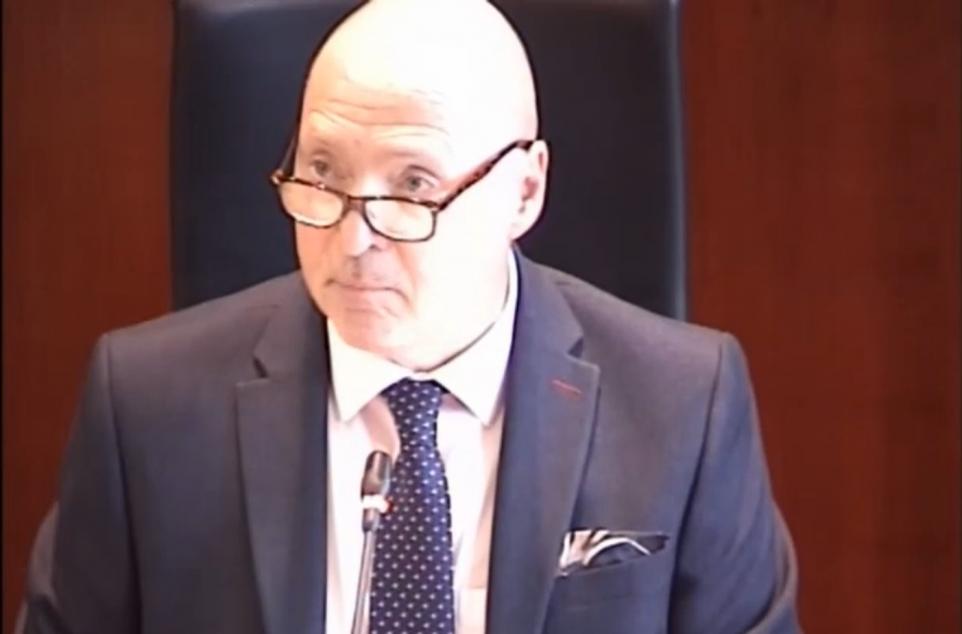
Local community page Neyland News said there was “real public concern” about safety in the area, particularly on Honeyborough Road.
It said: “On Thursday a driver hit a parked vehicle. These incidents have happened a number of times with cars losing wing mirrors and scrapes to bodywork. This has been reported to the police and the county council.”
The post added that Pembrokeshire County Council is carrying out a topographical survey from Honeyborough Roundabout to Kensington Road, with proposals expected to follow for measures aimed at physically slowing traffic.
The post said: “This cannot come soon enough. I will keep everyone updated on this. I have asked the police to carry out much more regular speed checks. I am in direct contact with the Inspector.”
County councillor Simon Hancock, who represents the area and is also Pembrokeshire County Council’s presiding member, said speeding on Honeyborough Road and Kensington Road remained a serious concern.
He said: “Speeding on Honeyborough Road and Kensington Road are matters of great concern. A number of serious incidents have been reported recently but this situation is getting worse.
“I am pushing hard for much greater speed enforcement checks from the police and physical traffic calming measures from the highways department of Pembrokeshire County Council.”
The latest incident follows repeated warnings from residents and councillors about the risk to pedestrians, householders and drivers.

In February, Cllr Hancock called for traffic calming measures after a vehicle hit the wall of a house in Kensington Road. At the time, he said residents had attended a town council meeting to raise concerns about speeding vehicles losing control at the bend.
He said the incident was the fifth serious collision in nine years involving vehicles striking houses in the terrace.
Cllr Hancock said at the time: “Any pedestrians on the pavement at the time could have been killed or seriously injured. I have written to the chief executive, leader and cabinet member insisting on road traffic calming measures at this location.
“It is by sheer good luck that a terrible tragedy has been avoided.”
After the February collision, Pembrokeshire County Council said it was liaising with police to establish the cause before considering what measures the highway authority could take.
Residents are now waiting to see what proposals emerge from the latest survey work, with calls growing for visible enforcement and permanent traffic calming before a more serious incident occurs.

Welsh Government has not announced a rabbit licence scheme, but ministers say animal welfare laws could be reviewed
A CALL for people in Wales to complete a short course before owning a rabbit has sparked a political row, with critics branding the idea a “bunny licence” while welfare campaigners say rabbits are among the country’s most misunderstood pets.
Labour MS Mike Hedges raised the issue in the Senedd during First Minister’s Questions, arguing that Wales should consider a wider package of animal welfare reforms.
His suggestions included cat microchipping, a ban on long-term horse tethering, restrictions on private primate ownership, ending cage breeding of game birds, banning Larsen traps, and allowing rabbit ownership only after basic training.
Mr Hedges said people should show they understand the needs of rabbits before taking one on.
The Welsh Government has not announced any formal rabbit licence scheme, and First Minister Rhun ap Iorwerth did not commit to introducing one.
However, he told the Senedd that Wales wanted to maintain high animal welfare standards and said legislation remained one option ministers would consider as part of a new animal health and welfare plan.
The exchange has prompted criticism from political opponents, with a Conservative source describing the idea as a “hare brained” proposal and accusing Labour of focusing on the wrong priorities.
But animal welfare charities say the row risks obscuring a more serious issue: rabbits are often bought cheaply, kept wrongly, bred accidentally, or abandoned when owners discover the cost and responsibility involved.
Rabbits are not low-maintenance pets. They need space, companionship, a suitable diet, enrichment, vaccinations, neutering, and regular veterinary care. They are also prey animals, meaning signs of illness or distress can be easy for inexperienced owners to miss.
The RSPCA says rabbits are one of the most misunderstood and neglected companion animals, with many kept alone, housed in unsuitable hutches, fed poor diets or denied proper veterinary care.
The charity says it has rescued more than 4,000 rabbits from abandonment and mistreatment in just two years, and is backing calls for stronger protection.
The Rabbit Welfare Association & Fund is also campaigning for rabbit breeders to be licensed, warning that online selling and mis-sexing of young rabbits can lead to unwanted litters and pressure on rescue centres.

In West Wales, Nibbles Rodent & Rabbit Rescue, based near Crymych, has already raised concerns about the way rabbits are protected under Welsh guidance.
The charity says the Welsh Code of Practice for the Welfare of Rabbits was published in 2009 and has never been formally reviewed, while the codes for dogs, cats and horses have been updated more recently.
Nibbles has launched its Rabbits Left Behind campaign, calling for the Welsh rabbit code to be reviewed and brought into line with modern welfare evidence.
Supporters of tougher rules argue that some form of owner education could help stop impulse purchases and reduce neglect. They say a short online course would be less about red tape and more about making sure people understand what they are taking on.
Opponents are likely to question whether such a system would be practical, affordable or enforceable. There may also be concerns that extra bureaucracy could discourage responsible people from adopting rabbits from rescue centres.
The Welsh Government already has a Code of Practice for the Welfare of Rabbits. It says owners must take reasonable steps to ensure rabbits have a suitable environment, a healthy diet, the ability to behave normally, appropriate company, and protection from pain, suffering, injury and disease.
For now, there is no confirmed plan to introduce compulsory rabbit training or a licence for owners in Wales.
But the Senedd exchange has reopened a wider debate about whether existing animal welfare guidance is enough, and whether rabbits should receive stronger legal protection similar to other companion animals.
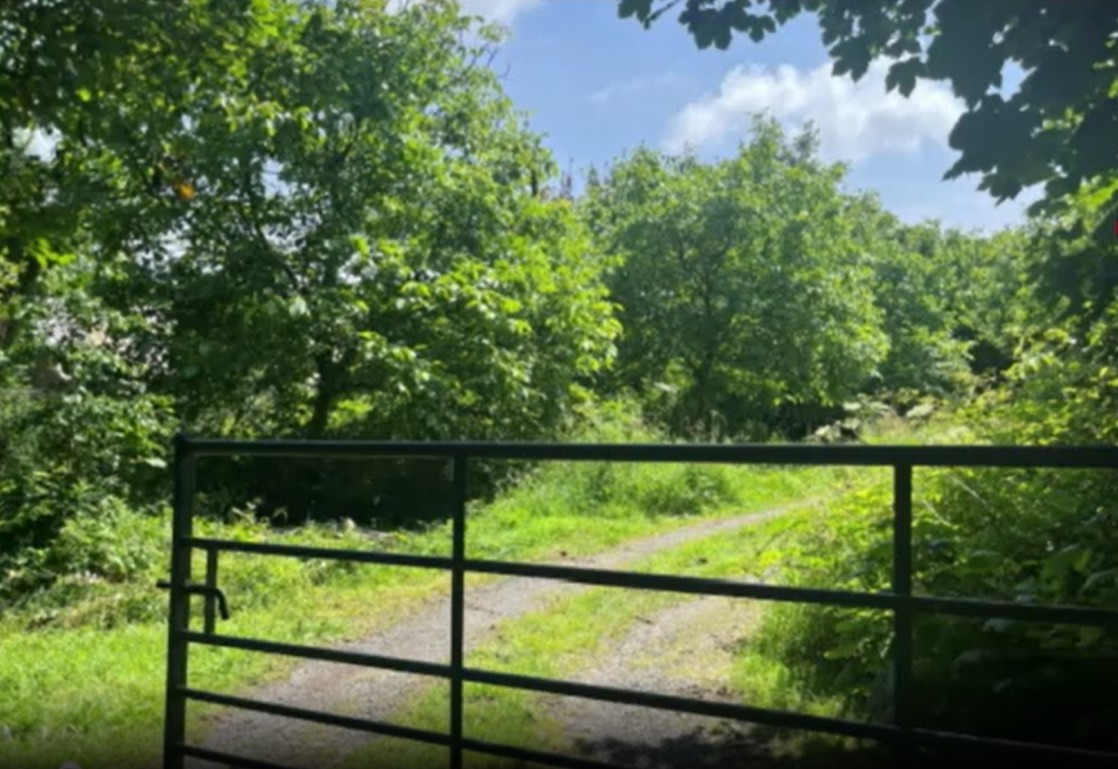
PLANS for a One Planet Development scheme in rural Pembrokeshire which includes producing honey and walnuts, as well as raising guinea pigs for the applicants’ food, has been given the go-ahead.
In an application recommended for approval at the June 30 meeting of Pembrokeshire County Council’s planning committee, Dave and Mayu Phillips sought permission for a One Planet Development scheme at Walnut Grove, near Jeffreyston.
A supporting statement said Dave grew up locally; the couple keen to return to the area and continue the honey business established by Dave’s father Jim, which is based at Walnut Grove, and develop vegetable gardens and build a low impact dwelling on the site.
It added: “The land has been in the family for 20 years and is used as a base for Jim’s honey business with storage and a processing room in the sheds. There is also a kitchen on site for jarring up the honey. The site has over 50 walnut trees that were planted approximately 15-20 years ago as well as 20 active beehives in the apiary.”
It says, as well as the honey and walnuts, and fruits and vegetables, the site will also have a pair of breeding rabbits and three pairs of breeding guinea pigs will be kept to produce meat for the household, along with a a flock of 20 pigeons for eggs and meat.
An officer report for planners said: “The application seeks full permission for a One Planet Development (OPD), comprising a low-impact dwelling and integrated land-based activities.
“The dwelling would meet caravan standards and would be sited in the northern part of the site to the west of the access track. The wider scheme includes continuation and expansion of honey production, development of the walnut enterprise, horticulture, small-scale livestock, renewable energy provision, and a reed bed wastewater system.”
At the committee meeting, members were told that, by the fifth year of the One Planet Development, the projected income would be in the £13,450-£16,850 range.
Speaking at the meeting, Dave Phillips stressed the ethos of the One Planet Development scheme: “Humanity is living as if we have several more Planet Earths; once we’ve totally trashed this planet ‘move on to the next one,’ we can all play our part, living sustainably and Pembrokeshire County Council can play its part.”
He said the honey had won prizes at the county show, with many shops and market stalls stocking it; the intention now to “add value” to what was already on site with products such as walnuts preserved in honey and walnut-infused apple cider vinegar, going on to say: “Walnuts with a glass of wine goes well.”
Committee chair Cllr Mark Carter said he was “quite intrigued” by the report mention of guinea pigs for meat, Mr Phillips stressing the ‘pigs were larger than the pet variety, and were similar to rabbits in terms of meat production.
Cllr Michael Williams raised the issue of a previous One Planet proposal for the site, refused back in 2023, and was told by officers that scheme was not considered robust enough.

Cllr Carter said he would support the scheme, adding: “To me this looks like a good chance of success, with an income from day one.”
Members unanimously backed conditional approval of the scheme.



Community7 hours ago
Saundersfoot Harbour regeneration project wins national planning award
SAUNDERSFOOT HARBOUR’S redevelopment has been named Best Project at the RTPI Cymru Awards for Planning Excellence 2026. The award recognises...


Business13 hours ago
Pembrokeshire-based Ascona Group expands UK portfolio with Truckhaven acquisition
PEMBROKESHIRE-BASED Ascona Group has completed the acquisition of Truckhaven (Carnforth) Ltd, a major trunk road services area in Lancashire. The...

Health2 days ago
Wales begins early NHS winter planning after long waits and ambulance pressure
Ministers say health boards and councils must act now to ease pressure on hospitals, ambulances and social care before winter...


Crime3 days ago
Judge calls pensioner a ‘dirty old man’ as he avoids jail for exposing himself to women
Judge says 75-year-old Stewart Laugharne behaved ‘disgracefully’ as he avoids jail but is ordered to sign sex offenders register A...
Health3 days ago
Stroke services consultation reaches halfway point as public urged to have say
HYWEL DDA University Health Board is urging people to take part in its consultation on the future of stroke services,...


Business3 days ago
Welsh firms eye share of £5bn defence drone boom
WELSH defence and aerospace firms could be in line for a share of billions of pounds in new military spending...


Community5 days ago
Thousands line Cardigan streets for Lord Rhys homecoming parade
THOUSANDS of people lined the streets and quayside in Cardigan on Saturday as the town marked 850 years since Lord...


Crime6 days ago
Dyfed-Powys Police rated only ‘Adequate’ in organised crime inspection
A WATCHDOG has rated Dyfed-Powys Police only “Adequate” in its response to serious and organised crime, despite praise for the...


News6 days ago
Two taken to hospital after aircraft ditches in Cardigan Bay
Coastguard helicopter spotted two casualties after light aircraft came down off west Wales coast TWO people were taken to hospital...


Sport6 days ago
Long Course Weekend gets underway in Tenby as thousands head for county
Three days of swimming, cycling and running begin with The Wales Swim at North Beach THOUSANDS of athletes and supporters...
-
Crime6 days ago
Dyfed-Powys Police rated only ‘Adequate’ in organised crime inspection
-

 Entertainment7 days ago
Torch cuts children’s cinema tickets to £5.25 for summer
-

 News4 days ago
Biker dies and woman seriously injured in Black Mountain crash
-

 Climate7 days ago
Welsh waters, Westminster profits: Crown Estate row reignited in Wales
-

 News7 days ago
Reform MS: ‘I felt like shouting get out of the water’
-

 Crime7 days ago
Former Swansea Prison inmate died 48 hours after release
-
 Community7 days ago
Working-class young people ‘shut out’ of marine conservation careers in Wales
-
 Crime6 days ago
Swansea man jailed for 16 years after attacking vulnerable woman