
Entertainment
The Thrill of Horse Racing: A Comprehensive Guide

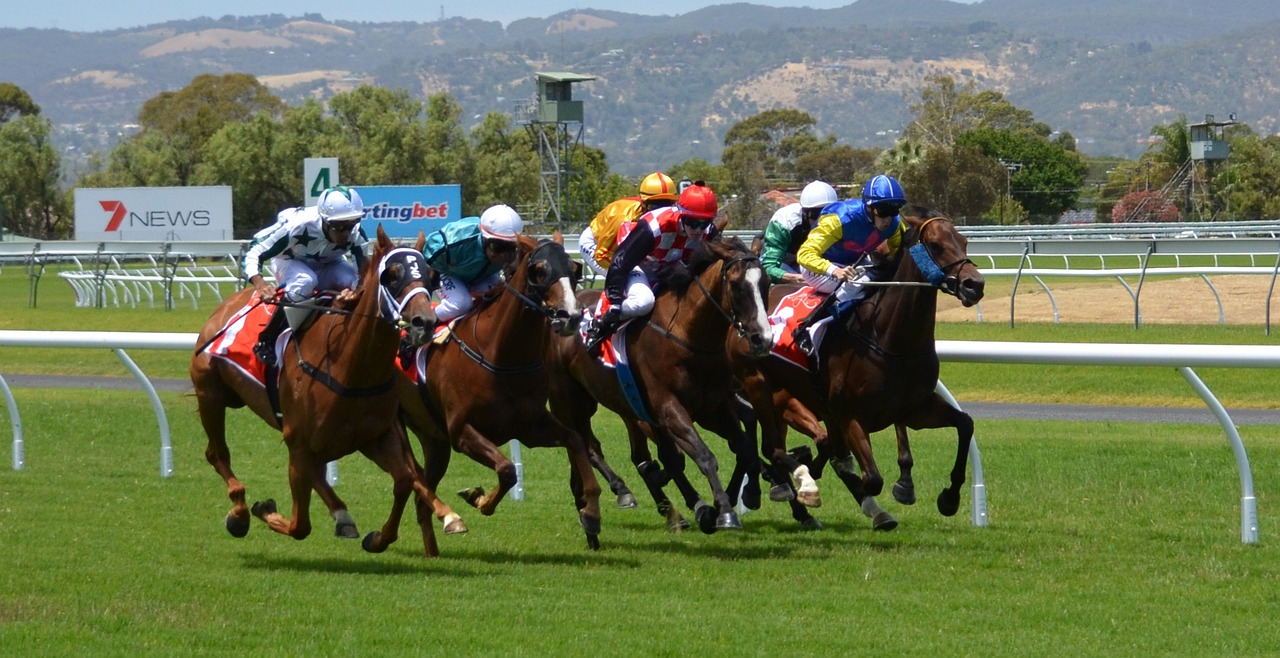
Horse racing has long been regarded as the “Sport of Kings,” captivating audiences with its blend of athleticism, strategy, and the sheer excitement of the race. From its ancient origins to the modern-day spectacle, horse racing has evolved into a sophisticated sport with a rich history and global appeal. In this blog, we’ll delve into the history of horse racing, its major events, the intricacies of training and breeding, and the allure of betting, including a mention of new horse racing betting sites that are changing the landscape of the sport.Copy HTMLCopy text
Horse racing has long been regarded as the “Sport of Kings,” captivating audiences with its blend of athleticism, strategy, and the sheer excitement of the race. From its ancient origins to the modern-day spectacle, horse racing has evolved into a sophisticated sport with a rich history and global appeal. In this blog, we’ll delve into the history of horse racing, its major events, the intricacies of training and breeding, and the allure of betting, including a mention of new horse racing betting sites that are changing the landscape of the sport.
The Origins of Horse Racing
Horse racing dates back to ancient civilizations, where it was celebrated as a prestigious sport. The earliest records of organized horse racing come from the ancient Greeks, Egyptians, and Romans, who hosted chariot and mounted races. These events were not only a test of speed and endurance but also a demonstration of wealth and power.
In medieval England, horse racing began to take on a more structured form. By the 12th century, the sport had become a popular pastime among the nobility, with thoroughbreds imported from the Middle East to enhance local bloodlines. The foundation for modern horse racing was laid in the 17th and 18th centuries when King Charles II and Queen Anne championed the sport, leading to the establishment of formal racecourses and the codification of rules.
Major Horse Racing Events
Today, horse racing is a global phenomenon, with major events drawing spectators and bettors from around the world. Some of the most prestigious races include:
1. The Kentucky Derby
Known as “The Run for the Roses,” the Kentucky Derby is held annually at Churchill Downs in Louisville, Kentucky. It is the first leg of the American Triple Crown and is famed for its rich history, extravagant hats, and mint juleps.
2. The Grand National
Held at Aintree Racecourse in Liverpool, England, the Grand National is one of the most challenging steeplechases in the world. Its demanding course and high jumps make it a thrilling and unpredictable event.
3. The Melbourne Cup
Australia’s most famous horse race, the Melbourne Cup, is a highlight of the racing calendar. Held at Flemington Racecourse in Melbourne, it is known as “the race that stops a nation” due to its widespread popularity.
4. Royal Ascot
This prestigious event is held at Ascot Racecourse in Berkshire, England. Royal Ascot is renowned for its association with the British royal family and its strict dress code, making it as much a social event as a sporting one.
Training and Breeding
The success of a racehorse depends on a combination of genetics, training, and care. Breeding is a meticulous process aimed at producing horses with superior speed, stamina, and temperament. Thoroughbred horses are the most common breed in flat racing, while other breeds, such as the Arabian and Quarter Horse, excel in endurance and sprint races, respectively.
Training: A racehorse’s training regimen is rigorous and carefully planned. It includes a mix of cardiovascular workouts, strength training, and specialized exercises to improve speed and agility. Trainers also focus on the horse’s diet, ensuring a balanced intake of nutrients to maintain peak physical condition.
Care: The well-being of racehorses is paramount. Regular veterinary check-ups, dental care, and physiotherapy are essential components of their routine. Horses are also given time to rest and recover between races to prevent injuries and ensure long-term health.
The Allure of Betting
Betting is an integral part of horse racing, adding an extra layer of excitement and engagement for spectators. Whether you’re a seasoned bettor or a novice, understanding the different types of bets and the factors that influence race outcomes can enhance your experience.
Types of Bets:
- Win: A bet on a horse to finish first.
- Place: A bet on a horse to finish first or second.
- Show: A bet on a horse to finish first, second, or third.
- Exacta: A bet on the first two finishers in exact order.
- Trifecta: A bet on the first three finishers in exact order.
- Superfecta: A bet on the first four finishers in exact order.
Factors to Consider:
- Form: The recent performance of a horse.
- Jockey: The skill and experience of the jockey.
- Trainer: The track record of the trainer.
- Track Conditions: Weather and track surface can significantly impact performance.
- Odds: Reflect the probability of a horse winning, as perceived by the bookmakers.
New Trends in Horse Racing Betting
The digital age has brought significant changes to horse racing betting. New horse racing betting sites are making it easier than ever for enthusiasts to place bets, access real-time data, and watch live races from anywhere in the world. These platforms offer a range of features, including advanced analytics, in-depth race previews, and user-friendly interfaces, enhancing the overall betting experience.
Horse racing is a sport with deep historical roots and a dynamic present. From its ancient beginnings to the sophisticated world of modern racing, it continues to captivate audiences with its blend of athleticism, strategy, and tradition. Whether you’re drawn to the thrill of the race, the intricacies of training and breeding, or the excitement of betting, horse racing offers something for everyone. As new horse racing betting sites continue to innovate and expand access, the sport is poised to reach even greater heights, bringing the excitement of the track to a global audience.


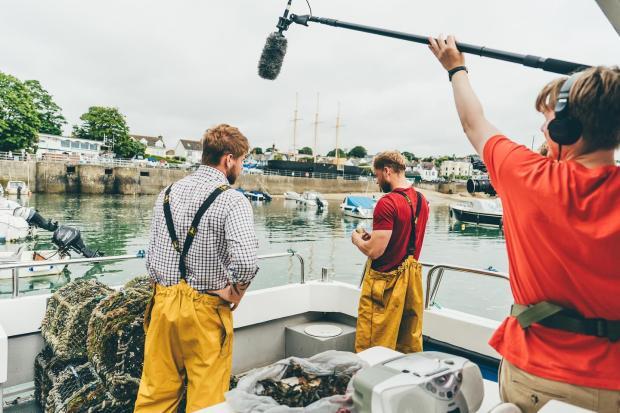
A PEMBROKESHIRE-made feature film is to receive its big-screen premiere next month in the very harbour where much of it was shot.
Near and Distant Things, written and directed by Saundersfoot filmmaker Emily Batty, will be shown outdoors at Saundersfoot Harbour on Saturday, July 18, as part of the Torch Theatre’s Sunset Cinema series.
The drama, filmed in summer 2025, tells the story of a grieving fisherman trying to support his daughter after she returns home, while experiencing dreamlike visions of his late wife.
The film makes strong use of the Saundersfoot landscape, with scenes filmed at the harbour, The Royal Oak pub, Monkstone Point and other familiar local locations.
Emily, 22, who grew up in Saundersfoot and recently graduated from the University of Oxford with a geography degree, has described the project as “a love letter to home”.
She said: “Watching a film set in Saundersfoot, with recognisable faces and locations on screen, in the heart of the harbour itself where we filmed many scenes, feels incredibly full-circle.

“I can’t wait to share that experience with people.”
The film was made with the support of a small team and a largely local cast and crew.
Emily said the production had only been possible because of the “incredible amount of local support” received during filming.
She also praised composer and sound designer Zach Worthington, whose work helped shape the atmosphere of the film.
She said: “The score and soundtrack feel so entangled with the landscape of home.
“It’s a little bit folk, a little bit Celtic, and rather emotional.”
Emily, who has written and directed the film under the name Emily Florence, said some of the ideas behind the film had been with her for several years.
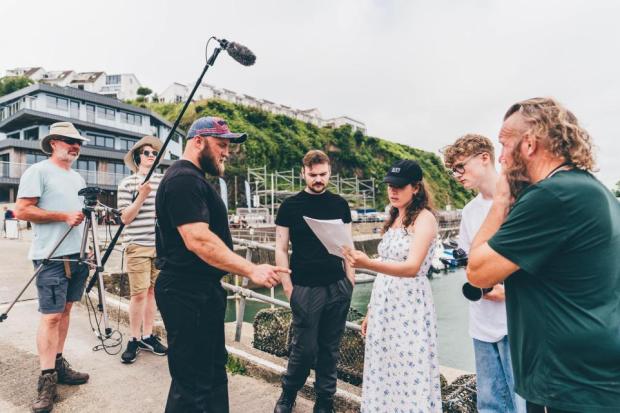
She said: “Some of the images within the film have been in my head since I was 18.”
She added that Pembrokeshire remains a major source of inspiration for her future work.
“I have a couple of screenplays in the works – I never stop writing – and I’m looking to get agented,” she said.
“I’m excited to continue to tell stories, in whatever capacity that may be.
“I can say that Pembrokeshire is still my muse, and I don’t think I’m done telling stories about home.”
The outdoor screening will take place on the harbour decking, with gates opening at 6:00pm and the film beginning at 7:00pm.
The film is rated PG, but includes themes of bereavement, mental health, domestic abuse and references to suicide which some viewers may find upsetting.
Emily said she hoped the premiere would be a moment of shared pride for the village.
She said: “So many people helped bring this film to life.
“There’s something very special about sharing a story set in Saundersfoot, surrounded by the landscape that inspired it.”
Tickets are available through the Torch Theatre website, with advance booking recommended.

THE HAWKSTONE FARMERS’ CHOIR, winners of ITV’s Britain’s Got Talent, will perform at the 2026 Royal Welsh Show.
The choir will sing in the main ring on the afternoon of Monday, July 20, the opening day of the show at Llanelwedd, Builth Wells.
Formed by Jeremy Clarkson as part of an advertising campaign for his Cotswolds-based brewing business, the choir has since grown into a national success story, using its platform to raise awareness of mental health within the farming community.
Aled Rhys Jones, chief executive of the Royal Welsh Agricultural Society, said: “We are absolutely delighted to welcome the Hawkstone Farmers’ Choir to the Royal Welsh Show.
“Their performance on the Monday in the main ring, in front of thousands of visitors, will be a truly special occasion.”
He added that it would be the choir’s first official performance in Wales since winning Britain’s Got Talent, and said many choir members had strong links with the Royal Welsh.
Lead soloist Rosie Jones, a beef and sheep farmer from Mid Wales, said: “What an honour to be invited to sing at the Royal Welsh Show 2026.
“This fairytale journey just keeps growing, but the greatest thing to come from it is the community we’ve built within the choir and beyond.”
The Royal Welsh Show is one of Europe’s leading agricultural events, celebrating Welsh farming, food and rural life.
Picture caption:
The Hawkstone Farmers’ Choir (Pic: Britain’s Got Talent / ITV).
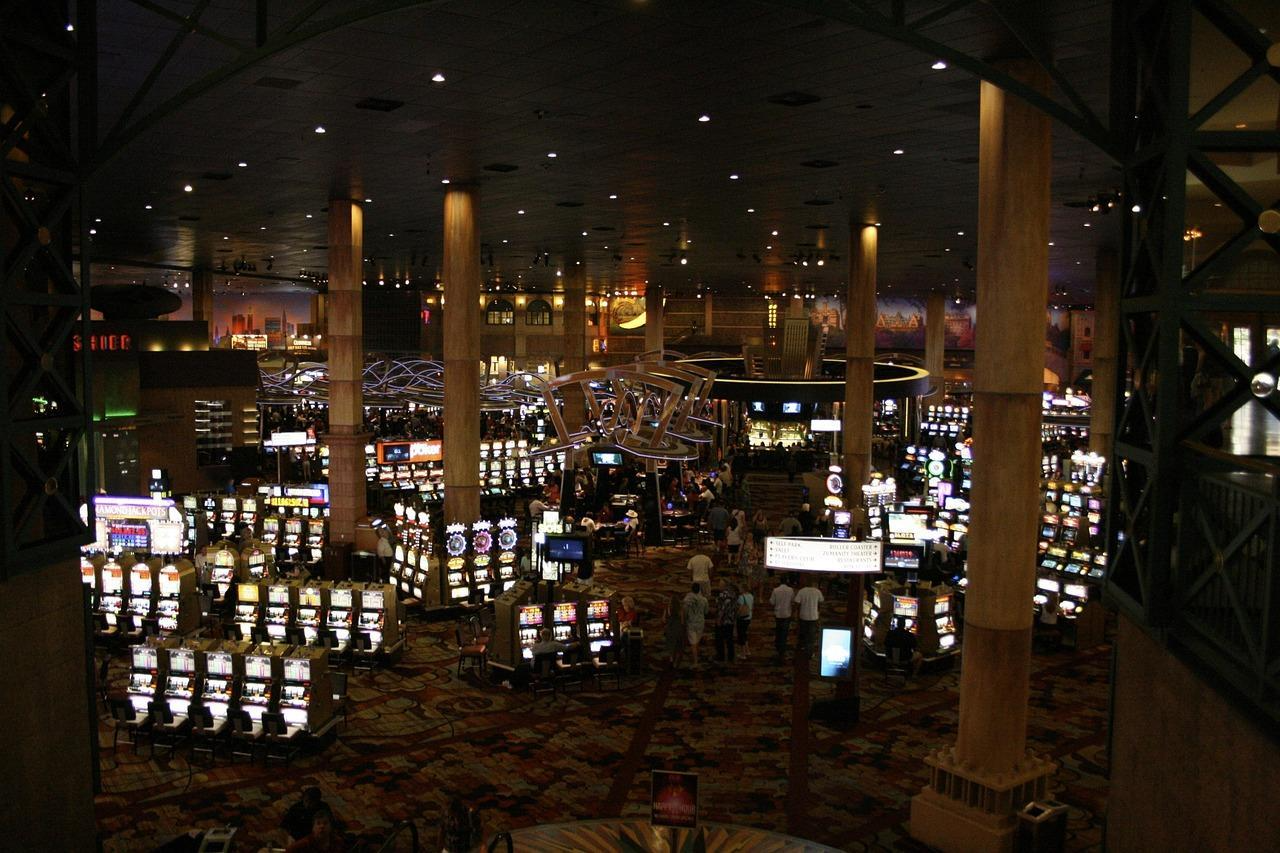
In many cases, online gambling is a harmless hobby. However, for others, gambling can become problematic without the right considerations. Thankfully, there are many ways to keep gambling habits restrained to prevent addiction. With that in mind, here are some safe online gambling tips to help you stay in control and keep gambling fun.
Set Financial Limits
Licensed operators must offer tools that allow people to set personal budgets. And from 30 June, they must also provide customers with an opportunity to set deposit limits, which refers to the amount a customer pays into their account over a set duration. These kinds of tools can be invaluable for people who struggle knowing when to stop or have a habit of chasing losses.
Similarly, most reputable casinos also have time limits, to ensure you aren’t spending too much time gambling. Additionally, if you feel you’ve lost control entirely, you can also self-exclude yourself from all sites by registering for an account with Gamstop Online.
Avoid Gambling Under the Influence
Gambling under the influence, after consuming alcohol for instance, can impair your judgement and lead to impulsive decisions. It’s essential that you only gamble while sober and when you’re not experiencing any particularly strong emotions, so you can make more informed, level-headed decisions.
This is especially true when using the fastest payout casinos or high intensity games, as it can be easy to get caught up in the fun, lose money fast, or make more impulsive decisions.
Know the Signs of Problem Gambling
When you gamble, you are taking a risk. Not just financially, but emotionally too. It’s important that you recognise the signs of problem gambling, so you can address any problems early to prevent further harm.
Some of the common signs of problem gambling include:
- Frequently chasing losses
- Using money intended for savings or essential expenses for gambling
- Borrowing money from friends or relatives to gamble
- Feeling agitated, angry, or anxious when not gambling
- Having a preoccupation with gambling
- Feeling out of control or impulsive when gambling
- Not engaging in other hobbies or withdrawing from social activities
- Concealing or lying to loved ones about gambling habits
Maintain Gambling Best Practices
To prevent your gambling habits from becoming a problem. Be sure to set yourself financial and time limits, avoid gambling when under the influence or when experiencing strong emotions, and get to know the early warning signs of problematic behaviour so you can address any issues quickly.


Toy Story fans fill charity toy box at Haverfordwest cinema
Donations pour in for SNAP Specialist Play as families embrace Toy Story 5 launch A TOY STORY-themed charity appeal at...
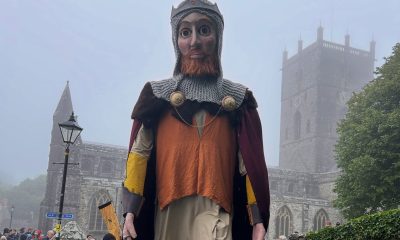

Lord Rhys emerges from the mist in St Davids
Giant puppet begins historic journey marking 850 years since the first Eisteddfod MIST swirled around St Davids Cathedral on Friday...


Tragic tribute paid to Haverfordwest man after A4075 collision
FAMILY REMEMBERS “KIND AND LOVING” CALLUM HANSON THE FAMILY of a 22-year-old man from Haverfordwest who died following a road...
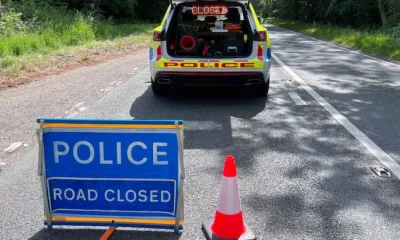

Motorcyclist, 22, dies in A4075 crash in Pembrokeshire
A 22-year-old woman remains in hospital after two-vehicle collision A MOTORCYCLIST has died following a serious two-vehicle crash on the...


Why police will be visiting every home in Pembrokeshire
New operation aims to knock on more than 257,000 doors across Dyfed-Powys over the next three years DYFED-POWYS POLICE has...


Prisons at breaking point: MPs warn Wales is paying the price of a failing system
Frozen healthcare budgets, overcrowded jails, homelessness on release and mounting pressure on staff are undermining rehabilitation across Wales, according to...


Brexit at 10: How Britain was sold a dream that cost us dearly
A decade after the referendum, the promised benefits remain hard to find while the economic costs are increasingly difficult to...


Worcestershire man jailed after violent attack on woman in Tenby
Defendant was already serving a suspended sentence when serious assault took place A WORCESTERSHIRE man has been jailed for more...


Offshore wind ‘could bring new generation of jobs to Milford Haven’
Pembrokeshire ports and Celtic Sea projects placed at centre of Wales’ green energy ambitions MILFORD HAVEN and Pembroke Dock could...


Police officer hailed hero after midnight sea rescue in Milford Haven
PC swam 100 metres offshore to save distressed woman heard calling for help in darkness A DYFED-POWYS POLICE officer has...
-

 Community6 days ago
Pembrokeshire Chess Club crowned Welsh champions
-

 Crime2 days ago
Milford Haven man jailed for breaching domestic violence protection order
-

 Local Government4 days ago
Security privately arranged by Mayor at Beating of the Bounds
-

 News2 days ago
Crash on Freeman’s Way causes school-run chaos across Haverfordwest
-

 Crime4 days ago
Man wanted by court after failing to attend hearing over alleged shop thefts
-
 Crime4 days ago
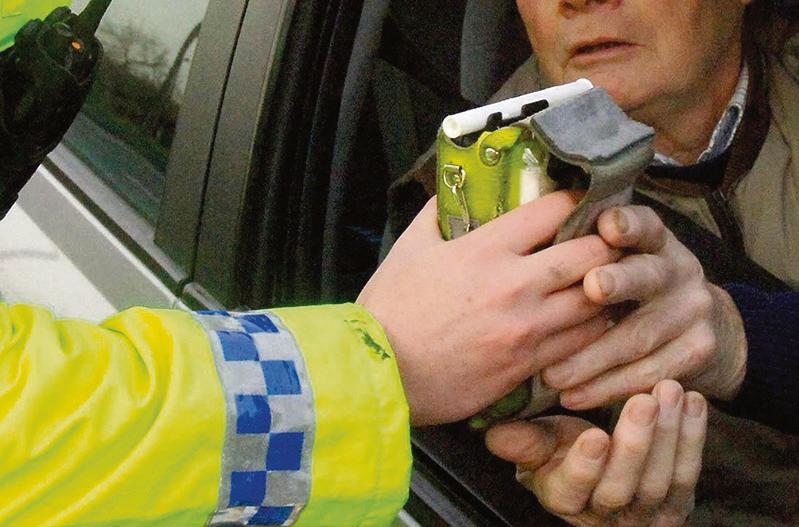
Man banned from roads after drink-driving offence
-

 Crime4 days ago
Man jailed after admitting strangulation and assaults
-

 Crime4 days ago
Man sentenced over stalking campaign and lock knife offence