


Community
Seal pups at Ramsey bring in wildlife tourists

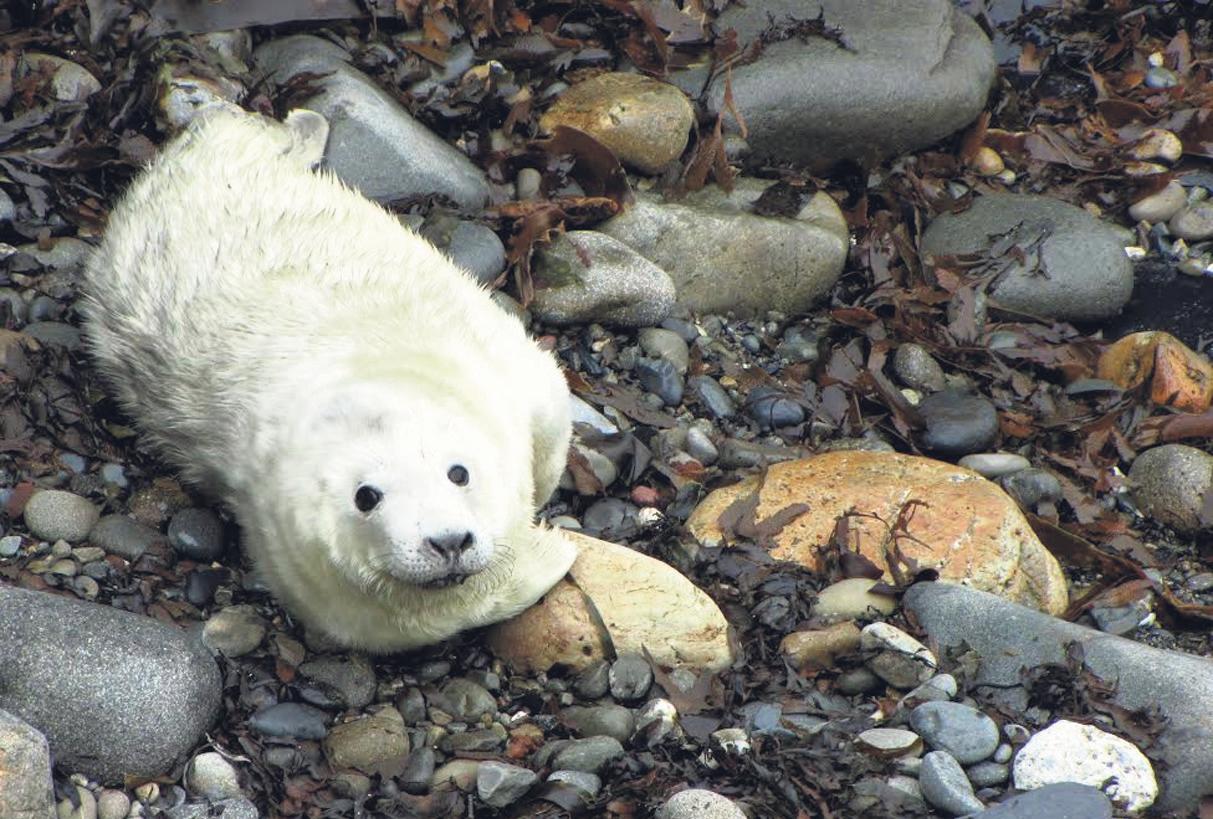
 THE ATLANTIC grey seal (Halichoerus Grypus) is one of Wales’ iconic species, and is attracting wildlife tourists to Pembrokeshire with the start of the seal pupping season at RSPB’s Ramsey Island reserve.
South west Wales, which includes RSPB Ramsey Island just off the coast of St David’s in Pembrokeshire, has an estimated grey seal breeding population of 5,000 individuals, which is around 4% of the UKs population. The grey seal is one of the least common seals in the world. The male adult can grow over 2 metres and weigh up to 230kg (or around 36 stone) while the females are smaller at 1.8 metres and 150kg. They can dive up to 70 metres in search of food and can remain submerged for up to 13 minutes.
Every year between 500-700 pups are born on the reserve, with several hundred more on Skomer and around the Pembrokeshire coast path. The hope is that there will be a good number this year. Lisa Morgan RSPB warden on Ramsey said: “We had 656 born here last year and although the season looks slightly later than last year the signs are positive that we will have a similar number again in 2014″ The seals are born weighting a hefty 14 kg, just over 2 stone. But birth is the easy bit. Survival rate to adulthood is around 2 in 3.
One of the main threats to the pups’ survival are storms. Lisa said: “I always hope that the weather won’t be too stormy during the pupping season as some of the pups can get washed out to sea and then washed up on other beaches which makes it hard for the mothers to find them again”. Fortunately for hose that don’t get lost progress to independence is rapid. Lisa explains: “The milk of the females is very rich, around 60% fat which means that the pups put on an incredible 2 kg (the equivalent to two bags of sugar) of weight a day.
At 18 days old the pup has amazingly tripled its birth weight. At this stage the mothers head back out to sea leaving the pups to find their own food. They are fully independent at a very young 4 weeks old and start eating solid food. It’s a very short upbringing.” Although visitor numbers are limited on Ramsey, the grey seal is one of a number of iconic species that could help Wales hit the Welsh Assembly Government target of seeing an increase of 10% in tourism in Wales by 2020. Wildlife tourism has become an increasingly important way of attracting visitors with an increase of 10% across the world each year.

Visitor numbers to Natural Resources Wales’ Bwlch Nant yr Arian site in mid Wales before the start of red kite feeding were 30,000. But after five years of feeding, as well as opening a visitor centre, play areas and bike trails visitor numbers increased to 130,000 a year. There are multiple benefits to developing wildlife tourism. A report entitled ‘Wildlife Economy Wales’ commissioned by the then Environment Agency Wales (now NRW) with the support of the Welsh Assembly Government and the Countryside Council for Wales published in 2007, pointed out that wildlife tourism could have considerable knock on effects. Not least that increased awareness as a result of greater wildlife tourism has the potential to bring not only an increase in the number of conservation volunteers but also and most importantly an increase in actual conservation activities. So in this case an economic driver can create conservation as well as an economic benefit.
The report also rightly points out that ‘it is essential that any development of the sector will need to be managed in a way that safeguards and invests in the wildlife resource upon which it is based’. Indeed, without strict controls and codes of conduct, albeit on a voluntary basis, these activities can be detrimental to the very wildlife we are trying to promote. If wildlife tourism continues to grow as it has done over the last decade or so, and Wales can take advantage of the growing market, then we may see more habitat created, and in an ideal world more red squirrels scampering in the woodland canopies of Anglesey, ospreys swooping for fish in Machynlleth, black grouse burbling on the Berwyn and not least young seal pups being born on the spectacular rugged shoreline of Pembrokeshire. Indeed Lisa Morgan has no doubt as to the best place to seals. She said: “Ramsey for me is one of the best places in the UK to see young seal pups as the public are able to get close to them looking down on the beaches from the cliff tops without disturbing them. It’s a great sight for the public but also a real privilege for me to live with these great animals every day.” To find out more about seals and RSPB Ramsey visit the website http:// www.rspb.org.uk/ramseyisland And for the latest seal season news you can follow the island wardens on Twitter @RSPBRamsey

HORSES, STALLS AND FAMILY CROWDS RETURN TO MONKTON
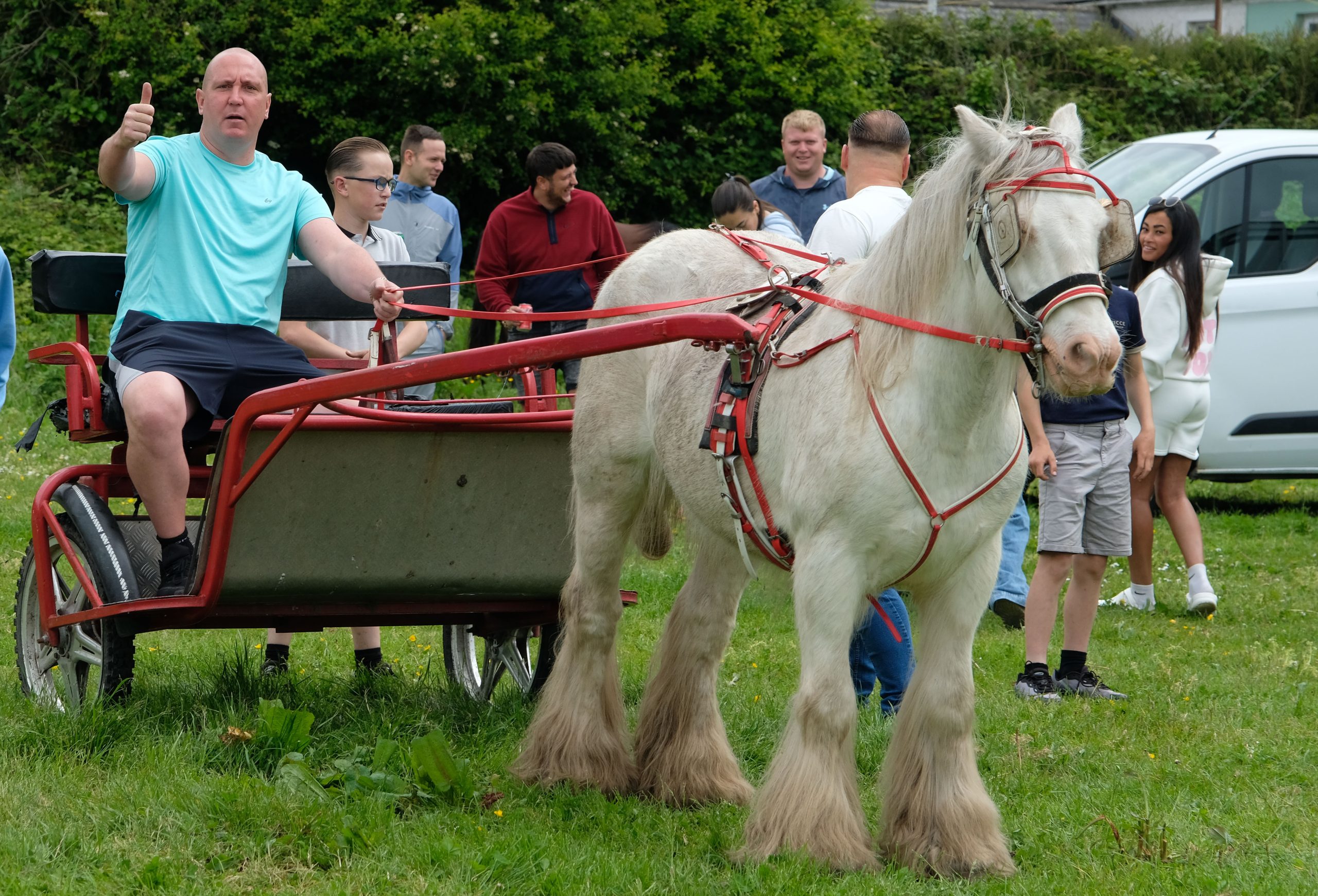
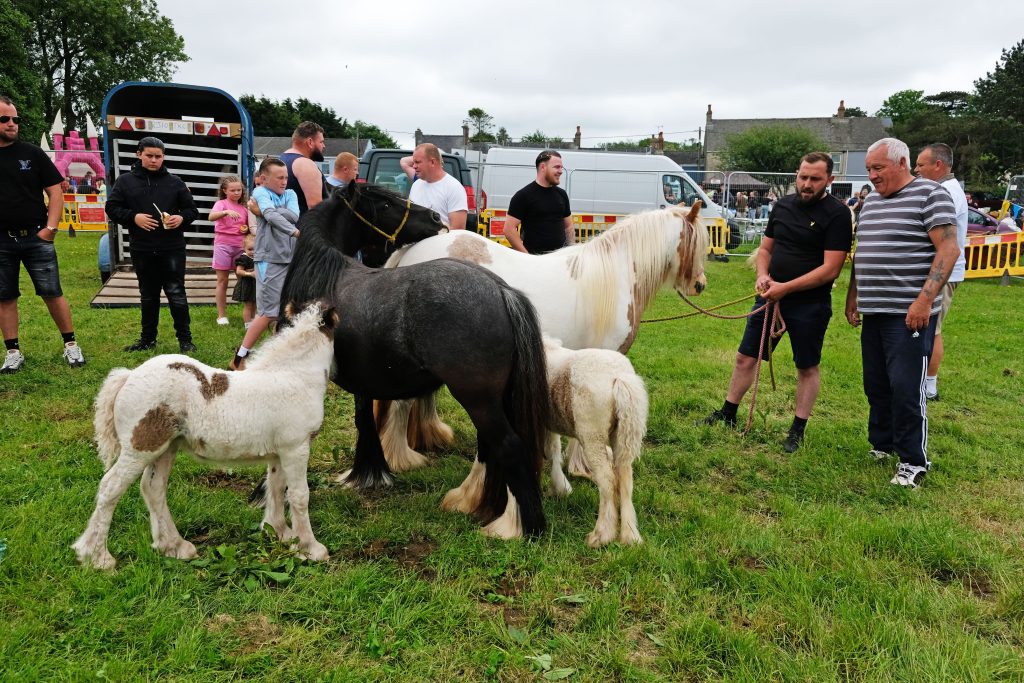
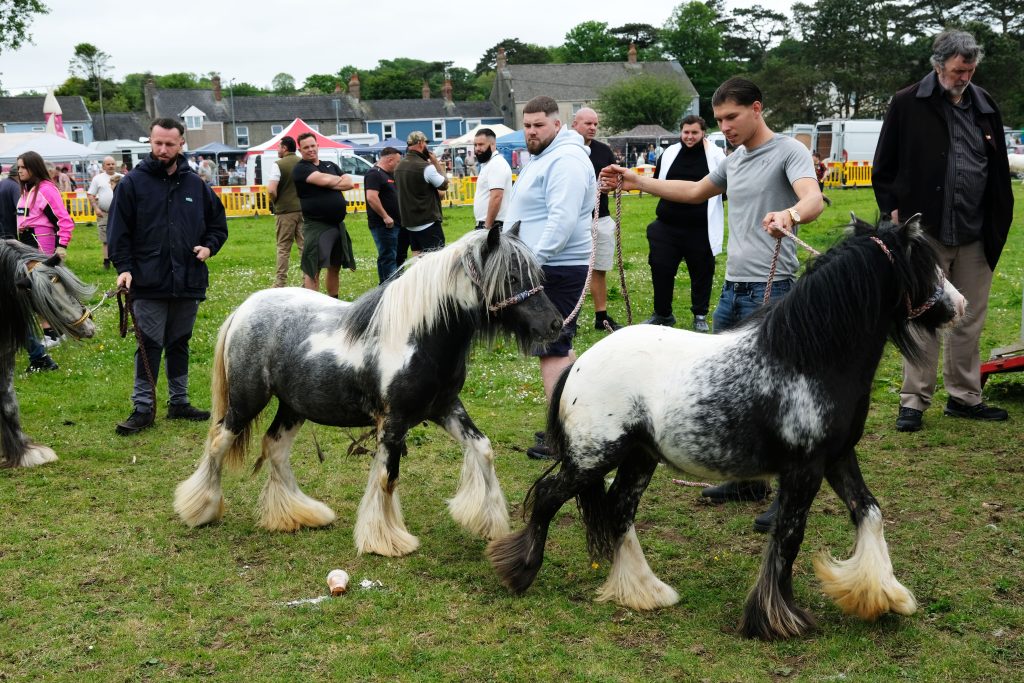
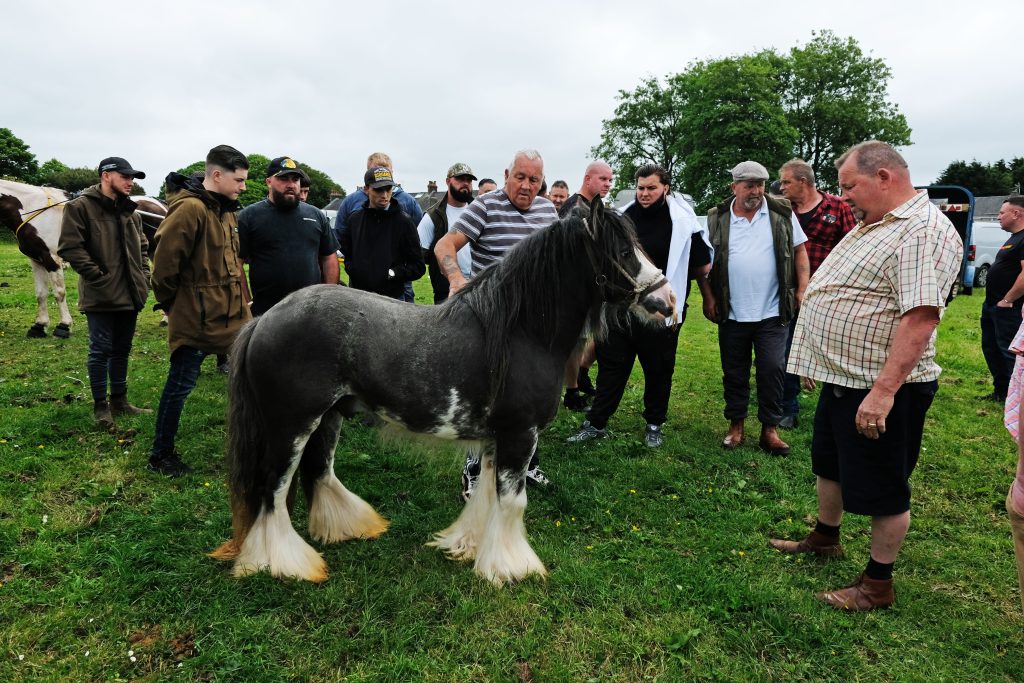
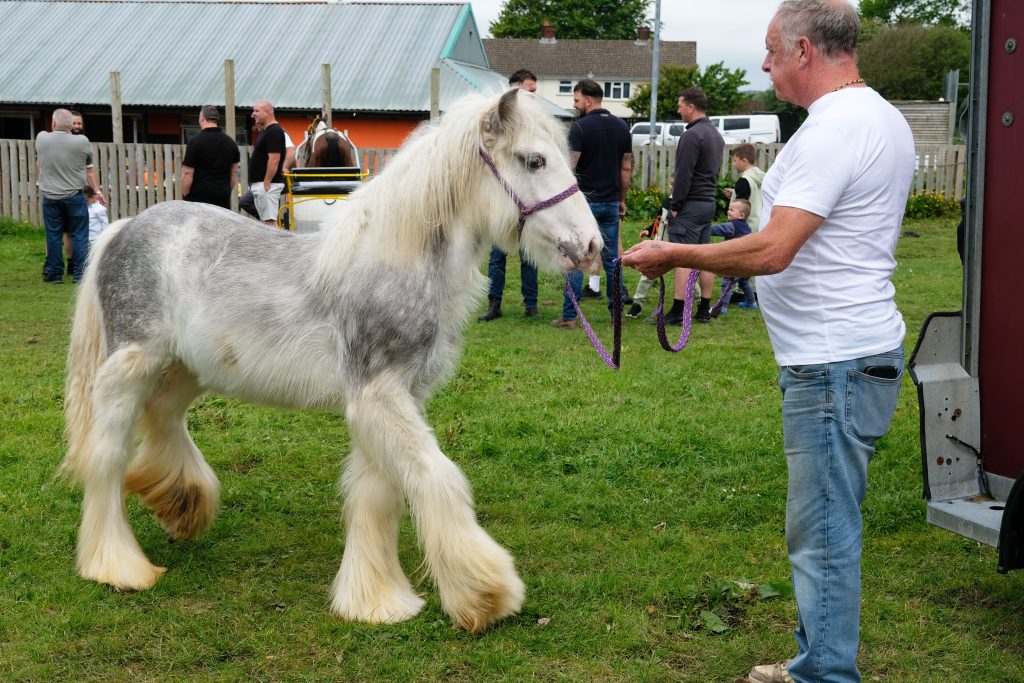
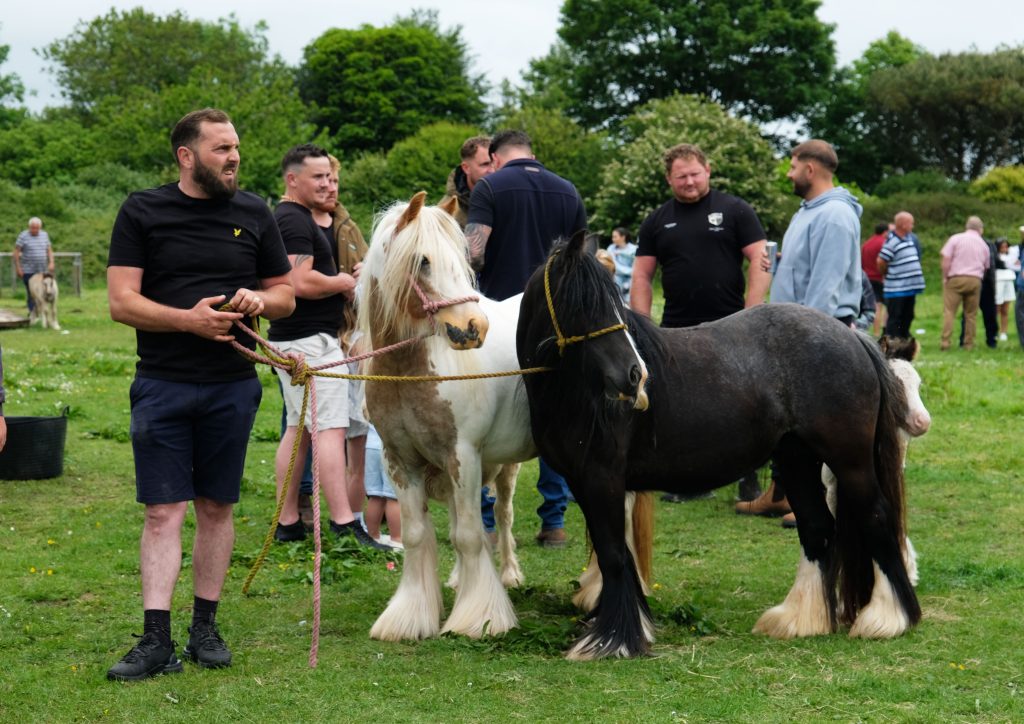
FAMILIES, horse owners and visitors turned out in force for Pembroke Fair on Saturday (May 23), with many praising the event as one of the best organised in recent years.
Held at the Community Centre Field in Monkton, the annual fair brought together horse owners, traders and local families for a traditional day centred around horses, ponies, stalls and socialising.
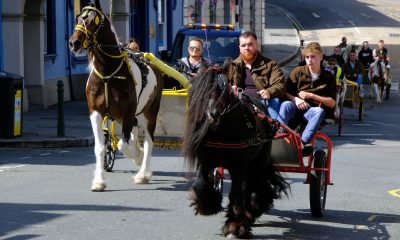
Coloured cobs, heavy horses, ponies and horse-drawn traps attracted attention throughout the day, with many visitors gathering around the field to watch the animals being shown and led around the site.
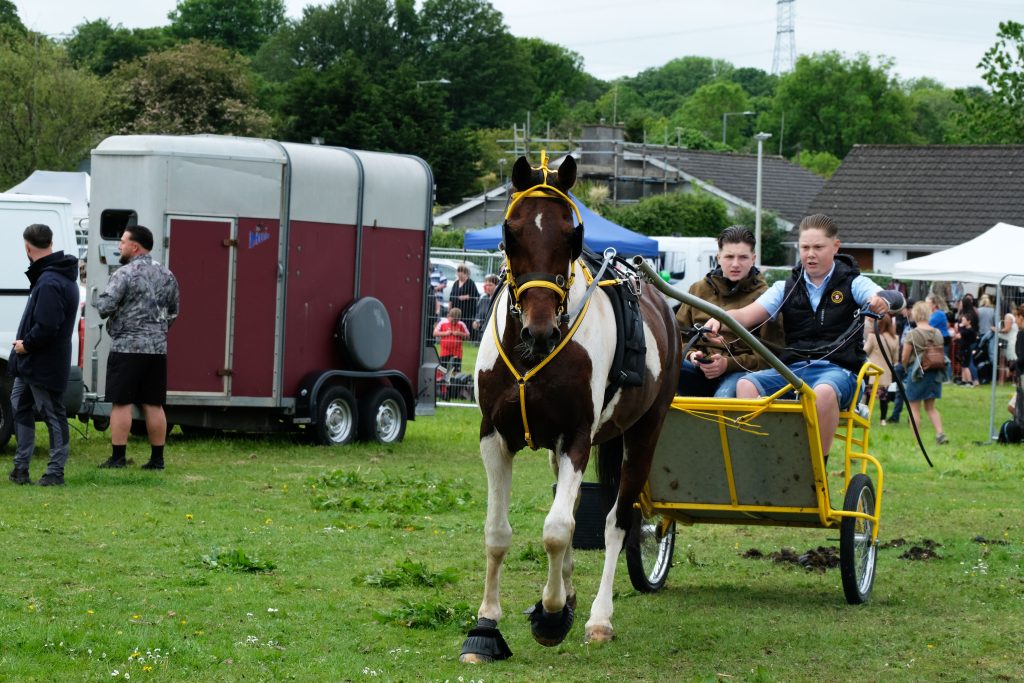
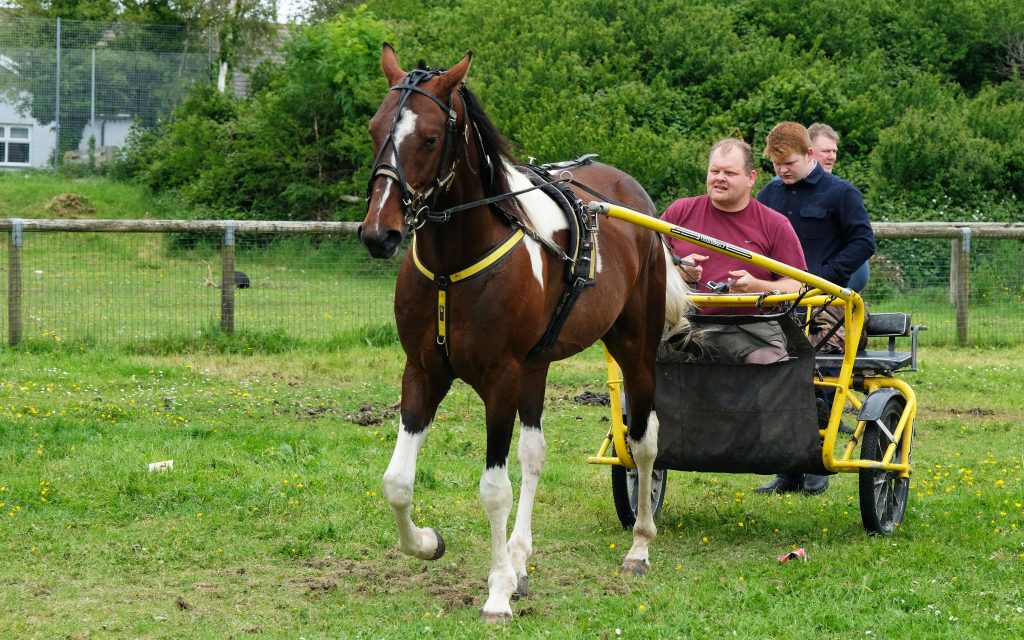
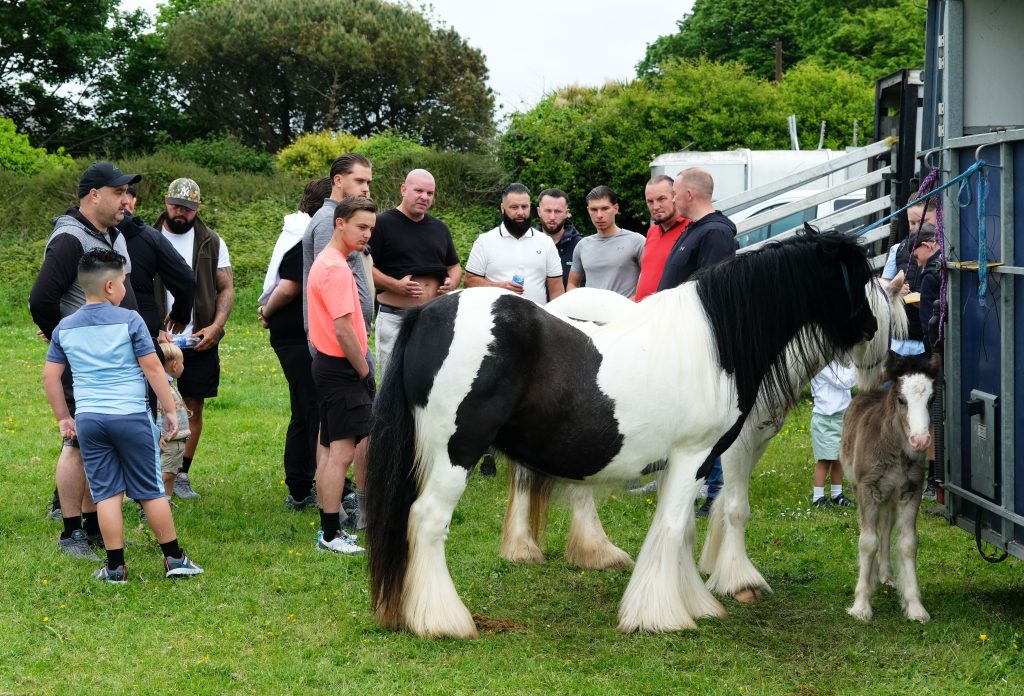
A variety of stalls selling everything from clothing and ornaments to tack and second-hand goods helped create a lively market atmosphere, while food vendors kept visitors fed throughout the day.
Despite overcast conditions at times, the event remained busy, with many attendees staying for several hours to enjoy the traditional fair atmosphere.
Community members later took to social media to praise the smooth running of the event, with several publicly thanking organiser Charlie Price for his efforts in bringing the fair together.
Comments described the day as “well organised” and praised the welcoming atmosphere, with many saying it was encouraging to see a long-standing local tradition continuing to thrive.
The fair once again brought together members of the travelling community, local residents and horse enthusiasts from across west Wales.

A horse drive was also due to take place on Sunday (May 24), continuing the weekend’s celebrations.

Photo captions:
Traditional gathering: Horses, ponies, horse-drawn carts and market stalls drew crowds to Pembroke Fair in Monkton on Saturday (Pic: Herald).


A CALL by a Pembrokeshire shooting club for more disability-friendly facilities has been given the go-ahead by county planners.
In an application to Pembrokeshire County Council, Haverfordwest Target Shooting Club, through agent Andrew Sutton Architecture, sought permission for an extension to existing target shooting club building at The Firing Range, Withybush Road, Haverfordwest to improve accessibility and internal facilities, together with associated landscaping works.
A supporting statement said: “The club’s own published history states it was founded in 1968, moved from the Drill Hall to the old wartime airfield butts at Withybush by the early 1970s, and had developed facilities over time, including the clubhouse by 1999. The established leisure/community use has existed on the site for a number of years and the proposal does not seek to intensify the core activity beyond that already authorised/established.”
It added: “The primary objective of the scheme is to improve inclusive access to the club’s facilities for disabled users and those with reduced mobility. The internal arrangement will provide adequate entrance and lobby space, clear accessible routes and appropriately designed sanitary accommodation, including an accessible wetroom/shower and separate WC.”
It also said accessible parking and surfacing designed to provide a firm, even, slip-resistant route from parking to the principal entrance.
It added: “The Equality Act 2010 places duties on service providers to make reasonable adjustments so that people with additional access needs are not placed at a substantial disadvantage.
“The proposal is therefore a positive enhancement to a community/leisure facility and supports wider policy objectives for inclusive environments.”
It went on to say: “The club operates within a highly controlled environment, and the proposed works will maintain and enhance safety and security measures.”
The application was conditionally approved by planners.
Lifesaving charity warns of cold water shock risk despite rising temperatures
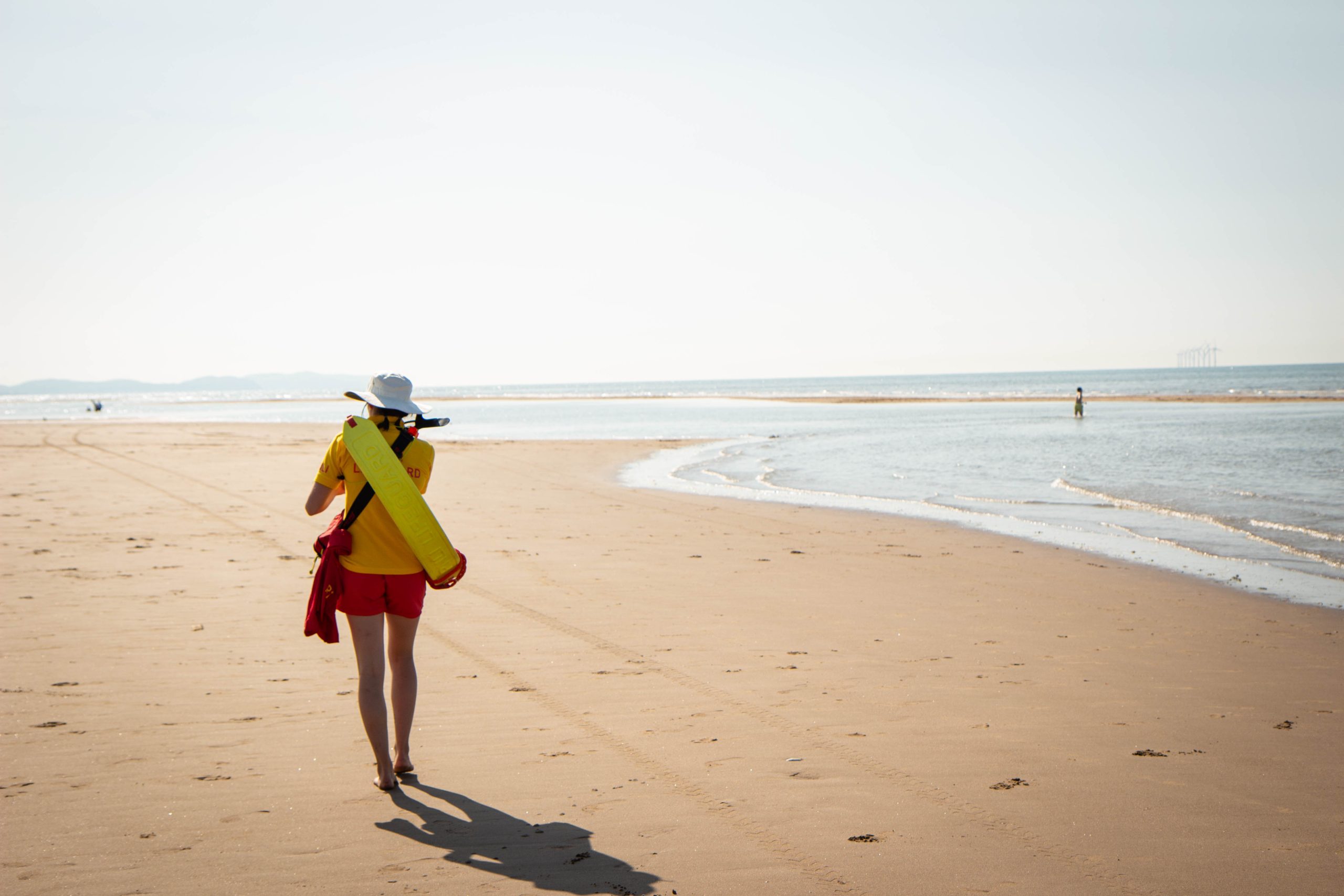
THE RNLI is urging people planning trips to the coast over the Bank Holiday weekend to choose lifeguarded beaches and follow essential water safety advice as warm weather draws crowds to the seaside.
With temperatures expected to rise across Wales, the lifesaving charity has warned that, although conditions may appear ideal, the sea remains dangerously cold and poses a serious risk of cold water shock.
The RNLI says the safest place to swim is between the red and yellow flags at lifeguarded beaches.
In Pembrokeshire, RNLI lifeguards will be on patrol at Whitesands, Newgale Central and Tenby South Beach throughout the May half-term, operating daily between 10:00am and 6:00pm.
Other lifeguarded beaches across Wales include Langland, Caswell, Aberavon, Pembrey, Three Cliffs and Port Eynon in Swansea; Barry Island, Coney Beach, Trecco Bay and Rest Bay in Bridgend; Llangrannog and Borth in Ceredigion; and Rhyl and Prestatyn in Denbighshire.
The RNLI is encouraging anyone unable to visit a lifeguarded beach to check local conditions before setting off, including tide times, weather forecasts and any safety signage.
Chris Cousins, the RNLI’s Regional Water Safety Lead, said: “There will likely be a huge number of people visiting the coast this weekend and we want everyone to remember Float to Live advice, which could save lives.
“Instinctively, most people who find themselves struggling in the water will begin to gasp, panic and try to swim or thrash about.
“We’re urging people to ignore this instinct and remember to float. Tilt your head back with your ears submerged, relax and try to breathe normally, and move your hands and legs to help you stay afloat if needed.”
He added that practising floating in a supervised setting, such as a swimming pool, could help prepare people in case they find themselves in difficulty.
‘Phone, Float, Throw’
The RNLI is also reminding the public to remember the “Phone, Float, Throw” guidance if they see someone struggling in the water.
People are advised to call 999 or 112 and ask for the Coastguard, encourage the casualty to float on their back, and throw something buoyant to them, such as a life ring.

The charity recently relaunched its “Float to Live” campaign, citing new research suggesting younger adults, particularly Generation Z, may underestimate the dangers posed by the coast.
According to the RNLI, there were 193 accidental drowning deaths in the UK in 2024, with men accounting for 84 per cent of fatalities. Men aged between 20 and 29 represented the highest risk group.
The RNLI’s beach lifeguard service is marking its 25th anniversary this year.
For more information on staying safe at the coast, visit the RNLI’s Float to Live campaign.



Business13 hours ago
Plaid energy policy challenged by Labour after Adam Price interview
LABOUR SAYS MINISTERS MUST EXPLAIN COST AND TIMETABLE FOR PYLON PLANS PLAID CYMRU’S approach to energy infrastructure has come under...

Community13 hours ago
Pembroke Fair praised as well-organised community event
HORSES, STALLS AND FAMILY CROWDS RETURN TO MONKTON FAMILIES, horse owners and visitors turned out in force for Pembroke Fair...


Local Government3 days ago
Youngest mayor in century takes office in Haverfordwest
Randell Izaiah Thomas-Turner makes history as town’s first millennial mayor and first from a diverse background HAVERFORDWEST has welcomed a...

Community3 days ago
Pembroke Fair set to return after last year’s success
STALL HOLDERS INVITED AS HORSE DRIVE PLANNED PEMBROKE Fair is set to return this weekend following the success of last...


Crime3 days ago
Neyland man accused of running over traffic worker’s foot
Jury hears conflicting accounts over roadworks incident in Milford Haven A NEYLAND man has appeared before Swansea Crown Court accused...

Community3 days ago
New pilot boat Llanion dedicated at emotional Milford Haven ceremony
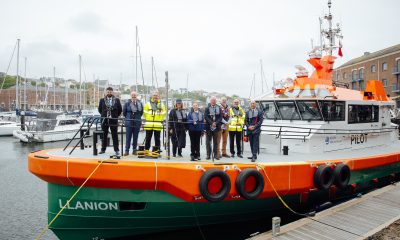
Vessel dedicated at Mackerel Quay as Port marks major investment in safety and resilience MILFORD HAVEN’S new state-of-the-art pilot vessel...


Local Government4 days ago
Police and GoSafe to target speeding in Newport and Dinas
RESIDENTS’ concerns over speeding and anti-social driving have prompted planned enforcement action in the Newport and Dinas areas. Dyfed-Powys Police...

Community4 days ago
Safety first as Milford Haven’s new pilot boat marks end of troubled chapter
Gary Solomon, who was aboard St Davids during the 2016 collision, helped shape new self-righting vessel Llanion from conception to...


Crime5 days ago
Cocaine courier caught with £15,000 haul in Pembroke Dock
Defendant transported high-purity drugs from Cardiff to Pembrokeshire for £210 A PEMBROKESHIRE man caught transporting more than £15,000 of high-purity...


News5 days ago
Car bursts into flames near Redberth Croft as road closed after incident
Nobody injured after vehicle fire near A477 prompts emergency response A CAR was destroyed by fire near the entrance to...
-

 News2 days ago
Watchdog criticises health board over £10m GP contract checks
-

 Crime4 days ago
Farm owner in court after 26 dogs removed over welfare concerns
-

 News3 days ago
Paul Davies meets Openreach Cymru at the Senedd to discuss Full Fibre rollout
-
 Crime5 days ago
Tree surgeon sentenced for failing to provide breath test
-

 Crime5 days ago
Pembrokeshire teenager admits driving almost four times over drug-drive limit
-

 News5 days ago
Milford man admits handling stolen goods from three local properties
-

 Crime6 days ago
Builder jailed for £82,000 fraud affecting 18 victims
-

 Crime3 days ago
Milford Haven man admits affray after alleged pub incident