


Farming
Legume trial helps inform public sector food procurement ambitions

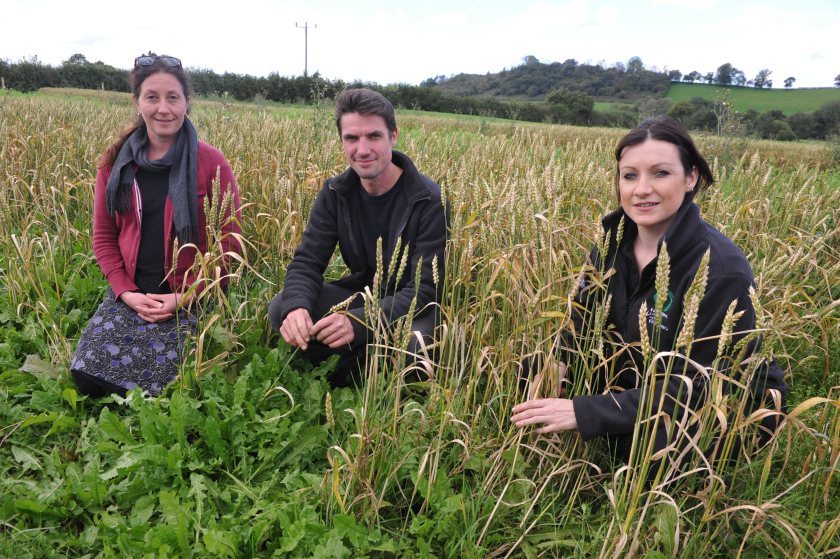
LESSONS learned from the first season of growing legumes and heritage varieties of wheat on a Carmarthenshire farm will help inform decision making on how farmers and growers can produce more food for local supply.
Through its Our Farms network, Farming Connect has funded a field-scale legume production trial at Bremenda Isaf Farm, a 40-hectare county council-owned holding at Llanarthne.
Here, the Bwyd Sir Gâr Food partnership is growing food with public sector procurement in mind.
During a recent Farming Connect open day at the farm, hosted by the partnership’s co-ordinator, Augusta Lewis, and head grower, Piers Lunt, other food producers learned what had gone well – and what had not gone so well – during the first season.
The Farming Connect trial was instigated to explore how protein could be grown locally for public sector supply, such as in schools and care homes.

Menu redesign by Carmarthenshire County Council is examining food sourcing and sustainability, and replacing items that can be produced more locally and sustainably, including plant protein, where possible.
“We want to demonstrate that we can produce the ‘eat well’ plate in Carmarthenshire, that we can produce high quality protein and good cereals adapted to our climate and to process them, and grow fruit and veg. If we can do all of that on one farm, other farmers can do it as well,’’ said Augusta.
With support from Farming Connect’s Advisory Service, a Nutrient Management Plan (NMP) was carried out at Bremenda Isaf to establish the soil nutrient status on this former livestock farm.
“It’s really important to have that insight first up,’’ said Augusta.

Soil testing showed that the farm’s deep alluvial soils are highly fertile.
“The NMP came back revealing some very interesting data in relation to our soils which very much changed the plans,’’ Augusta explained.
“The soils are very high in phosphorous which you would expect from historic slurry application so we do not have a fertility problem here at all and, as we have learned more about soil, we understand that high phosphorus levels potentially lock up other nutrients so, in terms of crop health and vitality, we are looking at creating a balance which means no additional inputs for the time being, apart from lime to raise pH.’’

Support was also received from Farming Connect through its mentoring service with input from Marina O’Connell and Rachel Phillips of the Apricot Centre in Devon, a stacked mixed enterprise which is a model Bremenda Isaf aspires to, and from organic grower, Iain Tolhurst, who has advised on field scale production and is producing a rotation plan.
Bremenda Isaf is currently converting to organic certification, although it already grows to those principles.
The Farming Connect trial explored which legumes perform well in the West Wales climate.
Carlin and Daytona peas were grown and some were intercropped with the heritage wheat varieties, April Bearded and Malika, to establish benefits for soil health, for example reducing the need for synthetic fertilisers and also biodiversity value in terms of pollinator opportunity within the sward.
The trial faced a significant challenge from exceptional levels of rainfall ahead of establishment.
“We had an extremely unprecedented wet winter and that meant our tenant grazier was unable to get on the land to take off the silage and lime application was delayed,’’ said Augusta.
This meant that the wheat and legumes could not be planted until the beginning of June, she added.
“It was very late but we decided that we would plant anyway in the spirit that we will learn something, and we really have learned a lot.
“There is a lot of risk involved with growing cereals, people who have been in the game for a very long time can have a disastrous season if it is exceptionally wet or dry but the great thing about doing trial size plots is that the risk is not too great.’’
Germination rate in the Daytona peas was poor, she reported, and harvesting of the crops will be very late, if at all, but soil and quadrat sampling will provide useful information on any impacts the intercropping has had on soil biomass levels.
“We have learned a tremendous amount about the growing habits of these varieties and we are confident that even over one growing season we will begin to see how intercropping can make a difference to soil health.’’
Hannah Norman, horticulture sector officer for the Farming Connect technical team, urged other commercial growers and market gardeners to tap into the resources available through Farming Connect to help with their own plans.
These include the Advisory Service, with up to 90% funded up to £3,000 per registered business, for accessing technical advice, business planning and other services.


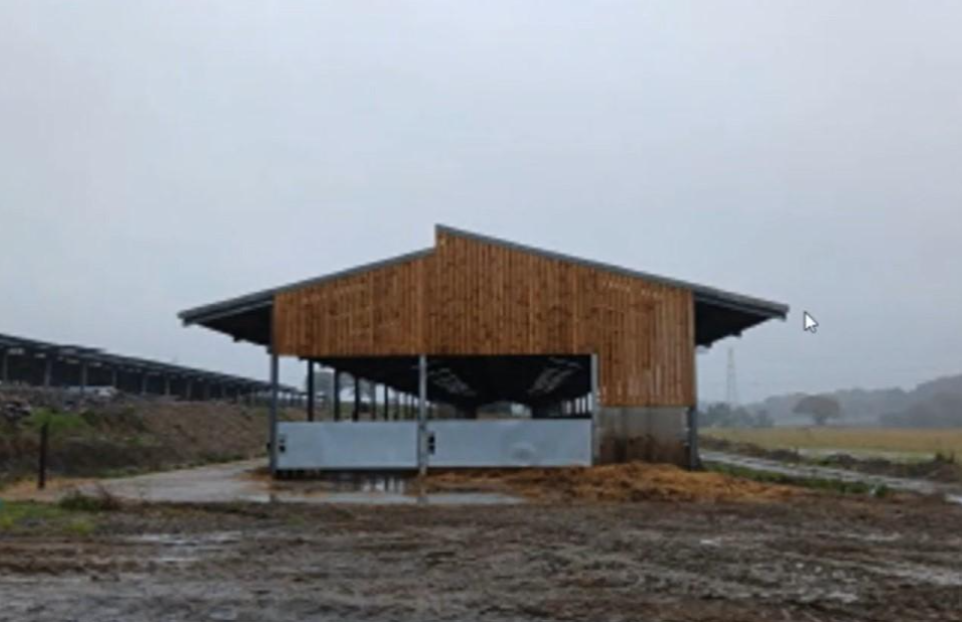
THE FINAL sign-off for plans for a heifer accommodation building and associated works at one of Pembrokeshire’s largest dairy farms, with a milking herd of 2,000 cows, have been given the go-ahead.
In an application backed by councillors at the December meeting of Pembrokeshire County Council’s planning committee, Hugh James of Langdon Mill Farms Ltd sought permission for a 160-metre-long heifer accommodation building, a slurry separation/dewatering building and associated yard areas at 1,215-hectare Langdon Mill Farm, near Jeffreyston, Kilgetty.
A supporting statement through agent Reading Agricultural Consultants said: “The holding currently has a milking herd of approximately 2,000 cows, which are housed indoors for the majority of the year, with dry cows and heifers grazed outdoors when weather and soil conditions permit.
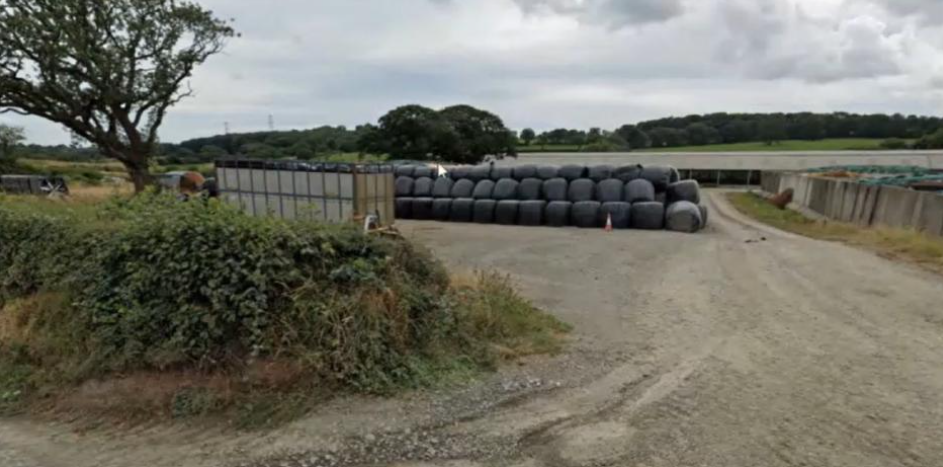
“There has been significant investment in buildings and infrastructure at the farm over the last decade in respect of cattle accommodation, slurry storage, milking facilities, Anaerobic Digestion (AD) plant, feed storage. Recently a calf and weaned calf accommodation buildings were approved by Pembrokeshire County Council with construction almost complete.
“The unit is efficient, achieving yields of more than 10,000 litres/cow/year, with cows being milked three times/day in the 60-point rotary parlour. Langdon Mill Farm currently directly employs 21 full-time, and three part-time staff. Of these, four live on site in the two dwellings opposite the farm, with the remaining staff living in the locality.”
It added: “Although the unit has previously purchased heifers to aid expansion, the farm now breeds most of its own replacements to improve genetics and to minimise the ongoing threat of bovine tuberculosis (bTB).”
It said the proposed building would be used by heifers between the ages of 7-22 months, the siting “directly influenced by the adjacent calf and weaned calf buildings, with livestock being moved from one building to the next as they get older”.
Members unanimously supported the recommendation of approval, giving delegated powers to the interim head of planning to approve the application following the final approval of a habitats regulations assessment.
An officer report published yesterday, February 5, said Natural Resources Wales confirmed it had received the assessment, and, “in consideration of the mitigation measures detailed and on the understanding there is no increase in stock, they agree with the LPA’s conclusion that an adverse effect upon the integrity of the SAC [Special Areas of Conservation] sites can be ruled out”.
Formal delegated approval has now been granted by officers.

SO-CALLED “forgotten meats” such as liver, heart and kidneys could soon find their way back onto dinner plates, with scientists suggesting they may offer a cheap, sustainable and highly nutritious alternative to modern ultra-processed foods.
Offal was once a staple of everyday diets across the UK, particularly in working-class households, but has steadily fallen out of favour in recent decades despite being rich in iron, protein and essential vitamins.
Now researchers at Aberystwyth University are working with Hybu Cig Cymru (HCC) to understand why demand has dropped and whether these cuts could be repositioned as affordable “superfoods”.
Scientists say that when nutrient-dense parts of the animal go uneaten, valuable food is effectively wasted.
Dr Siân Mackintosh, from the university’s Institute of Biological, Environmental and Rural Sciences (IBERS), said these meats could play an important role in healthier and more sustainable diets.

“Where they are not being used, these nutrient-dense ‘forgotten meats’ represent a significant loss of nutrients from our food chain,” she said. “Incorporating them as part of a balanced diet could support human health while also reducing food waste and improving environmental outcomes.”
Taste tests win over public
To test public attitudes, HCC staff have been running tasting sessions at major agricultural events including the Royal Welsh Show and the Winter Fair in Llanelwedd.
Visitors sampled dishes made with Welsh lamb’s liver, including stroganoff, traditional faggots and pâté. Organisers say many people were surprised by the flavour and keen to learn how to cook them at home.
Dr Eleri Thomas, Future Policy and Project Development Executive at HCC, said interest was stronger than expected.
“We believe there is significant potential for these forgotten meats to be incorporated back into our diets,” she said. “Consumers liked the flavour and wanted recipes and cooking tips, as well as understanding the nutritional value.”
She added that making better use of undervalued cuts could improve sustainability across the meat supply chain while creating new marketing opportunities for Welsh producers.
Part of wider sustainability project
The work forms part of the SMART Nutrient Cymru project, funded through the Welsh Government’s innovation support scheme.

Project lead Dr Christina Marley said the aim is to capture nutrients currently being lost across the agri-food system.
Alongside the collaboration with HCC, the team has also partnered with Dŵr Cymru Welsh Water on land management to protect rivers, and with British Wool to explore new uses for fleece by-products.
IBERS itself is one of eight UK research institutes strategically supported by Biotechnology and Biological Sciences Research Council, providing national expertise in grassland and plant breeding science.
Researchers say that with food prices rising and pressure growing to reduce waste, traditional nose-to-tail eating could offer both economic and environmental benefits.
Image: Welsh lamb faggots (Pic: HCC)
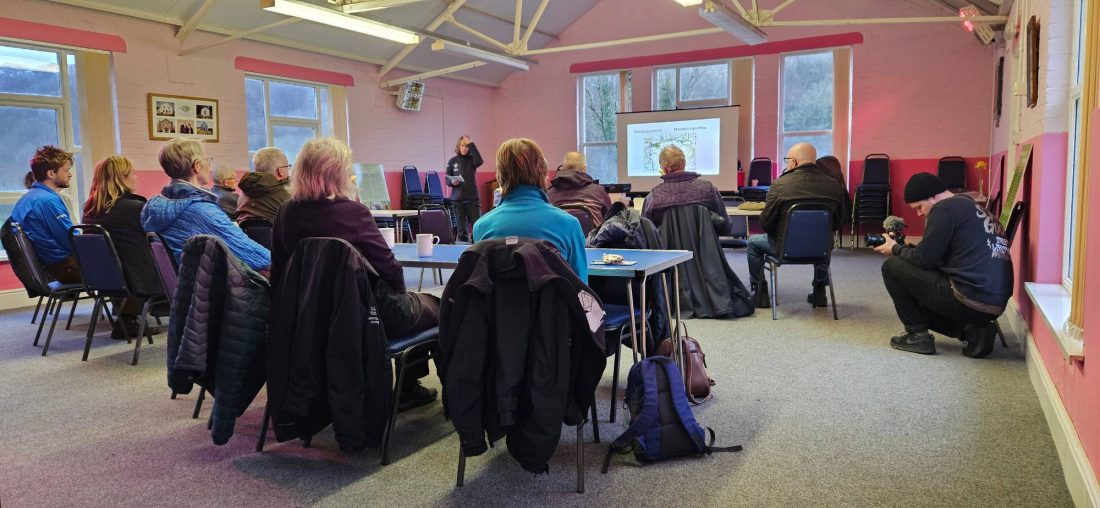
A CELEBRATION event was held on Saturday, January 24 in Cwm Gwaun to mark the achievements of Pembrokeshire Coast National Park Authority’s Cysylltu Natur 25×25 project, bringing together volunteers, farmers and staff involved in delivering nature restoration across North Pembrokeshire.
The landscape-scale project was funded by the Welsh Government through the Nature Networks Programme, delivered by the Heritage Fund. The Programme aims to strengthen ecological connectivity and resilience by restoring habitats at scale.
Those attending the event heard about the wide range of conservation activity delivered through the project across the north of the National Park. This has included practical works to restore grazing to Rhos pasture to benefit marsh fritillary butterflies and southern damselflies, specialist work to conserve rare lichens, volunteer chough, dormouse and harvest mouse monitoring, safeguarding greater horseshoe bat hibernation sites, and targeted action to tackle invasive species threatening important sites.
Volunteers, farmers, land managers and contractors played a vital role in the success of the project, contributing local knowledge, practical skills and ongoing commitment to caring for Pembrokeshire’s unique landscapes and wildlife in the long term.
Mary Chadwick, Conservation Officer for Pembrokeshire Coast National Park Authority, said: “Cysylltu Natur 25×25 has shown what can be achieved when farmers, volunteers and conservation specialists work together with a shared aim.
“From monitoring some of our most elusive species to restoring and protecting habitats, the dedication of everyone involved has made a real difference for nature across the National Park.”
Although the Cysylltu Natur 25×25 project is now coming to an end, the important work it has supported will continue. Building on its successes, Pembrokeshire Coast National Park Authority will carry this momentum forward through the next phase of nature recovery work under NNF4 Cysylltiadau Naturiol / Naturally Connected, ensuring ongoing protection and enhancement of habitats for future generations.



Crime1 day ago
Pembroke Dock man admits threatening to hack woman’s head off with sword
Court imposes strict bail conditions and bans contact with named individuals ahead of sentencing A PEMBROKE DOCK man has admitted...


Crime2 days ago
Teenager remanded after teacher injured in knife incident at Milford Haven school
Fifteen-year-old charged with Section 18 grievous bodily harm and possession of a bladed article appears before Swansea magistrates A FIFTEEN-YEAR-OLD...


Crime2 days ago
Police confirm teacher was stabbed at school as teenager appears in court
15-year-old charged with Section 18 GBH with intent and possession of a bladed article on education premises POLICE have confirmed...


Crime3 days ago
Man arrested for murder following death of pensioner in Pembroke Dock
Officers called to Hawkstone Road property as investigation continues and residents urged to come forward DYFED-POWYS POLICE officers have launched...

Crime3 days ago
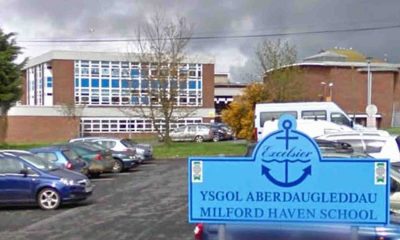
Teacher discharged as Milford School to reopen Monday after serious assault
Deputy head praises ‘calm and professional’ staff and pupils during lockdown A TEACHER injured in a serious incident at Milford...


Crime4 days ago
Teacher discharged as police step back from Milford Haven school after assault
Teenager remains in custody as school closes and patrols increased to reassure community POLICE have confirmed they are no longer...


Crime4 days ago
Teacher injured and teenager arrested for attempted murder at Milford Haven School
Lockdown triggered as pupil allegedly attacks staff member with weapon – boy, 15, held on suspicion of attempted murder A...


international news4 days ago
Pembrokeshire women conquer Atlantic in epic 3,000-mile row
PEMBROKESHIRE’S all-female rowing crew Merched y Mor have completed one of the hardest endurance challenges on the planet after crossing...


Crime5 days ago
Sex offender jailed after living off grid in Pembrokeshire and refusing to register
Man walked into police station after months avoiding authorities A CONVICTED sex offender who told police he intended to live...


Crime5 days ago
More rape and sexual assault survivors to get right to challenge dropped cases
New review scheme to be rolled out across CPS Cymru-Wales following successful pilot SURVIVORS of rape and serious sexual assault...
-
 Health4 days ago
Health board targets rise in steroid and gym drug use across west Wales
-
Crime5 days ago
Sex offender jailed after living off grid in Pembrokeshire and refusing to register
-

 News6 days ago
Princess of Wales visits historic Pembrokeshire woollen mill
-
Crime4 days ago
Teacher injured and teenager arrested for attempted murder at Milford Haven School
-

 Crime6 days ago
Hakin man’s appeal delayed again as Crown Court seeks guidance on insurance law
-

 Crime7 days ago
Arrest made after Carmarthen park stabbing investigation
-
Crime7 days ago
Man guilty of threatening to kill Herald editor
-

 Crime5 days ago
Johnston man remanded in custody over knife and assault charges