


News
Kurtz calls out MP over broken promise on agricultural property relief

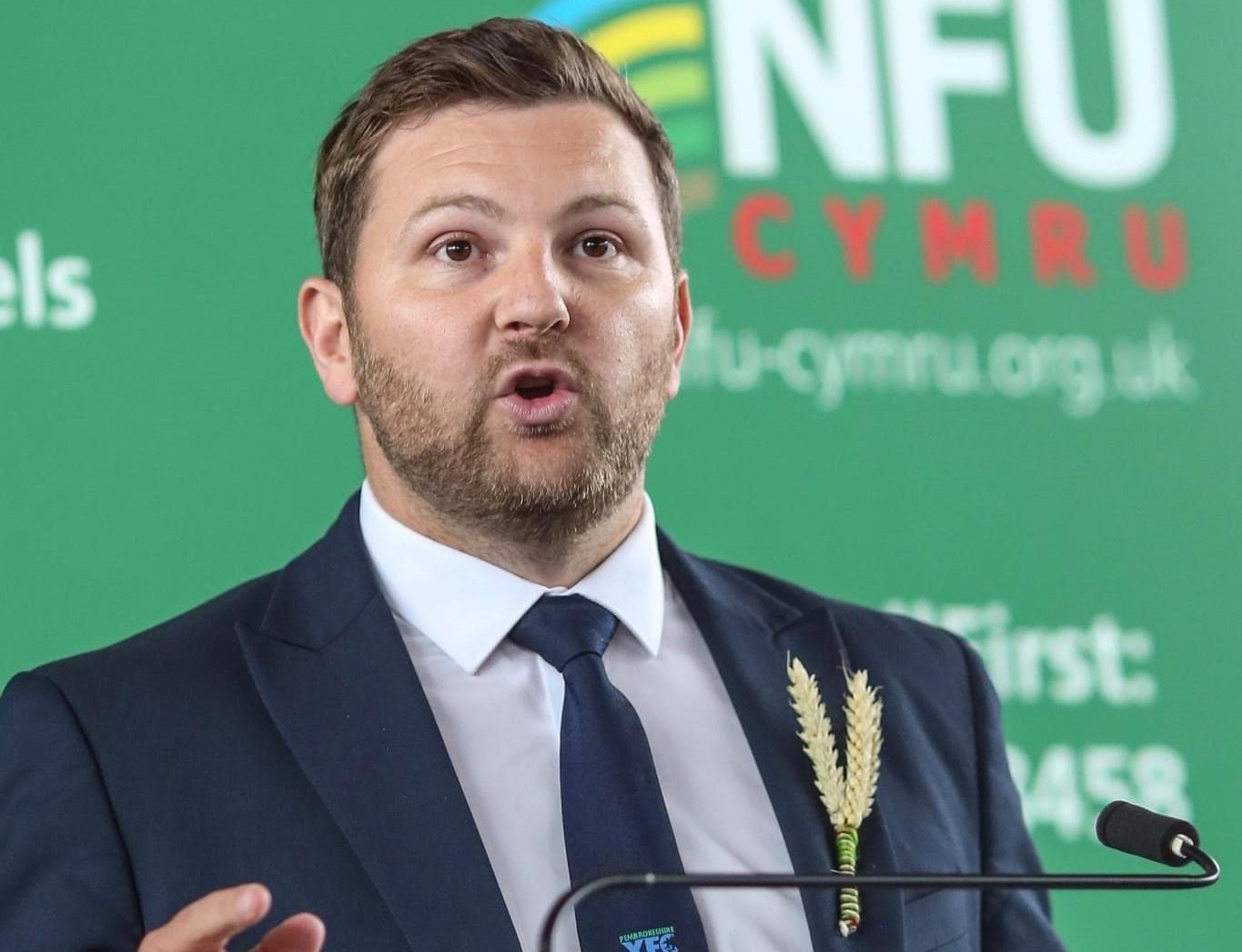
WELSH Conservative Samuel Kurtz has taken Pembrokeshire’s Labour MP to task following the Chancellor’s announcement that the Labour Government will slash Agricultural Property Relief (APR)—a move the local MP had promised would not happen.
During the recent General Election, the Labour candidate publicly assured farmers at a husting event hosted by NFU Cymru, the Farmers’ Union of Wales, and Pembrokeshire Young Farmers’ Club, that APR would remain unchanged under a Labour Government. Similarly, Labour’s DEFRA Secretary told the Financial Times in November 2023, “we have no intention of changing APR,” reinforcing the pledge to farmers across the UK.
However, Wednesday’s Budget revealed a reversal on this promise, with the Chancellor announcing cuts to APR, potentially jeopardising thousands of family farms by increasing the Inheritance Tax burden. APR provides critical relief on the transfer of agricultural property, allowing farming families to pass their established food producing business down to future generations.
Speaking after the Budget, Samuel Kurtz commented told The Pembrokeshire Herald: “Labour’s Budget was a string of broken promises, but none will be as harmful to hardworking farmers as their cut to Agricultural Property Relief.
“For the Labour candidate to assure farmers at the husting that no changes would be made to APR—and then have Labour go back on that—shows that the party will say whatever it takes to win votes.

“Trust in politicians is at an all-time low, and this U-turns only helps feed that mistrust. Decisions like this threaten the future of family farms and undermine the promises made to the communities Labour claims to represent.”

Broadcaster promises debates, youth-focused content and full results coverage across Wales
BBC CYMRU WALES has unveiled its plans for comprehensive coverage of the 2026 Senedd election, with a strong focus on accessibility, youth engagement and on-the-ground reporting.
The broadcaster says its election output—available in both English and Welsh—will include live debates, breaking news, in-depth interviews, analysis and expert commentary across television, radio, online and social platforms ahead of polling day on Thursday (May 7).
Special attention will be given to first-time voters aged sixteen and seventeen, as well as explaining the new electoral system. Content aimed at younger audiences will feature prominently, including short-form videos, “minute manifestos,” rapid-fire leader Q&As, and fact-checking reels shared across BBC Wales’ social channels.
Delyth Isaac, Head of News and Current Affairs at BBC Wales, said: “Welsh voters are our number one priority in this election. Our job in the run-up to polling day is to ensure they have all the information they need to make their choice.
“Our teams are getting out into communities across Wales, listening to voters, reporting on local issues and holding politicians to account. We will create spaces for open debate and ensure all voices are heard.”

Debates across Wales
A series of live debates and Q&A programmes will take place across the country in the weeks leading up to the election.
On Tuesday (Mar 17), Nick Servini hosted a Your Voice Live debate in Wrexham, featuring representatives from Welsh Labour, Welsh Conservatives, Plaid Cymru, Welsh Liberal Democrats, Reform UK and the Wales Green Party.
Further programmes include two Your Voice Live: Ask the Leader events. One will be broadcast from Haverfordwest on Wednesday (Apr 8) at 8:00pm on BBC One Wales, with another from Llandudno on Wednesday (Apr 15) at the same time. Both will also air on BBC Radio Wales and BBC Sounds.
The main leaders’ debate will take place on Tuesday (Apr 28), hosted by Bethan Rhys Roberts in Cardiff and broadcast at 8:00pm on BBC One Wales.

Digital, radio and investigation focus
BBC Wales News Online and Cymru Fyw will provide rolling coverage throughout the campaign, including policy analysis, constituency breakdowns, manifesto guides and BBC Verify fact-checking.
The BBC’s investigations team will also examine the spread of disinformation during the campaign, particularly on social media.
On radio, BBC Radio Wales and BBC Radio Cymru will feature regular election coverage across flagship programmes, alongside special editions of podcasts such as Walescast and Gwleidydda.

Full results coverage planned
BBC Wales reporters will be present at every count across the country when results are declared on Friday (May 8).
Coverage will include live reporting, expert analysis and reaction from candidates, with Political Editor Gareth Lewis playing a central role.
Special results programmes will air on BBC One Wales and S4C, alongside rolling coverage online and on radio. Politics Wales will also broadcast extended programmes during the campaign and a one-hour results special on Sunday (May 10).
Content for younger audiences
BBC Bitesize will produce a bilingual series of explainer videos aimed at 14–16-year-olds, while Newyddion S4C will provide dedicated coverage for younger viewers.
A major Welsh-language debate, Y Ddadl Fawr, will be broadcast live from Carmarthenshire on Thursday (Apr 23) at 8:00pm across S4C, BBC Radio Cymru and BBC Sounds.
The BBC said its aim is to ensure every voter in Wales understands how to take part and how their vote counts as the country heads towards a crucial election.

Saundersfoot celebration to feature choirs, raffle and charity fundraising evening
SAUNDERSFOOT Rotary Club is set to celebrate its golden jubilee with a special community concert later this month, marking 50 years of service to the local area.
The event will take place on Thursday (Mar 26) at The Regency Hall, Saundersfoot, running from 6:30pm to 8:30pm, and will feature performances from Tenby Male Choir and Côr y Môr.
Founded in 1976 by a group of like-minded individuals committed to the Rotary principle of “Service above self,” the club has spent five decades supporting a wide range of charitable causes and community initiatives.
Over the years, members have raised around £500,000 through events such as the popular Saundersfoot Duck Race and annual hog roasts. In addition to fundraising, volunteers have contributed thousands of hours supporting projects across the community.
These include work with the Tenderfoot Disabled Sports Club, organising interschool competitions to promote writing, environmental awareness and the arts, assisting the Saundersfoot Wombles with beach cleans, and planting purple crocuses throughout the village to raise awareness of the global fight against polio.
The anniversary concert will also include a raffle, a silent auction featuring a painting of Saundersfoot titled The Beach Front donated by local artist Andrew Phillips, and a display showcasing the history of the Rotary Club.
Tickets are priced at £10 for adults, with free entry for under 16s. The price includes a hot drink and a Welsh cake. Tickets are available in advance from The Regency Hall and The Shoe Box in Saundersfoot, or can be purchased on the door.
Funds raised during the evening will go towards future Rotary activities, including replacing essential equipment and purchasing first aid kits, helping ensure the club can continue its work in the community for years to come.

Port of Milford Haven chief to give quarterly update as venue decision looms
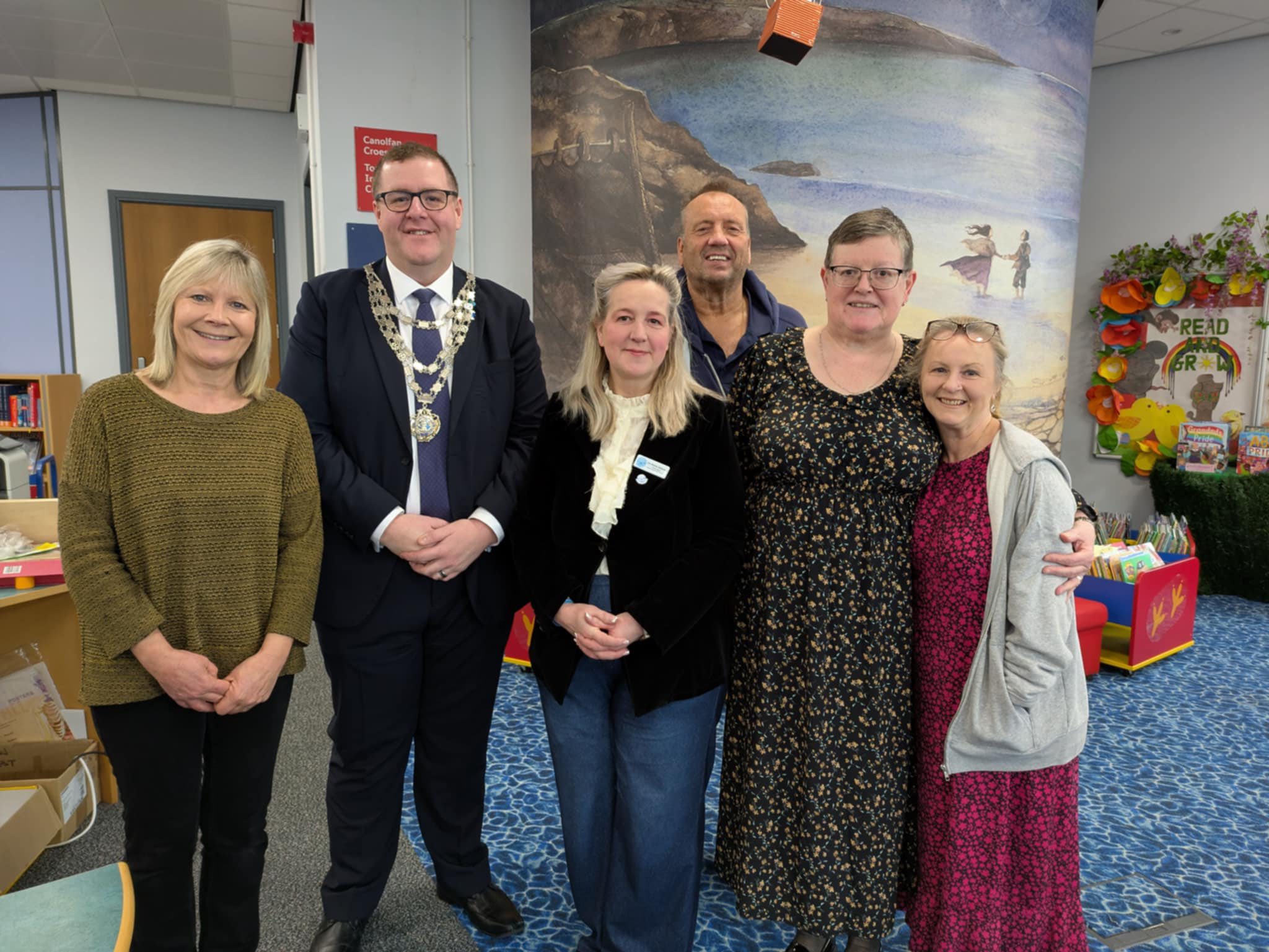
MILFORD HAVEN Town Council will hold its next full council meeting on Monday (Mar 23) at 6:00pm at the Milford Haven Sea Cadets and Royal Marines Cadets Unit in Havens Head Business Park.
The meeting, chaired by Mayor Councillor W. Elliott, will include a quarterly update from Mr T. Sawyer, Chief Executive of the Port of Milford Haven, expected to outline developments at the port and its impact on the town.
Members of the public will have an opportunity to raise questions during a ten-minute session early in the meeting.
Venue decision on agenda
Councillors are also set to discuss the future location of town council meetings from March 31, a decision which could shape how residents engage with local democracy going forward.
The agenda includes consideration of minutes from the previous full council meeting held on Monday (Mar 9), along with reports and recommendations from the Public Events Sub-Committee.
Funding applications to be considered
Under financial matters, councillors will review applications for financial assistance, including requests from Pembrokeshire Vikings and the Paul Sartori Foundation.
The council will also consider its February accounts and a bank reconciliation dated March 2.
Community and civic updates
Routine items such as mayoral engagements, councillor activity reports, and updates from representatives on outside bodies will also be discussed.
The location of official town council church services is listed for consideration.

Private session likely
An item relating to HR matters may be discussed in private, with the public excluded if councillors vote to do so under the Public Bodies (Admission to Meetings) Act 1960.
Remote access to the meeting is available upon request in line with current legislation.



News2 hours ago
Reform secures first Pembrokeshire councillor in Hakin by-election win
Late Reform candidate takes seat as independent surge and Labour withdrawal shape contest REFORM UK candidate Scott Thorley has won...


News13 hours ago
Scott Thorley elected as Pembrokeshire’s first Reform councillor
REFORM UK candidate Scott Thorley has won the Hakin by-election after securing 179 votes. The full result is as follows:...


News20 hours ago
Police confirm man has died after being recovered from River Cleddau
Major emergency response in town centre after concerns raised for man in water A MAN has died after being recovered...


Community20 hours ago
Davies and Kurtz urge groups to seek employability funding
Community organisations in Pembrokeshire encouraged to apply for new grants supporting skills and job access LOCAL Senedd Members Samuel Kurtz...


News22 hours ago
Emergency services flood Haverfordwest after reports of person in river
Town centre sealed off as multi-agency response continues A MAJOR emergency response is underway in the centre of Haverfordwest after...


News22 hours ago
Detectives receive surge of new information in bid to identify man found at Powys reservoir
Public response follows release of facial image as officers pursue fresh lines of enquiry DETECTIVES investigating the identity of a...

News1 day ago
Senedd committee urges next Welsh Government to prioritise Wales–Ireland links
A SENEDD committee has called on the next Welsh Government to continue prioritising Wales’s relationship with Ireland, describing it as...

Education2 days ago
New facilities open at Portfield School as redevelopment reaches key milestone
THE FIRST phase of a major redevelopment programme at Portfield School in Haverfordwest has been completed, marking a significant step...


News2 days ago
£377m spent saving blast furnaces months after Port Talbot closure
Government intervention keeps UK’s last primary steelmaking furnaces running THE UK GOVERNMENT spent £377 million to prevent the closure of...


Sport3 days ago
France crowned Six Nations champions after extraordinary final-day drama
Ramos penalty in Paris seals title as Ireland fall just short and Wales end losing run FRANCE were crowned 2026...
-

 Health5 days ago
Welsh Ambulance Service to host bi-monthly Board meeting
-
 News4 days ago
Rayner and Lammy visit Wales to discuss justice and community safety
-
 Local Government7 days ago
Register now to vote in May’s Senedd election
-
 News3 days ago
Fishguard linked to allegations in Many Tears Animal Rescue investigation
-
News22 hours ago
Emergency services flood Haverfordwest after reports of person in river
-

 Community7 days ago
Modern-day maritime hero backs exhibition marking 200 years since launch of HMS Erebus
-

 Crime7 days ago
‘Knife attack’ at Spittal property leaves man in hospital
-

 News6 days ago
Calls grow for water industry overhaul after Welsh Water faces £44.7m fine