


Top News
Pembrokeshire women hit half way mark in gruelling 3,200 mile Atlantic row

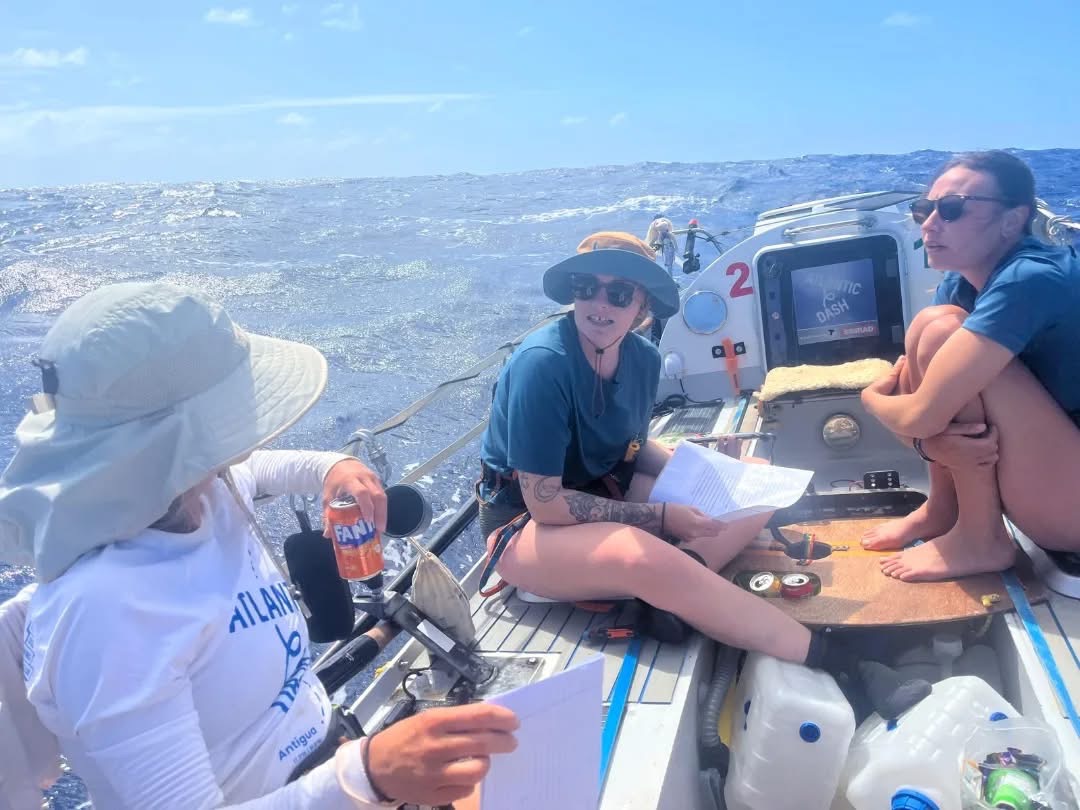
For the past 31 days, four Pembrokeshire women have been experiencing some of the most challenging living conditions imaginable.
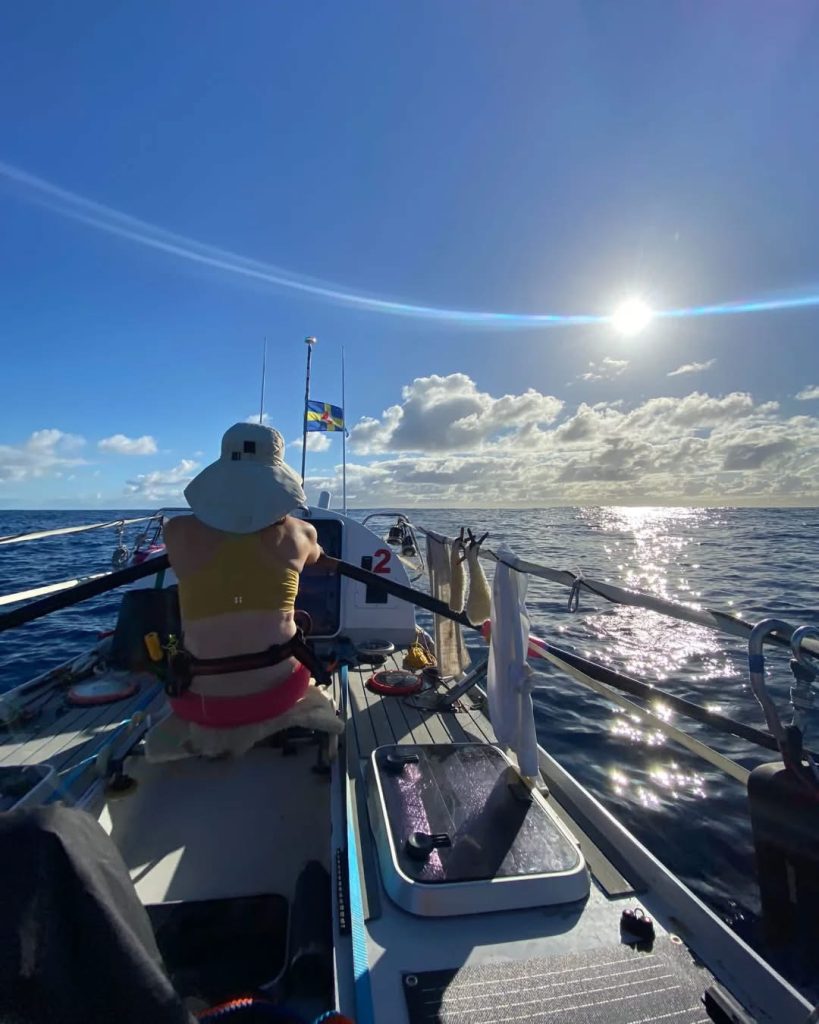
Their home is a 10-metre rowing boat currently positioned 1,690 nautical miles out in the Atlantic Ocean. Five kilometres below them lies the seabed.
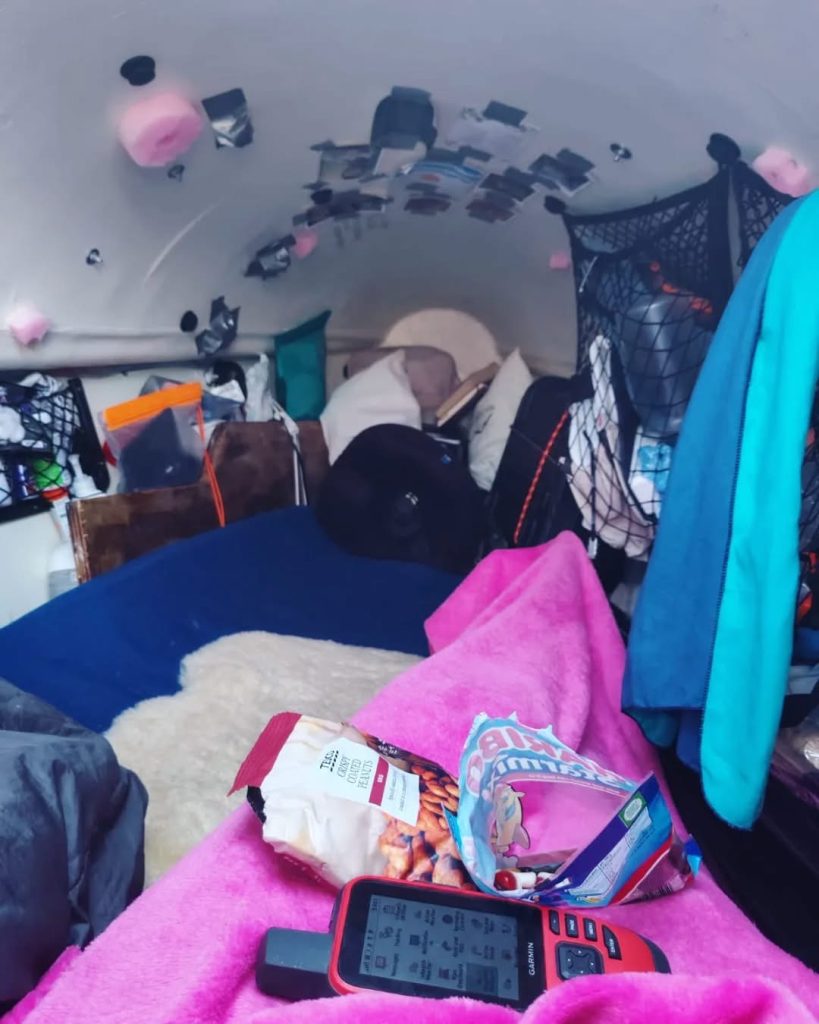
Their tiny vessel is having to combat waves reaching up to 4.5 metres in height while their diet consists solely of air-dried meals. Current sea conditions, however, are making their consumption virtually impossible. Their toilet is a bucket, and their sleep is broken by the discomfort of their foul weather gear and the constant slamming of the waves. Simple things, such as brushing their hair and teeth, are near impossible to accomplish.
Welcome aboard the Cruising Free Atlantic Row.
“This is undoubtedly the most uncomfortable thing I’ve ever experienced. And I mean it,” said Miyah Periam, 24, who is the youngest rower to take part in the 3,200 mile row that will take them from Lanzarote, in the Canary Islands, to Antigua.

“Sitting on deck is painful, our mattresses are hard and last night there was some really rough water, so we decided that we didn’t want to row in the dark. It felt like I was sleeping in a coffin. “My core and my back are in such discomfort and despite having been out here now for four weeks, I’m still feeling seasick. And the food we’re eating is truly disgusting.”
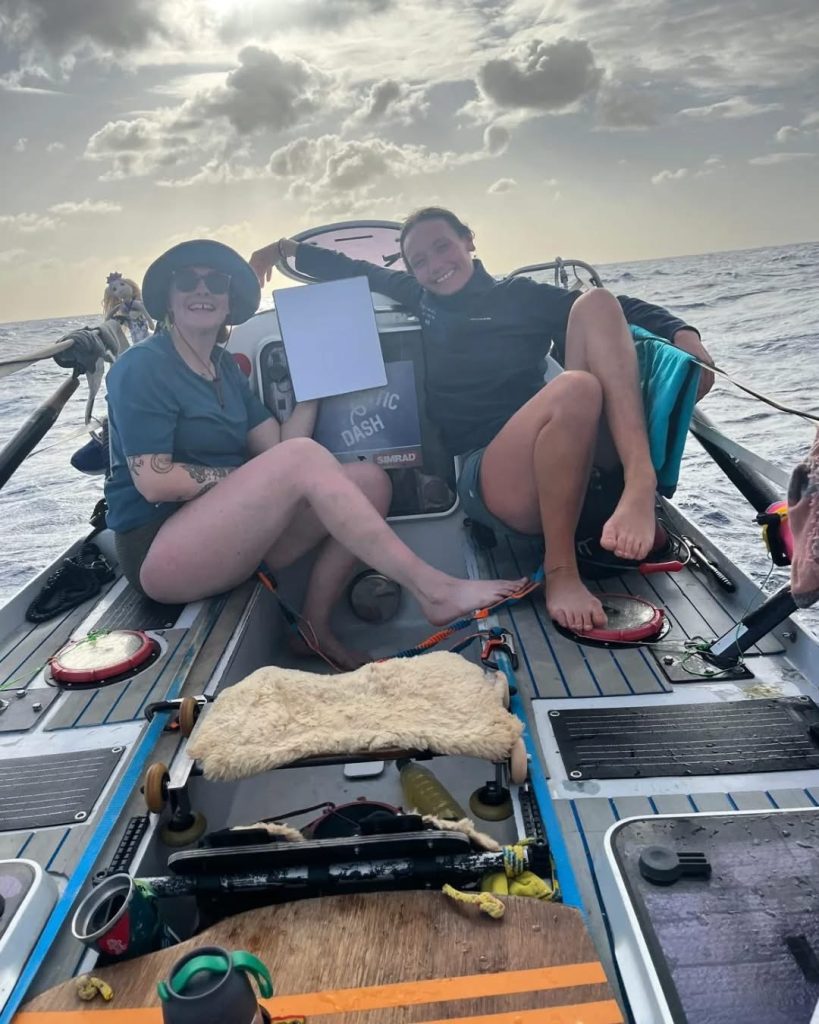
Miyah, along with Sophie Pierce, 32, Polly Zipperlen, 50, and Janine Williams, 70, began their Atlantic Challenge on February 1, following three years of intricate planning.

The 3,200 nautical mile crossing equates to approximately 1.5 million oar strokes. But despite their rigorous training, the ocean began taking its toll within just 24 hours of their departure as the women became bruised from the waves’ interaction with their boat – The Spirit of Bluestone – and as they began to suffer seasickness.
“Rowing in these conditions is completely different to river or coastal rowing, which is obviously what we’re used to,” explained Janine, who has more than three decades of tough rowing experience behind her.

”But we continue to laugh, despite the discomfort and physical toil that this is having on our bodies.
“When conditions are choppy, everything becomes a bit one-sided, so it’s more about reading the waves. But regardless of what’s going on out there, we know that every stroke is taking us one step close to Antigua.”
Soon after leaving Lanzarote, the women were subjected to extreme heat and significantly calmer seas, but once again this made rowing conditions difficult.

“When the water is calm, rowing feels as if we’re stirring treacle as we’re getting no assistance from the waves,” explained Polly. “We’re also having to battle with the heat throughout the day as there’s no shade cover, and the cabins are baking hot with sweat, dampness and constantly being thrown around by the waves.”
At the end of last week, the Cruising Free team encountered rough seas, which made rowing particularly hard, after the boat entered a patch of two contrasting wave directions, resulting in very choppy waters.
“It was really hard to row and there was quite a lot of water coming onto the boat,” said Sophie. “And in situations like this, it’s really difficult to do anything except wait for calmer weather. But we know that Antigua is getting closer every day.”
The women have also expressed disappointment at the lack of wildlife that they’ve seen, however on Saturday, their shallow depth alarm sounded, suggesting that a whale could have been hovering beneath them.
“But considering that the ocean is about 5 km deep, there’s never any risk of shallow water,” added Janine.
Once their crossing is complete, the Cruising Free Atlantic Row will have set two new world records, with Sophie being the first woman with cystic fibrosis to row the Atlantic, and Janine being the oldest woman. Their row is also raising money for the Cystic Fibrosis Trust, the Paul Sartori Foundation and Emily’s Entourage.
“Yes, there are times when this feels like a real nightmare,” said Miyah. “Even the simple, everyday things like brushing our teeth is desperately difficult and our toilet is just a bucket.
“We’re completely at the mercy of Mother Nature and we know that we’re really vulnerable. Everything is completely unpredictable.
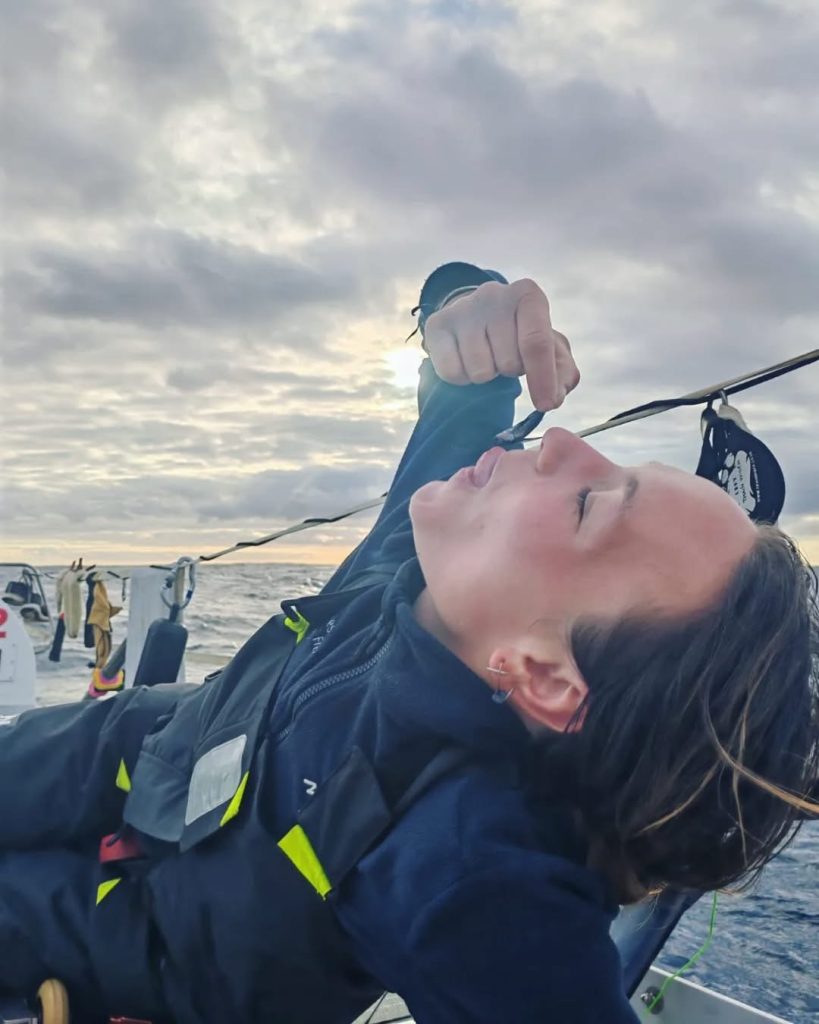
“Yes, we can row, but this can only be done in certain directions and we can’t really control our speed.
“The main thing is acceptance and humility. And I know that these are things that I can take forward with me into the rest of my life.”
Cruising Free Atlantic Row can be followed on Facebook where they share regular posts via Starlink. Donations can also be made via a link on the Facebook page.



DYFED-POWYS POLICE has announced a significant expansion of its Neighbourhood Policing and Prevention Teams (NPPT), with more officers being deployed to frontline roles where demand is greatest.
From Monday (Mar 16), teams across the force area have been strengthened, with a renewed focus on tackling antisocial behaviour and preventing crime at its source.
The force says the move is aimed at reducing repeat demand by addressing the root causes of offending, rather than simply responding to incidents.
To achieve this, a number of officers have been redeployed from central departments back into frontline policing, while new posts are also being created to bolster capacity.
Temporary Chief Superintendent Steve Davies, head of uniform policing, said: “These changes are about increasing frontline visibility and ensuring we have the right resources in the right places.
“They form part of a wider programme of improvements across the force to enhance effectiveness and efficiency, while also supporting the wellbeing of our officers and staff.
“This is positive news for our communities, who will benefit from stronger neighbourhood teams focused on local priorities and proactive policing.”
The expansion has been made possible through Home Office funding under the Neighbourhood Guarantee scheme, which is designed to strengthen community safety and crime prevention.
Dyfed-Powys Police has been allocated £1.4 million for 2025/26, enabling the recruitment of police staff and freeing up officers previously in support roles to return to operational duties.
As a result, four sergeants and 29 police officers have now been reassigned to neighbourhood teams across the force.
Each NPPT area will also have a named officer, with full team details available via the ‘Your Area’ section of the Dyfed-Powys Police website.
The force has also secured early access to 2026/27 Neighbourhood Guarantee funding, which will see a further 12 officers recruited between April and the autumn—adding to overall officer numbers in the region.

Police and Crime Commissioner Dafydd Llywelyn said: “Neighbourhood policing is about more than numbers—it’s about relationships.
“Greater visibility helps build trust, strengthens community ties, and reassures the public that policing is present, responsive, and committed to keeping people safe.
“I remain committed to improving police visibility across our communities, and these additional officers will help turn that ambition into reality.”

Defendant admitted using Xbox without informing police as required under court order
ANTHONY COOMBES, aged 26, of Sand Banks, Broad Haven, appeared before Llanelli Magistrates’ Court on Thursday (Mar 20) charged with breaching a sexual harm prevention order.
The court heard that between February 26 and March 19, 2026, at Haverfordwest, Coombes repeatedly breached the order by using an Xbox device without informing police within three days, as required.
The offences relate to a sexual harm prevention order imposed at Swansea Crown Court on October 20, 2021.
Coombes indicated guilty pleas to the offences at the first hearing.
Magistrates committed the case to Swansea Crown Court for sentence.

He was remanded in custody ahead of the next hearing, which is due to take place at 9:00am on Friday, April 3, at Swansea Crown Court.
The court refused bail on the grounds that he was likely to offend, citing the nature and seriousness of the offences and his previous record and character.
A pre-sentence report was ordered.

Police say death not suspicious as 46-year-old arrested over alleged Class A drug supply
A MAN has died following a medical emergency at a property in Haverfordwest, police have confirmed.
Emergency services were called at 3:18pm on Wednesday (March 18) after a report of a medical incident.
A man was pronounced dead at the scene.
Dyfed-Powys Police said the man’s next of kin have been informed and are being supported by officers.
The death is not being treated as suspicious at this time.
However, police confirmed that a man, aged 46, was arrested on suspicion of being concerned in the supply of Class A drugs.
He has since been released under investigation while enquiries continue.
No further details about the deceased have been formally released.



Crime6 hours ago
Publican jailed for six years for supplying cocaine and cannabis
Milford Haven man sentenced at Swansea Crown Court following drug dealing operation A MILFORD HAVEN publican has been jailed for...


Local Government8 hours ago
Poverty summit highlights support efforts across Pembrokeshire
A SUMMIT bringing together key organisations from across Pembrokeshire has highlighted both the scale of local poverty and the work...


Education1 day ago
Milford Haven school plans unveiled but funding not yet secured
PLANS for a new £100 million school in Milford Haven have been unveiled, but the project has not yet secured...


News1 day ago
Council unveils plans for new state-of-the-art secondary school in Milford Haven
PEMBROKESHIRE COUNTY COUNCIL has revealed plans for a new state-of-the-art school in Milford Haven, promising modern, inspiring learning spaces for...


Health1 day ago
NHS waiting list falls — but cancer delays and diagnostic backlog worsen
Record progress claimed by Welsh Government as critics warn key targets are still being missed THE NHS in Wales has...


Crime2 days ago
Rapist jailed after ‘abhorrent’ attacks on woman and children
Haverfordwest man told police “women won’t have sex without force” A HAVERFORDWEST man who raped a woman and a young...


News2 days ago
Reform secures first Pembrokeshire councillor in Hakin by-election win
Late Reform candidate takes seat as independent surge and Labour withdrawal shape contest REFORM UK candidate Scott Thorley has won...


News3 days ago
Scott Thorley elected as Pembrokeshire’s first Reform councillor
REFORM UK candidate Scott Thorley has won the Hakin by-election after securing 179 votes. The full result is as follows:...


News3 days ago
Police confirm man has died after being recovered from River Cleddau
Major emergency response in town centre after concerns raised for man in water A MAN has died after being recovered...


Community3 days ago
Davies and Kurtz urge groups to seek employability funding
Community organisations in Pembrokeshire encouraged to apply for new grants supporting skills and job access LOCAL Senedd Members Samuel Kurtz...
-

 News6 days ago
Rayner and Lammy visit Wales to discuss justice and community safety
-

 News5 days ago
Fishguard linked to allegations in Many Tears Animal Rescue investigation
-

 News3 days ago
Emergency services flood Haverfordwest after reports of person in river
-

 Local Government6 days ago
Investigation confirmed after inspectors visit Many Tears Animal Rescue
-

 Crime2 days ago
Mother given community order after admitting child cruelty offence
-

 Business6 days ago
Oil firm praised for putting customers first during price surge
-

 Business7 days ago
Tesco B&Q Haverfordwest click and collect pod approved
-

 Business7 days ago
Legal action backed in case over development at Dinas Cross