


Health
Welsh Government considers abandoning ‘ill-advised’ cancer target

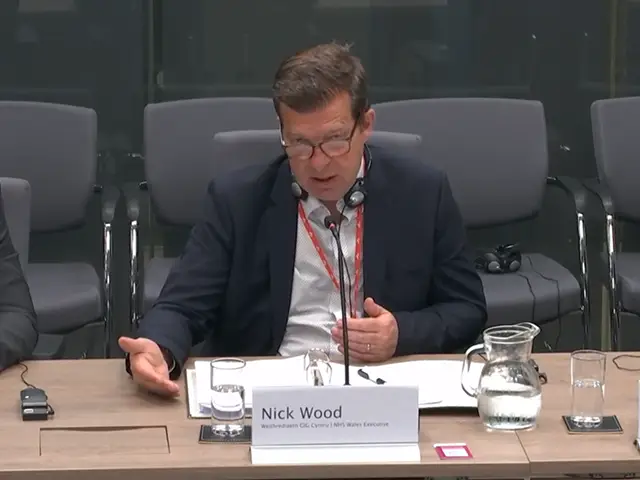
A KEY ambition for 80% of cancer patients to start treatment within 62 days could be dropped because services have little chance of hitting the target, a committee heard.
Eluned Morgan, Wales’ First Minister, announced plans to raise the performance target from 75% to 80% by 2026 while she was health secretary in 2022.
But, appearing before the Senedd’s public accounts committee today, NHS Wales deputy chief executive Nick Wood suggested the 80% target could be scrapped.
“I think we need to reflect on experience and what’s happened in the years since,” he said.
Mr Wood pointed to a report on NHS performance published on Monday following a review by an advisory group which was appointed by the Welsh Government.

He said: “I think some of their recommendations are helpful in terms of stating at this point that it’s probably ill-advised to move the target to 80% when there isn’t really a realistic proposition of us getting to 80% over the next 12 months.”
The so-called single cancer pathway – which was introduced in 2019, replacing the urgent and non-urgent pathways – runs from first suspicion of cancer to the start of treatment.
None of Wales’ seven health boards have hit the 75% target since August 2020 and latest statistics for February showed 60% started treatment within 62 days.
Mr Wood added: “A continued focus on getting to 70% then 75% would be a more advisable approach. We’ve not made a formal decision in terms of stepping away from that 80%….

“I think it would be fair to say that we need to review that position and focus on continuous improvement from the current position of 60%… before we consider going further.”
The 80% target was described by the report as an example of ministers “reaching for new policies or initiatives in preference to focusing on delivery of existing plans”.
Baroness Morgan said at the time: “By 2026, 80% of people who receive a cancer diagnosis should start first definitive treatment within 62 days from the first point when cancer was suspected. We will make sure that those with the greatest need are seen first.”


The Conservatives described the 80% aim as not ambitious enough while Plaid Cymru pointed out services were failing to hit the 75% target even before the pandemic.
Ministers accepted all the report’s recommendations, at least “in part”, in its response which set out a focus on skin, breast, lower gastrointestinal, gynaecological and urological cancers.
Mark Isherwood, who chairs the public accounts committee, pressed witnesses on the failure to meet the existing 75% target during the meeting on May 1.
Mr Wood described the performance as clearly unacceptable, adding: “The target is very challenging but it doesn’t necessarily reflect the experience of a huge number of people who are on the cancer pathway. It only reflects those who go through and have treatment.”
Mr Wood told the committee more than 13,000 people in Wales were told they did not have cancer in February. “They would have all been on the cancer pathway at some point but are not part of the performance element of 62 days,” he said.
Pointing to consistent increases in referrals, he added: “It’s unacceptable that we’re only on 60% but there is a lot more below the headline figure which I think is important.”
He welcomed an Audit Wales report which found a lack of national leadership, saying: “We accept the recommendations and would recognise the issues… described within the report.”
Asked whether the existing target is realistic considering rising demand, Mr Wood stressed the importance of setting an ambitious aim supported by clinical evidence.
Tom Crosby, the national cancer clinical director who was involved in establishing the single cancer pathway in 2019, described the policy as the right approach.
The clinical oncologist said: “We must not normalise long waiting times for patients.”
Raising concerns about “unwarranted variation” of services across Wales, Prof Crosby stressed that performance against the target is only one measure of the quality of care.
Labour’s Mike Hedges asked about work to drive improvement in the number of patients being diagnosed early, saying: “Late diagnosis is causing serious problems.
“We know [there are] some cancers where nearly everybody is diagnosed at stage three and stage four – and they have very, very poor survival rates.”
Keith Reid, deputy chief medical officer in the Welsh Government, pointed to the example of the roll-out of bowel cancer screening and proposals for a targeted lung cancer programme.


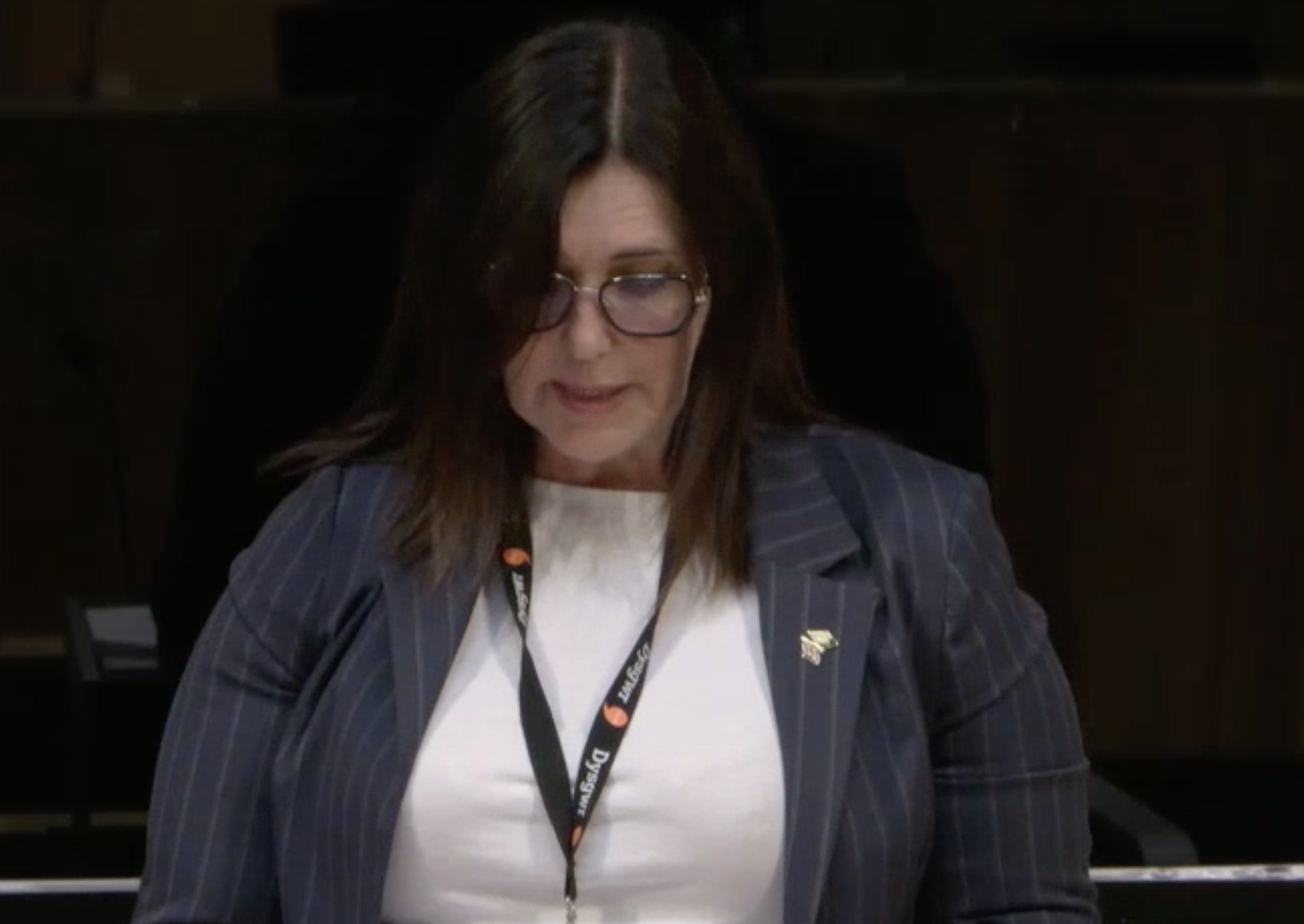
CLAIRE ARCHIBALD MS has challenged the First Minister over pressures facing rural social care in west Wales, warning that families in Pembrokeshire and Ceredigion are being left without the support they need.
The Reform UK Member of the Senedd for Ceredigion Penfro raised the issue during First Minister’s Questions, saying reductions in the clinical role of rural hospitals had not been matched by proper investment in community care.
Ms Archibald, who has previously worked as a carer, said the impact was being felt by patients stuck in hospital, families struggling to secure support, and people unable to spend their final days at home.
She told the Senedd: “Across Pembrokeshire and Ceredigion, Labour has reduced the clinical role in our rural hospitals, but the community care to fill the gap has simply not been put in place.
“The results are delayed discharges, families left struggling, and many people denied the chance to spend their final days at home with their loved ones.
“We have providers across west Wales handing back contracts, refusing referrals and shelving expansion because they cannot recruit the workforce.
“So, after 26 years of Labour-led government supported by your party, isn’t it the truth that rural social care has been neglected and left to pick up the pieces?
“What concrete action will your government take to restore front-line social care in west Wales?”
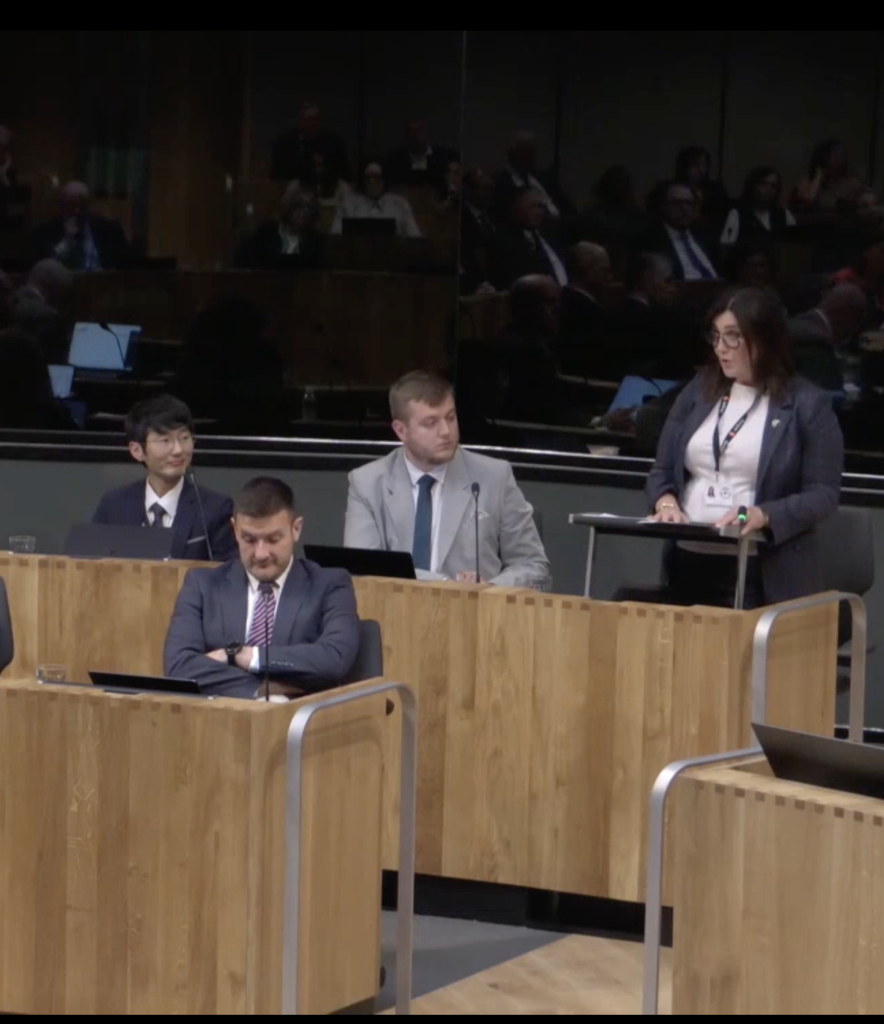
Following the exchange, Ms Archibald said the issue was not simply about policy, but about real families being placed in impossible situations.
She said: “I have seen first-hand how important good care is, both for the person who needs support and for the family around them.
“When community care is not there, people stay in hospital longer than they need to, families are left fighting for help, and people lose the chance to be cared for at home.
“This is especially serious in rural areas like Pembrokeshire and Ceredigion, where distance, workforce shortages and reduced local services all make the pressure worse.

“For too long, rural social care has been left to carry the burden while services are taken away elsewhere.
“People in west Wales deserve better than warm words. They need clear action, proper workforce planning, and front-line care that actually reaches them.”
Ms Archibald said she would continue pressing the Welsh Government on delayed discharges, care package shortages, workforce pressures and the need to protect services in rural communities.

THE WELSH AMBULANCE SERVICE will hold an extraordinary Trust Board meeting later this month.
Members of the public will be able to watch the meeting online via Microsoft Teams on Thursday (Jun 25), from 9:30am to 10:00am.
Board members are expected to receive and approve the Trust’s Annual Report and Accounts for 2025–26.
Colin Dennis, Chair of the Welsh Ambulance Service, said: “Our Board meetings play a vital role in ensuring transparency and openness in everything we do, and we would invite anyone with an interest in the Trust’s work to join us virtually to find out more.”
A link to watch the meeting will be available through the Trust, but viewers are advised it will only work from 10 minutes before the meeting begins.
An agenda will be published on the Trust’s website in the days before the meeting.

WALES has become the first UK country to offer nationwide access to a new online NHS programme for people affected by gambling harms.
The free course, Space from Gambling Harms, is available through the SilverCloud platform and can be accessed at any time on a phone, tablet or computer without the need to see a GP.
It forms part of the new All-Wales Gambling Treatment Service, which launched in April alongside a 24-hour helpline.
The 12-week programme is based on cognitive behavioural therapy and motivational enhancement therapy, helping users reflect on their gambling habits, build confidence, and develop skills to regain control.
Jodie Morgan, Clinical Operational Manager at Betsi Cadwaladr University Health Board, which manages the gambling service and helpline for NHS Wales, said: “Improving access to support is a key part of the All-Wales Gambling Treatment Service.
“Space from Gambling Harms offers people another way to access confidential, evidence-based support at a time that suits them, and we will be supporting patients across Wales to access the programme alongside our wider treatment offer.”
The course is available to anyone in Wales aged 18 or over via self-referral. Users are advised to spend around 20 minutes a day, three times a week, working through the programme.
Anyone who self-refers is assigned an NHS-trained supporter who can provide guidance, advice and encouragement.
Fionnuala Clayton, project manager for NHS Wales’ online CBT service, said: “Through SilverCloud, we want to remove as many barriers to support as possible and provide people with tools they can use in a way that fits around their lives.
“This programme gives people the opportunity to reflect on their habits, gain the skills and confidence to control their gambling, and get their lives back on track.”
The programme is one of 28 mental health and wellbeing courses available through SilverCloud, which is managed by Powys Teaching Health Board.
Other SilverCloud programmes for mild-to-moderate mental health issues, including anxiety, stress, depression and poor sleep, are available to anyone in Wales aged 16 or over.

In Wales, research suggests tens of thousands of people are affected by gambling harms each year.
The new helpline offers information, advice and support to anyone affected by gambling, including family members and others impacted. Where needed, callers can be referred on to specialist treatment services.
Anyone affected by gambling harms can call the 24/7 helpline on 0808 281 9265.
Professionals and individuals can also refer to the Gambling Treatment Service by calling 03000 859464 or emailing [email protected].
Self-referrals to SilverCloud’s Space from Gambling Harms programme can be made at nhswales.silvercloudhealth.com/signup/.



News17 hours ago
First Minister challenged over jobs for student nurses
REFORM WALES has accused the First Minister of failing to guarantee jobs for student nurses in Wales, despite continuing pressure...


Crime20 hours ago
Knife blankets call as school staff face rising violence fears
GMB says protective equipment should be considered where risk assessments show staff could face blades SCHOOL staff should be given...


News20 hours ago
Claire Archibald secures review of Milford Haven train times
RURAL TRANSPORT CONCERNS RAISED WITH TFW CLAIRE ARCHIBALD MS has secured a review of train times between Milford Haven and...


Crime20 hours ago
PCC review calls for stronger youth crime prevention work
REPORT MAKES 13 RECOMMENDATIONS A REVIEW into crime and anti-social behaviour services for young adults has called for stronger prevention...

Crime23 hours ago
Families condemn failed appeal by paddleboard boss jailed over Haverfordwest tragedy
RELATIVES SAY LATEST COURT BID HAS REOPENED PAIN AFTER FOUR DEATHS ON WESTERN CLEDDAU THE FAMILIES of victims of the...


Community2 days ago
Forgotten wartime archive found in Pembroke Dock attic after 80 years
Remarkable family collection reveals story of father and son who served through two world wars A REMARKABLE untouched family archive...


Crime2 days ago
Milford Haven woman left with facial fractures after drunken attack
A WOMAN in her late fifties suffered facial fractures after being repeatedly punched through the window of her car during...


Crime2 days ago
Sex offender in senior role at Tenby family hotel
CREST HOTEL GROUP says it is investigating safeguarding concerns after staff at the Imperial Hotel in Tenby raised alarm over...


Sport2 days ago
Runners tackle new route in Ras Y Castell 10k
MORE than 90 runners took to the streets and paths around Cardigan on Friday evening (June 5) for the annual...

Business3 days ago
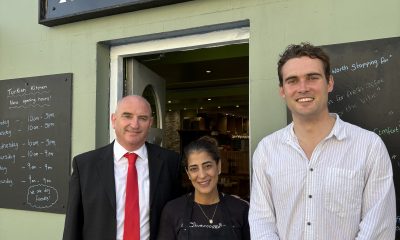
Turkish Kitchen reaches Welsh restaurant award semi-finals
Haverfordwest café praised as small independent business flies flag for Pembrokeshire A HAVERFORDWEST café has been named as a semi-finalist...
-
Crime5 days ago
Paddleboard company owner loses bid to cut sentence over Haverfordwest tragedy
-

 Crime4 days ago
Milford Haven man admits harassment and assault
-

 Crime7 days ago
Milford Haven man bit neighbour’s neck near cashpoint
-

 News4 days ago
Community appeal for privacy after serious emergency in Pendine
-

 Crime7 days ago
Pembroke Dock driver avoided jail after drug-drive crash
-

 Crime7 days ago
Dinas Cross man jailed over shop thefts
-
Crime2 days ago
Sex offender in senior role at Tenby family hotel
-
Community2 days ago
Forgotten wartime archive found in Pembroke Dock attic after 80 years