


Health
Health board launches critical services consultation as MP demands answers


A MAJOR public consultation on the future of nine vital NHS services in west Wales is expected to be launched on Wednesday (May 29), following a meeting of Hywel Dda University Health Board.
The consultation, part of the board’s Clinical Services Plan, will run until August 31 and seek views on how care is delivered across services including critical care, stroke, radiology, emergency general surgery and orthopaedics. All nine services have been described as “fragile” by the board due to mounting pressures on staff, infrastructure and safety.
The consultation comes after months of political pressure, with elected representatives across parties accusing the health board of presiding over a system that is “not delivering” for the people of west Wales.
Tufnell presses for action

Labour MP Henry Tufnell, who represents Mid and South Pembrokeshire, has already met with Hywel Dda’s leadership several times this year, including a formal meeting with Chief Executive Dr Phil Kloer on February 14, where he presented findings from a major survey of over 1,000 local residents.
“There’s still no acceptance by the board that there’s a problem,” Mr Tufnell said. “The management is failing us here in Pembrokeshire. There’s a complete lack of transparency and accountability.”

He said 62% of residents reported waiting over a week for a GP appointment, and 87% believed health services in the region had worsened in recent years. He has submitted a Freedom of Information request to the board demanding transparency on waiting times, patient access, and emergency care capacity.
Although health is devolved to the Welsh Government, Tufnell insists he will continue to apply pressure as the public face of growing discontent in Westminster.
“I want to see concrete commitments to improving patient access and safeguarding the future of local hospitals. The people I represent deserve clarity, not vague promises,” he added.
MSs warn of crisis and call for protection of Withybush
Concern over the future of Withybush Hospital and wider NHS services is also being raised by Senedd Members. On Wednesday (May 22), Samuel Kurtz MS and Paul Davies MS met with senior Health Board figures to demand urgent action.

“The number one issue in my inbox is unacceptable treatment delays,” Kurtz said. “Behind every statistic is a person — someone living in pain, anxiety, or uncertainty because our health system is not delivering.”
He went further, accusing the Welsh Labour Government of failing after 26 years of overseeing NHS Wales:
“No amount of spin from Labour Ministers can cover up the truth: our health service is in crisis.”

Kurtz and Davies called for full protection of Withybush Hospital and its emergency department, warning that any further downgrading would be “unacceptable to local people.”
Withybush: hospital under strain
Withybush General Hospital in Haverfordwest remains at the heart of local fears. In 2023, six wards were forced to close due to the discovery of Reinforced Autoclaved Aerated Concrete (RAAC) in the structure—leading to the loss of over 100 beds during emergency repairs. Although the hospital reopened in April 2024, officials warn the issue is ongoing, with further scanning and potential closures scheduled later this year.
The hospital has already seen key services centralised or reduced over the past decade, sparking repeated public protests. Critics argue the consultation could be used to justify further cuts.
Consultation opens amid NHS crisis
The Clinical Services Plan proposes to review nine key services across west Wales: critical care, emergency general surgery, stroke, endoscopy, radiology, dermatology, ophthalmology, orthopaedics and urology.
The Health Board says no preferred option has been chosen and insists the public consultation is vital to shaping future services.
Interim Medical Director Mr Mark Henwood said: “We want to hear your views on which options best address the challenges, improve standards, and reduce waiting times. We’re also keen to understand any concerns, impacts, or alternative ideas you may have — including your thoughts on the future role of our main hospitals.”
The consultation launches amid the release of new NHS Wales data showing continued underperformance on cancer treatment targets, delays in A&E departments, and worsening waiting times across many regions—including Pembrokeshire.
Get involved
The public can share views through online questionnaires and at a series of in-person and virtual events running throughout the summer. The consultation results will be considered by the Health Board in November 2025—unless high response levels delay analysis.
To take part or learn more, visit:
https://hduhb.nhs.wales/clinical-services-plan
Residents can also register with the board’s engagement scheme at:
https://www.haveyoursay.hduhb.wales.nhs.uk/siarad-iechyd-talking-health


NEW research has revealed just how closely sound is linked to identity in Wales — but also raised concerns about declining hearing health across the country.
A study commissioned by Specsavers and fronted by broadcaster and drummer Owain Wyn Evans found that nearly half of adults in Wales have noticed changes in their hearing in recent years, yet many are failing to act.
Sound shapes Welsh identity
The research found that seven in ten people in Mid and West Wales (69%) say hearing a Welsh accent is what makes Wales feel most like home. Over half also pointed to the Welsh language (59%) and the sounds of the countryside (57%) as central to their sense of belonging.
Community events also play a key role, with 68% saying occasions such as Eisteddfodau and local fêtes bring people together through shared sound — more than those who cited singing at rugby or football matches (59%).
Overall, 65% of respondents said sound is an important part of their Welsh identity, with Welsh choirs (54%) and everyday language (53%) also featuring strongly. Around 40% said losing the ability to hear these sounds would make them feel less connected to Welsh culture.

Hearing issues on the rise
Despite this strong emotional connection to sound, the study highlights growing concerns around hearing health.
Some 45% of adults said they have noticed changes in their hearing in recent years. However, more than a quarter have taken no action.
Exposure to loud environments appears to be a key factor. Nearly three in ten people (29%) reported experiencing temporary muffled hearing or ringing in their ears after live music or gigs, while one in five (21%) said the same after visiting nightclubs.
Across Wales, 38% said they had experienced similar symptoms after live events, yet only 24% of those who noticed a decline in their hearing had a hearing check in the past two years. More than a quarter (28%) said they have taken no action and do not plan to.

Owain Wyn Evans shares personal experience
The findings are personal for Owain Wyn Evans, 42, who has experienced hearing changes himself.
The Ammanford-born broadcaster said: “I first noticed changes to my hearing about five years ago. I’ve been drumming since I was ten, often in very loud environments like rugby and social clubs, and over time I realised I was missing parts of conversations.
“It was a shock to be told there had been changes, but it made me take my hearing health seriously.
“Sound is such a huge part of who we are in Wales — from the countryside to the sea. Protecting our hearing means protecting those connections.”
Barriers to seeking help
Despite recognising the importance of hearing, one in three people (33%) admitted they have never taken steps to protect it. More than a third (38%) said they would feel more confident wearing glasses than using hearing devices.
For some, taking action has been life-changing. Cardiff-based former DJ Amal Luchmun, 56, said hearing loss had begun to affect everyday life.
“My hearing loss became a conversation killer,” he said. “I’d find myself guessing what people were saying and avoiding noisy environments because it was exhausting.
“Since getting a hearing device, the difference has been huge. I recently went to a Six Nations match and could hear everything clearly and chat easily with people around me.”
Experts urge early action
Annie Morris, head of clinical performance at Specsavers, said hearing changes often go unnoticed.
“Changes to our hearing usually happen gradually, and the brain adapts to missing sounds,” she said. “People often don’t realise how much they’re missing until it starts to affect conversations.
“On average, people wait around ten years before seeking help. While hearing loss can’t be reversed, acting early can slow further decline.”
She added that simple steps such as wearing ear protection in loud environments and booking regular hearing checks can make a significant difference.
Checks available across Wales
Specsavers stores across Wales offer hearing tests both in-store and through home visits for those unable to travel.
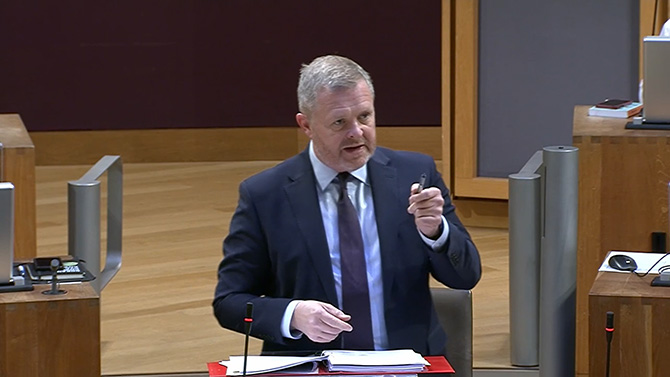
CABINET SECRETARY for Health and Social Care, Jeremy Miles MS, has outlined further steps to improve accountability, openness and transparency across NHS Wales.
In an update following his October statement, Mr Miles said new measures are already making health services more accountable to the public, while improving access to meaningful performance data.
For the first time, Welsh Government has held a full round of public accountability meetings with all NHS organisations. The sessions were live streamed, allowing the public to see health boards, trusts and special authorities being questioned on their plans, finances, performance, quality and safety. Recordings and follow-up correspondence have been published online, with supporting evidence packs set to follow.
Over the past year, more NHS performance data has been released than ever before. This includes the introduction of a new Emergency Ambulance Performance Framework, which moves beyond simple response times to provide a fuller picture of patient care — from the initial call through to clinical outcomes.
The broader dataset is designed to give both the public and clinicians clearer insight into how services are performing. For example, publishing survival rates following cardiac arrest is expected to help improve outcomes by turning previously hidden processes into measurable areas for improvement.
However, a review by the Ministerial Advisory Group on NHS Performance and Productivity found the current accountability system to be overly complex, data-heavy and lacking transparency, with limited impact on driving improvement.
In response, the Welsh Government will introduce a simplified operating and accountability framework from April. The new system will focus on outcomes rather than processes, with a stronger emphasis on clinical leadership, earlier intervention and clearer consequences where performance falls short.
The reforms will include a more streamlined, risk-based oversight model and a single, shared dataset for performance reporting. Contact with Welsh Government will vary depending on an organisation’s level of escalation, with greater autonomy for those performing well.
As part of the changes, escalation frameworks for all health boards have now been published online, setting out expectations for improvement and criteria for de-escalation. Cwm Taf Morgannwg and Hywel Dda university health boards were de-escalated in February after meeting cancer performance targets.
Mr Miles also highlighted ongoing work to improve NHS productivity, including plans to develop a more comprehensive measure of system-wide performance.
He said the Welsh Government remains committed to improving transparency and accountability, using better data and oversight to drive improvements in patient care.
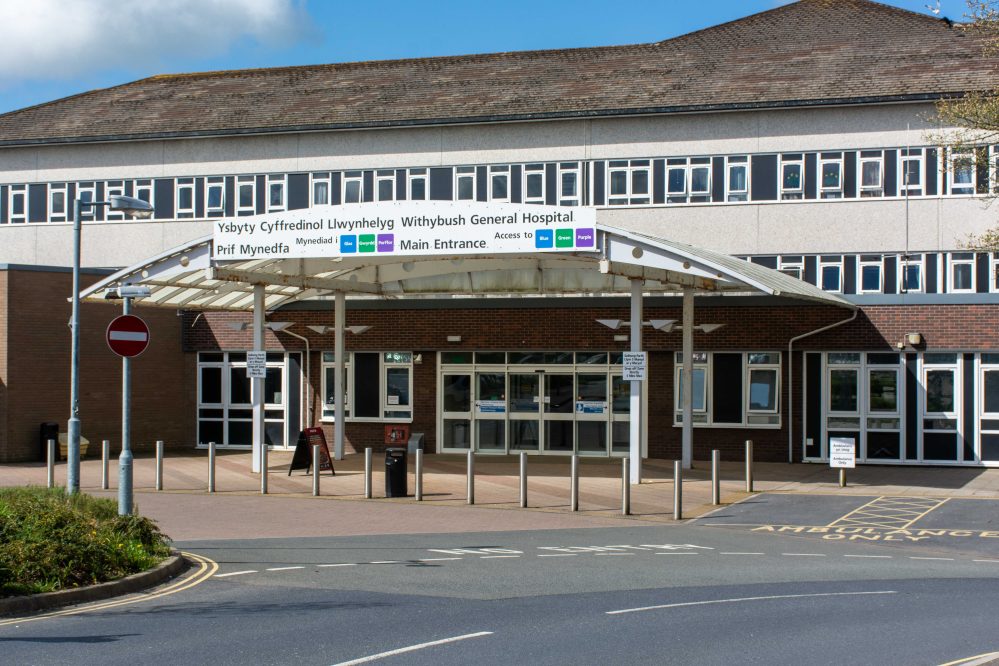
RESIDENTS across Pembrokeshire can now back the campaign to protect services at Withybush Hospital by signing a paper petition available in council offices across the county.
The initiative has been introduced to ensure those who are digitally excluded – including older residents and people without reliable internet access – are still able to have their say.
The petition, originally launched online by local resident Ajay Owens, has already attracted more than 11,000 signatures. Campaigners say the introduction of paper copies will help ensure the final total reflects the views of the whole community.
SUPPORT GATHERS PACE
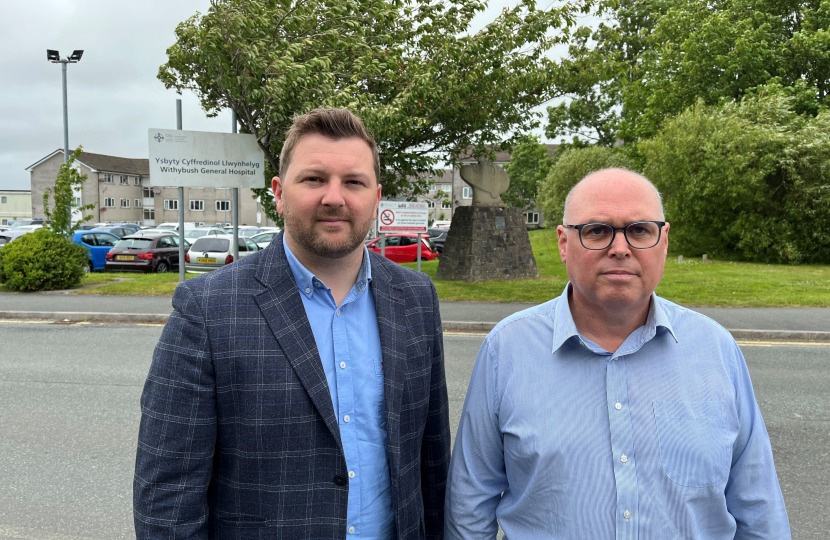
Local Senedd Members Paul Davies and Samuel Kurtz, who are supporting the campaign, said it was vital that every voice is heard.
The Preseli Pembrokeshire MS, PAUL DAVIES said: “We have taken significant steps to highlight the importance of protecting services at Withybush Hospital, including gathering evidence from staff, patients and residents, and raising concerns with health leaders. It is vital that people continue to share their experiences of why local services matter.”

SAMUEL KURTZ MS added: “The community has come together before to oppose cuts to Withybush, and once again the community are showing they will not accept the closure of services at Withybush lying down. We will stand beside them every step of the way until this decision is overturned.”
Both Members have formally requested that the petition be debated in the Senedd before its dissolution, in a bid to ensure Pembrokeshire residents’ concerns are considered at the highest level.
RURAL CARE CONCERNS
Campaigners argue that maintaining services at Withybush Hospital is critical for patient safety, timely emergency care, and supporting rural communities, where travel times to alternative hospitals can be significantly longer.
Residents wishing to sign the petition can do so at their local town or community council office during normal opening hours.

Ajay Owens said: “I am incredibly heartened by the support from our local town halls and businesses. This petition is about giving every resident in Pembrokeshire a voice, and having these physical locations available ensures that everyone, regardless of their access to the internet, can stand up for what matters to our community and share their concerns.”
WHERE TO SIGN
Paper copies of the petition are currently available at locations including Fishguard and Goodwick Town Hall, Haverfordwest Town Council at the Old Wool Market, Milford Haven Cemetery Lodge, Narberth Community Library, Newport Town Council, Pembroke Town Hall, Pembroke Dock Town Council, and across Saundersfoot via local distribution.
Opening times vary depending on location.




Business8 hours ago
Could Primark be coming to Haverfordwest? Major retailer in talks for former Wilko site
Council confirms advanced discussions as speculation grows over high street boost HAVERFORDWEST could soon see a major high street revival,...


Business8 hours ago
Rail investment ‘could unlock 40,000 jobs and £11bn for Wales’ says new report
RAILWAY stations across Wales could help unlock around 40,000 jobs and more than £11 billion for the economy by 2036,...


Local Government9 hours ago
Milford Haven set for £200m investment with schools, leisure centre and rail upgrade
Council outlines major plans for town with backing from Welsh Government MILFORD HAVEN is set for a major transformation with...


Community1 day ago
Broad Haven volunteers secure ‘national asset’ status for nature reserve
A SMALL stretch of woodland and former opencast coal mine has been transformed into a nationally recognised biodiversity site, in...


Entertainment2 days ago
Tenby steams up in spectacular style as crowds flock to festival
Colourful parade, towering creations and Victorian flair bring town centre to life TENBY was transformed into a vibrant Victorian fantasy...

Crime3 days ago
Publican jailed for six years for supplying cocaine and cannabis
Milford Haven man sentenced at Swansea Crown Court following drug dealing operation A MILFORD HAVEN publican has been jailed for...

Local Government3 days ago
Poverty summit highlights support efforts across Pembrokeshire
A SUMMIT bringing together key organisations from across Pembrokeshire has highlighted both the scale of local poverty and the work...


Education4 days ago
Milford Haven school plans unveiled but funding not yet secured
PLANS for a new £100 million school in Milford Haven have been unveiled, but the project has not yet secured...


News4 days ago
Council unveils plans for new state-of-the-art secondary school in Milford Haven
PEMBROKESHIRE COUNTY COUNCIL has revealed plans for a new state-of-the-art school in Milford Haven, promising modern, inspiring learning spaces for...


Health4 days ago
NHS waiting list falls — but cancer delays and diagnostic backlog worsen
Record progress claimed by Welsh Government as critics warn key targets are still being missed THE NHS in Wales has...
-

 News6 days ago
Emergency services flood Haverfordwest after reports of person in river
-

 Crime5 days ago
Mother given community order after admitting child cruelty offence
-
Health4 days ago
NHS waiting list falls — but cancer delays and diagnostic backlog worsen
-

 News6 days ago
Senedd vote to ban greyhound racing hailed as ‘landmark moment’ by charities
-

 News5 days ago
Reform secures first Pembrokeshire councillor in Hakin by-election win
-
 News6 days ago
Senedd votes to ban Greyhound racing in Wales to protect animal welfare
-
 Crime5 days ago
Woman stole from pharmacy despite ban, court hears
-

 Crime4 days ago
Illegal workers found at Cardigan takeaway after immigration raid