


Charity
New Quay RNLI launches on service to four incidents during busy bank holiday week

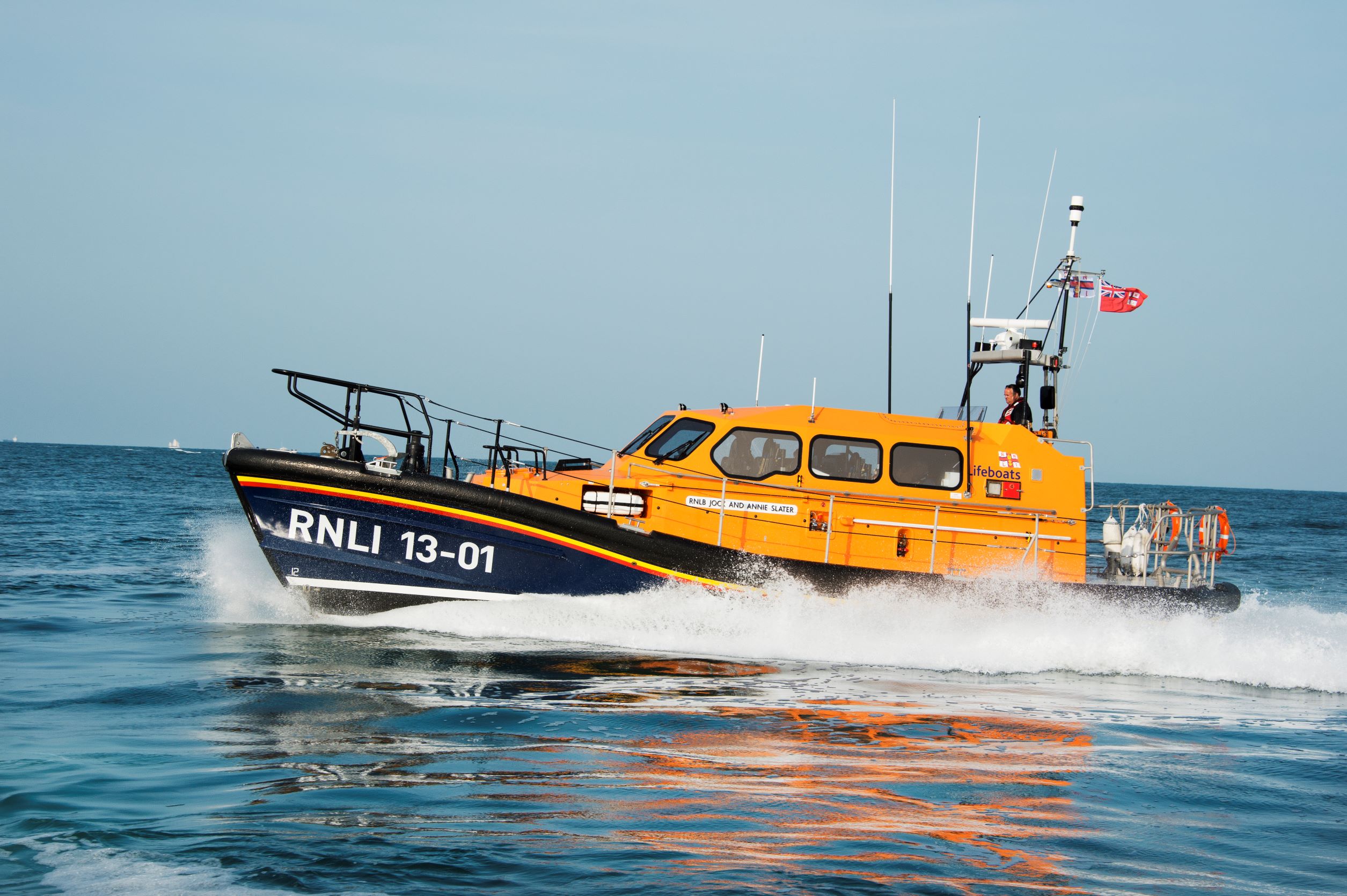
DURING the past week New Quay RNLI lifeboats launched four times in the space of six days.
The first callout was last Friday (23 May) at 7.30pm when New Quay RNLI’s Shannon class all-weather lifeboat, the Roy Barker V, launched on service to assist a sailor in distress, approximately 3 miles north of Cardigan Island.
On arrival, Cardigan RNLI’s lifeboat was already on scene and, having put one of their crew members on board to assess the casualty, had commenced towing the vessel towards New Quay.
Daniel Potter, New Quay RNLI’s coxswain said, “Having assessed the situation, we decided that the safest course of action was to tow the 33ft yacht to New Quay, the nearest safe haven.
“We placed one of our crew members on board to assist the lone sailor, and the tow was transferred to us. Having safely moored the casualty vessel in New Quay harbour, the lifeboat returned to station and was recovered at 10.30pm.”

The next day, Saturday (24 May), both New Quay lifeboats were launched on service at 3.30pm following concerns raised over two kayakers, thought to be in difficulty between Aberporth and Llangrannog.
Both boats were tasked to carry out a shoreline search between New Quay and Aberporth. However, having searched as far as Cwmtydu the lifeboats were stood down at 4.55pm as the kayakers were found safe and well in New Quay. A false alarm with good intent.
Next after a busy day at the station’s open day on Sunday (25 May), New Quay’s inshore lifeboat, the Will Morgan, launched on service at 9.40pm to investigate a paddleboard drifting in New Quay harbour.
With three volunteer crew members on board, Simon Rigby, New Quay RNLI’s helm said, “Having spoken to the first informant, the paddleboard was quickly located and the lifeboat was tasked to conduct a search of the area.
“After completing a search and speaking to members of the public on the beach, and with no evidence of anyone being missing, it was concluded that the board had been washed out with the high tide.”
The board was then recovered to a safe place by the lifeboat crew and New Quay’s HM Coastguard team and the lifeboat was stood down and returned to station.
The final callout was in the early hours of Wednesday morning (28 May). At 1.40am both lifeboats were tasked to respond to a DSC (digital selective calling) distress call from a yacht which had run aground in New Quay’s bay.

With breaking surf around the casualty vessel, the lifeboats provided illumination and safety cover as New Quay’s HM Coastguard team evacuated the occupant of the vessel and an anchor was set.
With all persons confirmed to be safe and well ashore, and with the ebbing tide resulting in the vessel being firmly aground, both lifeboats were stood down and returned to station at 3.40am. After recovery and wash down, the crew were stood down and returned to their homes at 5am.
Huw Williams, one of New Quay RNLI’s coxswains said, “It has been a very busy week for our crew, this being the fourth incident we have responded to, with our lifeboats launching on service six times.
“Remember if you find yourself in trouble on the coast or at sea, or if you see someone in difficulty, call 999 and ask for Coastguard.”

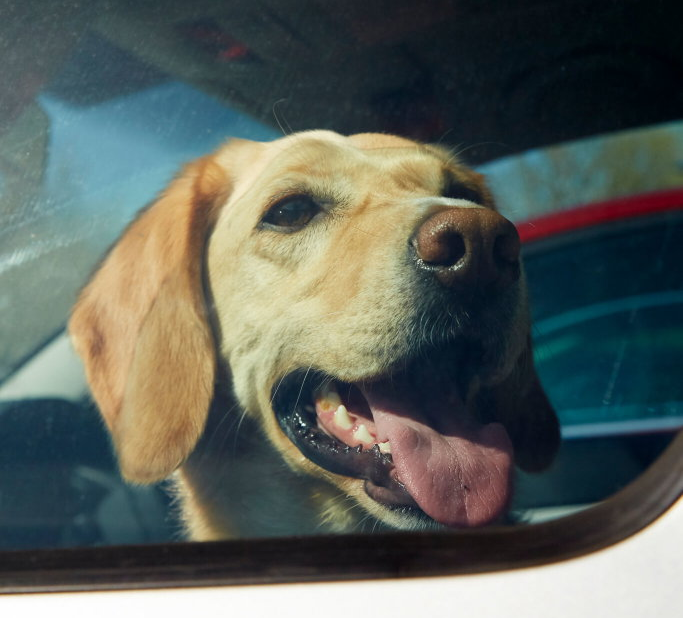
THE RSPCA has urged people to call police immediately if they see an animal trapped in a hot car during the heatwave.
The charity says members of the public should not call the RSPCA first in an emergency, because only police have the legal power to force entry to a vehicle to rescue an animal in distress.
Lauren Bennett, animal welfare expert at the RSPCA, said: “The RSPCA does not have the legal power to enter a vehicle to rescue an animal in distress — only the police have the power to do this.
“So please, if you see a dog or any other animal inside a hot car, call 999 immediately. Every second really does count in this situation and it is vital to get the animal out of that environment and safely cooled down as soon as possible.”
The warning comes as high temperatures continue to pose a serious risk to pets, wildlife and farm animals.
The RSPCA said a car can become a “death trap” for dogs, even on a warm or cloudy day, with temperatures inside vehicles rising rapidly in just a few minutes.
Ms Bennett said: “This is not a new warning, but sadly too many people still do not appreciate how dangerous it can be to leave a dog in a hot car, conservatory or caravan.
“Many people think it will be fine just to leave their pets for a minute or two, but we know that this is all it takes for temperatures inside a car to soar to dangerous levels.
“A hot car can be a death trap for dogs, it is as simple as that.”
The charity is also urging pet owners to keep animals cool, calm and comfortable by making sure they have constant access to fresh water, shade, ventilation and cooler areas away from direct sunlight.
Owners are being reminded to watch for signs of heatstroke, which can include heavy panting, drooling, lethargy, confusion, vomiting, collapse or seizures.
The current advice, endorsed by the Royal Veterinary College, is known as “Cool First, Transport Second”.

Anyone who believes an animal is suffering from heatstroke should stop all activity, move the animal away from the heat, begin cooling it with water cooler than body temperature, and then take it to a vet in a cool, well-ventilated vehicle while continuing the cooling process.
The RSPCA says people should call ahead to let their vet know they are coming.
Figures from inspiring vet care, which has recently partnered with the RSPCA, show its vets dealt with 355 suspected heatstroke incidents in 2025. Of those, 234 happened during the summer months.
The number of suspected heatstroke cases was up 28 per cent on 2024, when 277 incidents were recorded.
The charity said it is not only dogs that are at risk. Cats, rabbits, guinea pigs, ferrets, poultry, horses, fish and reptiles can all suffer in extreme heat.
Rebecca Ashman, Head Vet at the RSPCA, said cats and rabbits can also suffer sunburn, particularly white-furred animals or those with little or no hair.
She said: “To keep them safe, you can gently apply some pet-safe, waterproof sun cream — at least factor 30 — to the front and back of the tips of your pet’s ears and a bit on the furless part of their nose.
“Signs of skin cancer in pets include redness and soreness, especially on the tips of the ears, or crusting around the ears — so if you notice this, it is important to take your pet to the vet.”
The RSPCA is also asking people to help wildlife by leaving out bowls of fresh water, checking long grass before mowing or strimming, searching bonfires before lighting them, and keeping ponds topped up during hot weather.
Pet owners are advised to provide shade throughout the day, keep indoor areas well ventilated, avoid exercising dogs during the hottest parts of the day, check small animals and poultry twice daily for flystrike, and keep fish tanks out of direct sunlight.
The charity said outdoor event organisers should also warn visitors about the dangers of heat-related illness in dogs and encourage owners to leave pets at home during very hot weather.
RSPCA warns missing a walk is safer than risking heatstroke
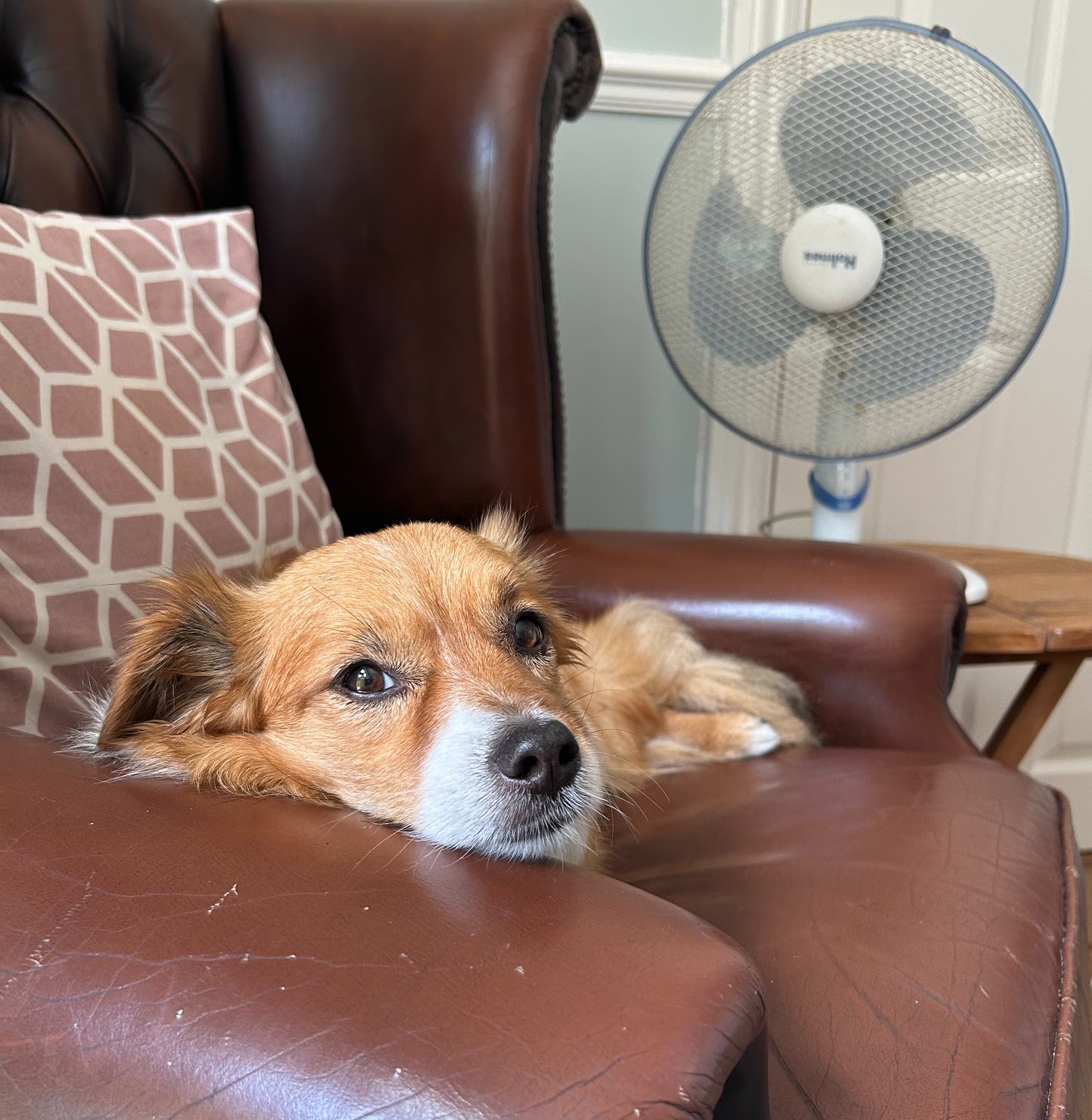
DOG owners are being urged to keep their pets indoors and avoid normal walking routines as extreme heat affects Wales and England.
The RSPCA has called for “lockdown-style caution” for dogs over the next 24 to 48 hours, warning that walks, ball games and energetic exercise could put pets at serious risk.
The charity says owners should change routines immediately, keeping dogs cool, calm and comfortable indoors until temperatures ease.
Lauren Bennett, dog welfare expert at the RSPCA and a former veterinary nurse, said: “During a red weather warning, dog owners should think of it like a temporary lockdown for their pets.
“For the next 24 to 48 hours, routines need to immediately change. This isn’t the time for walks, chasing the ball or playing fetch, or exposing pooches to energetic exercise.
“It’s far better for dogs to miss a few walks completely than to suffer the potentially fatal consequences of overheating, or heatstroke.”
The warning comes as the peak of the current heatwave is forecast for today and tomorrow, with temperatures potentially reaching 39C in some areas.
The RSPCA says dogs should only be taken outside briefly for toilet breaks, ideally to the nearest grassy area, before being brought straight back indoors.
Owners are advised to provide fresh water in several places, close curtains in sunny rooms, use fans safely, and allow dogs to rest on cooler floors, cooling mats or damp towels.
Mental stimulation, such as puzzle feeders, snuffle mats and gentle indoor training games, can be used instead of exercise.
Ms Bennett added: “These temperatures won’t last forever, but the decisions owners make over the next couple of days could have a lasting impact on their pets.
“For now, the message is simple: pause normal routines, prioritise keeping pets cool and comfortable, and wait until temperatures ease before returning to business as usual.”

The charity is also reminding owners to watch for signs of heatstroke, which can include heavy panting, drooling, confusion, weakness, vomiting, collapse or seizures.
The RSPCA said vets dealt with 355 suspected heatstroke cases in 2025, with two thirds recorded during the summer months.
Anyone concerned about a dog showing signs of heatstroke should move the animal to a cool area, offer small amounts of water, begin cooling with cool—not ice-cold—water, and contact a vet immediately.

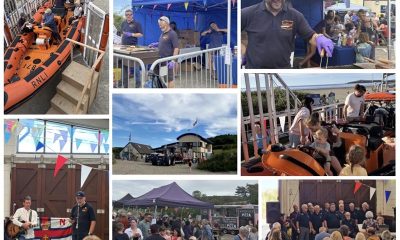
SUNSHINE, sea shanties and street food helped draw hundreds of visitors to Cardigan RNLI Lifeboat Station on Saturday (Jun 20).
The station’s Sea Shanty and Street Food Festival brought together families, supporters and visitors from across the region for a day of maritime music, food and community spirit.
Traditional sea shanty groups performed throughout the event, with songs echoing around the lifeboat station, while street food vendors served a range of refreshments.
The event also gave visitors the chance to learn more about the lifesaving work carried out by the RNLI and its volunteer crews.
Cardigan RNLI thanked the performers, food vendors, volunteers, sponsors and supporters who helped make the day a success.
Bruce Harris, Launch Authority and event organiser, said: “It was wonderful to see so many people come together to support the station, enjoy the entertainment, and celebrate our maritime heritage.
“The atmosphere throughout the day was fantastic, and we are incredibly grateful to everyone who attended, performed, volunteered, and contributed to such a memorable event.”
The RNLI is the charity that saves lives at sea. Its volunteers provide a 24-hour search and rescue service around the United Kingdom and Republic of Ireland coasts.
The charity operates 238 lifeboat stations in the UK and Ireland and more than 240 lifeguard units on beaches around the UK and Channel Islands.
Since the RNLI was founded in 1824, its lifeboat crews and lifeguards have saved more than 146,700 lives.



Crime6 hours ago
Dyfed-Powys Police rated only ‘Adequate’ in organised crime inspection
A WATCHDOG has rated Dyfed-Powys Police only “Adequate” in its response to serious and organised crime, despite praise for the...

News10 hours ago
Two taken to hospital after aircraft ditches in Cardigan Bay
Coastguard helicopter spotted two casualties after light aircraft came down off west Wales coast TWO people were taken to hospital...

Sport1 day ago
Long Course Weekend gets underway in Tenby as thousands head for county
Three days of swimming, cycling and running begin with The Wales Swim at North Beach THOUSANDS of athletes and supporters...


Climate1 day ago
Welsh waters, Westminster profits: Crown Estate row reignited in Wales
PLAID CYMRU has renewed calls for the Crown Estate to be devolved to Wales after figures showed income linked to...

News1 day ago
Reform MS: ‘I felt like shouting get out of the water’
Paul Marr says children playing in streams at Pembrokeshire beaches deserve better protection from pollution risks REFORM UK MS Paul...


Health2 days ago
Senedd backs call to rule out hospital downgrades after heated NHS debate
Reform UK amendment passes as West Wales hospital fears remain central political issue THE SENEDD has backed a call for...

News3 days ago
Coastguard callout payments axe sparks fears for coastal communities
VOLUNTEER coastguards across the UK are set to lose callout payments, prompting concern over the future resilience of emergency cover...


Farming3 days ago
Rural Wales ‘left out’ of net zero debate, warns carbon entrepreneur
A WELSH carbon entrepreneur has warned that rural Wales risks being left behind in the national conversation about net zero....


Local Government3 days ago
Tenby Spectacular row continues as organisers say key question remains unanswered
Round Table says legal clarity over pedestrian access is still holding up event plan TENBY ROUND TABLE has welcomed Pembrokeshire...


Community4 days ago
Manorbier fire scandal: Council’s payout just £63,777 after school destroyed
PEMBROKESHIRE COUNTY COUNCIL has accepted an insurance settlement which leaves it with just £63,777.07 after the catastrophic fire which destroyed...
-

 Crime2 days ago
Police appeal after reported rape at Young Farmers rally
-

 Community6 days ago
The gentle giant behind the tattoos
-

 Entertainment6 days ago
Harbour Fest to bring music, food and maritime magic to Milford Waterfront
-
Health6 days ago
Welsh Government refuses to halt Withybush and Bronglais service review
-

 News6 days ago
Long Course Weekend set to bring thousands to Pembrokeshire
-

 News5 days ago
Rhun ap Iorwerth urges new deal for Wales after Starmer quits
-

 Charity6 days ago
Voices at the Castle hailed a huge success for Paul Sartori Foundation
-
 Charity5 days ago
Sea shanties and street food bring crowds to Cardigan RNLI festival