


Entertainment
Government overreach or necessary Reform? The UK gambling tax divide

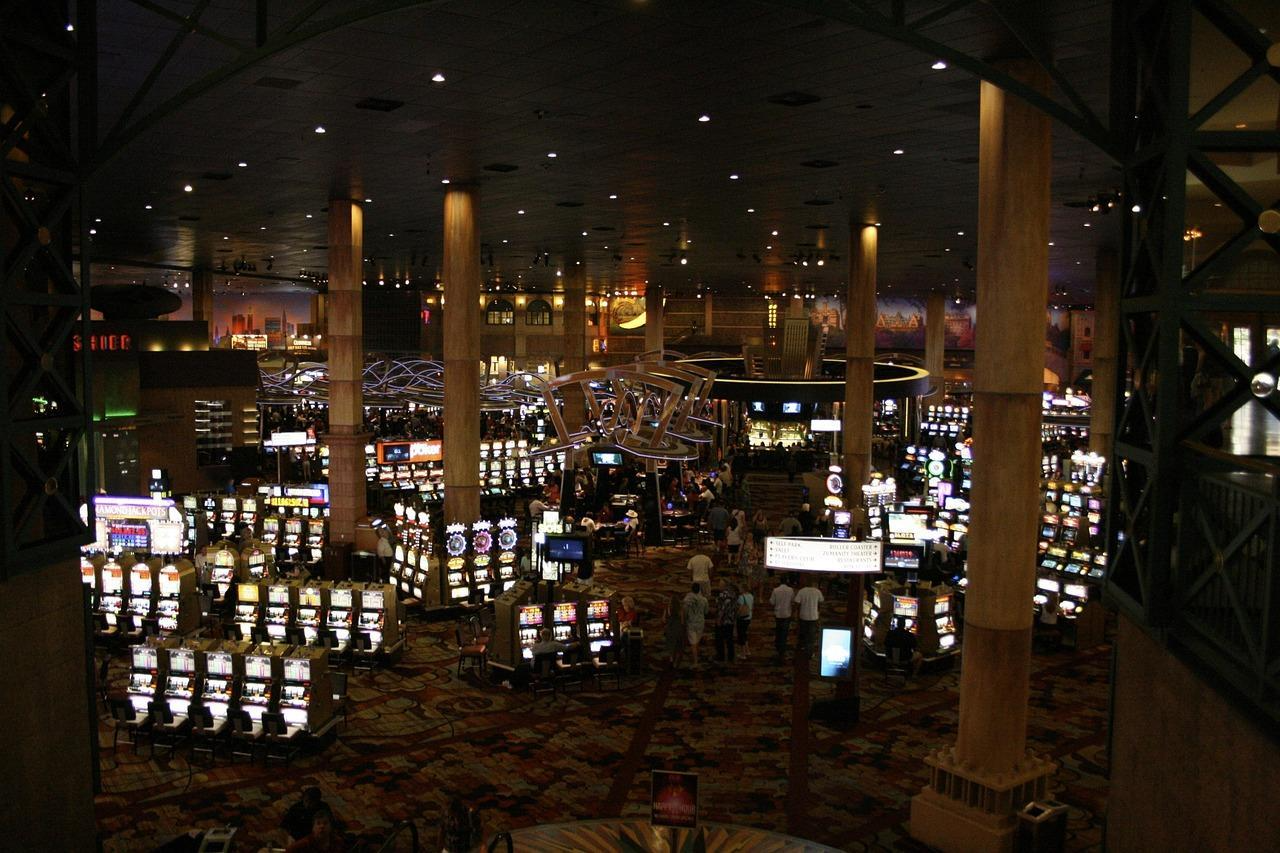
The UK Gambling Commission has recently released its Q1 2025-26 figures. This release covers activity through June 2025 and has landed in the middle of a heated tax and regulation row. Many are looking at this report to see where money is flowing. From the report, we can see that digital play continues to dominate, which has led to many policy questions for ministers.
The most prominent question is how the government can protect consumers without throttling a sector that supports jobs and tax receipts. Although it might seem like an abstract debate to some, the conditions around these policies affect everyday choices on stake limits, product design, and, ultimately, how operators interact with customers.
As expected, online revenue led the pack. In the report, online gross gaming yield was £1.49 billion for the quarter, which was 2% higher than in Q1 2024-25. Year on year, bets and spins climbed to 26.1 million. This was even as average monthly active accounts decreased by 10% to 12.7 billion. According to Viola D’Elia, this decrease in active accounts could be due to the increased governance over online casinos in the UK.
Operators are required to adhere to more stringent account information policies, which could be one of the reasons many online casino users are favouring reputable non-UK sites. Alongside this, many of these users are also using offshore alternatives because they offer wider payment options, better promotions, and more diverse game catalogues. Many of these sites hold licenses in Malta or Curaçao and are known for providing more freedom to players, which is why they attract users who value flexible limits and faster onboarding.
Alongside seeking more flexibility, player behaviour shifted in other ways during the quarter. Sessions on online slots lasting more than an hour fell 9% to 8.8 million and now account for 5% of total play, down from 6% a year earlier. Average session length moved to 16 minutes, a one‑minute decline. The Commission noted that several operators refined how they measure a session, which can nudge the totals. Even with that caveat, shorter sessions hint at tighter controls and more active prompts that encourage breaks or end play after periods of intensity.

New limits on stakes arrived on 21 May and will shape the coming quarters. The rules set a £2 maximum per spin for adults aged 18 to 24 and £5 for those 25 and older. Policymakers designed the cap to slow rapid losses in high‑velocity games. Operators have adjusted staking ladders, pop‑ups, and risk checks to fit the framework. It is too early to draw sweeping conclusions. For now, the headline numbers show slots revenue growing while the system absorbs the cap and customers recalibrate how they play.
High street venues faced another tough spell. Betting premises GGY fell 5% year on year to £552 million, with bets and spins in shops down 3% to 3.2 billion. Footfall costs money, so declining volume bites hard when rents, staffing, and compliance bills keep rising. Several chains have trimmed opening hours, consolidated weaker locations, and pushed customers toward account‑based play that links shop terminals with digital wallets. The winners in retail will likely be operators that turn stores into service hubs rather than pure staking points.
These numbers pour fuel on the tax and regulation debate. The Treasury wants dependable receipts. Consumer groups want limits that keep harm down. Operators warn that layered controls, higher costs, and point‑of‑consumption taxes can push heavy users to foreign platforms and reduce domestic spend. The risk is leakage: a slice of play drifts offshore, lowering taxable GGY while exposing players to uneven dispute resolution. Policymakers must weigh that leakage against the benefits of firmer guardrails.
A targeted path has supporters across the aisle. Better data sharing on markers of harm, proportionate affordability checks that focus on outliers, and faster interventions when spending patterns deteriorate can protect at‑risk customers without blanketing everyone in friction. Privacy needs respect, as does the right of adults to spend their money within the law. The Commission’s quarterly cadence helps here. It gives Parliament and industry a common set of figures to judge whether rules curb harm without distorting the market.
The months ahead will test that balance. Slots GGY and total spins hit fresh peaks in Q1, even as long sessions eased and stake caps bedded in after May. Sports betting may rebound with a stronger event calendar, yet it must compete with casino formats that deliver constant availability and quick outcomes. The tax argument will then rest on evidence, not noise.



A major exhibition featuring work inspired by the Pembrokeshire coast will open in St Davids this summer, bringing internationally recognised contemporary art to the heart of the National Park.
A MAJOR exhibition of work by Helen Chadwick is to open at Oriel y Parc, National Park Discovery Centre, in St Davids this month.
Helen Chadwick: Body and Landscape will run from Saturday, July 11, 2026, until Sunday, January 10, 2027. Admission is free.
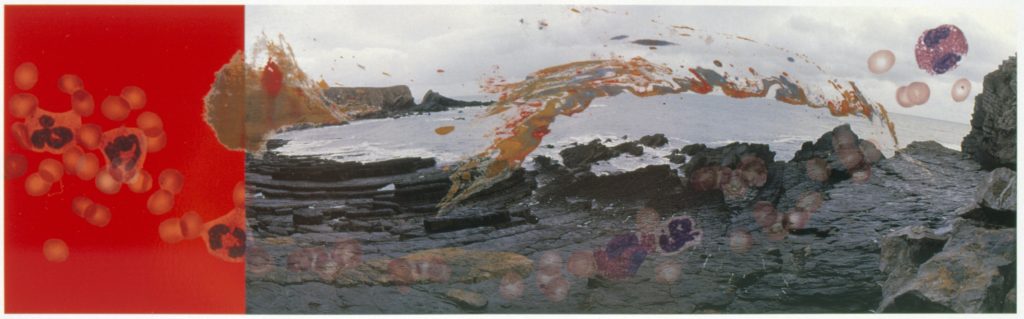
The exhibition will include work from Chadwick’s Viral Landscapes series, which was inspired by the Pembrokeshire Coast National Park. It will be the first time the works have been shown in the landscape that helped shape them.

The exhibition has been developed through Oriel y Parc’s partnership with Amgueddfa Cymru and is organised as part of ARTIST ROOMS, the touring programme run by Tate and the National Galleries of Scotland.
Chadwick, who died suddenly in 1996 at the age of 42, is regarded as one of the most radical and inventive British artists of her generation. Her work crossed sculpture, photography and installation, often using unusual materials to explore ideas about the body, identity, gender and the natural world.
The Pembrokeshire connection is central to the new exhibition. Chadwick created Viral Landscapes between 1988 and 1989 after receiving an Artists in National Parks commission from the Victoria and Albert Museum.
As part of that work, she walked the coast path between Fishguard and Castlemartin, photographing the point where land and sea meet. The resulting series reflected both the physical landscape and its powerful effect on the artist’s senses and sense of self.
Bryony White, Senior Curator at Amgueddfa Cymru, said: “Helen Chadwick was a true original. Through her radical and singular approach to art and ideas, she produced a body of work which retains its relevance and power, even today.
“We’re delighted to partner with Oriel y Parc to present this exhibition in Pembrokeshire where, for the first time, visitors will be able to experience and enjoy some of Chadwick’s Viral Landscapes in the landscape which inspired them.”
The exhibition will also include Chadwick’s well-known installation Piss Flowers from 1991-92, along with photographic works from Tate’s collection. These works were recently shown as part of ARTIST ROOMS displays at Tate Modern in London and the National Galleries of Scotland in Edinburgh.
James Parkin, Director of Nature and Tourism at Pembrokeshire Coast National Park Authority, said: “Helen Chadwick’s work has a powerful connection with Pembrokeshire, and it is very special to be able to bring pieces from her Viral Landscapes series back to the landscape that helped shape them.
“This exhibition reflects the strength of Oriel y Parc as a nationally significant gallery space and the importance of our partnership with Amgueddfa Cymru, Tate and the National Galleries of Scotland.

“It gives visitors a rare opportunity to experience major contemporary art in one of the most remarkable protected landscapes in the UK.”
ARTIST ROOMS presents the work of international artists in solo exhibitions drawn from a national touring collection jointly owned by Tate and the National Galleries of Scotland. Since 2009, around 220 exhibitions have been shown at nearly 100 museums and galleries across the UK.
Helen Chadwick: Body and Landscape will be on display at Oriel y Parc, St Davids, from July 11, 2026, to January 10, 2027. Admission is free.
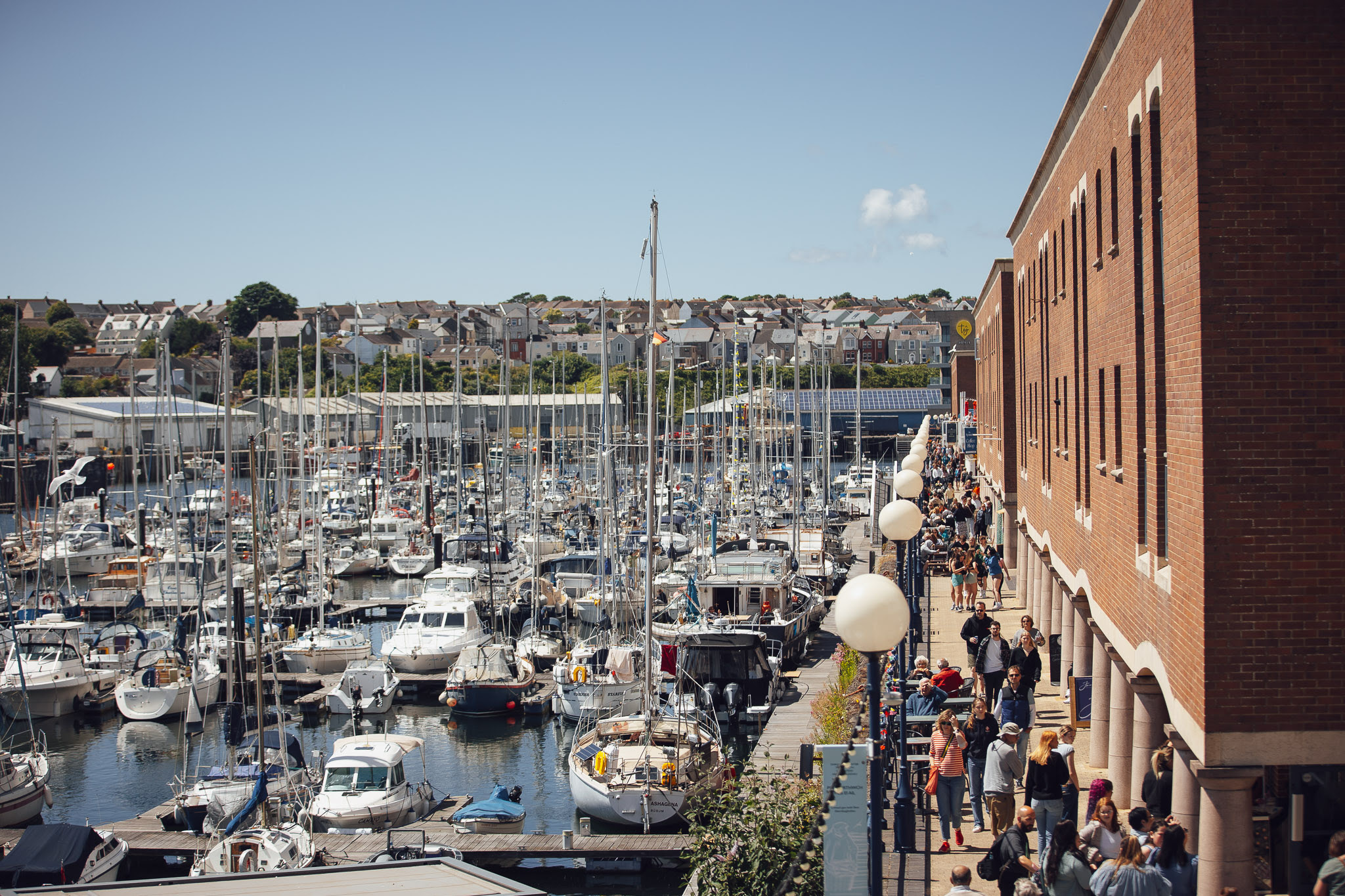
MILFORD WATERFRONT has announced a packed summer programme of free activities, family entertainment, outdoor cinema, live music and waterfront attractions.
The summer season will begin with the free annual Milford Haven Carnival on Saturday, July 4, before more festival-style entertainment arrives at the Milford Waterfront Weekender from August 14 to 16.
Other highlights include outdoor cinema screenings on Mackerel Quay, free Under the Bridge evening activities for young people aged 11 to 17, exhibitions at the Waterfront Gallery, and a range of family attractions across the marina.
Throughout the school holidays, visitors can also explore Milford Haven Museum and learn more about the town’s maritime heritage. Entry costs £4.50 for adults, £3.50 for children, while under-fives go free.
For those looking to get out on the water, Milford Beach Activity Centre will offer SUP and kayak hire, as well as guided tours of the waterway, with prices starting from £15.
Indoor activities include ten-pin bowling, indoor play and themed events at Phoenix Bowl, with prices from £7 per person.
Families looking to stay locally can also take advantage of a summer offer at Tŷ Hotel Milford Waterfront, where children stay for free when sharing a family room with their parents. The hotel, which overlooks the marina, is offering rooms from £74 per night for stays between July 13 and September 1, 2026.
Milford Haven Carnival
Milford Haven Carnival, hosted by Milford Haven Round Table, takes place on Saturday, July 4.
The colourful parade will begin at Waterloo Square before travelling along Hakin Bridge, Hamilton Terrace and Charles Street, finishing at Milford Waterfront.
From 1pm to 5pm, visitors can enjoy live music, food and drink, pop-up stalls, a funfair and family entertainment.
The celebrations will continue into the evening with a free Carnival afterparty at the Lord Nelson Hotel, hosted with Westpresents. Running from 3pm to 11pm, the event will feature live performances on a main stage, an outdoor bar, face painting and a large LED screen provided by TCW Productions.
Milford Waterfront Weekender
From August 14 to 16, Milford Waterfront Weekender will bring three days of food, music and entertainment to Mackerel Quay.

Running from midday into the evening, the event will feature street food from Pembrokeshire and south-west Wales, along with live music in a waterfront setting.
Outdoor cinema
Milford Waterfront will also host three outdoor cinema screenings in association with the Torch Theatre.
Finding Nemo will be shown on Friday, July 17, with arrival from 1.30pm, followed by Back to the Future later the same day, with arrival from 6pm.
The Greatest Showman will be screened on Friday, August 21, with arrival from 6pm.
All screenings will take place on Mackerel Quay. Tickets cost from £12 per person, or £44 for a group of four.
Free youth activities
Free Under the Bridge activities for young people aged 11 to 17 will take place every Tuesday and Friday from July 21 to August 28.
Running from 6pm to 8pm, the sessions will include arts, music, sports activities and inflatable games.
More information is available from Milford Youth Matters on Facebook.
Full details of the summer programme can be found at milfordwaterfront.co.uk/whats-on.
FAMILIES are being invited to the Torch Theatre this July for a lively bilingual production that uses music, storytelling and interactive performance to explore the importance of bees and other pollinators.
We Need Bees, an original production from Theatr na nÓg, has been created by award-winning Welsh playwright Katherine Chandler and introduces important environmental themes to young audiences in an engaging and accessible way.
The show will visit the Torch Theatre in Milford Haven on Saturday, July 11, with performances in both Welsh and English, thanks to support from the ScottishPower Foundation’s Art for Climate Fund.
Fun, energetic and thought-provoking, We Need Bees explores biodiversity loss, climate displacement and environmental responsibility through the fascinating world of insects. By focusing on the lives of bees and other pollinators, the production encourages children to think about empathy, resilience and the real-world impact of climate change.
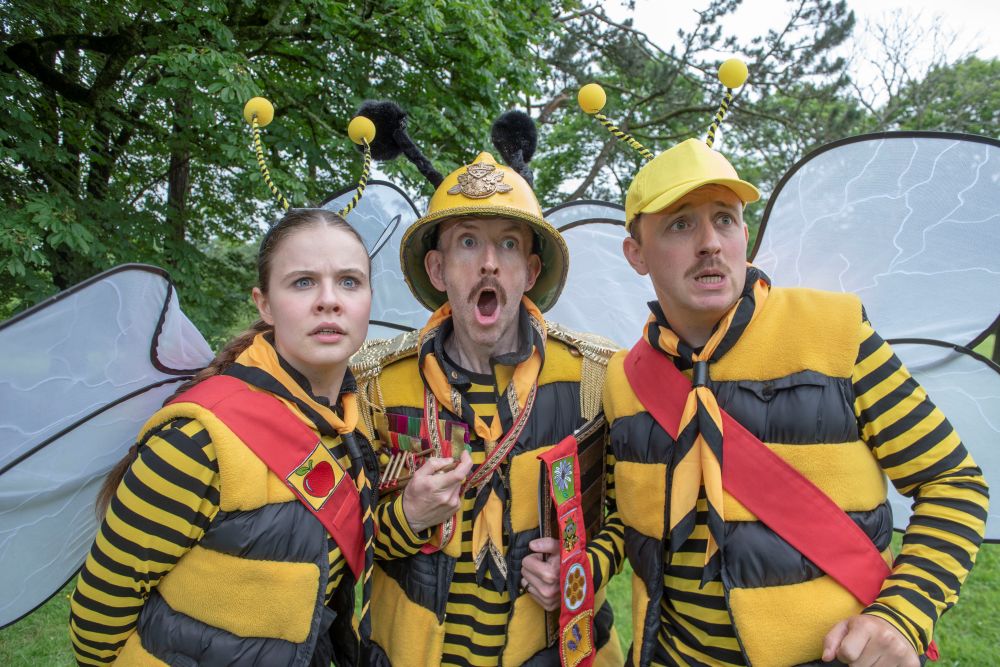
Featuring striking oversized bee costumes and original songs, the show promises a memorable experience for school and community audiences alike.
Director Phylip Harries said: “It’s a privilege to be part of a production that shares such important messages with young audiences. Theatre is a brilliant way to entertain children while encouraging them to think about the world around them, and We Need Bees does exactly that.
“At Theatr na nÓg, we create productions that leave audiences smiling but also talking and thinking afterwards. Morgan, Catrin and Aled are fantastic storytellers who bring so much energy to the show. We’re delighted that the school tour has sold out, and I’d encourage families to come along to one of the public performances and enjoy it together.”
The production features original music by Barnaby Southgate and will be performed in both English and Welsh at selected venues.
We Need Bees first toured schools in 2012 before later being adapted as an online podcast during the Covid pandemic. It returned as an outdoor theatre production at Theatr Brycheiniog in 2021 as part of a Welsh Government pilot scheme encouraging audiences back to theatres.
Thanks to ScottishPower’s Art for Climate Fund, the show will tour schools across Wales, reaching more than 1,200 children, ahead of the arrival of its brand-new companion production, Bug Hotel, in 2027.
Melanie Hill, Executive Officer and Trustee of the ScottishPower Foundation, said: “The climate crisis is the defining challenge of our time, and we know the arts have a unique power to make complex ideas accessible, emotional and impossible to ignore.
“Through our new Art for Climate Fund, we’re backing bold, imaginative projects that give young people hope, confidence and a real sense of agency. Theatr na nÓg, a worthy beneficiary of this new fund, shows how creativity can spark climate action in classrooms and communities across the UK, and we’re incredibly proud to support them as one of the first recipients of this new fund.”

The cast includes Morgan Llewelyn-Jones, whose theatre credits include The Trial of Elgan Jones for Theatr na nÓg and The Snow Queen at Sherman Theatre; recent musical theatre graduate Catrin Lewis; and Aled Herbert, who returns for his twelfth production with Theatr na nÓg. On screen, Aled was most recently seen in the popular television series Rownd a Rownd.
We Need Bees is suitable for families and children aged four and over.
The show can be seen at the Torch Theatre on Saturday, July 11, at 11:00am in Welsh and 2:00pm in English. Tickets are £10 and can be booked at torchtheatre.co.uk or through the Box Office on 01646 695267.


Health12 hours ago
Wales begins early NHS winter planning after long waits and ambulance pressure
Ministers say health boards and councils must act now to ease pressure on hospitals, ambulances and social care before winter...


Crime2 days ago
Judge calls pensioner a ‘dirty old man’ as he avoids jail for exposing himself to women
Judge says 75-year-old Stewart Laugharne behaved ‘disgracefully’ as he avoids jail but is ordered to sign sex offenders register A...
Health2 days ago
Stroke services consultation reaches halfway point as public urged to have say
HYWEL DDA University Health Board is urging people to take part in its consultation on the future of stroke services,...


Business2 days ago
Welsh firms eye share of £5bn defence drone boom
WELSH defence and aerospace firms could be in line for a share of billions of pounds in new military spending...

Community4 days ago
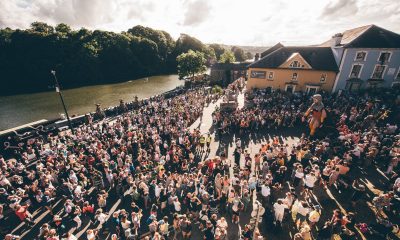
Thousands line Cardigan streets for Lord Rhys homecoming parade
THOUSANDS of people lined the streets and quayside in Cardigan on Saturday as the town marked 850 years since Lord...


Crime5 days ago
Dyfed-Powys Police rated only ‘Adequate’ in organised crime inspection
A WATCHDOG has rated Dyfed-Powys Police only “Adequate” in its response to serious and organised crime, despite praise for the...

News5 days ago
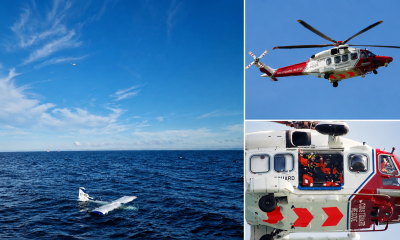
Two taken to hospital after aircraft ditches in Cardigan Bay
Coastguard helicopter spotted two casualties after light aircraft came down off west Wales coast TWO people were taken to hospital...

Sport5 days ago
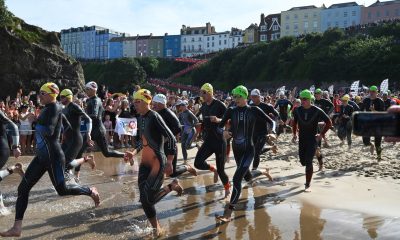
Long Course Weekend gets underway in Tenby as thousands head for county
Three days of swimming, cycling and running begin with The Wales Swim at North Beach THOUSANDS of athletes and supporters...


Climate5 days ago
Welsh waters, Westminster profits: Crown Estate row reignited in Wales
PLAID CYMRU has renewed calls for the Crown Estate to be devolved to Wales after figures showed income linked to...

News6 days ago
Reform MS: ‘I felt like shouting get out of the water’
Paul Marr says children playing in streams at Pembrokeshire beaches deserve better protection from pollution risks REFORM UK MS Paul...
-

 Crime7 days ago
Police appeal after reported rape at Young Farmers rally
-
Crime5 days ago
Dyfed-Powys Police rated only ‘Adequate’ in organised crime inspection
-
 Entertainment6 days ago
Torch cuts children’s cinema tickets to £5.25 for summer
-

 News3 days ago
Biker dies and woman seriously injured in Black Mountain crash
-

 Farming7 days ago
Farmers urged to protect themselves as heatwave brings health risks
-
 Farming7 days ago
Rural Wales ‘left out’ of net zero debate, warns carbon entrepreneur
-
News6 days ago
Reform MS: ‘I felt like shouting get out of the water’
-
Climate5 days ago
Welsh waters, Westminster profits: Crown Estate row reignited in Wales