


Health
Nearly 40,000 patients die waiting for NHS treatment in Wales

Conservatives say Labour has failed on promises to cut long waits as two-year delays remain among worst in the UK
NEARLY 40,000 patients have died while on NHS waiting lists in Wales since the 2021 Senedd election, Welsh Conservatives have revealed.
Figures uncovered through Freedom of Information requests to all seven health boards show that from May 2021 up to at least June 2025, 38,374 people died while waiting for treatment. In some cases, the data runs as far as August this year.
The Welsh Conservatives say the figures underline the human cost of Wales’ ongoing NHS crisis, with the country continuing to record some of the worst waiting times in the UK.
Missed promises
Unlike England, Wales still has thousands of patients waiting more than two years for treatment. Latest data shows NHS Wales has 7,447 two-year waits, compared with just 182 in England.
By comparison, NHS Scotland has made progress in reducing its longest waits, while Northern Ireland continues to face serious backlogs but does not record the same level of two-year delays seen in Wales.

The current First Minister, Eluned Morgan, previously set deadlines to eliminate two-year waits by March 2023 and again by March 2024, but both targets were missed.
Political reaction
James Evans MS, Welsh Conservative Shadow Cabinet Secretary for Health and Social Care, said the findings were “a damning reflection of Welsh Labour’s failure to get to grips with our NHS.”
Mr Evans told The Herald: “While it is true that some of these individuals would sadly have passed away from natural causes regardless, the fact remains that tens of thousands of patients died while still waiting for treatment in Labour-run Wales.
“The Welsh Labour Government, propped up by Plaid Cymru, has been consistently distracted with extreme, ideological vanity projects, like their default 20mph speed limit and creating more politicians, meanwhile they have ignored our NHS.

“Wales needs more doctors and nurses, not more politicians. The Welsh Conservatives would declare a health emergency, focussing the resources of the Welsh Government and the NHS on reducing these excessive waits, instead of on the ballooning bureaucracy.”
Wider concern
Health campaigners have long warned that excessive delays for treatment in Wales risk worsening patient outcomes. Opposition politicians say the backlog has left people waiting in pain, forced to seek private treatment, or facing deteriorating conditions before they are seen.
The Herald has approached the Welsh Government for comment.


HYWEL DDA Health Charities, the official charity of Hywel Dda University Health Board, is proud to announce a funding award to support Phase 2 of the Heads Up initiative, a unique service that provides expert, person-centred, holistic hair loss care for people affected by cancer treatment.
This funding will enable the continuation of the Heads Up service until 31 December 2027, following its successful launch in January 2024. The funding has been generously match-funded by two partner organisations: the Withybush Hospital Cancer Day Unit Appeal and Cancer Hair Care.
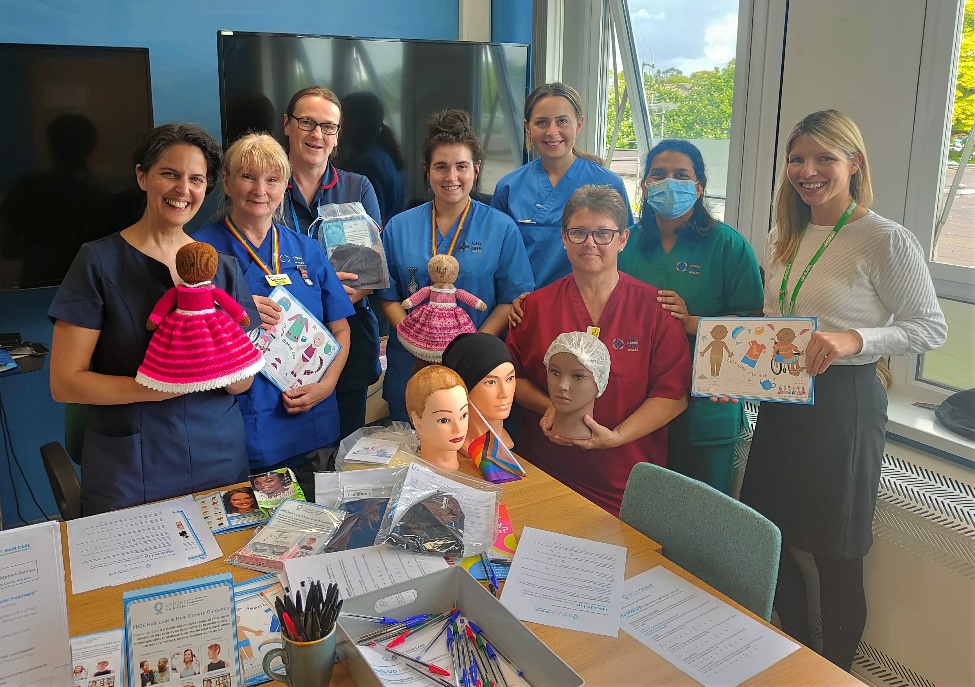
Hywel Dda University Health Board is the first Health Board in Wales to provide a comprehensive support service for chemotherapy-related hair loss. The service, which is delivered by Cancer Hair Care, connects healthcare professionals and haircare experts from local communities to empower patients to manage their hair loss journey with independence, dignity and choice.
Gina Beard, Lead Cancer Nurse, said: “We are incredibly grateful to our local communities for their generous donations, which have made this funding possible. Hair loss can be one of the most distressing side effects of cancer treatment, and this service helps patients feel heard, supported and equipped with practical tools and advice. Thanks to this funding, we can continue to offer inclusive, compassionate care that makes a real difference to people’s lives.”
The Heads Up initiative has already delivered thousands of touchpoints with patients, healthcare professionals and hairdressers across the Hywel Dda area. It offers tailored support for every stage of the hair loss journey, including headwear options, brow and lash care, and guidance on new hair growth. The service also provides training for nurses and local hairdressers, helping to build a community of informed professionals who can offer evidence-based support.
Nicola Llewelyn, Head of Hywel Dda Health Charities, said: “We are so thankful to everyone who has donated to Hywel Dda Health Charities. Your support enables us to fund projects like Heads Up that go beyond standard NHS provision and truly enhance patient care.”
Trish George, Treasurer of Withybush Hospital Cancer Day Unit Appeal, said: “Having funded the original pilot and Phase 1 of the Heads Up project in Pembrokeshire and witnessed its success, we are delighted to be able to fund the costs of delivering this exciting and beneficial project to many more Pembrokeshire residents over the next two years.”
Founder of Cancer Hair Care Jasmin Julia Gupta said: “So many of the service users have sent such heartfelt messages of thanks for the creative, compassionate and expert services they have received. We are delighted and privileged to continue this much needed service. It’s really a team effort and I would like to take this opportunity to thank all the patients, nursing and healthcare staff, funders and the dedicated hairdressers, who have supported this project in hospitals and within the community.
“We are looking for more hairdressers to join the project and would like to encourage hairdressers to contact Cancer Hair Care directly to show their interest via our website at www.cancerhaircare.co.uk or via email at [email protected].”
For more information about Hywel Dda Health Charities and how to support projects like Heads Up, please visit: https://hywelddahealthcharities.nhs.wales/

Pictured: NHS staff receive training in supporting patients with hair loss
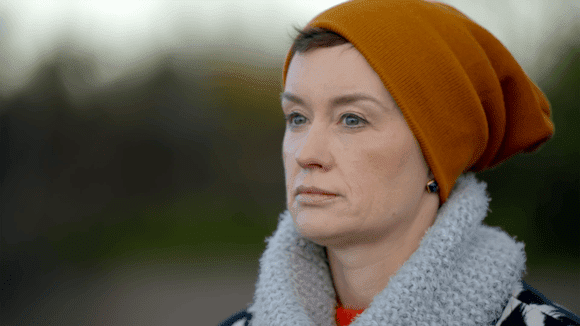
A NEW documentary will shine a spotlight on Wales’s cancer system, with journalist Maxine Hughes exploring the experiences of patients and the challenges they face from diagnosis to recovery.
Maxine Hughes: Canser ar ba gost? (Maxine Hughes: Cancer at what cost?) will air on S4C on Tuesday (Mar 17) at 9:00pm, and will also be available on S4C Clic and BBC iPlayer with Welsh and English subtitles.
In the programme, Hughes examines the reality of cancer care in Wales, raising concerns about delays in diagnosis and gaps in aftercare.
“The figures in Wales show that the situation is worse than ever,” she says. “Cancer can progress from one stage to another in a matter of months. That can be the difference between fighting the disease and dying.”
Hughes, now aged 45, discovered a lump in her breast while living in Washington DC. With access to private healthcare, she received a diagnosis of triple negative breast cancer and began chemotherapy within two weeks.
“People in Wales are shocked when I tell them how quickly treatment started,” she says. “I was diagnosed and within a fortnight I was already having my first chemotherapy session.”
The programme also features voices from across Wales, including Lowri Griffiths of Tenovus, who speaks about losing her friend Claire O’Shea after difficulties in securing a diagnosis. The charity now backs Claire’s Campaign, calling for cultural change in how women’s concerns are treated in healthcare settings.
“We want doctors and clinicians to listen to women,” Griffiths says. “If they say something is wrong with their body, they know best. We also need a new cancer strategy in Wales to cope with the rising number of cases.”
Dawn Larson, from Caernarfon, describes her own experience, praising the treatment she received but highlighting the lack of follow-up care.

“The team I had was amazing; they fixed me,” she says. “But then there was nothing.”
Larson explained that while routine screening is offered every three years for women over fifty, those who have undergone treatment typically receive annual checks, which she believes is not enough.
Hughes contrasts this with her own aftercare in the United States, where she receives scans and blood tests every six months for five years.

The documentary also highlights the work of Ffion Haf Hughes, founder of Judith’s Trust, which supports women recovering from serious illness with cosmetic and therapeutic treatments.
“A lot of women come to us with significant physical changes following surgery,” she says. “But there are specialists doing incredible work, and it shows that outcomes can be better.”
Viewers will see Ffion creating a temporary nipple and areola for Hughes, illustrating the role of post-treatment care in restoring confidence and wellbeing.
Reflecting on her own journey, Hughes says: “After surgery, I asked what I should do next, and I was told to go out and live my life. That stays with me. You have to keep going.”
Blending personal testimony with wider analysis, the programme seeks answers from decision-makers while highlighting the urgent need for improvements in cancer care across Wales.
Candidates say residents must be heard after emergency services decision
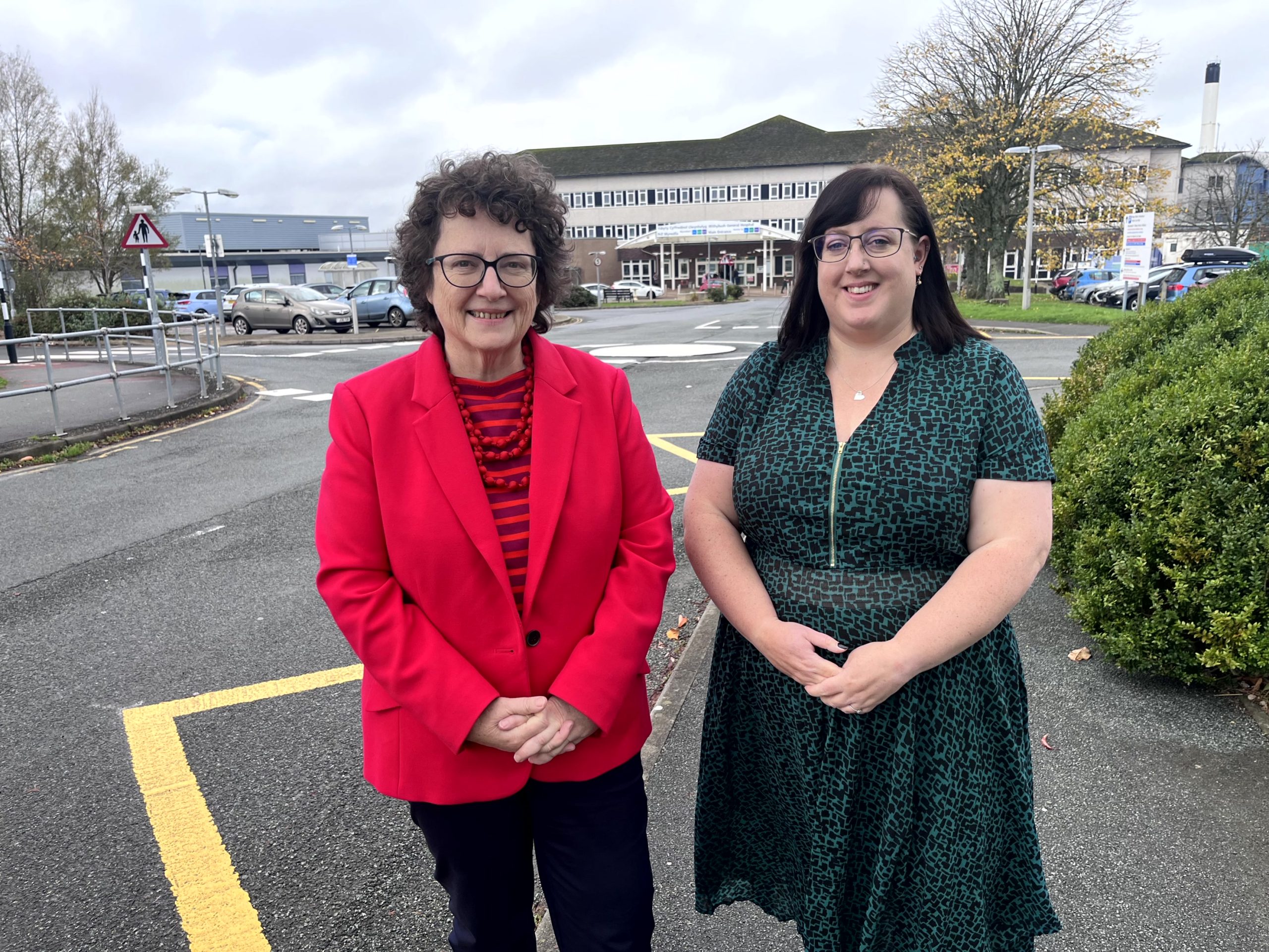
PLAID CYMRU candidates for the Ceredigion Penfro constituency will host a public meeting in Pembrokeshire to discuss concerns over the future of services at Withybush Hospital.
The event will take place at 6:30pm on Monday (Mar 31) at Letterston Village Hall, giving residents the opportunity to share their experiences and concerns following Hywel Dda University Health Board’s decision last month to remove emergency general surgery from the hospital.
Campaigners say the move will force many patients requiring urgent treatment to travel further for care, raising fears about the potential impact on patient safety in rural west Wales.
Elin Jones, Plaid Cymru lead candidate for Ceredigion Penfro, said: “Withybush is such an important hospital for the community and residents of Pembrokeshire. The decision to remove its emergency general surgery will severely weaken the life-saving capacity of this hospital.
“Plaid Cymru has long championed small rural hospitals such as Bronglais and Withybush. We need to ensure these hospitals remain strong local services within our communities. Withybush should have the basic life-saving and everyday treatment services it needs to function as a full general hospital.”

Kerry Ferguson, Plaid Cymru candidate for Pembrokeshire within the Ceredigion Penfro constituency, said the recent success of a public petition had demonstrated the strength of local feeling.
“It’s great to see that the online petition calling for Welsh Government intervention to restore emergency surgery and essential services at Withybush has reached its target, meaning it will now be debated in the Senedd,” she said.
“We are extremely disappointed by the Health Board’s decision to remove emergency general surgery at Withybush. Increased journey times for anyone in need of urgent medical treatment will put lives at risk. We need government intervention now to overturn this decision.”
Residents across Pembrokeshire have continued to raise concerns about the future of services at the hospital, which has long been a focal point in debates about healthcare provision in rural west Wales.



News4 hours ago
Scott Thorley elected as Pembrokeshire’s first Reform councillor
REFORM UK candidate Scott Thorley has won the Hakin by-election after securing 179 votes. The full result is as follows:...


News11 hours ago
Police confirm man has died after being recovered from River Cleddau
Major emergency response in town centre after concerns raised for man in water A MAN has died after being recovered...

Community11 hours ago
Davies and Kurtz urge groups to seek employability funding
Community organisations in Pembrokeshire encouraged to apply for new grants supporting skills and job access LOCAL Senedd Members Samuel Kurtz...


News13 hours ago
Emergency services flood Haverfordwest after reports of person in river
Town centre sealed off as multi-agency response continues A MAJOR emergency response is underway in the centre of Haverfordwest after...

News14 hours ago
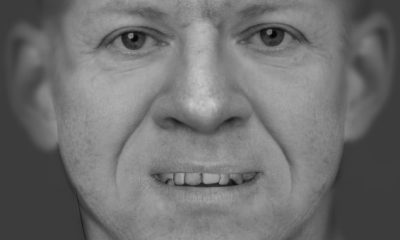
Detectives receive surge of new information in bid to identify man found at Powys reservoir
Public response follows release of facial image as officers pursue fresh lines of enquiry DETECTIVES investigating the identity of a...


News1 day ago
Senedd committee urges next Welsh Government to prioritise Wales–Ireland links
A SENEDD committee has called on the next Welsh Government to continue prioritising Wales’s relationship with Ireland, describing it as...


Education2 days ago
New facilities open at Portfield School as redevelopment reaches key milestone
THE FIRST phase of a major redevelopment programme at Portfield School in Haverfordwest has been completed, marking a significant step...


News2 days ago
£377m spent saving blast furnaces months after Port Talbot closure
Government intervention keeps UK’s last primary steelmaking furnaces running THE UK GOVERNMENT spent £377 million to prevent the closure of...


Sport3 days ago
France crowned Six Nations champions after extraordinary final-day drama
Ramos penalty in Paris seals title as Ireland fall just short and Wales end losing run FRANCE were crowned 2026...


News3 days ago
Fishguard linked to allegations in Many Tears Animal Rescue investigation
Claims about puppies arriving through Pembrokeshire port emerge as licensing probe continues FISHGUARD has been named in allegations linked to...
-

 Health5 days ago
Welsh Ambulance Service to host bi-monthly Board meeting
-
 News4 days ago
Rayner and Lammy visit Wales to discuss justice and community safety
-

 Local Government7 days ago
Register now to vote in May’s Senedd election
-
News3 days ago
Fishguard linked to allegations in Many Tears Animal Rescue investigation
-
News13 hours ago
Emergency services flood Haverfordwest after reports of person in river
-

 Community7 days ago
Modern-day maritime hero backs exhibition marking 200 years since launch of HMS Erebus
-

 Crime7 days ago
‘Knife attack’ at Spittal property leaves man in hospital
-

 Education6 days ago
Manorbier school closure approved while insurance claim still unresolved