


Crime
Arrests made after brazen St Fagans burglary


“A crime against our national heritage,” say Welsh Conservatives
ARRESTS have been made following the high-profile burglary at St Fagans National Museum of History, which saw priceless Bronze Age artefacts stolen in what police described as a highly organised raid.
The Welsh Conservative Shadow Cabinet Secretary for Culture, Tourism and Sport, Gareth Davies MS, has welcomed the development, describing the break-in as “a crime against our national heritage.”
Police confirmed that suspects have been detained in connection with the incident, which took place in the early hours of Monday (Oct 6). Thieves broke into the museum near Cardiff and escaped with items from its Bronze Age gold collection before officers arrived.
“Priceless artefacts that tell our story”
Mr Davies said the raid represented a calculated attack on Welsh culture and identity.
“St Fagans holds priceless artefacts that tell the story of Wales, of who we are and where we came from. To see these treasures stolen in such a calculated and callous act is devastating, not only for the museum but for the whole nation,” he said.

“I am relieved that the individuals alleged to be responsible have now been arrested and charged, and I’d like to thank South Wales Police for their decisive action. I hope that the stolen items can be recovered safely.”
Call for stronger protection
The Welsh Conservatives have called for tougher protection for cultural institutions and historic collections across Wales.
“People across Wales are sick and tired of seeing criminal behaviour, and they will rightly expect swift justice and tough punishment for those involved,” Mr Davies added. “Our cultural institutions and historic collections deserve the strongest possible protection so that future generations can continue to take pride in them.”
The burglary, which lasted just four minutes, saw the thieves make off with gold artefacts believed to include ingots, bracelets and a lunula necklace. South Wales Police have not yet confirmed whether any of the stolen items have been recovered.


Frozen healthcare budgets, overcrowded jails, homelessness on release and mounting pressure on staff are undermining rehabilitation across Wales, according to a major parliamentary inquiry
A MAJOR parliamentary inquiry has delivered one of the starkest assessments yet of prisons and rehabilitation services in Wales, warning that overcrowding, staffing shortages and chronic underfunding are putting both prisoners and the public at risk.
The report, Jagged Justice: Prisons, Probation and Rehabilitation in Wales, was published by the House of Commons Welsh Affairs Committee following an extensive investigation into prisons, probation services and rehabilitation programmes across Wales.
Its conclusions paint a troubling picture of a system struggling to cope with rising demand, increasingly complex prisoner needs and a growing gap between what prisons are expected to achieve and the resources available to them.
MPs found evidence of overcrowded prisons, stretched probation teams, growing mental health needs, difficulties accessing healthcare and too many prisoners being released into homelessness or unstable accommodation.
The committee concluded that unless significant changes are made, the system will continue to struggle to rehabilitate offenders and reduce reoffending, ultimately creating greater costs for society and placing additional pressure on public services.
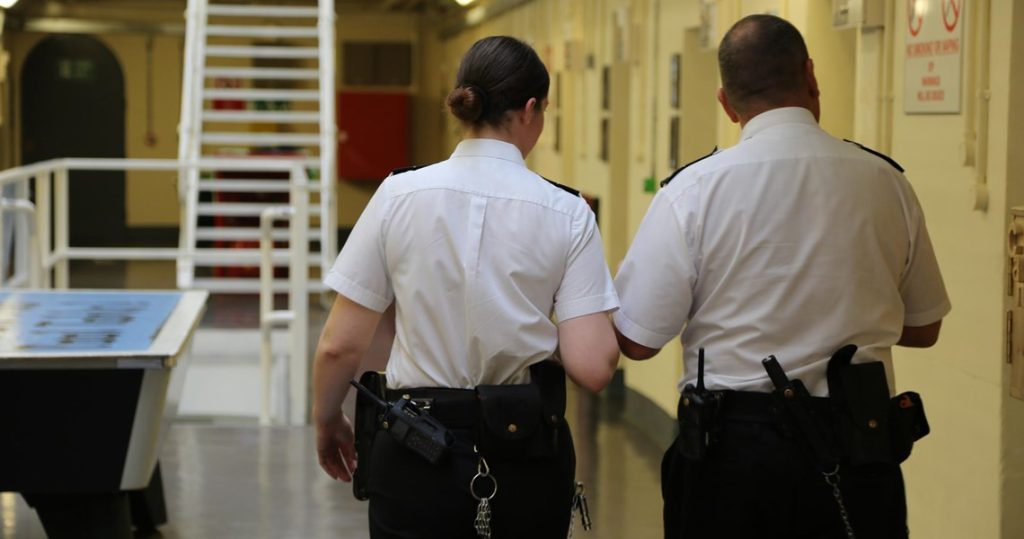
Healthcare funding frozen for more than a decade
Among the most alarming findings was evidence relating to prison healthcare funding.
The inquiry heard that the Welsh Government received a recurring transfer of approximately £2.5 million for prison healthcare in 2014. However, no additional ring-fenced funding has been provided since then despite more than a decade of inflation and increasing demand for medical services within prisons.
Evidence presented to MPs showed that the annual cost of delivering healthcare in HMP Swansea, HMP Cardiff and HMP Usk and Prescoed has risen to more than £7.25 million.
This has created an estimated funding shortfall of around £4.8 million.
The scale of the problem becomes clear when looking at individual prisons. Healthcare spending at HMP Swansea alone reached almost £2.47 million last year — nearly matching the original annual allocation intended to support healthcare services across all three institutions.
The committee warned that prisoners often arrive with significantly worse physical and mental health than the general population.
Rates of substance misuse, chronic illness, learning difficulties, self-harm and serious mental health conditions are considerably higher among prisoners than among the wider public.

As a result, prisons are increasingly being required to function not only as places of detention but also as healthcare providers, mental health facilities and rehabilitation centres.
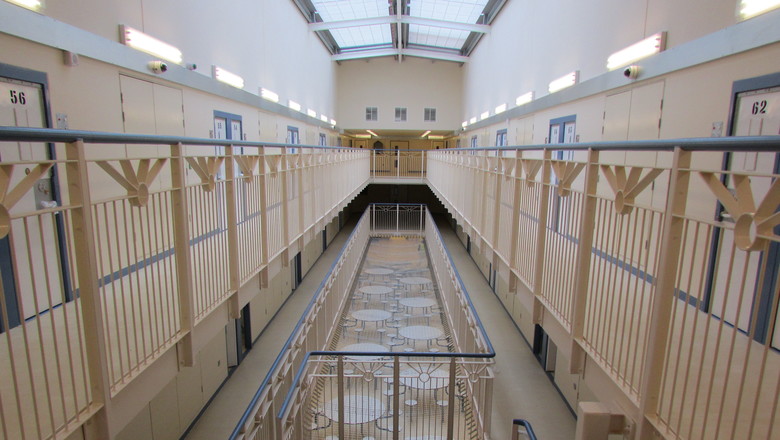
Mental health needs continue to rise
Mental health concerns featured heavily throughout the inquiry.
MPs heard evidence that prisons are dealing with increasingly complex cases involving severe mental illness, addiction and trauma, while healthcare teams struggle to meet growing demand.
The report highlights concerns that delays in accessing specialist services and secure psychiatric facilities can leave vulnerable prisoners waiting for treatment.
Healthcare professionals and charities told the committee that many offenders arrive in prison with long-standing untreated conditions, often linked to poverty, addiction, adverse childhood experiences and social exclusion.
The inquiry also heard evidence suggesting communication difficulties are widespread among prisoners, creating further barriers to rehabilitation and increasing the likelihood of disciplinary problems and misunderstandings while in custody.
Experts warned that without adequate mental health support, prisons risk becoming warehouses for vulnerable people rather than institutions capable of helping offenders rebuild their lives.
Overcrowding creating additional pressures
The committee found that prison overcrowding is worsening many of the challenges facing the justice system.
Across England and Wales, prisons have been operating close to capacity for several years, placing additional strain on staff, facilities and support services.
Witnesses told MPs that overcrowding can reduce access to education, training, rehabilitation programmes and healthcare appointments.
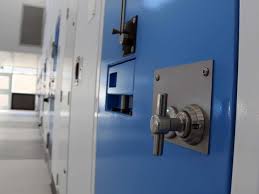
The report warns that prison staff are increasingly being asked to manage larger numbers of inmates with more complex needs, often with limited resources and staffing shortages.
This pressure affects not only safety within prisons but also the ability of institutions to prepare offenders for successful reintegration into society.
Released into homelessness
Perhaps one of the most concerning findings relates to what happens after prisoners leave custody.
The committee heard evidence suggesting that around one-third of prisoners are released into homelessness or unstable accommodation.
Without a fixed address, former prisoners often struggle to access benefits, healthcare, employment opportunities and probation support.
For many, the first days after release become a battle to find somewhere to sleep rather than an opportunity to rebuild their lives.
MPs concluded that housing shortages are becoming one of the biggest barriers to successful rehabilitation in Wales.
Witnesses argued that releasing people into homelessness significantly increases the likelihood of reoffending and places additional pressure on local authorities, health services and community organisations.
The report calls for stronger coordination between prisons, probation services, housing providers and local authorities to ensure offenders have a realistic chance of rebuilding their lives after release.

Too much time behind locked doors
The inquiry also raised concerns about the amount of time some prisoners spend confined to their cells.
Evidence submitted to the committee suggested some inmates receive as little as 45 minutes out of their cells each day.
Such restrictions limit opportunities for work, education, exercise and rehabilitation programmes.
Experts told MPs that meaningful rehabilitation requires purposeful activity, skills training and regular human interaction.
Without these opportunities, prisons risk becoming little more than places of containment rather than institutions capable of reducing future offending.
The committee warned that excessive confinement can also worsen mental health problems and increase tensions within prisons.
Wales’ high imprisonment rate under scrutiny
The report also questions why Wales continues to record one of the highest imprisonment rates in Western Europe.
MPs have called for further work to understand why Welsh communities appear to be disproportionately affected by incarceration.
The issue has renewed debate over whether criminal justice powers should eventually be devolved to Wales.
Supporters argue that many services linked to rehabilitation — including healthcare, housing and education — are already devolved, while responsibility for sentencing and prison policy remains with Westminster.
The committee described this split responsibility as creating a “jagged edge” between devolved and non-devolved services, making effective planning and accountability more difficult.
Parc Prison remains in the spotlight
Although the inquiry examined prisons across Wales, concerns surrounding HMP Parc continue to cast a long shadow over discussions about prison safety and rehabilitation.
The Bridgend prison came under intense scrutiny following an unprecedented number of prisoner deaths in 2024.
Questions have also been raised about drug use, violence, self-harm, staffing levels and access to healthcare services.
The Welsh Affairs Committee has previously expressed concern about conditions at Parc and urged caution over proposals to expand the prison until safety concerns are fully addressed.
For communities across Wales, including Pembrokeshire, the issues identified in the report will be familiar.
Many offenders passing through the prison system originate from communities already facing challenges linked to poverty, addiction, mental illness and housing shortages.

A warning for governments
The Welsh Affairs Committee stops short of blaming any single organisation for the current situation.
Instead, MPs argue that years of rising demand, workforce pressures and fragmented responsibilities have combined to create a system struggling to cope.
Their warning is straightforward.
If prisons are expected to rehabilitate offenders, reduce reoffending and protect the public, they need adequate healthcare, housing support, staffing and rehabilitation services.
Without those foundations, the report suggests Wales risks trapping thousands of people in a cycle of imprisonment, release and reoffending that serves neither offenders nor society.
Ten years after many of these challenges first began attracting serious attention, MPs are warning that the cost of inaction is becoming increasingly difficult to ignore.
The question now facing governments in Cardiff Bay and Westminster is whether they are prepared to invest in the changes needed — or whether the problems identified in Jagged Justice will continue to deepen in the years ahead.


A PORTFIELD GATE man has appeared before magistrates accused of failing to stop after a road accident on the B4329.
Tony Mallon, 32, of Chestnut Tree Cottage, Portfield Gate, Haverfordwest, appeared before Llanelli Magistrates’ Court on Wednesday (Jun 17).
He is charged with driving a Peugeot Partner without due care and attention on the B4329 Preselly Mountain Road at Tufton on November 12, 2025.
Mallon is also accused of failing to stop after an accident in which damage was allegedly caused to a Toyota Auris, and failing to report the accident to police within 24 hours.
The case was adjourned at the request of the defence for an intermediary report to be prepared.
Mallon is due to appear again at Llanelli Magistrates’ Court on July 8 for a further pre-trial review.

A MILFORD HAVEN man has been jailed after admitting breaching a domestic violence protection order.
Ryan Carlmain, 33, of Plas Peregrine, Milford Haven, appeared before Llanelli Magistrates’ Court on Wednesday (Jun 17).
The court heard that Carlmain breached an order made by the same court on May 14 this year.
The breach took place in Milford Haven on June 10, when he attended an address at Marble Hall Road, contacted the woman concerned three times by telephone, and entered the property through a bathroom window after snapping a key off in the back door.
Carlmain admitted the breach.
Magistrates committed him to prison for two months, saying the offence was so serious because he had shown a “flagrant disregard for court orders”.
He was also ordered to pay £284 in costs, with payment due on his release.



Crime2 hours ago
Prisons at breaking point: MPs warn Wales is paying the price of a failing system
Frozen healthcare budgets, overcrowded jails, homelessness on release and mounting pressure on staff are undermining rehabilitation across Wales, according to...


News16 hours ago
Brexit at 10: How Britain was sold a dream that cost us dearly
A decade after the referendum, the promised benefits remain hard to find while the economic costs are increasingly difficult to...


Crime17 hours ago
Worcestershire man jailed after violent attack on woman in Tenby
Defendant was already serving a suspended sentence when serious assault took place A WORCESTERSHIRE man has been jailed for more...


Climate19 hours ago
Offshore wind ‘could bring new generation of jobs to Milford Haven’
Pembrokeshire ports and Celtic Sea projects placed at centre of Wales’ green energy ambitions MILFORD HAVEN and Pembroke Dock could...


Community2 days ago
Police officer hailed hero after midnight sea rescue in Milford Haven
PC swam 100 metres offshore to save distressed woman heard calling for help in darkness A DYFED-POWYS POLICE officer has...


Local Government2 days ago
Security privately arranged by Mayor at Beating of the Bounds
HAVERFORDWEST TOWN COUNCIL has confirmed that security personnel seen at this year’s Beating of the Bounds were privately arranged and...


Business3 days ago
Celtic Freeport five-year plan puts Milford Haven at centre of green energy future
Strategy promises investment, skilled jobs and new supply chains, but major barriers remain over grid connections, planning and delivery THE...


Education3 days ago
Closure of Ysgol Clydau approved after emotional council debate
COUNCILLORS WARNED RURAL COMMUNITIES WILL REMEMBER DECISION PEMBROKESHIRE councillors have voted to close Ysgol Clydau following an emotional debate over...


Education3 days ago
Manorbier school closure process to continue after narrow council vote
Questions remain over insurance, rebuilding costs and possible legal action by Diocese PEMBROKESHIRE councillors have voted to press ahead with...


Community3 days ago
The father, son and daughter lifeguard trio saving lives in Pembrokeshire
A FATHER, son and daughter are preparing to help keep beachgoers safe on the Pembrokeshire coast this summer as part...
-

 Community4 days ago
Pembrokeshire Chess Club crowned Welsh champions
-
Local Government2 days ago
Security privately arranged by Mayor at Beating of the Bounds
-

 Crime7 days ago
Pembroke Dock teenager sentenced over train strangulation attack
-

 Education6 days ago
Diocese threatens legal action as Manorbier school closure battle intensifies
-

 Crime2 days ago
Man wanted by court after failing to attend hearing over alleged shop thefts
-

 Crime3 hours ago
Milford Haven man jailed for breaching domestic violence protection order
-

 Local Government6 days ago
Taxi suspended after county-wide licensing checks
-
 Crime2 days ago
Man banned from roads after drink-driving offence