


Politics
Reeves under pressure as leaked OBR papers cast doubt on Budget ‘black hole’ claim

Chancellor faces calls for investigation after surplus revealed weeks before tax rises
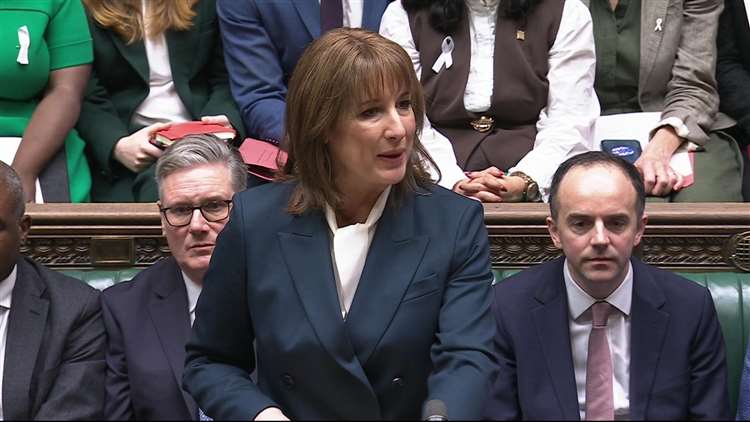
RACHEL REEVES is facing mounting pressure tonight after leaked documents suggested the Treasury may have overstated the scale of Britain’s financial problems ahead of last week’s Budget.
The Chancellor repeatedly warned of a “black hole” in the public finances during a series of interviews in November, arguing the UK needed “fiscal headroom” to protect against economic shocks. The claim was central to the Government’s justification for around £26 billion in tax rises, including changes to capital gains, business taxation, and duties on property.
Leak reveals £4.2bn surplus
However, a leak from the Office for Budget Responsibility (OBR), first reported over the weekend, shows the UK was actually running a £4.2 billion surplus as recently as late October – weeks before Reeves delivered her Budget.
The revelation has triggered a storm at Westminster, with opposition parties accusing the Chancellor of misleading the public and Parliament. Critics say Reeves used the prospect of a large deficit to lay the groundwork for tax rises that may not have been necessary.
Ministers and civil servants have told national outlets they were not informed about the surplus ahead of the Budget, leading to tensions inside Government.

Reeves denies lying
Speaking to broadcasters on Monday, Reeves insisted she had not lied, saying she had been “honest and frank” about the need to rebuild the nation’s fiscal resilience.
She argued that an OBR downgrade in productivity forecasts meant expected tax receipts were weaker, making it “prudent” to increase fiscal headroom now. “We cannot gamble with the economy,” she said.
Labour sources have also pointed to expected rises in welfare costs and public-sector spending pressures.
Ministerial code questions
Opposition figures are now calling for an investigation into whether the Chancellor breached the ministerial code, which requires ministers to give accurate information.

Some have gone further, suggesting the Financial Conduct Authority may need to consider the impact of potentially misleading statements on markets. The Government has dismissed those suggestions as “political theatre”.
The row intensified after the head of the OBR resigned on Sunday, describing the leak as a “technical but serious” breach of confidentiality. The timing has raised fresh questions about who knew what – and when.
Storm not over
The Prime Minister has publicly backed his Chancellor, insisting the Budget was based on the best information available at the time.

But with senior economists warning that public confidence in fiscal transparency has been damaged, and with several Cabinet ministers privately expressing frustration over communication inside the Treasury, the controversy shows no sign of fading.
Parliament is expected to press for further answers when Reeves appears before the Treasury Select Committee later this week.


New fund would expand toy libraries and automatically register babies for library cards
EVERY child in Wales will have an equal right to read and play, regardless of their background, under plans announced by Welsh Labour today.
The party says that if it is re-elected in the next Senedd term, it will introduce a new programme aimed at improving access to books and toys for families across the country.
The proposals include automatic registration for a library card for every child in Wales when a baby’s birth is registered, the creation of a nationwide network of 100 toy libraries, and a new Children’s Reading and Play Fund. The fund would help pay for toys and increase the number of children’s books available in both public and school libraries.
Welsh Labour says the measures are designed to ensure that children from all backgrounds have access to resources that support learning, creativity and early development.
Cabinet Secretary for Education Lynne Neagle said the plans would help ensure no child misses out on opportunities because of their family’s financial circumstances.
“Every child in Wales should have access to books and toys, regardless of their background. No child should have to go without because their family can’t afford them,” she said.
“Books and toys are a vital part of growing up. The new Children’s Reading and Play Fund would ensure this is a right for every child in Wales and help reduce costs for families.”
Toy libraries operate in a similar way to traditional libraries, allowing families to borrow toys and return them after use. While some toy libraries already exist in parts of Wales, access is currently patchy.
Welsh Labour says its proposal would establish a national network of 100 toy libraries to ensure a more consistent offer across the country. Under the plan, the libraries would work together and receive national support and promotion.
The party argues that improving access to books and play materials can help support early literacy, learning and social development for young children while easing financial pressure on families.
Further details about the proposed Children’s Reading and Play Fund are expected to be set out as part of Welsh Labour’s programme for the next Senedd term.
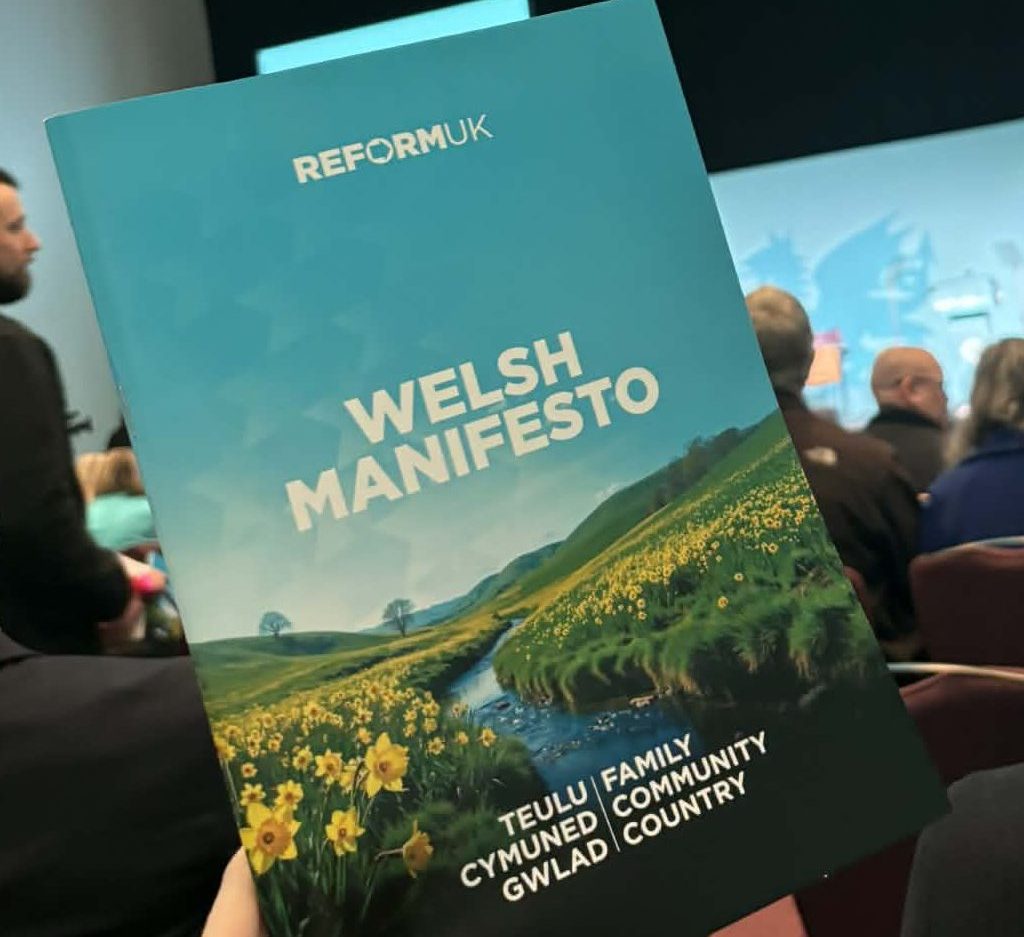
SCHOOL leaders in Wales have raised concerns about elements of Reform UK’s education policies following the launch of the party’s Senedd election manifesto.
The reaction came after Reform Wales unveiled its programme for government on Thursday (Mar 5), which includes proposals aimed at reshaping the Welsh education system.
Among the policies outlined by the party are plans to introduce school league tables and move towards an academy-style system similar to that used in England.
However, the proposals have drawn criticism from education leaders who say some of the ideas risk misunderstanding the realities facing schools.
Union response
Responding to the manifesto, Laura Doel, national secretary of the school leaders’ union NAHT Cymru, said the plans appeared to look backwards rather than addressing the challenges currently facing schools.
She said: “Reform has acknowledged the need to return to core teaching and learning, but has missed the real opportunity here by looking backwards at outdated practice, rather than forward to focusing on what will make a real difference.”
She also challenged the suggestion that schools place too much emphasis on emotional support for pupils.
“The idea that there is too much emotional support for pupils in schools is completely misunderstanding the situation on the ground,” she said.
“School staff are wrestling daily with the symptoms of children and young people’s emotional distress, and without tackling these issues they will continue to get in the way of their learning. Schools need more funding for emotional support, not less.”

League tables questioned
Reform’s plans to introduce league tables comparing school performance also came under criticism.
Doel said there was little evidence such measures would improve education standards or reduce pressure on teachers.
“It is hard to see how introducing league tables pitting schools against each other will reduce bureaucracy or do anything to lessen workload and pressure or free up school staff to teach,” she said.

“And there is no evidence that the structure of a school leads to improvement, so we question why Reform would seek to move to academisation in Wales.”
Some elements welcomed
Despite the criticism, NAHT Cymru said parts of the proposals could be beneficial if developed further.
Doel said school leaders would welcome reforms to Additional Learning Needs (ALN) provision and stronger support for speech and language therapies.
However, she warned that much of the policy appeared disconnected from the day-to-day challenges facing schools.
“Much of it is extremely misguided and fundamentally misunderstands the realities facing schools and young people in Wales,” she said.
“Reform policy might benefit from deeper engagement with school leaders and other education professionals.”
Reform response
Reform Wales has argued its education proposals are aimed at raising standards and improving accountability within the Welsh school system.
The party says reforms such as league tables would help parents better understand how schools are performing and ensure greater transparency in education.
Election debate intensifies
The reaction highlights the growing debate over education policy as parties set out their competing visions ahead of the Senedd election on Thursday (May 7).
Education remains one of the most contested issues in Welsh politics, with concerns frequently raised about pupil attainment, teacher workload and funding pressures.
As campaigning continues, education policy is expected to be a key battleground between parties seeking to convince voters they have the answers to improving standards in Welsh schools.

PLANS outlined in Reform UK’s Welsh manifesto have sparked debate over how the party’s energy policies could affect the future of Milford Haven’s rapidly expanding role in the UK’s energy transition.
The party’s manifesto, launched on Thursday (Mar 5), includes proposals to ban new onshore wind farms and large-scale solar developments in Wales — a stance which has drawn criticism from the renewable energy industry.
Responding to questions from The Pembrokeshire Herald on Thursday, a Reform Wales spokesperson said the party’s approach was driven by concerns about rising household energy costs.
“Reform will put energy bills and hard pressed families at the centre of every energy decision,” the spokesperson said.
RenewableUK Cymru warned that such policies could undermine investment in the country’s growing clean energy sector, potentially affecting thousands of jobs and billions of pounds of planned investment.

Freeport and floating wind ambitions
The issue is particularly relevant for Pembrokeshire, where Milford Haven sits at the heart of the Celtic Freeport, a major economic initiative designed to transform the area into a hub for green energy and advanced manufacturing.
Central to those plans is the development of floating offshore wind farms in the Celtic Sea, with ports such as Milford Haven expected to play a key role in assembling, servicing and supporting large turbine installations.
Industry leaders believe the Celtic Sea wind projects could bring tens of billions of pounds of investment into Wales over the coming decades, alongside thousands of jobs in engineering, manufacturing and port services.
Supporters say the Freeport could position Pembrokeshire as one of the UK’s most important centres for the renewable energy supply chain.
Renewable industry response
Responding to Reform’s manifesto, RenewableUK Cymru director Jess Hooper said restricting renewable energy projects would be a mistake at a time when Wales has major opportunities in the sector.
She said: “Homegrown renewable energy has been a shield, not a burden. Investing in a renewable energy system is a sensible and pragmatic choice for billpayers.
“The manifesto commitment to ban new onshore wind and solar would only lead to higher bills, weaker energy security, and Wales would miss out on the huge opportunity to secure new jobs and investment.”

The organisation estimates that Wales could secure £10bn of business investment and create around 8,000 jobs through renewable energy projects if development continues at scale.
Offshore wind not directly targeted
However, Reform’s manifesto does not propose banning offshore wind developments, which form the core of the Celtic Sea plans.
Floating wind projects are widely expected to be developed far out to sea, using specialised turbines anchored to floating platforms.
As a result, analysts say the Freeport strategy centred on offshore wind could still move forward even if onshore wind and solar projects were restricted.
Energy debate intensifies
Reform argues its policies are designed to protect rural landscapes and reduce energy costs by shifting the focus away from what it describes as “subsidy-heavy” renewable schemes.
The party says Wales should prioritise reliable and affordable energy sources while ensuring the country benefits economically from its natural resources.
But critics say limiting renewable development could weaken investor confidence and slow the growth of Wales’ emerging clean energy sector.
Pembrokeshire at the centre of the debate
With Milford Haven already home to the UK’s largest LNG terminals and now positioning itself as a centre for offshore wind development, Pembrokeshire finds itself at the centre of a growing political debate about the future of Wales’ energy system.
As the Senedd election campaign gathers pace ahead of polling day on Thursday (May 7), the question of how Wales balances energy security, environmental policy and economic growth is likely to remain a key issue — particularly in communities like Milford Haven where the stakes are especially high.



News10 hours ago
Reform energy policy raises questions for Milford Haven and Celtic Freeport ambitions
PLANS outlined in Reform UK’s Welsh manifesto have sparked debate over how the party’s energy policies could affect the future...


Crime13 hours ago
Man who threatened to kill police during Milford Haven standoff avoids jail
Judge tells defendant his ‘erratic and reckless’ behaviour caused serious disruption to emergency services A MILFORD HAVEN man who threatened...


Crime15 hours ago
Police investigating nightclub assault in Saundersfoot
POLICE are appealing for information following a serious assault at a nightclub in Saundersfoot which left two people with significant...


News1 day ago
Greens oppose US space radar plan for St Davids Peninsula
CANDIDATE CRITICISES DARC PROPOSAL THE GREEN PARTY has voiced strong opposition to plans for a major US military radar installation...


Crime2 days ago
Chinese intelligence probe reaches Dyfed-Powys Police area
Counter-terror officers arrest man in Powys as part of national security investigation THREE men have been arrested in Wales and...


Crime2 days ago
Man sentenced after punching convicted paedophile in Haverfordwest pub
A HAVERFORDWEST man has been sentenced after punching a convicted paedophile inside a town centre pub. Haverfordwest Magistrates’ Court heard...


Health2 days ago
Davies and Kurtz attack ‘fantasy hospital’ pledge for west Wales
Senedd Members demand immediate investment in Withybush and Bronglais as election campaign intensifies SENEDD Members Paul Davies and Samuel Kurtz have launched a fresh...


Health3 days ago
Hywel Dda warns of ‘significant pressure’ as A&E departments remain packed
Patients urged to use NHS 111 as Withybush, Glangwili and Bronglais face continued strain HYWEL DDA University Health Board has...


News3 days ago
War stops Qatar gas: Milford Haven LNG supplies disrupted
UK energy security concerns grow after shutdown at major export facilities ENERGY bills in the UK could rise sharply after...


Community3 days ago
Martyn Butler dies aged 71 months after Haverfordwest visit
Co-founder of Terrence Higgins Trust attended local plaque unveiling honouring friend Terry Higgins A LEADING figure in the UK’s response...
-

 Community10 hours ago
Whitland Post Office re-opens under new management
-

 Community6 days ago
St David’s Day parade brings colour and celebration to Haverfordwest
-

 Crime4 days ago
Nine deny Class A drugs conspiracy as case set for Crown Court trial
-

 Health4 days ago
Welsh Labour launches Senedd campaign with £4bn hospital pledge
-

 On The Road7 days ago
The Complete Guide to Choosing the Right Alloy Wheels
-
Health2 days ago
Davies and Kurtz attack ‘fantasy hospital’ pledge for west Wales
-

 Crime3 days ago
School lockdown lifted after telephone threat as police continue enquiries
-
Education4 days ago
School in lockdown after reported phone threat