


Health
Wales’ biggest hospital overrun by pigeons – even in operating theatres

Patients wheeled through tunnels “carpeted in bird faeces” as ministers accused of abandoning the NHS
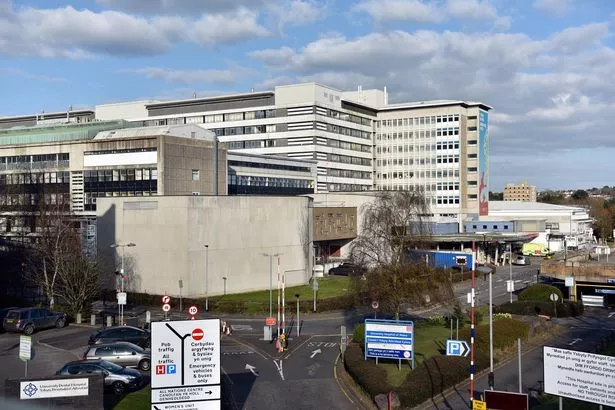
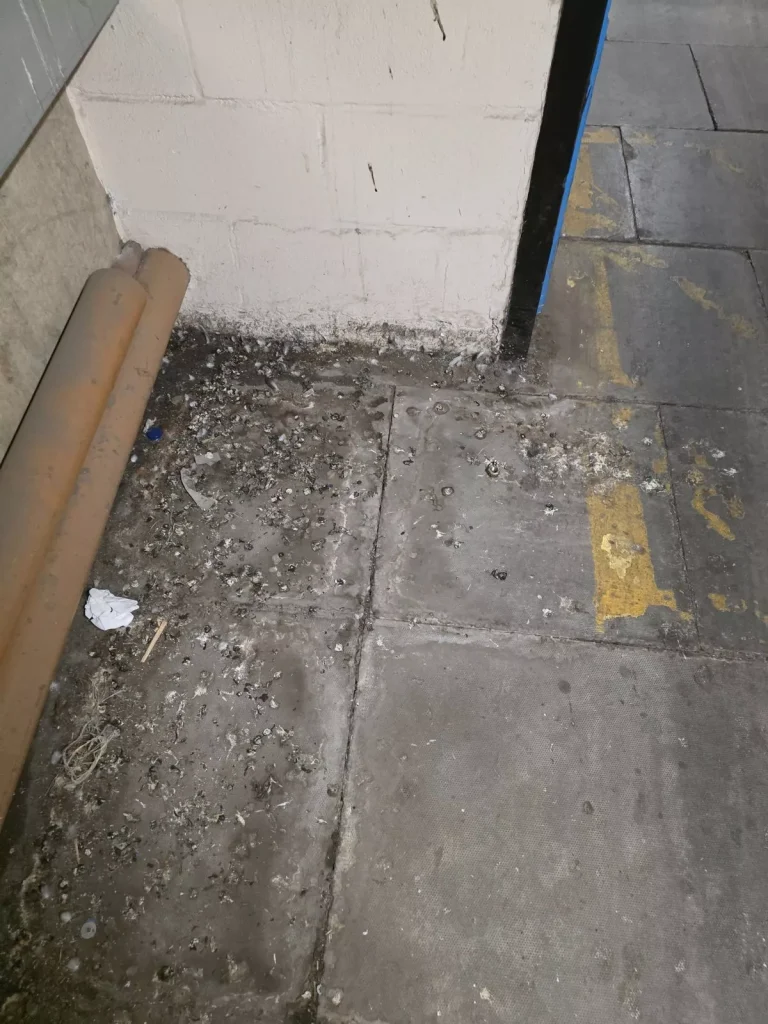
CARDIFF’S University Hospital of Wales – the largest hospital serving South and West Wales – has been branded a national disgrace after whistle-blowers revealed a chronic pigeon infestation, including birds nesting inside areas used to prepare sterile operating theatres.
Tunnels ‘carpeted in droppings’
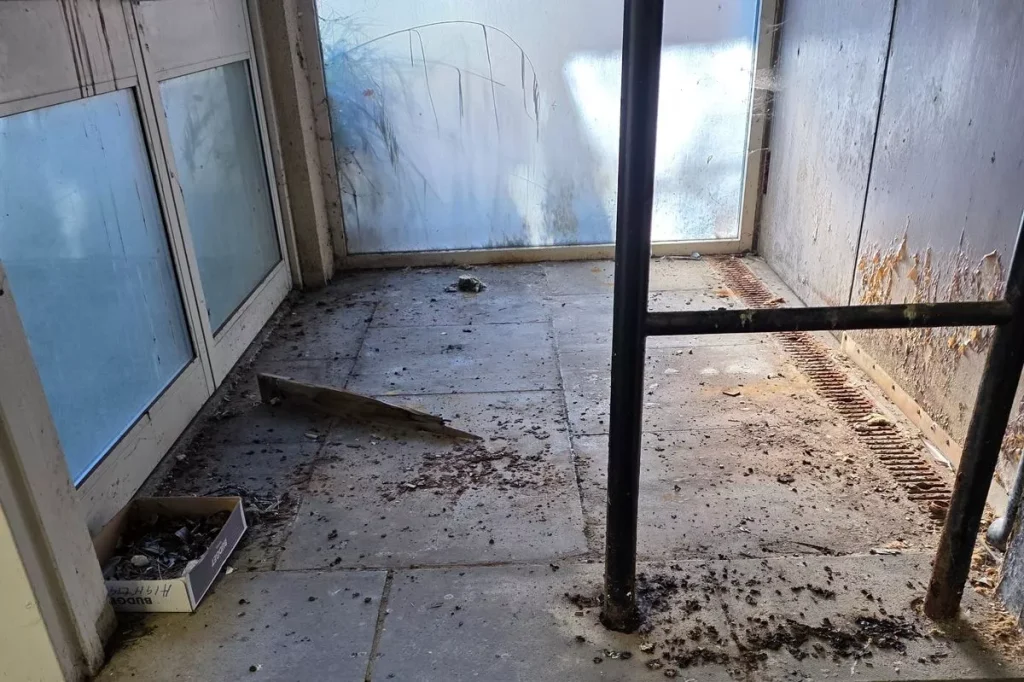
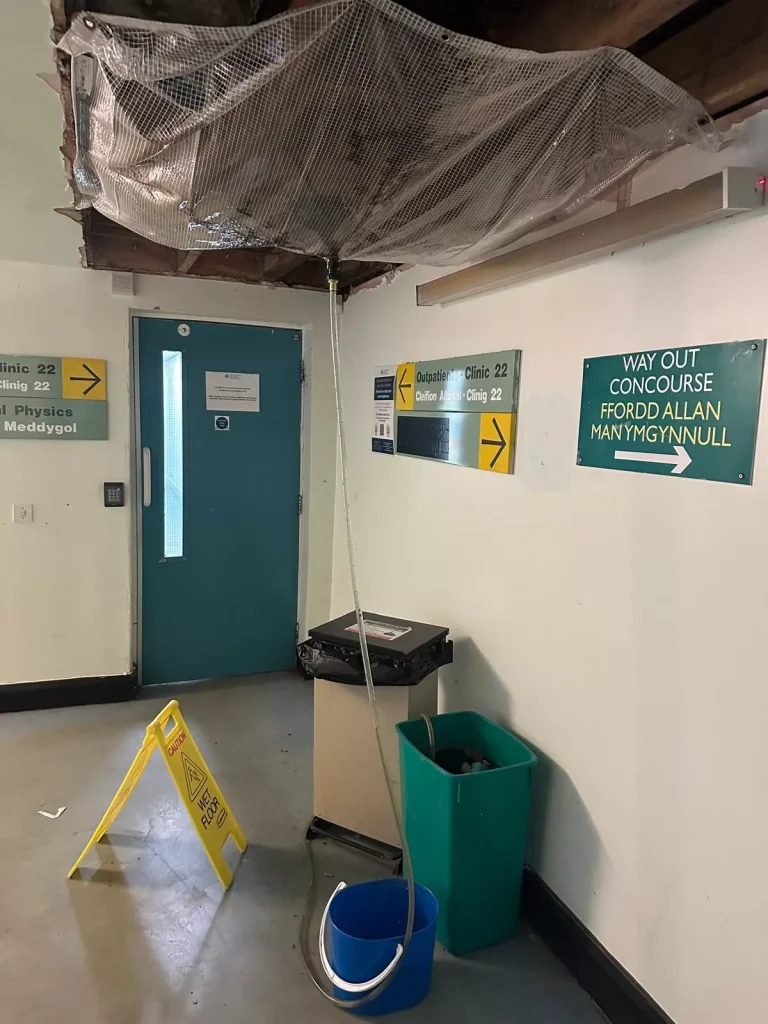
Patients, including those critically ill, are being pushed along underground corridors described as “ankle-deep in water and carpeted with bird faeces”, with buckets placed along walkways to catch rain leaking through failing roofs. Staff say the stench is overwhelming and that vulnerable patients are being traumatised by the conditions.
One frontline worker, speaking anonymously to The Pembrokeshire Herald, said the situation had become intolerable: “The place is full of pigeons. You see them flapping around in trauma theatres while surgeons are trying to save lives. The smell is vile.”
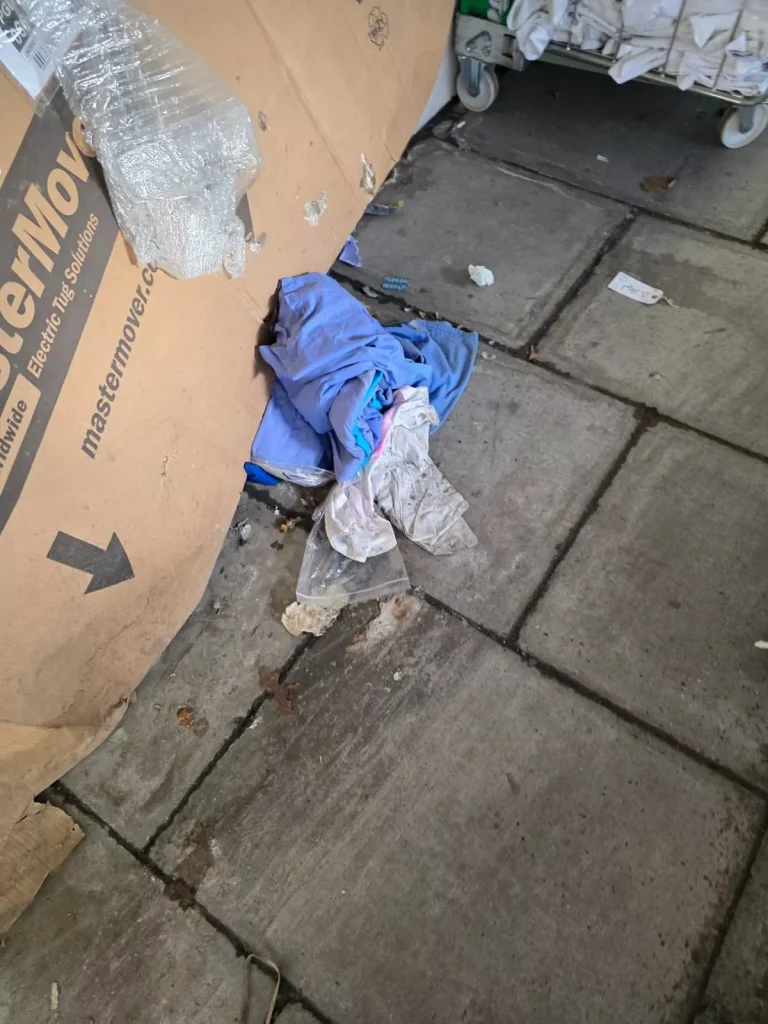
Photographs passed to this newspaper show floor surfaces coated in pigeon droppings and staff weaving around flocks of birds to reach wards.
Consultants warn hospital is now a risk
The revelations come just weeks after nearly three hundred senior consultants at the Heath signed an unprecedented letter warning morale was “at an all-time low” and stating the physical condition of the hospital now poses a serious infection risk. Pigeon droppings can carry cryptococcus, a fungus potentially fatal to those with weakened immune systems.

Despite this, ministers in Cardiff Bay have pressed ahead with hundreds of millions of pounds for expanding the Senedd by thirty-six new politicians and for major expenditure on the Welsh Government’s “Nation of Sanctuary” asylum policies.
Political row deepens
Welsh Conservative Senedd leader Andrew RT Davies said the state of the Heath symbolised years of neglect.
“Senedd ministers must take responsibility for the appalling condition of our hospitals. While Labour and Plaid spent money on vanity projects, they ignored the NHS. Patients in Pembrokeshire, Ceredigion and Swansea are paying the price.”
Built in the early 1970s, the Heath now requires more than £100 million in urgent repairs. Last winter entire wards were left freezing when heating systems failed, while engineers are said to be so overstretched that routine maintenance can take weeks.

In one instance, a seventy-seven-year-old emphysema patient from West Wales spent four days under blankets because radiators in his bay would not work. Another elderly man spent his final hours being wheeled through pigeon-infested tunnels because the lifts had broken again.
Health board ‘accepts’ poor conditions
Cardiff and Vale University Health Board acknowledged the conditions were “unacceptable” and said additional pest-control measures would be introduced, insisting patient safety had not been compromised. However, the hospital was placed at the highest level of Welsh Government intervention last month, and staff say the situation on the ground has barely changed.
A Welsh Government spokesperson said it was providing “targeted support” to address long-standing problems with the estate.

‘Ashamed to bring patients through’
For families in Pembrokeshire who rely on the Heath for major trauma, neurosurgery and cancer services, confidence in the system continues to erode.
A nurse from Tenby who trained at the hospital told The Herald: “We used to be proud to work there. Now we’re ashamed to bring patients through corridors that look like something from a horror film.”
The pigeons may be the most visible sign of decline – but staff say the deeper crisis begins in Cardiff Bay, where the decisions that shape Wales’s health service are made.
The people of Wales, they insist, deserve far better.


A MAJOR new hospital development in West Wales has been put forward as part of Welsh Labour’s proposed £4 billion “Hospitals for the Future Fund”, with Senedd Member for Mid and West Wales Eluned Morgan saying the region deserves “safe, sustainable hospital care for the future”.
Speaking at Welsh Labour’s campaign launch on Monday, Morgan said that if the party is returned to power at the Senedd election in May, the fund would be used to modernise ageing NHS buildings across Wales over the next decade, with West Wales expected to form a key part of those plans.
The announcement comes amid strong public concern about the future of services at Withybush Hospital in Haverfordwest. A petition calling for certainty over local hospital provision has attracted thousands of signatures, reflecting widespread anxiety about potential changes to healthcare services in Pembrokeshire and surrounding areas.
Morgan acknowledged the strength of feeling locally, saying she understood why many residents were worried.
“I know how much Withybush means to people. I’ve had the conversations. I’ve looked people in the eye who are worried about what the future holds for their local hospital,” she said.
“And I want to be honest with people – this isn’t simple. If it was, it would have been solved years ago.”
She said the challenges facing hospital services in West Wales go beyond the condition of existing buildings and include difficulties recruiting and retaining enough specialist staff to ensure safe care.
“Buildings matter. But what really matters is whether you can staff services safely,” Morgan said.
“Patient safety and timely care must always come first – not politics, not headlines. No other party has offered any realistic alternative which is deliverable, which is why I hope people in West Wales will endorse this new hospital.”

Morgan said she would like Hywel Dda University Health Board to revisit options for a realistic hospital proposal in light of the new funding commitment.
“In light of this new commitment, I would like the health board to look again at a realistic hospital proposal that delivers safe, sustainable services for the future,” she said.
“For too long, people in West Wales have heard talk of a new hospital without seeing it become reality. Plans were drawn up in the past, but after years of Tory cuts, especially to the capital budget, the funding simply wasn’t there to deliver them. That’s the truth.”

She argued that the situation may now have changed following the election of a UK Labour government.
“Today, we are in a different place. After 14 years of austerity, we are now working with a UK Labour Government that understands Wales and is prepared to invest in our public services,” she said.
“Real investment is now possible if Welsh Labour leads the next Welsh Government. This is about securing the future – modern facilities, safer care and services designed around patients and staff.”
Morgan also warned against relying solely on older hospital buildings if staffing levels cannot be maintained safely.
“What I won’t do is pretend that patching up buildings from another era is a long-term solution if we can’t staff them safely,” she said.
The proposed Hospitals for the Future Fund would form a central part of Welsh Labour’s long-term NHS strategy, aiming to combine infrastructure investment with workforce planning and clinical safety.
However, debate over the future of hospital services in West Wales is likely to continue. Campaigners in Pembrokeshire have repeatedly called for key services to remain at Withybush Hospital, arguing that long travel times to other hospitals could pose risks for patients in rural communities.
Hywel Dda University Health Board has previously explored options for reorganising services across the region, including proposals for a new hospital to serve multiple counties. No final decision has yet been taken.
With the Senedd election approaching, the future of hospital provision in West Wales is expected to remain a major political issue.

RESIDENTS raised concerns about the future of services at Withybush Hospital during a pop-up advice surgery held by local Senedd Member Samuel Kurtz at Tesco in Pembroke Dock on Thursday (Mar 6).
The informal drop-in session gave shoppers and local residents the opportunity to speak directly with the Conservative MS about issues affecting the community, seek guidance, and raise personal concerns.
Several people stopped by throughout the day to discuss healthcare provision, local banking services, and other matters affecting the area.
According to Mr Kurtz, the future of services at Withybush Hospital dominated the conversations.
Speaking after the event, Samuel Kurtz MS said: “These drop-in surgeries are vital for ensuring open communication and staying connected to the day-to-day experiences of local people.
“The latest set of service changes at Withybush Hospital were the number one topic of conversation today. Everyone is talking about it, everyone is concerned, and people want to see action.”
Residents also raised questions about efforts to secure a banking hub for Pembroke Dock following the closure of several high street bank branches.
Mr Kurtz added: “Events like this are an important reminder that many issues affecting our community, from access to healthcare at Withybush to banking services, have a real impact on people’s daily lives.
“It is important that residents have the opportunity to raise their concerns directly and know that someone is listening.”
The MS thanked residents who took the time to stop and speak with him during the session.
“I am always grateful to everyone who comes over for a chat, whether it is to raise a concern, ask for help, or simply to share their views. These conversations help shape the work I do on behalf of our community.”


Hywel Dda Health Charities is delighted to announce that it has secured three free charity places for supporters wishing to take part in the TCS London Marathon MyWay 2026 – the virtual version of the world‑famous marathon.
Taking place on Sunday, April 26, the TCS London Marathon MyWay gives participants the freedom to complete the iconic 26.2‑mile distance from any location. Whether running, jogging or walking, entrants have 23 hours, 59 minutes and 59 seconds to finish the challenge. The event must be completed outdoors, but participants can choose any route that suits them.
The virtual marathon is the perfect option for anyone who has always dreamed of taking part in the London Marathon but would prefer a more flexible timeframe, the chance to complete the distance at their own pace and the ability to take part without travelling to London.
Participants will receive a finisher’s T-shirt and medal (optional), a free trial with Coopah, the official training app of the TCS London Marathon and access to the official event tracking app.
In return for one of the limited free places, Hywel Dda Health Charities asks supporters to raise a minimum of £300 in aid of a Hywel Dda service of their choice.
Tara Nickerson, Fundraising Manager for Hywel Dda Health Charities, said: “We’re so excited to offer these special MyWay places to our supporters. The virtual marathon is a fantastic opportunity for people of all abilities to take on an iconic challenge in a way that works best for them.
“Every pound raised will make a meaningful difference to patients and staff across our local NHS services. We can’t wait to cheer on our amazing fundraisers as they take on the 26.2 miles their own way.”
Places will be allocated on a first‑come, first‑served basis. To request a place or find out more, please contact the Hywel Dda Health Charities team via email at [email protected] or by phone on 01267 239815.


Community4 hours ago
Councillors vote to close Ysgol Clydau despite community concerns
Petition and protests fail to prevent closure of small rural school near Tegryn PEMBROKESHIRE COUNTY COUNCIL has voted to close...


News6 hours ago
Rescue drama at Swanlake Bay as lifeboats race to aid hypothermic casualty
TENBY lifeboat crews were involved in a dramatic multi-agency rescue on Saturday morning (Mar 7) after a person suffering from...


Sport7 hours ago
Wales show heart in Dublin but Ireland hold firm
Ireland 27 – 17 Wales – Aviva Stadium, Dublin – Guinness Six Nations, Round Four WALES produced their most encouraging...


Community10 hours ago
Farm matriarch who built family poultry business dies aged 90
Tributes have been paid to the woman described as the “heart and soul” of a well-known Pembrokeshire family farm following...


Local Government1 day ago
Clean-up after yacht wrecked on rocks at Lower Town, Fishguard
A YACHT that ran aground on rocks at Lower Town in Fishguard is being cleared by Pembrokeshire County Council after...


News1 day ago
MS warns Withyhedge landfill should not be allowed to take more waste
Concerns raised over permit variation as NRW consultation opens A LOCAL Senedd Member has warned that the controversial Withyhedge landfill...


News2 days ago
Reform energy policy raises questions for Milford Haven and Celtic Freeport ambitions
PLANS outlined in Reform UK’s Welsh manifesto have sparked debate over how the party’s energy policies could affect the future...

Crime2 days ago
Man who threatened to kill police during Milford Haven standoff avoids jail
Judge tells defendant his ‘erratic and reckless’ behaviour caused serious disruption to emergency services A MILFORD HAVEN man who threatened...


Crime2 days ago
Police investigating nightclub assault in Saundersfoot
POLICE are appealing for information following a serious assault at a nightclub in Saundersfoot which left two people with significant...


News3 days ago
Greens oppose US space radar plan for St Davids Peninsula
CANDIDATE CRITICISES DARC PROPOSAL THE GREEN PARTY has voiced strong opposition to plans for a major US military radar installation...
-
 Community2 days ago
Whitland Post Office re-opens under new management
-
 Crime5 days ago
Nine deny Class A drugs conspiracy as case set for Crown Court trial
-

 Health5 days ago
Welsh Labour launches Senedd campaign with £4bn hospital pledge
-
 Health4 days ago
Davies and Kurtz attack ‘fantasy hospital’ pledge for west Wales
-
Crime2 days ago
Man who threatened to kill police during Milford Haven standoff avoids jail
-

 Sport5 days ago
New arrival celebrated at Bridge Meadow
-

 Education5 days ago
School in lockdown after reported phone threat
-

 Sport5 days ago
South Pembrokeshire Short Mat Bowls Association results