


Farming
New rules to make Welsh lamb pricing clearer set to begin next week

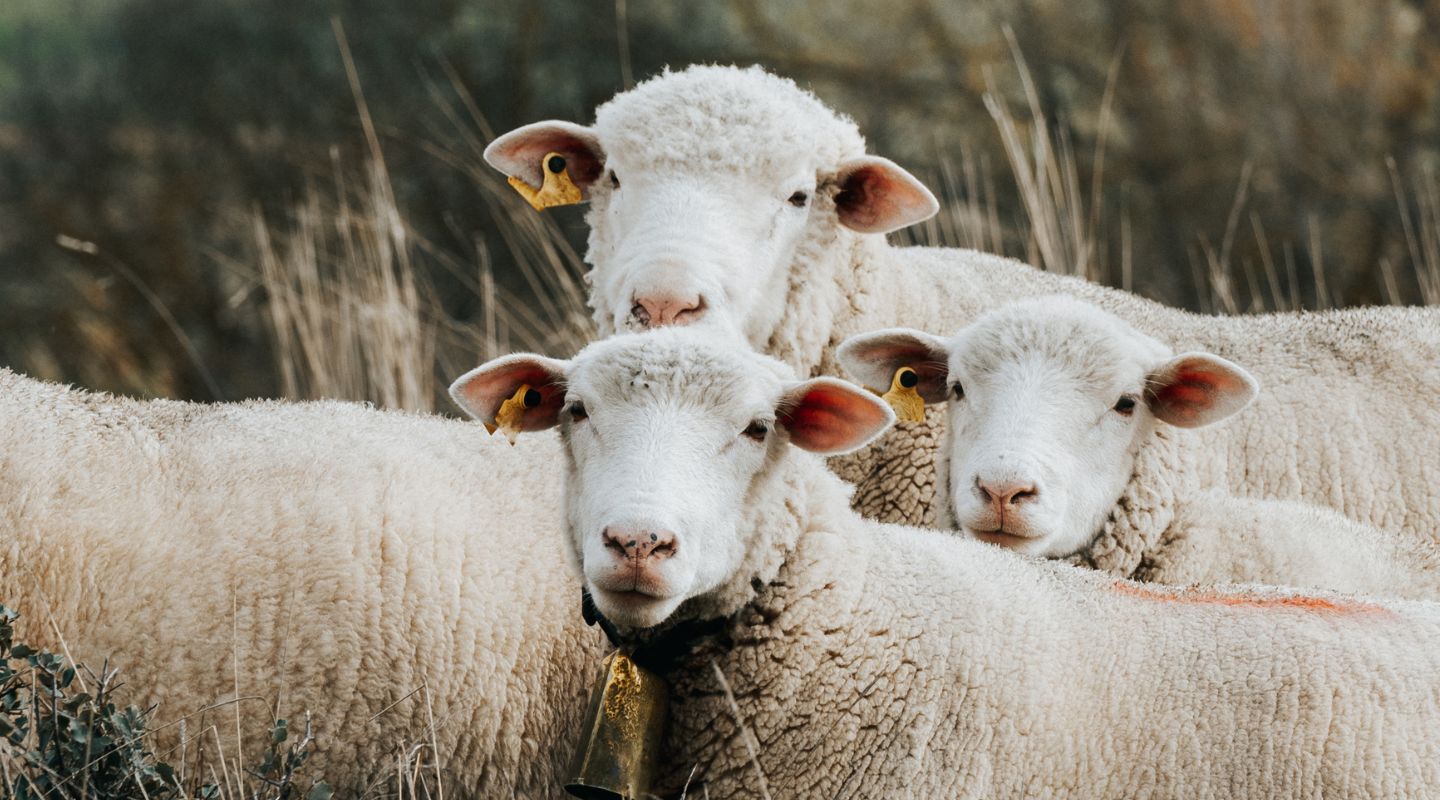
Mandatory carcass grading and price reporting will be required in slaughterhouses from Wednesday, January 28
WELSH sheep farmers are set to see new rules introduced next week aimed at making the lamb market fairer and more transparent.
From Wednesday (Jan 28), slaughterhouses in Wales will be required to classify sheep carcasses and report prices using a standardised system. The Welsh Government says the move will improve consistency in grading, make price information easier to compare, and help build confidence for farmers selling stock.
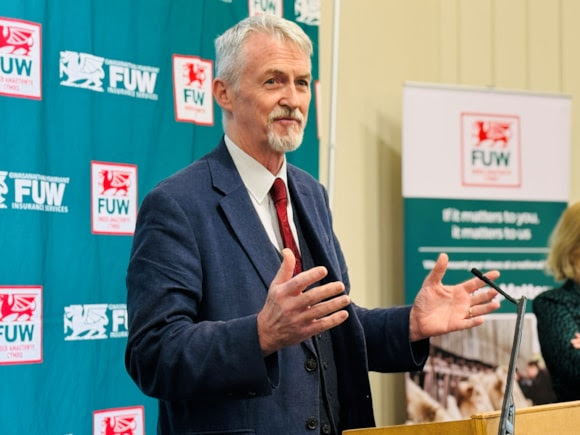
Deputy First Minister Huw Irranca-Davies announced the change during the Farmers’ Union of Wales (FUW) Farmhouse Breakfast event at the Norwegian Church in Cardiff.
He said the measures would support the industry by ensuring a consistent methodology for classifying carcasses in slaughterhouses, promoting transparency, fairness and productivity within the sheep market.
“Our iconic Welsh lamb is celebrated around the world for its outstanding quality and high production standards,” he said. “These measures will implement a consistent methodology for classifying sheep carcasses in slaughterhouses, promoting transparency, fairness, and increased productivity within the sheep market.”

The regulations bring the sheep sector into line with rules already used for beef and pork.
Hybu Cig Cymru – Meat Promotion Wales chief executive José Peralta said the changes would allow for greater data capture and analysis and improve transparency within the supply chain.
He said: “The new regulations, which now align with a similar position for cattle and pigs, will allow for greater data capture and analysis to be undertaken and support increased transparency within the sector. As a sector we must seek all opportunities for greater transparency within the supply chain to ensure that choices can be made from an informed position.”
The Welsh Government says the new approach is part of a wider UK framework, with similar arrangements already operating elsewhere.

During his address, the Deputy First Minister also pointed to further changes expected in 2026, including the planned introduction of the Sustainable Farming Scheme, which the Welsh Government describes as a new partnership between the people of Wales and farmers.
The scheme is intended to support the sustainable production of food while also responding to the climate and nature emergency.
The Welsh Government has also confirmed its commitment to financial support during the transition, with up to £238 million committed to the Universal layer and the legacy Basic Payment Scheme in 2026.

Deputy First Minister Huw Irranca-Davies said: “I would like to reiterate the Welsh Government’s commitment to supporting Welsh family farms, not just in the short term but also in the long run. Our goal is to prioritise stability for the farming industry, ensuring to balance this with sustainability at its very core.”
He added that supporting farmers through the change would be a priority, with consistent advice and support offered across the sector.
Building fairness within the agricultural supply chain remains a key Welsh Government priority, which it says is also integral to food security.


Hartt family members listed at Haverfordwest Magistrates’ Court over unpaid penalties linked to major cattle prosecution
TWO PEMBROKESHIRE farmers convicted in a major bovine tuberculosis-related cattle case are due back before the courts this week over unpaid financial penalties.
Henry Hartt, 66, of Ciffig, Whitland, and Edward William Henry Hartt, 48, of Llandewi Velfrey, are both listed to appear at Haverfordwest Magistrates’ Court on Thursday (June 11).
Court records show both men face proceedings relating to the non-payment of fines of £94,739.64 imposed on March 4, 2024. Separate applications to lodge committal warrants are also listed, relating to unpaid fines of £22,300 and £22,400 respectively.
The pair were among three members of the Hartt family sentenced at Swansea Crown Court in March 2024 following a major prosecution brought by Pembrokeshire County Council involving bovine TB controls.
The court heard that cattle known to have reacted to bovine tuberculosis tests were knowingly kept on-farm, while substitute animals were allegedly presented for slaughter instead.
At the time, Henry Hartt, Edward Hartt and Charles Hartt admitted a total of 12 cattle identification offences connected to Longford Farm, Clynderwen.
The case centred on failures to comply with bovine TB restrictions and cattle tracing rules designed to prevent the spread of the disease.
Each defendant was fined £24,000, while confiscation orders and prosecution costs running into hundreds of thousands of pounds were also imposed.
Thursday’s hearing is expected to deal with enforcement proceedings connected to the unpaid financial orders rather than the original criminal offences.
The Herald will be attending court.
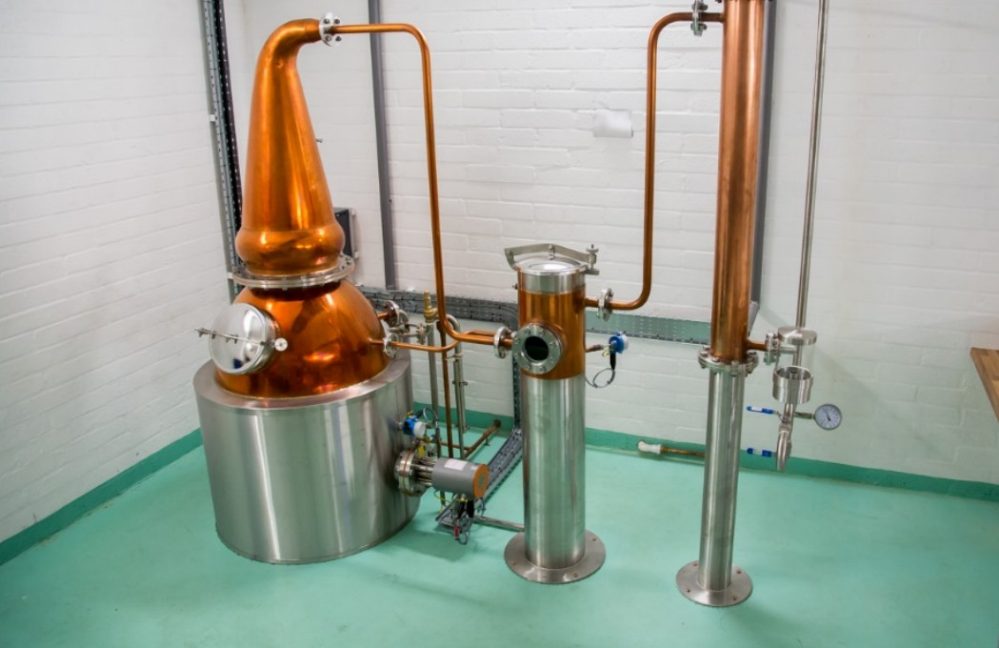
A CALL to keep a building which would partly be used a distillery at a Pembrokeshire farm which produces award-winning sheep milk-infused gin has been turned down by county planners.
In an application to Pembrokeshire County Council, Steven and Julie Ayers of Fifth Flock Spirits Ltd through agent Johnston Planning Ltd sought permission for the retention of a replacement building for farm diversification purposes incorporating a gin distillery with associated function/tasting room, reception area for farm businesses, including the distillery, a kennels and caravan site, along with offices and associated storage facilities at Nash Mountain Farm, Sardis.
Two previous similar 2024 and 2025 applications have been refused, the latest scheme removing some previous elements.
A supporting statement said the building would be used for farm diversification purposes for a number of established rural enterprises on the holding “but primarily in connection with Fifth Flock Spirits Ltd, a family run drinks company specializing in gin infused with milk derived from the resident flock at Nash Mountain”.
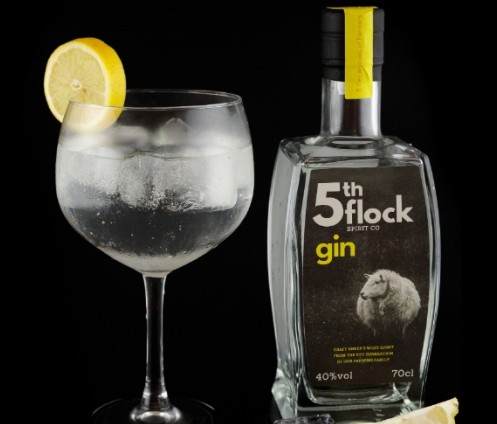
It said the 2023-erected building had replaced an earlier long-standing dilapidated farm building on the site, and is intended to play host to the three established farm enterprises which are run in conjunction with the main agricultural operation: Nash Mountain Kennels, Nash Mountain Caravan and Camping Site and primarily Fifth Flock Ltd.
It said internal works had yet to be completed, and, in addition to the retention of the building, the application also seeks permission for some external works which have not yet been carried out.
The statement said the Ayers family has farmed at 26ha Nash Mountain, which has a flock of 168 East Friesian sheep, for some five generations, the limited acreage meaning “the agricultural mainstay is not sufficient to sustain a viable business,” leading to the farm diversifications, with Fifth Flock the latest.
It said, in addition to the main farming operation, Nash Mountain also gains income from an on-site wind turbine, a caravan site, a boarding kennels with cattery, and Fifth Flock Ltd.
On the gin side, the statement says: “Fifth Flock Spirits Ltd Fifth Flock has operated from Nash Mountain since August 2025. It is at core currently a drinks enterprise based on the production of gin and rum infused with sheep’s milk, however, as set out in the accompanying business plan, the intention is to expand the offer into other sheep-based products to capitalise on the home flock.
“Since launching the enterprise has exceeded expectations with strong demand and accolades including A Taste of Pembrokeshire Award at the Pembrokeshire Food and Farming Awards in December 2025.
“Firth Flock currently source their gin from an independent distillery in Gorgeddan, Ceredigion however the intention, as reflected in this submission, is to develop the distilling element on-site and include it as part of an immersive visitor experience focussing on the home flock.
“Firth Flock has rapidly become a cornerstone of the enterprise at Nash Mountain and whilst the building at the centre of this proposal may have been premature there is a strong case for its retention as part of the overall rural enterprise on the holding.”

It adds that the Ayers are actively exploring diversification into other wool and sheep-based products.
The application was refused on the grounds including it was not demonstrated a countyside location was needed and there was not “sufficient evidence of a genuine and established rural enterprise necessitating the development,” adding: “In particular, the primary distilling process does not currently take place at the site and instead relies on off-site production, with only a future aspiration to relocate such activities.
“As a result, the proposal represents a speculative form of development that lacks a clear and direct functional link to the agricultural holding.”
It went on to say the scale of the proposals “introduces a level of intensity and built form more akin to a standalone commercial or tourism enterprise, rather than a modest farm diversification scheme”.
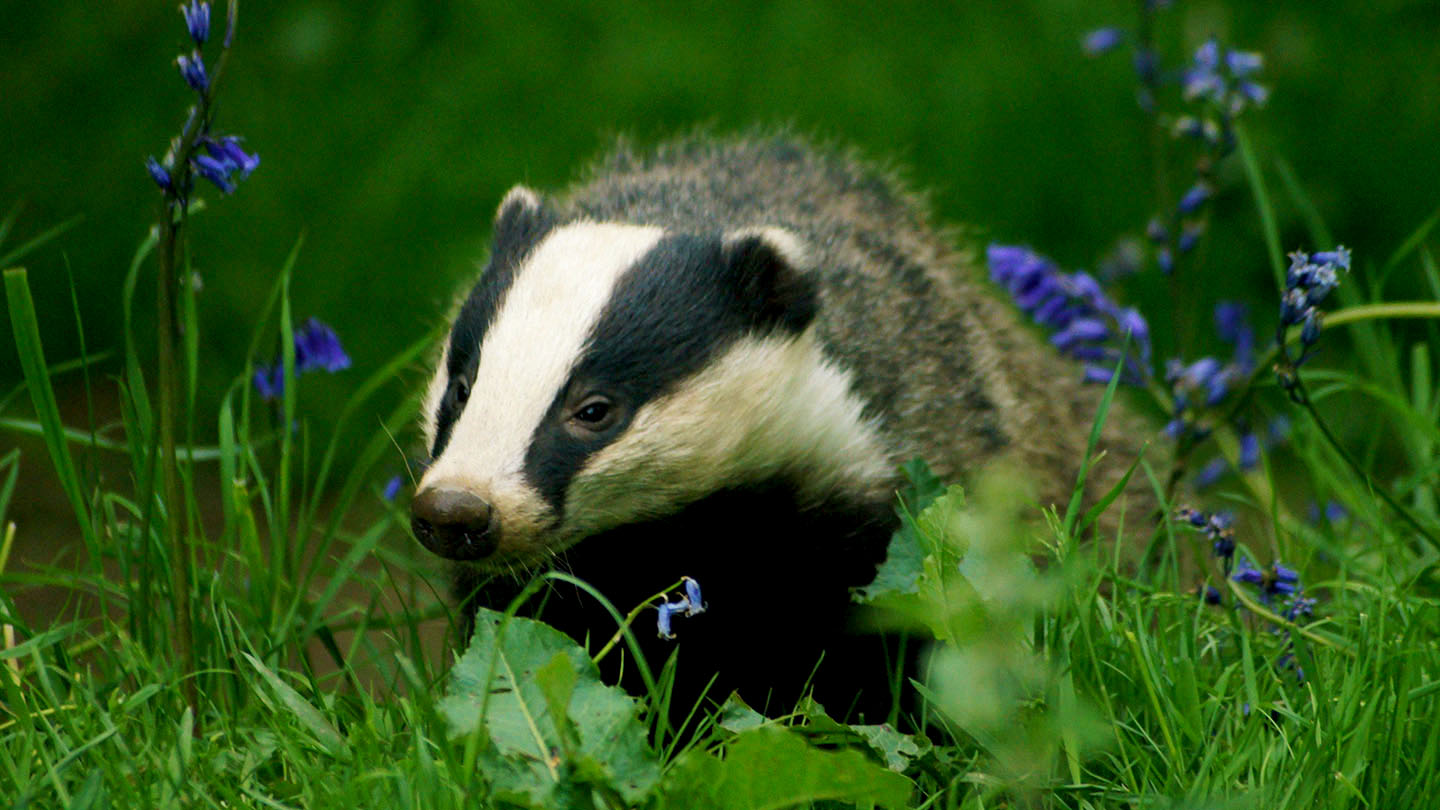
WELSH LABOUR has challenged Plaid Cymru over fears that badger culling could return as part of the new Welsh Government’s approach to bovine TB.
Interim Welsh Labour leader Ken Skates questioned First Minister Rhun ap Iorwerth in the Senedd today, Tuesday (Jun 9), after Plaid Cymru’s manifesto pledged a “new approach” to managing bovine TB which recognises wildlife as a source of infection and allows “scientifically validated control methods”.
Labour says the wording has raised concerns among animal welfare campaigners that badger culling could be reconsidered in Wales.
During First Minister’s Questions, Mr Skates asked: “What is Plaid Cymru’s preferred method of killing badgers? Is it to shoot badgers? To poison badgers? Perhaps bludgeon them, or gas them?
“Would you want the badgers shot or poisoned or do you have another method in mind?”
The First Minister did not rule out badger culling in his response, according to Welsh Labour.
However, Plaid Cymru has not explicitly said it will reintroduce badger culling. Its manifesto refers to “scientifically validated control methods”, wording which could cover a range of approaches unless ministers provide further clarification.
The issue remains highly sensitive in rural Wales. Farmers and farming unions have long argued that wildlife transmission must be addressed as part of any serious bovine TB strategy, while animal welfare campaigners strongly oppose any return to culling.
Labour said the previous Welsh Government rejected badger culling following research which it said showed the practice was cruel and ineffective in tackling the spread of bovine TB.
Mr Skates said: “I was appalled that the First Minister dismissed concerns raised about animal welfare today as ‘not a serious question’.
“Plaid Cymru’s approach to the outdated and cruel practice of culling badgers sets a dangerous precedent around how they will approach animal welfare. Which animal rights are they prepared to roll back on?
“Welsh Labour will continue to hold the government to account to ensure the progress made on a safer, kinder Wales for animals is not undone.”

Welsh Labour also pointed to its record on animal welfare, including bans on greyhound racing, snares and glue traps.
The Herald has asked Plaid Cymru and the Welsh Government to clarify whether badger culling is being considered.



Education9 hours ago
Diocese threatens legal action as Manorbier school closure battle intensifies
Church says council could face judicial review over fire-hit school A BITTER row over the future of Manorbier Church in...


Health11 hours ago
Baby loss charity calls for urgent action after latest Wales figures published
Sands says Welsh Government must set clearer targets to reduce stillbirths and neonatal deaths A BABY loss charity has called...

Health12 hours ago
Cancer delays worsening as west Wales hospitals struggle to recruit specialists
Health board admits standards are difficult to meet as doctors warn of “extremely dangerous” shortages PATIENTS in west Wales are...


News14 hours ago
Rhun ap Iorwerth highlights first 25 days in office as First Minister
Plaid Cymru leader says government is moving quickly on NHS, farming and economic priorities FIRST MINISTER Rhun ap Iorwerth has...


Crime2 days ago
Man accused of six rapes including alleged Haverfordwest offence
A MAN has been sent to Crown Court accused of six rapes, including an alleged offence at a Haverfordwest campsite....


News2 days ago
Childcare row erupts as Plaid faces questions over costs and delivery
Opposition parties clash over flagship pledge as Senedd debate exposes growing divisions PLAID CYMRU’S flagship promise to create what it...

Crime2 days ago
Farmers fined in bovine TB scandal face fresh court action
Hartt family members listed at Haverfordwest Magistrates’ Court over unpaid penalties linked to major cattle prosecution TWO PEMBROKESHIRE farmers convicted...


Crime2 days ago
Pembrokeshire child killer stabbed to death in prison cell, murder trial hears
Kyle Bevan, jailed for the murder of Haverfordwest toddler Lola James, was allegedly stabbed 25 times and left ‘as if...

News3 days ago
Pendine cliff fall victim recovering after major emergency response
A 22-YEAR-OLD man who suffered serious injuries after falling from cliffs overlooking Pendine Beach is recovering well following emergency surgery....


Community3 days ago
Commissioner launches free course to help tackle ageism in Wales
A NEW free learning course has been launched to help people across Wales recognise and challenge ageism. The Older People’s...
-

 Crime6 days ago
Milford Haven man admits harassment and assault
-

 News6 days ago
Community appeal for privacy after serious emergency in Pendine
-

 Crime5 days ago
Sex offender in senior role at Tenby family hotel
-

 Crime3 days ago
Haverfordwest pair accused of £80,000 rogue trading frauds
-

 Community4 days ago
Forgotten wartime archive found in Pembroke Dock attic after 80 years
-

 Crime4 days ago
Families condemn failed appeal by paddleboard boss jailed over Haverfordwest tragedy
-
 Crime4 days ago
Knife blankets call as school staff face rising violence fears
-
 Business7 days ago
Call for gym and Padel courts at Kiln Park Farm unanimously backed