


Comment
Holocaust Memorial Day: The gas chambers didn’t just appear

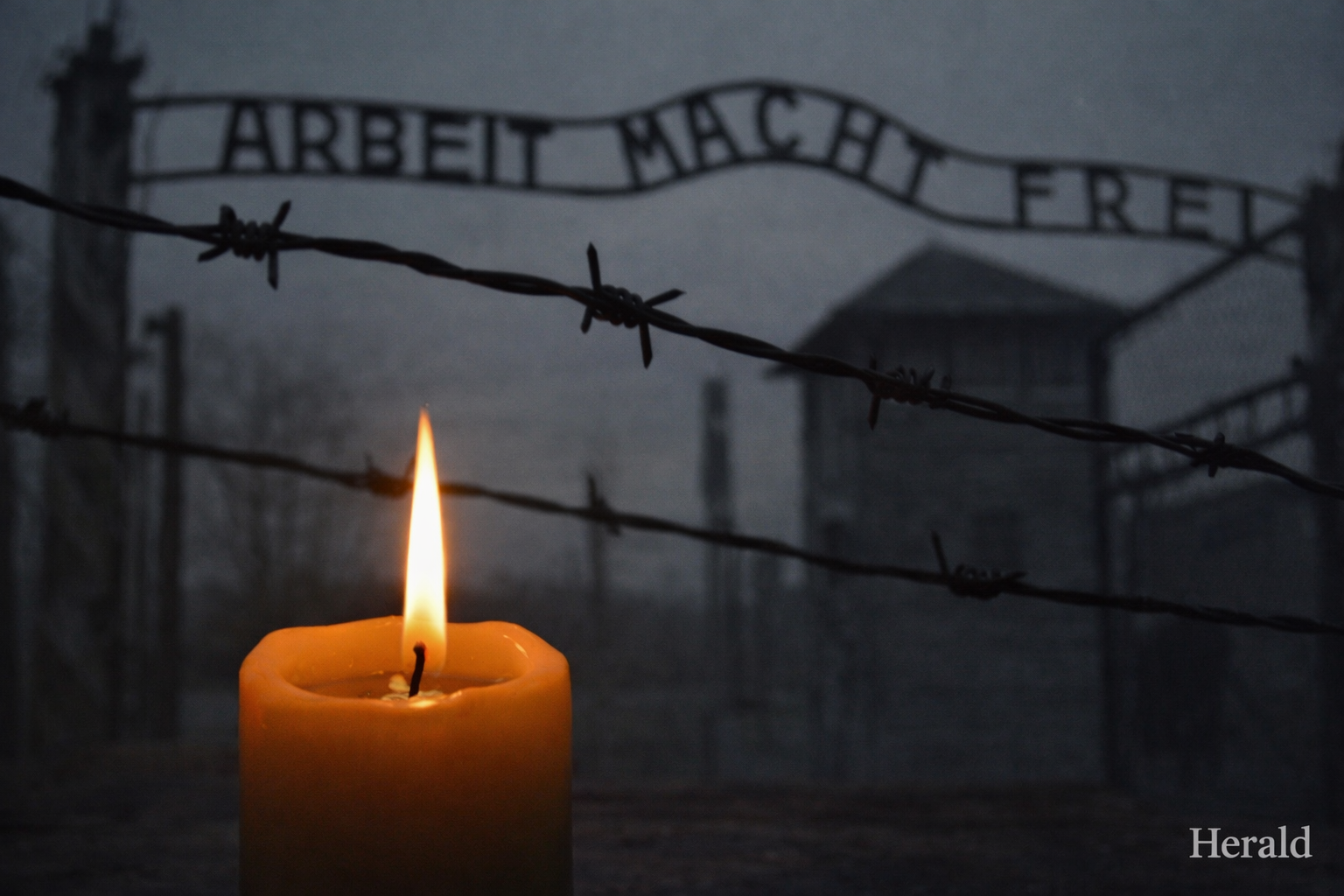
Opinion piece by Herald editor Tom Sinclair
TODAY is Holocaust Memorial Day, January 27, 2026. Across Wales we remember the six million Jews murdered by the Nazis, and the Roma, disabled people, gay men and women, political opponents, and many others the regime labelled undesirable. We light candles, say “never again”, and tell ourselves that kind of evil is locked in the past.
But if remembrance ends at the gates of Auschwitz, we miss the real lesson.
The Holocaust did not begin with gas chambers or cattle trucks. It began in ordinary places, shops, streets, pubs, council chambers, with words that stripped people of their humanity, laws that pushed them to the margins, and propaganda that turned neighbour against neighbour. It began when ordinary people started seeing others as problems, as threats, as not really belonging.
It began with politicians pointing fingers at who to blame.
With newspapers branded enemies of the people.

With courts and rules quietly bent.
With minorities held responsible for hard times.
With cruelty sold as common sense.
And above all, it began with silence.
Last week in Milford Haven, I saw that silence in action.
A shopkeeper, someone who came here from another country, set up a business, pays his way and serves the town, was racially abused inside his own shop. He tried to stop a man walking out with unpaid beer. For doing his job, he was told to “go back home”, told he was not welcome. The thief responded by sweeping stock off the shelves and smashing it onto the floor.
I asked why he did not ring the police. His answer came straight away. “What’s the point? They won’t do anything. It’ll just happen again tomorrow.”

That exchange stuck with me. Not because it was uniquely shocking, but because it felt horribly familiar. No new laws. No uniforms. No symbols. Just raw contempt, casual racism, and the shared understanding that nothing would come of it. A man contributing to the community was made to feel like an outsider in his own workplace, and he had already lost faith that anyone would step in to protect him.
This is how it starts. Abuse becomes normal. Victims stop reporting because experience has taught them the system will not respond. Prejudice is dismissed as “just words” or “banter”. Indifference takes hold.
We are often told not to make comparisons, not to be alarmist, not to link today with that past. Fair enough. History does not repeat itself in neat patterns. But it does move in stages, and the most dangerous stage is the one people fail to notice. The slow normalisation of division, cruelty and disregard.
In towns like Milford Haven, Haverfordwest and Pembroke Dock, places built on hard work and looking out for one another, we know what community means. We have weathered closures, recessions and hardship together. We do not turn away when one of our own is targeted.
Yet when a shopkeeper loses faith that the police or the public will stand with him, something vital erodes. When hate goes unchecked, the ground is quietly prepared for worse.
Holocaust Memorial Day is not about guilt. It is about vigilance. It asks the hardest question of all. Not what monsters once did, but what ordinary people allowed by doing nothing.
The worst crimes in history were not announced in advance. They were built quietly, policy by policy, lie by lie, while too many looked the other way.
That is why we still remember today. And why, in our Welsh towns, remembering must mean refusing silence.
If you see it, say something. If you hear it, challenge it. If someone is targeted, stand with them. Because “never again” only holds if we make it hold, here and now, in the places we live.

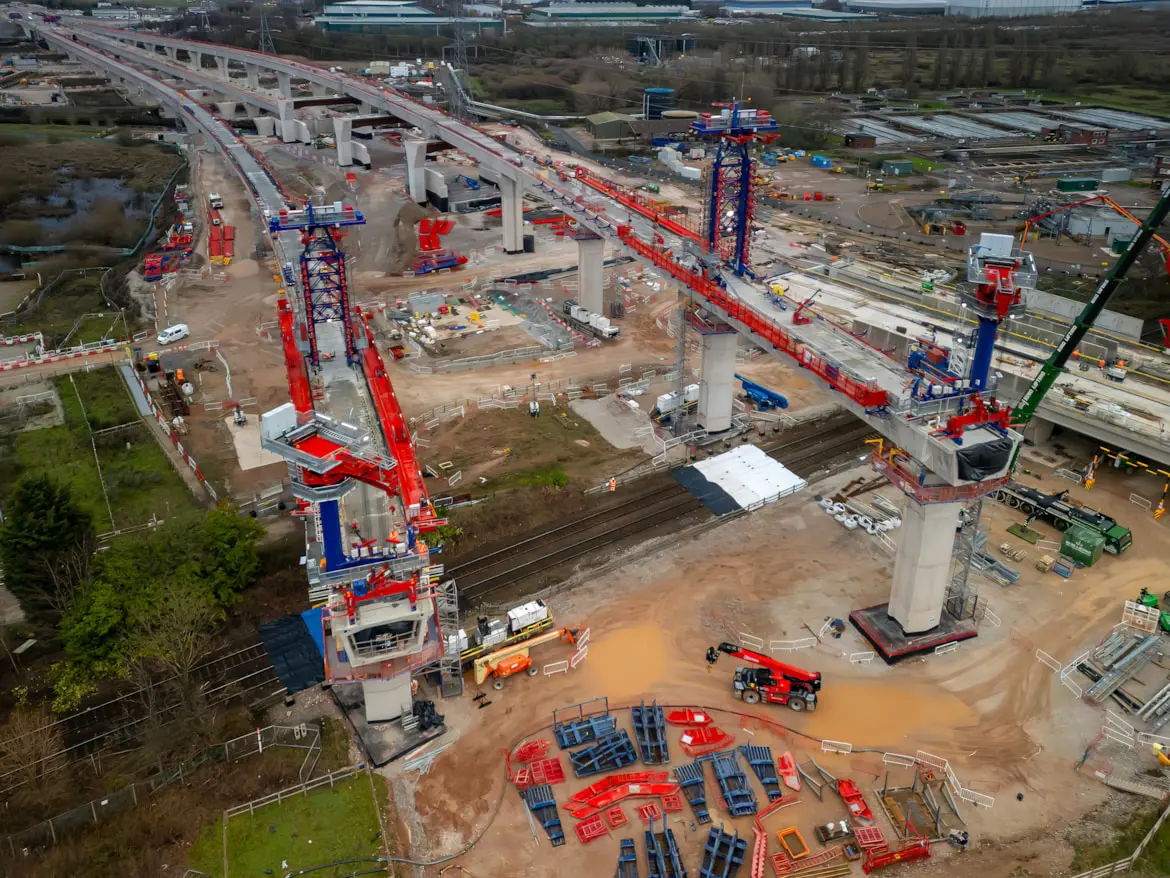
As HS2 balloons towards £100bn with fresh delays, the case for fair rail funding for Pembrokeshire and west Wales has never been stronger
THE MOST absurd aspect of HS2 is no longer just its eye-watering cost. It is the sheer scale of the broken promises — and the fact that Wales is still expected to help foot the bill while seeing almost none of the benefit.
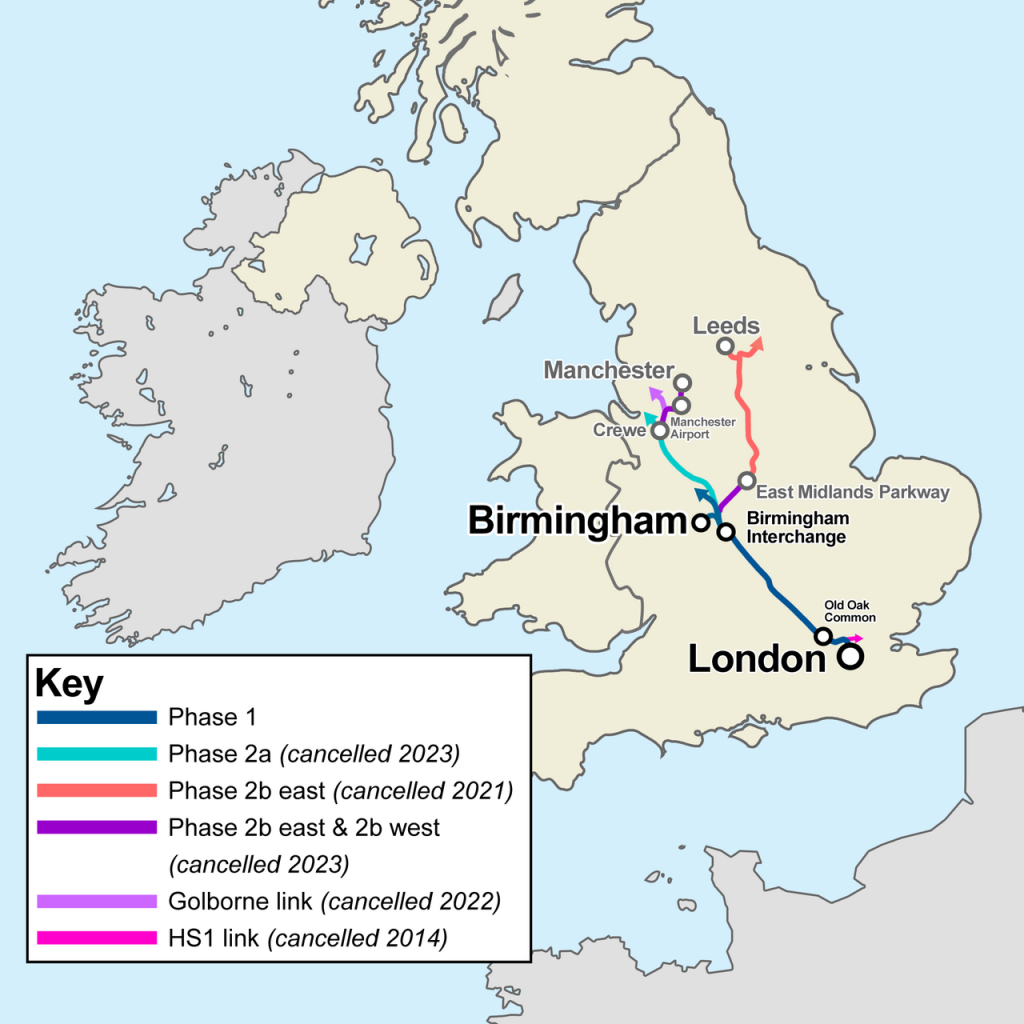
Once hailed as a high-speed revolution connecting London, Birmingham, Manchester and Leeds, HS2 has shrunk dramatically. The Manchester and Leeds legs are gone. The line may run slower than planned. Euston station remains uncertain. And the first passengers may not board until the late 2030s.
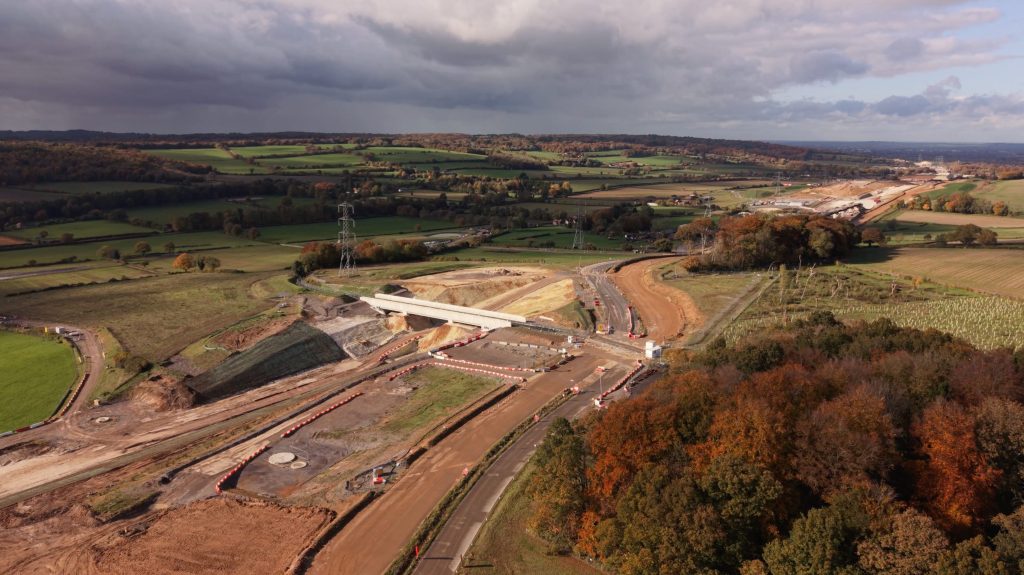
When people see photographs of vast HS2 works stretching into open countryside, it is easy to understand why many now ask whether Britain has spent tens of billions building infrastructure for a railway that no longer knows where it is going.
Latest estimates put the cost at between £87.7bn and £102.7bn. Billions have already been spent on structures, junctions and works linked to routes that no longer exist. What remains is a shorter, slower, vastly more expensive project than the one sold to the public over a decade ago.
Yet Wales is still counted in the “England and Wales” project.
This is the bitterest pill. No HS2 track reaches Wales. No station serves us. No journey times from Pembrokeshire, Carmarthenshire or Ceredigion are transformed. Commuters on the line from Milford Haven to Cardiff still battle ageing rolling stock, unreliable services and Victorian-era infrastructure that feels a world away from “high-speed Britain.”
The Treasury’s defence — that rail infrastructure is not devolved and HS2 benefits the wider England-and-Wales network — has always stretched credibility. Today, with the project scaled back, it looks untenable.
Scotland and Northern Ireland receive Barnett consequentials from HS2 spending. Wales, despite having no HS2 line, does not.
Independent estimates and repeated calls from Welsh politicians and parliamentary committees have long suggested Wales is owed billions in fair-share funding. Figures in the region of £4bn to £5bn have been cited — money that could upgrade west Wales lines, improve reliability, add capacity and modernise stations.
Local reality check
Would anyone in Pembroke Dock, Haverfordwest or Fishguard seriously claim they have gained from HS2?
When services are disrupted by signalling faults, track defects or rolling stock shortages, the idea that west Wales is already “benefiting” from a London-to-Birmingham railway rings hollow. Pembrokeshire’s rail connections remain among the most challenging in the UK, limiting economic opportunities, tourism and daily commutes.
This is not anti-rail investment. Britain needs better infrastructure. The problem is fairness.

Successive governments talk of “levelling up” and rebalancing the economy, yet Wales consistently receives a disproportionately low share of rail enhancement spending relative to need.
At a time when HS2 has become a symbol of mismanagement for many, telling Welsh taxpayers they have already had their share — while our own services lag — fuels a deeper sense of being at the back of the queue. It risks feeding cynicism about how Westminster treats Wales.
The solution is straightforward.
If HS2 is genuinely an England-and-Wales project delivering meaningful benefits here, show us the railway.
If not, reclassify it and deliver the Barnett consequentials Wales is owed.
That money could fund real improvements: better frequencies on the west Wales line, electrification, station upgrades and resilience works that actually touch Pembrokeshire communities.
Westminster must stop pretending. Local MPs, the Welsh Government and campaigners should keep pressing this case — because transport fairness is economic fairness.
Pembrokeshire deserves better than being asked to pay into a project that delivers its rewards somewhere else.

This is not the time to turn our backs on jobs, security and our proud defence heritage
PEMBROKESHIRE is once again being asked a simple question: do we want to be a county that helps shape Britain’s future, or one that says no to opportunity when it matters most?
The growing row over the proposed DARC project at Brawdy has generated more heat than light in recent days. With Eluned Morgan now calling for the scheme to be paused because of Donald Trump, and campaigners demanding it be scrapped altogether, it is worth stepping back from the noise and looking at what is really at stake.
Of course people are right to be alarmed by some of Trump’s behaviour. His rhetoric, his antics, and his bizarre attempts to wrap politics in religious theatre deserve criticism, ridicule even. If politicians want to condemn that kind of behaviour, fair enough. But serious decisions about Pembrokeshire’s future cannot be based on one man’s latest stunt.
Trump will not be President forever. By the time DARC is fully built, operational and delivering benefits, he will almost certainly be long gone. To throw away a major long-term opportunity for Pembrokeshire because of short-term panic over a single US President would be a serious mistake.
What is being proposed at Brawdy is not some passing political gimmick. It is a major defence and infrastructure project that would help secure the future of an existing military base, create jobs during construction, support permanent roles once operational, and ensure Pembrokeshire continues to play a serious role in national security.
That matters.
For this county, DARC is not an abstract foreign policy argument. It is a chance to protect the long-term future of a strategic site that has served Britain for decades. It is a chance to keep Brawdy alive, relevant and useful in a changing world, rather than letting it slowly drift into uncertainty and decline.
It is also a jobs issue, however much opponents try to talk that down. Construction work means contracts, wages and money circulating in the local economy. Once complete, the site would still need to be run, maintained, secured and supported. In a county where stable, skilled jobs are never to be sniffed at, that should matter to every sensible politician.
And then there is the wider issue of safety.
We are living in a more unstable world. Space is no longer some distant science-fiction sideshow. It is central to communications, intelligence, navigation and defence. Any country that cannot see what is happening above it is leaving itself dangerously exposed. Supporting DARC is not warmongering. It is common sense. It is about readiness, awareness and protecting the systems modern life now depends on.
Much of the argument against the project has been emotional. We hear a great deal about appearance, about symbolism, about fears of what the radar might represent. But leadership means weighing those concerns against reality. Pembrokeshire cannot afford to reject every major development on the basis that change makes people uncomfortable.
There is an uncomfortable truth here for DARC’s opponents. Protecting Pembrokeshire is not just about preserving a postcard view. It is also about protecting livelihoods, maintaining strategic assets, and making sure this county does not become a beautiful but economically sidelined corner of Wales where every serious opportunity is driven away.
A live military base with a renewed purpose is better than a fading one with none.
A project that brings jobs, investment and national relevance is better than managed decline dressed up as moral virtue.
And a serious defence asset in west Wales is better than the slow erosion of infrastructure while politicians pretend symbolism pays wages.
This newspaper understands why people care deeply about Pembrokeshire’s landscape and identity. So do we. But we also understand that counties survive by adapting, by staying useful, and by having the confidence to back projects that serve both local and national interests.
DARC does all of those things.
It would bring construction jobs. It would help sustain long-term operational roles. It would preserve the use of an important military base. And it would place Pembrokeshire at the heart of a serious national security project at a time when the world is becoming less safe, not more.
What Pembrokeshire needs now is not panic, hedging, or election-time theatrics. It needs backbone.
If politicians want to criticise Donald Trump, they are welcome to do so. But they should not use him as an excuse to duck a decision that could benefit Pembrokeshire for decades to come.
Trump is temporary.
The opportunity for Pembrokeshire is not.
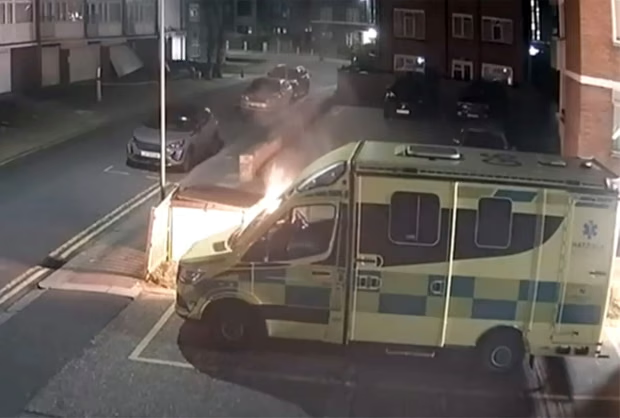
THE IMAGES from Golders Green this week should stop all of us in our tracks.
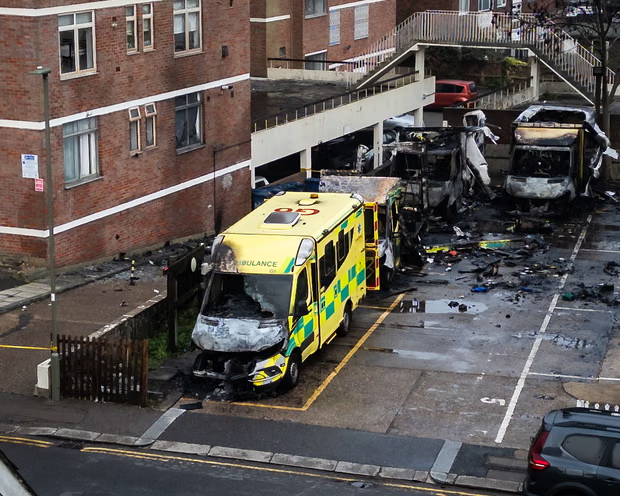
Ambulances, not symbols of power, not political offices, not even property tied to profit, but ambulances, vehicles dedicated to saving lives, were set alight in the early hours of the morning. Oxygen tanks exploded. Families were forced from their homes. Volunteers who give their time freely to help others were targeted.
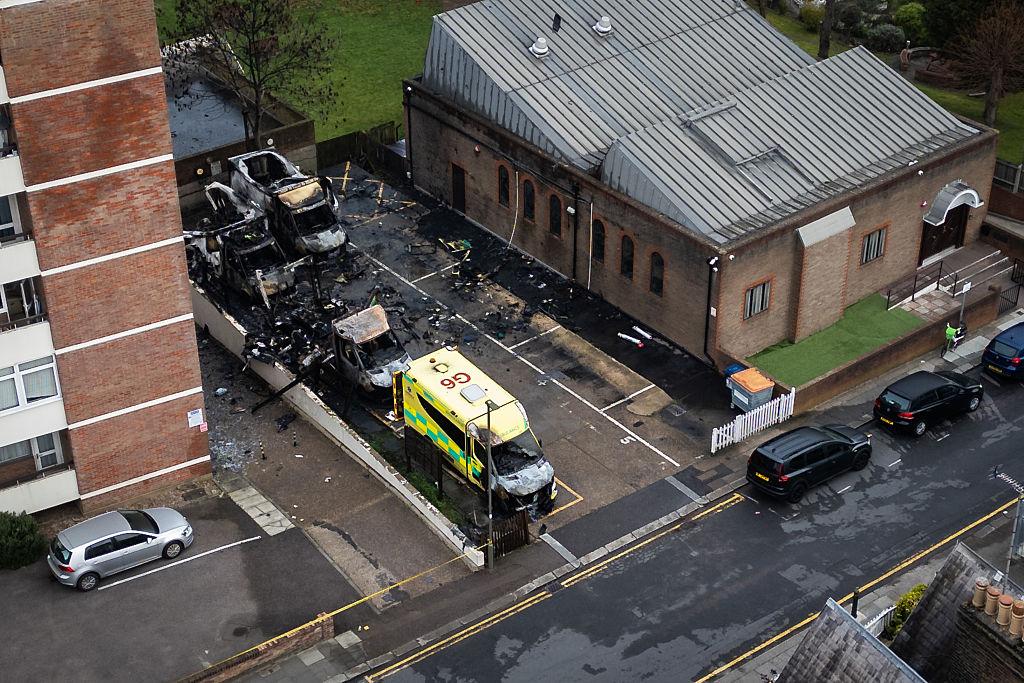
If that does not cross a line, then we have lost sight of where the line is.
Police are treating the attack as antisemitic. It is hard to see it as anything else. And it should be said plainly: there is no cause, no grievance, no anger about events abroad that can justify targeting Jewish communities in Britain, least of all those providing emergency care.
But if we are honest, this did not come out of nowhere.
Across Europe, and yes, in parts of the UK, tensions linked to the Israel-Gaza conflict have been bleeding into our streets, our conversations, and increasingly, our behaviour. What begins as outrage about war risks mutating into something darker: collective blame, dehumanisation, and eventually violence.
We have seen this pattern before in history. It never ends well.
At the same time, we cannot pretend that outrage only travels in one direction. Reports from the West Bank of settler violence, homes torched, communities terrorised, are deeply disturbing. Innocent people are suffering there too, often with little protection and even less accountability.
These are different situations, with different causes and different responsibilities. But they are connected by one dangerous thread: the erosion of empathy.
When people stop seeing individuals and start seeing “sides”, everything becomes easier to justify.
Burning an ambulance becomes, in someone’s mind, an act of resistance.
Torching a home becomes, in someone else’s mind, a matter of security.
Both are wrong.

And both depend on the same lie, that the person on the receiving end somehow deserves it.
Britain now faces a choice.
We can import the hatred of a conflict thousands of miles away, allowing it to fracture communities that have lived side by side for generations. Or we can draw a firm line and say: not here.
That means something uncomfortable for everyone.
Those who stand with Israel must be willing to speak out when Palestinians are attacked unjustly. Silence in those moments undermines credibility and fuels resentment.
Those who stand with Palestine must be equally clear in condemning antisemitism, not hedging it, not contextualising it, not quietly ignoring it when it appears on “their side”.
Because once you start excusing hatred when it suits your position, you are no longer arguing for justice, you are just choosing your victims.
The attack in Golders Green is not just about four burnt-out vehicles. It is a warning sign.
If ambulances are fair game, what is not?
Britain has long prided itself on being a place where different communities can live together, disagree, protest, and still recognise each other’s humanity. That tradition is under strain.
The truth is, anger is easy. Outrage is easy. Social media makes both effortless.
Restraint is harder. Nuance is harder. Refusing to hate, especially when confronted with images of suffering, is one of the hardest things we can ask of people.
But it is also the only thing that prevents society from sliding into something far worse.
The flames in Golders Green were put out.
What matters now is whether we put out the ones that lit them.



News3 hours ago
Brexit at 10: How Britain was sold a dream that cost us dearly
A decade after the referendum, the promised benefits remain hard to find while the economic costs are increasingly difficult to...


Crime5 hours ago
Worcestershire man jailed after violent attack on woman in Tenby
Defendant was already serving a suspended sentence when serious assault took place A WORCESTERSHIRE man has been jailed for more...


Climate7 hours ago
Offshore wind ‘could bring new generation of jobs to Milford Haven’
Pembrokeshire ports and Celtic Sea projects placed at centre of Wales’ green energy ambitions MILFORD HAVEN and Pembroke Dock could...

Community1 day ago
Police officer hailed hero after midnight sea rescue in Milford Haven
PC swam 100 metres offshore to save distressed woman heard calling for help in darkness A DYFED-POWYS POLICE officer has...


Local Government1 day ago
Security privately arranged by Mayor at Beating of the Bounds
HAVERFORDWEST TOWN COUNCIL has confirmed that security personnel seen at this year’s Beating of the Bounds were privately arranged and...

Business2 days ago
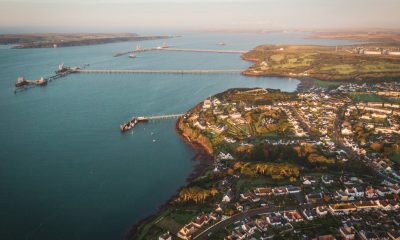
Celtic Freeport five-year plan puts Milford Haven at centre of green energy future
Strategy promises investment, skilled jobs and new supply chains, but major barriers remain over grid connections, planning and delivery THE...


Education2 days ago
Closure of Ysgol Clydau approved after emotional council debate
COUNCILLORS WARNED RURAL COMMUNITIES WILL REMEMBER DECISION PEMBROKESHIRE councillors have voted to close Ysgol Clydau following an emotional debate over...


Education3 days ago
Manorbier school closure process to continue after narrow council vote
Questions remain over insurance, rebuilding costs and possible legal action by Diocese PEMBROKESHIRE councillors have voted to press ahead with...

Community3 days ago
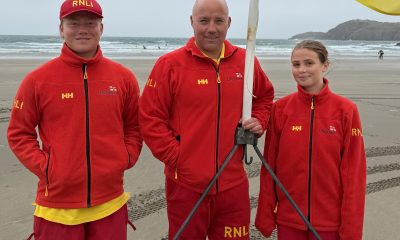
The father, son and daughter lifeguard trio saving lives in Pembrokeshire
A FATHER, son and daughter are preparing to help keep beachgoers safe on the Pembrokeshire coast this summer as part...

Community3 days ago
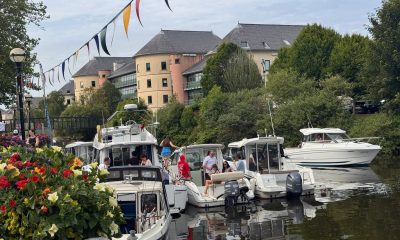
Beating of the Bounds brings music, boats and tradition to Haverfordwest
CENTURIES-OLD CEREMONY DRAWS FAMILIES TO THE RIVERSIDE HAVERFORDWEST’S historic Beating of the Bounds returned on Sunday (Jun 14), with boats,...
-
 Community3 days ago
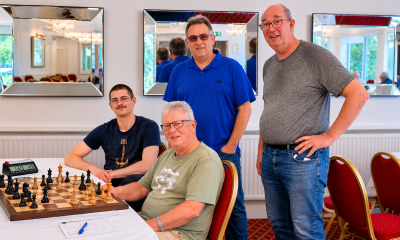
Pembrokeshire Chess Club crowned Welsh champions
-
Local Government1 day ago
Security privately arranged by Mayor at Beating of the Bounds
-

 Crime6 days ago
Pembroke Dock teenager sentenced over train strangulation attack
-

 Education5 days ago
Diocese threatens legal action as Manorbier school closure battle intensifies
-

 Crime6 days ago
Man accused of six rapes including alleged Haverfordwest offence
-

 Crime1 day ago
Man wanted by court after failing to attend hearing over alleged shop thefts
-
 Local Government6 days ago
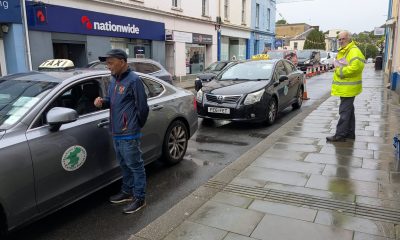
Taxi suspended after county-wide licensing checks
-

 Crime6 days ago
Brothers found guilty of causing death of Welsh dad in ‘reckless’ race