


News
Wales could tax disused land to unlock stalled housing sites


A NEW tax on long-vacant plots of land could be introduced in Wales in a bid to force stalled housing sites back into use and speed up housebuilding, ministers have confirmed.
The Welsh Government and the UK government are preparing a joint consultation on devolving powers that would allow Wales to create a vacant land tax targeting sites that have planning permission but remain undeveloped.
Ministers say the move is aimed squarely at discouraging “land banking” — where land is bought and held in the hope its value will rise, rather than being built on — a practice they argue is worsening the housing shortage.
Research commissioned by the Welsh Government previously identified 456 “stalled” sites across Wales, including 376 earmarked for homes, that have failed to progress.
Finance secretary Mark Drakeford said the proposals were about behaviour, not revenue.

“This is not about raising money but changing behaviour and getting more houses built,” he said. “A tax on land that has been designated for development but has not yet been developed could encourage building within expected timescales.”
The powers would first need to be transferred from Westminster before any levy could be introduced by the Senedd Cymru.
Consultation expected
At Westminster, Welsh Secretary Jo Stevens told MPs the change would have a “positive and tangible” impact.
She said: “There are pockets of land being held for ever and ever and we need to bring them back into use.”

Officials have indicated the consultation will be launched soon, though it is not expected before the next Senedd election.
Any new tax would require approval from both Houses of Parliament and the Senedd before coming into force.
Political divide
The plans come as housing supply remains a major political battleground ahead of the election, with Plaid Cymru and other opposition parties pressing Labour to go further on devolution and regeneration powers.

First Minister Eluned Morgan has previously called for additional powers and funding from Prime Minister Keir Starmer, saying Wales needs more tools to tackle housing and infrastructure challenges.
Plaid Cymru has welcomed the consultation, though it argues Wales should also gain control over areas such as rail and the Crown Estate.
Stevens rejected calls to devolve the Crown Estate, warning it could disrupt investment and delay offshore energy projects.
Opposition scepticism
Welsh Conservatives questioned whether the proposals would deliver real change.
Shadow finance spokesman Sam Rowlands said ministers must provide clear data and timescales.
“If this is truly about building more homes rather than raising revenue, ministers should be upfront with the Welsh public about the impact,” he said. “Warm words are not enough.”
Ministers insist the aim is to encourage regeneration, prevent dereliction and unlock brownfield land for affordable homes — particularly in towns where unused plots have remained empty for years.
If approved, Wales would join a growing number of governments looking at fiscal measures to push developers to build sooner rather than later.
The proposal is not new. The Welsh Government first identified a vacant land tax as a priority back in 2018, when ministers began formally requesting powers from Westminster to introduce it. Research published by Senedd Cymru shows those discussions dragged on for years, with talks repeatedly stalling as the UK Treasury sought further evidence and clarification, leaving the plans effectively at an impasse. At one stage ministers said six years had passed with little progress. The latest joint consultation therefore marks the first real movement in nearly a decade — and could finally unlock a policy long promised as a way to bring derelict and unused sites back into productive use across Wales.


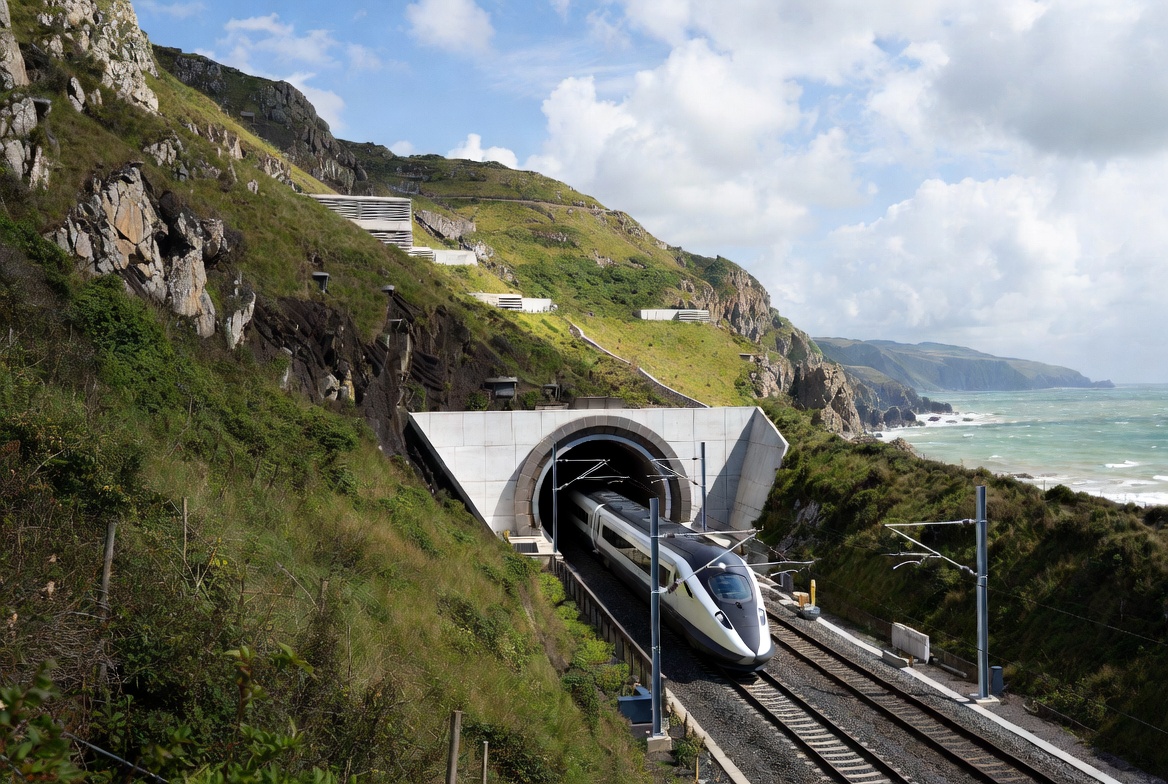
Six-hour London to Dublin service proposed in £32bn project ahead of Senedd election
PLANS for a rail tunnel linking west Wales directly to Ireland have emerged, with a company owned by tech billionaire Elon Musk said to be involved in early-stage discussions.
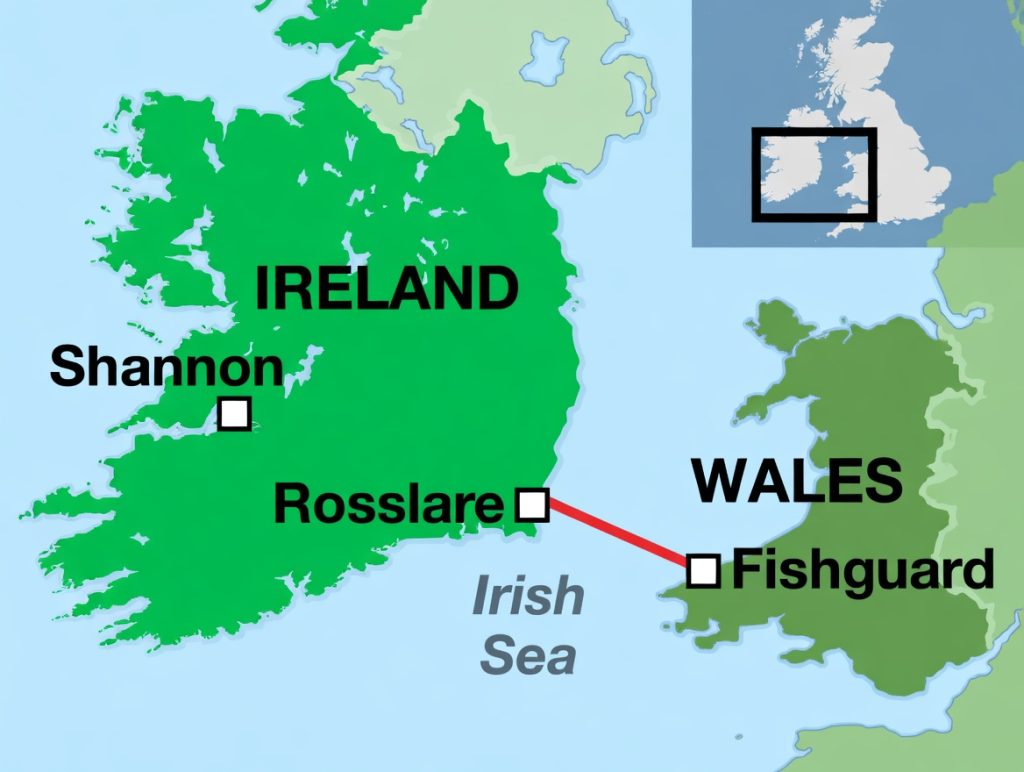
The proposed fixed link would connect Fishguard with Wexford, creating the first direct rail connection between the UK and Ireland.
Sources indicate that The Boring Company has been exploring the feasibility of constructing the tunnel, which could form part of a wider transport corridor linking London and Dublin.
Six-hour London to Dublin service
Under the plans, an express rail service could run directly from London to Dublin in around six hours, significantly reducing current journey times and removing the need for ferry crossings.
Passengers would travel via south Wales before entering the tunnel beneath the Irish Sea, with vehicles transported on specialised rail carriers similar to those used on the Channel Tunnel.
One source familiar with the discussions said: “This would be a game-changer for connectivity between Britain and Ireland. It’s being looked at very seriously.”
£32bn project backed by private investment
The project is expected to cost in the region of £32 billion, with the bulk of funding understood to come from private sector investors.
Sources suggest that both the Welsh Government and Irish authorities would support the scheme through planning, facilitation and long-term guarantees, but that no direct funding has been committed by Westminster.
Insiders say the decision reflects ongoing pressure on UK public finances following the spiralling cost of High Speed 2.

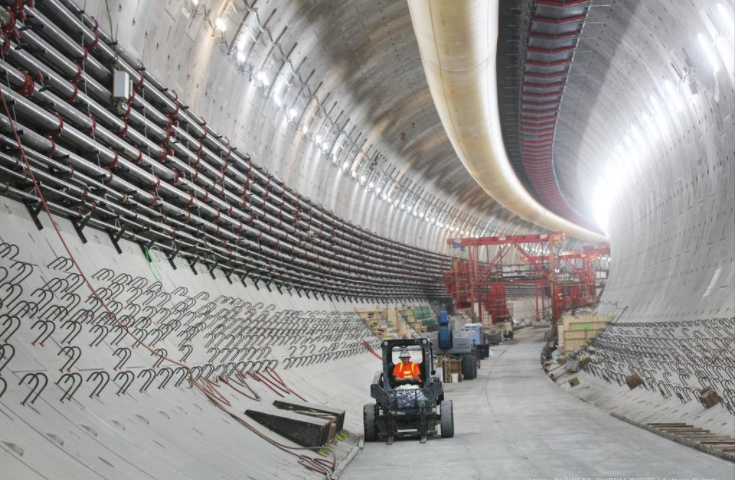
HS2 ‘owes Wales’ debate reignited
The proposal is also expected to reignite debate over whether Wales should have received additional funding as a result of HS2.
Critics have long argued that the classification of the project as an “England and Wales” scheme has denied Wales billions of pounds in consequential funding through the Barnett formula.
One political source told The Herald: “There is a growing view that HS2 effectively owes Wales a major infrastructure investment of its own.”
Election timing questioned
It is understood that the Welsh Government has brought forward the proposal just weeks ahead of the Senedd elections, in what some insiders believe is an attempt to boost support.
With First Minister Eluned Morgan facing a challenging political landscape, sources suggest the announcement of a bold, high-profile infrastructure project could help shift momentum ahead of polling day.
One insider said: “This is exactly the kind of big, attention-grabbing policy that can change the narrative during an election campaign.”
However, the concept of a fixed link between south Wales and Ireland is not new. A 2004 report by the Institution of Engineers of Ireland outlined a “Tuskar route” linking Fishguard and Rosslare via a tunnel beneath the Irish Sea. The proposal, which formed part of a wider long-term transport vision for Ireland, suggested a crossing of around 45 miles (72km) — broadly comparable in scale to the current plans under discussion.
Ferry firms raise concerns
Operators running services from Fishguard Harbour have reacted with concern, warning the plans could have a major impact on existing ferry routes.
An industry source said: “If this goes ahead, it would fundamentally change travel patterns. Ferry services could struggle to compete.”
Questions over Cardiff Airport links
The proposal is also likely to raise questions about the future of existing air routes between Wales and Ireland, particularly those operating from Cardiff Airport to Dublin.
With the Welsh Government owning and subsidising the airport, critics say a high-speed rail alternative could put pressure on passenger numbers.
One observer said: “If you suddenly have a direct six-hour rail service city-to-city, it inevitably puts pressure on short-haul flights.”
Economic boost for west Wales
Supporters of the scheme argue that, if delivered, the project could provide a major long-term economic boost to west Wales, improving connectivity, increasing tourism, and strengthening trade links.
The Herald understands that early projections suggest the scheme could bring significant investment and job creation to Pembrokeshire during both construction and operation.
However, key details — including environmental impact, construction timelines and final funding arrangements — have yet to be confirmed.
A fixed link between south Wales and Ireland has been discussed in various forms for decades, but has never progressed beyond early-stage proposals.
Some within government are said to view the scheme as a way of finally delivering Wales’ share of major infrastructure investment following HS2.

Former offender now helping homeless in Newport outreach programme
A SALVATION Army support worker who spent years caught up in crime and prison has shared a powerful message of hope this Easter — urging others never to give up.
Ray Faulkner, now working on a daily breakfast outreach in Newport, says his life has been transformed after decades of hardship, racism and time behind bars.
Born in London in 1962, Ray was sent to Jamaica as a child due to severe asthma and raised by his grandparents. He returned to the UK aged sixteen, settling in Bristol — where he says he experienced racism for the first time.
Speaking about his early years, Ray said: “I arrived in the city a week after the 1980 riots. It was a volatile place. Getting a job was not easy for a young black lad fresh into the UK from the West Indies.
“It was a culture shock as I’d never experienced racism back in Jamaica. I rebelled and pushed back against life. My anger and aggression got worse. I felt harassed by the police. I was drawn into gangs and street crime and started getting into trouble.”

Despite developing a passion for food while working at a sandwich bar in Bristol market, Ray’s life spiralled into repeated offending, leading to a lengthy prison sentence — which he describes as feeling like a “life sentence”.
He was eventually released in 2018.
After leaving prison, Ray began volunteering, cooking meals for people experiencing homelessness during the Covid lockdown. He later secured a role with The Salvation Army, working on its Breakfast Run — part of The Open Door Project in Newport.
His role involves early morning outreach, providing food and support to people sleeping rough across the city.

“When I came out of prison, I was volunteering and cooking food for people experiencing homelessness,” he said.
“This job was like the heavens opened. My message is don’t give up — there is always hope.
“I go out early in the morning to meet people wherever they are — in tents, alleyways or under bridges. I offer breakfast and a hot drink, but more importantly I try to build trust. My goal is to help people into accommodation and proper support.”

Newport’s Outreach Programme Manager Zoë Mathias said Ray’s journey had made him a vital part of the team.
“Ray’s story is one of new beginnings,” she said.
“After facing racism, hardship and more than 20 years in prison, he chose hope instead of anger. He now uses his own experiences to support people who feel forgotten. He has flourished here and become a valued colleague.”
The outreach programme operates seven days a week and supports around seventy people at any one time. Over the past year, 263 individuals have received help, with around three-quarters moving on to more stable situations.
Latest Welsh Government figures show Newport has one of the highest homelessness rates in Wales. In 2024–25, around 187.9 households per 10,000 were assessed as homeless — roughly one in every 53 households.
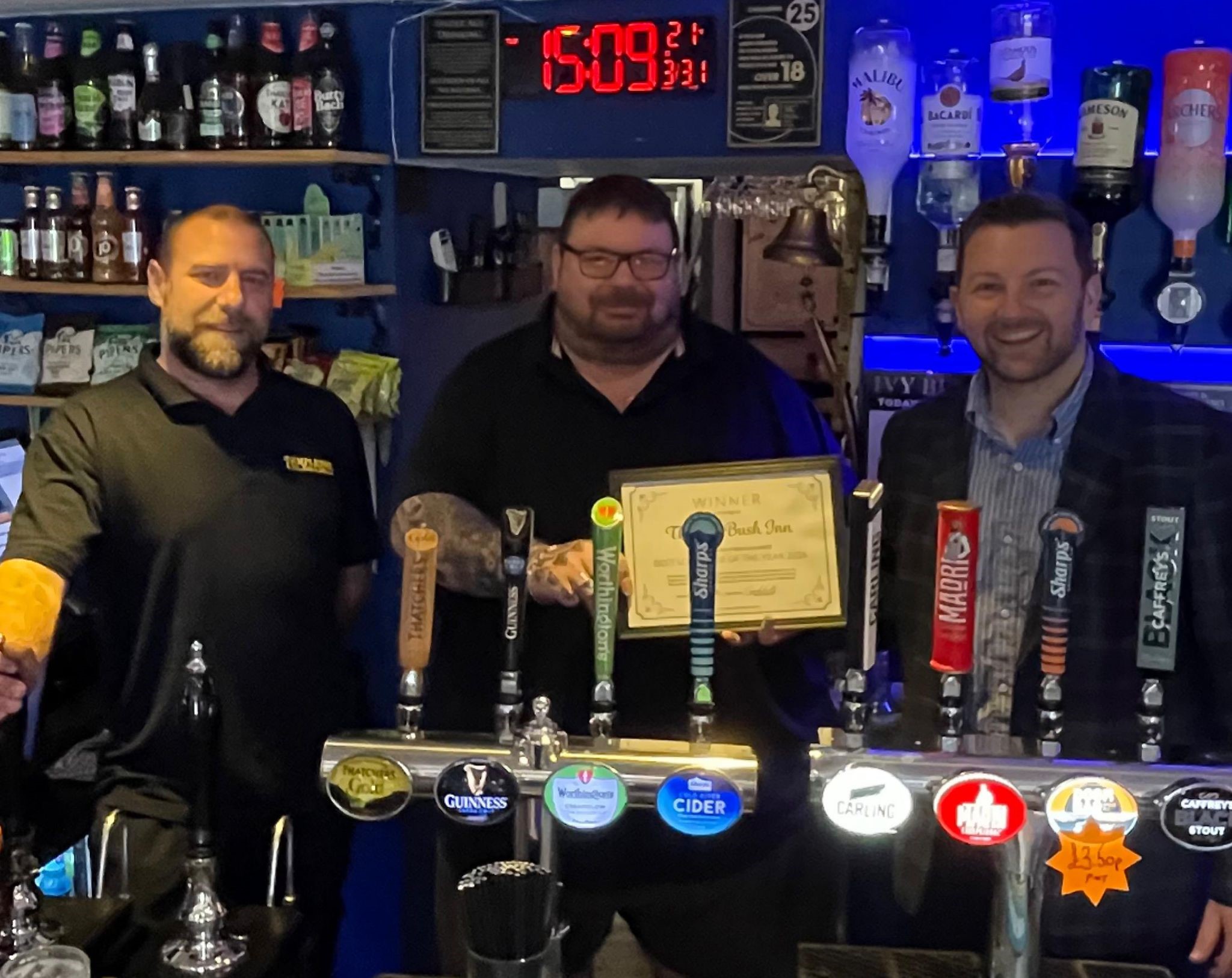
Narberth favourite retains title after overwhelming public support
THE IVY BUSH Inn has been crowned Best Local Pub 2026, retaining its title after receiving an overwhelming show of support from the community.
The popular Narberth venue dominated this year’s competition, attracting more than 150 nominations—far surpassing all other entrants and cementing its place at the heart of local life.
The annual competition, organised by Conservative Senedd Member Samuel Kurtz MS and supported by Templeton Beer Wine and Spirit Co, celebrates the vital role pubs play across Pembrokeshire. Now in its second year, the initiative highlights how pubs continue to bring communities together.
More than 1,000 nominations were submitted by the public this year, with over 70 pubs across the county taking part.
In second place was the Highgate Inn in Hundleton, followed by the Watermans Arms in Pembroke, both praised for their strong community focus and welcoming atmosphere.
Other highly commended venues included The Bunker, The Cross Saws and The Cresselly Arms, showcasing the strength and diversity of Pembrokeshire’s pub scene.
The Ivy Bush Inn was presented with a free keg of beer and a winner’s certificate on Tuesday (Mar 31).
Voters were quick to praise the Narberth pub for its atmosphere and inclusivity.
“It’s the heart of Narberth—always something going on and everyone is welcome,” said one.
Another added: “From the moment you walk in, you feel like family,” while others described it as having a “brilliant atmosphere, great staff and the best nights out around.”
The strength of feeling extended across the competition, with many highlighting the wider role pubs play in their communities.
“Not just a pub—it’s the hub of the village,” one voter said of the Highgate Inn, while the Watermans Arms was described as “a place where everyone feels welcome and supported.”

The Cresselly Arms also received praise, with one nomination stating: “Always a warm welcome from Steve and his staff in this unspoilt, special pub.”
Samuel Kurtz MS said: “This competition has once again shown just how important our local pubs are to communities across Pembrokeshire. The response has been incredible.
“The Ivy Bush Inn’s level of support was exceptional and a testament to the role it plays in Narberth. But every single pub nominated should be proud. They are the backbone of our communities, and the comments about each establishment have been a joy to read.”
Jason Vaughan, owner of The Ivy Bush Inn, added: “We’re absolutely thrilled to win again. This means so much because it comes directly from our customers and community. Thank you to everyone who voted—we’re incredibly grateful for your support.”
Lyndon Belt of Templeton Beer Wine and Spirit Co said: “It’s fantastic to see so many people getting behind their local pubs. They are such an important part of our communities and deserve to be recognised.”


Business10 hours ago
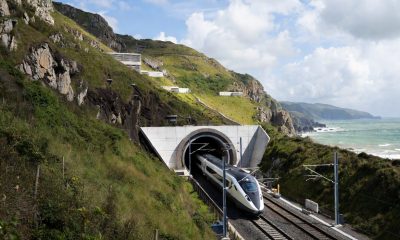
Fishguard to Wexford rail tunnel plan backed by Elon Musk firm
Six-hour London to Dublin service proposed in £32bn project ahead of Senedd election PLANS for a rail tunnel linking west...


Charity22 hours ago
Milford Haven charity honoured with King’s Award for voluntary service
A PEMBROKESHIRE charity supporting vulnerable young people has received one of the highest honours in the UK for voluntary work....


News2 days ago
Plaid Cymru launches bid to lead next Welsh Government
Party positions itself as ‘government-in-waiting’ ahead of May election PLAID CYMRU has formally launched its campaign for the 2026 Senedd...


Crime2 days ago
Police appeal after attempted child abduction in Haverfordwest
DYFED-POWYS POLICE has launched an appeal for witnesses following a reported attempted abduction of a 12-year-old girl in Haverfordwest. The...


Crime3 days ago
Gunshot fired by police during incident in Milford Haven
A POLICE officer discharged a firearm during an incident in Milford Haven on Saturday evening (March 28), prompting an investigation...


Community4 days ago
Three Amigos Easter Run roars through Pembrokeshire
MOTORCYCLE enthusiasts turned out in force today (Saturday, March 28) as the popular Three Amigos Easter Run returned to the...


Education5 days ago
Ysgol Henry Tudor reassures parents over Sikh ceremonial kirpan
School says religious item worn by pupil is secured, symbolic and non-functional YSGOL HENRY TUDOR has moved to reassure parents...


Crime6 days ago
Teen jailed after starting fire while others slept
Fire set in shared home left sleeping residents at risk and caused £130,000 damage A TEENAGER who started a fire...


Health6 days ago
GP crisis driving NHS pressure in Wales, Senedd report warns
Falling GP numbers and funding gaps blamed for worsening hospital delays THE NHS crisis highlighted earlier this week is being...


News7 days ago
Reform reveals west Wales candidates for Senedd battle
Monkton councillor tops Pembrokeshire list as party confirms Carmarthenshire names and includes Haverfordwest councillor in unwinnable Swansea spot REFORM UK...
-

 News7 days ago
Welsh Government outlines progress on flood resilience plans
-

 Community6 days ago
Hero female officer keeps job after sexual touching finding
-
Education5 days ago
Ysgol Henry Tudor reassures parents over Sikh ceremonial kirpan
-

 Business6 days ago
Popular Italian restaurant hit with £278,000 tax bill plus £186,000 fine
-

 Crime7 days ago
Hakin motorist banned after drink-drive crash
-

 Health7 days ago
Clash over Withybush Hospital services as Paul Davies challenges First Minister
-

 Sport7 days ago
Record-breaking disability swim gala celebrates success in Fishguard
-

 Health7 days ago
Doctors say Wales is failing to value NHS staff over new pay award