


Health
Maternity services in Wales failing families as systemic weaknesses exposed

Staff shortages and safety concerns highlighted in national assessment
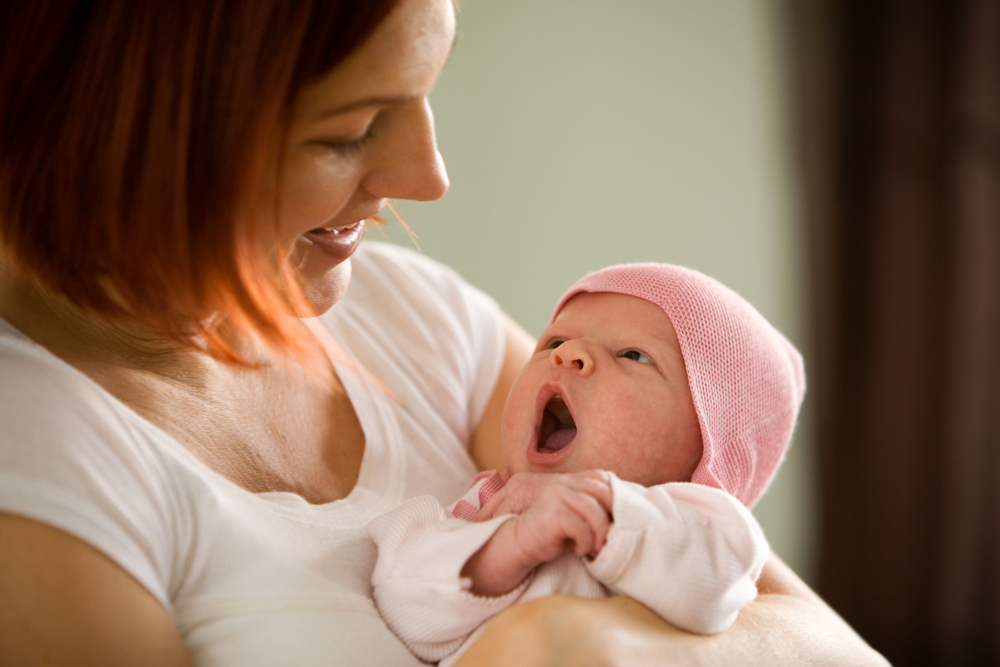
A MAJOR national assessment of maternity and neonatal services in Wales has exposed systemic weaknesses, staffing shortages and missed opportunities to improve patient safety, raising concerns that families are being let down while frontline staff struggle under increasing pressure.
The Maternity and Neonatal National Assurance Assessment — The Path to Safer Beginnings in Wales — found examples of compassionate, dedicated care across the country, but warned that key vulnerabilities remain in safety, consistency and outcomes for women, babies and families.
The independent review, led by former Children’s Commissioner for Wales Professor Sally Holland, gathered evidence from more than 600 women, parents, families and staff, alongside visits to maternity and neonatal units in every Welsh health board.
While many families reported positive experiences and praised staff professionalism, others described poor communication, inconsistent postnatal support and limited involvement in decision-making. A small number who experienced serious harm or loss said their trauma was worsened by defensive responses rather than openness and learning.
The report also found that national organisations responsible for improving maternity care are often working in parallel rather than collaboratively, with data not being used effectively to identify emerging risks, inequalities or areas needing urgent intervention.

Rising medical interventions — including record caesarean rates — alongside delays in reconfiguring neonatal services in south Wales were also highlighted as factors affecting both safety and staff morale. Postnatal and perinatal mental health provision was found to lag behind services elsewhere in the UK.
Staff told assessors they felt overstretched by increasing complexity in care needs and lacked time to provide the continuity and postnatal support they believed families required.
The panel identified eight priority areas for improvement rather than adding to the more than 500 recommendations made over the past decade, calling for stronger national coordination, better use of digital records for real-time safety monitoring, and the introduction of a national 24-hour pregnancy triage line.
Professor Holland said: “Excellent maternity and neonatal services are central to our health as a society. They have life-long impacts on physical health, mental health and family relationships.

“The challenges are large, but they are solvable, if they include those who rely on or work in Wales’s maternity and neonatal services every step of the way.”
Midwives’ leaders have also called for urgent action, particularly on workforce pressures.
Julie Richards, Director of the Royal College of Midwives (RCM) Cymru, said the findings reflected longstanding concerns raised by frontline staff.

She said: “This report echoes what midwives and maternity support workers across Wales have been telling us for some time. There is real compassion and commitment across our workforce but there are serious and urgent challenges that must now be addressed.
“Safe staffing is the foundation of safe care — you cannot deliver safe, high-quality maternity care without a workforce that is properly staffed, supported and resourced.
“Staffing shortages must be treated as an immediate safety issue and we are calling on the Welsh Government to address this urgently, with dedicated funding and a commitment to fully implement these recommendations.”
She added that the right skill mix, stronger leadership support and investment in newly qualified midwives were essential to creating a sustainable workforce.
The report has already prompted political criticism.
Welsh Conservative Shadow Cabinet Secretary for Health and Social Care, Peter Fox MS, said: “After 27 years of Labour running our NHS, propped up by Plaid, this report lays bare a maternity system that is overstretched, under-supported and lagging behind the rest of the UK.
“Families are being let down by poor postnatal care, inadequate mental health provision and inconsistent investigations when things go wrong, while staff are left battling unsafe staffing levels and rising intervention rates.
“The Welsh Government must take responsibility for these failings and urgently fix systemic problems in maternity care.”
The Welsh Conservatives say they would bolster the workforce, improve data collection and establish a dedicated mother and baby unit to address gaps in provision, particularly in North Wales.
The report concludes that Wales has the expertise and commitment needed to deliver high-quality maternity care, but warns that meaningful improvement will require sustained investment, clear accountability and national coordination.

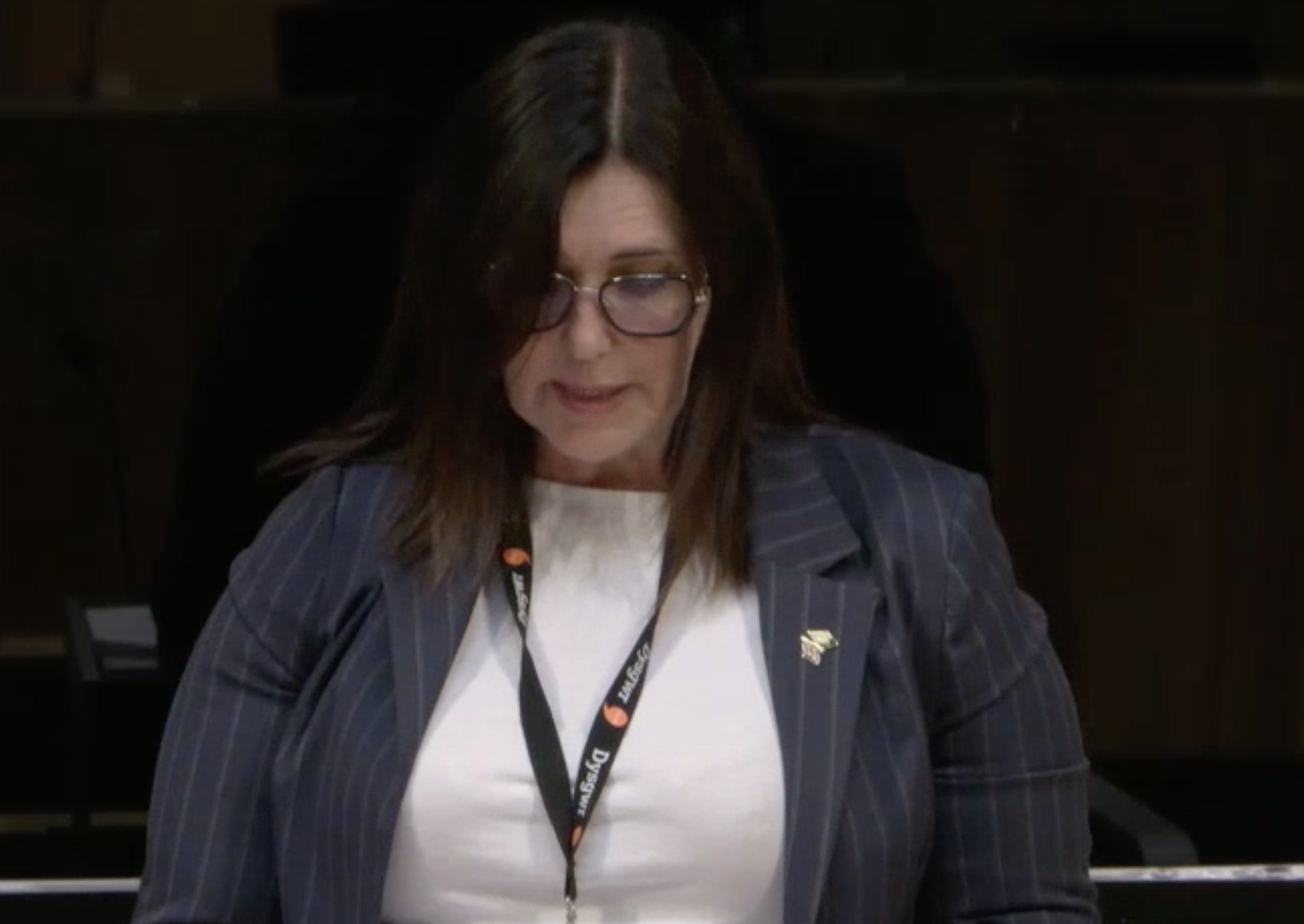
CLAIRE ARCHIBALD MS has challenged the First Minister over pressures facing rural social care in west Wales, warning that families in Pembrokeshire and Ceredigion are being left without the support they need.
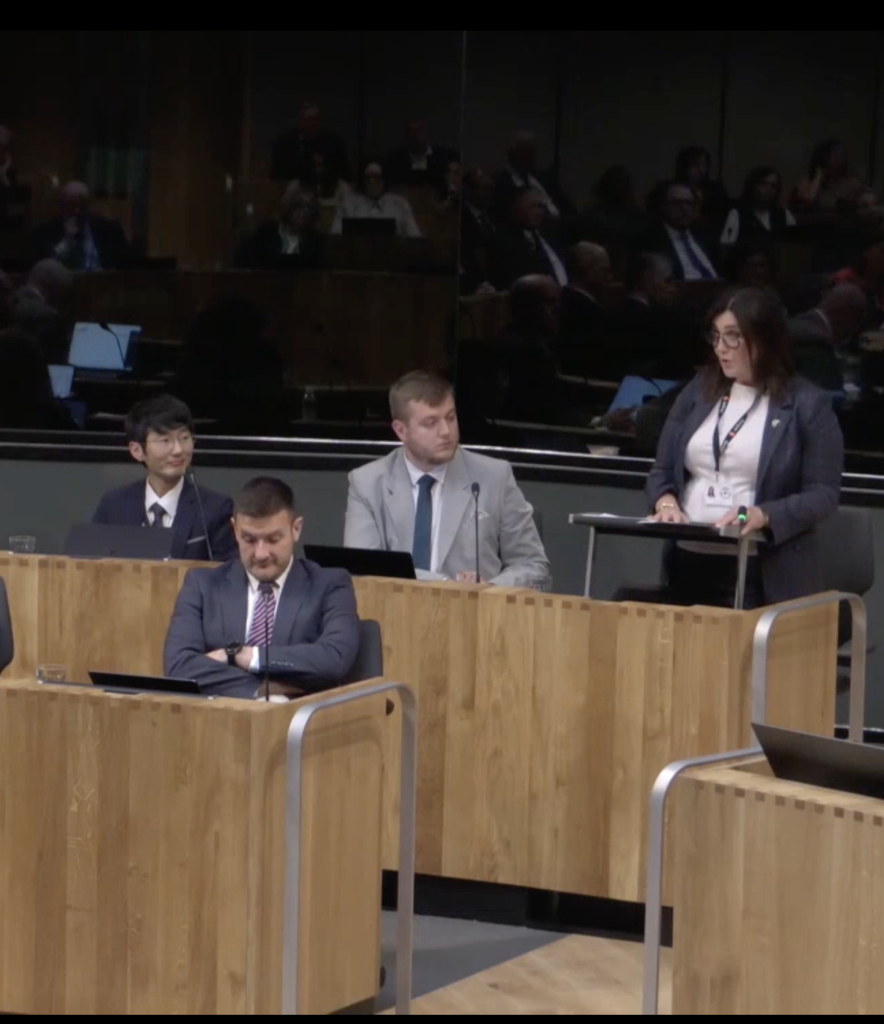
The Reform UK Member of the Senedd for Ceredigion Penfro raised the issue during First Minister’s Questions, saying reductions in the clinical role of rural hospitals had not been matched by proper investment in community care.
Ms Archibald, who has previously worked as a carer, said the impact was being felt by patients stuck in hospital, families struggling to secure support, and people unable to spend their final days at home.
She told the Senedd: “Across Pembrokeshire and Ceredigion, Labour has reduced the clinical role in our rural hospitals, but the community care to fill the gap has simply not been put in place.
“The results are delayed discharges, families left struggling, and many people denied the chance to spend their final days at home with their loved ones.
“We have providers across west Wales handing back contracts, refusing referrals and shelving expansion because they cannot recruit the workforce.
“So, after 26 years of Labour-led government supported by your party, isn’t it the truth that rural social care has been neglected and left to pick up the pieces?
“What concrete action will your government take to restore front-line social care in west Wales?”
Following the exchange, Ms Archibald said the issue was not simply about policy, but about real families being placed in impossible situations.
She said: “I have seen first-hand how important good care is, both for the person who needs support and for the family around them.
“When community care is not there, people stay in hospital longer than they need to, families are left fighting for help, and people lose the chance to be cared for at home.
“This is especially serious in rural areas like Pembrokeshire and Ceredigion, where distance, workforce shortages and reduced local services all make the pressure worse.

“For too long, rural social care has been left to carry the burden while services are taken away elsewhere.
“People in west Wales deserve better than warm words. They need clear action, proper workforce planning, and front-line care that actually reaches them.”
Ms Archibald said she would continue pressing the Welsh Government on delayed discharges, care package shortages, workforce pressures and the need to protect services in rural communities.

THE WELSH AMBULANCE SERVICE will hold an extraordinary Trust Board meeting later this month.
Members of the public will be able to watch the meeting online via Microsoft Teams on Thursday (Jun 25), from 9:30am to 10:00am.
Board members are expected to receive and approve the Trust’s Annual Report and Accounts for 2025–26.
Colin Dennis, Chair of the Welsh Ambulance Service, said: “Our Board meetings play a vital role in ensuring transparency and openness in everything we do, and we would invite anyone with an interest in the Trust’s work to join us virtually to find out more.”
A link to watch the meeting will be available through the Trust, but viewers are advised it will only work from 10 minutes before the meeting begins.
An agenda will be published on the Trust’s website in the days before the meeting.

WALES has become the first UK country to offer nationwide access to a new online NHS programme for people affected by gambling harms.
The free course, Space from Gambling Harms, is available through the SilverCloud platform and can be accessed at any time on a phone, tablet or computer without the need to see a GP.
It forms part of the new All-Wales Gambling Treatment Service, which launched in April alongside a 24-hour helpline.
The 12-week programme is based on cognitive behavioural therapy and motivational enhancement therapy, helping users reflect on their gambling habits, build confidence, and develop skills to regain control.
Jodie Morgan, Clinical Operational Manager at Betsi Cadwaladr University Health Board, which manages the gambling service and helpline for NHS Wales, said: “Improving access to support is a key part of the All-Wales Gambling Treatment Service.
“Space from Gambling Harms offers people another way to access confidential, evidence-based support at a time that suits them, and we will be supporting patients across Wales to access the programme alongside our wider treatment offer.”
The course is available to anyone in Wales aged 18 or over via self-referral. Users are advised to spend around 20 minutes a day, three times a week, working through the programme.
Anyone who self-refers is assigned an NHS-trained supporter who can provide guidance, advice and encouragement.
Fionnuala Clayton, project manager for NHS Wales’ online CBT service, said: “Through SilverCloud, we want to remove as many barriers to support as possible and provide people with tools they can use in a way that fits around their lives.
“This programme gives people the opportunity to reflect on their habits, gain the skills and confidence to control their gambling, and get their lives back on track.”
The programme is one of 28 mental health and wellbeing courses available through SilverCloud, which is managed by Powys Teaching Health Board.
Other SilverCloud programmes for mild-to-moderate mental health issues, including anxiety, stress, depression and poor sleep, are available to anyone in Wales aged 16 or over.
In Wales, research suggests tens of thousands of people are affected by gambling harms each year.
The new helpline offers information, advice and support to anyone affected by gambling, including family members and others impacted. Where needed, callers can be referred on to specialist treatment services.
Anyone affected by gambling harms can call the 24/7 helpline on 0808 281 9265.
Professionals and individuals can also refer to the Gambling Treatment Service by calling 03000 859464 or emailing [email protected].
Self-referrals to SilverCloud’s Space from Gambling Harms programme can be made at nhswales.silvercloudhealth.com/signup/.


News19 hours ago
First Minister challenged over jobs for student nurses
REFORM WALES has accused the First Minister of failing to guarantee jobs for student nurses in Wales, despite continuing pressure...


Crime21 hours ago
Knife blankets call as school staff face rising violence fears
GMB says protective equipment should be considered where risk assessments show staff could face blades SCHOOL staff should be given...


News21 hours ago
Claire Archibald secures review of Milford Haven train times
RURAL TRANSPORT CONCERNS RAISED WITH TFW CLAIRE ARCHIBALD MS has secured a review of train times between Milford Haven and...


Crime21 hours ago
PCC review calls for stronger youth crime prevention work
REPORT MAKES 13 RECOMMENDATIONS A REVIEW into crime and anti-social behaviour services for young adults has called for stronger prevention...

Crime1 day ago
Families condemn failed appeal by paddleboard boss jailed over Haverfordwest tragedy
RELATIVES SAY LATEST COURT BID HAS REOPENED PAIN AFTER FOUR DEATHS ON WESTERN CLEDDAU THE FAMILIES of victims of the...

Community2 days ago
Forgotten wartime archive found in Pembroke Dock attic after 80 years
Remarkable family collection reveals story of father and son who served through two world wars A REMARKABLE untouched family archive...


Crime2 days ago
Milford Haven woman left with facial fractures after drunken attack
A WOMAN in her late fifties suffered facial fractures after being repeatedly punched through the window of her car during...


Crime2 days ago
Sex offender in senior role at Tenby family hotel
CREST HOTEL GROUP says it is investigating safeguarding concerns after staff at the Imperial Hotel in Tenby raised alarm over...


Sport2 days ago
Runners tackle new route in Ras Y Castell 10k
MORE than 90 runners took to the streets and paths around Cardigan on Friday evening (June 5) for the annual...

Business3 days ago
Turkish Kitchen reaches Welsh restaurant award semi-finals
Haverfordwest café praised as small independent business flies flag for Pembrokeshire A HAVERFORDWEST café has been named as a semi-finalist...
-
Crime5 days ago
Paddleboard company owner loses bid to cut sentence over Haverfordwest tragedy
-

 Crime4 days ago
Milford Haven man admits harassment and assault
-

 Crime7 days ago
Milford Haven man bit neighbour’s neck near cashpoint
-

 News4 days ago
Community appeal for privacy after serious emergency in Pendine
-
 Crime7 days ago
Pembroke Dock driver avoided jail after drug-drive crash
-

 Crime7 days ago
Dinas Cross man jailed over shop thefts
-
Community2 days ago
Forgotten wartime archive found in Pembroke Dock attic after 80 years
-
Crime2 days ago
Sex offender in senior role at Tenby family hotel