


Health
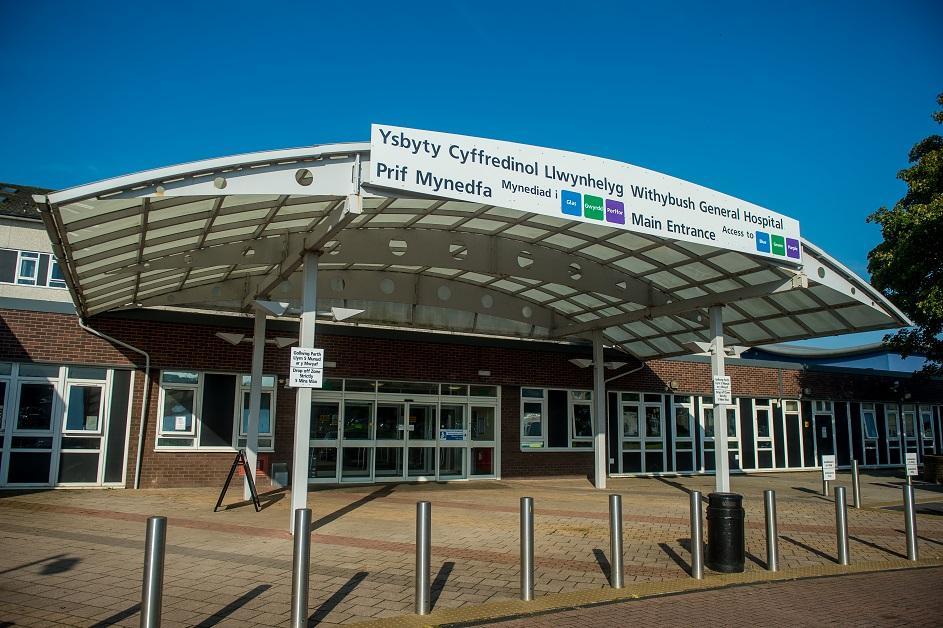
Future of Withybush Hospital petition sparks urgent call for Senedd debate

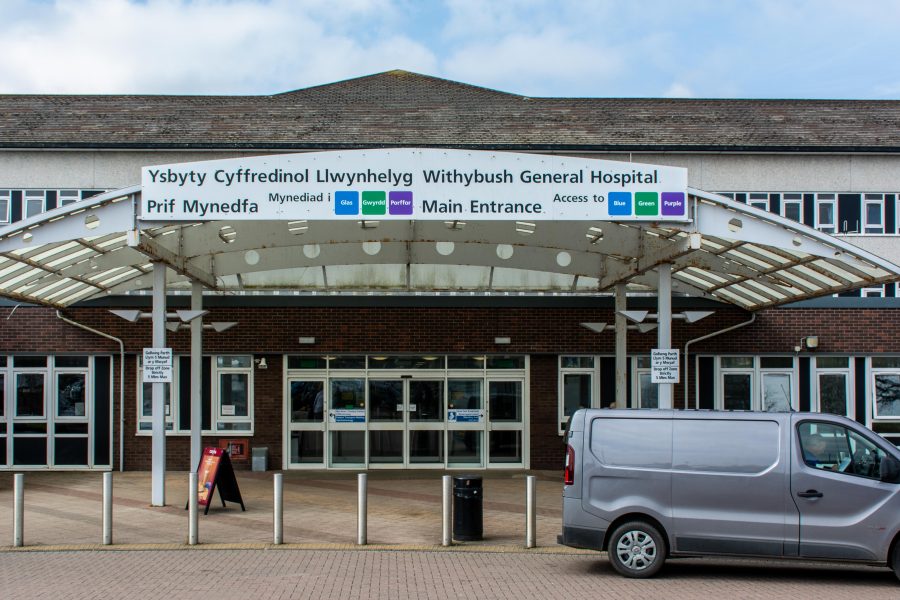
CALLS have been made for an urgent debate in the Senedd over the future of services at Withybush Hospital as political pressure mounts ahead of the Welsh Parliament election.
Paul Davies MS and Samuel Kurtz MS have written jointly to Carolyn Thomas MS, Chair of the Senedd’s Petitions Committee, urging that a public petition concerning healthcare provision in Pembrokeshire be considered as a matter of urgency.
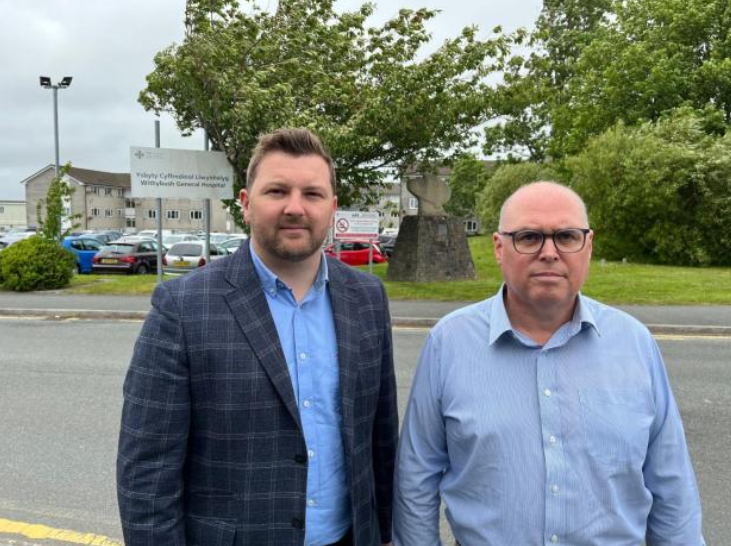
The petition, which has already gathered more than 10,000 signatures, raises concerns about changes to services at Withybush Hospital and calls for intervention to protect healthcare provision in the county.
Reaching the 10,000-signature threshold means the petition qualifies for consideration by the Senedd and could be recommended for debate in the chamber.
The two MSs say the issue should be discussed before the Senedd dissolves ahead of the Welsh Parliament election on May 7.

Paul Davies MS said the strength of public support highlighted deep concern among residents about the future of healthcare services in Pembrokeshire.
“Reaching 10,000 signatures demonstrates the strength of feeling across Pembrokeshire about future services at Withybush Hospital,” he said.
“Residents, clinicians and campaigners have raised serious concerns about patient safety, travel times and the cumulative impact of service changes.”
Samuel Kurtz MS said it was essential that the Welsh Government was required to respond to the concerns in a formal Senedd debate.

“Given the potential impact that the centralisation of hospital services could have on rural communities, it’s vital that this issue is debated in the Senedd before dissolution,” he said.
“People deserve the opportunity for their elected representatives to scrutinise these decisions and for the Welsh Government to respond formally on the record.”
Concerns over rural healthcare access
The future of Withybush Hospital has been a long-running issue in Pembrokeshire, with repeated campaigns over the years to protect services at the Haverfordwest site.

Previous controversies have included the loss of consultant-led maternity services and changes to paediatric provision, while more recent concerns have focused on the withdrawal of emergency general surgery.
Critics argue that moving services to larger hospitals, particularly Glangwili Hospital in Carmarthen, risks increasing travel times for patients in a largely rural county.
Campaigners say this could place additional pressure on ambulance services and potentially delay life-saving treatment.
Ajay Owen, founder of the campaign group SARS Cymru, said the petition reflected widespread anxiety across the county.
“The fact that the petition has surpassed 10,000 signatures in such a short window shows there is real concern across Pembrokeshire,” he said.
He warned that removing emergency surgery from Withybush could make it harder for patients suffering serious trauma or medical emergencies to receive treatment within the “golden hour” — the period during which rapid intervention can be critical for survival.
Campaigners argue that the combination of ambulance response times and travel distances to Carmarthen could result in some patients waiting more than an hour before reaching hospital.
Meanwhile, The Leader of the Welsh Liberal Democrats, Jane Dodds MS said: “This decision puts patient safety at risk. In Pembrokeshire, long travel distances already make accessing urgent care difficult. Removing emergency general surgery from Withybush means that, in the most critical moments, people may simply not get the treatment they need in time.
“That is unacceptable, and we are calling on Hywel Dda to urgently reconsider.”
Sandra Jervis, the Welsh Liberal Democrat lead candidate for Ceredigion Penfro, added: “Pembrokeshire is rural, industrial and high-risk — a county where emergency services must be close at hand.
“From refinery workers to farmers to coastal communities, people deserve the reassurance that life-saving surgery is available locally. This decision undermines that reassurance and puts lives in jeopardy.”
Health board position
Hywel Dda University Health Board has previously said that service reconfiguration across west Wales is designed to improve patient outcomes by concentrating specialist staff and resources at fewer sites.
However, critics argue that centralising services risks leaving rural communities with reduced access to urgent care.
The Herald understands the Senedd’s Petitions Committee will now decide whether to fast-track consideration of the petition and recommend a debate before the Senedd breaks up ahead of the election campaign.
If approved, the issue could be discussed by Members of the Senedd in the final weeks of the current parliamentary term.





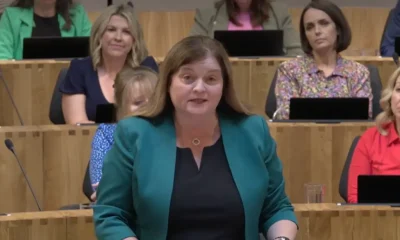





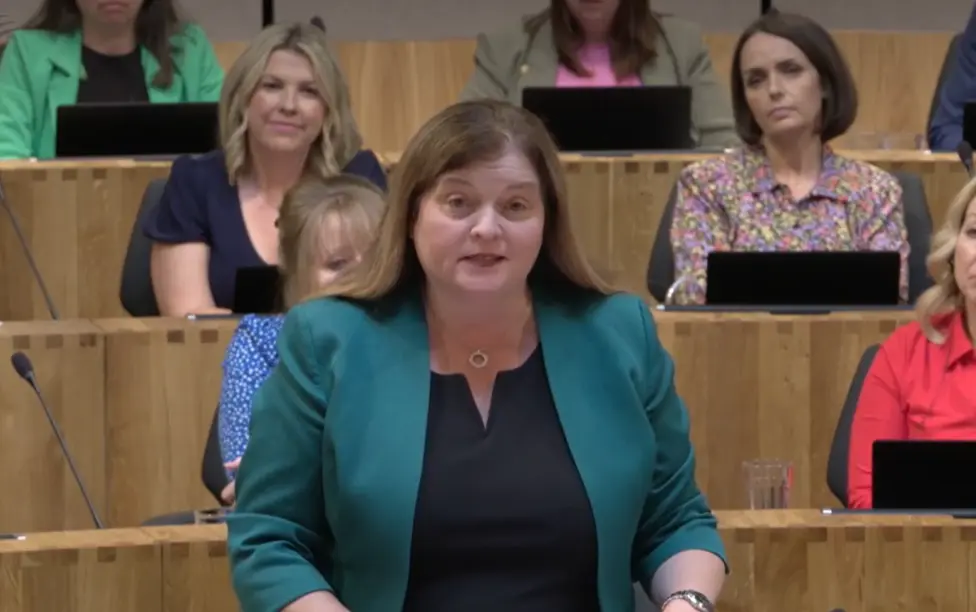
TRANSGENDER people “feel under siege”, Wales’ Deputy First Minister has said.
Sioned Williams faced questions on gender identity guidance in schools, and the implementation of single-sex spaces, during her first appearance at Questions to the Deputy First Minister.
Serving as both Deputy First Minister and cabinet secretary for social justice and equality, Ms Williams was questioned by opposition politicians on Wednesday June 10, about the Welsh Government’s response to the Cass Review, and the implementation of the Supreme Court’s ruling on single-sex spaces.
The session opened with questions from Blaenau Gwent Caerffili Rhymni’s Reform MS Catherine Cullen, who asked how the Welsh Government would work with education ministers to prioritise “objective, evidence-based safeguarding standards” in schools.
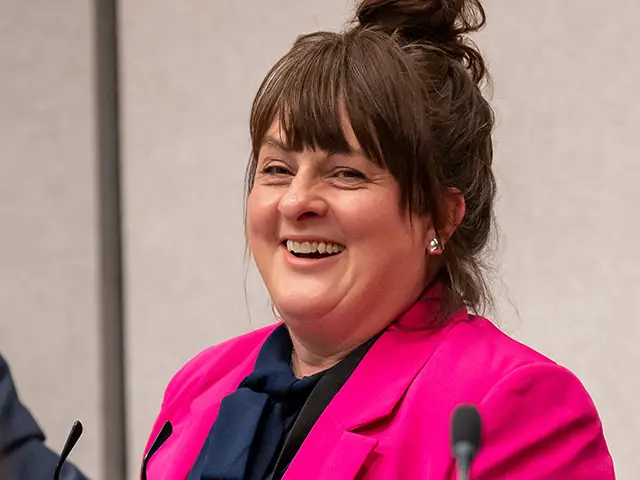
She said: “We sit here today with one non-negotiable duty: the absolute safety of Welsh children in schools.
“When the Cass review explicitly warned that social transition – that is, changing a child’s name, pronouns or uniform at school – is not a neutral act and carries severe psychological risks, Plaid Cymru voted against these recommendations.”
She continued: “[Plaid’s] manifesto demands a demedicalised self-declaration system that actively pushes gender identity theories through the school system.”
In response, Ms Williams said the Welsh Government remained committed to improving literacy and numeracy standards, and stressed the importance of creating a supportive environment in which all children can fulfil their potential.
She told members that education officials had developed draft guidance for schools on supporting transgender, non-binary and gender-questioning learners, and said the education minister recognised the need to proceed with “leadership and sensitivity”.
Questions then turned to the implementation of single-sex spaces following the Supreme Court’s ruling on the definition of sex under the Equality Act.
Reform UK MS Art Wright, of Casnewydd Islwyn, asked about the Welsh Government’s plans to implement single-sex spaces across Wales, while Conservative MS Natasha Asghar, of the same constituency, accused the previous Labour administration of “dragging its heels” in responding to the judgment.
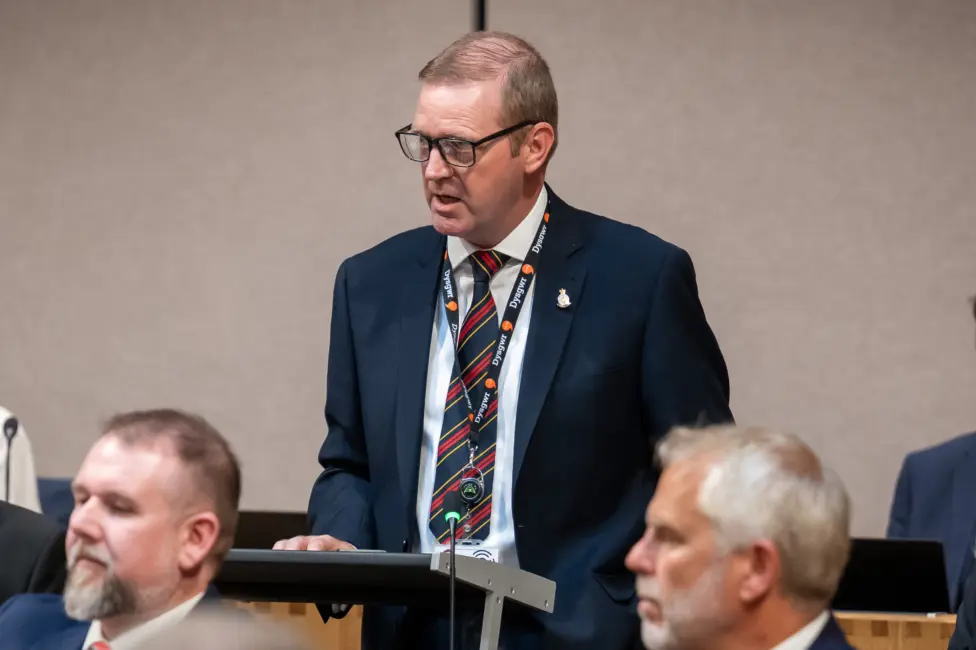
Ms Asghar said she had received correspondence from a Welsh Government employee claiming staff were still working under policies that allowed “men who identify as women to use women’s single-sex spaces from the first day of self-identification”.

Reading from the email that was sent to her, she said: “A government cannot pick and choose which laws it follows, yet that is exactly what seems to be happening within the Welsh Government itself.”
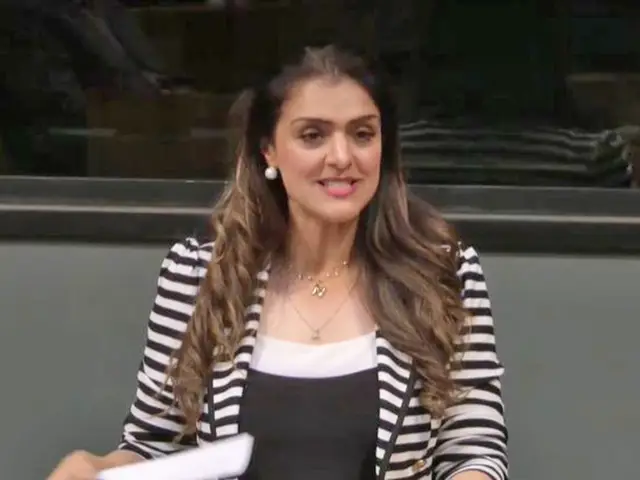
Responding, Ms Williams said the Welsh Government respected the Supreme Court ruling and was working to ensure devolved policies and practices complied with the law.
“This work has to be done carefully and consistently, and across a range of devolved areas,” she said.
However, the Deputy First Minister also emphasised that the Equality Act continues to protect people with the protected characteristic of gender reassignment from discrimination and harassment.
She added: “This is a community that feels under siege at the moment, and we must be sensitive to that.
“We need to look at the practical steps that we can take whilst complying with the Supreme Court ruling, and then, in seeing the code of practice that will come forward, if it is passed in Westminster, we will need to consider how we do that.”
Ms Williams said work was continuing across government departments to ensure Welsh Government policies comply with the law while maintaining protections for transgender people.
Ms Williams, who represents the Brycheiniog Tawe Nedd constituency, also reaffirmed her support for universal free school meals during the session, after Senedd Members raised concerns about food poverty and access to nutritious food for children.
Huw Thomas, Labour MS for Caerdydd Penarth, drew attention to the work of the previous Labour government in introducing universal free school meals for primary school children across Wales.
Mr Thomas said: “For too many of our pupils, this is the only proper meal of the day that they have every day – hugely important – and yet we know that food costs have risen dramatically in recent years.
“So, my question is: when councils tell Welsh Government what the cost of supplying these meals are, will you accept and respect their advice and fund it, or else risk affecting the quality and provenance of the food served to our young people?”
Ms Williams agreed that free school meals play a vital role in supporting children and families.
She said the scheme “really does help”, allowing children to receive the “nutritious hot meal that they so desperately need”.
While noting that responsibility for free school meals sits within the education portfolio, the Deputy First Minister said she would ensure the concerns raised within government.
The discussion also turned to nutrition during pregnancy and early childhood.
Welsh Liberal Democrat leader Jane Dodds said access to nutritious food in a child’s earliest years is critical to healthy development.
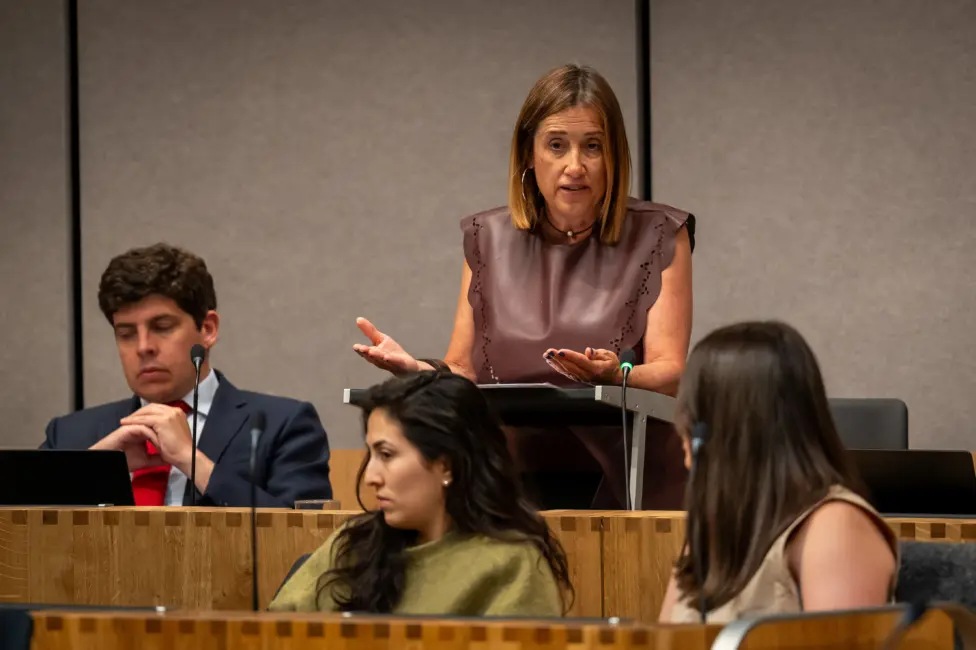
She said: “We know how important nutritious food is in brain development in babies, both in pregnancy and in those first 1,000 days.
“Key nutrients such as vitamin D are absolutely essential, and if you are poor and you are not able to afford a full range of nutritious food, then that hampers that child’s development from the very, very early point.”
Ms Dodds asked what steps the Welsh Government was taking to ensure babies and young children have access to healthy food during their first 1,000 days.
Responding, Ms Williams said she “wholeheartedly” agreed about the importance of nutrition in the early years.
She pointed to the Healthy Start scheme, which provides support for low-income pregnant women and families with young children, describing pregnancy as a “crucial part” of ensuring lifelong health.
The Deputy First Minister also highlighted the nursery milk scheme, which provides children under the age of five in approved childcare settings with a free daily portion of milk.
Ms Williams said ensuring children have access to nutritious food from pregnancy through early childhood remains an important part of tackling inequality and improving long-term health outcomes in Wales.
Sands says Welsh Government must set clearer targets to reduce stillbirths and neonatal deaths
A BABY loss charity has called for renewed action to make maternity care safer after the latest national figures on stillbirths and neonatal deaths were published.
The MBRRACE-UK perinatal mortality surveillance report tracks deaths of babies shortly before, during or soon after birth across the UK, including Wales.
The latest report says baby death rates have continued to fall across the UK over the longer term, with the UK extended perinatal mortality rate standing at 4.77 deaths per 1,000 births in 2024, down 21% since 2013.
However, Sands, the UK’s leading pregnancy and baby loss charity, says progress must not be allowed to stall and has called on the Welsh Government to introduce clear targets to reduce stillbirths and neonatal deaths.
The charity said maternity safety must remain a national priority, with better monitoring, stronger accountability and continued learning from every baby death.
The report also notes that rates in Wales, Scotland and Northern Ireland can vary more from year to year because of lower birth numbers, meaning longer-term trends are important when assessing progress.
Sands says thousands of families across the UK continue to experience the devastation of pregnancy loss or the death of a baby each year.
The charity says that every day in the UK, 13 babies die shortly before, during or soon after birth, while at least one in six pregnancies ends in miscarriage.
A Welsh Government spokesperson said: “The loss of a baby at any stage of pregnancy is devastating. Families who experience pregnancy loss at maternity units in Wales are supported by bereavement midwives, in conjunction with Sands, and offered memory boxes, which include a certificate of birth.
“Since 2016, stillbirth rates in Wales have shown a downward trend. The latest Perinatal Mortality Surveillance report acknowledges that in Scotland, Wales, and Northern Ireland, year-to-year variation in rates is often more pronounced because of lower birth numbers.
“All health boards are committed to improving quality and safety in perinatal care – through enhanced clinical reviews, early warning surveillance, safer preterm birth care, and structured learning from incidents.”
Hywel Dda University Health Board said it recognised “how devastating the loss of a baby is for parents and their families” and said its maternity and neonatal teams worked to provide safe, compassionate and supportive care.

Dana Scott, Director of Midwifery and Professional Governance for Women and Children at Hywel Dda, said the health board had “robust safety measures and clear clinical processes” in place across its maternity services.
She said Hywel Dda’s review processes were aligned with MBRRACE-UK and the Perinatal Mortality Review Tool, ensuring the health board listened, learned and reflected on each baby loss.
Ms Scott added that every family affected by stillbirth or neonatal death had access to dedicated bereavement midwives and nurses, as well as psychological support, follow-up care and opportunities for memory-making.
She said the health board also worked closely with its local Sands group and remained committed to learning from national reports to improve maternity safety locally.
Sands provides support to anyone affected by pregnancy loss or the death of a baby, including a confidential helpline, email support, online groups and local peer-support networks.
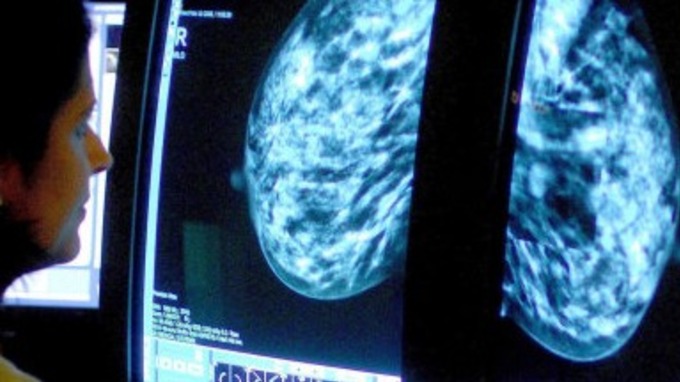
Health board admits standards are difficult to meet as doctors warn of “extremely dangerous” shortages
PATIENTS in west Wales are facing worsening delays to cancer diagnosis and treatment as severe staff shortages leave hospitals struggling to meet expected standards of care.
A major new report from the Royal College of Radiologists (RCR) has warned that workforce shortages are now so serious that patients’ conditions are deteriorating while waiting for diagnosis and treatment.
The findings paint a bleak picture for Wales — particularly rural areas — with shortages of specialist cancer and radiology doctors among the worst in the UK.
Now, Hywel Dda University Health Board, which covers Pembrokeshire, Carmarthenshire and Ceredigion, has admitted it is struggling to recruit staff and warned that standards of care are becoming increasingly difficult to maintain.
Staff shortages ‘impacting care’
Responding to questions from The Herald, Hywel Dda said recruiting radiology and oncology clinicians “continues to be a challenge” across west Wales.
James Severs, Executive Director of Allied Health Professions and Health Science at the health board, admitted that staffing shortages are affecting services.
He said: “We are concerned that standards of care, and expected turnaround times are difficult to achieve, including within cancer diagnosis and other emergency conditions, while we have shortages in staff and equipment.”
The health board also confirmed that rising demand for scans, driven by increasing patient numbers and new care pathways, has not been matched by workforce growth.
As a result, Hywel Dda says it has increasingly relied on temporary doctors and external providers to interpret scans.
The admission comes as the Royal College of Radiologists warns Wales is facing an escalating crisis in diagnostic and cancer services.
Conditions worsening while patients wait
For the first time, every radiology department leader in Wales told the RCR they were aware of patients whose conditions had worsened because of staff shortages and delays to diagnosis.
The report found NHS Wales currently has 88 fewer consultant radiologists than needed — a shortfall of 28 per cent — and 13 fewer consultant clinical oncologists, representing a 17 per cent shortage.

Without urgent intervention, the situation is expected to worsen dramatically by 2030.
The crisis is especially acute in north and west Wales, where the radiologist shortage stands at 42 per cent — almost double that of south Wales.
The RCR warned this risks creating a “postcode lottery” in access to life-saving diagnosis and cancer care.
Waiting lists growing
The scale of delays is already stark.
In December 2025, nearly 47,000 people in Wales had waited more than eight weeks for a diagnostic scan or test.
During 2025, almost 10,000 patients waited more than 62 days to begin treatment for suspected cancer — far below the Welsh Government’s own targets.
Doctors warn that delays in diagnosis can have devastating consequences, particularly for cancer patients, where survival rates can worsen significantly with every month treatment is delayed.
One cancer service leader quoted anonymously in the report said: “Delays in patients starting both chemotherapy and radiotherapy treatment” were directly linked to workforce shortages.
Another warned: “Workforce shortages in diagnostics especially radiology and pathology are critical and lengthening pathways which is leading to patient harm.”
‘Alarm bells should be ringing’
Dr Stephen Harden, President of the Royal College of Radiologists, said governments could no longer ignore the warning signs.
“For the first time, our census shows that patients’ conditions are deteriorating because of workforce shortages,” he said.
“Delays to diagnosis and cancer treatment are extremely dangerous, particularly in deprived and rural communities where shortages are worst.
“Alarm bells should be ringing. Without urgent action to train, recruit and retain more doctors, more patients will suffer.”
Millions spent on sticking plasters
Despite chronic shortages, the RCR said recruitment freezes in Welsh radiology departments have almost doubled in a year — rising from 33 per cent in 2024 to 57 per cent in 2025.
At the same time, NHS Wales spent £13.5 million last year on temporary fixes including locum doctors, overtime and outsourcing scans to private firms — enough to pay the salaries of 113 consultant radiologists.
Critics say the system is becoming trapped in an expensive cycle of firefighting rather than solving the root problem.
Hywel Dda said radiology was identified as one of nine services needing reform under its Clinical Services Plan and pointed to ongoing recruitment and training efforts.
The Welsh Government has been approached for comment.


Education14 hours ago
Diocese threatens legal action as Manorbier school closure battle intensifies
Church says council could face judicial review over fire-hit school A BITTER row over the future of Manorbier Church in...


Health16 hours ago
Baby loss charity calls for urgent action after latest Wales figures published
Sands says Welsh Government must set clearer targets to reduce stillbirths and neonatal deaths A BABY loss charity has called...
Health17 hours ago
Cancer delays worsening as west Wales hospitals struggle to recruit specialists
Health board admits standards are difficult to meet as doctors warn of “extremely dangerous” shortages PATIENTS in west Wales are...

News19 hours ago
Rhun ap Iorwerth highlights first 25 days in office as First Minister
Plaid Cymru leader says government is moving quickly on NHS, farming and economic priorities FIRST MINISTER Rhun ap Iorwerth has...


Crime2 days ago
Man accused of six rapes including alleged Haverfordwest offence
A MAN has been sent to Crown Court accused of six rapes, including an alleged offence at a Haverfordwest campsite....


News2 days ago
Childcare row erupts as Plaid faces questions over costs and delivery
Opposition parties clash over flagship pledge as Senedd debate exposes growing divisions PLAID CYMRU’S flagship promise to create what it...


Crime3 days ago
Farmers fined in bovine TB scandal face fresh court action
Hartt family members listed at Haverfordwest Magistrates’ Court over unpaid penalties linked to major cattle prosecution TWO PEMBROKESHIRE farmers convicted...


Crime3 days ago
Pembrokeshire child killer stabbed to death in prison cell, murder trial hears
Kyle Bevan, jailed for the murder of Haverfordwest toddler Lola James, was allegedly stabbed 25 times and left ‘as if...


News3 days ago
Pendine cliff fall victim recovering after major emergency response
A 22-YEAR-OLD man who suffered serious injuries after falling from cliffs overlooking Pendine Beach is recovering well following emergency surgery....


Community3 days ago
Commissioner launches free course to help tackle ageism in Wales
A NEW free learning course has been launched to help people across Wales recognise and challenge ageism. The Older People’s...
-

 Crime7 days ago
Milford Haven man admits harassment and assault
-

 News7 days ago
Community appeal for privacy after serious emergency in Pendine
-

 Crime5 days ago
Sex offender in senior role at Tenby family hotel
-
 Crime4 days ago
Haverfordwest pair accused of £80,000 rogue trading frauds
-
 Community5 days ago
Forgotten wartime archive found in Pembroke Dock attic after 80 years
-
 Crime4 days ago
Families condemn failed appeal by paddleboard boss jailed over Haverfordwest tragedy
-
 Crime4 days ago
Knife blankets call as school staff face rising violence fears
-

 Community7 days ago
Founders Day hailed a success despite rising costs and extra security