


Business
Halifax could disappear from high streets after 173 years


Only two Halifax branches remain in west Wales as banking giant considers major brand shake-up
HALIFAX could disappear from UK high streets after more than 170 years under plans being considered by Lloyds Banking Group.
The banking giant is understood to be looking at phasing out the Halifax name as part of a wider review of its brands, with Lloyds expected to become the main retail banking name in England and Wales.
If the plans go ahead, the move would mark the end of one of Britain’s best-known financial brands, which began life in 1852 as the Halifax Permanent Benefit Building Society.
No final decision has yet been announced, but reports suggest new Halifax account openings could be stopped later this year, with existing customers gradually moved across to Lloyds.
The Herald understands that branch banking in west Wales has already been significantly reduced, with only two Halifax-branded branches currently remaining in the region — in Llanelli and Swansea.

Customers in Pembrokeshire no longer have access to a Halifax branch, with banking services instead directed through Lloyds Bank branches, including Haverfordwest. Carmarthenshire customers are similarly directed to Lloyds Bank in Carmarthen.
The possible disappearance of Halifax comes amid continuing pressure on high street banking, with many branches already closing as more customers move to mobile and online banking.
Consumer groups have warned that the steady loss of bank branches risks leaving elderly customers, vulnerable people and small businesses without easy access to face-to-face banking.
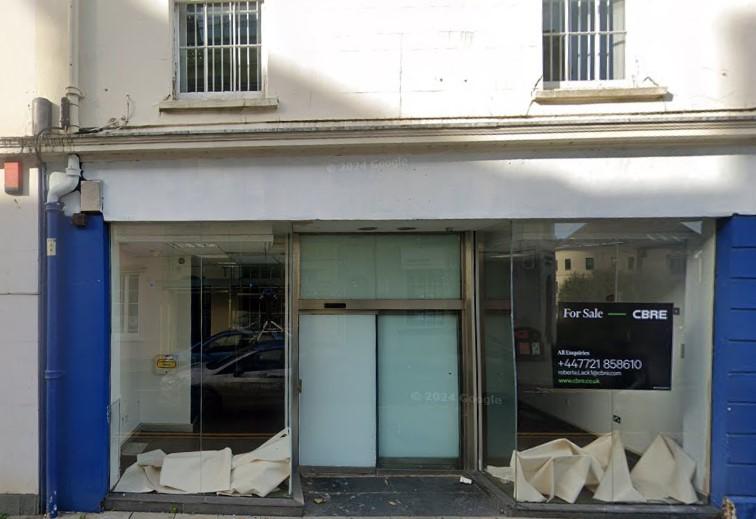
For many towns across west Wales, the loss of familiar banking names has become part of a wider decline in high street services, alongside the closure of post offices, shops and public services.
Halifax became one of the country’s biggest mortgage lenders and was for decades associated with savings, home ownership and local branch banking. It later became part of HBOS before Lloyds took over the group during the financial crisis.
A final decision on the future of the Halifax brand is expected as Lloyds sets out its next strategic plans.


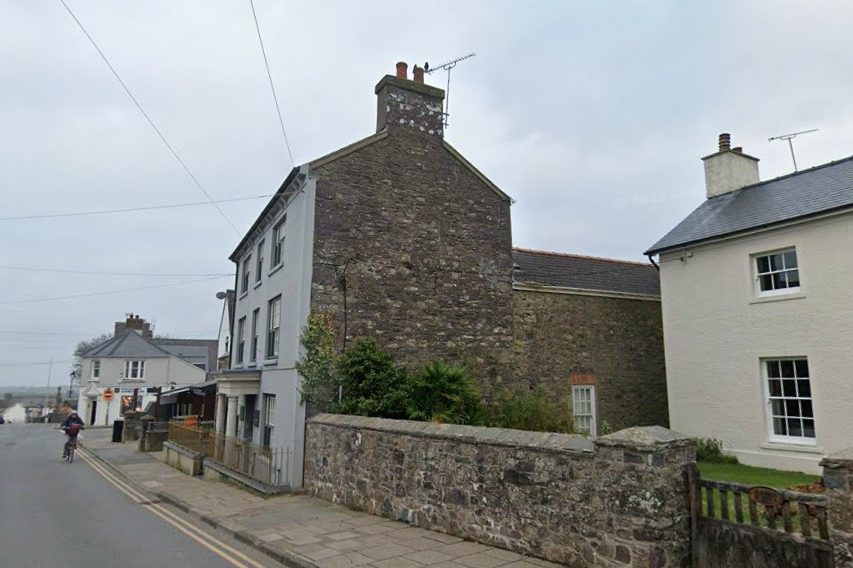
A PLANNING application has been approved to convert an outbuilding into a micro-bakery and carry out upgrades to a Grade II-listed property in St Davids.
The proposal, submitted to the Pembrokeshire Coast National Park Authority by Richard Francis and Sue Benge through agent Pembroke Design Ltd, relates to Manor House at 19 High Street, located within the St Davids conservation area.
The application sought permission for the refurbishment and change of use of an existing outbuilding to form a small-scale bakery, as well as a series of alterations and extensions to the main listed building.
The applicants aim to develop a plant-based bed and breakfast and micro-bakery business that serves the St Davids community, with a commitment to sustainability at the core of the project.
A supporting statement said: “It is the client’s goal to improve and upgrade the listed building, to reduce the carbon impact of the building by the removal of fossil fuel energy, improving energy efficiency and insulation, installing solar and heat pumps, thereby creating a sustainable, plant based bed and breakfast and micro bakery business serving the community of St Davids.”
The proposed bakery will be operated on a limited basis by the occupants of the property, typically opening two days a week.
Sales will be available through online order and collection only.
Other works include a modest single-storey rear extension, new heritage-appropriate timber double-glazed windows and doors, internal alterations, and the installation of rooflights.
Plans also include reinstating a historic window opening, fitting an air source heat pump, and other energy efficiency upgrades.
Additional proposals include solar panels on the outbuilding, a greenhouse in the rear garden, and other external works.
St Davids City Council supported the application, noting that it is unlikely to have a detrimental visual or environmental impact on the surrounding area.
Planning officers recommended approval, noting that the scheme has been carefully designed to respect the character and heritage value of the listed property.

An officer report stated: “The proposed development has been carefully designed to respect the character, appearance and significance of the listed building and its setting.
“The proposed rear extension is modest and subservient in scale, whilst the alterations to the existing building have been designed to improve its functionality, energy efficiency and long-term viability without causing unacceptable harm to its special architectural or historic interest.”
The micro-bakery was described as a “beneficial re-use” of the outbuilding.
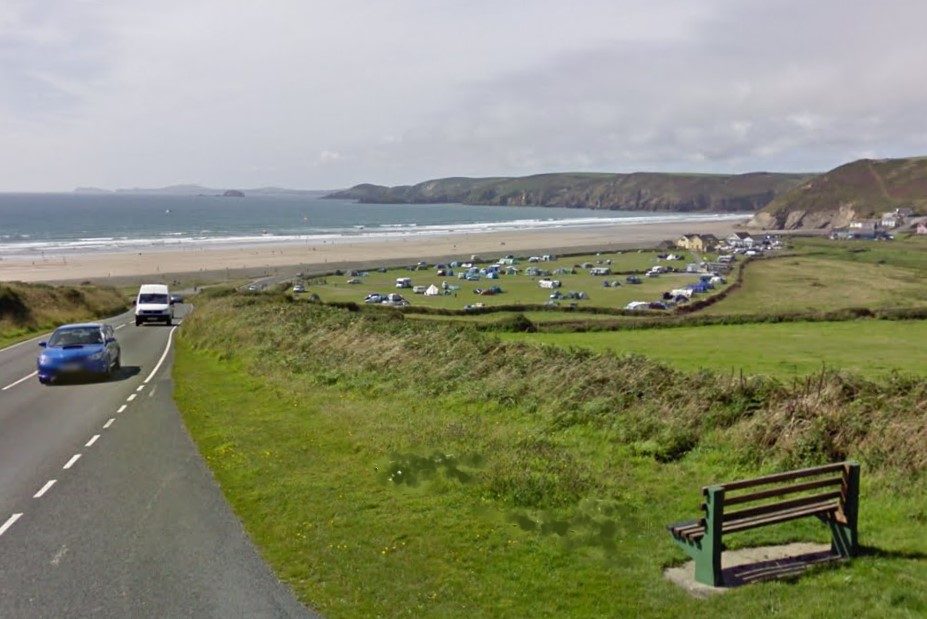
A SCHEME to improve a Pembrokeshire seaside village home and surf shop, while also removing an unlawful part that was subject to an enforcement notice, has been given the go-ahead.
In an application to Pembrokeshire Coast National Park, Bruce Sanderson of New Surf, through agent A D Architectural Design Consultants LTD sought permission for internal and external alterations to dwelling and surf shop, at New Surf, Newgale, including the removal of an un-lawful use of part of the ground floor as a shop.
The proposals were supported by Nolton and Roch Community Council.
An officer report recommending approval said: “The proposal returns the dwelling building to full residential use only. The application site is in a particularly sensitive location and appropriate mitigation has been sought and conditions imposed to preserve protected sites and species.”
It added: “The property known as Newsurf is a two-bedroom dormer bungalow with adjoining surf shop opposite the shingle bank of Newgale beach. The surf shop is positioned southeast of the bungalow and comprises a pair of pitched roof store buildings with linking flat roof section to the dwelling. Prior to being a surf shop, the application site was a filling station.
“The southern ground floor area of the dormer bungalow has been in retail use without planning authorisation and the remaining ground floor as residential use. Plans show two bedrooms and a storage area on the first floor of the dwelling.”
It detailed the proposals addressed the unauthorised aspects of development relating to a 2022 national park enforcement notice.
It concluded: “The proposed scheme is considered acceptable in how it responds to landscape setting, visual, aesthetic, historical, cultural and ecological aspects and also the physical characteristics of the site.
“The proposal preserves and enhances the character of the dwelling and by doing so will not create an unacceptably detrimental impact on the special qualities of the National Park. It is not considered that the development will cause an unacceptable impact upon privacy or amenity of neighbouring properties.”
The application was conditionally approved.
The Newsurf site also features in plans by a Vodafone phone company subsidiary to bring fibreoptic cables across the sea from Ireland to Pembrokeshire; the onshore part of a project to bring a fibreoptic cable onshore from Kilmore Quay, Wexford, Ireland to a site at Newsurf shop car park, Sands Café Car Park and the Duke of Edinburgh Inn, Newgale.
No decision has yet been made on that application.

First Milk site secures four major trophies as co-operative celebrates 26 awards at International Cheese & Dairy Awards
FIRST MILK’S Haverfordwest Creamery has celebrated major success at this year’s International Cheese & Dairy Awards, after helping the farmer-owned co-operative secure 26 awards at the world’s largest cheese show.
First Milk won eight gold medals, 11 silver medals, one bronze medal and six major trophies at the prestigious awards, with cheese produced at Haverfordwest Creamery securing four of the competition’s top honours.
The Pembrokeshire creamery won the CHR Hansen Trophy for Champion Double Gloucester, the Tetra Pak Tebel Award for Best Extra Mature Creamery Block Cheddar, the ICDA Award for Best Medium Creamery Block Cheddar and the First Milk Past Masters Trophy.
The results underline the quality and consistency of the cheese produced at the Haverfordwest site, which continues to play a key role in First Milk’s award-winning cheesemaking operation.
Held annually, the International Cheese & Dairy Awards attracted its highest number of entries in several years, with many of the creamery cheddar classes receiving between 30 and 40 entries.
First Milk was recognised across a wide range of cheddar and regional cheese categories, including Double Gloucester, Red Leicester, Welsh cheese, vegetarian cheese and English creamery cheddar.
Jack Eade, Customer Quality Manager at First Milk, said the awards reflected the hard work of teams across the business.
He said: “These awards are incredibly hard won and reflect the dedication, expertise and passion of everyone involved in producing our cheese.
“To receive recognition across so many categories at one of the world’s most respected cheese competitions is something everyone at First Milk can be enormously proud of.
“While our grading team selects and prepares the entries, none of these achievements would be possible without the commitment of our farmer members producing exceptional quality milk, and the highly skilled teams at our creameries transforming it into consistently award-winning cheese.”
The latest success continues First Milk’s long-standing record at the International Cheese & Dairy Awards and reinforces Haverfordwest Creamery’s reputation as one of the leading producers of award-winning British cheese.
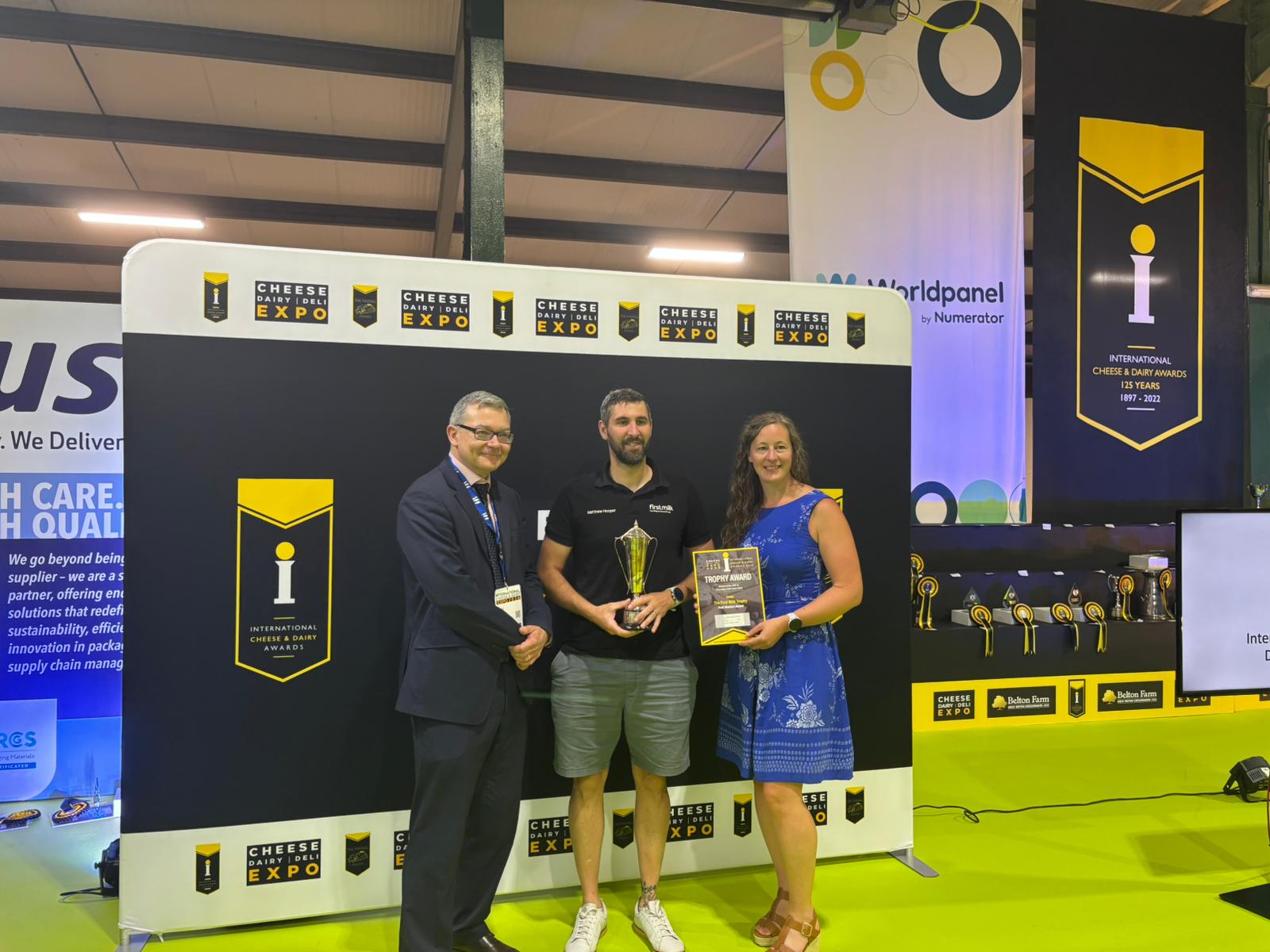
Photo caption:

Rod Addy, Director General of the Provision Trade Federation, with First Milk’s Matthew Hooper and Dawn Mason at the International Cheese & Dairy Awards



Crime15 hours ago
Man in critical condition after serious assault in New Quay
A 20-YEAR-OLD man remains in a critical condition in hospital after being seriously assaulted in New Quay. Dyfed-Powys Police said...


Community17 hours ago
Kilgetty and Begelly tractor run raises funds for local charities
Around 70 tractors joined the annual charity road run, hosted by the Begelly Arms Hotel THE ANNUAL Kilgetty and Begelly...


Community18 hours ago
Milford Haven Carnival brings colour, music and crowds to the town
MILFORD HAVEN was filled with colour, music and community spirit on Saturday as the town’s annual carnival brought crowds onto...


News2 days ago
A40 closed near Llandeilo following collision
A SECTION of the A40 in Carmarthenshire has been closed in both directions following a collision. The road is currently...


Local Government2 days ago
Award-winning Saundersfoot sauna faces refusal over location concerns
PLANS to allow an award-winning outdoor sauna to remain permanently at Saundersfoot Harbour have been recommended for refusal by Pembrokeshire...


Health2 days ago
NHS at 78: A moment to give back to the service Wales helped create
As the health service marks its 78th birthday, people in Pembrokeshire are being urged to support local NHS charities helping...


Community2 days ago
Saundersfoot Harbour regeneration project wins national planning award
SAUNDERSFOOT HARBOUR’S redevelopment has been named Best Project at the RTPI Cymru Awards for Planning Excellence 2026. The award recognises...


Business3 days ago
Pembrokeshire-based Ascona Group expands UK portfolio with Truckhaven acquisition
PEMBROKESHIRE-BASED Ascona Group has completed the acquisition of Truckhaven (Carnforth) Ltd, a major trunk road services area in Lancashire. The...

Health4 days ago
Wales begins early NHS winter planning after long waits and ambulance pressure
Ministers say health boards and councils must act now to ease pressure on hospitals, ambulances and social care before winter...


Crime5 days ago
Judge calls pensioner a ‘dirty old man’ as he avoids jail for exposing himself to women
Judge says 75-year-old Stewart Laugharne behaved ‘disgracefully’ as he avoids jail but is ordered to sign sex offenders register A...
-

 News6 days ago
Biker dies and woman seriously injured in Black Mountain crash
-
 Crime5 days ago
Estate agent banned after drug-drive crash in Milford Haven
-

 Community7 days ago
Thousands line Cardigan streets for Lord Rhys homecoming parade
-

 Community7 days ago
Civic service brings Pembrokeshire towns together in Haverfordwest
-
 Local Government6 days ago
Flood defence scheme moves closer as community invited to view plans
-

 Crime5 days ago
Eight guilty over ‘industrial scale’ cocaine conspiracy into Pembrokeshire and Carmarthenshire
-

 Crime5 days ago
Men threatened to have prisoner killed in chilling phone call to his father
-
Crime5 days ago
Judge calls pensioner a ‘dirty old man’ as he avoids jail for exposing himself to women