


Community
Hundreds of classic and performance cars join popular Llys y Fran summer run


Big turnout for event as enthusiasts gather at Dyfed Shire Horse Farm and reservoir
A LARGE convoy of classic, modified and performance vehicles descended on north Pembrokeshire this weekend as car enthusiasts from across west Wales took part in a popular summer run to Llys y Fran.
The event, organised by local enthusiast Pete Sharpe, saw dozens of vehicles travel together through the county, with participants describing a “massive turnout” for the mid-summer gathering.
Video footage shared online by organiser Matthew Cummings showed an impressive stream of vehicles making their way through the countryside, with drivers saying they had not realised quite how many cars had joined until seeing the convoy stretched out behind them.
One attendee wrote online: “Was near the back,” while another added: “We were at the back too!”
The run included a stop at the Dyfed Shire Horse Farm near Crymych, where owners and visitors gathered to admire a wide range of vehicles and socialise.

Many participants praised organiser Pete Sharpe for putting the event together, with several describing it as a “great day out” and thanking him for arranging the route and activities.
Sandra Collicott said: “Great day out and very well supported… well done Pete for organising it!”
Andy Davis joked: “Thanks Pete, great day – nice of you to sort out the weather as well.”
The convoy also called at Llys y Fran, where visitors stopped for refreshments, with staff reporting a steady stream of enthusiasts dropping in for tea and cake throughout the day.

The popularity of the event highlights the growing appeal of informal car meets across Pembrokeshire and west Wales, with enthusiasts regularly travelling significant distances to take part in scenic drives, showcase vehicles and raise awareness of local venues.
The gathering also helped promote upcoming motoring events in the county, including the annual Cadamm show at Dyfed Shire Horse Farm on Saturday, June 27, which will support local charities including the Oxygen Centre and Trotter’s Lounge in Pentood, near Cardigan.

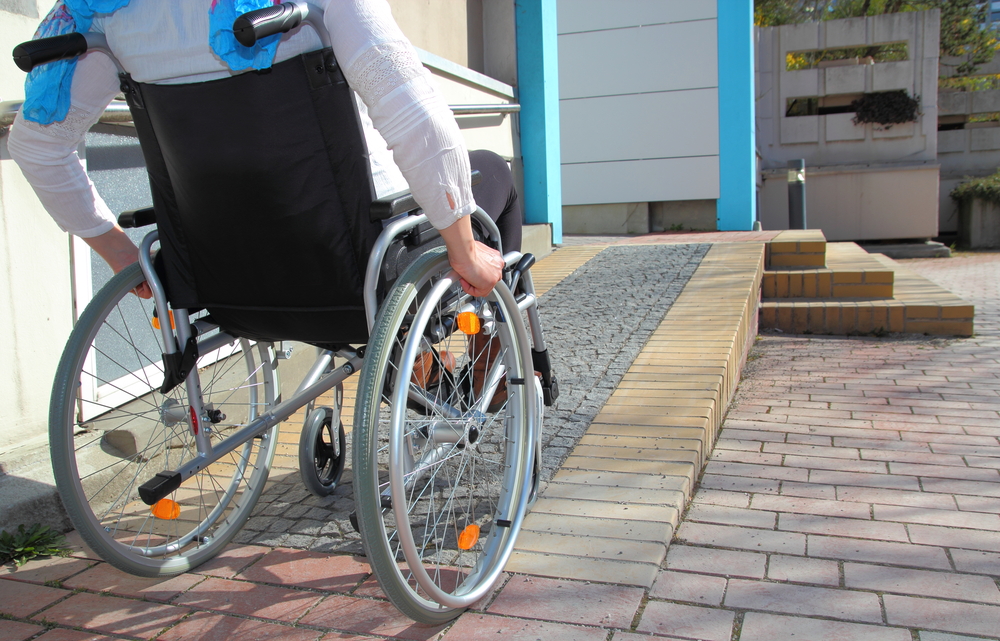
Council says poor and inaccessible housing can contribute to ill health and pressure on local services
PEMBROKESHIRE COUNTY COUNCIL has admitted there is not enough suitable accessible housing in the county to meet demand, with more than 400 people currently waiting for accessible social housing.
The council confirmed that 403 people are on the Pembrokeshire Accessible Housing Register, which forms part of the Choice Homes @ Pembrokeshire housing register.
Of those waiting, 81% are in the gold band, while 62% require one-bedroom accessible accommodation.
A further 111 cases are currently awaiting occupational therapy assessment through to approval of assessed works for disabled facilities or discretionary disabled assistance grants.
The figures were released following questions from The Pembrokeshire Herald after a report by the Royal College of Occupational Therapists warned that poor and unsuitable housing is damaging people’s health and placing avoidable pressure on health and social care services.
Pembrokeshire County Council said it recognised that unsuitable housing was a local challenge, often linked to ageing housing stock across all types of accommodation.
A spokesperson said: “Within Pembrokeshire, we recognise that there are challenges around unsuitable housing, often linked with an ageing housing stock across all tenures of accommodation.
“We recognise that poor and inaccessible housing can be a contributing factor to ill health and increased demand on housing, health and social care services.
“As a council where a need is identified, we work across service areas to ensure that people are able to live safely and independently within appropriate accommodation.”
Hospital discharge delays
The council also confirmed that housing-related issues can affect hospital discharge planning locally.
It said there had been an increase in housing-related delays in recent years, caused by a range of factors, including the need for suitable accommodation after changes in a person’s health or ability to function.
This can lead to a need for home adaptations or alternative accessible accommodation.

However, the authority said housing-related factors generally represented a relatively small proportion of overall discharge delays in the area.
The council said: “There are concerns related to housing-related delays which impact hospital discharge planning locally.
“There has been an increase in housing related delays due to a range of factors, including the need for suitable accommodation following changes in an individual’s health or functioning.
“This may be for any tenure of accommodation, which subsequently can lead to a need for home adaptations, or alternative accessible accommodation sourced.
“Despite this upward trend in recent years, housing-related factors generally represent a relatively small proportion of overall discharge delays in the area.”
Insufficient suitable homes
Asked whether enough suitable housing exists locally for older residents and people with disabilities or long-term health conditions, the council accepted there was a shortfall.
The spokesperson said: “Given the numbers we have on our Accessible Housing Register as well as the ageing population in the county, we acknowledge that there is insufficient suitable accessible housing to currently meet demand.
“This is recognised in the Local Housing Market Assessment 2023 and Pembrokeshire Housing Strategy 2024-2027.”
The council said its Occupational Therapy Service works closely with housing providers across Pembrokeshire to assess needs and support appropriate housing solutions.
This includes adaptations to existing properties and the development of adapted homes.
The council said its Housing Service was also working closely with Adult Social Care and health partners to address the challenges.
Adapting homes
For social housing tenants who need adaptations, the council said needs are assessed through the Occupational Therapy Service.
Depending on the outcome of that assessment and the extent of the works required, adaptations are either carried out by the social landlord or, in some circumstances, alternative more suitable accommodation is sought.
For new social housing, the council said Lifetime Homes standards form part of the Welsh Government’s Housing Quality Standards for new build properties.
Housing and social care services also work together to inform the type and design of properties being developed, with the aim of ensuring the needs of people with disabilities and long-term health conditions are considered.
The council said this work is targeted according to the needs identified from the Accessible Housing Register.
It added that the approach focuses on early identification, regular discussion and joint problem-solving to help support timely and appropriate hospital discharges, as well as planning for current and future need through new build and acquisition programmes.
Wider Welsh concern
The council’s comments come after the Royal College of Occupational Therapists published its Building Health into Homes report, which argues that unsuitable housing is worsening physical and mental health, increasing hospital readmissions and adding pressure to health and social care services.
The report says there is little point discharging people from hospital if they are returning to homes that fail to meet their needs or worsen their condition.
In response to the report, the Welsh Government told The Herald: “Poor or unsuitable housing directly impacts people’s health and places additional pressure on NHS services.
“Delayed discharges linked to unsuitable housing are a serious concern and we are taking steps to improve patient flow and reduce delays, strengthening joint working between health, social care and housing services so people can leave hospital safely.
“This Welsh Government has been clear that housing is a public health issue, which is why we are aligning action across government, including through dedicated ministerial oversight, to create a healthier population.
“We are also strengthening adaptation services to support independent living and prevent avoidable admissions and are establishing a new national development body to speed up delivery of accessible social homes.”
Hywel Dda University Health Board also said health was shaped by wider living conditions beyond the NHS.
James Severs, Executive Director of Allied Health Professions and Health Science at Hywel Dda University Health Board, said: “Most of what determines our health and well-being sits beyond the NHS. While healthcare is vital, it is the conditions in which people live, learn, work and age that have the greatest impact on health outcomes.
“As a Health Board, we recognise that the NHS contributes only a proportion of overall population health, with wider factors such as housing, education, employment and the environment playing a much larger role.
“This is why our strategy for ‘A Healthier Mid and West Wales’ is focused on moving beyond an illness-centred model of care to one that prioritises prevention, early intervention and support in communities.
“We are committed to working in partnership with local authorities, the third sector and our communities to address these wider determinants of health, reduce inequalities and enable people to live healthier lives, well lived.”
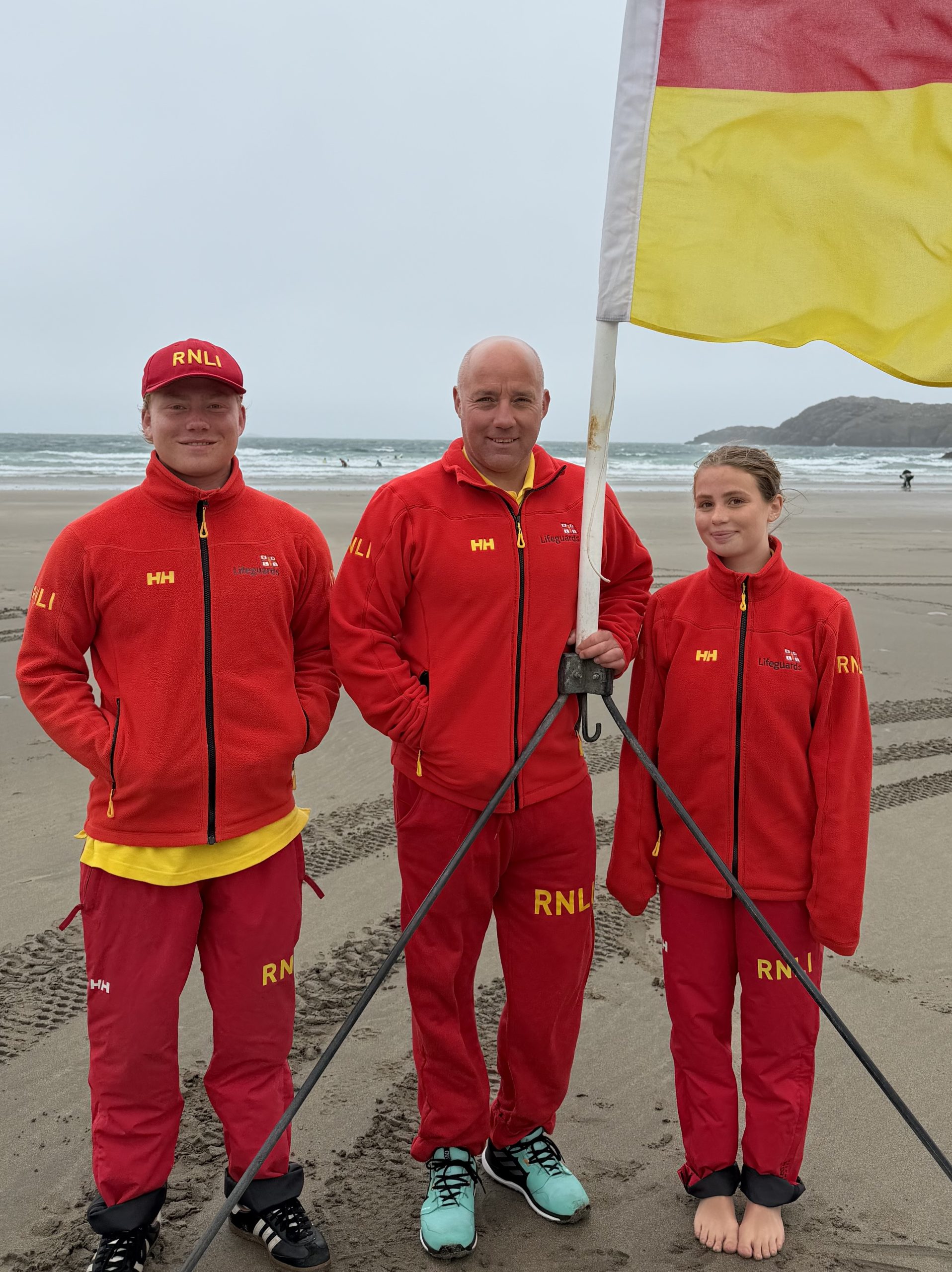
A FATHER, son and daughter are preparing to help keep beachgoers safe on the Pembrokeshire coast this summer as part of the same RNLI lifeguard team.
Tom Owen, 52, his son Cai, 19, and daughter Poppy, 17, are all RNLI beach lifeguards in north Pembrokeshire.
Tom joined the North Pembrokeshire team in 2022, with Cai following in 2023 and Poppy joining last year after turning sixteen.
Family effort
Tom is also the oldest lifeguard in the North Pembrokeshire team, but he has decades of experience around the water.
He first worked as a beach lifeguard for the local council in 1992, before the RNLI lifeguard service was introduced in Pembrokeshire in 2008.
Tom said: “I first had the opportunity to work as a beach lifeguard for the local council in 1992 before the RNLI’s lifeguard service was rolled out in 2008. My interest grew whilst in Australia, so I spent a couple of summers out there volunteering mainly for surf lifesaving clubs.
“Joining the RNLI has always appealed to me and now that my children are old enough, I took the opportunity to give it a go. It’s also lovely working alongside my kids. I’m really proud of what they have achieved, although I try not to embarrass them too much.”
Coastal upbringing
Cai and Poppy have grown up on the Pembrokeshire coast and have spent much of their lives in and around the sea.
Both have swum competitively for many years, competing at club and county level, while both are also surfers. Poppy has represented Wales at the Junior Santa Cruz Eurosurf in 2022, 2023 and 2024.
Cai said: “My most memorable lifeguard shift with my dad was when we cycled to work together, but on the way home my bike got a puncture.
“Dad cycled home and I had to walk back. But I really enjoy cycling to work in the summer with Dad and having the opportunity to be active and help others.”
Poppy said: “I really enjoyed my first season working on the beaches last year and can’t wait for this one to begin. I have already completed my lifeguard induction and have just finished my A-levels.

“It’s hopefully going to be a great summer working alongside my brother and dad, and in a special year as the charity celebrates the 25th anniversary of RNLI lifeguards.”
‘Give it a go’
Tom said age should not be a barrier for anyone thinking about becoming a lifeguard.
He added: “My age was never a consideration of mine when applying for the beach lifeguard job. I’ve always enjoyed working in a team and having the opportunity to be outside on my local beaches is brilliant.
“It’s hugely satisfying knowing I’m helping to keep others safe.
“I hope other people my age see that lifeguarding isn’t just for youngsters. If you’re still fit and healthy and love being at the beach, just give it a go, you won’t regret it.”
Since the RNLI lifeguard service began in Pembrokeshire in 2008, lifeguards in the county have saved 164 lives, aided 15,513 people and carried out 1,799 rescues.
Photo caption:
Family team: RNLI lifeguards Cai, Tom and Poppy Owen will be helping to keep Pembrokeshire beaches safe this summer (Pic: RNLI).

NEW STUDY PRAISES AFFORDABILITY, AIR QUALITY AND QUALITY OF LIFE
WALES has been named the second best region in the UK for retirement in a new study, although the findings may prompt debate among older residents facing pressures over healthcare, transport and the cost of living.
The analysis, carried out by private healthcare group Spire Healthcare, ranked UK nations and regions on a range of factors including house prices, crime rates, the proportion of over-65s, risk of falls, number of hospitals, air quality and access to free events.
Wales scored 59.30 out of 100, putting it second in the UK behind the East Midlands, which topped the table with a score of 61.25.
The South West came third, followed by Northern Ireland and the West Midlands. London was ranked lowest, with a score of 33.62.
Spire Healthcare said the figures showed Wales was one of the most attractive areas in the UK for retirees, helped by relative affordability, environmental quality and lower fall risk compared with some other regions.
The company said Wales was also among the three regions with the lowest fall risks, alongside the East and the South West.
Mark Frame, a consultant orthopaedic surgeon at Spire Southampton Hospital, said falls remained a serious concern for older people.
He said: “Most falls result in bruising or sprains, but we frequently see fractures of the wrist, ankle and hip.
“In older patients, hip fractures are especially concerning as they can significantly impact mobility and independence.
“In terms of prevention, maintaining strength and balance is one of the most effective protective measures.
“Regular activity such as walking, swimming or balance-focused exercises can significantly reduce fall risk. At home, simple steps such as improving lighting, securing loose rugs and wearing appropriate footwear can make a substantial difference.”
However, the study is likely to be viewed with caution by some older people in Wales, particularly in rural counties such as Pembrokeshire, where access to NHS dentists, GP appointments, public transport and social care remains a major concern.

The index did not directly measure NHS waiting times, ambulance response times, access to care packages, rural isolation, or the availability of public transport, all of which can have a major impact on quality of life in retirement.
The full ranking placed the East Midlands first, followed by Wales, the South West, Northern Ireland, the West Midlands, Yorkshire and the Humber, the South East, the North East, the North West, Scotland, the East of England and London.
Spire Healthcare said the index was designed to measure retirement suitability using publicly available datasets, with higher scores indicating regions that performed better on affordability, safety, healthcare access, environmental quality and social opportunity.



Business3 hours ago
Celtic Freeport five-year plan puts Milford Haven at centre of green energy future
Strategy promises investment, skilled jobs and new supply chains, but major barriers remain over grid connections, planning and delivery THE...


Education4 hours ago
Closure of Ysgol Clydau approved after emotional council debate
COUNCILLORS WARNED RURAL COMMUNITIES WILL REMEMBER DECISION PEMBROKESHIRE councillors have voted to close Ysgol Clydau following an emotional debate over...


Education5 hours ago
Manorbier school closure process to continue after narrow council vote
Questions remain over insurance, rebuilding costs and possible legal action by Diocese PEMBROKESHIRE councillors have voted to press ahead with...

Community7 hours ago
The father, son and daughter lifeguard trio saving lives in Pembrokeshire
A FATHER, son and daughter are preparing to help keep beachgoers safe on the Pembrokeshire coast this summer as part...

Community17 hours ago
Beating of the Bounds brings music, boats and tradition to Haverfordwest
CENTURIES-OLD CEREMONY DRAWS FAMILIES TO THE RIVERSIDE HAVERFORDWEST’S historic Beating of the Bounds returned on Sunday (Jun 14), with boats,...


Community1 day ago
Milford Haven School pupil praised after stepping in during real-life emergency
A YEAR 11 pupil at Milford Haven School has been praised after putting his first aid training into action to...

Community1 day ago
River festival brings crowds to Haverfordwest
A CELEBRATION of the River Cleddau brought crowds into Haverfordwest on Saturday (June 13) as the town’s River Festival returned...


Charity1 day ago
Voices at the Castle hailed as unforgettable night after weather setback
Russell Watson headlines spectacular charity concert at Pembroke Castle A SPECTACULAR evening of live music at Pembroke Castle has been...

Local Government2 days ago
Council admits 74 rights of way complaints remain unresolved
Key post vacant since February as walker raises safety concerns over paths near Llanteg and Amroth PEMBROKESHIRE COUNTY COUNCIL has...


Education3 days ago
Diocese threatens legal action as Manorbier school closure battle intensifies
Church says council could face judicial review over fire-hit school A BITTER row over the future of Manorbier Church in...
-
 Community19 hours ago
Pembrokeshire Chess Club crowned Welsh champions
-

 Crime6 days ago
Haverfordwest pair accused of £80,000 rogue trading frauds
-
Education3 days ago
Diocese threatens legal action as Manorbier school closure battle intensifies
-

 Crime4 days ago
Man accused of six rapes including alleged Haverfordwest offence
-

 Community7 days ago
Forgotten wartime archive found in Pembroke Dock attic after 80 years
-

 Crime4 days ago
Pembroke Dock teenager sentenced over train strangulation attack
-
 Crime6 days ago
Families condemn failed appeal by paddleboard boss jailed over Haverfordwest tragedy
-
 Crime6 days ago
Knife blankets call as school staff face rising violence fears