

News
Prince Harry and stars lose major privacy case against Daily Mail publisher

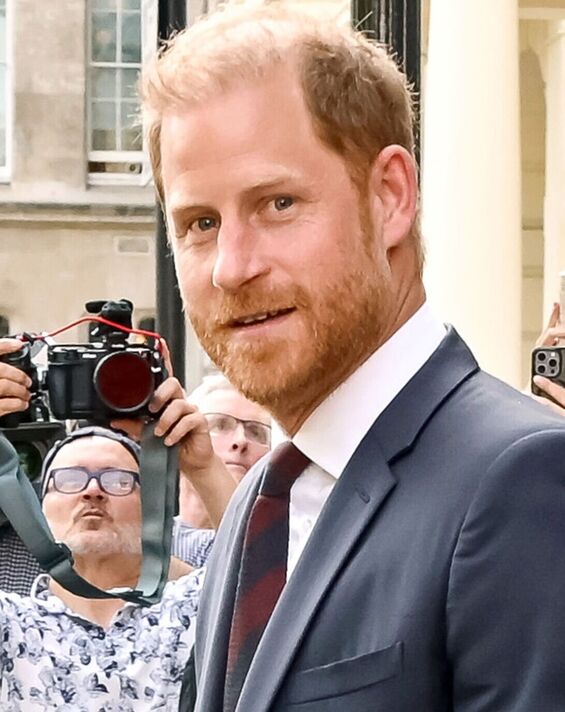
High Court dismisses claims by Duke of Sussex, Sir Elton John, Baroness Lawrence and others, with huge legal costs now looming
PRINCE HARRY Sir Elton John, Baroness Lawrence and four other public figures have lost a major High Court privacy battle against the publisher of the Daily Mail, The Mail on Sunday and MailOnline.
In a 436-page judgment handed down on Tuesday (July 7), Mr Justice Nicklin dismissed all claims brought against Associated Newspapers Limited.
The case was brought by Baroness Lawrence of Clarendon, Elizabeth Hurley, Sir Elton John, David Furnish, Sir Simon Hughes, Prince Harry, the Duke of Sussex, and Sadie Frost Law.
They alleged that Associated Newspapers had obtained private or confidential information through unlawful methods, including phone hacking, listening to calls, deception, and the use of private investigators.
The claimants said information gathered in this way was used to help prepare articles published in the Daily Mail, The Mail on Sunday and MailOnline over a period stretching from the late 1990s to 2015.

Associated Newspapers denied the allegations.
After a lengthy trial earlier this year, the judge found that the claimants had not proved their case.
He said the court had to examine the evidence article by article, rather than deciding the case on broad allegations about tabloid culture or historic wrongdoing elsewhere in the newspaper industry.
The judgment examined dozens of stories and incidents, including articles about Prince Harry’s private life, Elizabeth Hurley’s family life, Sir Elton John and David Furnish, Sadie Frost Law, and Baroness Lawrence’s long campaign following the racist murder of her son Stephen Lawrence.
Mr Justice Nicklin said that while the use of private investigators could raise serious questions, it did not automatically prove unlawful information gathering.
He also accepted that some information could have come from public sources, previous reporting, ordinary journalistic contacts, publicists or confidential sources.
A central plank of the claimants’ case was an allegation that senior Associated figures had misled the Leveson Inquiry. The claimants described this as the “Leveson Lies”.

The judge rejected that allegation.
He found that the claimants had not proved that Paul Dacre, Elizabeth Hartley or Stephen Wright gave evidence to Leveson which they knew to be untrue.
The judge said Associated’s response to Leveson was not necessarily beyond criticism, but that was different from proving deliberate falsehoods.
He was also critical of the way the allegation had been pursued, saying that claims of such seriousness must be clearly tied to specific statements and properly put to witnesses.
The ruling is a major victory for Associated Newspapers and a significant setback for the Duke of Sussex, who has brought a series of legal actions against sections of the British press.
The financial consequences could also be substantial.
Associated Newspapers is expected to seek to recover its costs. Some reports have put the overall legal bill at more than £50m, although the final recoverable figure will be a matter for the court and may be lower.
A previous costs judgment showed that the claimants had taken out After The Event insurance, commonly known as ATE insurance. That type of policy is designed to protect a claimant against having to pay the other side’s legal costs if they lose.
The court was told the claimants had individual ATE policies of £2.35m each, giving total cover of £14.1m.
However, the final costs position has not yet been decided. A further hearing has been fixed for July 29 and 30, when the parties are expected to deal with the consequences of the judgment, including any dispute over costs.
For readers in Wales, the case is important because it goes to the heart of media law, privacy and the limits of evidence in claims against powerful publishers.
The judgment does not say that unlawful tabloid practices never happened. Instead, it says that these claimants failed to prove these claims against this publisher on the evidence before the court.
Mr Justice Nicklin concluded: “Each of the Claimants’ claims is dismissed.”
Associated Newspapers welcomed the ruling. The claimants are reported to be considering their next steps.


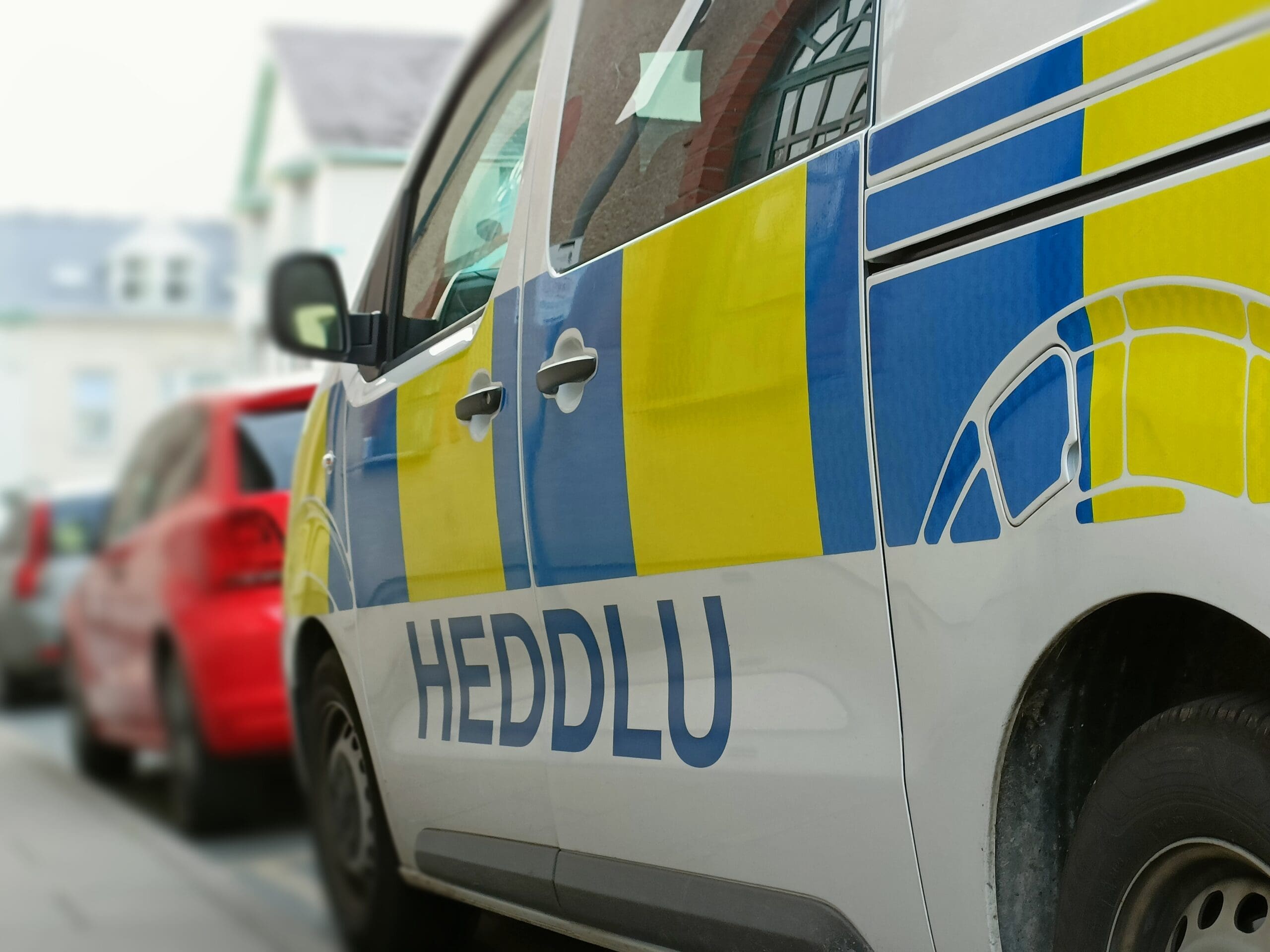
A LLANGENNECH man who drove an Audi S5 dangerously while disqualified and uninsured has been handed a suspended prison sentence.
Ashley Bowen, 35, of Dan y Cwar, Nant y Gro, Llangennech, appeared before Llanelli Magistrates’ Court on Thursday (Jul 9).
He admitted driving while disqualified and using a motor vehicle without third party insurance. He also indicated a guilty plea to dangerous driving.
The offences took place in Llanelli on July 2.
The court heard Bowen drove the Audi S5 dangerously on Troserch Road. He was also found to have driven the vehicle on Maes yr Dderwen while disqualified from holding or obtaining a driving licence, and without a valid insurance policy.
Magistrates recorded that the dangerous driving was aggravated by Bowen’s previous record, the fact he was evading police, and that other driving offences were committed at the same time.
Bowen was sentenced to 12 months in prison, suspended for 18 months, for the dangerous driving offence. He was also given a three-month concurrent suspended sentence for driving while disqualified.
He must complete 200 hours of unpaid work and up to 15 rehabilitation activity days.
Bowen was disqualified from driving for 40 months and must pass an extended test before being allowed back on the road.
He was also ordered to pay £85 costs and a £187 surcharge.

OFFICERS from Haverfordwest Neighbourhood Policing and Prevention Team have taken part in the Prostate Cymru Walk of Wales, completing the scenic leg from Porthclais to Whitesands.
The walk gave the team the chance to support an important cause while helping raise awareness of prostate cancer, which affects one in eight men in the UK and is the most common cancer among men in Wales.
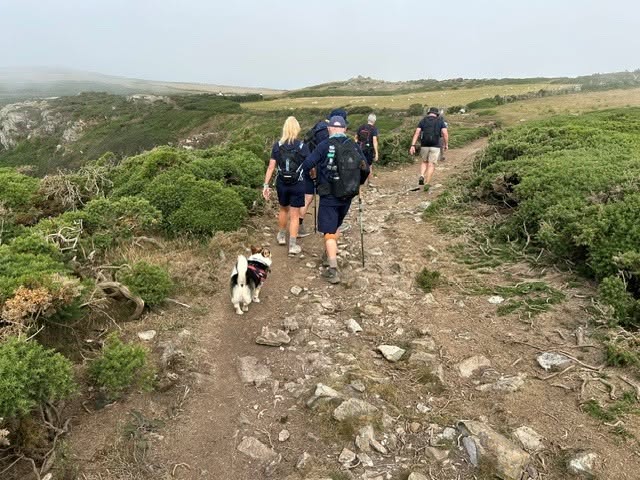
Taking in one of Pembrokeshire’s most beautiful stretches of coastline, the route formed part of a much larger challenge being undertaken between June and August 2026.
Walkers are travelling around Wales via the Wales Coast Path, averaging around 40km a day over 44 days to raise awareness and support the work of Prostate Cymru.
Police praised everyone taking part in the challenge and thanked those supporting the initiative.
Every step helps make a difference.


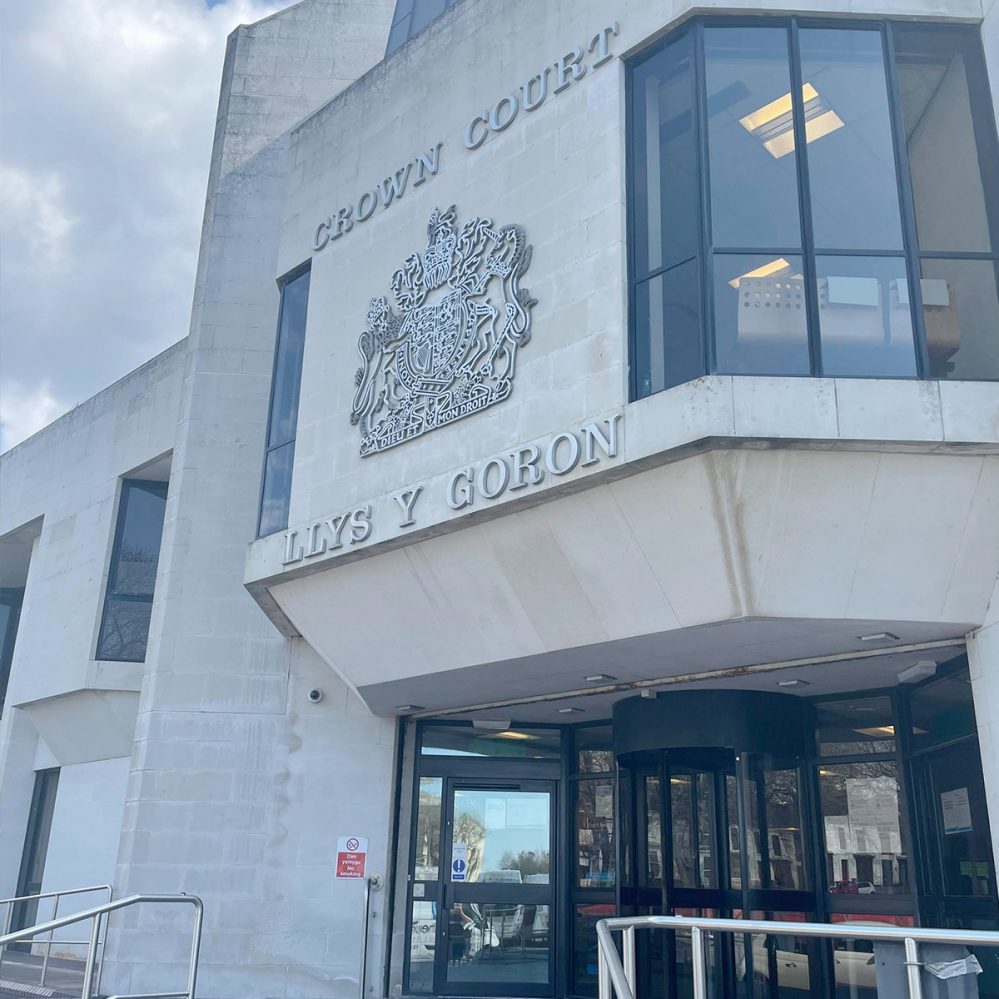
Jury hears accounts of alleged planned classroom attack, teacher’s fear she was dying, and boy’s words after leaving school
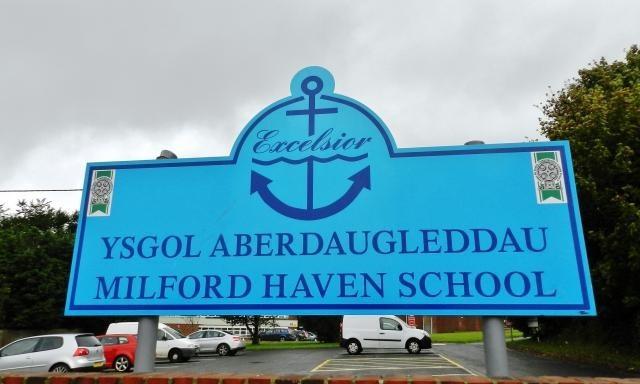
A TEACHER allegedly stabbed in the head at a Milford Haven secondary school feared she was dying and would never see her daughter again, a jury has heard during the first week of one of Pembrokeshire’s most closely watched criminal trials.
The defendant, who was 15 at the time and is now 16, cannot be named because of his age.
He denies attempting to murder teacher Vicki Williams on Wednesday, February 5, 2026. He also denies inflicting grievous bodily harm with intent and unlawful wounding.
He has admitted possessing a bladed article on school premises.
The trial opened at Swansea Crown Court on Monday before Judge Paul Thomas KC, with the prosecution alleging that the teenager brought a large kitchen knife into school in his bag and launched what was described to the jury as a planned and murderous attack.
The defence says the boy did not intend to kill Mrs Williams, did not intend to cause her really serious harm, and did not even intend to assault her. His case is that her injuries were caused accidentally during a struggle after he refused to hand over the knife.
‘Planned and murderous attack’, prosecution says
Opening the case, Christopher Rees KC, prosecuting, told jurors that the incident happened shortly after the end of the school day.
The court heard that the defendant had been taught by Mrs Williams earlier that morning and that there had been no apparent difficulty between them.
The prosecution says that changed after lessons ended at around 3:10pm, when the boy went into a classroom where Mrs Williams was working.
Jurors were told he approached her desk and asked her to check some work. The court heard that he then shut the classroom door, saying it was cold.
Mr Rees said the Crown’s case was that the boy had closed the door because he wanted to isolate Mrs Williams so he could attack her.
The jury heard that the boy then pulled a large kitchen knife from his bag and struck Mrs Williams to the head.

Mr Rees told the court: “The prosecution say the defendant planned and launched a murderous attack on the teacher. He deliberately stabbed Vicki Williams in the head.”
The court heard that a violent struggle followed. Mrs Williams screamed for help and eventually managed to take the knife from the boy.
The defendant then ran from the classroom and left the school, jurors were told. He was later arrested at the home of a family member.
Mrs Williams was treated at the scene and taken to Withybush Hospital. She was discharged later the same evening.
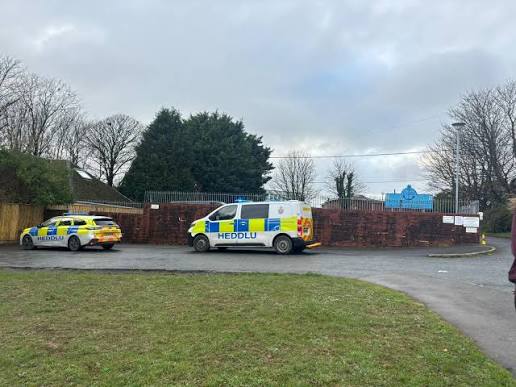
The incident led to a temporary lockdown at the school and caused widespread concern among parents, pupils, staff and the wider Milford Haven community.
Teacher tells jury she feared she was dying
Giving evidence on Tuesday, Mrs Williams told the jury she had taught the defendant earlier on the day of the incident and had no concerns about his behaviour.
Asked about her relationship with the pupil, she said there had been no issues during the lesson and that, from her perspective, they had always got on well.
She told the court that after the school day ended, the defendant approached her while she was working in a classroom.
Mrs Williams said he stood beside her and engaged her in conversation while searching through his school bag.
She said she believed he was looking for something and continued talking to him as he rifled through the bag.
Moments later, she told the jury, she was hit in the head.
“He hits me in the head first,” Mrs Williams said.
“The force of it hits me back into my chair.”
The court heard that Mrs Williams did not initially realise she had been stabbed. She said she became frightened during the incident and thought she might die.
The jury heard that she shouted for help during the struggle and eventually succeeded in disarming the boy.
Mrs Williams rejected the defence suggestion that her injuries were caused accidentally while she was trying to get the knife from him.
She told the jury that the boy appeared calm when he entered the room and that she could not understand why he had allegedly attacked her.
Jurors have been told that Mrs Williams later described the look on the defendant’s face as one of “pure hatred”.
First aider describes ‘complete shock’
On Wednesday, the jury heard from the school’s main first aider and medical coordinator, Mrs Walters Jones.
She told Swansea Crown Court that a colleague came to her office before another person ran in asking for help.
Mrs Jones went to the classroom, where she found Mrs Williams sitting at a pupil’s desk, distressed and bleeding from injuries to her head and hand.
“She was upset, crying, shaking,” Mrs Jones told the jury.
“Her whole body was in complete shock.”
The court heard that Mrs Jones treated Mrs Williams, who told her she had been attacked with a knife.
Mrs Jones said Mrs Williams told her the defendant had been acting “strange” and “weird”, and that she had felt unsafe and did not want to turn around.
The jury heard that the school was placed into lockdown following the incident.
Mrs Jones said she was the person who called police, but had to pass the phone to a colleague because she “couldn’t get my words out”.
The knife allegedly used in the incident was produced in court and shown to the witness, judge and jury.
Mrs Jones said she cleaned through Mrs Williams’ hair to assess the head wound and described the injuries to her hands as “erratic”.
The court also heard evidence from Stephen Martin, the school’s inclusion and behaviour manager.
He told jurors he heard a radio message that something had happened and later saw Mrs Williams with blood on her hands, running down the side of her face and onto her T-shirt.
Mr Martin said Mrs Williams was “distressed, scared, shocked” and confused.
He told the court Mrs Williams said she did not know why she had been attacked or what she had done wrong.
Under questioning, Mr Martin confirmed there was no recorded conflict between Mrs Williams and the defendant.
Grandmother’s statement read to court
On Thursday, the fourth day of the trial, the jury heard written evidence from the defendant’s grandmother.
Her statement, agreed by prosecution and defence, was read to the court.
She described the defendant as a “really quiet boy” and said he had been that way since infancy. The jury heard she would often make tea for him after school.
The grandmother said that on the afternoon of February 5, the defendant’s mother called her to say that “something had happened in school”.
She said she “felt sick to my stomach”.
A short time later, her grandson arrived at her house and sat on the stairs.
She asked him what he had done.
According to the statement read to the jury, he replied: “Something went in my head, nan.”
The grandmother said he was crying and had his head hung low in his hands.
She said police arrived at her home around ten minutes later and arrested him. She described him as looking shocked and upset.
Pathologist gives evidence on injuries and knife
The jury also heard evidence from forensic pathologist Dr David Rouse, who took the court through photographs of Mrs Williams’ injuries and the knife recovered from the classroom.
Dr Rouse described five superficial incised wounds to Mrs Williams’ fingers and palm.
He said the wounds were typical of defensive injuries and consistent with someone trying to grab or hold a knife.
Turning to injuries on Mrs Williams’ back, Dr Rouse described them as linear abrasions or scratch marks. He said he could not say exactly how they were caused, but they were consistent with Mrs Williams’ account of being pushed backwards.
Dr Rouse then dealt with the head injury. He described it as a linear incised wound to the top of the head, around 1cm in length.
The court heard that the injury was caused by a sharp blade and was “in keeping with a stabbing action going into the head”.
Dr Rouse said it was very difficult to get a penetrating wound through the skull, particularly in the area where the wound was situated.
The knife recovered from the classroom was also shown to the witness. It was kept in a clear plastic tube for safety.
Dr Rouse told the jury that the tip of the knife was distorted. He said he could not say how the tip came to be damaged, but that the distortion was in keeping with the knife being used in the way described.
Asked by Judge Paul Thomas KC whether that was what he would expect to find on a knife which had been stabbed into the top of a skull, Dr Rouse replied: “Yes, your honour.”
The doctor said Mrs Williams’ head injury was entirely consistent with the account she had given.
Under cross-examination by Matthew Roberts KC, defending, Dr Rouse agreed that it was not possible to say how or when the injuries to Mrs Williams’ back were caused.
He also agreed that it was not possible to say when the damage to the point of the knife was caused, or exactly how it was caused.
Dr Rouse said: “All we can say is there was a stab wound to the head and it seems a reasonable conclusion to say that caused the damage, but we cannot say for sure.”
The defence put it to him that there were areas of the body far more vulnerable to knife wounds than the top of the head, such as the neck or chest.
Dr Rouse agreed, saying knives are designed to go through bodies and that such areas would not require much force to injure.
The defence also put it to Dr Rouse that he could not rule out the injuries being caused during a “scuffle”.
Dr Rouse said pathology could not determine the mechanism, adding that this was a matter for the jury.
Defence case
The defence case is that the defendant did not intend to kill Mrs Williams, did not intend to cause her grievous bodily harm, and did not intend to assault her.
The jury has been told that the defence says the injuries were caused accidentally when the boy refused to hand over the knife after being asked to do so.
The defendant has admitted possessing a bladed article on school premises, but denies the three remaining charges.
Trial continues
As The Herald went to press, the prosecution evidence was still being heard.
The trial, expected to last three weeks, continues before Judge Paul Thomas KC at Swansea Crown Court.
The jury will be asked in due course to decide whether the prosecution has proved the disputed allegations so that they are sure.
The defendant remains entitled to the presumption of innocence unless and until the jury reaches any verdict against him.
Charges before the court
The defendant denies:
Attempted murder
Inflicting grievous bodily harm with intent
Unlawful wounding
He admits:
Possessing a bladed article on school premises
Reporting restriction
The defendant cannot be identified because he is under 18.



Crime1 hour ago
Teacher stabbing trial: The first week of evidence
Jury hears accounts of alleged planned classroom attack, teacher’s fear she was dying, and boy’s words after leaving school A...


Community4 hours ago
Haverfordwest Castle refurbishment reaches new heights as roof goes on
Major milestone reached in project to transform historic gaol building into flagship visitor attraction A MAJOR milestone has been reached...


Business1 day ago
Pembrokeshire lands £98m share of Wales marine energy boom
New industry report says county has received the second highest level of marine energy investment in Wales, supporting more than...
Crime1 day ago
First aider tells jury teacher was “crying, shaking” after classroom stabbing
A SCHOOL first aider has told a jury that teacher Vicki Williams was “crying, shaking” and in “complete shock” after...

Crime2 days ago
Teacher feared she was dying after Milford Haven classroom stabbing
A TEACHER allegedly stabbed in the head at Milford Haven Comprehensive School told a jury she feared she was dying...


News2 days ago
Farage to resign as MP and fight Clacton by-election amid finance row
NIGEL FARAGE has announced he will resign as MP for Clacton and stand again in the by-election he intends to...
Crime2 days ago
Teacher tells jury there were ‘no issues’ with accused pupil hours before ‘stabbing’
Milford Haven teacher gives evidence as trial of 15-year-old continues at Swansea Crown Court A TEACHER allegedly stabbed at Milford...


News3 days ago
Major incident stood down after fire at Impala Terminal in Milford Haven
Fire involved decommissioned oil tank containing residual crude oil and around 60 cylinders A MAJOR incident declared during a fire...


News3 days ago
Large fire breaks out at Impala Terminal in Milford Haven
Black smoke seen for miles as emergency services respond to incident at former Puma Energy site A LARGE fire has...
Crime3 days ago
Prosecution outlines ‘planned attack’ as Milford Haven teacher stabbing trial opens
Jury hears teenager allegedly brought kitchen knife into school before teacher was stabbed in the head THE JURY in the...
-
 Community6 days ago
Closure-threatened Stepaside school expected to remain open
-

 Crime7 days ago
Llandeilo man accused of rape sent to Crown Court
-
 Education6 days ago
First Minister pressed on biological sex, additional learning needs, and NHS jobs
-
 Education6 days ago
Education secretary vows to tackle ‘root causes’ of antisocial behaviour in schools
-

 Community7 days ago
Saundersfoot Harbour regeneration project wins national planning award
-

 Education6 days ago
Ysgol Glannau Gwaun celebrates prestigious Gold Active Travel award
-
News3 days ago
Large fire breaks out at Impala Terminal in Milford Haven
-

 Charity6 days ago
New weekly palliative care support service launched at Withybush Hospital