


News
Princess Royal celebrates Pembrokeshire craftsmanship at family-run weaving mill

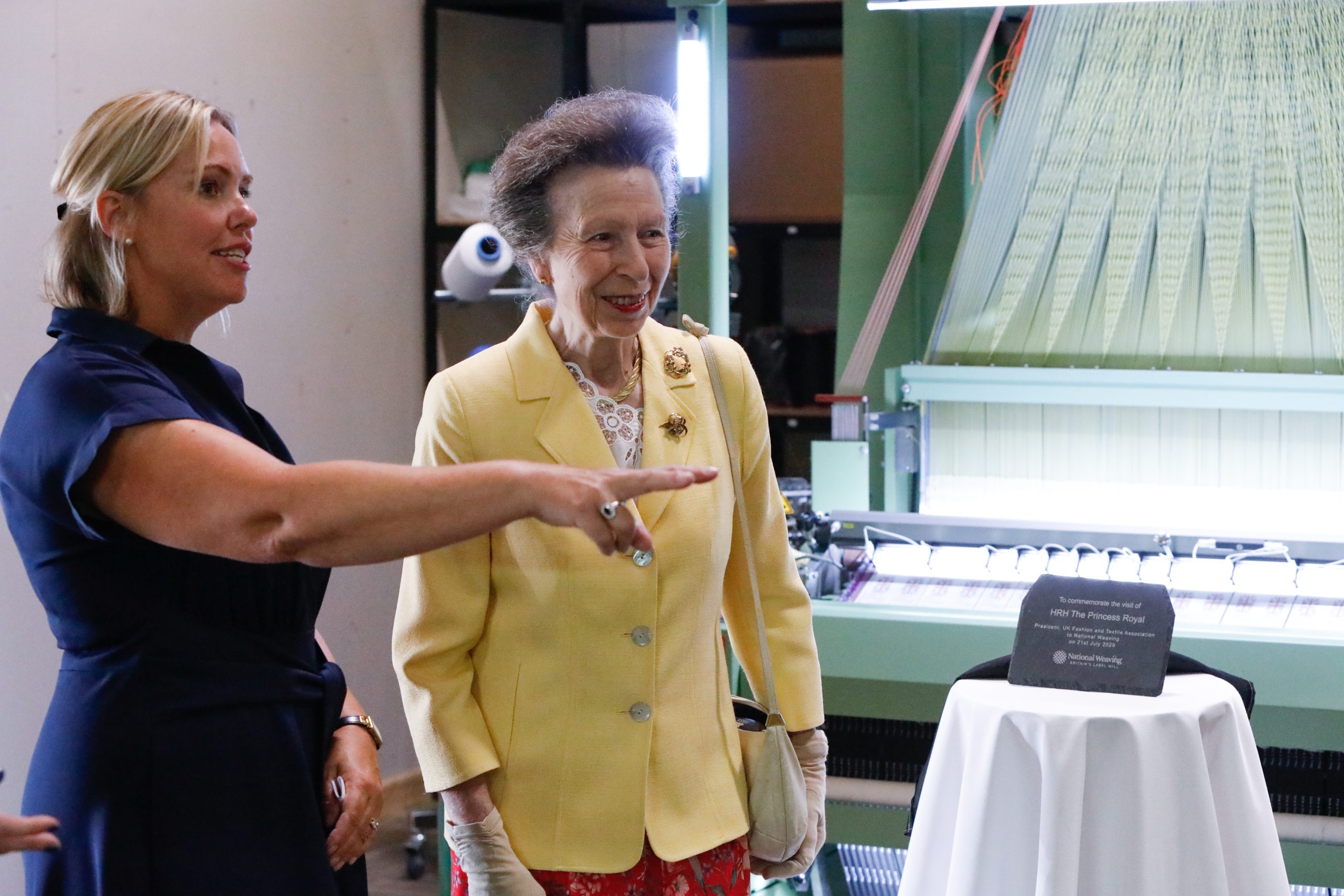
A Pembrokeshire business that began after a mother grew tired of waiting three weeks for her children’s name tapes has welcomed The Princess Royal to its factory nearly four decades later
THE PRINCESS ROYAL visited National Weaving in her role as president of the UK Fashion and Textile Association, meeting the family and skilled workers behind one of Britain’s leading woven-label manufacturers.
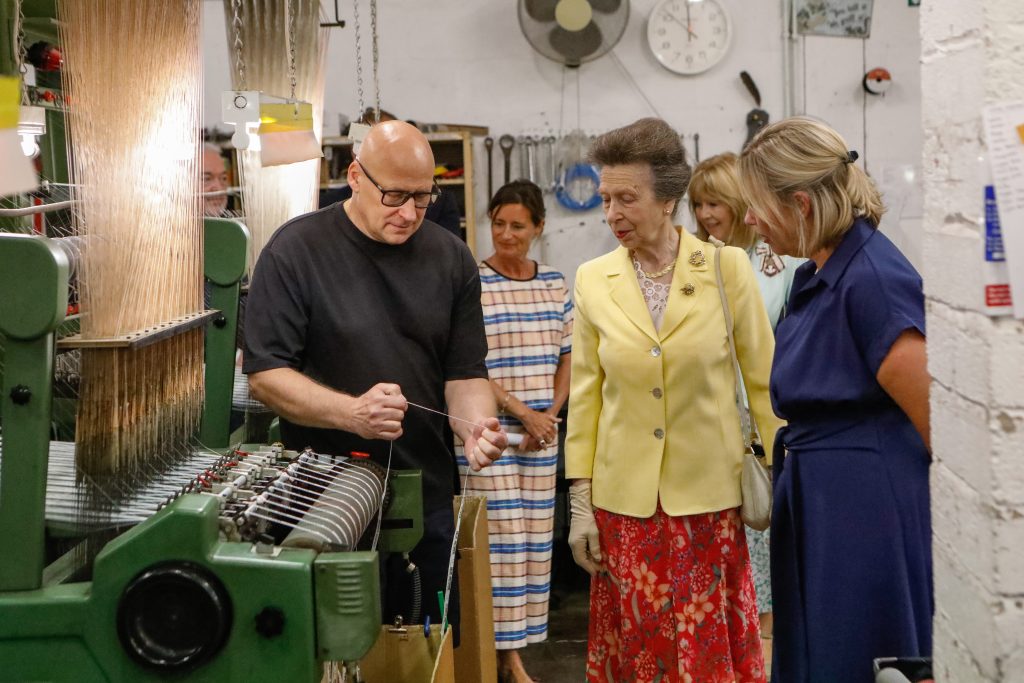
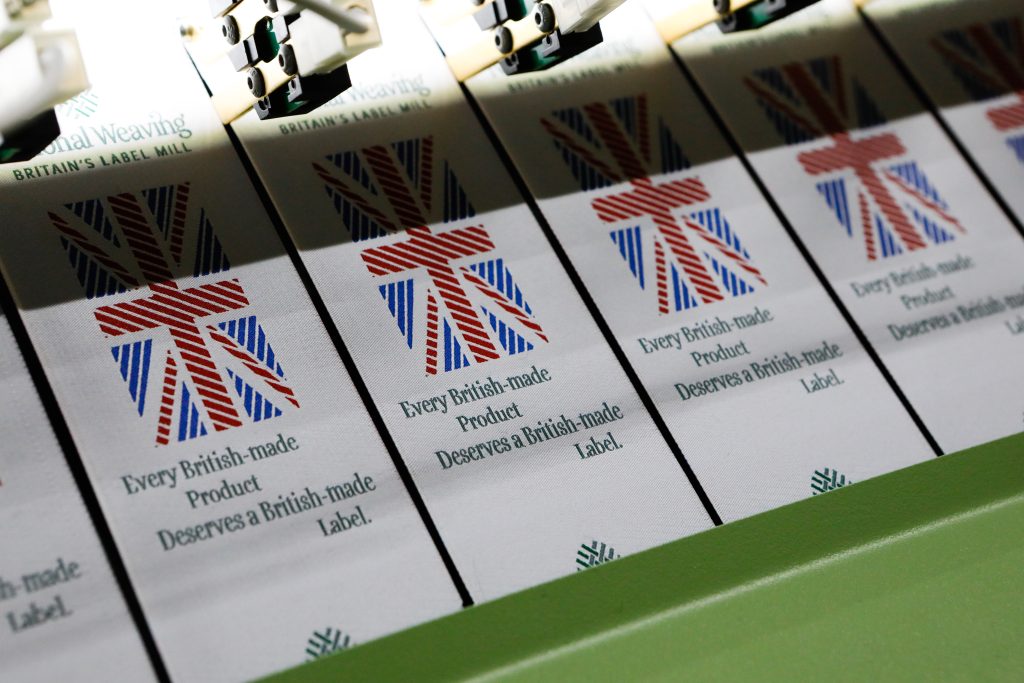
The company produces woven labels, ribbons, badges and other branding products at its Pembrokeshire factory, supplying garment manufacturers and businesses across the UK.
Its unusual story began when Christine Astley ordered name tapes for her children and was told they would take three weeks to arrive. Her husband bought her a loom, she taught herself how to weave the tapes and the family business was born.
Today, the company is owned by Christine’s daughter Caroline Astley and her husband Jake.
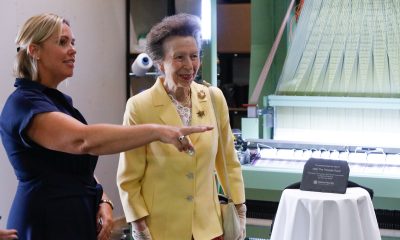
The royal visit began in National Weaving’s new History Room, where The Princess Royal was shown photographs and products charting the company’s development, along with Christine’s first loom, which has been restored as a permanent exhibit.

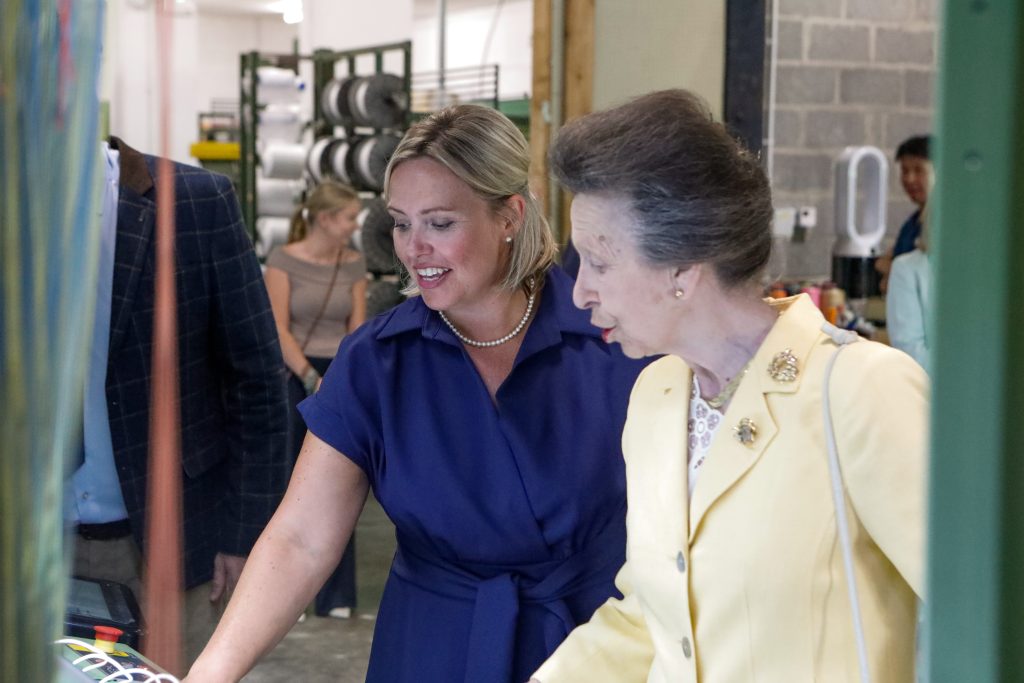
She then met the next generation of the family, including Caroline and Jake’s niece Jessica, who demonstrated how modern label designs are created.
Jessica has worked across several departments at the business and recently travelled to Switzerland for advanced training in textile design. She showed how a microscopic camera can be used to examine woven patterns before new designs are prepared for production.
The Princess Royal was then taken onto the factory floor, where she saw how the company’s original product, the woven name tape, continues to be manufactured.
Head weaving technician Piotr, who has worked for the company for almost 25 years, joined general manager Hugh in explaining the process. National Weaving has offered a same-day service for its name tapes since the business was founded.

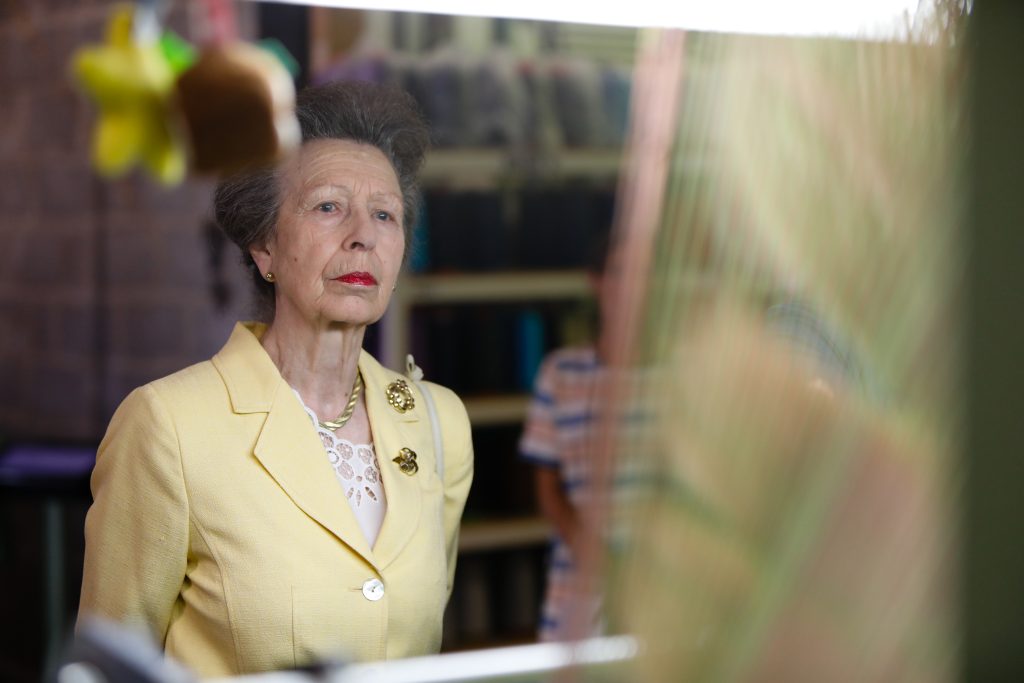
The tour continued in the Broadloom Department, where four Müller rapier looms produce many of the company’s designer labels.
Depending on the orders being processed, the department can manufacture between 50,000 and 100,000 labels in a single day.
Workers also demonstrated how the labels are joined, cut, folded, inspected and packed before being dispatched to garment manufacturers around the country.

The Princess Royal was shown the production of the company’s latest range of custom woven badges before meeting members of the wider workforce.
To mark the visit, she unveiled a commemorative plaque on a new loom. Caroline and Jake’s children also presented her with a gift on behalf of the family and company.
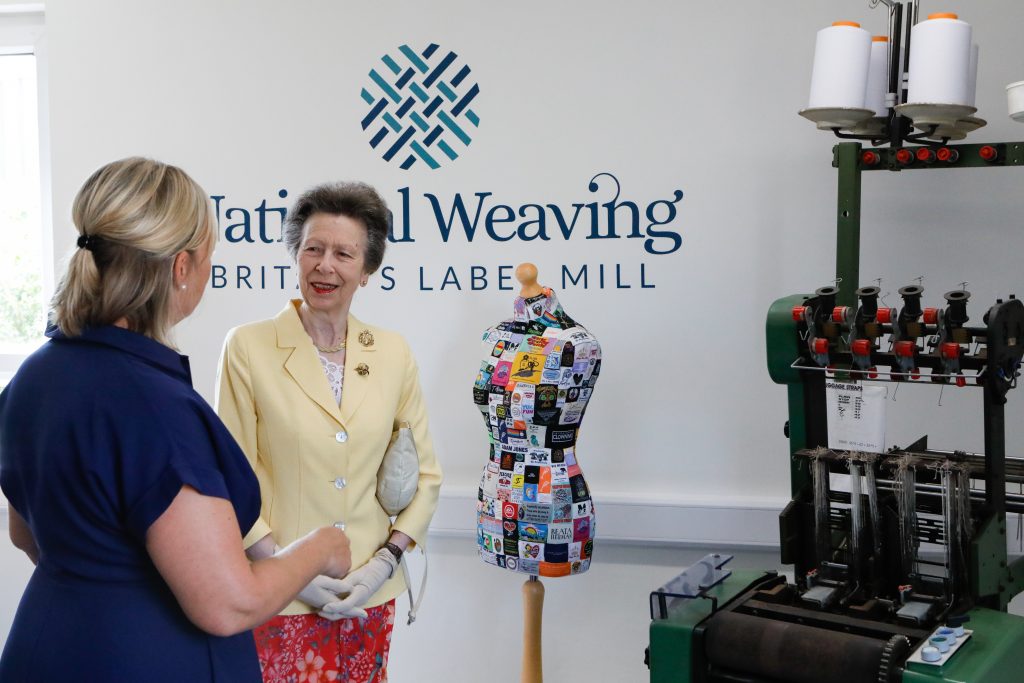
Caroline Astley said: “It is such an honour to welcome Her Royal Highness to our factory.
“We are incredibly proud of our team and the craftsmanship that goes into every product we make.
“Our thanks go to Her Royal Highness and UKFT for their continued support of British textile manufacturing and for making this visit possible.”
Paul Alger MBE, director of international business at UKFT, said the visit recognised the specialist knowledge involved in label weaving and the role labels play in communicating a product’s identity, quality and origin.
He said: “A label is far more than a finishing detail. It creates a valuable connection between a brand and its consumer, communicating identity, quality and provenance.
“Visits such as this provide an important opportunity to celebrate the depth of expertise within our industry and the businesses that continue to invest in its future.”
The visit highlighted how a small family enterprise created in Pembrokeshire has grown into a modern manufacturing operation while retaining the specialist skills on which the business was founded.
Pictures: Pembrokeshire Studio






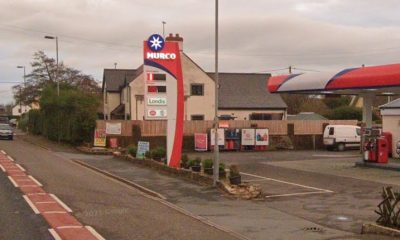



Plans have been lodged for a Burger King outlet at the Morrisons petrol station on Bridge Meadow Lane
BURGER KING could be coming to Haverfordwest after plans for a new outlet were submitted to Pembrokeshire County Council.
Motor Fuel Group has applied for permission to carry out further redevelopment work at the Morrisons petrol filling station on Bridge Meadow Lane.
The plans would see the existing jet wash and bin store demolished and the petrol station’s sales building extended.
Drawings submitted with the application show Burger King branding on the proposed development, potentially bringing the fast-food chain to Pembrokeshire’s county town.
The application has been made by St Albans-based Motor Fuel Group through planning agents CarneySweeney.
The site sits alongside the Morrisons supermarket and is close to one of the main routes into Haverfordwest.
It follows an earlier application by Motor Fuel Group to expand and modernise the petrol station.
That scheme, approved by county planners in October 2025, included an extension to the existing sales building, a new electric vehicle charging zone, a substation, a replacement bin store and four jet-wash bays.
Documents submitted with the earlier plans described the site as an established petrol station and customer parking area within the urban area of Haverfordwest.
The latest proposal is registered under planning reference 26/0257/PA and was received by Pembrokeshire County Council on July 9.
No decision has yet been made and the application will now be considered by the council’s planning department.
If approved, the development would add another major fast-food name to the Haverfordwest area.

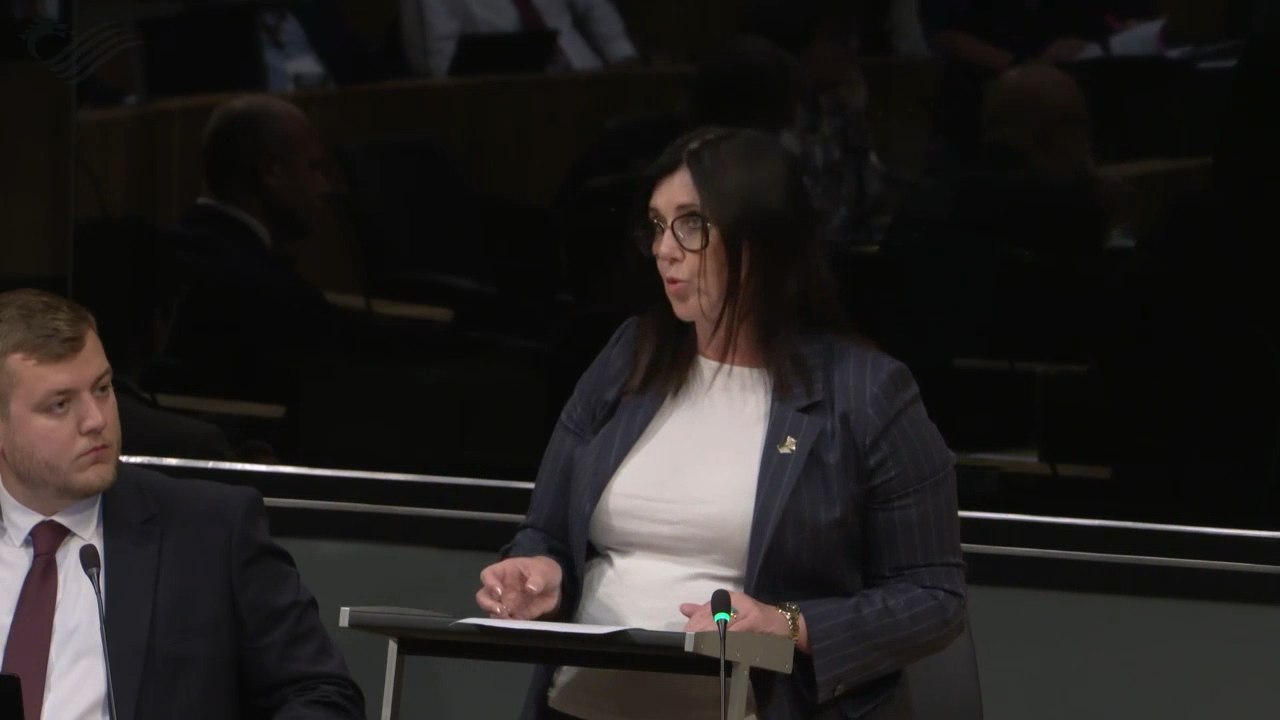
Claire Archibald says Welsh firms are being placed at a disadvantage, with full relief ending at half the rateable value permitted in England
A REFORM UK Senedd Member has called on the Welsh Government to review the level at which small businesses in Wales qualify for full business rates relief.
Claire Archibald, who represents Ceredigion Penfro, wants ministers to consider increasing the threshold for 100 per cent Small Business Rates Relief from a rateable value of £6,000 to a figure closer to the £12,000 threshold operating in England.
Under the Welsh system, eligible premises with a rateable value of up to £6,000 receive full relief and pay no business rates. Relief is then reduced gradually for properties valued between £6,001 and £12,000.
In England, an eligible business occupying a single property with a rateable value of £12,000 or less can receive full relief. Support is tapered for properties valued between £12,001 and £15,000.
Ms Archibald said the difference meant some small Welsh businesses faced bills at an earlier stage in their development than comparable firms across the border.
She raised the issue after meeting businesses and exhibitors at the Royal Welsh Show, where owners discussed the challenges facing rural enterprises.
Ms Archibald said: “The difference between the Small Business Rates Relief thresholds in Wales and England places many Welsh businesses at a clear disadvantage.
“For growing businesses, particularly in rural areas such as Pembrokeshire and Ceredigion, losing financial support at a crucial stage of development can have a significant impact on their ability to invest, expand and create new jobs.
“I have spoken to a number of local businesses at the Royal Welsh Show, and these are exactly the kinds of enterprises we should be supporting.
“They are innovative, ambitious and make a valuable contribution to our economy. We need to ensure that our business rates system encourages growth rather than creating additional barriers.”
Business rates policy is devolved, meaning the level and structure of Small Business Rates Relief in Wales are matters for the Welsh Government rather than the UK Government.
Welsh ministers have powers to make regulations governing how non-domestic rates and reliefs operate in Wales. Local authorities calculate bills, collect payments and administer the relief, while the Valuation Office Agency determines the rateable value of individual properties.
Ms Archibald said increasing the threshold could allow small businesses to retain more money for recruitment, equipment, increased production and the development of new products.
She said: “Every pound that remains within a local business is a pound that can be reinvested into our communities.
“Supporting small businesses means supporting local jobs, economic growth and the long-term sustainability of our towns and villages.
“As policymakers look at ways to strengthen local economies and create opportunities across Wales, there is a strong case for reviewing the current threshold.
“Small businesses are the backbone of our communities and deserve a rates system that recognises their value, rewards growth and helps them move from surviving to thriving.”
The Welsh Government has previously highlighted the cost of its business rates relief schemes, saying its permanent reliefs are worth around £250 million annually.
It also introduced a wider £116 million support package following the 2026 revaluation, including transitional protection for businesses facing significant increases in their bills and a lower multiplier for eligible small and medium-sized retail properties.
Increasing the Small Business Rates Relief threshold would therefore involve a financial decision for ministers. Business rates raised in Wales are pooled by the Welsh Government and redistributed to councils to help fund local services, meaning more generous relief would either reduce the amount collected or require the lost income to be replaced from elsewhere in the Welsh budget.
Ms Archibald is now urging ministers to examine whether the Welsh threshold should be brought more closely into line with England.
EXPLAINER: Who controls business rates in Wales?
Are business rates set by Westminster?
Not in Wales. Non-domestic rates, commonly known as business rates, are devolved.
The UK Government controls the business rates system in England, while the Welsh Government is responsible for policy in Wales. Business rates policy has been devolved since 1999, with full financial responsibility transferred to the Welsh Government in April 2015.
Could the Welsh Government increase the threshold?
Yes. Welsh ministers can change the rules governing Small Business Rates Relief in Wales through legislation approved under the Welsh system.
The permanent Welsh relief scheme is currently set out in the Non-Domestic Rating (Small Business Relief) (Wales) Order 2017, as subsequently amended.
What support do Welsh businesses receive now?
Eligible premises with a rateable value:
- of £6,000 or less receive 100 per cent relief;
- between £6,001 and £12,000 receive tapered relief;
- above £12,000 do not normally receive Small Business Rates Relief.
Eligibility is generally limited to two properties per business within each Welsh local authority area, although separate arrangements apply to some post offices and registered childcare premises.
How is England different?
In England, qualifying businesses occupying a single property can receive:
- 100 per cent relief where the rateable value is £12,000 or less;
- tapered relief between £12,001 and £15,000.
The schemes are not identical, so the comparison is not simply that Welsh businesses receive nothing above £6,000. Welsh relief continues above that level, but it begins to reduce much earlier than in England.
Who sends the bill?
Local councils administer business rates, send bills and apply the relevant relief.
The rateable value itself is assessed independently by the Valuation Office Agency, while the multiplier and national Welsh relief policies are determined by the Welsh Government.
What would increasing the threshold cost?
The exact cost would depend on the new threshold, the number of qualifying properties and whether the tapered part of the scheme was also changed.
Because business rates income is used to support council services across Wales, ministers would need to accept a reduction in revenue, find savings elsewhere or provide replacement funding.

Growth expectations among Welsh firms have dropped to their lowest level for 15 months, with only six per cent planning to recruit this summer
ALMOST nine in ten people in Wales believe the Government should do more to support small businesses, according to new research published as confidence among Welsh firms continues to weaken.
The survey found that 87% of Welsh adults wanted stronger government backing for small businesses, up from 84% when the same question was asked two years ago.
Separate tracking by Novuna Business Finance suggests the proportion of Welsh small businesses expecting to grow has fallen from 28% in the spring to 20% during the summer quarter.
That is the lowest level recorded in Wales for 15 months and compares with 32% at the same point last year.
The figures also indicate that many business owners are concentrating on protecting their existing operations rather than expanding.
Around 34% said managing fixed costs was their main priority for securing future growth, while only 5% were preparing to enter new markets and just 6% planned to recruit additional staff.
Rates, energy and tax pressures
Reducing the costs faced by small firms emerged as the strongest theme among Welsh respondents.
Almost a third, 32%, called for lower business rates, although responsibility for the business rates system in Wales lies with the Welsh Government rather than Westminster.
A further 22% wanted corporation tax reduced for smaller companies, while 20% called for a reduction in National Insurance.
Employers have faced increased National Insurance costs, which Novuna said had previously been identified by almost half of small-business owners as a threat to their finances and growth plans.
Energy bills were another major concern. Some 23% of Welsh respondents supported the introduction of a cap on energy costs for small businesses, similar to protections available to domestic consumers.
The condition of town centres and shopping areas also featured prominently, with 27% calling for major government investment to regenerate high streets.

Brexit and overseas trade
Businesses’ ability to trade internationally was another area where respondents wanted changes.
Around 26% said the UK Government should reduce the paperwork and administrative barriers faced by small businesses trading overseas.
A further 23% wanted the UK to reverse Brexit and rejoin the European Union.
Looking towards longer-term workforce development, 15% called for greater investment in apprenticeships and a wider rollout of apprenticeship schemes.
Another 16% wanted additional training and development programmes for small-business owners and their employees.
Jo Morris, Head of Insight at Novuna Business Finance, said small firms remained central to local communities and the wider economy.
She said: “People deal with small businesses most days, a strong small-business sector helps communities work well, and many consumers themselves either run or work for a small business.
“Our Business Barometer data reveals a low point for small-business growth forecasts this month, but, set against these challenges, 62% of Welsh small businesses are still committed to exploring new ways to secure future growth.”
She added that reducing costs and taxation could give businesses greater confidence to invest in equipment, improve productivity and create jobs.
The small-business research was conducted online by YouGov for Novuna Business Finance among 1,000 UK small businesses between July 5 and July 8, 2026.
The consumer polling was carried out on July 17 among a nationally representative sample of 2,000 members of the public. The number of Welsh respondents included in the consumer survey was not stated in the news release.


News52 seconds ago
Princess Royal celebrates Pembrokeshire craftsmanship at family-run weaving mill
A Pembrokeshire business that began after a mother grew tired of waiting three weeks for her children’s name tapes has...


Local Government21 minutes ago
Burger King could be coming to Haverfordwest as plans submitted
Plans have been lodged for a Burger King outlet at the Morrisons petrol station on Bridge Meadow Lane BURGER KING...


Crime20 hours ago
Murder investigation launched into death of Pembrokeshire man in 1991
A 67-YEAR-OLD man has been arrested on suspicion of murder after new potential evidence emerged in connection with a death...

Community24 hours ago
‘Paying £29 to reach a cashpoint is absurd’: Narberth’s urgent ATM appeal
Residents, businesses and visitors are being urged to provide evidence after two High Street cash machines were removed, leaving the...

Crime2 days ago
Haverfordwest man jailed for seven years for historic rape and sexual assault of girl
A HAVERFORDWEST man has been jailed for seven years after being convicted of raping and indecently assaulting a girl during...


News2 days ago
Burnham more willing to listen on Welsh devolution, says First Minister
Rhun ap Iorwerth says he will press the new Prime Minister for powers over policing, railways and Wales’ natural resources...


Crime2 days ago
Women jailed after man chased through Milford home and attacked with knives
Kelly Rees receives further 27-month sentence while already serving prison term for notorious taxi robbery TWO women have been jailed...


Crime2 days ago
Mother headbutted and clawed police officers after threatening social worker
Court shown body-worn footage of violent confrontation at Goodwick property A COURT has been shown police body-worn footage capturing the...


Crime3 days ago
Man, 37, found dead following major police response in Pembroke Dock
Death not being treated as suspicious as police make statutory referral to IOPC following active investigation A 37-YEAR-OLD man has...


Community3 days ago
Household Cavalry drum horse returns home to Pembrokeshire for final farewell
Dyfed Willa Rose, who became Major Juno and the first mare to serve as a Household Cavalry Drum Horse, was...
-
News2 days ago
Burnham more willing to listen on Welsh devolution, says First Minister
-
Crime2 days ago
Haverfordwest man jailed for seven years for historic rape and sexual assault of girl
-

 Community2 days ago
£447,000 investment to train next generation of planners in Wales
-
 Farming2 days ago
£236,000 farm veterinary practice opens at Pembrokeshire Showground
-
 News2 days ago
Welsh passengers could pay more as England gets £2 bus fare cap
-

 Community2 days ago
Charter boat crew rescues three children swept a mile offshore at Pendine
-

 Community2 days ago
Mum to mark late son’s 40th birthday with 15,000ft charity skydive
-

 Community2 days ago
Goodwick Sea Scouts spruce up headquarters ahead of Wales in Bloom judging