


Politics
Chancellor must help build ‘Great Western Engine’



Leanne Wood: Plaid would provide match funding for ‘rural deal’
LEANNE WOOD called on Chancellor George Osborne to help turn Wales into the ‘Great Western Engine’ ahead of his speech to the business sector in Cardiff last week.
The Plaid Cymru leader warned that Tory economic policy in its current form posed a threat to the Welsh economy with even deeper cuts over the next term likely to jeopardise jobs and lead to a rise in food and fuel poverty. She added that a Plaid Cymru Government would provide match funding for a Swansea City Dealand a ‘rural deal’ for west Wales, in addition to the Cardiff City Deal promised by the Chancellor, in order to make sure that prosperity is spread to all corners of Wales.
Ms Wood said: “Tory policies in themselves pose a threat to economic security. Basing growth on inflated house prices and rising consumer debt risk a repeat of the devastating financial crash of 2008. “Even deeper cuts over the next term will threaten jobs and lead to a rise in food and fuel poverty, and saddle the next generation with a legacy of little hope and opportunity. “The Chancellor has signally failed to rebalance the economy. The GVA gap between Wales and the rest of the UK has become wider, manufacturing is shrinking, and the balance of trade deficit is growing.
“That is why Plaid Cymru is calling on the Chancellor to help turn Wales into the Great Western Engine in order to power up the Welsh economy, address inequality and spread prosperity to all corners of the country. “A key part of this rebalancing would be empowering Wales with fiscal tools such as control over corporation tax and Air Passenger Duty. “Confirmation that the Cardiff City Deal will go ahead is welcome news but the Chancellor should also announce he is to open a Swansea City Deal and a ‘rural deal’ for west Wales to spread prosperity throughout Wales.
“Thirdly, George Osborne should agree a strike price of £168 per megawatt for the pioneering Swansea Bay tidal lagoon so Wales can grasp its green growth opportunity. “Direct Westminster control over the Welsh economy has clearly failed under Labour and the Tories. A Plaid Cymru Government would seek to end this damaging dependency and ensure that our economy can stand on its own two feet.”



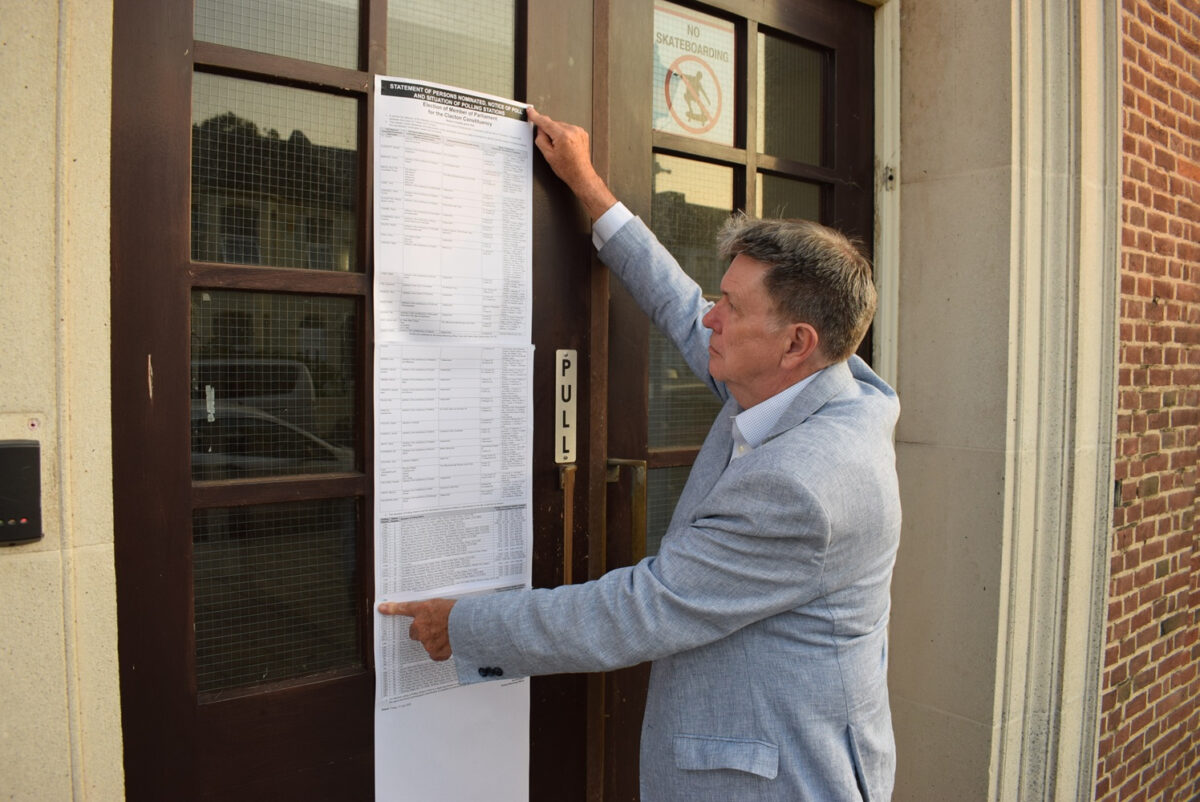
Nigel Farage will face an extraordinary field of 33 opponents when voters in Clacton return to the polls next month
A RECORD 34 candidates have been confirmed for the Clacton parliamentary by-election, which will take place on Thursday, August 13.
The contest was triggered after Mr Farage resigned as the constituency’s MP before announcing that he would stand again for Reform UK.
He said the election would allow local voters to judge his conduct following intense scrutiny of his financial backing and two inquiries by Parliament’s standards commissioner.
Mr Farage has denied wrongdoing and maintains that gifts and other support he received were personal and did not need to be registered under parliamentary rules. He has described the by-election as a contest between the public and the political establishment.
Labour, the Conservatives, the Liberal Democrats and the Green Party are among the larger parties that have declined to field candidates.
Their absence has left political satirist Count Binface and Reclaim Party leader Laurence Fox among the best-known names challenging Mr Farage.
The ballot paper will also feature three candidates from the Official Monster Raving Loony Party, several representatives of smaller political parties and a large number of independents.
Tendring District Council confirmed the final list after nominations closed on Friday.
The council said the field of 34 is believed to be the largest ever assembled for a UK parliamentary election.

The previous record is understood to have been 26 candidates at the Haltemprice and Howden by-election in July 2008. That election was called after Conservative MP David Davis resigned and stood again to campaign over civil liberties.
Full list of Clacton candidates
The candidates standing on August 13 are:
- Joseph 77, Independent
- Adham Alkhatip, The Forward Party
- Count Binface, Count Binface Party
- Nick The Incredible Flying Brick, Official Monster Raving Loony Party
- Tony Cane, Independent
- Woke Trump Carrzee, Independent
- William Stuart James Clouston, Social Democratic Party
- Rees Cowne, Independent
- Glenn Charles Cummings, Independent
- Martin Davies, Freedom Alliance – Real People, Real Alternative!
- Andy Erlam, Independent
- Nigel Farage, Reform UK
- Attieh Fard, Independent
- Laurence Fox, The Reclaim Party
- Tony Francis, Independent
- Robin Green, Independent
- Abi Hookway, Independent
- Howling Laud Hope, Official Monster Raving Loony Party
- Stephen Richard Ingram, Independent
- Amy Morris, Independent
- Derrick Norbert Morris, Independent
- Michael Noel O’Keeffe, Independent
- Martyn OBrien, Independent
- Nick Pelas, Independent
- Ketankumar Pipaliya, UK VOICE safer and stronger UK
- Daniel Pocock, Independent
- James Ransley, Consensus Party Candidate
- Gerry Smith, Independent
- Kai Stephens, British Democrats
- John Stevens, Rejoin EU
- Baron Von Thunderclap, Official Monster Raving Loony Party
- Pamela Walford, Independent
- Marcus White, Everyone is God Party
- Marc Wilkinson, Independent
Almost 80,000 people are eligible to vote across the constituency’s 51 polling stations.

Residents who are not already registered must apply by July 28. The deadline for postal vote applications is 5pm on July 29, while applications for proxy votes and free Voter Authority Certificates must be submitted by 5pm on August 5.
Mr Farage first won Clacton for Reform UK at the 2024 general election, receiving 21,225 votes and securing a majority of 8,405 over the Conservatives.
The seat has officially been vacant since July 8 following his resignation.
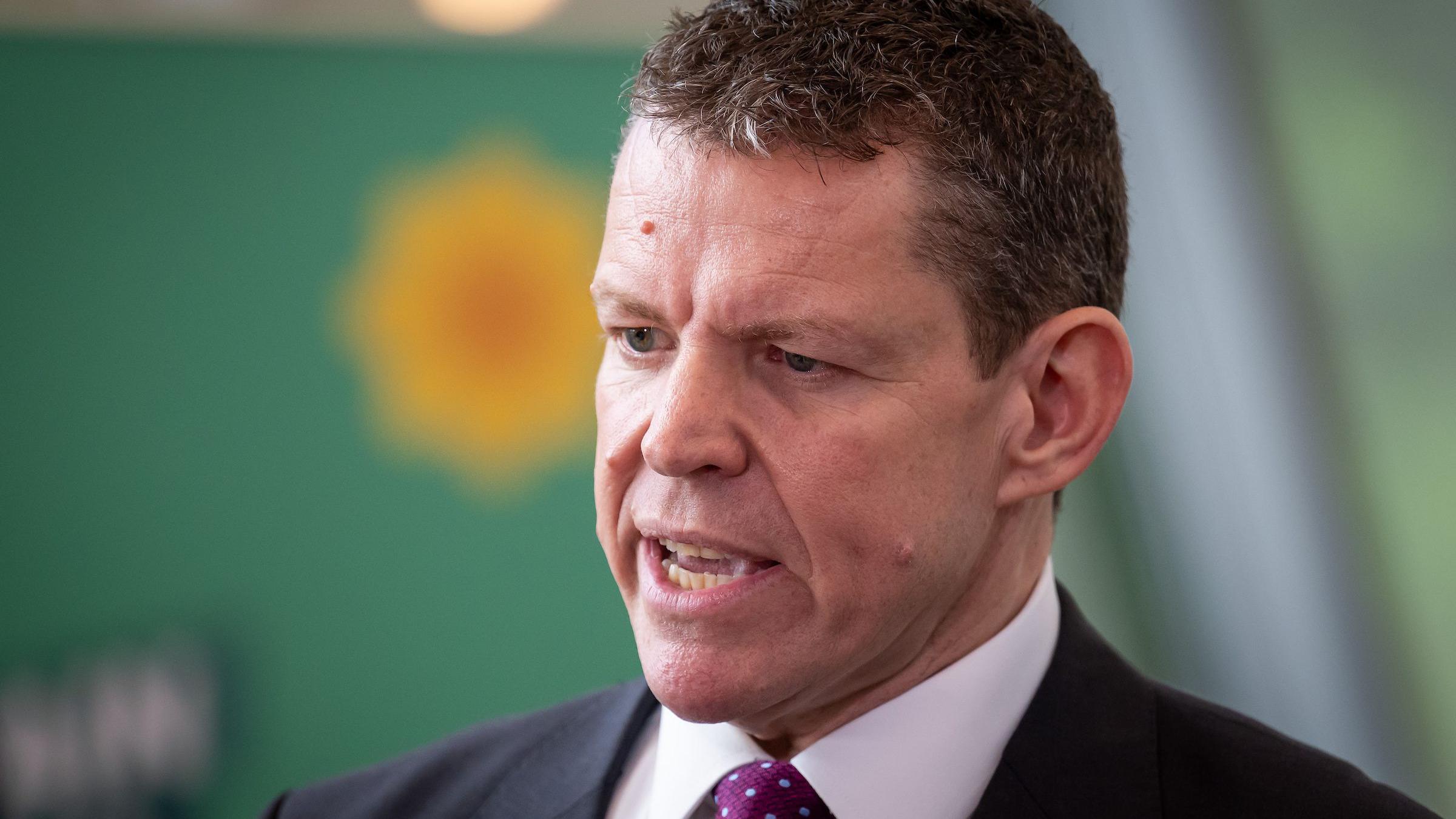
Labour, Reform UK, the Conservatives and Liberal Democrats unite against Plaid Cymru after row over additional learning needs funding
THE NEW Plaid Cymru government faced its first major political defeat on Tuesday when its supplementary budget was rejected by the Senedd.
Labour voted alongside Reform UK, the Welsh Conservatives and the Liberal Democrats against the government following a row over spending for children with additional learning needs (ALN).
The supplementary budget was published in late June and included almost £300 million of additional funding. It would have allocated an extra £145 million to NHS Wales, £40 million to improve school buildings and £20 million to increase the stock of social housing.
However, the government does not have a majority of MSs in the Senedd. This meant that, to pass the budget, Plaid Cymru needed to secure support from other parties. Although it gained the backing of the two Green MSs, this was not enough when the vote took place on Tuesday.
The government lost the vote by 49 votes to 44.
Welsh Conservative leader Darren Millar called it “bonkers” to bring the budget to a vote without securing the necessary support, knowing that the Senedd was likely to reject the proposals.
The Welsh Conservatives, Welsh Labour, the Liberal Democrats and Reform UK all voted together to defeat the budget.
It was the first Welsh government budget, supplementary or otherwise, to be voted down in the history of the Senedd, showing just how divided Welsh politics has become.
So why did this happen?
Most importantly, Labour had demanded that an extra £100 million be spent on ALN by next April.
The party claimed the money could have come from £340 million allocated to Wales following increased UK Government spending on special educational needs and disabilities in England.
However, Plaid Cymru failed to meet these demands in full, offering an extra £40 million this year and proposing to increase funding by the same amount over the following two years.
If maintained, this would have resulted in £120 million of additional funding over three years, £20 million more than Labour was asking for, but spread across a longer period.

Labour was not satisfied with this offer and voted against the budget, securing its defeat and refusing to support Plaid Cymru’s proposed compromise.
New Welsh Labour leader Ken Skates had urged Plaid Cymru to withdraw the budget and bring it back during the summer recess once a deal had been agreed.
Mr Skates defended Labour’s decision to vote against the package, saying: “What Plaid were asking for was for us to compromise on what’s best for children.”
A joint statement from Welsh Labour local authority leaders also criticised the Welsh Government for implying that there would be no additional funding for ALN if the budget was not passed.
That was the message First Minister Rhun ap Iorwerth appeared to give on Tuesday when he said the Welsh Government’s proposed funding for ALN “would not be possible” if the budget was voted down.
Labour warned that this would have “real consequences” for some of the most vulnerable young people in Wales.
The government has also faced criticism from the NAHT and ASCL teaching unions, which have launched a trade dispute over dissatisfaction with a proposed teacher pay award and what they described as a “failure to adequately fund schools” dealing with increasing numbers of pupils with ALN.
However, by voting down the budget, opposition parties have rejected Plaid Cymru’s compromise and potentially delayed any agreement until the autumn, increasing the pressure already faced by schools.
Although existing ALN funding has not been paused, progress towards increasing it has now been significantly delayed.
The defeat also means that the wider NHS and education funding package, which Mr Skates had described as “welcome”, will not be passed in its current form because the measures were presented as one complete supplementary budget.
This means that the row over ALN has also had a knock-on effect on proposed funding for the NHS, school buildings and social housing.
In response to the defeat, the Welsh Government told The Pembrokeshire Herald that it was “committed to supporting children and young people with additional learning needs”.
It defended its position by arguing that the funding allocated to Wales following the UK Government’s SEND spending decisions was intended to help write off historic local authority debts relating to ALN, rather than pay directly for services.
Plaid Cymru’s Finance Minister, Elin Jones, accused Labour of acting as a “destructive opposition” by refusing to vote the budget through.
However, the government restated its commitment to developing a “sustainable, long-term solution” for ALN.
Details of what this package might look like remain unclear, particularly given the increased pressure on Plaid Cymru to secure the support of other parties.
The Senedd’s sole Liberal Democrat MS, Jane Dodds, also voted against the budget.
She said the proposals failed to meet her demands for increased funding for healthcare in Powys hospitals and for patients receiving treatment across the border in England.
Reform UK also voted against the supplementary budget because it failed to meet the party’s red lines, according to spokesperson Cai Parry-Jones.
These included stopping overseas spending, guaranteeing jobs for all newly qualified student nurses and midwives, and making further commitments on ALN funding.
Reform’s Welsh leader used the defeat as an opportunity to declare that “Plaid Cymru cannot govern this country”.
This was Reform UK’s first major opportunity to demonstrate its new influence in the Senedd as the second-largest party, and it did so during an historic vote.
It was the first time a Welsh government budget had been rejected by the Senedd, only months after a century of Welsh Labour dominance was brought to an end.
What happens next?
What happens next remains unclear.
If an agreement can be reached, the Senedd could return during the summer recess to vote on a revised budget.
However, it may not be until the autumn that a workable funding package is agreed.
This means that additional ALN funding will not arrive for the time being, while the wider spending promised for the NHS, schools and housing will also be delayed.
All opposition parties have criticised the Welsh Government for failing to properly engage with them and negotiate a deal before bringing the budget to a vote.
Given the historic nature of Tuesday’s defeat, it is clear that something went wrong in the operation of the new government.
That is why the First Minister has promised an “even more cooperative approach”, something that will be essential if Plaid Cymru is to deliver the change it promised the people of Wales in May.
Business
Council leader to write to Welsh Government urging review of 182-day self-catering business rules
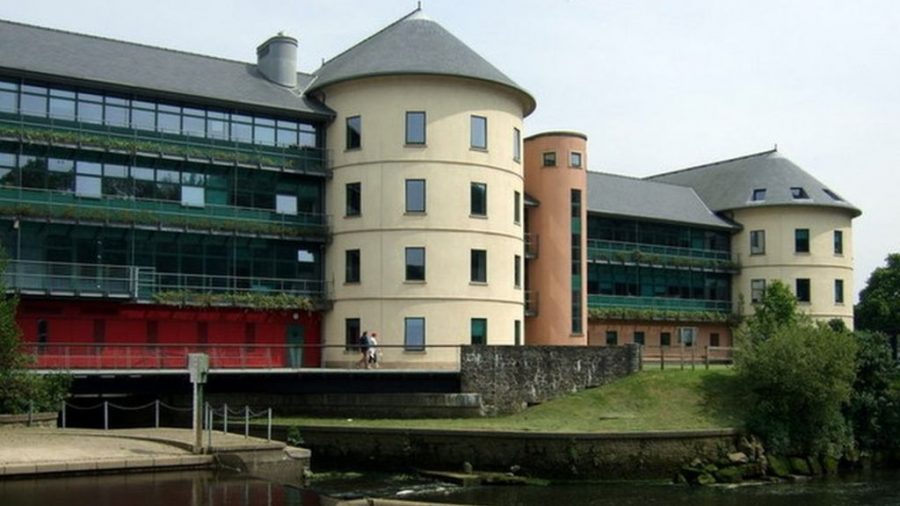
PEMBROKESHIRE’S leader is to write to Welsh Government to push for a review of the contentious 182-day rule for self-catering holiday properties which otherwise have to pay second homes tax.
Self-catering businesses not meeting the 182-day criteria end up paying the second homes council tax premium, currently 125 per cent on top of the general rate, in the county, along with similar premiums for the other elements of the overall bill such as the police precept.
In a submitted question heard at the July 16 meeting of Pembrokeshire County Council, Cllr Huw Murphy asked: “Most councillors are aware that much of Pembrokeshire relies on tourism and hospitality for its economic success. A key element of a successful Pembrokeshire tourism industry is the self-catering sector.
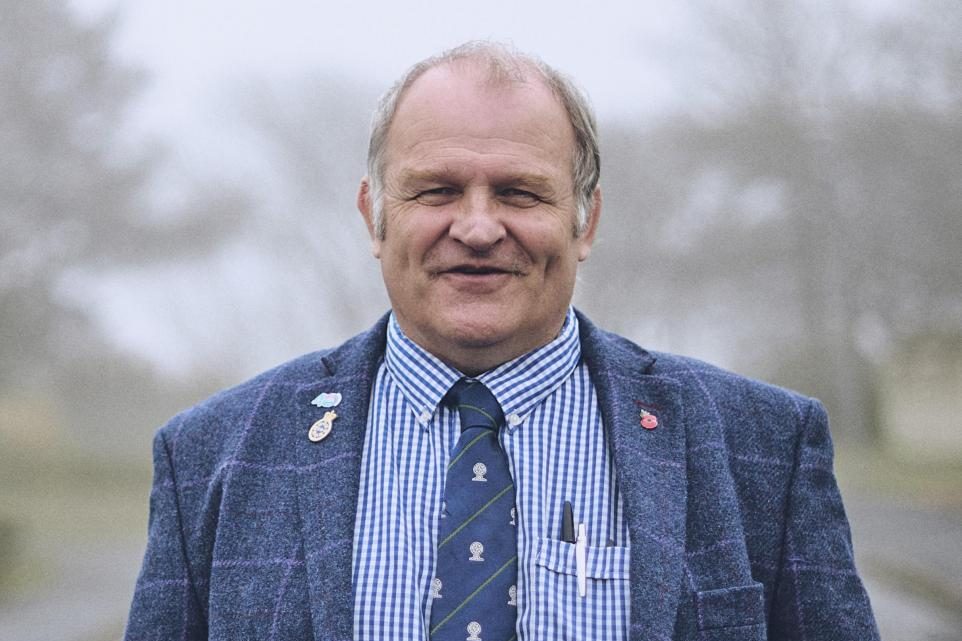
“Plaid Cymru in its manifesto made several pledges for its first 100 days in office, one under the headline of ‘Unleashing Wales Economic Potential’ which made no specific mention of the 182 letting day rule that was introduced by the previous Labour Government under their co-operation agreement with Plaid Cymru.
“However, Plaid Cymru prior to Senedd elections in May 2026, stated that they would review the 182-day threshold which has been a disaster for many self-catering businesses, many of whom are in rural and coastal communities. I have raised this matter on several occasions since being elected.
“Through speaking to those operating in the self-catering sector there is a clear need to reduce the 182-day threshold. I should point out that in the past I have suggested it be reduced to 140 days and still hold that view.
“Over 50 days have now passed since the Senedd Elections, but we have not heard any details of a review of the 182-day letting rule.
“Therefore, will the Leader [Cllr Tessa Hodgson] write off to the First Minister outlining the concerns of many Pembrokeshire county councillors with regards to the 182 days letting rule and ask for a reply setting out when Welsh Government intend to commence a review of this policy, which is much needed?”

Responding to the submitted question, Cllr Hodgson said she was happy to write a letter pressing the issue, adding she understood a Welsh Government review was expected, but was not aware of the timeframe for that at the current moment.
Cllr Murphy said, since his submitted question was publicised, he had been “inundated with emails” from constituents, “confirming the urgency” of a review.
Back in 2023, Cllr Murphy submitted an unsuccessful notice of motion to full council calling for the 182-day rule in Pembrokeshire to be lowered, proposing a figure of 140 days.
At the time of the 2023 call it was instead agreed to review the situation and for the council to raise its concerns to Welsh Government.




Crime11 hours ago
Jury hears final arguments in Milford Haven teacher stabbing trial
Defence says there was no motive or intention to kill as judge reviews competing accounts of classroom knife incident SPECIAL...

News14 hours ago
Andy Burnham becomes Labour leader and prepares to enter No 10
Former Greater Manchester mayor promises an ‘unashamedly Labour’ government after completing extraordinary return to Westminster ANDY BURNHAM has been formally...


News16 hours ago
Motorcyclist dies following collision near Narberth
Police appeal for witnesses and footage after fatal crash on B4313 at Redstone A MOTORCYCLIST has died following a collision...


Local Government1 day ago
Stepaside school saved as council abandons closure proposal
Governors welcome decision but maintain original plans were based on outdated information STEPASIDE Community Primary School will remain open after...

Crime2 days ago
Footballer given 200 hours’ unpaid work for eye-gouging assault during match
Magistrates heard Robert Hedley put an opposing player in a headlock before gouging at his eyes during a match in...


Community2 days ago
Tenby Summer Spectaculars brought to an end after harbour licence revoked
Round Table says it was willing to make major safety changes but could not secure the access controls needed to...
Local Government3 days ago
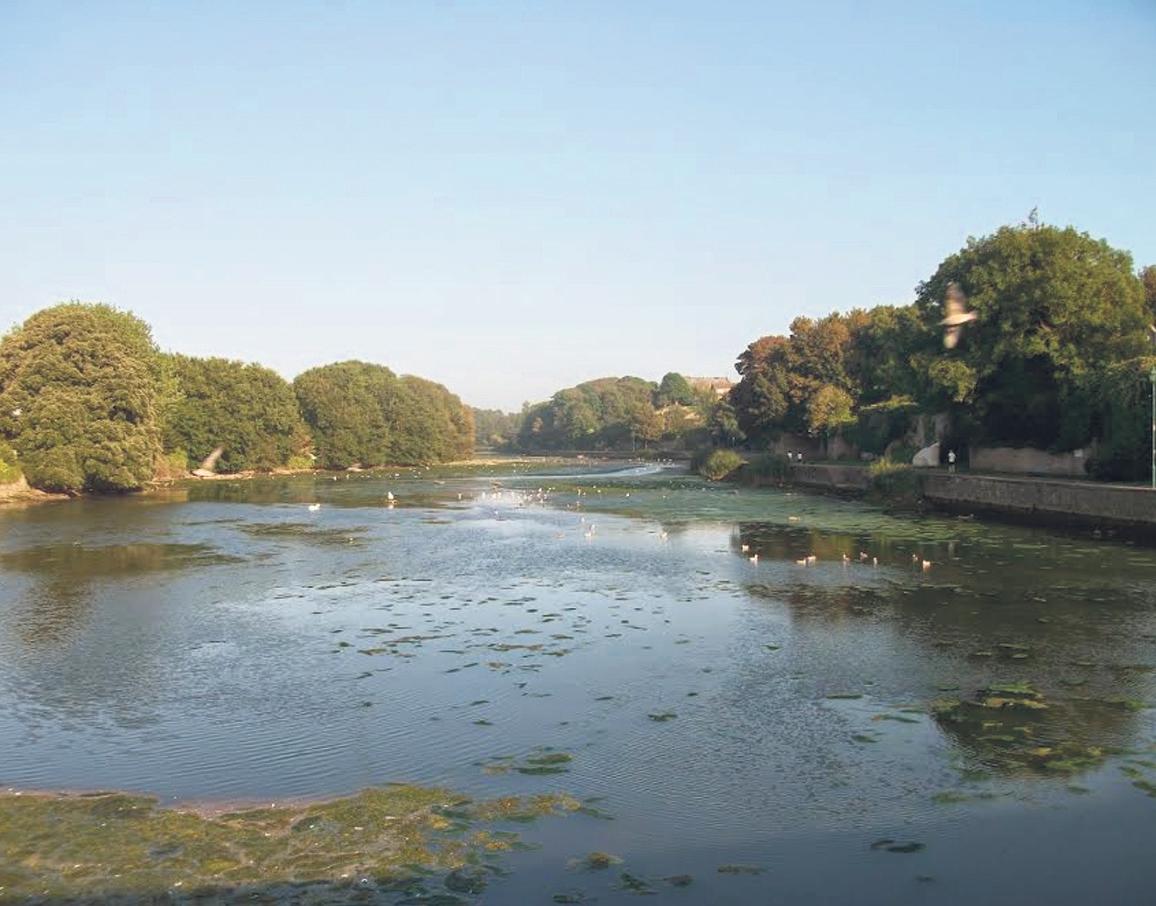
Catapult attacks suspected after wildlife deaths at Pembroke Mill Pond
Wildlife Crime Officers are investigating after the town council said around five animals showed signs of deliberate injury WILDLIFE found...


Crime4 days ago
Narberth retailer speaks of shoplifting toll after ‘collectable bear’ stolen
Independent shop owner said rising costs meant businesses could not afford to absorb losses caused by theft A NARBERTH retailer...


Crime4 days ago
Teen accused of attempting to murder teacher says she lied about stabbing
Defendant accepts teacher was terrified and that a knife wound to the head could kill, but denies deliberately attacking her...


Local Government5 days ago
Calls grow for independent investigation into Manorbier school closure
Councillor alleges misleading figures, inadequate insurance and poor treatment of staff CALLS for an independent investigation into the controversial closure...
-
Crime14 hours ago
Milford Haven teacher ‘fought for her life’ during alleged knife attack
-
Community2 days ago
Tenby Summer Spectaculars brought to an end after harbour licence revoked
-
Crime11 hours ago
Jury hears final arguments in Milford Haven teacher stabbing trial
-

 News1 day ago
Welsh broadcasting authority plan sparks row over powers and cost
-

 Crime1 day ago
Fisherman admits safety offence after death of crewman off Pembs coast
-
News14 hours ago
Andy Burnham becomes Labour leader and prepares to enter No 10
-
 Community2 days ago
Llangwm LitFest returns with tales of slow travel and inclusive writing
-

 Crime1 day ago
Saundersfoot man admits attempted sexual communication with a child