


News
Grieving mum hits out at defence force

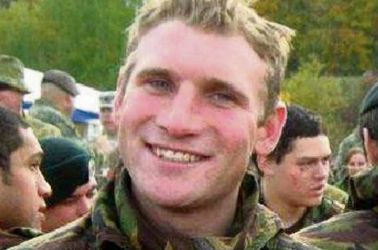
 HEARTBROKEN mum Helen Thomasen, from Haverfordwest, has slammed the armed forces after her hero son was killed in an Afghanistan firefight.
Lance Corporal Rory Malone was gunned down after he saved the life of Major Craig Wilson, who had been shot by insurgents.
The 26-year-old was then hit by a 7.62mm calibre round before he died on the battlefield with fellow Lance Corporal Pralli Durrer. But Helen, originally from New Zealand, has been appalled by her treatment at the hands of the New Zealand Defence Force, where her son served.
She claims she was misled over the role her boy was playing in the warzone.
“The average New Zealand soldier has not seen combat since Vietnam,” Helen said.

“Our soldiers are only really deployed for peacekeeping missions.”
But this time was different. The so-called “Battle of Baghak” saw Rory and Pralli killed and six wounded, two by so-called friendly fire.
“I never thought for a moment that he would ever be in danger, it had never crossed my mind,” the mum of seven said.
On the day of the battle, on August 4, 2012, Malone – the great-great-grandson of Gallipoli campaign commander Lieutenant Colonel William George Malone – was assigned to one of four patrols. They were responding to a help call from the NDS – the Afghan secret police – who had come under fire after catching a bombmaker in the remote Baghak Valley.

Craig’s patrol were first on the scene. They were there for six hours. Then Major Wilson arrived.
While Malone was briefing Wilson, he saw an insurgent and started shooting at him over Wilson’s shoulder.
The major was hit in the arm and dragged to the back of a Humvee truck by Malone and an unnamed officer.

Malone, who had by then taken a bullet in the leg, also got in the vehicle. But he got out again. The family do not know why he did this.
Seconds later he was dead.
Helen, 53, said questions needed to be answered about why her became a “sitting duck” and why footage of the firefight showed her son “appears to be in charge” of the situation despite his rank.
But she feared she would never get the “full information” from the military.
Helen heard her boy was dead when she was called from New Zealand by her son Peter at 2.30pm, UK time.
“I knew instantly something was wrong because he was ringing at that time,” Helen said.
Peter told her: “Rory has been shot and he is dead.”
“I told him not to ring me up and tell that s*** to me because how could that be true,” Helen said.
Just discovering her son was in combat was “a huge shock”.
“The thing about New Zealand soldiers is that they do not expect to see armed combat,” she said.
“You can be in the army for 20 years and never see armed combat.”
The former Dyfed-Powys Police traffic warden used to watch British soldiers’ coffins being removed from planes on the news.
“I would think, ‘Thank God I never have to go through that’,” she said.
The NZDF could not be reached for comment.
But in a previous statement it insisted it was satisfied with care shown to Malone’s family, and it was always trying to improve.
“The NZDF continues to learn from these experiences and adapt its procedures,” a spokesman said.


Steffan Rhodri and Mark Lewis Jones lead major Welsh production as cameras roll in the famous seaside town
TENBY is preparing for a spell in the television spotlight after filming got under way on a major new BBC crime drama set in the heart of the resort town.
Old Town Murders, a new six-part series for BBC One, BBC iPlayer and BBC Cymru Wales, stars Steffan Rhodri and Mark Lewis Jones as two detectives drawn together by personal loss and a string of suspicious deaths in a seemingly idyllic seaside community. The production is being made by Quay Street Productions and is being filmed in Tenby, Cardiff and along the South Wales coastline.
For Pembrokeshire, the announcement is more than just another television commission. It places one of Wales’ best-known coastal towns at the centre of a prime-time BBC drama and offers the kind of exposure that local tourism figures, businesses and residents will immediately recognise.
Tenby’s harbour, narrow streets and postcard setting have long made it one of the country’s most recognisable destinations. Now they are set to become the backdrop to murder, mystery and dark humour for audiences across the UK and beyond.
The series pairs two of Wales’ most recognisable acting talents. Rhodri remains best known to many viewers as Dave Coaches from Gavin and Stacey, while Mark Lewis Jones has built a formidable screen career through roles in productions including The Crown, Keeping Faith and Baby Reindeer.
In Old Town Murders they play DS Sion Dearden and DI Glyn Walsh, two detectives who find themselves thrown together while investigating a series of unusual killings in a close-knit seaside town.
Among the cases promised in the series are the mysterious death of a university professor, the poisoning of a head teacher during a wild swim, and a fatal mix-up linked to a triathlon.
The tone, however, is not being pitched as relentlessly bleak. Instead, the show is being described as witty, twisty and full of warmth, with friendship, second chances and reinvention forming the emotional core of the story.
That may prove to be one of the drama’s biggest strengths. Crime series have become one of television’s most dependable genres, but Old Town Murders appears to be aiming for something slightly different — a coastal whodunnit with a strong Welsh identity, recognisable locations and a central partnership built as much on character as on corpses.

The creative team behind it is also distinctly Welsh. The series has been created and written by Matthew Barry, whose recent credits include Men Up and The Guest. Barry has said he wrote the roles specifically for Rhodri and Lewis Jones after working with them before, suggesting the chemistry between the two leads will be central to the series’ success.
Supporting cast members include James Bamford, Bethan Mary-James, Catherine Ayers and Julie Graham, adding further weight to a production that is already shaping up as one of the BBC’s most notable new Welsh commissions.
There is also an economic angle. The production has support from Creative Wales, meaning the series is not only showcasing West Wales on screen but contributing to the wider Welsh creative economy through jobs and production spend.
No transmission date has yet been announced, but with filming now under way, excitement is likely to build as more residents spot cameras, cast and crew around the town.
For local people, that is part of the appeal. This is not a drama merely inspired by the Welsh coast. It is being made in Wales, by Welsh talent, with Tenby right at the centre of it.
For Pembrokeshire audiences, that alone makes Old Town Murders one to watch.
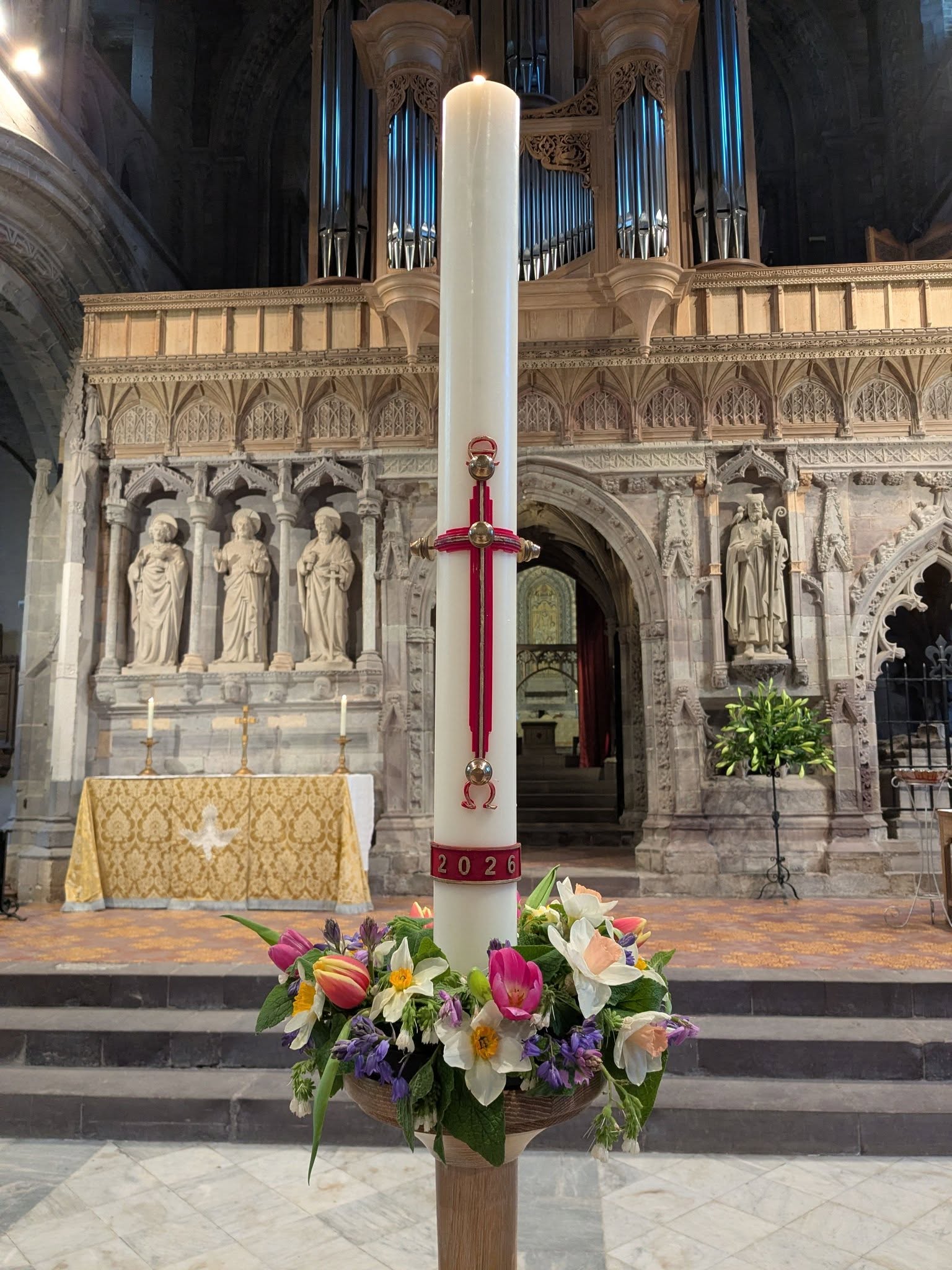
FROM dawn vigil to choral evensong, the cathedral welcomed worshippers for one of the most important days in the Christian calendar
ST DAVIDS Cathedral marked Easter Sunday (Apr 5) with a full programme of worship, music and celebration.
The day began at 6:00am with the Easter Vigil at the West Front and Nave, sung by the Vicars Choral and Choral Scholars. The service included the lighting of the Easter candle, readings and the first Eucharist of Easter morning.

Worship continued later in the morning with Holy Eucharist at the High Altar at 8:00am, followed by Cymun y Plwyf in the Lady Chapel at 9:30am.
The main Easter Day service took place at 11:00am in the Nave with a Choral Eucharist sung by the Cathedral Choir. The service featured Easter hymns and music, with the Bishop presiding and preaching.
The cathedral’s Easter Sunday celebrations concluded at 4:00pm with Choral Evensong in the Nave, again sung by the Cathedral Choir.
The programme formed part of St Davids Cathedral’s observance of Holy Week and the First Week of Easter, with worshippers and visitors gathering for one of the most significant days in the Church calendar.
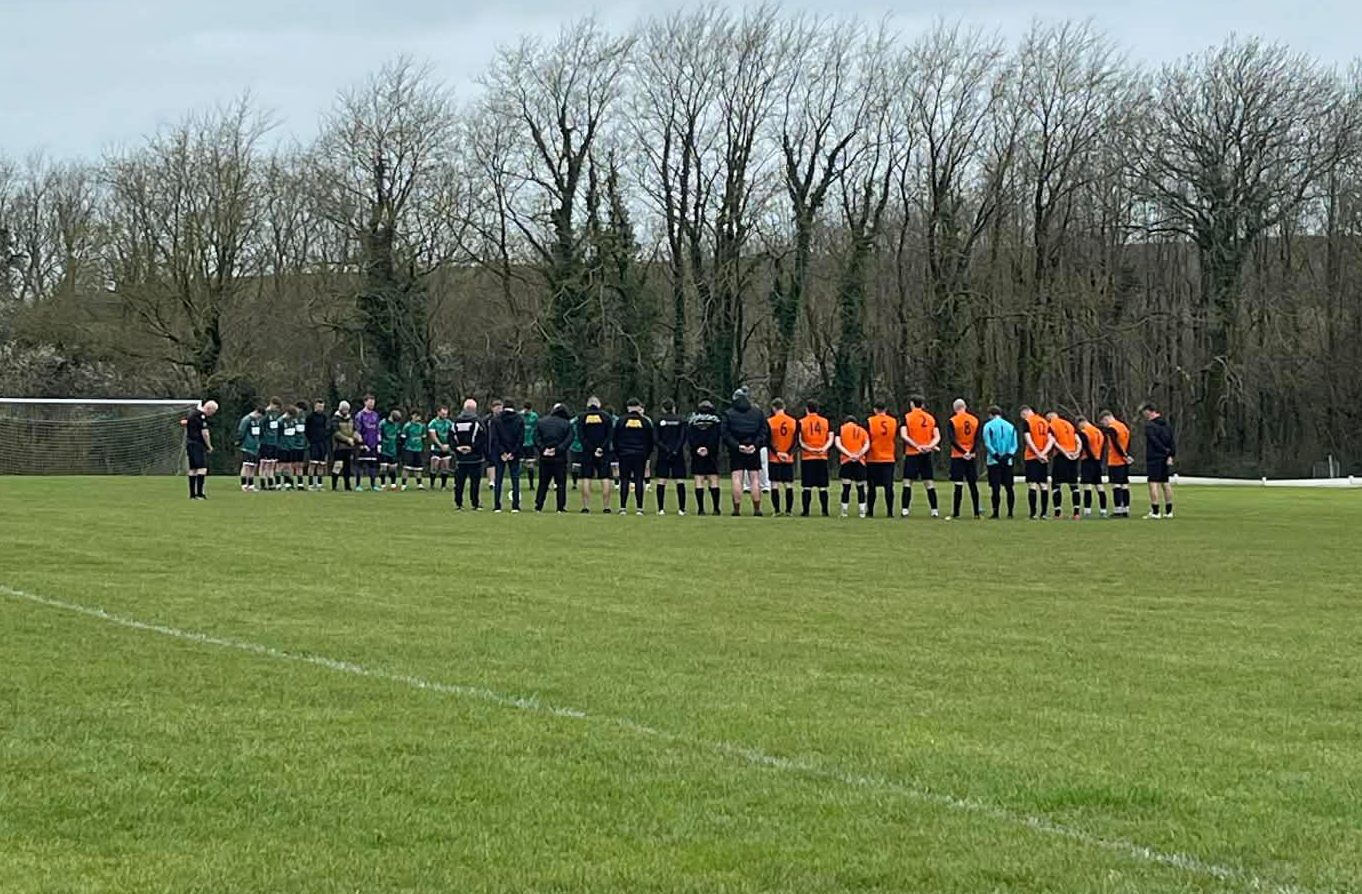
Community rallies around grieving family as club honours much-loved player at weekend fixture
JOHNSTON FC paid an emotional tribute at the weekend to Rhyan Nolan after his sudden death at the age of 27.
The club marked the occasion with a flawlessly observed minute’s silence before kick-off, as both teams, officials and supporters came together in his memory.
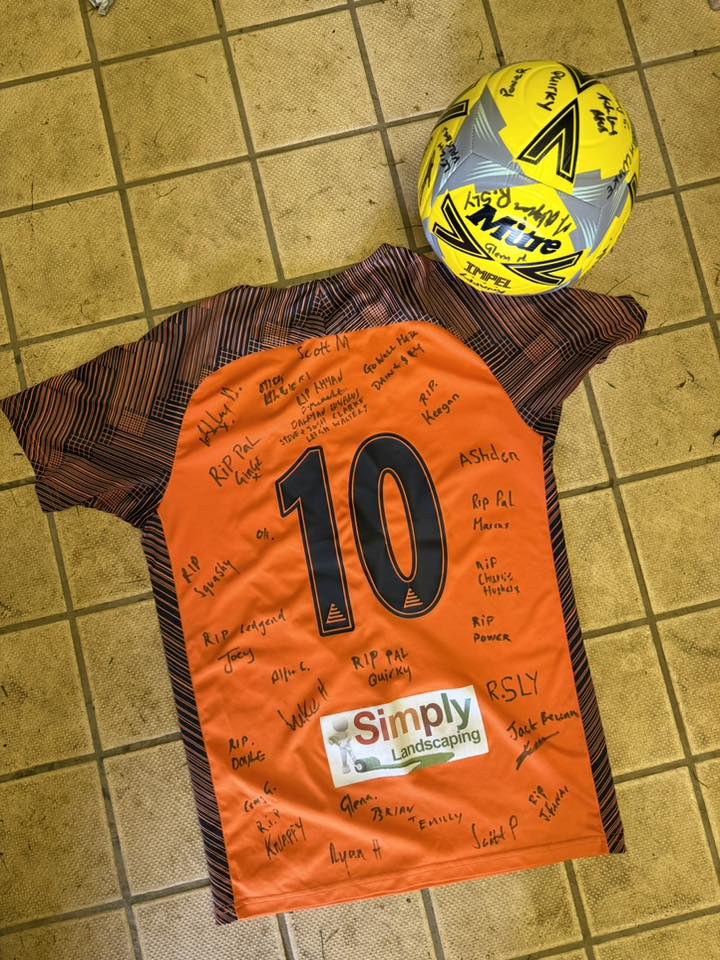
A signed match ball and Rhyan’s much-worn number ten shirt, covered in messages from team-mates and friends, were also prepared to be handed to his family, who were present for the tribute.
The death of Rhyan has sent shockwaves through the local community, with many gathering around his loved ones in the days since the devastating news emerged.
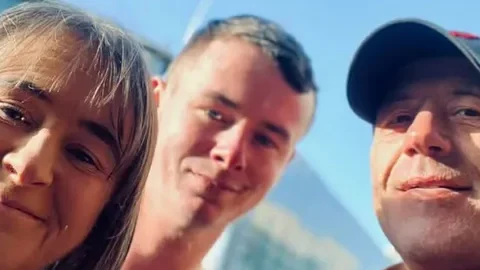
A fundraiser set up on GoFundMe says his family received the heartbreaking news on Monday that they had lost their “precious, loving son and brother” suddenly at such a young age.
The appeal names his close family as Nichola, Shamus, Brandon, Callum and Lilly, and says relatives are hoping to ease the financial burden while giving Rhyan the send-off he deserves.
It states: “Rhyan deserves a celebration of his short life.”
Johnston FC said it had been a difficult week for all those who knew and loved him, but said it had also been heartwarming to see such an outpouring of love at the match.
The club thanked everyone who helped make the tribute possible, along with those who had sent messages of support and donated towards helping the family.

Photographs shared after the game showed the scale of the moment, with both sides lined up in silence and the orange number ten shirt left covered in handwritten tributes.
For many in attendance, it was a powerful and deeply personal farewell to a young man clearly held in enormous affection.
A GoFundMe appeal has now been launched to support the Nolan family.




News9 hours ago
St Davids Cathedral marked Easter Sunday with full day of worship
FROM dawn vigil to choral evensong, the cathedral welcomed worshippers for one of the most important days in the Christian...


Crime10 hours ago
Neyland man spared immediate jail over aggravated vehicle taking
Defendant given a suspended prison sentence after magistrates heard the offence was serious enough to cross the custody threshold KRISTIAN...


Health1 day ago
Crumbling NHS faces £1bn repairs bill in Wales
Senedd election promises collide with the harsh reality of ageing hospitals, fire safety concerns and a maintenance crisis stretching across...


News1 day ago
Emergency services respond to incident in Haverfordwest town centre
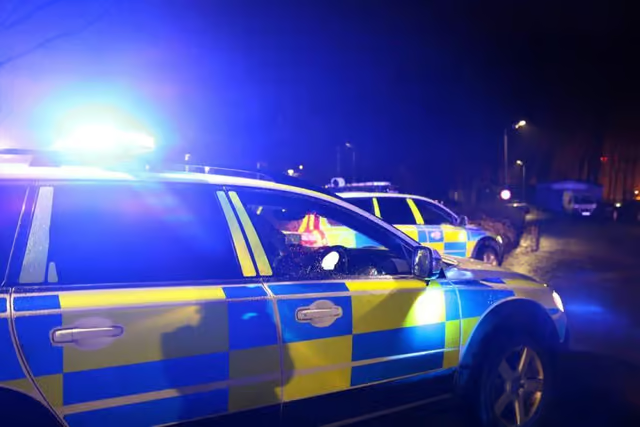
EMERGENCY SERVICES were called to an incident in Haverfordwest town centre on Saturday morning (Apr 4), with police and ambulance...
News1 day ago
Teenager intervenes after bridge incident
A TEENAGER was left shaken after stepping in to help a young woman in distress on Clay Lanes bridge in...


Crime3 days ago
Driver spared jail after crash killed young couple
A PEMBROKE DOCK driver who caused the deaths of a young couple in a road crash has been given a...


Entertainment3 days ago
BBC unveils major new Welsh dramas with Tenby set for prime-time spotlight
New crime series Old Town Murders and supernatural thriller The Witch Farm will both be filmed and set in Wales...


Health4 days ago
No jobs for new paramedics in Wales as graduates told to apply for technician roles
Students trained at public expense urged to take lower-grade jobs as anger grows over NHS workforce planning NEWLY qualified paramedics...


News4 days ago
Health minister refuses to act on Withybush despite 15,000-signature petition
Senedd pressure grows as Welsh Government declines to intervene over surgery fears THE WELSH GOVERNMENT has refused to step in...


Business5 days ago
Fishguard to Wexford rail tunnel plan backed by Elon Musk firm
Six-hour London to Dublin service proposed in £32bn project ahead of Senedd election PLANS for a rail tunnel linking west...
-

 News2 days ago
Accommodation providers in Wales will be required to register under new law
-
Business5 days ago
Fishguard to Wexford rail tunnel plan backed by Elon Musk firm
-

 Entertainment3 days ago
From Milford Haven to the world: The story of The Evolution Experience
-
Entertainment3 days ago
BBC unveils major new Welsh dramas with Tenby set for prime-time spotlight
-

 Charity6 days ago
RSPCA calls for stronger animal welfare measures as Welsh Labour launches manifesto
-
 Community7 days ago
Pembrokeshire school allows Sikh pupil to wear Kirpan
-
 Tourism7 days ago
Moving to Australia from the UK: What you need to Kknow
-

 News6 days ago
Labour promises 48-hour GP access as manifesto faces questions over delivery