


Community
Pembroke Christians send aid to Croatia

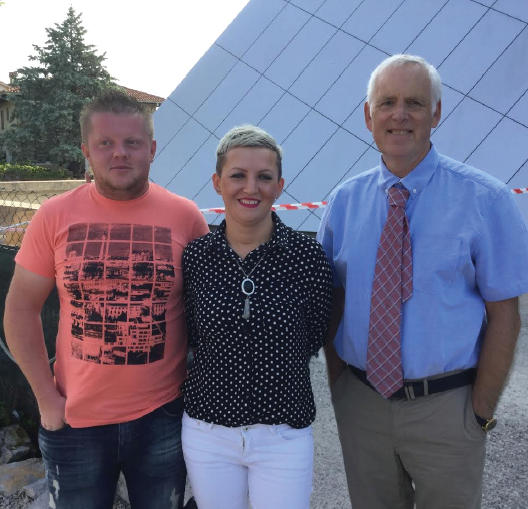

The Kalaš family: Now have a home thanks to Omri and Betty Arnold
RETURNING from a two week visit to Croatia, which was organised to celebrate 25 years of links with Croatian churches, Pastor Rob James of Westgate Chapel in Pembroke said: “People say a week is a long time in politics but, as far as I am concerned, a quarter of a century is but a fleeting moment when it comes to Christian fellowship.
“I first got involved with Croatian Baptists when civil war broke out in 1991 and a close friend felt he ought to take humanitarian aid which could be distributed through their newly formed organisation ‘My Neighbour’.
“It has proved to be a deeply humbling and hugely inspiring experience.
“We have built long lasting and very deep friendships with our Christian brothers and sisters and we can look back with a sense of wonder when we think about the staggering amount of aid we have been able to take there over the years.”
“It was particularly moving to meet up with two members of the Kalaš family, former Bosnian refugees who now have a new home thanks, not least, to Omri and Betty Arnold of Pembroke who simply could not rest until they had done something to help them.”

The current trip was no humanitarian mission, explained Rob: “More than 70 of us travelled by coach to Rijeka. We wanted to celebrate our 25 years of partnership in the new pastoral centre currently being built by the local Baptist Church.
“We have been intimately involved in this project from the beginning. The foundation stone was laid in 2004 and we are amazed when we think of the progress that this small group of people has made. The new building (which has a roof shaped like praying hands) is in use, even if not completed, and has cost more than 1m euros to date.
“They have raised much of the cash themselves – although they have hugely encouraged by two amazing donations in particular. A German businessman gave a gift of half a million euros and even their bank gave them a further 100,000 euros to further the work. As I see it, their story is both a testimony to their commitment and to God’s goodness and can’t wait to see it completed.”
Expressing his deepest thanks on behalf of Rijeka Baptist Church, Srecko Ilionsovic said: “When the war started, there were some 80 or 90 people in our church. Things were very different then and because of this the church had a very different mindset.

“The repressive communist regime did not welcome social engagement and we could do no work in the community. That meant we were closed in on ourselves. However, things began to change in the two years before the war, and when it finally broke out we seized our opportunity and began to distribute humanitarian aid. This was our biggest form of outreach and as a result of it we developed good links and great credibility within our community.
“But now we are facing new challenges. We do not need humanitarian aid in the way we did before, although there are some 400,000 unemployed in Croatia and we do some work with refugees fleeing through Bosnia. Standards have changed too. Institutions that we once helped, such as the hospital, would not be content with secondhand equipment now. This new multi-functional centre will help us continue to engage with the community, although our main goal is still that of reaching people with the message of the Christian gospel. The centre will allow us to do much more than hold Sunday Services. If it were just used for that, we would not need it at all.”
Reflecting on the past 25 years, Skewen-based team leader John Thomas said: “I’ve been planning this trip for over a year. The original intention was to be present at the official opening of the Pastoral Centre but, when we realised they would not be able to complete it in time, we turned it into a holiday and celebration of a quarter century of mission and fellowship.

“Our Christian brothers and sisters gave us a truly wonderful welcome and we had a really blessed service on the Sunday morning. It was a very, very special occasion for every one of us. We worshipped together, we sang for them and I was privileged to preach the sermon.
“We reflected on all that had happened and I was presented with a plaque to mark the occasion. The service concluded with communion, with Pastor Rob James assisting at the table. This was followed by a fantastic lunch that had to be seen to be believed.
“As for the future, we hope to be present at their official opening but, looking back on this trip, I think I am reflecting everyone’s feelings when I say it has been a wonderful time and we thank God for his travelling mercies. I was in my mid-fifties when all this started and never ever dreamed that it would end up like this, although we all know that it hasn’t ended yet.”
To everyone’s amazement, Project Nehemiah was soon helping refugee families to purchase new homes! Pembroke-based Omri Arnold, a regular member of the teams, met the Kalas family while he and his wife, Betty, were on holiday in Croatia in the summer of 2001.
Stipo Kalaš suffered from epilepsy and he had escaped from Grgići in central Bosnia with his wife and two children, Ivana and Dragan, some 10 years before. The family had lost everything – even Stipo’s medication. Relocated in Croatia, the family found themselves the only Croats in a hostel full of Muslims (their persecutors in Bosnia) and girls who had turned to prostitution.
The family of four had been forced to live in one appalling room for eight years. Confronted with this harrowing situation, Omri said that he and Betty knew they ‘had to do something’. “That hour’s experience was unforgettable,” he explained. “It made us realise without any doubt that ‘we were their neighbours’.”
On returning to Pembroke, the Arnolds shared their concerns with their neighbours and especially with the staff and pupils of Monkton School, where Omri’s daughter was the school secretary. In fact, he told them that they would love to help the family to obtain a ‘cosy little house with a garden big enough to grow their own vegetables and even keep some chickens’.
Omri was then told that there was a suitable house for sale for £7,000 and so he immediately set about raising the necessary cash. And it didn’t prove difficult. As he explained: “People sent gifts from all over South Wales. Less than six months later we were able to give the family enough money to purchase a three bedroomed home in the peaceful village of Lic.”
Omri was overwhelmed by the generosity he encountered, especially from the pupils of Monkton School. “The school is itself in a very needy area,” Omri said. “But some of the children even went without a piece of toast in their breakfast club to support the Kalaš family.”
It gave Omri an immense sense of joy to report back to the school. “We are greatly encouraged by the gifts you have given,” he told one packed school assembly. “It means the family have been able to buy a wonderful house and pay for the 5% land tax. This is really important because it means they can get passports as citizens of Croatia.
“The house has been beautifully refurbished and will allow Mr and Mrs Kalaš, their two children and their aged mother and father, to live in their own new home and garden in peaceful surroundings. What a difference to having to live in a single room of 14ft by 10ft for the rest of their lives.”
All of this had an enormous impact on Omri; years later, he still recalls standing in the kitchen of his own home reflecting on how the Kalaš family must be feeling. He said: “When there were sufficient funds to instruct Srećko to buy the home, I felt as if a physical presence took a heavy weight off my shoulders and it was replaced by a joy in my heart. It became a quiet assurance that the waiting for the money was over.
“For me, there was nothing more to be done and all my anxieties were swept away. Calmness. Finished. Oh Hallelujah.”
It reminded him of the joy he had felt when he had bought land to build his own home some 30 years before. He remembered thinking: “It’s my very own – I belong to Pembroke,” he said. “My mind instantly went to the village of Lič and to the Kalaš family.
The vision wasn’t limited to the Kalaš family because there were soon enough funds to purchase homes for the Gavrić and the Lesic family as well as help other refugee families with their varying needs.


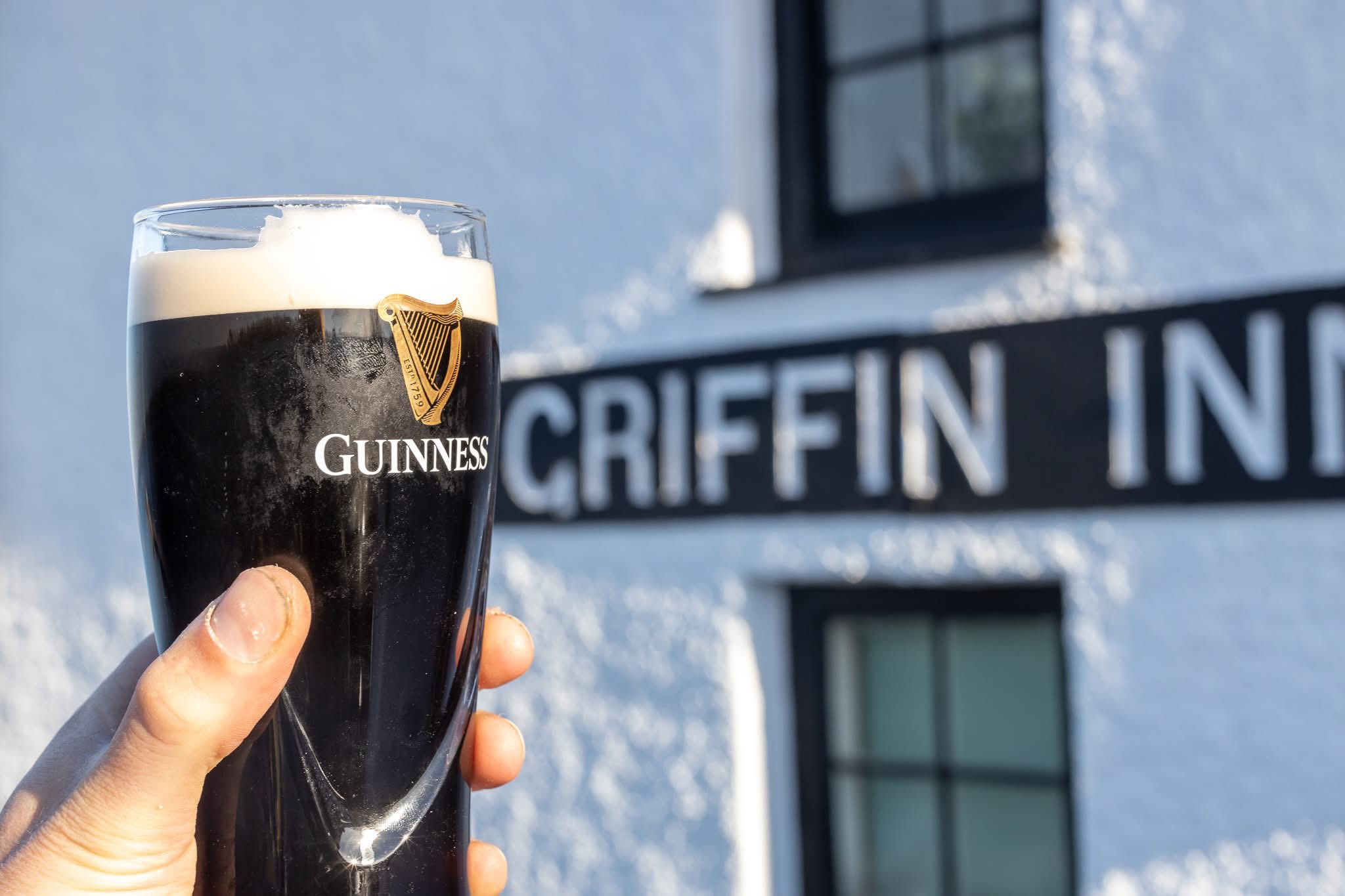
A POPULAR Pembrokeshire pub is reopening its doors this week with a new loyalty scheme aimed at rewarding regular customers.
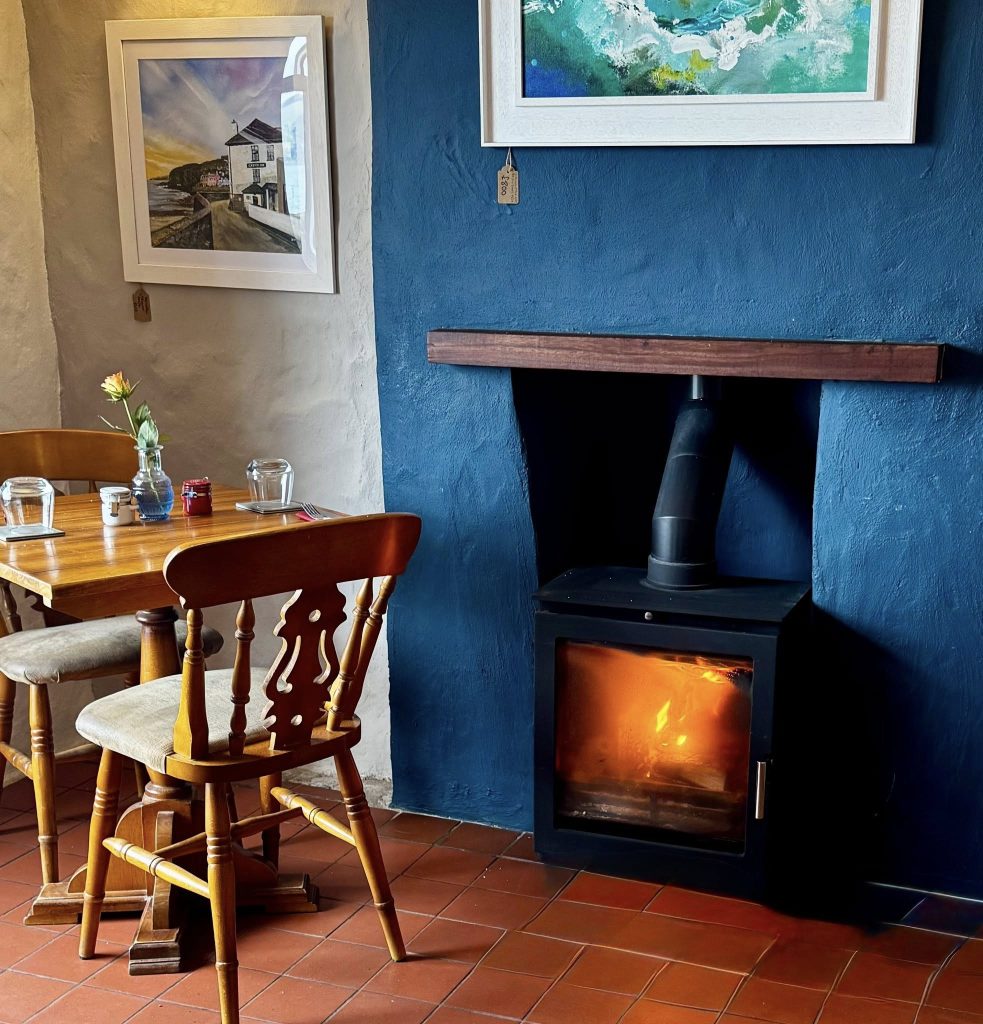
The Griffin Dale Pembrokeshire will reopen for the season on Thursday (Feb 26), with owners Sian and Simon promising roaring fires, fresh seafood and a warm welcome for returning customers.
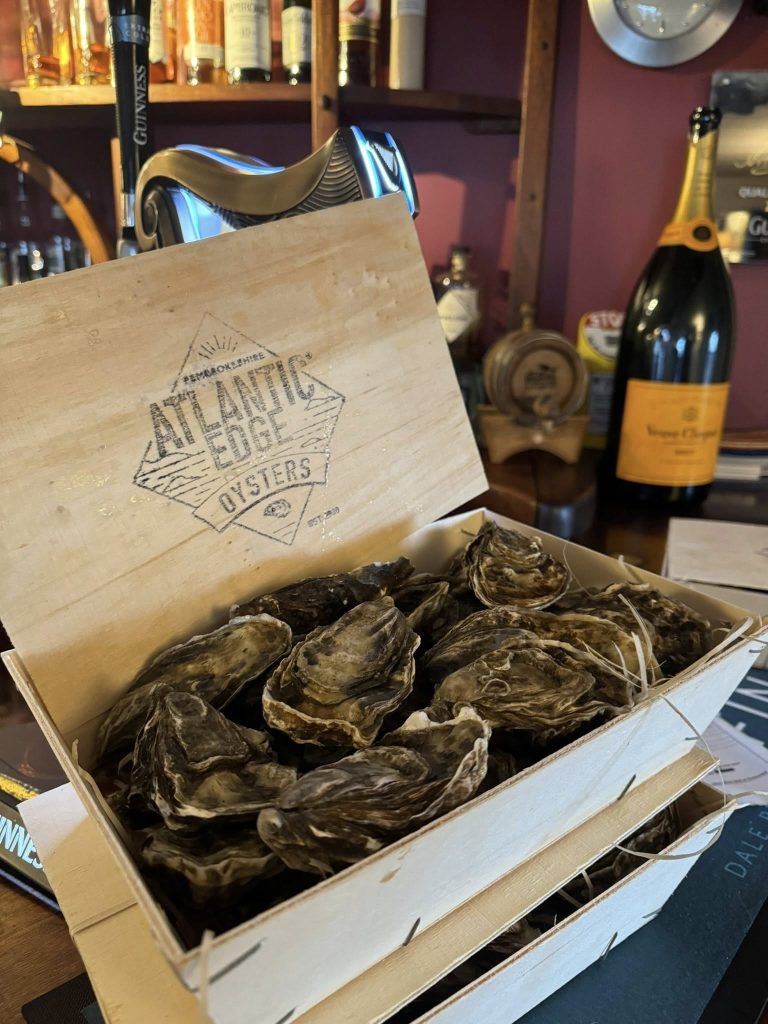
To mark the reopening, the team has launched a new Griffin VIP Club, designed to give regular visitors small perks throughout the year.
The scheme includes a loyalty drinks stamp card, occasional meal offers, discounts on drinks, birthday treats and early access to events and promotions.
As part of the launch celebrations, customers visiting on reopening day will receive a complimentary drink along with 20% off food and drinks during a special “Thirsty Thursday” promotion.

The owners said the club was intended as a simple way of giving something back to loyal customers rather than a formal membership programme.
“We’re so excited to be reopening for the season and welcoming everyone back,” they said. “It’s just our way of saying thank you to those who support us and pop in regularly.”
Customers interested in joining the VIP Club can sign up at the bar when visiting the pub.
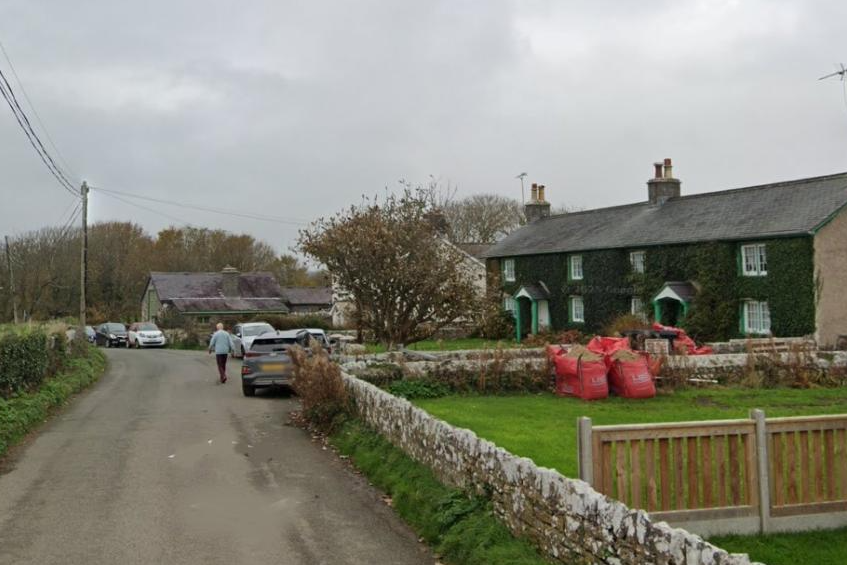
A CALL to allow the selling of alcohol as late as 10pm at a rural beauty spot former village tearoom which objectors fear will “create an absolute nightmare” exacerbating an already growing issue with antisocial behaviour from holidaymakers, has been given the go-ahead.
At Pembrokeshire County Council’s February licensing sub-committee, members considered an application by Sarah Jane Partridge and Robert John Secrett for a new premises licence at Bosherton Bistro, Old World Cottage, Bosherton.
A report for members said it was proposed the premises, formerly a tearoom called ‘Ye Olde Worlde Café’ would open 8am-10pm, selling alcohol from 9am on and off site, seven days a week in the village.
Since the proposal for the site, close to the village pub The St Govan’s Inn, was publicised, 13 objections were received, including Stackpole and Castlemartin Community Council.
In its submissions, the community council said it “will cause a significant public nuisance in the residential area”.
It said the ordinarily tranquil Bosherston, with its neighbouring beauty spot attractions of the lily ponds and St Govans currently has four well-established camp sites “which already frequently cause late night disruption, littering and anti-social behaviour caused predominantly by intoxicated individuals”.
It went on to say: “Instances of aggressive behaviour and trespass are already prevalent within the village by visitors under the influence of alcohol.”
Concerns raised by members of the public included fears of “an increased problem with drunkenness, drink driving and antisocial behaviour,” and it would “make life for the residents in the immediate area an absolute nightmare”.
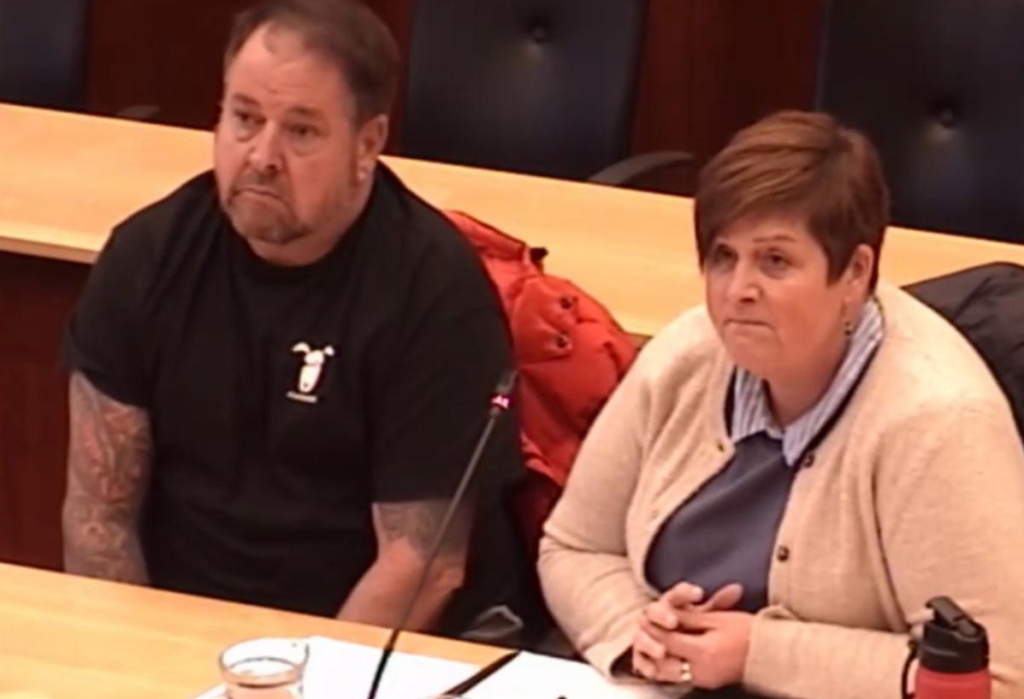
Speaking at the meeting, applicant Sarah Jane Partridge said they shared “the same fundamental aims as the residents,” with the scheme “not about creating a drinking venue but a food-based family bistro”.

She stressed that campers were already able to buy alcohol from the pub, or bring their own to the campsites, adding the 84-cover bistro would introduce safeguarding measures around the sale of any alcohol; off-site sales consisting of ‘gift-set’-style alcohol craft packages rather than “cans of lager”.
Objector Rik Guly said there had been many public order incidents over the years in the 36-home village relating to visitors from the campsites, as well as empty beer bottles, tampons and tins littering the area, one farmer also having his ‘honesty box’ stolen on several occasions; the application “effectively throwing a catalyst for more alcohol consumption and more public disorder”.
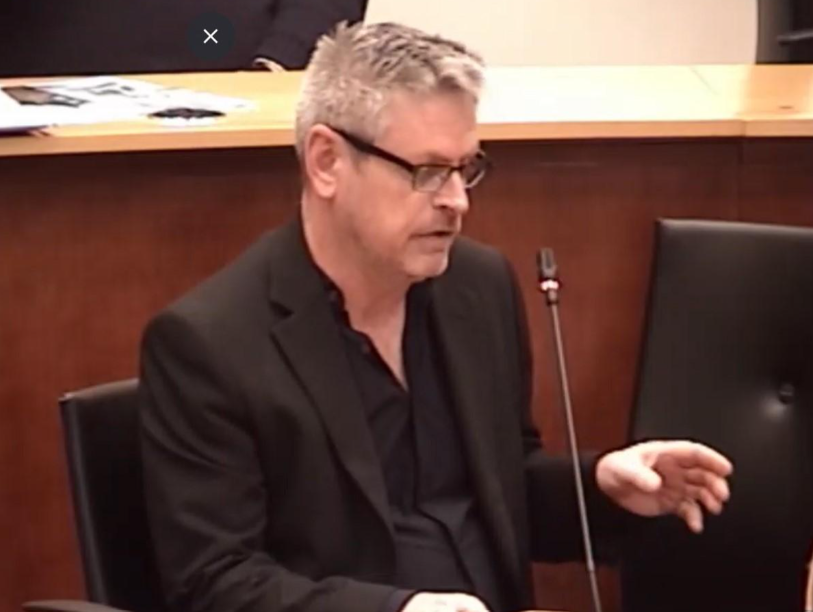
He also raised concerns it could restrict access along the narrow road to the nearby coastguard building for emergency services.

Another objector Clare Strudwick said “almost half the village” was objecting to the scheme which would cause “unacceptable public nuisance”.
Representing the community council, local county councillor Steve Alderman, who once farmed in Bosherston himself, said post-Covid visitor interest in the area had been raised “immeasurably,” with huge numbers attracted to the area.
He said that, while “antisocial behaviour, both physical and verbal” and “a complete lack of respect for what is a marvellous-looking village” was “society’s fault,” the resident’s had a right to enjoy their quality of life.
After the committee deliberated, chair Cllr Tony Wilcox said they had considered the range of objections but considered they were “not of sufficient seriousness to consider rejecting the application”.
The licensing application was approved, objectors hearing that decision could be appealed within 28 days.
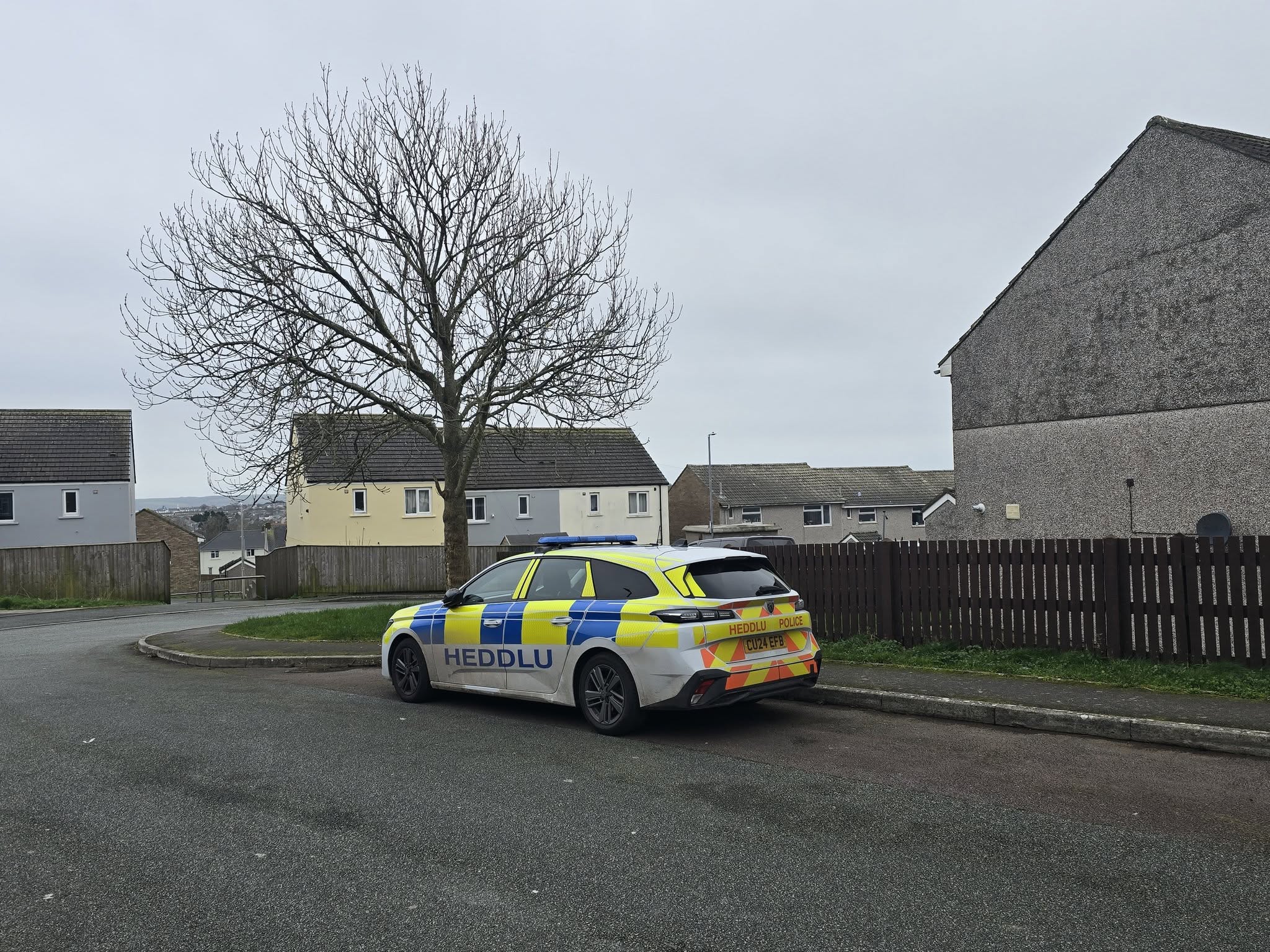
RESIDENTS in Howarth Close, Milford Haven, may have noticed an increased police presence in the area on Tuesday (Feb 24), as officers carried out door-to-door visits to promote a new community messaging service.
Members of the Neighbourhood Policing and Prevention Team spoke directly with residents to encourage sign-ups to Dyfed-Powys Connects — a free email alert system designed to keep communities informed about local policing matters.
The service provides updates on crime, antisocial behaviour, policing activity, community events and crime prevention advice tailored to specific neighbourhoods.
Officers say the initiative aims to strengthen communication between police and the public, helping residents stay informed about issues affecting their area.
Residents can sign up to the free service online at: https://orlo.uk/3POxP


News22 hours ago
Hoax 999 call sparks massive lifeboat and helicopter rescue — man arrested
Emergency services diverted from real incidents after false report off south Wales coast A MAJOR sea rescue operation involving three...


Crime1 day ago
St Dogmaels man jailed over hundreds of indecent images
Previous convictions for similar offences revealed to court A 57-YEAR-OLD man from St Dogmaels has been jailed for two-and-a-half years...


Health1 day ago
Petition against hospital service changes surges past 6,000 signatures
Public response now far exceeds health board consultation figures A PETITION calling for urgent Welsh Government intervention over services at...

Crime2 days ago
Milford Haven pensioner admits sexually assaulting two shop workers
76-year-old touched victims and kissed one on the neck, court hears A MILFORD HAVEN man has admitted sexually assaulting two...

News3 days ago
Senedd backs assisted dying legislation in historic vote
POLITICIANS in the Senedd have voted in favour of legislation that could allow assisted dying services to be provided through...
Crime3 days ago
Manchester men deny aggravated burglary after armed raid on dog breeder
Prosecution says machete-armed gang carried out “carefully planned” attack TWO men have gone on trial accused of involvement in an...


News3 days ago
Labour and Plaid criticised over £1.2m anti-racism ‘metaverse’ project
Figures revealed in Senedd questions as political row intensifies ahead of election THE WELSH GOVERNMENT has come under political pressure...

Business3 days ago
Local Senedd member hears retailer concerns ahead of election
INDEPENDENT shop owners in Pembrokeshire have warned that rising costs and increasing pressures could threaten the future of small high-street...

Charity4 days ago
Charity launches bid to save Foley House with new community cooperative
A PEMBROKESHIRE charity has launched an ambitious bid to restore Foley House, one of Haverfordwest’s most significant historic buildings, through...
Crime4 days ago
Man who threatened to kill Herald editor given suspended prison sentence
A PEMBROKESHIRE man who sent a message threatening to kill Pembrokeshire Herald editor Tom Sinclair has been given a suspended...
-

 Health7 days ago
Concerns grow over Bronglais stroke plans as politicians demand clarity
-
 Local Government5 days ago
Candidate who withdrew from Hakin race will still appear on ballot paper
-

 Crime5 days ago
BBC documentary reveals local man murdered mother then lived with her body
-

 Local Government6 days ago
First Minister left red-faced as Labour candidate pulls out during Hakin campaign visit
-
 Entertainment6 days ago
New theatre show explores realities of motherhood in Pembrokeshire
-

 Business6 days ago
Pembrokeshire businesses ‘squeezed to breaking point’ amid economic pressures
-
 News6 days ago
Thousands of potentially contaminated land sites recorded across Pembrokeshire
-

 Crime7 days ago
Teacher stabbed by pupil criticises school weapon scanner plans