


News
Community rallies to support Tia

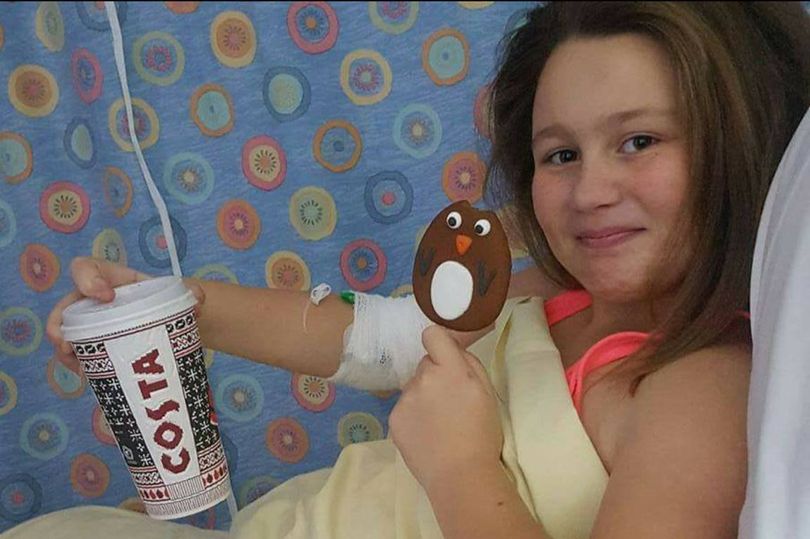

Tia Llewellyn: The 12-year-old suffers from an aggressive cancer
A YOUNG girl from Milford Haven is currently battling for her life after being diagnosed with a rare form of soft–tissue cancer.
Just four weeks ago, 12-year-old Tia Llewellyn was a seemingly healthy girl who had just celebrated her birthday and started in year seven at Milford Haven School, now she has just a five per cent chance of surviving alveolar rhabdomyosarcoma – a rare cancer found almost only in children – which is attacking her whole body.
In addition to bone marrow cancer, Tia has tumours in her kidneys and neck. The youngster has now been put in an induced coma at the Heath Hospital in Cardiff.
In what started as a suspected sickness bug – for which she was sent home from school – it soon became clear that Tia’s condition was much more serious.
Tia was initially transferred from Withybush Hospital in Haverfordwest to Glangwili General Hospital in Carmarthen where doctors suspected she had a kidney infection. Soon after, Tia was told she needed to go to Cardiff as she had cancer.

Early diagnoses suggested Tia had burkitts lymphoma, another rare, but more treatable form of cancer that affects the lymph nodes. Just three days later she was faced with news that she had stage four alveolar rhabdomyosarcoma.
Rhabdomyosarcoma falls under soft–tissue sarcoma, which accounts for just six per cent of childhood cancers. The rarity of soft–tissue sarcoma is highlighted by records collected by Cancer Research UK which show an average of just 98 cases a year in children aged 0-14.
In order to treat the tumours attacking her neck and kidney, Tia must travel to America. But before that can happen, her bone marrow must be treated here.
Doctors experienced several difficulties in the lead up to trying to treat Tia, at which point she was put in an induced coma. Her family are hopeful she will be awake by the end of the week and are praying for her full recovery.

Tia’s mum Sarah has since given up work to be at her daughter’s bedside. Her grandmother, Linda, now makes the five hour round trip to Cardiff every weekday to see her granddaughter.
An online fundraiser started by Tia’s aunt Kerryanne Clayton has already surpassed it’s initial target of £5,000; but he family says more will be needed to help with specialist treatment.
The family would thank all those who have donated so far, as well as the doctors in Cardiff and the children’s charity LATCH which has provided Sarah with an apartment to ease some of the pressure of the five hour round trip from Milford Haven to Cardiff.




A LOS ANGELES-bound passenger jet made an unexpected U-turn over Pembrokeshire after developing a suspected landing gear problem while crossing UK airspace.
The Airbus A330, operating as LEVEL/Iberia flight IB2623 from Barcelona to Los Angeles, was tracked circling off the Pembrokeshire coast on Monday (June 8), leaving aviation watchers puzzled as it appeared to abandon its transatlantic journey.
Flight tracking data showed the aircraft, registration EC-ODA, making a looping manoeuvre west of Pembrokeshire before heading back south towards Spain.
The jet had already travelled more than 1,200 kilometres and had been airborne for almost two hours when the unusual turn took place.

Aviation incident reports suggest the crew detected a suspected undercarriage or tyre-related problem involving the aircraft’s nose landing gear.
Rather than diverting to a UK airport, the crew opted to return to Barcelona, where the aircraft landed safely. Reports indicate emergency services were placed on standby as a precaution.
Experts say long-haul aircraft bound for destinations such as Los Angeles often carry heavy fuel loads, meaning pilots may choose to enter a holding pattern while assessing a fault and preparing for a safe return to base.
The sight of the large aircraft circling near Pembrokeshire sparked interest among flight trackers, with many noticing the unusual route on Flightradar24.
No injuries have been reported.
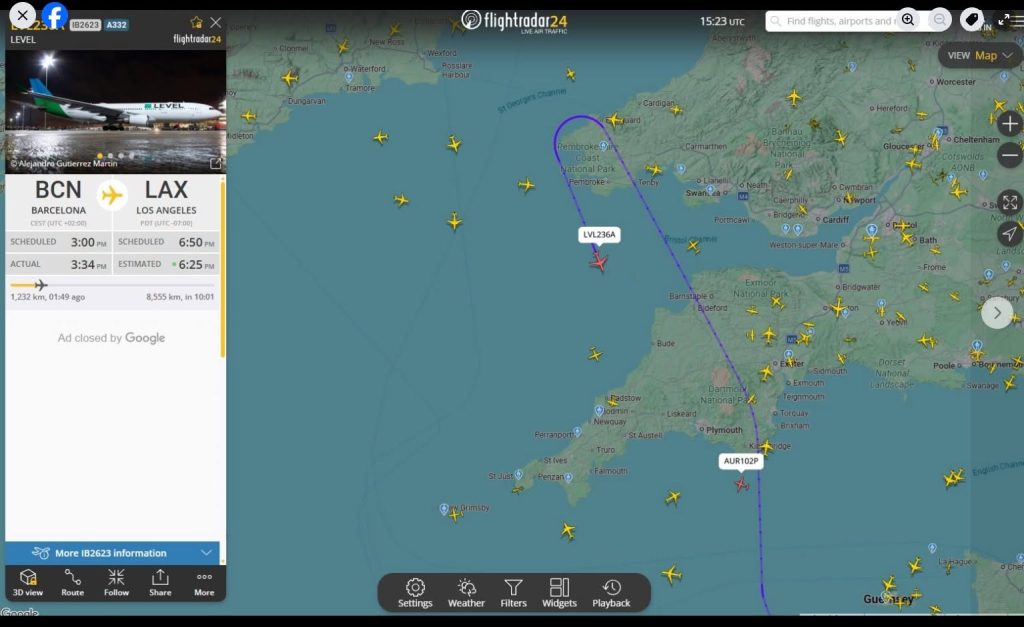
Tracked over Pembrokeshire: The Airbus A330 was seen looping near the county before returning to Barcelona following reports of a suspected landing gear issue (Pic: Flightradar24).

NEW figures suggest people in Wales are more likely than anywhere else in Britain to recognise that alcohol can be addictive.
A YouGov survey found that 86% of respondents in Wales described alcohol as addictive, compared with 78% across Britain.
The figure was higher than Scotland at 83%, the North and Midlands at 81%, the South at 77%, and London at 69%.
Health experts said the findings showed strong public awareness in Wales, but warned that knowledge alone may not prevent risky drinking, particularly during the summer months.
Dr Karen Faulkner, Associate Medical Director at Panthera Clinic, said alcohol remained deeply embedded in British social life.
She said: “Alcohol occupies a unique place in British culture because it is both legal and socially encouraged, which can make it difficult for people to recognise when their relationship with drinking is beginning to change.
“What’s particularly interesting is that most people understand alcohol can be addictive, yet many still underestimate how easily regular drinking can become habitual.”
The NHS advises adults not to drink more than 14 units of alcohol a week on a regular basis, spread over three or more days, with alcohol-free days included.
Dr Faulkner said summer events, holidays, festivals, barbecues, pub gardens and sporting occasions could make drinking feel more routine.
She added: “Dependence often develops gradually and doesn’t always fit the stereotypes people associate with addiction.
“The challenge isn’t necessarily a lack of awareness about alcohol’s risks. It’s recognising when a socially accepted habit has crossed the line into something that’s beginning to have a negative impact on your health, wellbeing or daily life.”
People trying to cut back are advised to plan alcohol-free days, alternate alcoholic drinks with water or soft drinks, set limits before social events, try low or no-alcohol alternatives, and keep track of weekly intake.

Support is available in Wales through DAN 24/7, the Wales Drug and Alcohol Helpline, on 0808 808 2234.
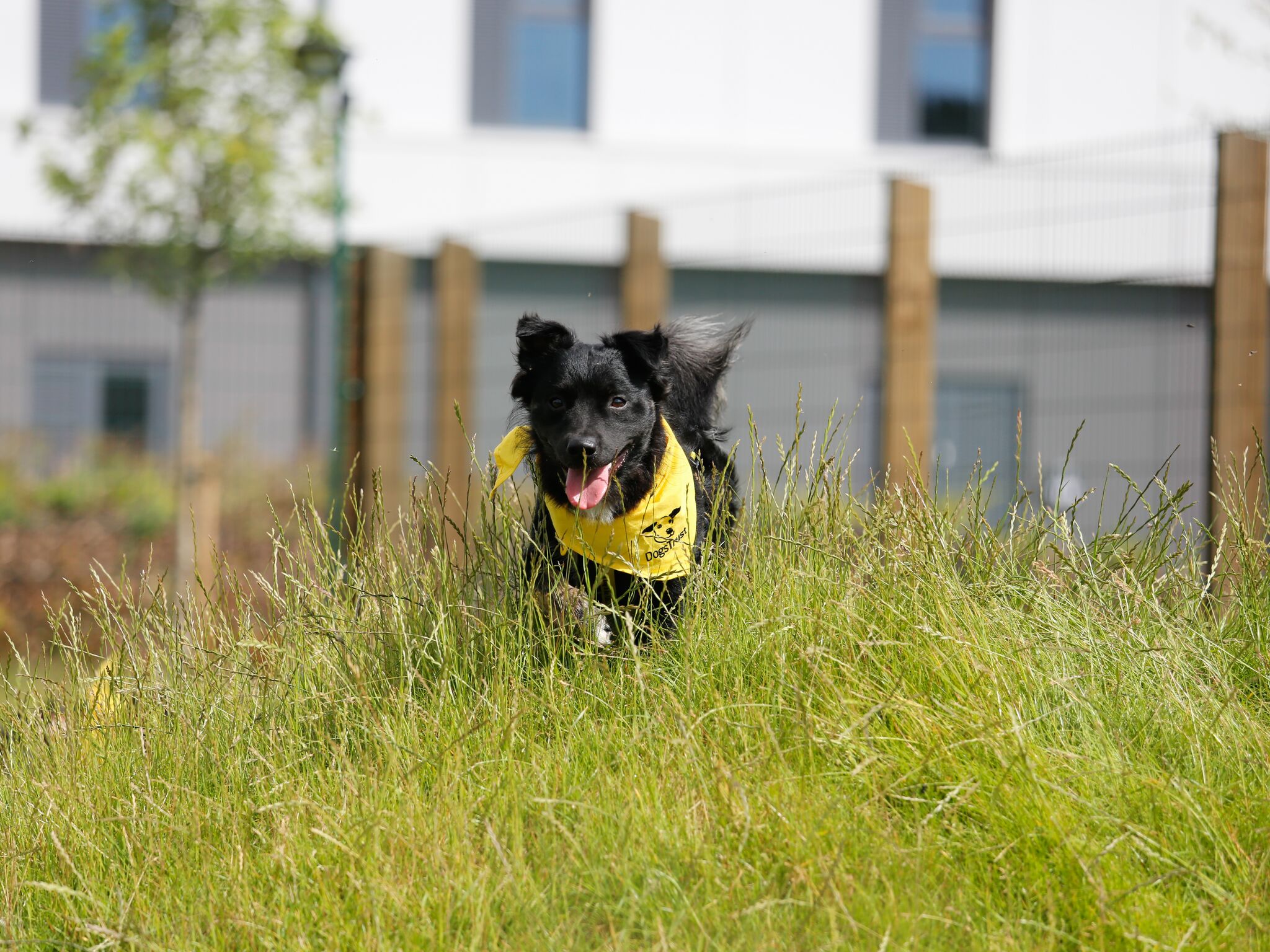
DOG owners and animal lovers across Wales are being urged to share their views as Dogs Trust launches its National Dog Survey 2026.
The survey, now in its fifth year, asks people about the role dogs play in their lives, the realities of dog ownership, and what changes they would like to see to improve welfare.
Dogs Trust, which has rehoming centres in Bridgend and Cardiff, says the survey is open to everyone, whether they own a dog, hope to have one in the future, or simply admire dogs from afar.
The charity says more than 1.4 million responses have been gathered since the survey began, helping shape its work supporting owners, improving welfare, and campaigning on issues affecting dogs across Wales and the wider UK.
The survey is open until Tuesday, June 30, and takes around 15 minutes to complete online.
Dogs Trust said previous responses have helped it develop dog food banks, launch its free Behaviour Support Line, and highlight the difficulties faced by renters with pets.
Last year, 342,957 people took part in the survey, sharing information about more than 423,175 dogs.
Among the findings, 80 per cent of respondents said their dog was their best friend, while 95 per cent of dog owners said having a dog was good for their mental health. The survey also found that 94 per cent of owners believed dogs should be treated as members of the family.
Owen Sharp, Chief Executive of Dogs Trust, said: “Being a dog owner means you are part of a wonderful community, and for our fifth annual National Dog Survey, we want to bring all of these experiences together.
“This year, we’re looking to dig deeper into the incredible commitment of owners and explore what our dogs mean to us.
“And it isn’t just dog owners we want to hear from. Whether you’ve always wanted a dog, are unsure if one fits your lifestyle, or simply prefer to admire them from afar, we want to hear from you.
“We’re calling on the people of Wales — don’t be left out. We want to hear your stories, from the funny bits and the tricky bits to the quirks that make dogs one of a kind.

“The insights from this year’s survey will help ensure Dogs Trust can support dogs and their owners, and help us all live the best lives possible, together.”
To take part in the National Dog Survey 2026, visit www.dogstrust.org.uk/NDS.
Caption:
Dogs Trust is urging people in Wales to take part in its National Dog Survey 2026.



News5 hours ago
Pendine cliff fall victim recovering after major emergency response
A 22-YEAR-OLD man who suffered serious injuries after falling from cliffs overlooking Pendine Beach is recovering well following emergency surgery....


News1 day ago
First Minister challenged over jobs for student nurses
REFORM WALES has accused the First Minister of failing to guarantee jobs for student nurses in Wales, despite continuing pressure...

Crime1 day ago
Knife blankets call as school staff face rising violence fears
GMB says protective equipment should be considered where risk assessments show staff could face blades SCHOOL staff should be given...


News1 day ago
Claire Archibald secures review of Milford Haven train times
RURAL TRANSPORT CONCERNS RAISED WITH TFW CLAIRE ARCHIBALD MS has secured a review of train times between Milford Haven and...


Crime1 day ago
PCC review calls for stronger youth crime prevention work
REPORT MAKES 13 RECOMMENDATIONS A REVIEW into crime and anti-social behaviour services for young adults has called for stronger prevention...

Crime1 day ago
Families condemn failed appeal by paddleboard boss jailed over Haverfordwest tragedy
RELATIVES SAY LATEST COURT BID HAS REOPENED PAIN AFTER FOUR DEATHS ON WESTERN CLEDDAU THE FAMILIES of victims of the...

Community2 days ago
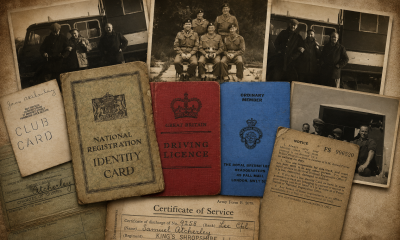
Forgotten wartime archive found in Pembroke Dock attic after 80 years
Remarkable family collection reveals story of father and son who served through two world wars A REMARKABLE untouched family archive...


Crime2 days ago
Milford Haven woman left with facial fractures after drunken attack
A WOMAN in her late fifties suffered facial fractures after being repeatedly punched through the window of her car during...


Crime2 days ago
Sex offender in senior role at Tenby family hotel
CREST HOTEL GROUP says it is investigating safeguarding concerns after staff at the Imperial Hotel in Tenby raised alarm over...


Sport3 days ago
Runners tackle new route in Ras Y Castell 10k
MORE than 90 runners took to the streets and paths around Cardigan on Friday evening (June 5) for the annual...
-
Crime5 days ago
Paddleboard company owner loses bid to cut sentence over Haverfordwest tragedy
-

 Crime4 days ago
Milford Haven man admits harassment and assault
-

 News4 days ago
Community appeal for privacy after serious emergency in Pendine
-
Crime2 days ago
Sex offender in senior role at Tenby family hotel
-
Community2 days ago
Forgotten wartime archive found in Pembroke Dock attic after 80 years
-

 Business4 days ago
Call for gym and Padel courts at Kiln Park Farm unanimously backed
-
Crime1 day ago
Families condemn failed appeal by paddleboard boss jailed over Haverfordwest tragedy
-

 Community4 days ago
Founders Day hailed a success despite rising costs and extra security