


News
Councils ‘failing female care workers’


 UNISON, the public services union, is using today’s International Women’s Day (Mar 8) to warn local authorities that overstretched resources in the care sector are depriving the largely female workforce of any dignity at work.
A great deal of care is provided for councils by non-profit organisations and the trade union has written to every council in Wales requesting a meeting to discuss how better funding in the sector would lift carers out of poverty.
Extreme financial constraints in the non-profit care sector have resulted in the slashing of carers’ supplements for sleep-ins at service users’ homes, holiday pay, bank holiday working premiums and sick pay.
Typically, they earn the minimum wage of £7.20 an hour and carers have told UNISON they feel exploited and would be financially better off working on the tills at a supermarket. Yet the work carers undertake is invaluable; they check on the welfare of service users and amongst other tasks, might help them take medication or prepare their meals. They care for the most vulnerable in society.
Many women opt to work in the care sector because it offers flexible working which can fit around their own care responsibilities at home.

Lynne Hackett, UNISON organiser said: “Thousands of women in Wales and their children are suffering the effects of in-work poverty despite their dedication in caring for older people, those who are physically disabled, individuals with mental health issues and those with learning disabilities and difficulties.
“If they were directly employed by the councils they would be more fairly paid. If care has been outsourced, councils should provide sufficient funding to non-profit organisations to ensure quality care for service users and dignity for the workforce. We know the pressures councils are under because of savage UK Conservative government cuts but the answer can’t be to punish those delivering care.
“Torfaen, Caerphilly, Bridgend and Flintshire councils deserve credit for agreeing to meet with us to discuss the crisis. Some local authorities are in a state of denial about the care sector and have not responded to UNISON. As we approach the local elections this will not be viewed sympathetically by the female carers living and working in their communities. On International Women’s Day, it would be wonderfully symbolic if all councils in Wales consented to a meeting.”
UNISON believes care should be undertaken by councils with a directly-employed local government workforce. The trade union has developed an Ethical Care Charter which it is asking councils in Wales to adopt. It would ensure dignity of care for patients and fair and decent employment standards for care staff.



Thirty packs provide immediate help for families fleeing dangerous situations
A NEW initiative aimed at supporting victims of domestic abuse has seen thirty emergency bags distributed for use across the Dyfed-Powys Police area.
The bags, which contain essential items including toiletries, non-perishable snacks and emergency supplies, are designed to offer immediate practical support to individuals and families forced to flee abusive situations, often with little or nothing.
The scheme forms part of the Police and Crime Commissioner’s wider commitment to improving outcomes for victims and is being delivered in partnership with Dyfed-Powys Police and Dal i Godi, the commissioned Independent Domestic Violence Adviser (IDVA) service.
Dal i Godi provides specialist support to victims at high risk of serious harm, including safety planning and advocacy through the criminal justice process.
Police and Crime Commissioner Dafydd Llywelyn said the initiative was already proving its value.
“This is an incredible initiative that I’m proud to support,” he said. “It provides meaningful help to those experiencing trauma and reflects our ongoing work to put victims first.
“Within just a few days of the bags being distributed to the Dal i Godi service, one was given to a victim fleeing a domestic abuse situation, along with a children’s pack to support their young family. That shows just how essential this support can be and how quickly it can make a difference.”
Detective Chief Inspector Llyr Williams, from the Dyfed-Powys Police Vulnerability Hub, said the emergency bags could provide a vital lifeline at critical moments.
“These emergency bags offer support at some of the most difficult moments in a person’s life,” he said.

“The contents provide immediate comfort, dignity and practical help for those leaving their homes in crisis. While simple, they represent an important first step towards safety and recovery.
“We are proud to be working with partners across the Dyfed-Powys area to ensure this support reaches people when they need it most.”
Anyone experiencing domestic abuse, or concerned about someone else, is encouraged to seek help. In an emergency, call 999.

Domestic abuse can also be reported online via Dyfed-Powys Police.
Support services available include Victim Support Dyfed-Powys, which offers free and confidential help to anyone affected by crime, whether or not it has been reported, and Dal i Godi, which provides specialist IDVA support for high-risk victims.
The Live Fear Free Helpline offers 24-hour support for those experiencing domestic abuse or sexual violence across Wales.
If you or someone you know is a victim of domestic abuse, please consider reporting it. If you are in danger or need support right away, please call 999.
You can report domestic abuse through the online crime reporting service here: Report domestic abuse | Dyfed-Powys Police.
Support is also available via the below support services:
Victim Support Dyfed-Powys
Free, independent support for anyone affected by crime in the Dyfed-Powys area, whether or not it has been reported to the police.
0300 123 2996
Dal i Godi (IDVA Service)
Specialist support for victims of domestic abuse at high risk, offering safety planning, emotional support, and advocacy with agencies such as police and courts.
01267 221194
Live Fear Free Helpline
24/7 support for anyone experiencing domestic abuse or sexual violence.
0808 80 10 800 | Text 07860 077333

Estyn highlights strong leadership, positive attitudes and a clear curriculum vision at Ysgol Bro Preseli
A WELSH-medium all-age school in Crymych has been praised by inspectors for fostering a “happy, proud and friendly community,” according to a recent Estyn report.
Inspectors said pupils at Ysgol Bro Preseli show pride in their local area, thrive both academically and socially, and are well prepared for the next stages of their learning.
The school currently has 932 pupils on roll, including 118 in the sixth form, and has operated as an all-age school since 2022.
Estyn found that most pupils demonstrate extremely positive attitudes to learning, treat staff with respect, and listen carefully to the contributions of their peers.
The report also notes that, in almost all cases, teachers show strong subject knowledge. Inspectors highlighted the close and supportive relationships staff build with pupils, alongside the creation of a safe learning environment where pupils are not afraid to make mistakes.
It states: “As a result of a clear strategic direction and detailed planning, teachers provide beneficial practical activities that allow pupils to develop purposeful oracy, reading and writing skills in language sessions and across the other areas of learning and experience.”
Inspectors also praised the school’s clear curriculum vision, rooted in its motto Gwreiddiau a Gorwelion (Roots and Horizons).
“Leaders and teachers provide a coherent curriculum and learning experiences that bridge the primary and secondary sectors effectively,” the report said. “Staff plan stimulating activities and experiences for pupils to learn and deepen their understanding within the areas of learning and experience. This contributes positively to the sense of belonging that permeates the whole curriculum of Ysgol Bro Preseli.”
Headteacher Rhonwen Morris said the report was a reflection of the collective effort across the school community.
“As a successful all-age Welsh-medium school, we are delighted that the report recognises our commitment to excellence and the unique identity that makes Ysgol Bro Preseli so special,” she said.
“Since becoming an all-age school in 2022, our cohesive leadership team and governing body have focused on building a strong foundation based on our values of Welsh ethos, kindness, community and responsibility.
“The report highlights the excellent strategic work of staff at all levels, which is a testament to the shared dedication and vision that drives our school forward.

“It is gratifying that the report reflects what we continuously aim to achieve day in and day out. This achievement belongs to our entire community — staff, pupils, parents and governors — and together we will continue to build on this success and provide the very best education for every pupil.”
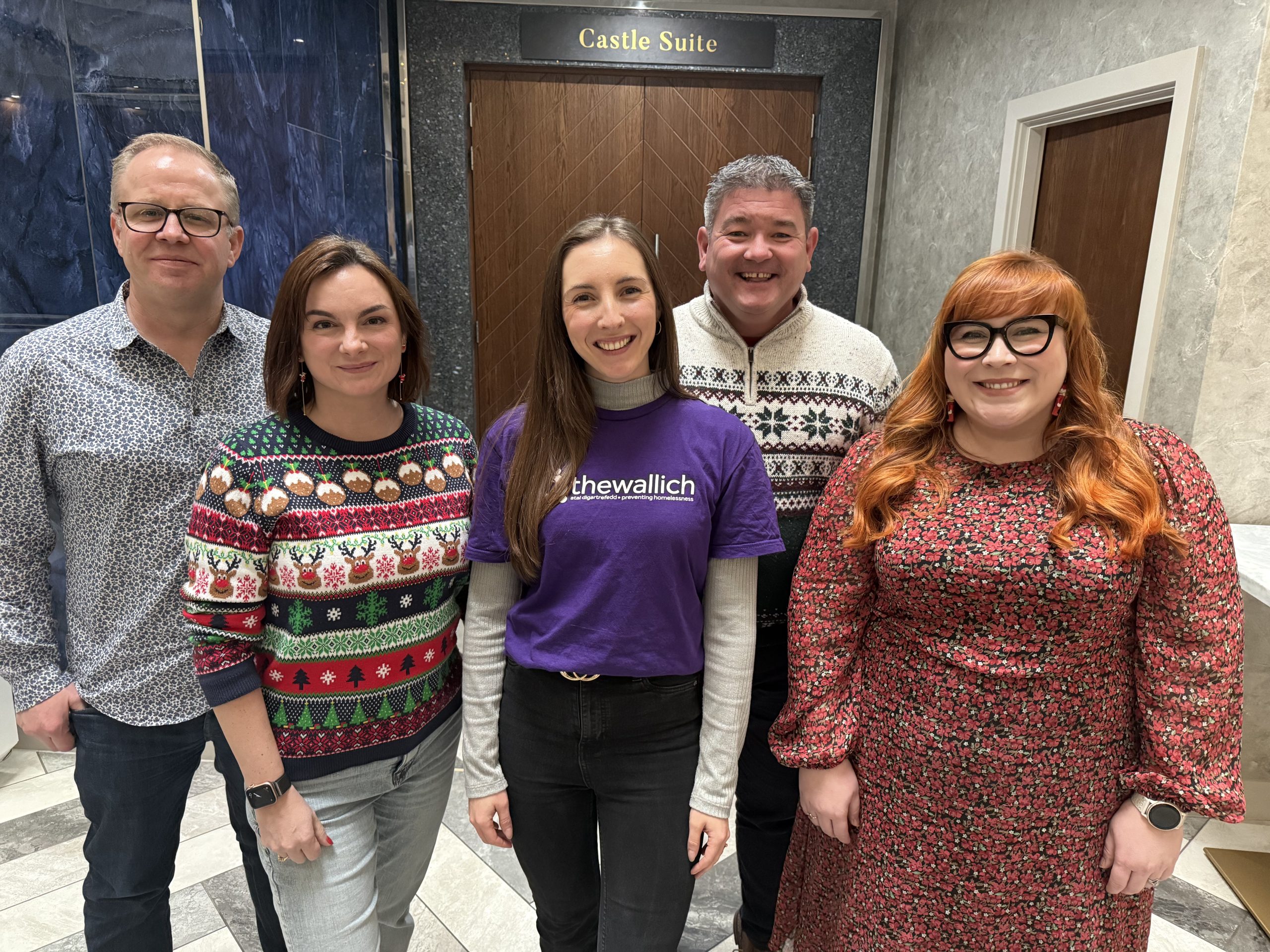
SPECSAVERS Pembroke Dock has helped raise £1,600 to support people experiencing homelessness this winter, with all funds going to The Wallich’s winter appeal.
Thirteen stores from North, South and West Wales donated £1 for every customer feedback form completed during November to help The Wallich, Wales’ largest homelessness and rough sleeping charity, continue its vital work.
Supporting more than 8,000 people experiencing or at risk of homelessness across the nation each year, The Wallich runs around 100 diverse projects across 20 local authorities to provide hope, support and solutions to end homelessness.
Funds raised by Specsavers will go directly to the Wallich’s Flexible Assistance Fund, which provides small but vital emergency grants. The grants support people at crucial turning points, helping cover essential costs such as phone credit, rent or food shops.
This initiative is a continuation of Specsavers’ wider homelessness programme, which sees over a hundred Specsavers stores and Home Visits services hold out-of-hours or pop-up clinics and invite people affected by forms of homelessness to use their services for free.
Specsavers’ North Wales regional relationship manager, Martin Lawrence, who helped organise the fundraiser, says: ‘We’re really proud to be supporting The Wallich’s winter appeal at a time when support is needed most.
‘Homelessness affects people in every community and as locally owned and run businesses, Specsavers stores are committed to raising awareness of the issue and supporting people through their toughest moments.
‘We’re excited to build on the success of this fundraiser and strengthen our partnership with The Wallich in the new year.’
Louisa Turner, head of fundraising at The Wallich, adds: ‘Winter can be an incredibly difficult time for people experiencing homelessness and this support from Specsavers will make a real difference.
‘The funds raised will help provide emergency grants at critical moments – whether that’s putting food on the table, helping someone stay connected with their loved ones or preventing someone from losing a safe place to live.
‘This kind of support creates vital turning points and helps people move towards a safer, more secure future.’
Specsavers works year-round with homelessness charities including Crisis, Vision Care and The Big Issue, to improve access to healthcare and advocate for policy change – ensuring people experiencing homelessness can receive free eye tests, glasses and hearing checks.

To find out more about Specsavers or to book an appointment at your local store, visit: https://www.specsavers.co.uk/stores.



Milford Haven man denies child sex charges as trial date set
A MAN originally from Milford Haven has pleaded not guilty to a series of sexual offences involving a child after...


Bail revoked for teenager charged with rape following Sands Nightclub allegation
A TEENAGER charged with rape following an alleged incident at a Saundersfoot nightclub has been remanded into custody after bail...


Former police officer accused of making sexual remarks to women while on duty
Court hears allegations of inappropriate behaviour during official police visits A FORMER police officer has appeared in court accused of...


Community gathers to remember Corrina Baker
Lanterns and balloons released in emotional acts of remembrance FAMILY, friends and members of the local community came together to...


Teenager charged following rape allegation at Saundersfoot nightclub
Incident reported at Sands Nightclub in early hours of Sunday DYFED-POWYS POLICE is investigating an allegation of rape following an...


Milford Haven man jailed after drunken attack on partner and police officers
A MILFORD HAVEN man who launched a violent drunken assault on his partner before attacking two police officers has been...


Court hears historic child sex abuse claim emerged after ‘tarot reading’
Judge reminds jurors there is no standard timeframe for victims to come forward as trial reaches final stage A JURY...


Rape allegation investigated at Saundersfoot nightclub
Police appeal for witnesses after incident reported in early hours of Sunday DYFED-POWYS POLICE are investigating an allegation of rape...


Milford ground worker denies historic child sex abuse charges at Crown Court
Accused tells jury claims did not happen as trial hears evidence about alcohol use and alleged controlling behaviour A MAN...


Three inmates deny murder of Lola James killer at Wakefield prison
THREE prisoners have denied murdering child killer Kyle Bevan, who was found dead in his cell at HMP Wakefield. Bevan,...
-
Crime3 days ago
Milford Haven man jailed after drunken attack on partner and police officers
-

 News6 days ago
Dyfed-Powys Police launch major investigation after triple fatal crash
-
Crime3 days ago
Teenager charged following rape allegation at Saundersfoot nightclub
-
Crime4 days ago
Man charged with months of coercive control and assaults
-
Crime4 days ago
Man sent to Crown Court over historic indecent assault allegations
-
Crime6 days ago
Man spared jail after baseball bat incident in Milford Haven
-

 Crime4 days ago
Milford Haven man admits multiple offences after A477 incident
-

 Crime4 days ago
Woman ‘terrified in own home’ after ex breaches court order