


Sport
Sport Awards Nominations Announced

THE waiting is over and the nominations for the 2017 Sport Pembrokeshire Awards have been revealed.
A total of 145 nominations have been received in 14 categories for individuals and teams involved in a variety of different sports across the County.
The three finalists in each category will be announced soon and the overall winners will be unveiled at a gala ceremony at Folly Farm on November 24, organised by Sport Pembrokeshire.
The awards are sponsored by Valero, the Western Telegraph, Folly Farm, and Radio Pembrokeshire.
Cllr Paul Miller, Cabinet Member for Economy, Tourism, Leisure and Culture, said: “We’re really pleased that so many people have yet again taken the time to nominate individuals and teams from our sporting community to be recognised in the Sport Pembrokeshire awards.

“The awards are a great opportunity to acknowledge the hard work and achievements of our local sportspeople, coaches and volunteers, as well as celebrating the wide variety of sports being enjoyed across the County.”
Some individuals/teams received more than one nomination and the nominations are as follows;
Contribution to School Sport
- Leah Kitson-James
- Dafydd Vaughan
- Cariann Griffiths
- Jonny Williams
- Dan Edmonds
- Rick Walton
Student Contribution to School Sport

- Paddy Gallagher (YDS)
- Lucy Harding, Sophie Grehan & Sophie Williams (STP)
- James Price (STP)
- Nina Garcia (Greenhill)
- William Wright (Pembroke School)
- Carys Davies (Greenhill)
Club Organiser
- Yvette Bevan (Pembrokeshire Special Needs Gymnastic Club)
- Megan Arthur (Cricket)
- Alison Dixon (Haverfordwest Tennis Club)
- Simon Morgan (Neyland AFC)
- Alan Roach (Hakin Utd)
- Steve Whitmore (Pembs Disabled Bowls Club)
- Sam Butts (Sailing)
- Mel Marshalsey (Netball)
- Simon Collings (Rowing)
Senior Team
- Pembrokeshire Special Needs Gymnastics Club
- Pembroke School Senior Netball team
- Haverfordwest Disability Gymnastics Team
- Sam & Daisy Coleman (Powerboat Racing)
Junior Team

- Hakin United AFC U16’s
- Welsh Disability Cricket Team – 5 Pembs players
- Pembrokeshire Schools U11’s Football Team
- Ysgol Preseli U16’s rugby team
- Pembrokeshire U10’s Cricket Team
- Fishguard Sports AFC – Girls
- Narberth Junior Netball Club
- Pembrokeshire Harriers
- Crymych RFC U16’s
Unsung Hero
- Rob Williams (Lawrenny Cricket Club)
- Rhodri Lewis (Crymych Cricket Club)
- Matthew Evans (Activity Wales)
- Ben Mathias Milsom (Neyland Cricket Club)
- Carl Keane (Dockers Boxing Club)
- Liz and Nigel Rowlands (Athletics)
- Trefor Evans (Cricket)
- Paul Webb (Cricket)
- Richard Arthur (Cricket)
- Carwyn Phillips (Running)
- Dom Brody (Football)
- Zac Davies (Football)
- Sam Rossiter (Cricket)
- Stephen Donovan (Official / Weightlifting)
- Darren Rogers (Official / Weightlifting)
- Charles Hopkinson (Rotary Sports)
- Chris Gouldsmith (fundraising)
- Steffan Jenkins (Cricket)
- Aileen Saunders (Kayaking)
- Peter Davies (Neyland Rugby & Cricket)
Disability Sport Award
- Sian Jones (Boccia)
- Robert Jamieson (Target Shooting)
- Dewi Evans (Boccia)
- Jack Lloyd (Bowls)
- Harry Thomas (Para-Lifting and Wheelchair racing)
- Raymond Lillicrop (Bowls)
Junior Disability Award
- Leon Davies (Gymnastics)
- Lily Rice (WCMX- Wheelchair Motocross)
- Leah Shipley (Gymnastics & Swimming)
- Anthony Triebel (Gymnastics)
- Libi Phillips (Wheelchair Rugby)
- Jake Morgans (Gymnastics)
- Jack Collings (Gymnastics)
Girls U16’s
- Carys Worby (Golf)
- Poppy Owen & Lucy Kerrison (Gymnastics)
- Rosie Llewellyn (Triathlon)
- Lowri Hart (Badminton)
- Efa Wilson (Rowing)
- Shannon Davies (Dance)
- Charlotte Whalley (Swimming)
- Louisa Twigg (Swimming)
- Jasmine Owen (Badminton)
- Ella Wintle (Athletics)
- Lowri Boorman (Sailing)
- Emily Roberts (Football)
- Teigan Canton (Football)
- Maisy Foley (Athletics)
- Chloe Hood (Weightlifting)
- Tirion Eynon (Cricket)
Boys U16’s
- Matthew Johnson (Climbing)
- Joss Lerwill (Golf)
- Evan Watts (Football & Cricket)
- Kyle Kenniford (Football)
- Thomas Beegan (Water Polo)
- Dylan Evans (Rugby)
- Gruffydd Green (Sailing)
- Iori Humphrys (Cross Country)
- Rhys Harries (Duathlon)
- Sean Barrett (Swimming)
- Oliver Wheeler (Hockey & Athletics)
- Aaron O’Neil (Rugby)
- James Hart (Weightlifting)
- Louis Thomas (Weightlifting)
Male Achievement
- Oliver Crawford (Octopush)
- James Tomlinson (Athletics)
- Gethin Davies (Rugby)
- Luke Harries (Golf)
- Tomos Dugmore (Triathlon)
Female Achievement
- Lleucu George (Rugby)
- Abbie Williams (Triathlon)
- Angharad James (Football)
- Jasmine Joyce (Rugby)
- Gabrielle Ridge (Canoe Slalom)
Club of the Year
- Just Tri Triathlon Club
- Chaos Netball Club
- Haverfordwest Seals Swimming Club
- St. Florence Girls AFC
- Strength Academy Wales
- Tenby Netball Club
- Pembrokeshire Harriers
- Haverfordwest Kayak Club
Coach of the Year
- Rob Williams (Lawrenny Cricket Club)
- Tamara O’Leary (Pembs Puffins Disability Swimming Club)
- Amy Yelland (Pembs Special Needs Gymnastics Club)
- Sion Jenkins (Just Tri Junior Triathlon)
- Liz Collyer (Climbing)
- Colin Fawcett and Daisy Picton (Hakin United)
- Stuart Tyrie (Ju-Jitsu)
- Chris Barker (Squash)
- Angie Nicholls (Football)
- Craig Nelson (Swimming)
- Jim Horner (Weightlifting)
- Justin Head (Weightlifting)
- Lynn Howells (Netball)
- Crymych RFC u16’s coaches
- Richard Owens (Sailing)
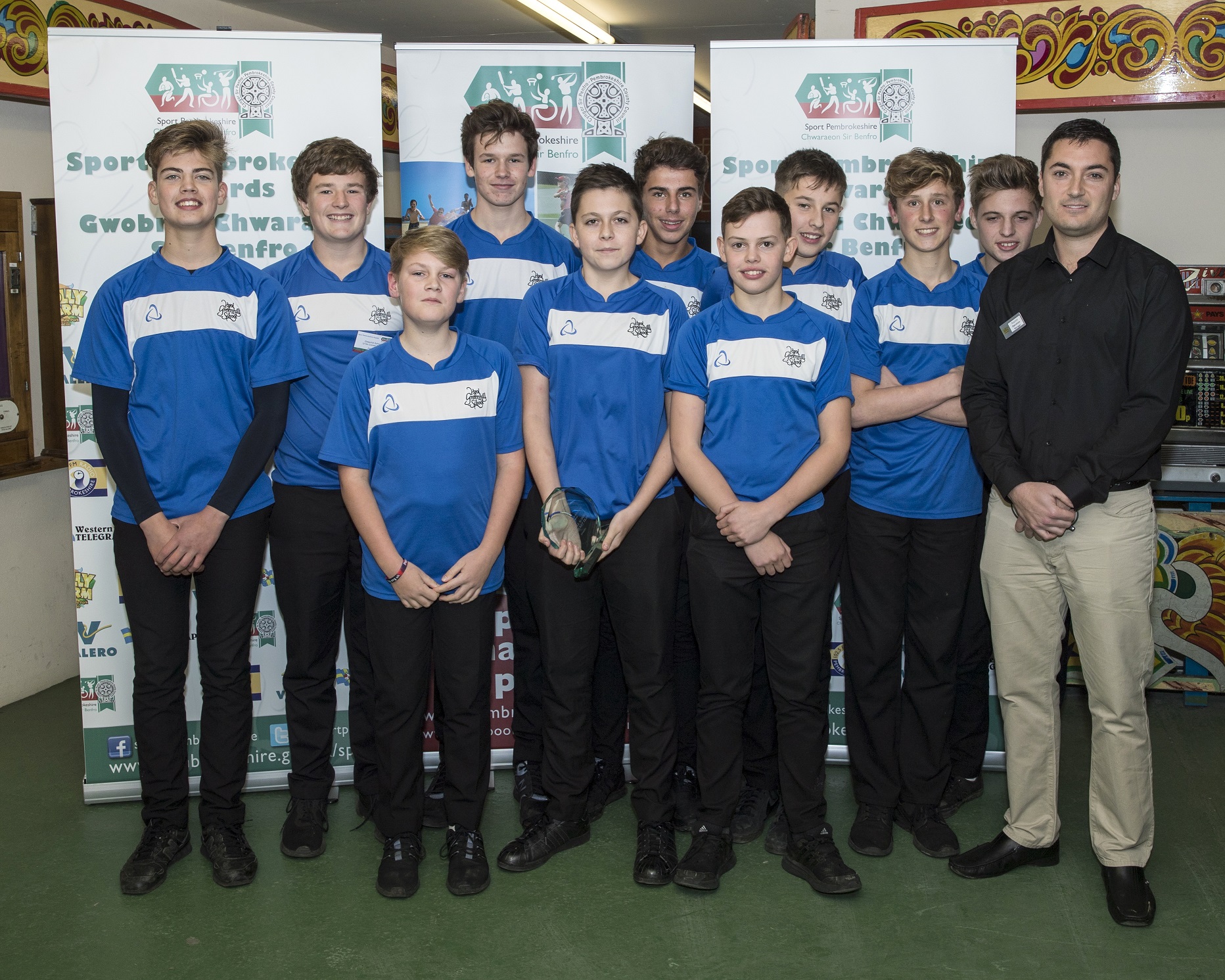
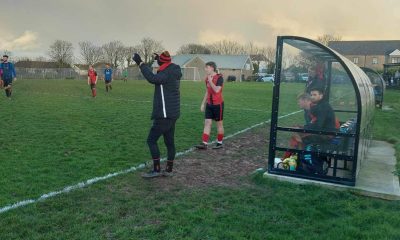
Pictured are Greenhill school u14’s cricket team, who were finalists in the Junior Team category in last year’s Sport Pembrokeshire Awards









A CALL to extend a long-established Pembrokeshire golf club, bringing it up to a full 18 holes, has been submitted to county planners.
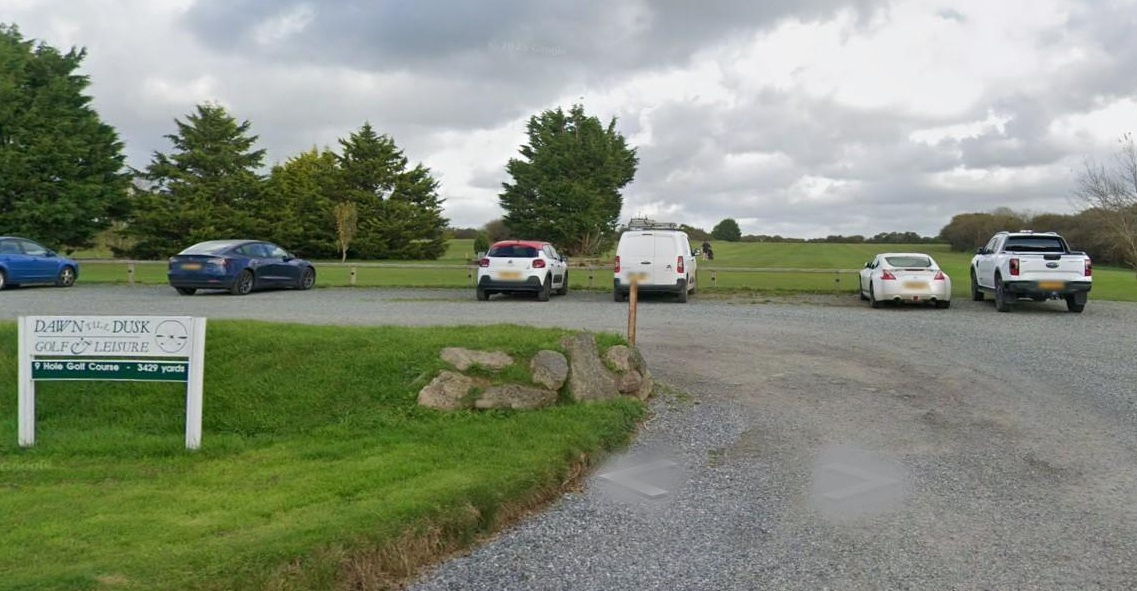
In the application, Mr and Mrs Young, through agent Preseli Planning Ltd, seek a change of use of land adjoining the Dawn Till Dusk Golf Club, Furze Hill Farm, Bastleford Road, Rosemarket, to form an extension to the existing golf course, along with landscaping and associated works.
A supporting statement through the agent says: “The application seeks full planning permission for the enlargement of the existing golf course to provide an additional six holes, to provide a total of 18 holes.
“The proposal would involve minor landscaping works to the fields and boundaries and the creation of a small number of ponds and bunkers. The extension would be located on land to the west of Furze Hill Farm and on the opposite side of the road to the existing golf course and clubhouse.
“An altered access to the land parcel is proposed as part of this application, which would provide an improved route for users crossing the public highway to avoid conflict with movements at the main entrance.
“The application site exceeds 1ha and therefore the proposal is considered major development necessitating a Pre-Application Consultation prior to formally submitting the planning application to the Local Planning Authority.”
It adds: “The existing golf course has operated in excess of 30 years and is popular with both visitors and locals. Club membership currently stands at approximately 350 and there is demand for enhancing the provisions of the course.
“The applicants’ sons have recently increased their involvement in the enterprise and in recent years wet winter months have necessitated the closure of the course, or parts of it, due to the ground becoming waterlogged, primarily due to the flat nature of the existing course.
“The extension would provide variation to the terrain, providing, dryer conditions, as well as the ability to alternate between the existing and proposed to maintain use, enhancing the viability of the enterprise.”

The application will be considered by Pembrokeshire County Council planners at a later date.
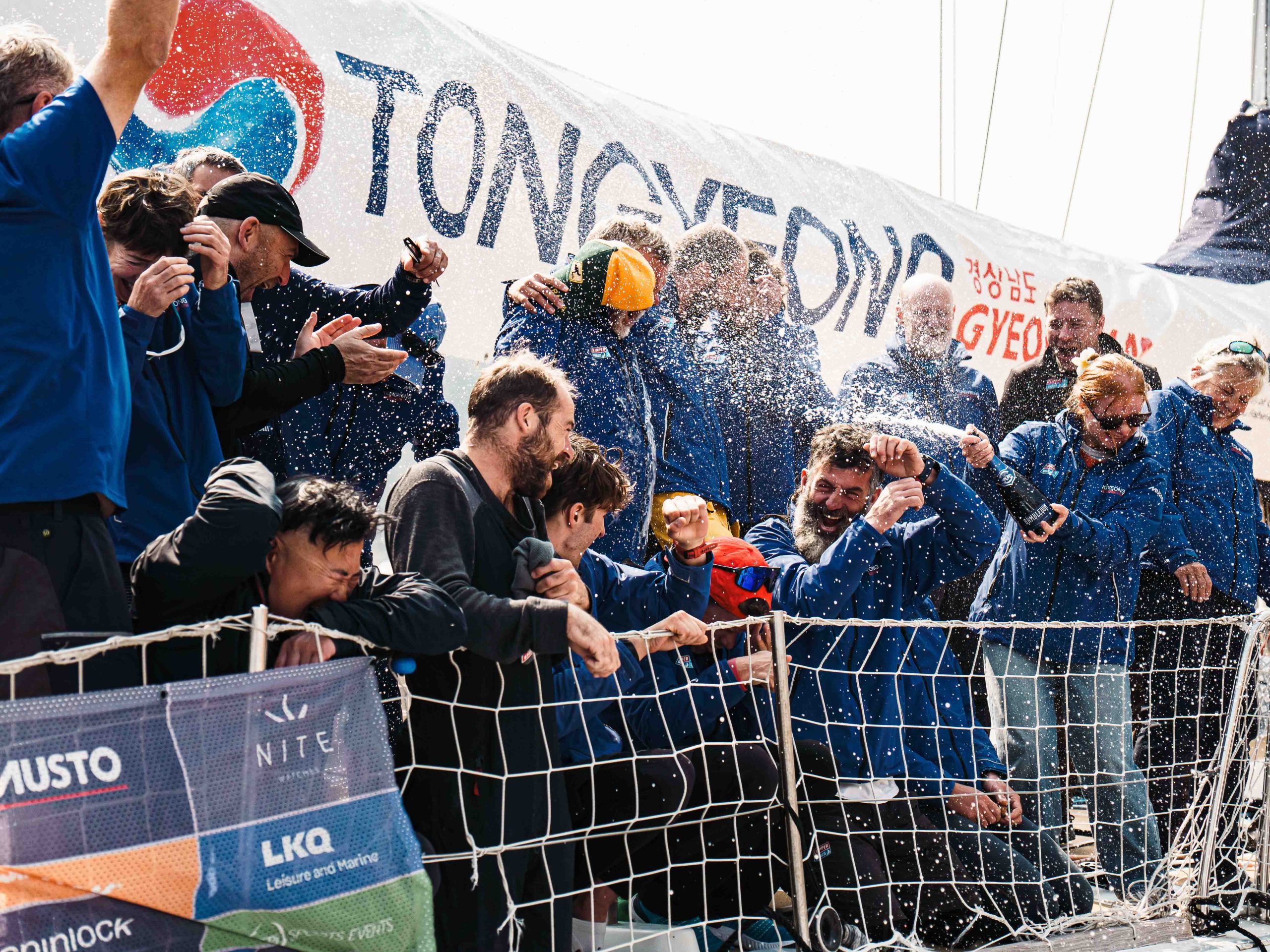
Lou Boorman celebrates home port win in round-the-world yacht race
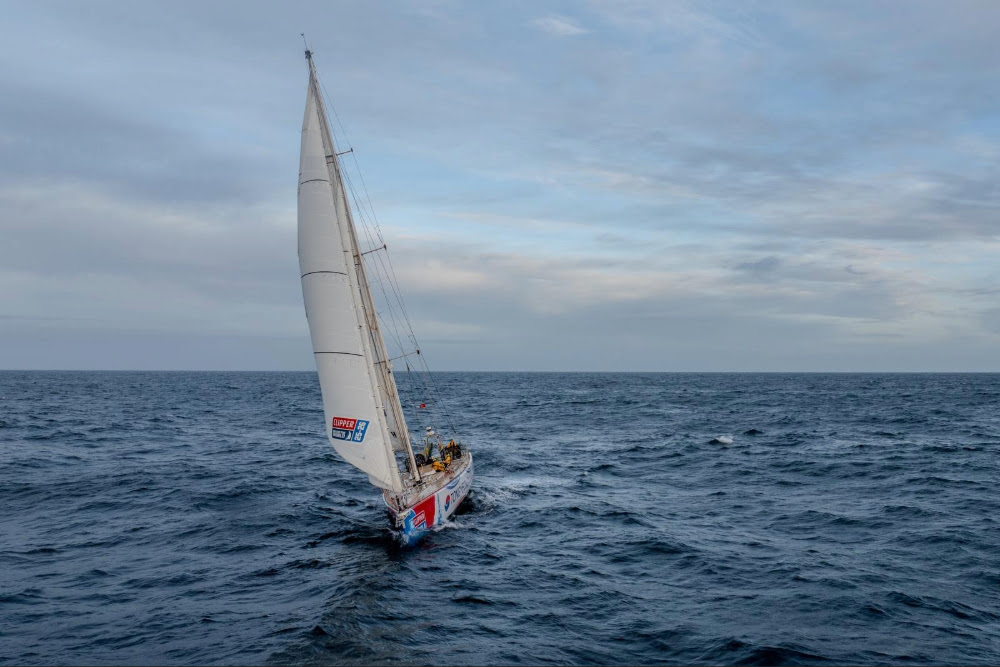
A HAVERFORDWEST-born sailor has led her team to a landmark victory on the global stage, winning a major leg of the Clipper Round the World Yacht Race as it arrived in South Korea.
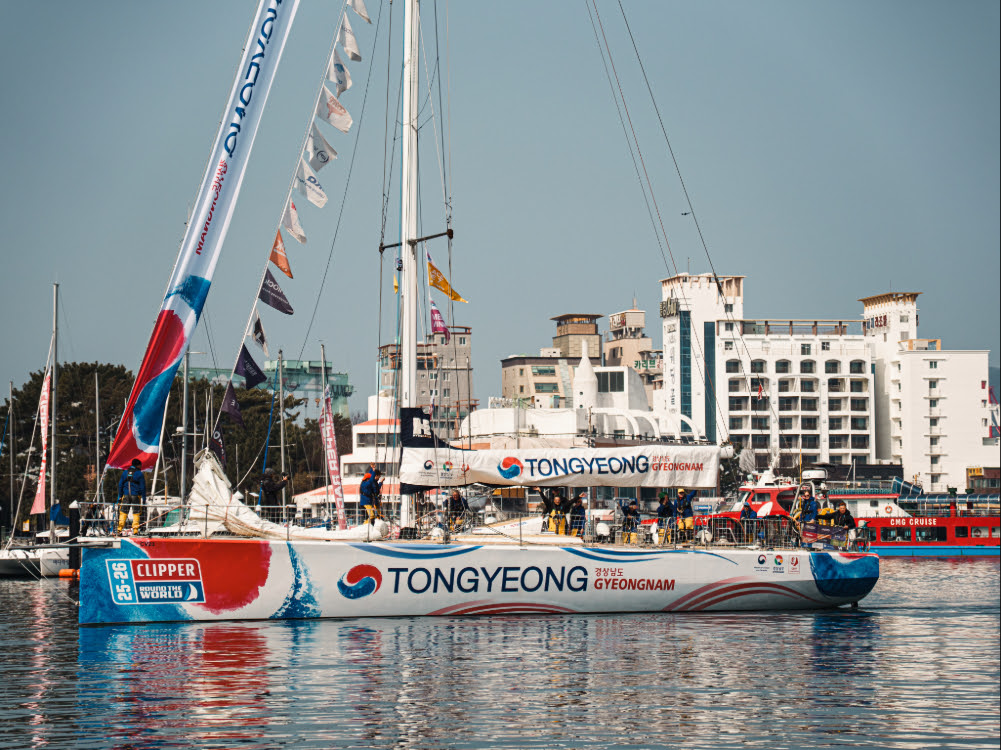
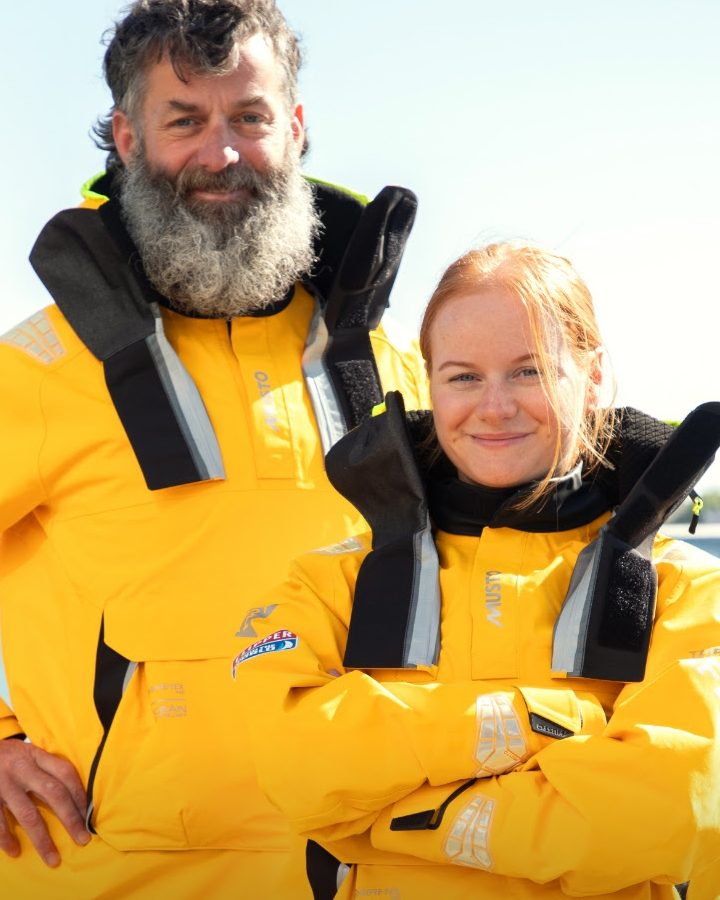
Lou Boorman, aged 23, skippered Team Tongyeong to first place as the fleet sailed into the Korean port city this week (Mar 16), marking a historic moment for the race.
The win is particularly significant as it is the first time the round-the-world event has ever stopped in Korea – and the home team claimed the top spot.
Speaking from the yacht after crossing the finish line, Lou said: “We did it, we performed under the pressure! To get a win into our home port, I can die happy!”
From Pembrokeshire to the world stage
Lou, who grew up in Haverfordwest, has quickly risen through the ranks of competitive sailing. Before taking on the challenge of leading a Clipper Race team, she had already secured titles as British, Irish and Welsh Female Champion.
Now skippering one of the race’s international teams, she is responsible not only for navigation and strategy, but also for leading a diverse crew – many of whom had never sailed before joining the race.
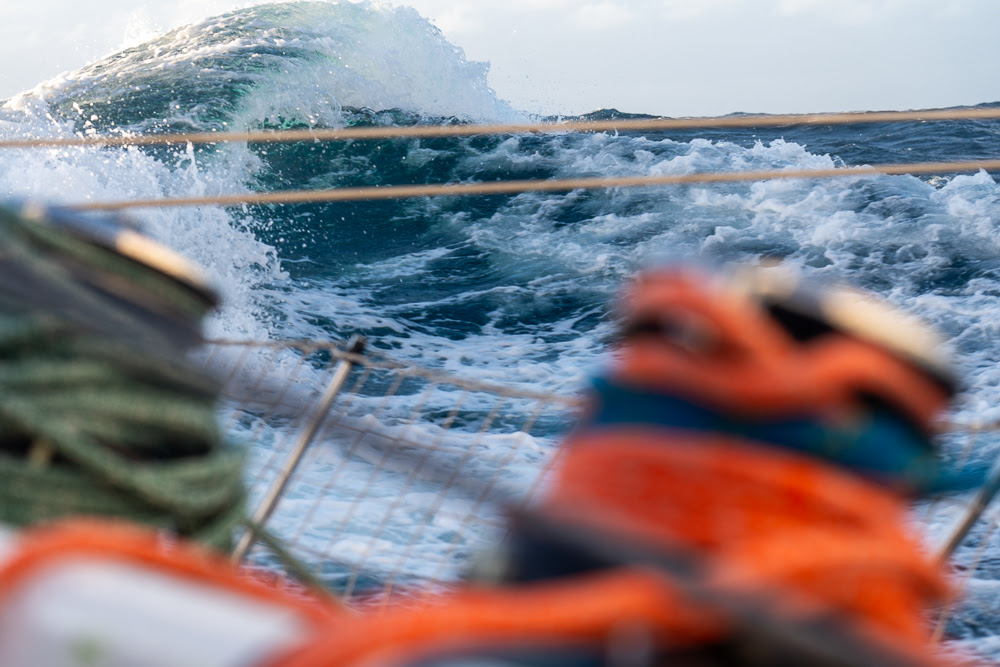
The Clipper Race is one of the toughest endurance challenges in sport, covering 40,000 nautical miles over eleven months, with crews facing extreme weather conditions ranging from freezing Pacific crossings to equatorial heat.
High-stakes gamble pays off
Team Tongyeong took a major risk during this stage, playing its ‘Joker’ card – a race tactic that doubles points if successful.
The gamble paid off, earning the team maximum points and securing their place at the top of the leaderboard.

Lou said: “We’ve worked really hard and put a lot of pressure on ourselves. Going into our home port there is a lot of pressure to perform, and we added to that pressure by playing our Joker – and we got twenty points, so I’m very proud of the team.”
This marks the team’s second win in recent stages, building momentum as they pass the halfway point of the global race.
Life at sea and leadership challenges
Reflecting on her journey so far, Lou highlighted the challenges of leadership as much as the physical demands of sailing.

She said: “Sometimes the sailing comes second to the people because they are the important ones. To lead them through that is one of the toughest things I’ve ever done, but it’s also one of the most rewarding.”
She added: “My favourite thing about sailing is the magic of the sea, the stars, the storms and the remoteness. I feel free and at my happiest at sea.”
Global race continues
The Clipper Race fleet will remain in Tongyeong for a week of cultural events before setting off across the North Pacific towards Seattle.
The race will later visit Panama, Washington DC, and Oban before returning to Portsmouth this summer, completing a full circumnavigation of the globe.
For Pembrokeshire, Lou’s achievement puts a local name firmly on the world sailing map – and highlights the global reach of talent from West Wales.
Six-week beginner programme offers affordable route into the sport
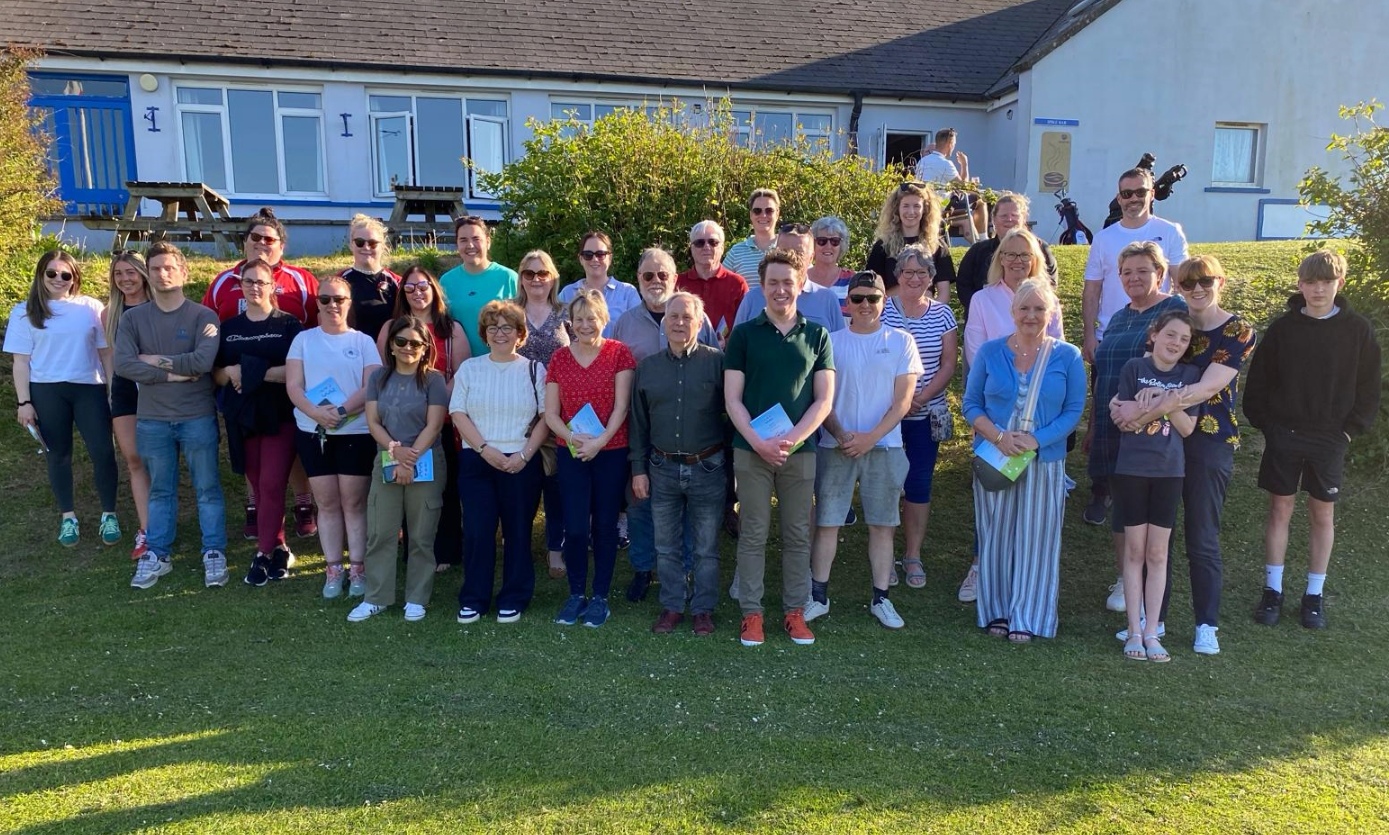
SOUTH PEMBROKESHIRE GOLF CLUB is preparing to launch its popular New2Golf scheme for 2026, with the latest intake starting on Monday (Apr 13).
Now in its eighth year at the Pembroke Dock course, the initiative offers a low-cost and welcoming introduction to golf. All equipment and professional tuition are included for a small fee, making it accessible to people of all ages and abilities – including complete beginners who have never picked up a club before.
The scheme is also ideal for those who have previously played golf and are looking to return to the game after a break.

Participants will receive coaching from qualified golf professionals at the club’s practice ground during early evening sessions over a six-week period. There will also be an option to continue with further sessions after the initial programme.
Golf provides a great opportunity to stay active, enjoy the outdoors and meet new people. As a low-impact sport, it allows players to gradually build fitness while learning new skills. Whether approached competitively or socially, it offers a relaxed and enjoyable way to spend time outdoors.
Last year’s New2Golf intake ranged in age from eight to 70, highlighting the sport’s broad appeal and accessibility.
Located in Pennar, Pembroke Dock, South Pembrokeshire Golf Club enjoys scenic views over the Haven waterway. The club has a thriving membership across junior, ladies’, men’s and seniors’ sections, and prides itself on being friendly and supportive to new players.
Members regularly help newcomers develop their skills on the course, offering guidance on rules, techniques and course play.
The clubhouse also serves as a social hub, offering home-cooked food, a bar and meeting facilities, with a busy calendar of events throughout the year.
Anyone who has ever considered taking up golf – or returning to the sport – is encouraged to get involved.
For more information or to enrol in the 2026 New2Golf scheme, contact [email protected] or visit the Wales Golf website.
New2Golf is organised and supported by Wales Golf.



Entertainment5 hours ago
Tenby steams up in spectacular style as crowds flock to festival
Colourful parade, towering creations and Victorian flair bring town centre to life TENBY was transformed into a vibrant Victorian fantasy...


Crime1 day ago
Publican jailed for six years for supplying cocaine and cannabis
Milford Haven man sentenced at Swansea Crown Court following drug dealing operation A MILFORD HAVEN publican has been jailed for...


Local Government1 day ago
Poverty summit highlights support efforts across Pembrokeshire
A SUMMIT bringing together key organisations from across Pembrokeshire has highlighted both the scale of local poverty and the work...


Education2 days ago
Milford Haven school plans unveiled but funding not yet secured
PLANS for a new £100 million school in Milford Haven have been unveiled, but the project has not yet secured...


News2 days ago
Council unveils plans for new state-of-the-art secondary school in Milford Haven
PEMBROKESHIRE COUNTY COUNCIL has revealed plans for a new state-of-the-art school in Milford Haven, promising modern, inspiring learning spaces for...


Health2 days ago
NHS waiting list falls — but cancer delays and diagnostic backlog worsen
Record progress claimed by Welsh Government as critics warn key targets are still being missed THE NHS in Wales has...


Crime3 days ago
Rapist jailed after ‘abhorrent’ attacks on woman and children
Haverfordwest man told police “women won’t have sex without force” A HAVERFORDWEST man who raped a woman and a young...


News3 days ago
Reform secures first Pembrokeshire councillor in Hakin by-election win
Late Reform candidate takes seat as independent surge and Labour withdrawal shape contest REFORM UK candidate Scott Thorley has won...


News4 days ago
Scott Thorley elected as Pembrokeshire’s first Reform councillor
REFORM UK candidate Scott Thorley has won the Hakin by-election after securing 179 votes. The full result is as follows:...


News4 days ago
Police confirm man has died after being recovered from River Cleddau
Major emergency response in town centre after concerns raised for man in water A MAN has died after being recovered...
-

 News6 days ago
Fishguard linked to allegations in Many Tears Animal Rescue investigation
-

 News4 days ago
Emergency services flood Haverfordwest after reports of person in river
-

 Crime3 days ago
Mother given community order after admitting child cruelty offence
-
Health2 days ago
NHS waiting list falls — but cancer delays and diagnostic backlog worsen
-

 News4 days ago
Senedd vote to ban greyhound racing hailed as ‘landmark moment’ by charities
-

 Crime6 days ago
Man cleared of sexual assault allegation after magistrates rule no case to answer
-

 international news6 days ago
UK considers military options as pressure grows to secure Strait of Hormuz
-
 News4 days ago
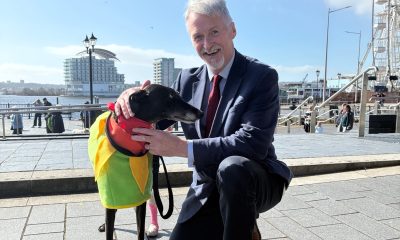
Senedd votes to ban Greyhound racing in Wales to protect animal welfare