


News
Who’s the richest in Wales?

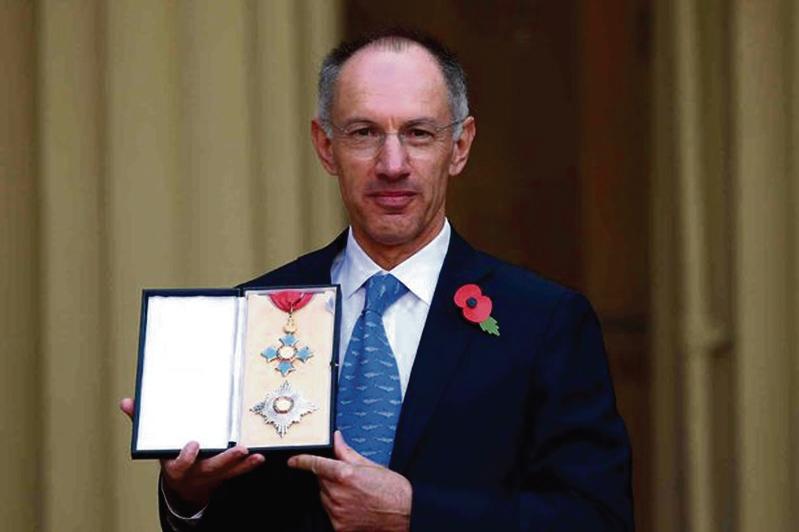
 SUCCESSFUL internet investments have made Sir Michael Moritz the richest person in Wales, according to The Sunday Times Rich List 2014. He is one of two Welsh billionaires included in this year’s Sunday Times Rich List, which is published in a special 116-page edition of The Sunday Times Magazine on May 18.
Raised in Cardiff but now an American citizen, Moritz is the leading partner at Sequoia Capital, an American venture capital firm. Two key internet flotations of recent years made his name. First, an £8m stake taken in the early days of Google turned into $6.3billion after it was floated; and, second, Moritz repeated the trick with LinkedIn, where an initial investment of £2.85m rose to £912m at the time of its 2011 float. In the past year, Moritz’s wealth has soared by 50% (or £563m) to stand at £1.688billion. With his novelist wife Harriet Heyman he has recently given £18.2m to the University of California, San Francisco, to fund biomedical research PhD programmes. Sir Terry Matthews remains in second place on the Welsh Rich List and is the principality’s only other billionaire, this year worth £1,190m, a gain of £68m in the past 12 months. Best known in Wales for bringing the Ryder Cup to the country in 2010, hosted at his Celtic Manor Resort, near Newport, Matthews, 70, made his fortune in Canada, picking up £1billion from the sale of his Newbridge Networks computing business. He wants to build a convention centre at Celtic Manor and, through his Celtic House International company, invests in high-tech start-up businesses. Douglas Perkins, with his wife Dame Mary, head a Specsavers empire that now extends to 1,650 stores worldwide. Their son, John, is managing director of the operation, but the Guernsey-based couple has overseen huge expansion of the business. They both studied optometry at Cardiff University before opening an opticians in Bristol in the 1960s. They made £2m from an initial 23 outlets, which were sold in 1980. Specsavers was founded three years later and has grown rapidly since to record a turnover of £1.8billion in 2012-13. The 26th annual Sunday Times Rich List – the definitive guide to wealth in Britain and Ireland – is published on May 18 in a special 116-page issue of The Sunday Times Magazine, which profiles the 1,000 richest individuals and families in the UK and the wealthiest 250 in Ireland. The list is based on identifiable wealth, including land, property, other assets such as art and racehorses, or significant shares in publicly quoted companies. It excludes bank accounts, to which the paper has no access. The Sunday Times Rich List 2014 is compiled by Philip Beresford, the leading authority on British wealth, and edited by Ian Coxon. Information from The Sunday Times Rich List.


BASSETTS Motor Group has donated an electric van to support the vital work of Wales Air Ambulance, providing a major boost to the charity’s day-to-day fundraising operations.
The South West Wales-based company has gifted a Citroën e-Berlingo for use until the end of the year — marking the first time the business has made a significant gift in kind to the charity.
Staff from Bassetts recently visited the charity’s headquarters in Dafen to hand over the vehicle, where they met with a medic and were given an insight into the critical care delivered by the service, including a tour of a rapid response car.
Ashley White, of Bassetts Motor Group, said: “Being a South West Wales-based business, we’ve seen first-hand the incredible work that Wales Air Ambulance does.
“We knew the charity relies heavily on fundraising and donations, so when we were looking for a cause to support, it felt like a natural choice.”

The van has been branded with the charity’s logo and information on how the public can support its lifesaving lottery.
Explaining the choice of vehicle, Ashley added: “We’re strong advocates of electric vehicles. Getting people behind the wheel often changes perceptions and helps overcome misconceptions about going electric.
“Citroën offered us a deal that made it possible for us to provide the van in this way, and we felt it would be perfectly suited to the charity’s fundraising needs.”
The Wales Air Ambulance delivers consultant-led emergency care across the country, bringing hospital-level treatment directly to patients and, where necessary, transferring them swiftly to the most appropriate specialist centres. This approach can save critical time and significantly improve survival and recovery outcomes.

The service operates through a unique partnership between the charity and the NHS, with the Emergency Medical Retrieval and Transfer Service providing highly skilled consultants and critical care practitioners who work onboard its aircraft and rapid response vehicles.
As a pan-Wales service, its crews cover the entire country, delivering emergency care wherever it is needed.
Nina Rice, Head of Fundraising High Value Partnerships at Wales Air Ambulance, said: “We are incredibly grateful to Bassetts Motor Group for this generous gift in kind.

“The use of the electric vehicle will make a real difference to our fundraising efforts, helping us reach more communities and raise vital funds.
“As a local company, Bassetts understands just how important our service is to people across Wales. This support will directly help us continue our lifesaving work.”
The charity must raise £13 million every year to keep its helicopters in the air and its rapid response vehicles on the road.
For more information, visit the Bassetts Motor Group website.
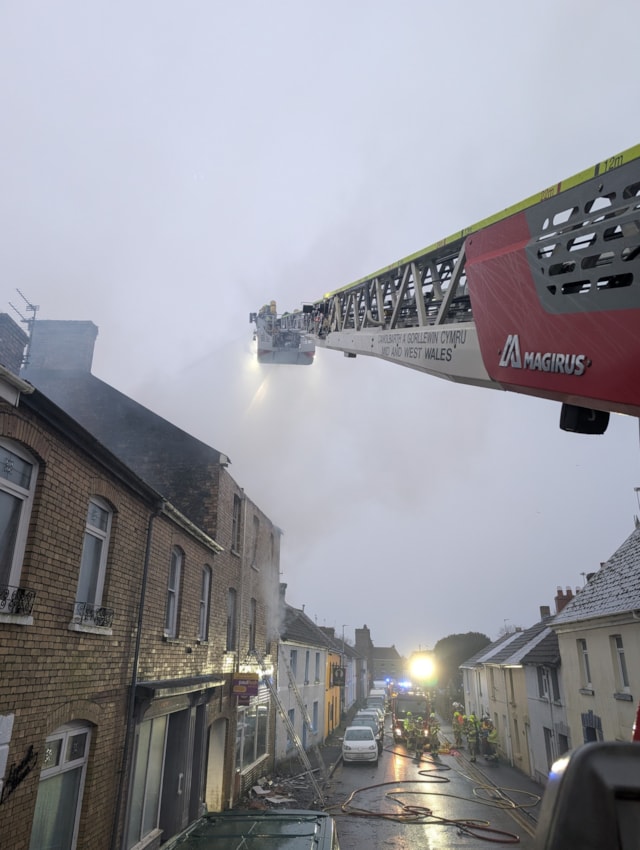
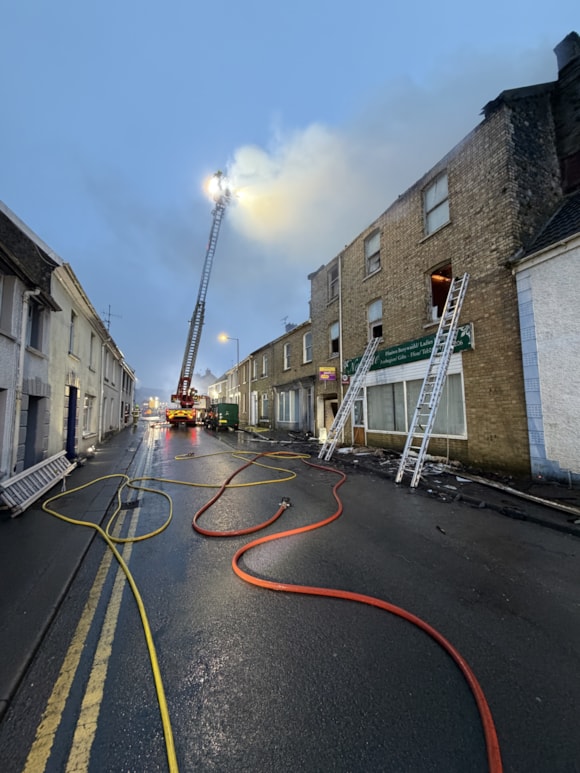
RESIDENTS forced to evacuate their homes following a major fire in Kidwelly have now been allowed to return, as emergency services confirm the scene has been stood down.
The blaze broke out at a property on Lady Street in the early hours of Tuesday (March 24), with emergency services called at around 4:20am. Several neighbouring homes were evacuated as a precaution while firefighters tackled the incident and assessed the safety of surrounding buildings.
In the latest update, Dyfed-Powys Police confirmed that officers have now left the scene and displaced residents were able to return to their properties on Thursday evening (March 26), following work to make the affected building safe.
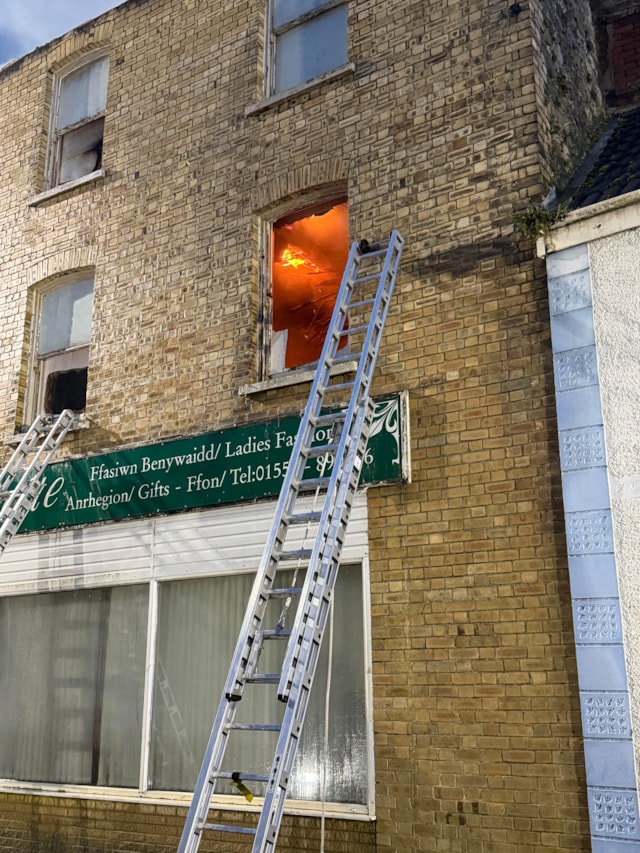
The incident caused significant disruption in the town, with Lady Street remaining closed while further work is carried out to ensure the safety of the highway and surrounding structures.
Emergency services, including Mid and West Wales Fire and Rescue Service, were on the scene for several hours during the initial response. Crews were understood to have dealt with a serious property fire, prompting a large-scale emergency operation in the centre of the town.
While the immediate danger has now passed, authorities have confirmed that investigations into the cause of the fire are ongoing. Police are continuing to appeal for witnesses or anyone with relevant information to come forward.
Officers are particularly keen to hear from anyone who may have CCTV, doorbell, or dashcam footage from the area between 11:00pm on Monday (March 23) and 4:00am on Tuesday (March 24).
Anyone with information is urged to contact police quoting reference 027 of 24/3, either via 101, online, or anonymously through Crimestoppers.
Authorities thanked residents and the wider community for their patience during the incident, which saw homes evacuated and roads closed while emergency services carried out their work.
Further updates are expected as the investigation progresses.
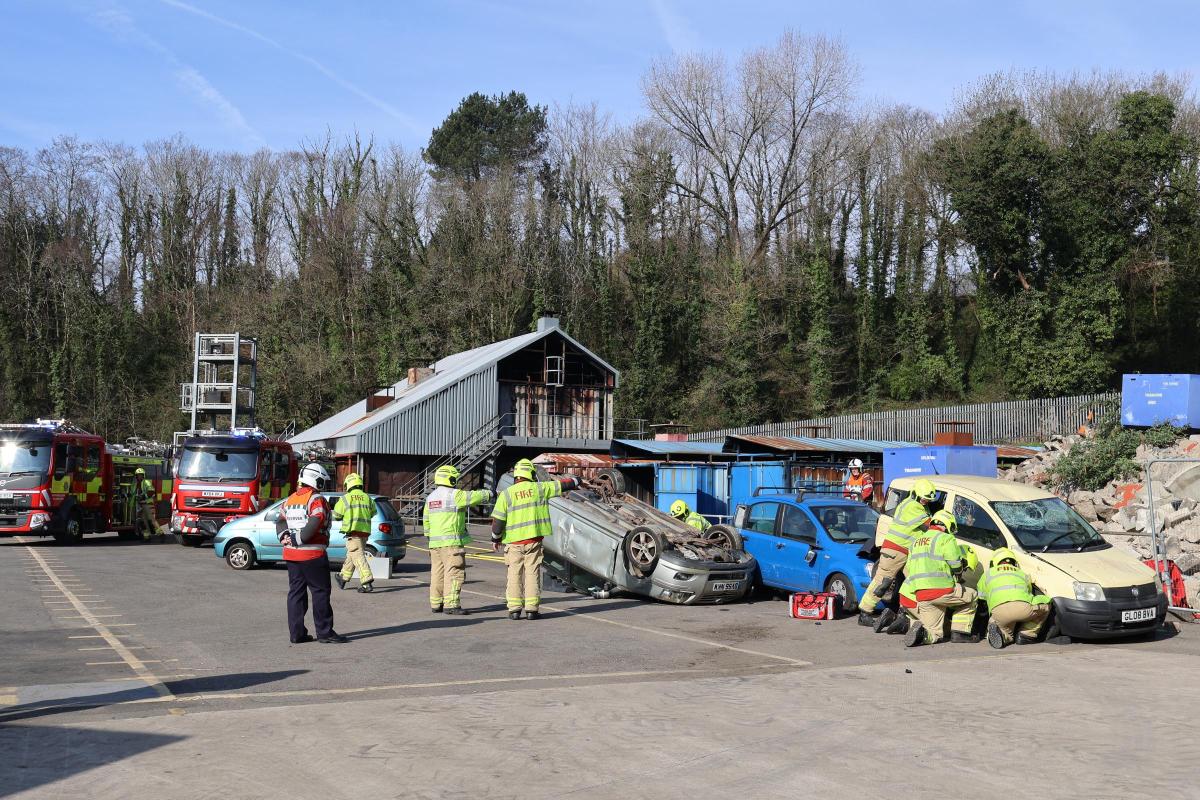
FIREFIGHTERS from across west Wales took part in a large-scale training exercise designed to sharpen operational skills and strengthen teamwork.
Crews from the Western Division of Mid and West Wales Fire and Rescue Service attended the development day at Earlswood Training Centre on Sunday (March 22).
Personnel travelled from stations including Carmarthen, Tumble, Newcastle Emlyn, Milford Haven, Narberth and Pontyates to take part in the exercise.
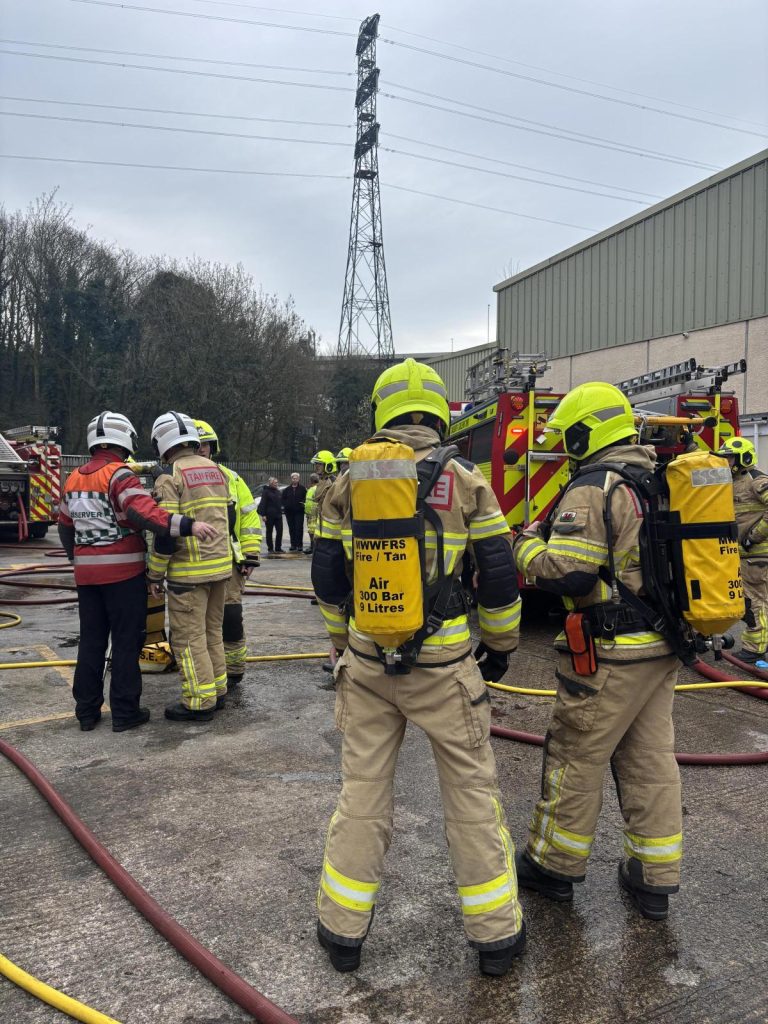
Realistic scenarios
Firefighters were put through a series of realistic scenarios designed to reflect incidents they may face on duty.
These included house fires with people reported inside, kitchen fires, and multi-vehicle road traffic collisions. Crews also carried out specialist line rescue exercises as part of the day.
Support staff played the roles of casualties and members of the public, adding to the realism and allowing firefighters to test their responses in lifelike conditions.
Large-scale finale
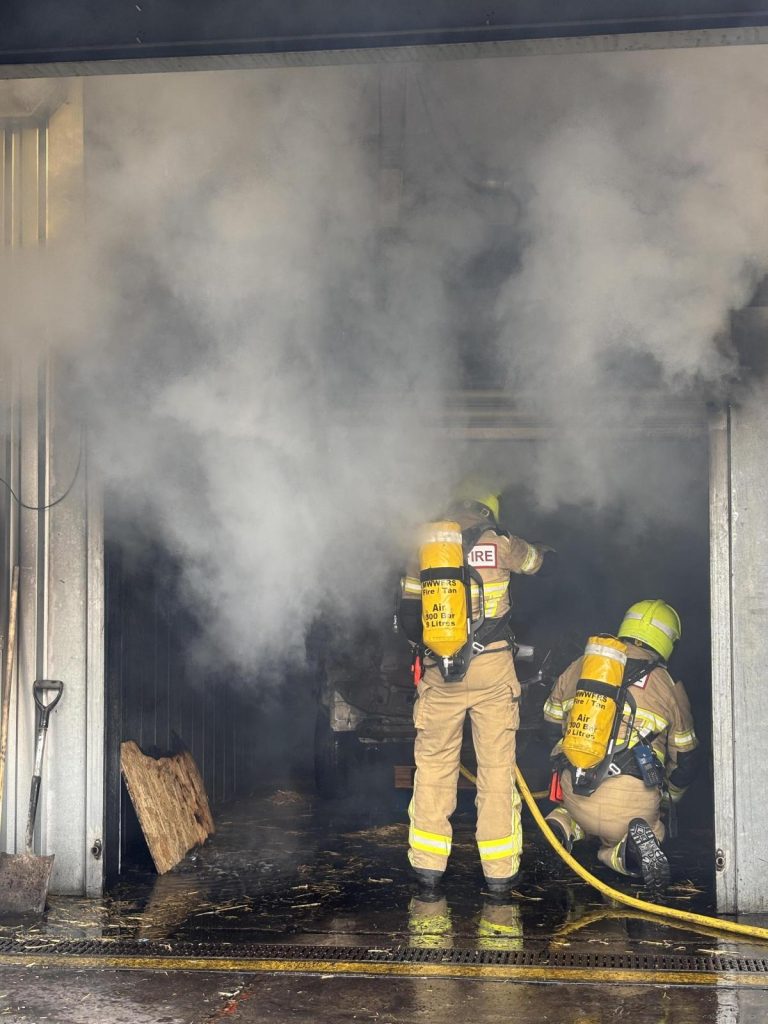
The training culminated in a complex car fire scenario involving a vehicle inside a garage attached to a property, with reports of people trapped.
Teams worked together as they would at a real incident, tackling the fire while carrying out rescues within the building.
Building capability
The exercise was described as a success, helping to build operational confidence and improve coordination between different stations.

It also provided an opportunity for crews to share knowledge and specialist skills, strengthening the overall capability of the service.
The training forms part of ongoing efforts to ensure firefighters remain prepared to respond to a wide range of emergencies across the region.



Community23 hours ago
Three Amigos Easter Run roars through Pembrokeshire
MOTORCYCLE enthusiasts turned out in force today (Saturday, March 28) as the popular Three Amigos Easter Run returned to the...


Education2 days ago
Ysgol Henry Tudor reassures parents over Sikh ceremonial kirpan
School says religious item worn by pupil is secured, symbolic and non-functional YSGOL HENRY TUDOR has moved to reassure parents...

Crime3 days ago
Teen jailed after starting fire while others slept
Fire set in shared home left sleeping residents at risk and caused £130,000 damage A TEENAGER who started a fire...

Health3 days ago
GP crisis driving NHS pressure in Wales, Senedd report warns
Falling GP numbers and funding gaps blamed for worsening hospital delays THE NHS crisis highlighted earlier this week is being...


News4 days ago
Reform reveals west Wales candidates for Senedd battle
Monkton councillor tops Pembrokeshire list as party confirms Carmarthenshire names and includes Haverfordwest councillor in unwinnable Swansea spot REFORM UK...

Health4 days ago
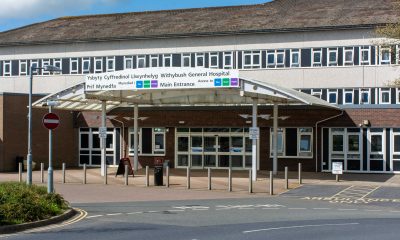
Clash over Withybush Hospital services as Paul Davies challenges First Minister
A HEATED exchange in the Senedd has laid bare growing tensions over the future of hospital services in west Wales....

Crime5 days ago
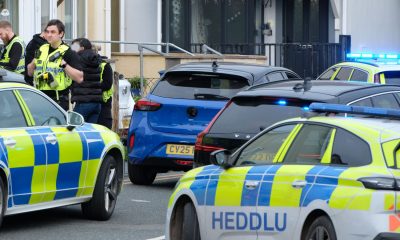
Police stop car in Pennar as three arrested in drugs investigation
Suspected drug driver report leads to major police response and multiple arrests DRAMATIC scenes were reported in Pennar on Monday...

Business5 days ago
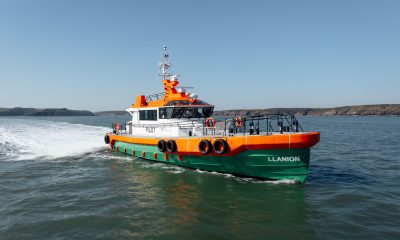
New pilot vessel Llanion arrives at Milford Haven
State-of-the-art 22-metre craft marks reset after £3.6m pilot boat controversy THE PORT OF MILFORD HAVEN has taken delivery of a...


Community5 days ago
Sycamore Gap legacy tree to take root in Pembrokeshire landscapes
A SAPLING grown from the famous Sycamore Gap tree is set to become part of Wales’ protected landscapes — with...


Business6 days ago
Could Primark be coming to Haverfordwest? Major retailer in talks for former Wilko site
Council confirms advanced discussions as speculation grows over high street boost HAVERFORDWEST could soon see a major high street revival,...
-

 Business5 days ago
Taxi fare shock in Milford Haven as drivers switch to meters
-
Business6 days ago
Could Primark be coming to Haverfordwest? Major retailer in talks for former Wilko site
-

 Sport7 days ago
Haverfordwest secure bonus-point win over title-chasing Tumble
-
 News4 days ago
Welsh Government outlines progress on flood resilience plans
-
 Health5 days ago
Average of 18 deaths a week in Wales linked to A&E delays, figures reveal
-
 Crime6 days ago
Armed police attend knife-related incident in Fishguard street
-
 Community7 days ago
Broad Haven volunteers secure ‘national asset’ status for nature reserve
-

 Local Government6 days ago
Milford Haven set for £200m investment with schools, leisure centre and rail upgrade