


Politics
How Labour won the argument

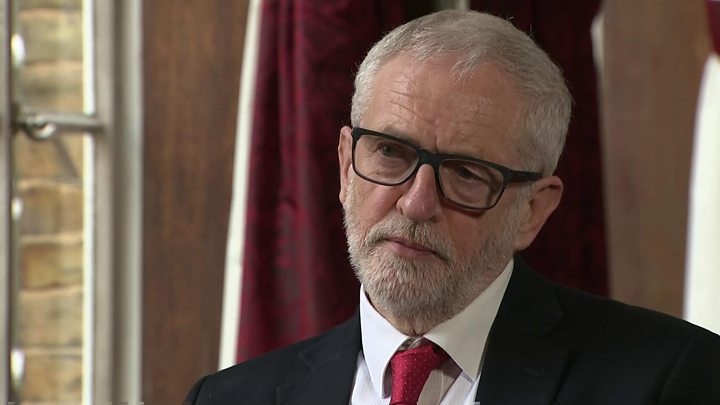
By Matthew Paul
Even though Labour –according to Jeremy Corbyn– ‘won the argument’ last Thursday, the
Tories comprehensively won at the traditionally more important business of getting votes.
Simon Hart, Stephen Crabb and Jonathan Edwards all held their seats; the two
Conservatives enjoying comfortable majorities over Labour (though it was Hart, not Crabb,
who took Alun Cairns’ vacant job as Secretary of State for Wales).
Plaid Cymru, as predicted, had a pretty rotten night. They can take a little comfort from Ben
Lake’s solid win in Ceredigion, and from seeing their majorities creep up in Y Fro Gymraeg.
But the Party of Wales remains a party supported by only one in ten Welsh voters. Plaid
made no progress at all outside its core areas; indeed its share of the vote has (with a very
slight blip in 2015) been slowly on the slide for twenty years, from the 14.1% it won in the
2001 General Election, to 9.9% last Thursday. This is not a movement on the march.
Plaid’s aggressively anti-Brexit stance, and its ‘Unite to Remain’ alliance with wishy-washy
Britnat parties was a huge strategic error. Mistletoe-clad traditionalists in Y Fro know
perfectly well that the party is pro-EU and didn’t need reminding. Brexity boyos in the
valleys looking for an alternative to Labour found it a massive turn-off.
In Carmarthenshire West and South Pembrokeshire, Plaid’s vote share fell; Rhys Thomas
having failed to mention frequently enough that he’s a doctor and was in Afghanistan.
Jonathan Edwards will be spooked too. He lost half his majority in Carmarthen East &
Dinefwr, and the Conservatives smashed Labour into third place. With a bit of investment in
the constituency from CCHQ, there is every prospect of the Tories biting Jonathan on the
bum next time round.
While the doorstep in the Pembrokeshire constituencies had been showing solid support for
the Tories but no reason for complacency, over in Carmarthenshire it was apparent that the
Labour campaign had completely gone to bits. Labour Candidate Maria Carroll, though an
avid Corbynite, was for some reason unpersoned by her party and ordered to stay away
from Jezza’s big gig at Nantyci showground. The dear leader didn’t mention her or CE&D
once in his speech.
Rattled, Carroll put out a video in which she adopted the conciliatory tone of a dying gypsy
fortune-teller cursing the drunk driver who knocked her down: “your children and
grandchildren will SUFFER!” Even this inspirational message failed to turn things around.
Maria Carroll may have won the argument in Carmarthen East & Dinefwr; but only if the
argument centred on whether or not she would lose to both Plaid and the Tories, and get
the lowest vote in Carmarthenshire in the Labour Party’s entire history. To her credit, she
achieved both. She was fortunate not to face a credible challenge from the LibDems, or
Count Binface.
In receipt of this absolute shellacking from the electorate, many candidates would step
back, slightly abashed, and opt for a moment of quiet reflection. Not Maria. Erupting on
Twitter, she blamed every factor for her defeat except unpropitious astrological
convergences, her own incompetence, and Oh! Jeremy Corbyn. Broadly speaking, she
shared the view prevalent amongst members of the Corbyn cult; that the electorate got it
wrong.
Certainly, the analysis among Corbynites seems to be that it wasn’t the manifesto that got it
wrong; voters loved the classical socialist idea of taxing the rich until there aren’t any left,
then starting on the moderately well off. It definitely wasn’t the leader either; he is a good,
kind, honest, decent man who really cares for the poor. And, as we all know, there aren’t
any poor Jews. No, it was vile, billionaire-owned mainstream media like The New
Statesman, The Guardian and The Pembrokeshire Herald that brainwashed a majority of the
electorate into thinking Corbyn was an unpatriotic halfwit who surrounded himself with
commies, bomb-scatterers and anti-Semites. What made it worse was that they achieved
this by the sneaky, underhand trick of reporting things that Corbyn had said and done.
Carroll tweeted that she wants to see “an end to the abusive power of the media”, and even
expressed an aspiration to close the media down, so perhaps The Pembrokeshire Herald has
had a lucky break.
Maria Carroll wasn’t alone on Thursday night. The Beast of Bolsover, Dennis Skinner, was
finally told that his forty-year long end of the pier show was being shut down. Labour were
turfed out of Sedgefield; once Tony Blair’s rock-solid stronghold. Redcar, Grimsby Fishdocks,
Satanic Mills East, and a host of other seats which have been Labour since the dawn of time
all voted with some enthusiasm for Boris and Brexit.
The strategy of forcing opposition parties to treat a first-past-the-post election as a
referendum on a subject about which they didn’t agree worked an absolute treat for the
Tories. Even so, a competently led Labour Party with a clearly defined position on Brexit
could have won. In one credible poll, 43% of Labour voters who switched sides said it was
leadership, not Brexit, that was their main concern.
For the time being, Corbyn remains at the helm of his stricken party, anxious to ensure that
whoever succeeds him is chosen on his terms and from his cult. Any Tory with £3 in his
pocket would do well to sign up to Labour now, for the unmissable opportunity of helping to
elect Richard Burgon or Rebecca Long-Bailey as the Lenin-capped loon’s successor.
Entertaining as it may be to watch the Labour Party disintegrate, the Tories can allow
themselves only a short gloat. Reality will start to bite soon, when they get stuck into what
may not be the entirely effortless task of Getting Brexit Done.



PEMBROKESHIRE’S financial situation for next year is some £4m better off after a higher settlement from the Welsh Government, but the council still faces difficult decisions, councillors heard.
While council tax makes up a proportion of the council’s annual revenue, a crucial area of funding is the Aggregate External Finance (AEF) rate from Welsh Government.
Pembrokeshire was to receive a 2.3 per cent increase on its settlement, a total of £244,318,000, amounting to an extra £5,493,000, placing it at joint 13th of the 22 local authorities in Wales.
Now, following a Welsh Government and Plaid Cymru agreement, local authorities including Pembrokeshire have received a better financial settlement.
Speaking at the December meeting of Pembrokeshire County Council, while presenting a report on the outline draft medium term financial plan (MTFP) 2026-27 to 2028-29, Cabinet member for finance Cllr Alistair Cameron said the recent rise in the financial settlement from the Welsh Government had decreased the expected funding gap for the next financial year for the county from £17.7m to £13.6m, but stressed: “There are still increased pressures we are going to have to face.”

His report for members outlined some of the pressures faced by the council in setting its budget for the next financial year.
“Based on the revised projected funding gap of £13.6m, it is evident that major budget savings as well as a significant Council Tax increase will be required in order to deliver a balanced budget for 2026-27. The lower the Band D Council Tax increase, the higher the budget savings requirement will be, with the consequential adverse impact on the provision of Council services and on the medium-term financial sustainability of the council.”
His report also noted the decision in October by members to cut the council tax premium on second homes from 150 to 125 per cent, which on its own has increased the funding gap for 2026-27 by £1.3m.
The report, listing the many pressures and potential savings, said that where possible, discretionary fees and charges income has been budgeted to increase by 3.8 per cent, with any increases above this level included as part of the budget savings options presented.

The report for members, prior to the revised settlement from Welsh Government, gave council tax increase options ranging from five to 10 per cent with 7.5 per cent highlighted as the most favoured option, the 7.5 rate equating to a £2.38 a week increase for the average Band D property; each one per cent increase or decrease in council tax being worth £0.908m for council coffers.
Leader of the Conservative group on the council Cllr Di Clements made a plea to the leader, calling on the council to use the extra money from Welsh Government to “contribute to making this authority financially sustainable in the long term,” adding: “We know it’s tough out there for our council tax-payers, let’s hopefully give them a break this year.”
Independent Group leader Cllr Huw Murphy said the better settlement was “a huge sigh of relief” for the council, adding: “The budget negotiations still won’t be any easier because we’ve had this pot of money; [but] we have to applaud Plaid Cymru on this.”

A long string of recommendations essentially noting the report, but including the fees and charges increase, was moved by Cllr Cameron, seconded by Leader Cllr Jon Harvey, backed by members by 46 votes to one, with three abstentions.
The actual setting of the budget and related council tax level along with any potential savings and cuts, will be decided at a later date, with a public consultation running to January 4, followed by committee scrutiny ahead of Cabinet considering a revised draft budget on February 9, before it is recommended to full council on February 20.

Local MS says Welsh Government decisions are root cause of crisis
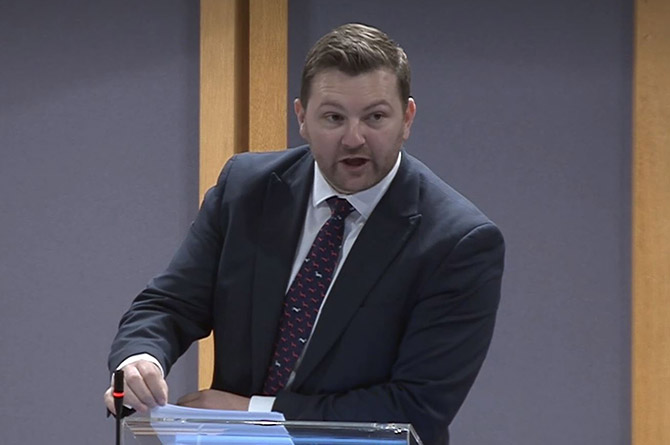
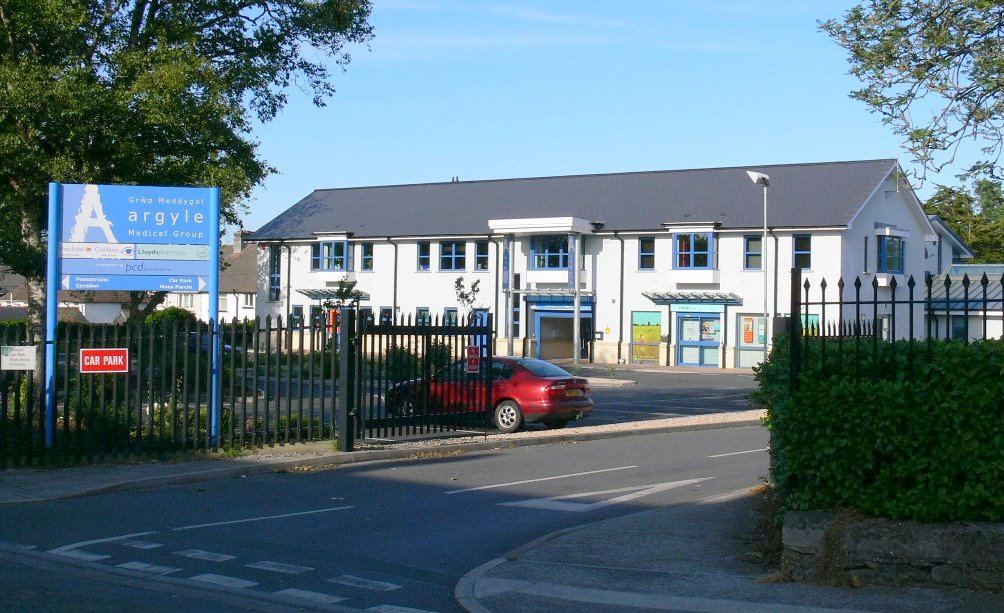
CONSERVATIVE Senedd Member Sam Kurtz has criticised Labour MP Henry Tufnell after the MP suggested GP practice management should be held accountable for patient dissatisfaction at Pembroke Dock’s Argyle Medical Centre.
Patients registered at the surgery have for years raised concerns about access to appointments, particularly difficulties securing same-day consultations and long waits to get through on the phone.
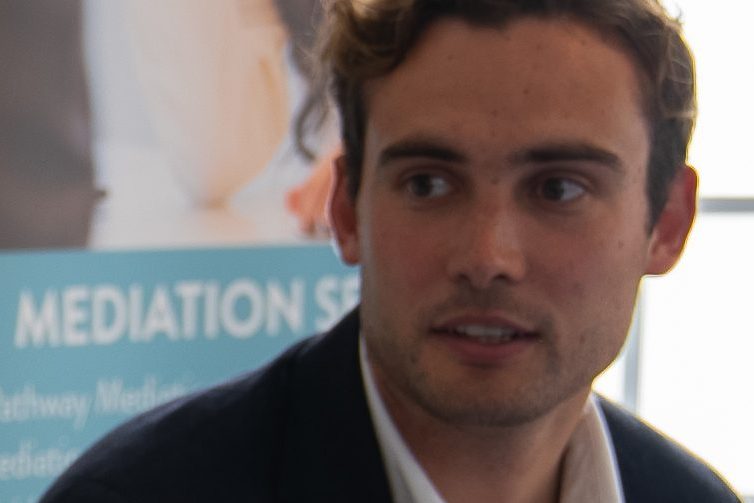
Speaking to BBC Wales, Mr Tufnell said he had discussed the situation with the Health Board’s Chief Executive and claimed the senior official “feels powerless” to intervene.
He said: “I’ve spoken to the Chief Executive of the Health Board, and he feels powerless to do anything about it. We need to come together and hold the management of these surgeries to account; there must be transparency about what they’re doing, and, fundamentally, we need reform in the system.”
Mr Kurtz responded angrily, arguing that responsibility for reforming NHS Wales rests with the Welsh Government, not GP surgeries or frontline staff.
He said: “I don’t think it’s very helpful to point the finger at the surgery and suggest the fault lies with them when staff are working incredibly hard.
“If he wants to point the finger, it should be at his Labour colleagues in Cardiff Bay, who have continuously piled pressure onto GP practices by imposing contracts that are extremely difficult to deliver. That is why surgeries like Argyle are under such strain.”
Mr Kurtz later told The Pembrokeshire Herald that the problems faced by GP practices across Pembrokeshire were the result of long-term policy failures rather than poor local management.
“As someone born and raised in Pembrokeshire, I have seen first-hand the damage caused by the Welsh Labour Government’s mismanagement of our local NHS, despite the dedication and professionalism of frontline staff who continue to do their very best in increasingly challenging conditions,” he said.
“Anyone seeking to place the blame on NHS staff should back off. The fault does not lie with them. Real improvement will only come through properly supporting GP practices, listening to their concerns and working with them rather than against them.”
Argyle Medical Group is the second-largest GP practice in Wales, serving around 25,000 registered patients with nine GPs — an average of approximately 2,800 patients per doctor. In 2021, the practice had the equivalent of 10.75 full-time GPs and was actively seeking to recruit more.
However, ongoing recruitment difficulties forced Argyle to withdraw from its contract at St Clement’s Surgery in Neyland and reduce hours at St Oswald’s Surgery in Pembroke. Following the Neyland closure, patients were transferred to the Neyland and Johnston Medical Practice, which later handed back its GP contract after retirements and further recruitment problems. Those patients are now treated by salaried and locum GPs employed by the Health Board.

Similar pressures are being felt across Pembrokeshire, from Tenby in the south-east to St Davids in the north-west. While Wales does not face “GP deserts” on the same scale as the well-documented shortage of NHS dentists, reduced access to general practice has contributed to more patients attending hospital for conditions once routinely dealt with by GPs. This has placed additional strain on hospital services and staff.
In 2018, the Welsh Government pledged to recruit 1,000 additional GPs into NHS Wales. While overall GP headcount has risen, the number of full-time GPs has continued to fall. Many newer recruits work part-time, as locums, or on limited contracts, meaning fewer doctors are available in practice on a day-to-day basis.
Newly qualified GPs have also tended to favour larger urban centres, particularly along the M4 corridor and in north-east Wales, where professional support and career opportunities are greater. Critics argue that Welsh Government recruitment and retention strategies have failed to address persistent shortages in rural and coastal communities.
There are also ongoing shortfalls in independent prescribing pharmacists and community nursing staff, limiting efforts to relieve pressure on GP surgeries.
Mr Kurtz said: “The foundation of NHS care — with GPs as the first point of contact — has buckled. Blaming GP staff is a distraction. The issues are structural, long-term and political, and ultimately the buck stops in Cardiff Bay.”
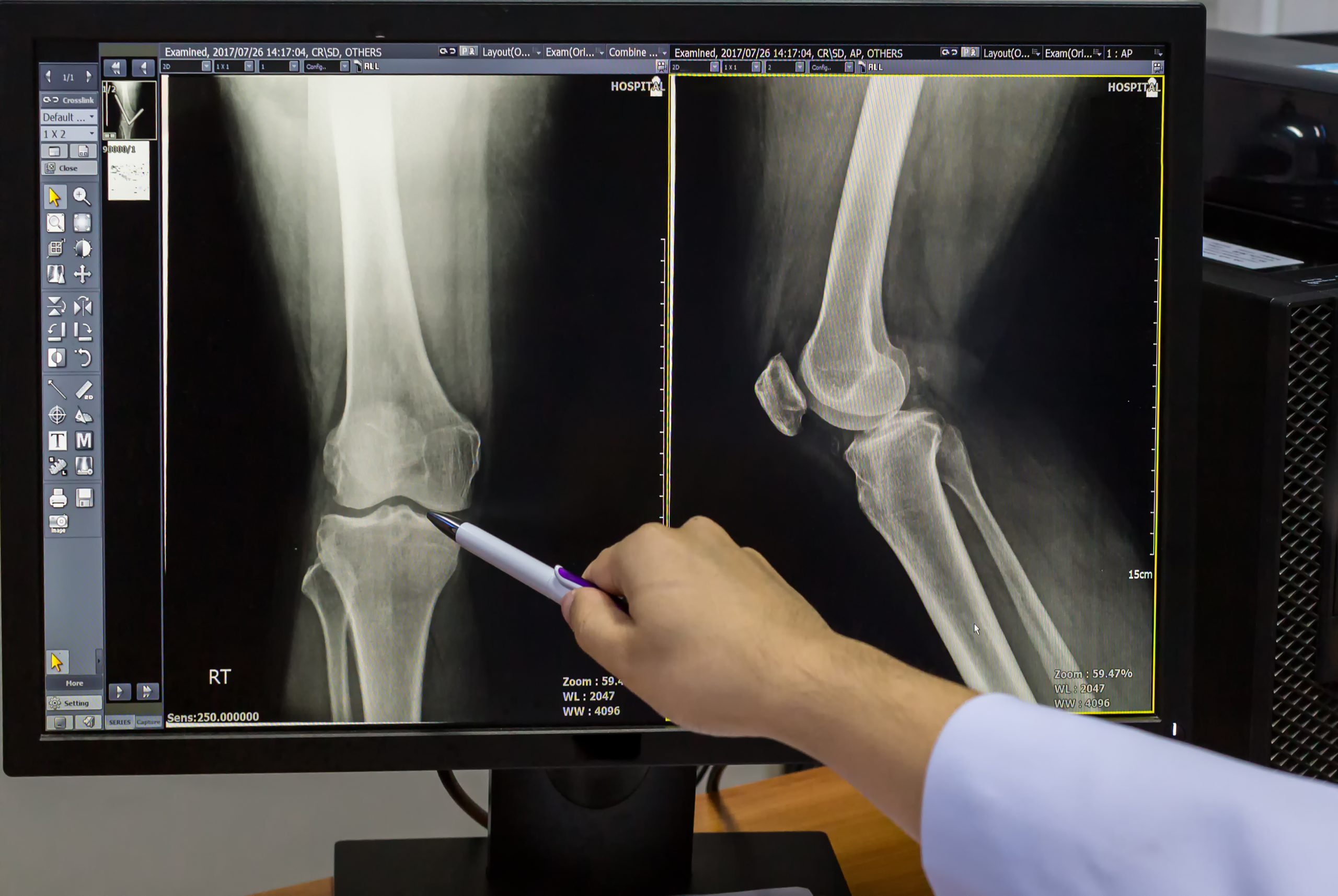
NHS WALES has spent more than £15.5 million on agency radiography staff over the past five years, as mounting pressure on diagnostic imaging services raises concerns about long-term workforce sustainability.
Figures obtained by the Welsh Liberal Democrats through Freedom of Information requests show that spending on temporary radiographers almost doubled between 2020/21 and 2023/24, despite relatively low headline vacancy rates across Welsh health boards.
Radiographers carry out X-rays, CT, MRI and ultrasound scans, which are essential to emergency care, cancer diagnosis, trauma treatment and elective surgery. Delays or shortages in imaging services can have a knock-on effect across patient pathways, slowing diagnosis and treatment.
The data also highlights an ageing workforce. More than a quarter of radiographers in Wales are aged over 50, with more than one in ten aged 55 or above. In some health boards, a significantly higher proportion of staff are approaching retirement age, raising concerns that experienced radiographers could leave faster than they can be replaced.
Betsi Cadwaladr University Health Board recorded the highest agency spend, at more than £8.1m over the period covered by the FOI requests. Other health boards also reported growing reliance on temporary staff to maintain services, particularly where specialist skills are required.
While official vacancy figures remain comparatively low, professional bodies have previously warned that vacancy data does not always reflect pressure on services, as posts can be held open or covered through overtime and agency staff rather than filled permanently.
Diagnostic imaging demand has increased steadily in recent years, driven by an ageing population, advances in medical imaging technology, and rising referrals linked to cancer and long-term conditions.
Commenting on the findings, Welsh Liberal Democrat Leader Jane Dodds MS said:
“Radiographers are absolutely vital to the NHS. From diagnosing cancer to treating people in A&E, the vast majority of patient journeys depend on timely access to scans.

“These figures show a system increasingly relying on expensive agency staff while failing to plan properly for the future workforce. That is not fair on patients, and it is not fair on staff who are already under huge pressure.
“The Welsh Labour Government must take urgent action to improve recruitment and retention, support experienced staff to stay in the workforce for longer, and ensure NHS Wales has a sustainable radiography workforce fit for the future.”
The Welsh Government has previously said it is working with health boards to improve recruitment and retention across NHS Wales, including expanding training places and supporting flexible working arrangements to help retain experienced staff. Ministers have also pointed to record numbers of staff working in the NHS overall, while acknowledging ongoing challenges in hard-to-recruit specialties.

However, opposition parties and professional bodies continue to warn that without long-term workforce planning, reliance on agency staff could increase further, adding to costs and pressure on already stretched diagnostic services.


Bail revoked for teenager charged with rape following Sands Nightclub allegation
A TEENAGER charged with rape following an alleged incident at a Saundersfoot nightclub has been remanded into custody after bail...


Former police officer accused of making sexual remarks to women while on duty
Court hears allegations of inappropriate behaviour during official police visits A FORMER police officer has appeared in court accused of...


Community gathers to remember Corrina Baker
Lanterns and balloons released in emotional acts of remembrance FAMILY, friends and members of the local community came together to...


Teenager charged following rape allegation at Saundersfoot nightclub
Incident reported at Sands Nightclub in early hours of Sunday DYFED-POWYS POLICE is investigating an allegation of rape following an...


Milford Haven man jailed after drunken attack on partner and police officers
A MILFORD HAVEN man who launched a violent drunken assault on his partner before attacking two police officers has been...


Court hears historic child sex abuse claim emerged after ‘tarot reading’
Judge reminds jurors there is no standard timeframe for victims to come forward as trial reaches final stage A JURY...


Rape allegation investigated at Saundersfoot nightclub
Police appeal for witnesses after incident reported in early hours of Sunday DYFED-POWYS POLICE are investigating an allegation of rape...

Milford ground worker denies historic child sex abuse charges at Crown Court
Accused tells jury claims did not happen as trial hears evidence about alcohol use and alleged controlling behaviour A MAN...


Three inmates deny murder of Lola James killer at Wakefield prison
THREE prisoners have denied murdering child killer Kyle Bevan, who was found dead in his cell at HMP Wakefield. Bevan,...

Dyfed-Powys Police reassure communities after Bondi Beach mass shooting
Officers monitor local tensions following terror attack on Jewish event in Sydney DYFED-POWYS POLICE have issued reassurances to communities across...
-
Crime1 day ago
Milford Haven man jailed after drunken attack on partner and police officers
-
 News4 days ago
Dyfed-Powys Police launch major investigation after triple fatal crash
-
Crime1 day ago
Teenager charged following rape allegation at Saundersfoot nightclub
-
 Crime2 days ago
Man charged with months of coercive control and assaults
-
Crime3 days ago
Man sent to Crown Court over historic indecent assault allegations
-
Crime5 days ago
Man spared jail after baseball bat incident in Milford Haven
-

 Crime3 days ago
Milford Haven man admits multiple offences after A477 incident
-

 Crime2 days ago
Woman ‘terrified in own home’ after ex breaches court order