


News
Energy drink ban for under-16s being considered in bid improve health in Wales


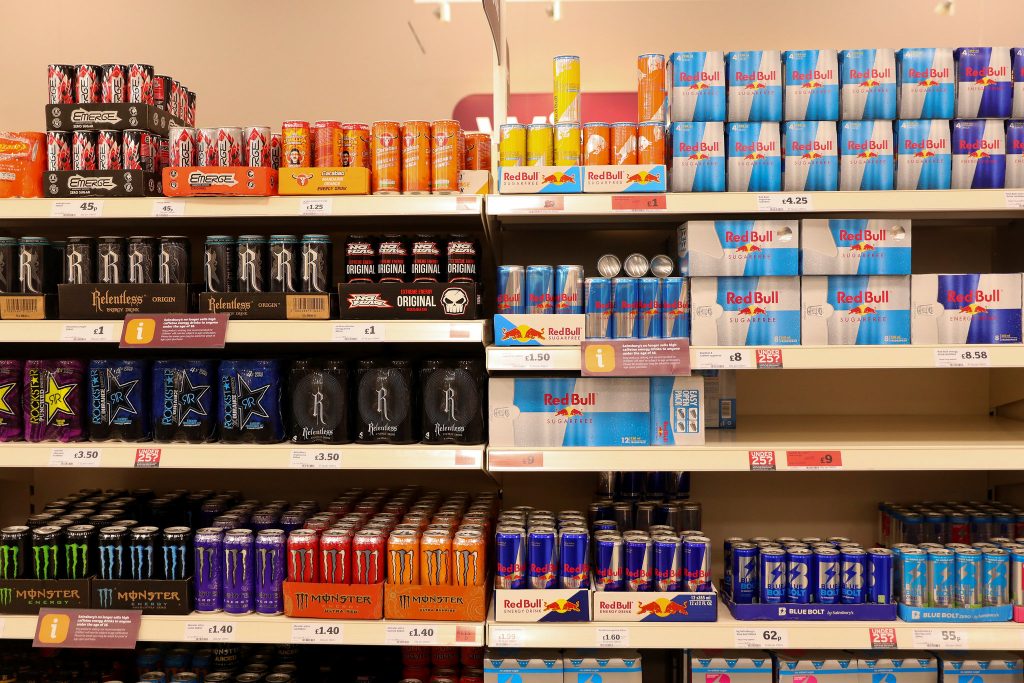
MINISTERS in Wales are considering banning the sale of energy drinks to under-16s and limiting the number of hot food takeaways near schools in a bid to tackle rising obesity rates.
The Welsh Government says the rising consumption of high-caffeine energy drinks among young people is also causing concern about the effects on their education.
Deputy Minister for Mental Health and Wellbeing, Lynne Neagle also wants to hear people’s views on restricting the promotion of foods high in fat, sugar or salt, ending free refills on sugary drinks and expanding the publication of calories on menus.
According to official statistics, approximately 1.6 million adults are overweight and 655,000 people are obese in Wales.
In addition, more than one in four of children in Wales are overweight or obese when they start primary school. It is estimated obesity costs the NHS £6.1 billion per year across the UK.

Lynne Neagle said: “We want to hear people’s views on how we can support the nation to be healthier and to reduce the number of people who are obese or overweight.
“Often, foods that are sugary or high in fat or salt are more readily available and promoted, making it harder for people to make the healthy choice.
“We know this is a difficult time for people with the growing cost of living crisis putting huge pressure on people financially.
“However we also know If current obesity trends continue, more people in Wales will die prematurely from cancer, heart disease, liver disease and type 2 diabetes.
“We need an open and frank conversation about how we can create a step change in our choices and behaviours. We are talking about reversing significant issues which have built up over generations in our food environment. I am launching the consultation today to start that conversation.”
The latest National Diet and Nutrition Survey shows people are consuming too much sugar, saturated fat and salt and too many calories, but not enough fibre, fruit and vegetables. The survey shows that young people aged between 11 -18 years consume up to three times the recommended maximum amount of sugar.
As part of Healthy Weight: Healthy Wales, the long-term strategy to prevent and reduce obesity, the Welsh Government is today consulting on banning the sale of energy drinks to young people under 16. Some energy drinks have 21 teaspoons of sugar and the same caffeine as three cups of coffee. Research shows that children who drink at least one energy drink per week are more likely to report symptoms such as headaches, sleep problems and stomach problems as well as low mood and irritability. There is also evidence to link regular energy drink consumption with low educational engagement.

It will also ask how our communities can be healthier environments, suggesting that planning for new hot food takeaways takes into account how close they are to schools and colleges and ensures factors such as existing saturation, local obesity rates and social demographics are considered and reflected.
The Deputy Minister added: “It’s clear that children and adults in Wales are not eating balanced diets, we have fallen into a pattern where foods high in fat, sugar or salt are readily available.
“Dietary behaviours in our childhood have a significant influence in what and how we eat and drink in later life.
“The consultation has a focus on children and young people and how the environment near their school and colleges can have a huge impact on how they eat.
“I was pleased to meet the young people at Whitchurch High to hear first-hand their views and opinions, which was incredibly insightful.
“The proposals set out in this consultation would support the long-term health and wellbeing of our nation. If we continue as we are, then sadly more lives will be adversely affected by ill health, both physically and mentally.”
The consultations will run until 1 September 2022.
Commenting on the consultation, Shadow Minister for Mental Health James Evans MS, said:
“It is important that children are protected from damaging products, but Labour have had 23 years in charge of health in Wales and obesity levels have kept rising despite a variety of consultations and strategies.
“I hope this one will be different, but the devil is in the detail. Any obesity strategy needs to be multifaceted, including the full return of NHS weight management services to their pre-pandemic status which Labour Ministers have refused to do.”


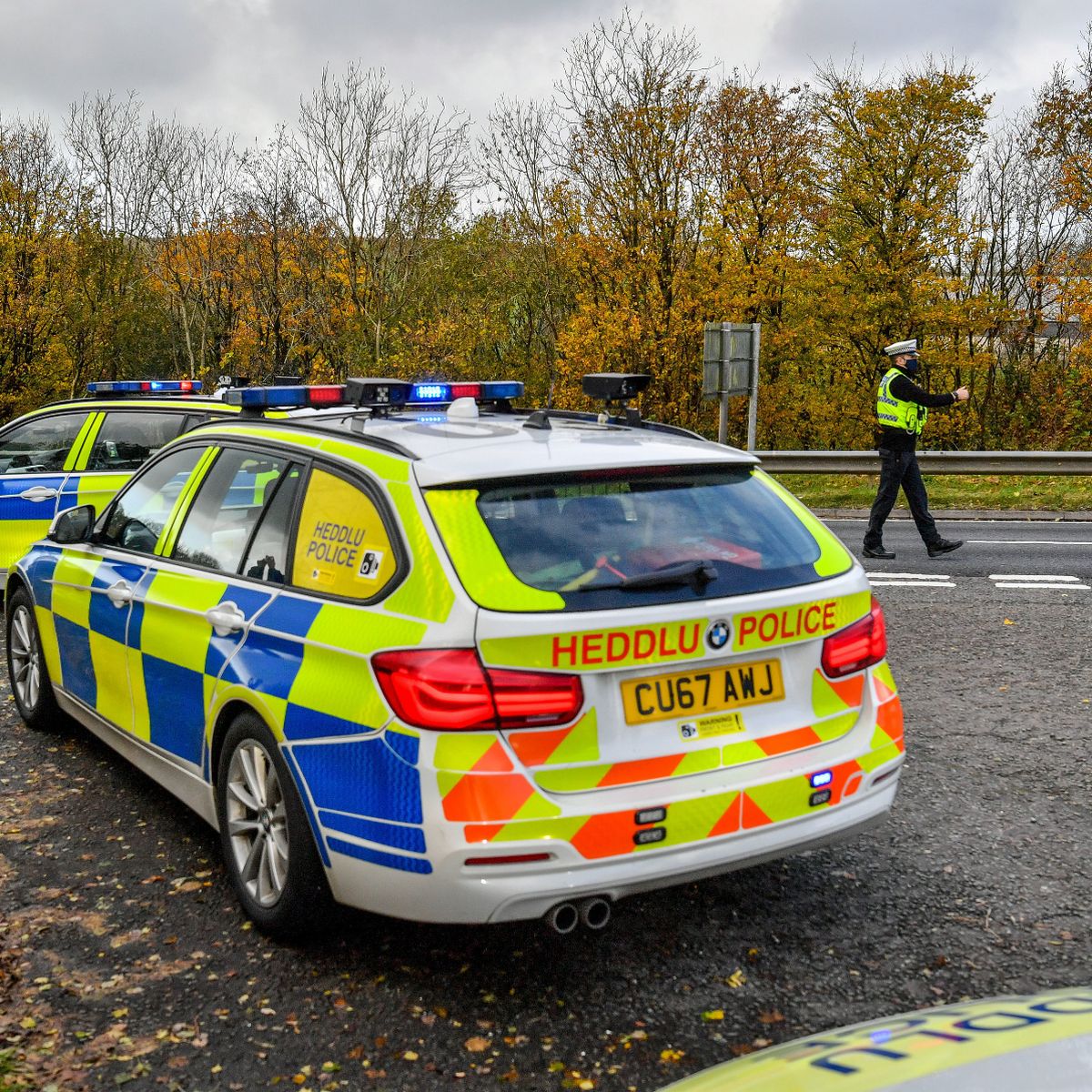
Driver was heading home after visiting former girlfriend when police stopped him on the A477
A WEST London motorist has been banned after being caught driving on the A477 in Broadmoor with a cocaine metabolite and cannabis in his system.
Danny Small, 32, was stopped by police carrying out routine checks at around 11:30am on January 28.
After providing a positive roadside drug swipe, Small was taken to a police station, where blood tests showed he had 157mcg of benzoylecgonine in his system. The legal limit is 50mcg.
He also had 2.9mcg of Delta-9 tetrahydrocannabinol in his system. The legal limit is 2mcg.
Small, of Little London Close, Uxbridge, appeared before Haverfordwest Magistrates’ Court this week, where he pleaded guilty to two drug-driving offences.
Probation officer Julie Norman told the bench that Small had been visiting his former girlfriend in Pembrokeshire and was driving home to Uxbridge at the time of the offence.
Ms Norman said Small was a regular cannabis and cocaine user.
“This helps treat his undiagnosed ADHD,” she said.
“He didn’t think the drugs would still have been in his system, as he’d consumed the drugs several days earlier. But drugs can often remain in the system for several weeks.”
Small was sentenced to a 12-month community order, during which he must complete 15 rehabilitation activity requirement days.
He was fined £80 and ordered to pay a £114 court surcharge and £85 costs. He was disqualified from driving for 15 months.
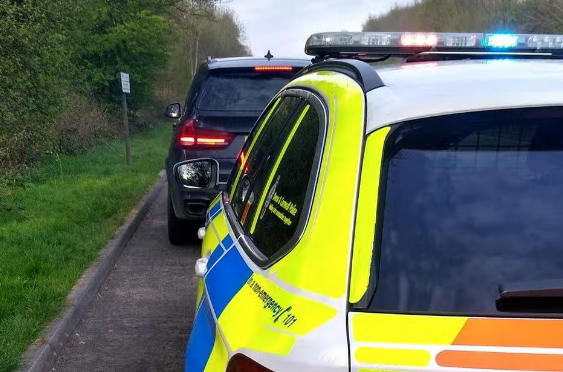
Driver was heading home after visiting former girlfriend when police stopped him on the A477
A WEST London motorist has been banned after being caught driving on the A477 in Broadmoor with a cocaine metabolite and cannabis in his system.
Danny Small, 32, was stopped by police carrying out routine checks at around 11:30am on January 28.
After providing a positive roadside drug swipe, Small was taken to a police station, where blood tests showed he had 157mcg of benzoylecgonine in his system. The legal limit is 50mcg.
He also had 2.9mcg of Delta-9 tetrahydrocannabinol in his system. The legal limit is 2mcg.
Small, of Little London Close, Uxbridge, appeared before Haverfordwest Magistrates’ Court this week, where he pleaded guilty to two drug-driving offences.
Probation officer Julie Norman told the bench that Small had been visiting his former girlfriend in Pembrokeshire and was driving home to Uxbridge at the time of the offence.
Ms Norman said Small was a regular cannabis and cocaine user.
“This helps treat his undiagnosed ADHD,” she said.
“He didn’t think the drugs would still have been in his system, as he’d consumed the drugs several days earlier. But drugs can often remain in the system for several weeks.”
Small was sentenced to a 12-month community order, during which he must complete 15 rehabilitation activity requirement days.
He was fined £80 and ordered to pay a £114 court surcharge and £85 costs. He was disqualified from driving for 15 months.

Pembroke Dock man was five times over the cannabis limit
A PEMBROKESHIRE carpenter has been banned from driving after being caught behind the wheel of his camper van while five times over the drug-drive limit.
James Toulouse, 35, was stopped by police shortly before midnight on December 20, 2025, as he drove his white Mercedes Vito along Buttermilk Lane in Pembroke.
“There was a strong smell of cannabis coming from the vehicle and the driver, who was James Toulouse, appeared glazed, as his eyes were red and bleary,” Crown Prosecutor Sian Vaughan told Haverfordwest Magistrates’ Court.
A roadside drug swipe proved positive. Further tests showed Toulouse had 11mcg of Delta-9 tetrahydrocannabinol in his system. The legal limit is 2mcg.
The court heard this was Toulouse’s second drug-driving offence in ten years.
Toulouse, of Clarence Street, Pembroke Dock, pleaded guilty to drug-driving.
He was represented by solicitor Michael Kelleher, who said the defendant works as a carpenter.
“Obviously it’s not going to be easy for him to carry on with his work, but he’s fully intending to do so,” he said.
Toulouse was disqualified from driving for 36 months. He was fined £350 and ordered to pay £85 court costs and a £140 surcharge.



Community14 hours ago
Manorbier fire scandal: Council’s payout just £63,777 after school destroyed
PEMBROKESHIRE COUNTY COUNCIL has accepted an insurance settlement which leaves it with just £63,777.07 after the catastrophic fire which destroyed...


News22 hours ago
Bus overturns in major incident near Kidwelly
All passengers rescued as emergency services remain at scene A BUS overturned on the A484 between Kidwelly and Ferryside on...


Community2 days ago
Tenby Summer Spectacular cancelled amid council row over harbour access
Organisers say popular charity events cannot safely go ahead without clear powers to control crowds TENBY ROUND TABLE has announced...


News2 days ago
Motorcyclist dies after four-vehicle crash on A40 in Carmarthenshire
A MOTORCYCLIST has died following a four-vehicle collision on the A40 between St Clears and Whitland. Dyfed-Powys Police said the...


News2 days ago
Rhun ap Iorwerth urges new deal for Wales after Starmer quits
First Minister says next Prime Minister must focus on greater powers, fair funding and respect for Wales’ democratic mandate FIRST...


News2 days ago
How Labour’s landslide victory unravelled in just two years
Prime Minister announces resignation after losing support within his own party as Andy Burnham emerges as overwhelming favourite to take...


News3 days ago
Long Course Weekend set to bring thousands to Pembrokeshire
Three days of swimming, cycling and running will once again transform Tenby into one of the UK’s biggest endurance sporting...


Community3 days ago
The gentle giant behind the tattoos
Pembrokeshire security worker Josh Davies praised for professionalism, kindness and proving first impressions can be wrong JOSH Davies is hard...


Charity4 days ago
Toy Story fans fill charity toy box at Haverfordwest cinema
Donations pour in for SNAP Specialist Play as families embrace Toy Story 5 launch A TOY STORY-themed charity appeal at...


Community4 days ago
Lord Rhys emerges from the mist in St Davids
Giant puppet begins historic journey marking 850 years since the first Eisteddfod MIST swirled around St Davids Cathedral on Friday...
-

 Crime6 days ago
Milford Haven man jailed for breaching domestic violence protection order
-

 News6 days ago
Crash on Freeman’s Way causes school-run chaos across Haverfordwest
-

 Health4 days ago
Woman jailed assaults on police, harassment and XL Bully possession
-

 Crime4 days ago
Milford Haven woman spared jail despite string of shop thefts
-
 Crime6 days ago
Portfield Gate man faces careless driving allegation after Tufton crash
-
Community3 days ago
The gentle giant behind the tattoos
-

 Local Government6 days ago
Pembrokeshire faces accessible housing shortage as 403 people wait for homes
-

 News7 days ago
Brexit at 10: How Britain was sold a dream that cost us dearly