


News
Headteacher warns of dangers of legal highs

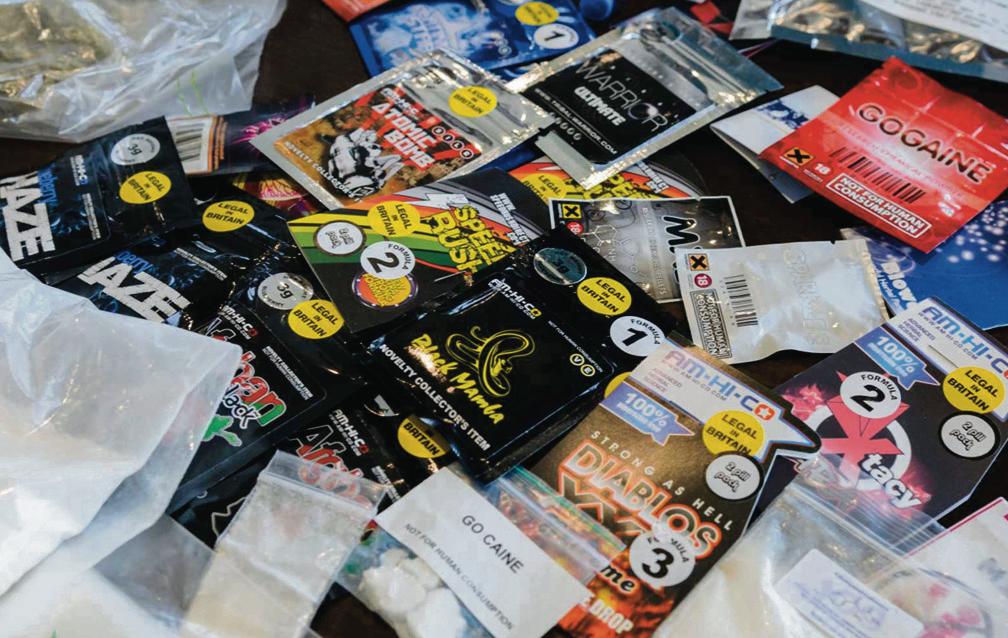
PEMBS.TV have released a film on the rising phenomenon of the use and abuse of so called, ‘legal highs’. As a pre-curser to what will be an enlightening and in-depth TV report, The Herald can reveal some alarming facts about these seemingly ‘legal’ drugs and has an exclusive interview with a secondary school head teacher who has sent out a stark warning about the dangers of these substances, following a recent and frightening incident at the school in which he leads.
In the film Pembs TV speak to a number of people directly involved in the sale, use and monitoring of this new and alarming trend. Legal highs are substances specifically designed and manufactured to replicate the effects users can get from some of the established illegal drugs, such as LSD, Cannabis and Cocaine. One local retailer has been clearly linked with the sale of these substances, Allsorts. Daryl Millar, of the Haverfordwest shop, made it clear to us that their shop operated a very strict policy of only selling ‘legal highs’ to over 18s, insinuating that if the drugs involved in the recent school incident had come from their store, it could not have been as a direct result of them selling the product to a minor. He went on to show us which were the most popular of the legal highs that they were retailing; one of which was Pandora’s Box that proved a popular sell whilst we were in the shop filming. Whilst he acknowledged their popularity, he made it clear they were intended for use as either plant food or incense burning (in the case of ‘Pandora’s Box’). What people did with it once they took it home he said he couldn’t say. When asked why, if they were legal, they were being sold from under the counter, as we witnessed, he explained that when openly displayed minors could see how much they were and price up opportunities to get them purchased, also saying that it meant addicts, or anyone to whom they weren’t comfortable selling, could be told they had none of these products in stock. Pembs TV also spoke with Dyfed-Powys Crime Commissioner, Christopher Salmon, who made clear his concerns and frustrations over the use and sale of these legal highs. He said whilst he wasn’t setting up any special units to deal with the problem, his officers were aware of the problem of street dealers buying these in bulk and selling to minors. He believed that neighbourhoods and local people held the key to the success of policing this by contacting their local officers and station if they saw such activity. He also made clear that though there were claims that these drugs were legal he pointed out that many could be laced or contaminated with other, restricted, and in some cases, class A substances. He also warned of the potency of these ‘highs’, saying in many cases they were much stronger than the drugs that were controlled or banned. He did, however, draw the line at legalising controlled drugs expressing his concern of the dangers those addictive drugs posed. Frank Ciccotti, head teacher of Pembroke School, spoke exclusively with The Herald about an incident that occurred on May 14 of this year in which several young people were involved in a drug taking incident that resulted in some of them being hospitalised. Mr Ciccotti described the sequence of events that led to the school’s awareness of the situation: “On May 14 a group of year 10/11 students (15-16 year olds) shared out a legal substance at lunchtime, near a wooded area at the top of the rugby field. It was reported by other pupils. We believe the drug was rolled into cigarettes and smoked. We were alerted by pupils in the area who were not part of it, and they pointed out that one pupil was unwell. “We are fortunate they were responsible and reported it to us, otherwise it could have been a very different day. They escorted the pupil to the office where I attended and decided straight away to call for an ambulance. We set about finding the remaining pupils involved, which was about ten; and of these two were affected. “The worst affected was an alarming case as he was grey in colour and was slipping in and out of consciousness and he looked very ill. Two other pupils had lost colour but were more lucid, and the others were just a bit silly. Ambulance crew insisted they all went to hospital and they knew what they had taken as they had seen the sachet. “There had been a fatality fairly recently so it was a matter of great concern. They also summoned the air ambulance as protocol, but it was deemed the worst affected could be taken by road. Fortunately, all were checked out and released later that day”. On what the substance was, he said he couldn’t say, as the police asked him not to as it was an ongoing investigation, though The Herald has been informed by a student of the school that they believe the drug was known as ‘Exodus Damnation’. Mr Ciccotti went on to talk about how these young people had obtained the drug, which are illegal for minors to purchase. “We believe the drug was purchased the evening before by one of the students from a young adult from a car in the area. They weren’t sold on site, and obviously the child who brought it in had a more severe punishment than the others. The danger with these legal highs is they are portable and easy to carry.” He gave this message to parents who may be concerned that such an incident could occur in a school. “I would say it can happen anywhere, no one can be complacent, at any school and anywhere children could have access to this so parents must stress the dangers to their children.” He also had this to say on how the school could instigate future measures to help prevent a repeat incident. “We have strengthened the PSE programme, and we also have a specialist drugs advisor. The police also did an assembly to stress they (these substances) may be legal but they are not safe. These are drugs produced by profiteers and they are marketed by the greedy and purchased by the naive. “These are sold as plant food and incense and maybe they are safe in those contexts, but not in the context of smoking or taken as pills. They are harmful substances and the effects are acute and even the marketing of these (and on the packaging) suggests they are taken in the presence of someone who is sober. Feed them to your plants but don’t put them in your body.” He finished with a simple message: “We need to be smarter as a nation about ‘legal highs’. They are substances that are harmful to health. In school they would be in a poisons cabinet. We need to prevent their open sale.” To watch the full interview with Mr Ciccotti, as well as those with our Crime Commissioner and Daryl Millar of Allsorts, watch out for the release of the film next week, as Pembs. TV lifts the lid on legal highs and their effects.
Check out the video here: http://pembs-herald.co.uk/video/

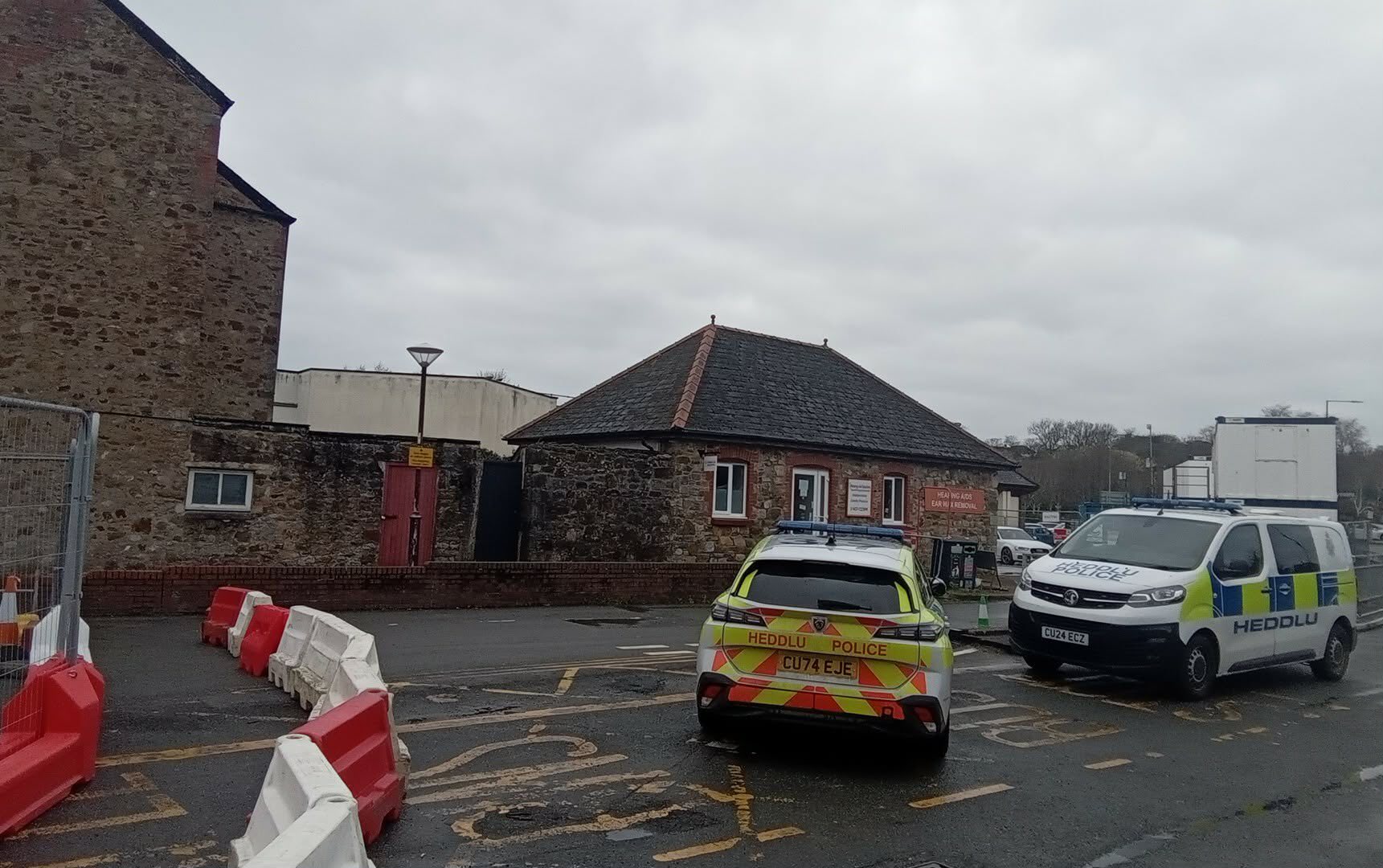
EMERGENCY SERVICES were called to an incident in Haverfordwest town centre on Saturday morning (Apr 4), with police and ambulance crews attending near County Sports.
Pedestrians were asked to avoid part of the area while the incident was being dealt with, causing some disruption in the town centre.
A witness told The Herald they were walking towards Old Bridge when they were stopped from going through.
The witness said: “I was walking towards the Old Bridge and was told that I had to go around due to a medical emergency.”
The nature of the incident has not yet been officially confirmed.

The Herald understands the emergency response remained in place for some time as crews dealt with the situation.
We have contacted Dyfed-Powys Police for comment.

A TEENAGER was left shaken after stepping in to help a young woman in distress on Clay Lanes bridge in the early hours of Saturday morning.
The Herald understands the 18-year-old was walking through Clay Lanes at around 4:10am when he noticed a young woman standing on the road bridge over the bypass.
Concerned that something was wrong, he approached her and tried to engage her in conversation. When she remained polite but dismissive, he walked a short distance away and called police before returning to stay nearby.
According to information passed to The Herald, officers arrived a short time later. It is understood the young woman then attempted to go over the bridge, but the teenager pulled her back to safety as police responded and called for further assistance.
His father, who contacted The Herald, said the young man had been badly shaken by the incident.

Dyfed-Powys Police has been approached for comment.
If you have been affected by any of the issues in this story, support is available from Samaritans free of charge, 24 hours a day, on 116 123.
Image: File photo
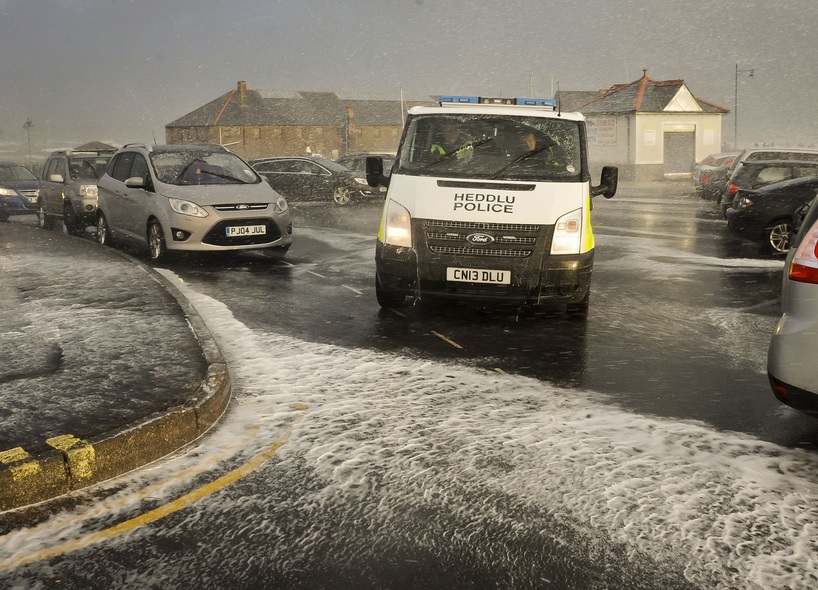
Natural Resources Wales (NRW) has issued a Flood Alert for the Pembrokeshire coastfollowing rising water levels. The alert, which affects areas between St Dogmaels, Cardigan and Amroth, warns that flooding is possible in the region due to adverse weather conditions and high tides.
The alert was issued at 12:53 PM today (Apr 4), urging local residents to be prepared for potential flooding in the coming hours.
Key Advice for Residents
As the flood risk increases, NRW has shared crucial advice to help people stay safe:
- Prepare a flood plan: If you have one, now is the time to follow it.
- Protect valuables: Residents should move important items, such as documents and sentimental belongings, to higher ground or safer locations.
- Stay alert and pack an emergency kit: Ensure your phone is charged, and pack essential items like medications, chargers, insurance documents, and warm clothing in case you need to evacuate quickly.
- Check on vulnerable individuals: Ensure that children, elderly relatives, and pets are safe, with a plan for their evacuation if necessary.
Avoid Floodwater at All Costs
NRW is also stressing the importance of avoiding floodwater, as even shallow levels of water can be extremely dangerous. As little as 30 cm (1 foot) of floodwater can sweep away a car, and 15 cm (6 inches) can knock you off your feet.
Authorities are urging everyone to never walk or drive through flooded areas.

How to Stay Updated
Residents are advised to stay informed through NRW’s website, where they can track water levels and access real-time updates. The agency also recommends checking its social media accounts for the latest information.
For more detailed information or if you need assistance, call Floodline at 0345 988 1188 (quick dial number: 503013).
For More Information:
- Flood Warning Details: Flood Warning Page
- Check River and Rainfall Levels: River Levels
- Floodline: 0345 988 1188
Follow NRW on Twitter: @NatResWales
Image: Herald file photo


News38 minutes ago
Emergency services respond to incident in Haverfordwest town centre
EMERGENCY SERVICES were called to an incident in Haverfordwest town centre on Saturday morning (Apr 4), with police and ambulance...
News49 minutes ago
Teenager intervenes after bridge incident
A TEENAGER was left shaken after stepping in to help a young woman in distress on Clay Lanes bridge in...


Crime2 days ago
Driver spared jail after crash killed young couple
A PEMBROKE DOCK driver who caused the deaths of a young couple in a road crash has been given a...

Entertainment2 days ago
BBC unveils major new Welsh dramas with Tenby set for prime-time spotlight
New crime series Old Town Murders and supernatural thriller The Witch Farm will both be filmed and set in Wales...


Health2 days ago
No jobs for new paramedics in Wales as graduates told to apply for technician roles
Students trained at public expense urged to take lower-grade jobs as anger grows over NHS workforce planning NEWLY qualified paramedics...


News3 days ago
Health minister refuses to act on Withybush despite 15,000-signature petition
Senedd pressure grows as Welsh Government declines to intervene over surgery fears THE WELSH GOVERNMENT has refused to step in...


Business4 days ago
Fishguard to Wexford rail tunnel plan backed by Elon Musk firm
Six-hour London to Dublin service proposed in £32bn project ahead of Senedd election PLANS for a rail tunnel linking west...


Charity4 days ago
Milford Haven charity honoured with King’s Award for voluntary service
A PEMBROKESHIRE charity supporting vulnerable young people has received one of the highest honours in the UK for voluntary work....


News5 days ago
Plaid Cymru launches bid to lead next Welsh Government
Party positions itself as ‘government-in-waiting’ ahead of May election PLAID CYMRU has formally launched its campaign for the 2026 Senedd...


Crime5 days ago
Police appeal after attempted child abduction in Haverfordwest
DYFED-POWYS POLICE has launched an appeal for witnesses following a reported attempted abduction of a 12-year-old girl in Haverfordwest. The...
-

 News1 day ago
Accommodation providers in Wales will be required to register under new law
-
Business4 days ago
Fishguard to Wexford rail tunnel plan backed by Elon Musk firm
-
Entertainment2 days ago
BBC unveils major new Welsh dramas with Tenby set for prime-time spotlight
-

 Charity5 days ago
RSPCA calls for stronger animal welfare measures as Welsh Labour launches manifesto
-

 Community7 days ago
Residents return home after major Carmarthenshire fire as probe continues
-

 Entertainment2 days ago
From Milford Haven to the world: The story of The Evolution Experience
-
 Crime6 days ago
Gunshot fired by police during incident in Milford Haven
-

 News5 days ago
Labour promises 48-hour GP access as manifesto faces questions over delivery