


News
Plaid want 1,000 litres heating voucher to help off-grid Pembrokeshire households

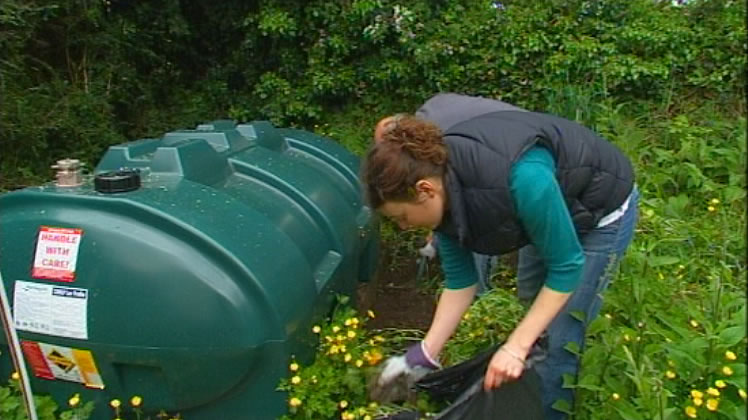
PLAID CYMRU politicians have reiterated calls for the UK Government to provide greater support for ‘off grid’ Pembrokeshire households, pressing for a roll-out of a voucher scheme that would provide 1,000 litres of heating oil for homes not connected to the gas grid.
The calls have been made in Westminster by Plaid Cymru’s Ben Lake, Member of Parliament for Ceredigion – a county where 74% of properties are not connected to the mains gas grid.
The proposed scheme would allow households to purchase 1,000 litres of heating oil or equivalent volume of liquid propane gas (LPG) which would reflect a “commensurate level of support” to that provided for households connected to the mains gas grid.
During the mini-budget in September, the Conservative Government revealed proposals for a £100 payment to be support households reliant on heating oil – a sum which has been described by Cefin Campbell, Plaid Cymru regional Member of the Senedd for Mid & West Wales as “pitiful”.
According to estimates, 41% of Pembrokeshire properties are currently not connected to the mains gas grid – comparing with a Wales average of 19%. Such households are reliant on alternative heating sources, including oil, biomass and LPG gas – which, unlike electricity, are not subject to a price cap, and therefore liable to fluctuating prices.

At current prices, a voucher worth 1,000 litres of heating oil (the predominant source of heating for off-gas-grid homes in Wales) would cost £890.90.
Certas Energy estimates that the average household in the UK uses around 27,000 kWh of energy per year, which equates to around 1,800 litres of heating oil. 1,000 litres would therefore be enough to support most families using heating oil through the winter and should be replicated next year if prices have not fallen.
Cefin Campbell MS, who previously called on the Welsh Government to provide greater support for off-grid households said:
“As winter approaches, and the cost-of-living crisis intensifies, it’s clear rural households across Pembrokeshire are likely to be disproportionally impacted by surging heating prices.

The Tories in Westminster have detailed their plan to help households connected to the mains gas grid, but we still await clarity on the pitiful £100 support payment that will be offered to those not connected to the mains gas grid. Meanwhile, in Pembrokeshire many households will also fall short of the necessary criteria to gain additional fuel support announced by the Welsh Government.
As many families face the unenviable choice between heating and eating, now is the time for the UK Government to pull-up their socks and act to support rural off-grid households, and such offering of a 1,000 litre voucher would provide comfort and support to so many at a time of growing uncertainty.”
Plaid Cymru’s Ben Lake MP added:

“It is unacceptable that in an advanced economy such as that of the UK, thousands of families will be unable to afford to heat their homes this winter.”
“Plaid Cymru is proposing a voucher scheme for households to purchase 1,000 litres of heating oil or equivalent volume of LPG to heat their homes this winter. That would represent a commensurate level of support to that already offered to households covered by the Energy Price Guarantee.
“Households that are not connected to the mains gas grid are mostly found in rural and deprived post-industrial areas of Wales. They already face higher costs due to poor insulation, poor transport infrastructure, and poor local amenities. To further punish those households with a substandard support package is immoral.
“We are facing a bleak winter. While the UK Government chooses to look the other way, Plaid Cymru is providing positive solutions to help families keep warm.”


National scheme aims to support hundreds of victims of modern slavery across the UK
MORE than 600 adult survivors of modern slavery are set to receive dedicated support through a new national pilot scheme providing accredited, independent advocates.
The initiative will see specially trained professionals working directly alongside survivors of human trafficking and exploitation, helping them navigate complex legal, social, and recovery processes.
While survivors of crimes such as domestic and sexual abuse already have access to specialist advocacy, no equivalent provision previously existed for victims of modern slavery—despite the often severe and long-term trauma they experience.
Over the next three years, 24 Independent Modern Slavery Advocates (IMSAs) will be deployed across the UK. Each advocate will complete a postgraduate qualification and receive support from a central hub hosted by anti-trafficking charity Hope for Justice.
Tim Nelson, CEO at Hope for Justice, said the pilot aims to tackle inequalities in support: “We want to end the postcode lottery that adult survivors of modern slavery and human trafficking are experiencing in the UK.

“There are many organisations already doing incredible work, but by working together and setting new standards, we can give survivors the best possible chance of rebuilding their lives.”
The scheme is backed by a £1 million National Lottery grant and involves several organisations, including Unseen UK, Medaille Trust, Bawso, SOHTIS, Hope for Justice, and the Snowdrop Project.
Since the pilot began six months ago, advocates have already supported 121 survivors, helping to secure housing, legal recognition, and access to vital services.
Key outcomes so far include:

Ten survivors provided with safe and secure housing
Seventeen Home Office decisions successfully challenged, granting victims access to support
Humanitarian protection secured for a young adult survivor
Advocates have also helped individuals access healthcare, mental health support, education, employment, and secure immigration status.
One survivor described the support as “life changing” after escaping a trafficker. In a letter to her advocate, she said: “You have fought our corner tirelessly when I did not have the strength. You stood beside us every step of the way.

“You helped me rebuild trust, believe in myself, and slowly find my voice again.”
The IMSA role aligns with international guidance on independent advocacy and has been shaped by experts and those with lived experience.
Louise Mensah, Head of Frontline at Unseen, said: “This pilot is a step towards a world without slavery. We are proud to be part of something that will improve outcomes and change futures.”
Ben Ryan, Deputy CEO at Medaille Trust, added: “We know the value of long-term support in recovery. This partnership allows us to embed best practice and develop new approaches.”
Organisations wishing to join the final phase of the pilot have until May 2026 to apply.
Further information is available at www.hopeforjustice.org/imsa/

Beloved character to greet visitors as Heritage Centre reopens for new season
CHARLIE the 100-year-old ventriloquist’s doll is coming out of retirement — and back to where it all began.
Visitors to Pembroke Dock Heritage Centre will be greeted by the much-loved character when the attraction reopens for the new season on Monday (March 30).
It marks a nostalgic return for Charlie, who once performed in the very same building — then the Royal Dockyard Chapel — alongside his original owner, Ernie James, a Pembroke Dock bus company proprietor. Over the years, the duo became a familiar and popular act on the Pembrokeshire variety circuit.
Today, Charlie is cared for by Paul Elliott, of Llanreath, who inherited the doll from his father, Fred Elliott — better known locally as magician ‘Mr E’, whose shows delighted audiences for decades.
Charlie has also recently enjoyed a brush with national attention, appearing alongside Paul at a BBC Antiques Roadshow event in Swansea.
The Heritage Centre will offer free entry on opening day, with Charlie and Paul on hand to meet visitors and share stories from a century of entertainment.
WOLFSCASTLE COUNTRY HOTEL and Spa in Pembrokeshire is celebrating national recognition after its luxury spa was included in the prestigious AA Recommended Spa Awards.
The accolade highlights the hotel’s commitment to delivering high-quality wellbeing experiences, exceptional service, and first-class facilities.
The AA Recommended Spa status is awarded to venues that provide an outstanding guest experience, combining professional expertise, premium treatments, and a relaxing environment. The recognition places Wolfscastle among a select group of leading spa destinations across the UK.

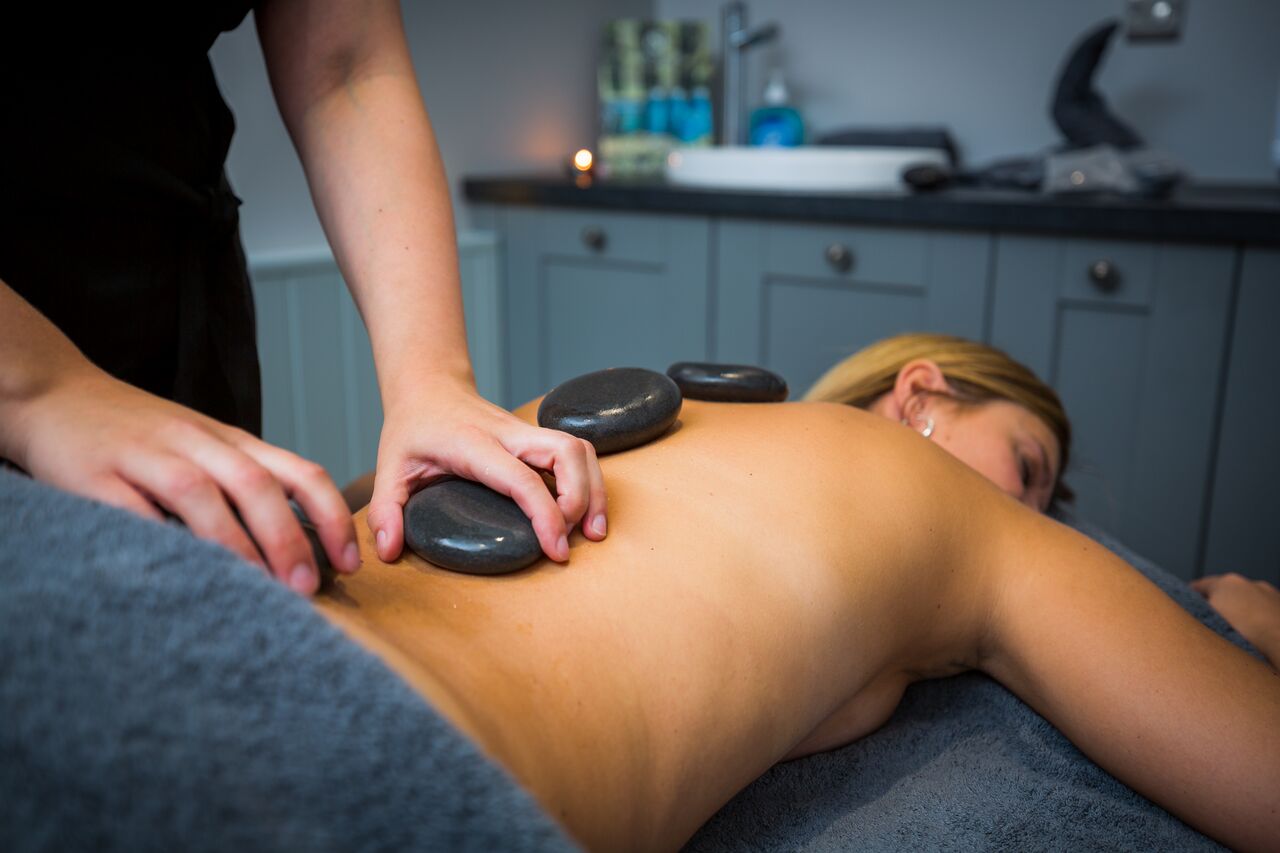
Hot stone massage in the Wolfscastle Country Hotel & Spa treatment room.
The spa, which has been open for nine years, has established itself as one of Pembrokeshire’s top wellness destinations, welcoming both hotel guests and day visitors seeking relaxation in a tranquil countryside setting.
Facilities include hydrotherapy experiences, thermal suites, and dedicated relaxation areas, alongside a wide range of luxury treatments designed to help guests unwind and recharge.

Bethan, Spa Manager at Wolfscastle Country Hotel & Spa, said: “We’re absolutely delighted to be recognised by the AA as a Recommended Spa. The team here work really hard to make sure every guest feels relaxed, welcomed and properly looked after from the moment they arrive.
“To receive this recognition is very special for us and reflects the care and effort our therapists put into every treatment.”
The award further strengthens the hotel’s reputation as one of West Wales’ leading hospitality destinations, offering award-winning dining, boutique accommodation, and premium wellness experiences.
Guests can enjoy spa days, overnight breaks, and tailored treatments throughout the year.
For more information or to book, visit www.wolfscastle.com.
The hotel is also marking a significant milestone this year, with owner Andrew Stirling celebrating 50 years at the helm.


Crime1 day ago
Publican jailed for six years for supplying cocaine and cannabis
Milford Haven man sentenced at Swansea Crown Court following drug dealing operation A MILFORD HAVEN publican has been jailed for...


Local Government1 day ago
Poverty summit highlights support efforts across Pembrokeshire
A SUMMIT bringing together key organisations from across Pembrokeshire has highlighted both the scale of local poverty and the work...


Education2 days ago
Milford Haven school plans unveiled but funding not yet secured
PLANS for a new £100 million school in Milford Haven have been unveiled, but the project has not yet secured...


News2 days ago
Council unveils plans for new state-of-the-art secondary school in Milford Haven
PEMBROKESHIRE COUNTY COUNCIL has revealed plans for a new state-of-the-art school in Milford Haven, promising modern, inspiring learning spaces for...


Health2 days ago
NHS waiting list falls — but cancer delays and diagnostic backlog worsen
Record progress claimed by Welsh Government as critics warn key targets are still being missed THE NHS in Wales has...


Crime3 days ago
Rapist jailed after ‘abhorrent’ attacks on woman and children
Haverfordwest man told police “women won’t have sex without force” A HAVERFORDWEST man who raped a woman and a young...


News3 days ago
Reform secures first Pembrokeshire councillor in Hakin by-election win
Late Reform candidate takes seat as independent surge and Labour withdrawal shape contest REFORM UK candidate Scott Thorley has won...


News4 days ago
Scott Thorley elected as Pembrokeshire’s first Reform councillor
REFORM UK candidate Scott Thorley has won the Hakin by-election after securing 179 votes. The full result is as follows:...


News4 days ago
Police confirm man has died after being recovered from River Cleddau
Major emergency response in town centre after concerns raised for man in water A MAN has died after being recovered...


Community4 days ago
Davies and Kurtz urge groups to seek employability funding
Community organisations in Pembrokeshire encouraged to apply for new grants supporting skills and job access LOCAL Senedd Members Samuel Kurtz...
-

 News6 days ago
Fishguard linked to allegations in Many Tears Animal Rescue investigation
-

 News4 days ago
Emergency services flood Haverfordwest after reports of person in river
-

 Crime3 days ago
Mother given community order after admitting child cruelty offence
-
Health2 days ago
NHS waiting list falls — but cancer delays and diagnostic backlog worsen
-

 Crime6 days ago
Man cleared of sexual assault allegation after magistrates rule no case to answer
-
 News4 days ago
Senedd votes to ban Greyhound racing in Wales to protect animal welfare
-

 News4 days ago
Senedd vote to ban greyhound racing hailed as ‘landmark moment’ by charities
-

 Sport7 days ago
Wales end Six Nations losing run with bonus-point win over Italy