


Charity
Sanna wins Wales Air Ambulance place for the world’s toughest mountain race

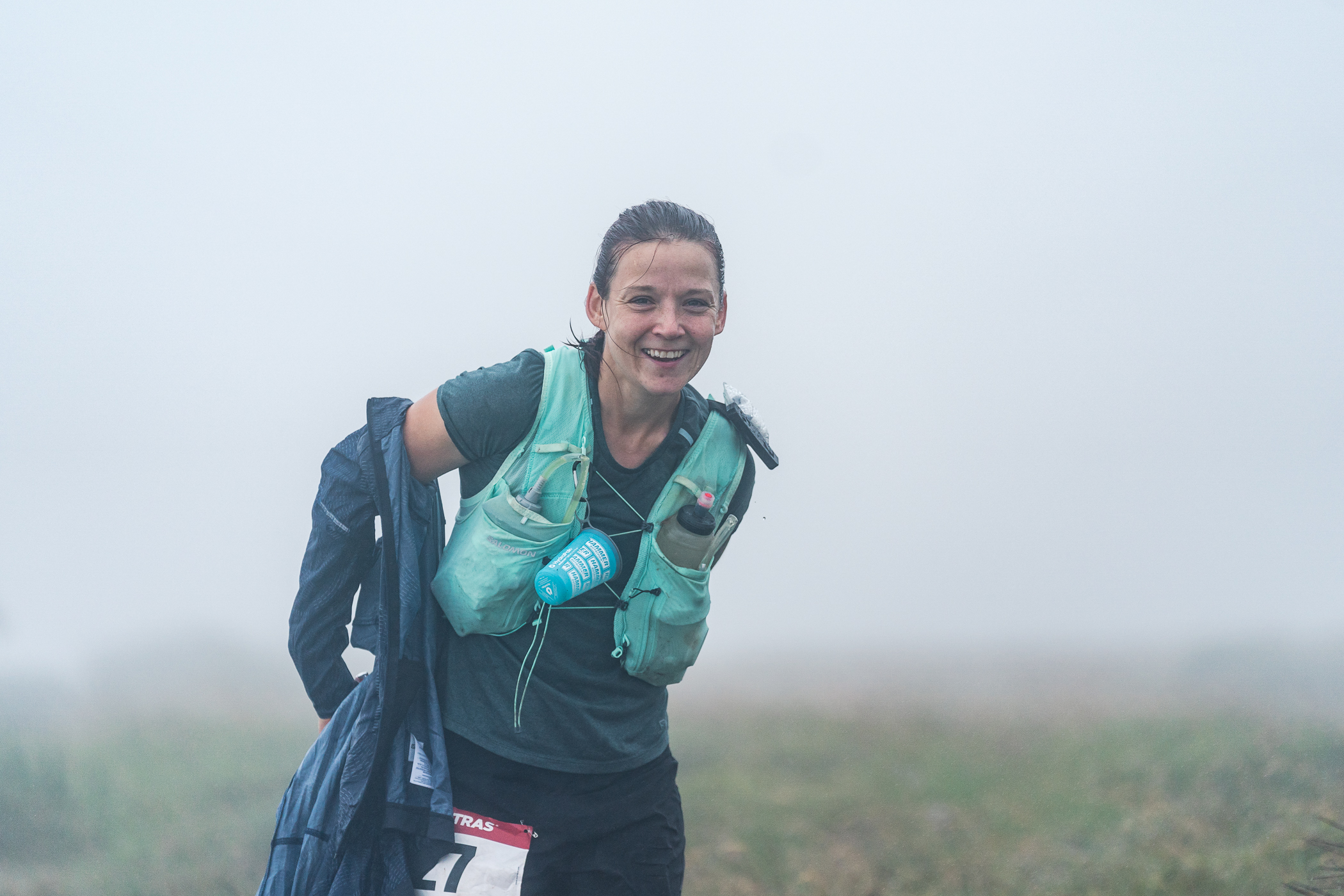
A PEMBROKESHIRE woman has been picked to represent the Wales Air Ambulance at one of the world’s toughest mountain races.
Sanna Duthie, 35, of Milford Haven, beat off stiff competition to win the Montane Dragon’s Back Race charity place, which covers 236 miles of Wales’ uniquely wild, trackless, and remote mountainous terrain.
The event will see competitors run the equivalent of 1.5 marathons every day in six days, starting from Conwy Castle and finishing at Cardiff Castle from Monday 4 September to Saturday 9 September 2023.
Ultra-runner Sanna impressed the judging panel with her passion and dedication and is the first female athlete to win a Wales Air Ambulance charity place for the gruelling race.
The panel consisted of Wales Air Ambulance’s Events and Partnership Fundraiser, Tracey Ann Breese, Campaigns Manager Katie Macro and last year’s charity-place winner, Richard Gardiner.

Sanna, who works in office administration, said it had been her ambition to enter the Montane Dragon’s Back Race, but the £1,599 entry fee had financially held her back.
She said: “As a proud Welsh runner, the race has been on my radar for many years, I know several people who have taken part which has only fuelled my desire to do it. I work in office administration full time and the entry fee was just too much for me sadly.
“To spend a week running on the mountains in Wales is the best holiday I can imagine, the thought of being out on the mountains for days sounds so freeing. To be given the chance to take part in the Dragon’s Back Race is a dream come true.
“To be the first female to win the charity place is amazing. We need more female ultra-runners. Women are so strong mentally, and this challenge will require me to dig deep. It’s an honour to be chosen and it has given me a big boost mentally, as well as the drive to train even harder.”
Sanna has been Ultra-running since 2015 and has won a plethora of races. These include the Gower Ultra, GB Ultra Beacon, The North Canum, Dirty Dozen Back Yard Ultra and the Preseli Ultra-beast 2022 which she won and set a new female record.

The athlete has committed to raising a minimum of £2,000 for the Wales Air Ambulance and hopes to promote her journey on social media and through a podcast.
Sanna is no stranger to fundraising for the Charity having raised nearly £5,000 in 2021 by running the entire Pembrokeshire Coast Path, an incredible 186 miles, all in one go. Not only did Sanna complete the challenge, but she also achieved the fastest known time of 51 hours and 30 minutes – with no sleep and the only stops being to refuel.
She said: “We were just coming out of lockdown and I managed to fulfil my dream of running the entire 186-mile Pembrokeshire Coast Path. It was probably the best weekend of my life.

“As a result of that I appeared on radio shows in Wales and was interviewed on lots of running podcasts and I did some talks at the local schools. I even got asked to join the judging panel for last year’s Wales Air Ambulance Dragon’s Back Race.
“I asked for sponsorship and managed to raise just under £5,000 for Welsh Air Ambulance which is a cause I feel very strongly about. The service is very active in our community. Pembrokeshire is quite rural and road links are not great. It is a charity that people in our county care about and want to support.”
Sanna said to complete the Montane Dragon’s Back Race would be a life goal and that she already has a training plan in place for the race.

She said: “It gives me butterflies just thinking of it. It really will be a dream come true and to be able to do it and raise money for the Wales Air Ambulance really makes it extra special.
“I would say that I am an emotional person, this can often be seen as a bad quality, but I think it makes me a good ultra-runner. I help and support people and it also means that when I set a goal, I give it my all. I really hope I won’t let you down.”
The Wales Air Ambulance needs to raise £8 million every year to keep its helicopters in the air and rapid response vehicles on the road.
It offers advanced critical care across Wales which is delivered via a unique Third Sector and Public Sector partnership between the Wales Air Ambulance Charity and the Emergency Medical Retrieval and Transfer Service (EMRTS Cymru).
As a result, the service is consultant-led and is known as a ‘flying emergency department’, taking hospital-standard treatments to the patient at the scene of an incident. This includes the ability to administer anaesthesia, deliver blood transfusions and conduct minor operations, all at the scene of an incident.
Tracey Ann Breese, Wales Air Ambulance’s Events and Partnership Fundraiser, said: “I am delighted that we have been able to offer Sanna a place at this year’s Montane Dragon’s Back Race. It was clear from her application that she is totally committed to running and being able to complete the race, both as a personal goal and to fundraise for Wales Air Ambulance.
“We received a number of strong entries and we would like to thank everyone for sending their videos to us. I am looking forward to seeing and being able to support Sanna’s journey and am truly grateful that she has chosen to support our Charity for the second time.”
To support Sanna visit her Just Giving page, https://www.justgiving.com/fundraising/sanna-duthie3
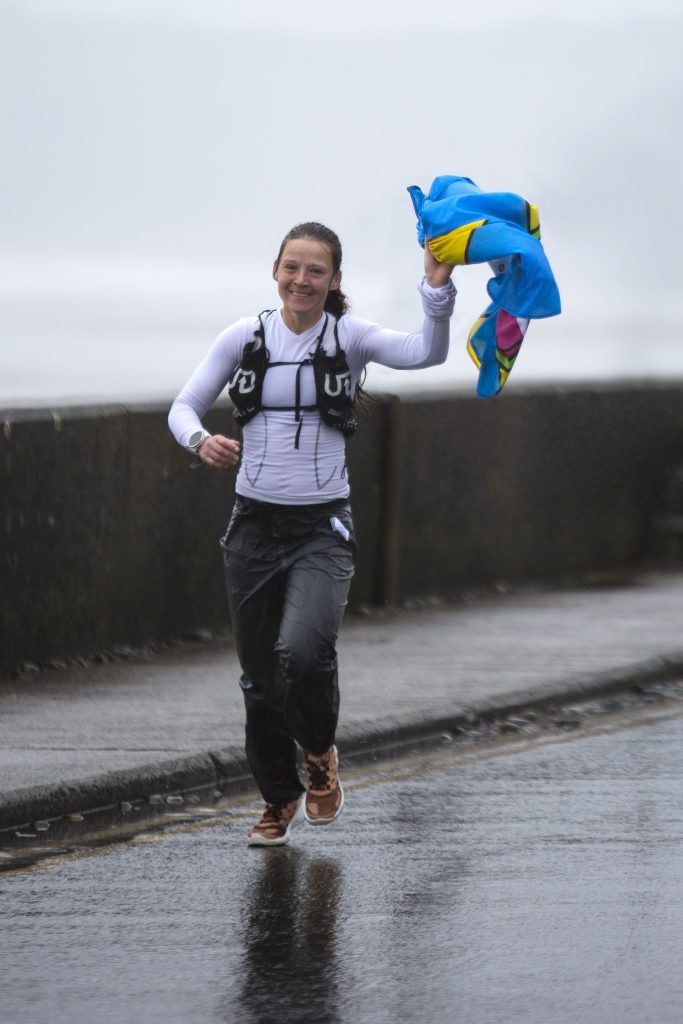


Festival promises live music, Welsh ales and community spirit at the waterfront
MILFORD HAVEN Beer Fest is set to return later this month, with organisers promising another packed day of live music, craft drinks and festival atmosphere.
The popular annual event will take place at Milford Waterfront on Saturday, May 23, inside the Ascona Group Marquee, with doors opening at 12:00pm.
Organisers say no advance tickets will be available, with entry operating on a first come, first served basis. Another sell-out is expected and early arrival is strongly advised.

A wide range of Welsh breweries and drinks producers will be represented, including Tenby Harbwr Brewery, Bluestone Brewing Company, Gethin’s Cider, Mantle Brewery, Gower Brewery and Core of the Poodle.
Tiny Rebel Brewery will also be serving lagers, IPAs and its new stout, Coal Drop, while Barti Rum will showcase its latest canned drinks. Prosecco and Pimm’s will also be available.
Entertainment throughout the day will be hosted by Pure West Radio, with headliners 4th Street returning to the waterfront.
The line-up also includes a DJ set from former Welsh rugby international and British and Irish Lion Josh Navidi, alongside performances from Steve Bartram, Big Chicken, Jake Taylor, Function 22 and Natalie O’Brien.
Festivalgoers will also be able to enjoy a street food zone featuring Grub Tacos, Junkyard Dogs and Reeves BBQ.
Community support
Nathan Rees, chairman of Milford Haven Round Table said: “The Beer Festival is a huge highlight for us – not just for the atmosphere, but for the impact it has.
“Every penny raised goes back into the community, funding events like our Carnival and Fireworks and supporting local causes.
“We’re also incredibly grateful to The Ascona Group for their continued sponsorship and to the Port of Milford Haven for their ongoing support as our Major Events Partner, as well as all the Beer Festival sponsors for 2026.”
Ticket information
Entry costs £25 and includes four drink tokens, a festival cup and live entertainment throughout the day.

Additional drink tokens will cost £2.50 each, with cash and card accepted.
The event is strictly over-18s only.
Organisers say there will be a 100 per cent bag search policy, with visitors strongly advised not to bring bags. Free water will be available, and dogs will not be allowed.

SHOP NOW OPEN SEVEN DAYS A WEEK AFTER EXPANSION INTO ADJOINING UNIT
A CHARITY shop in Pembroke Dock has expanded into a neighbouring unit to help raise more money for local hospice care.
Paul Sartori Hospice at Home has completed a knock-through at its shop in Bierspool, London Road, creating a larger retail space and allowing the charity to offer a wider range of items, including furniture.
The expanded shop was officially opened on Friday (May 1) by the outgoing Mayor of Pembroke Dock, Cllr Michelle Wiggins.
The shop team, led by Kelly Elliot and supported by volunteers, worked for several weeks to prepare the new-look store for customers.
Head of Retail Julia Brady welcomed guests at the opening, while the charity also thanked staff, volunteers and supporters who helped decorate and prepare the premises.
Special thanks were given to Gill at Pembroke Dock Tesco for donating treats for customers and staff on the day.
Paul Sartori Hospice at Home operates nine retail shops and an eBay department. Income from donations and sales helps fund the charity’s clinical teams, who provide free specialist palliative care to patients and families across Pembrokeshire.
The charity says it costs £3,600 every day to deliver its free clinical services. Around 30% of that cost is funded through Hywel Dda Health Board, with the remainder raised through retail income, fundraising and community support.
The Pembroke Dock shop is now open seven days a week, giving people more opportunities to shop, donate and support local hospice care.
Paul Sartori Hospice at Home was established in memory of Father Paul Sartori, a much-loved local priest who recognised the need for hospice care before his death from cancer at the age of 39.
The charity provides care for people with any life-limiting condition, not only cancer, and supports patients of all faiths and none. It operates an open referral system, with referrals accepted from patients, families, friends and healthcare professionals.
Paul Sartori Foundation Ltd operates under the name Paul Sartori Hospice at Home. The charity was registered in 1982 and will celebrate its 45th anniversary during 2027/2028.


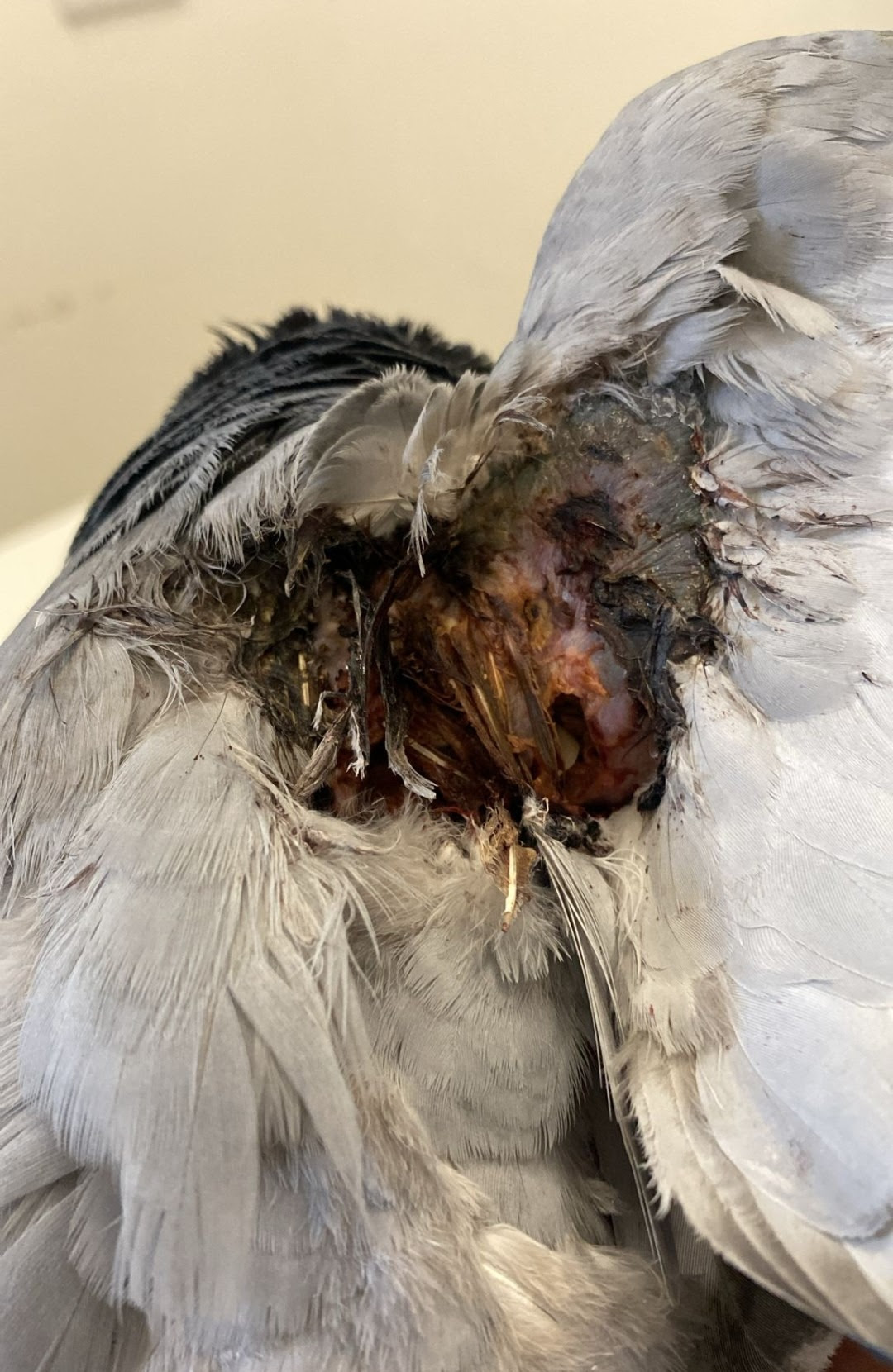
AN APPEAL has been launched after an injured pigeon was found on Charles Street, Milford Haven after being shot through its wing bone with an air gun,
The bird was discovered by a member of the public on April 21 and was taken to All Pets Vet Care.
This incident follows a previous RSPCA appeal as several cats were shot by an air gun in the Hakin area in March. At least one cat died and three were injured.
When examined by a veterinary surgeon, the pigeon was found to have a wound on his left wing, with infection and lots of swelling. A subsequent radiograph showed that a pellet had shattered through its wing bones.
“As a result the pigeons sadly had to be euthanised,” commented Dr Cethin Ravenhill of the All Pets Vet Care. “The RSPCA were informed and as far as I’m aware, this is the only bird we’ve treated with this type of injury “
Meanwhile staff have been asked to radiograph any more injured birds brought in to the veterinary practice.
“I am so shocked and saddened that any individual would shoot an animal with an air gun, as the shot is very unlikely to kill the animal, but just maim and seriously wound them,” added Dr Ravenhill. “This leads to a slow and painful death and significant suffering.
“It’ss very upsetting to think there is someone in the local area doing this to both cats, and sadly pigeons.”
RSPCA Cymru fears other cats and wildlife may have been targeted and is now calling on the community to look out for any suspicious behaviour and report potential offences.
RSPCA Inspector Keith Hogben, who is investigating the incident, said: “We are extremely concerned about reports of a pigeon and cats being deliberately targeted and killed in this way.
“Our hearts go out to the owners and to anyone who has been involved or discovered an animal injured in this way.
“It is always very distressing to think that people may be taking pleasure in causing such horrific injuries to defenceless animals.
“Unfortunately at the moment we only have limited information and so we hope an appeal for information will help with our enquiries.
“We would urge anyone who saw what happened, or who may have any further information, to please get in touch with us as soon as possible. We would also ask parents and carers to speak and educate young people about this.”
Anyone caught deliberately using an air gun to injure an animal can face up to five years in prison and/or an unlimited fine if found guilty under the Animal Welfare Act.
Deliberately injuring or killing wild birds is a criminal offence under the Wildlife and Countryside Act 1981.
Anyone with any information is asked to contact the RSPCA appeals line number on 0300 123 8018 and refer to incident number 01794965.
Every year the RSPCA receives almost 1,000 calls to investigate cases, and help hundreds of animals that are the victims of air gun attacks.
Cats and wildlife are the animals most vulnerable to being shot simply because they are out in the open with no one to protect them. Unfortunately, air rifle attacks are not as rare as the charity would like. The injuries caused by such attacks can be horrific and often fatal.
Keith added: said: “We want to see a world where every kind of animal is treated with compassion and respect, and deliberate and brutal acts of cruelty should be consigned to the past.
“We continue to call for tighter controls on air weapons. This, along with better education and explanation of the law when buying an air gun, and requirements that everyone must receive basic safety training before being allowed to walk out of the shop, could help relieve the problem.”



News18 hours ago
Plaid Cymru projected to lead Senedd as Labour faces historic collapse
Final poll suggests Welsh politics could be on the brink of a major realignment PLAID CYMRU is on course to...

Community1 day ago
Rescue bid planned for lambs stranded below Stack Rocks cliffs
Tree surgeon preparing 150ft descent after live firing delayed rescue attempt A MAJOR rescue operation is being planned this afternoon...


News1 day ago
Bishop’s report reveals major renewal challenge at St Davids Cathedral
Formal Visitation highlights financial, structural, leadership and spiritual pressures at one of Wales’ most important religious sites ST DAVIDS CATHEDRAL...


Crime2 days ago
Farming company fined £19,000 for damaging protected wildlife site
A CARDIGAN farming company has been ordered to pay almost £20,000 after recklessly damaging a Site of Special Scientific Interest....

News2 days ago
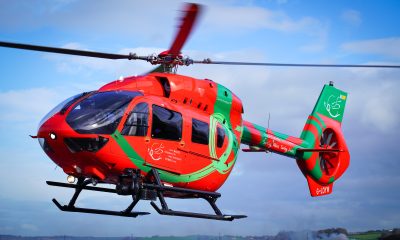
Baby in critical condition after Fishguard emergency
Teenagers arrested as police investigate circumstances A BABY remains in hospital in a critical but stable condition after being taken...


Community3 days ago
Tenby phone signal crisis goes national as businesses warn of summer disruption
TRADERS SAY CARD PAYMENTS, TAXIS AND VISITOR SAFETY ARE BEING HIT BY ‘DEAD ZONE’ COVERAGE TENBY’S long-running mobile phone signal...


News3 days ago
Final poll puts Plaid and Reform level ahead of Senedd vote
Labour faces historic setback as new modelling points to a hung Senedd PLAID CYMRU and Reform UK are projected to...

News4 days ago
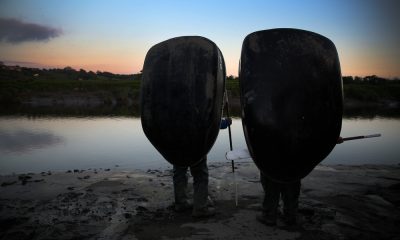
West Wales coracle fishermen raise alarm over suspected sewage pollution
A CENTURIES-old fishing tradition on the River Towy could be under threat after coracle fishermen reported suspected sewage pollution entering...

Community5 days ago
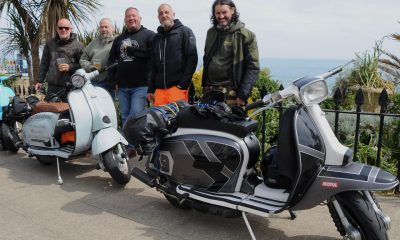
Scooter rally brings colour and nostalgia to Tenby
TENBY is buzzing with the sights and sounds of classic scooters this Bank Holiday weekend as the Welsh National Scooter...


Entertainment5 days ago
Haverfoodfest returns to Haverfordwest town centre today
HAVERFORDWEST town centre is expected to be busy today as Haverfoodfest 2026 returns for a full day of food, drink,...
-
News2 days ago
Baby in critical condition after Fishguard emergency
-

 News1 day ago
Former housing officer admits drink-driving in Pembrokeshire retail park
-
 Crime1 day ago
Job loss threat for convicted Pembrokeshire drug-driver
-
 Crime1 day ago
Milford motorist disqualified for drug-driving
-
 Community7 days ago
Dogs removed after welfare concerns at Milford Haven property
-

 Crime1 day ago
Police tip-off leads to driving ban for Milford motorist
-
 Crime1 day ago
Delivery driver caught twice over legal drink-drive limit
-
 Community1 day ago
Sixth-former firefighter balances schoolwork with saving lives