


Health
Doctors in Wales ready to vote on industrial action over pay


DOCTORS in Wales are on the brink of voting for industrial action over pay disputes. A potential strike would mark the first of its kind over pay issues in the nation.
Last month, after unsuccessful negotiations with the Welsh Government, the British Medical Association (BMA) Cymru Wales opted to ballot over strike action. This dispute represents the first time BMA Cymru Wales has been at odds over pay, with all secondary care doctors and GP trainees being asked to voice their opinion on industrial action.
BMA Cymru Wales entered a formal disagreement with the Welsh Government following the rejection of a “below-inflation” pay proposal. This offer, merely 5% for the 23/24 fiscal year, covered consultants, junior doctors, and SAS doctors. The union has expressed its intent to ballot its secondary care doctor members regarding this offer.
In contrast, junior doctors in England previously went on strike over a 6% pay offer. The English BMA has appealed for a 35% pay hike, targeting compensation rates from 2008. Scotland’s BMA approved an impressive 12.4% pay rise for junior doctors and dentists in training for 2023-2024, leading to a cumulative 17.5% increase over two years when combined with the previous year’s raise.
The Welsh Government voiced their disappointment over the possible strike action, citing limited finances and a need for more funds from the UK Government.

This offer from the Welsh Government lags behind others across the UK, even falling short of the DDRB’s (the pay review body for doctors and dentists) earlier recommendation. Some SAS doctors were offered a paltry 1.5%.
BMA Cymru Wales argued that the Welsh Government’s recent offer failed to address the erosion of pay over years, despite claims of commitment to restoring 2008 pay rates. Since 2009, UK doctors have faced a nearly 29% pay cut in real terms.
Dr. Iona Collins, Chair of BMA Cymru Wales, stressed the severity of the situation, noting that accepting the 5% offer could drive more doctors away from NHS Wales.
She said, “Despite our efforts to highlight the consequences of consistent pay cuts and dire working conditions, the Welsh Government’s best proposal is further erosion.”

The BMA’s Welsh committees highlighted the economic hardships faced by many of its members, especially junior doctors, with some even struggling to pay for basic necessities.
The sentiment among the medical community is unanimous. Newly-elected junior doctor committee co-chairs, Dr. Oba Babs-Osibodu and Dr. Peter Fahey, expressed their dissatisfaction with the decade-long pay cuts and underfunding.
Similarly, senior doctors, as pointed out by the Welsh consultants committee chair Dr. Stephen Kelly, are contemplating early retirement or relocation due to the unsatisfactory offer.

Dr. Ali Nazir, the Welsh SAS committee chair, lamented the government’s negligence towards the sacrifices made by doctors during the Covid-19 pandemic, leading to feelings of demoralisation and burnout among the community.
With the unanimous decision across three BMA committees to ballot members on industrial action, the coming weeks could see a groundbreaking movement if members vote in favour of the national strike.
Meanwhile, GP contract discussions remain separate, with GPC Wales scheduled for negotiations in September.
In response, a Welsh Government spokesperson emphasised the financial constraints they face and their dependence on the UK Government for additional funding. They pledged to continue advocating for adequate funds to ensure equitable pay rises for public sector employees.

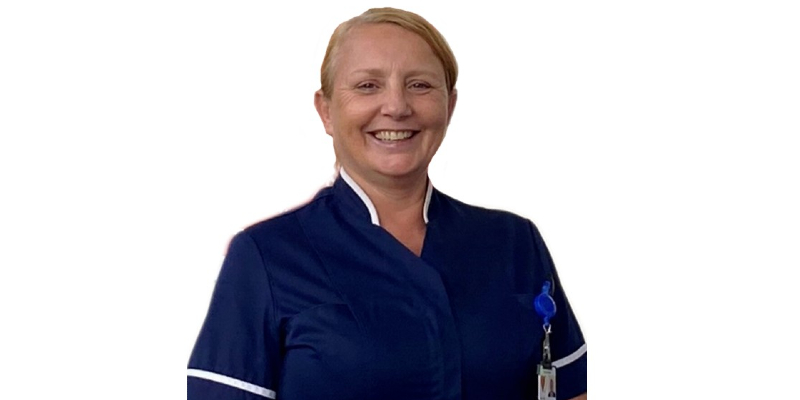
NICOLA WILLIAMS will take up the role in April, bringing more than three decades of experience in nursing and senior leadership.
The Royal College of Nursing (RCN) has announced the appointment of Nicola Williams as its new Executive Director for Wales.
She joins the organisation from Velindre University NHS Trust, where she currently serves as Executive Director for Nursing, Allied Health Professionals and Health Care Scientists. With 38 years of experience in nursing and more than six years at executive board level, she is widely recognised across NHS Wales for her work in improving patient outcomes.
A highly experienced strategic leader, Williams has worked across a wide range of clinical and organisational settings. She has led major transformation programmes, strengthened national clinical leadership networks and championed innovation and evidence-based improvements in care. Her work has contributed to changes adopted across Wales and has been recognised with national awards.
Speaking about her appointment, Nicola Williams said: “I feel privileged to be appointed as Executive Director of RCN Wales. I’m a proud nurse, passionate about patient safety and improving care standards.

“Delivering the best care is only possible when nursing staff are supported to work in safe, inclusive environments. I will stand alongside members and their patients.
“Nursing staff are the backbone of health and care. I am determined to support our members across Wales, wherever they work, to meet the challenges ahead and shape the future of our profession.
“I look forward to meeting members across Wales and ensuring our work is informed by their experiences and expertise.”
In her new role, Williams will lead the RCN’s work in Wales and provide strategic leadership across key priority areas spanning the UK.
She succeeds Helen Whyley, who has held the position since February 2019 and will move into a new role as Director of Service Innovation at the RCN.

HYWEL DDA University Health Board will decide next week whether to make changes to the GP referral pathway for routine adult mental health services permanent.
The decision will be taken at a public Board meeting on Thursday (Mar 26).
Board members will consider a proposal to formalise changes already introduced in Ceredigion and, if approved, roll out the revised pathway across Pembrokeshire and Carmarthenshire.
Since March 2025, adults in Ceredigion seeking routine mental health support have been advised by their GP to contact the NHS 111 Wales ‘Press 2’ service, rather than being referred directly to the county’s Community Mental Health Team.
The temporary change was introduced in response to ongoing staffing shortages. Health Board officials say the approach has helped maintain timely access to face-to-face assessments for those who need them, while directing initial contact through a single access point.
The 111 ‘Press 2’ service provides telephone assessments by local wellbeing practitioners, supervised by registered mental health nurses, offering advice, support and onward referrals where required.
At its November 2025 meeting, the Board agreed to extend the temporary pathway until the end of March 2026. A nine-week engagement exercise followed, running from December 8 to February 9, to gather feedback from patients, professionals and stakeholders on the potential long-term impact.
Andrew Carruthers, Chief Operating Officer at Hywel Dda University Health Board, said: “I would like to thank everyone who took the time to share their views and experiences.
“I would also like to thank West Wales Action for Mental Health for supporting engagement with patients, including those with lived experience, alongside GPs, primary care teams, mental health staff and third sector partners.
“Our priority is to ensure mental health services remain accessible, fair and sustainable. The temporary changes in Ceredigion have shown some positive benefits, and the feedback we have received from across the three counties will play an important role in shaping the Board’s decision.”
The Board will review all evidence and feedback before making a final decision on the future of the adult mental health referral pathway.
GPs will continue to refer patients with urgent or complex needs directly to community mental health teams where appropriate, and have access to a dedicated NHS 111 professional line for additional clinical advice.

Further details, including the full Board papers, are available here:
https://biphdd.gig.cymru/amdanom-ni/eich-bwrdd-iechyd/cyfarfodydd-y-bwrdd-2026/agenda-a-phapuraur-bwrdd-26-mawrth-2026/
The meeting will be streamed live from 9:30am on Thursday (Mar 26) via:
www.youtube.com/hywelddahealthboard1

Local pharmacy reports MenB vaccine shortage amid rising concern
PARENTS and carers across west Wales are being urged to check their children’s vaccination status following recent meningitis cases in the UK.
The warning comes as a local pharmacy has confirmed a shortage of the Meningitis B (MenB) vaccine, highlighting growing pressure on supplies.
Mendus Pharmacy said it currently has no availability of the vaccine due to what it described as a nationwide supply issue.

In a statement, the pharmacy said: “We would like to inform our patients that, due to ongoing supply issues, we currently have no availability of the Meningitis B vaccine.
“Unfortunately, this is a nationwide shortage and all stock is currently unavailable.
“We understand this may be particularly concerning given the recent outbreak reported in Kent, and we completely appreciate the importance of timely vaccination.”
The pharmacy confirmed it is operating a waiting list and will contact patients once supplies return.
Health officials say keeping vaccinations up to date remains one of the most effective ways to prevent serious illness and reduce pressure on NHS services.
Dr Ardiana Gjini, Executive Director of Public Health at Hywel Dda University Health Board, urged parents to act.
She said: “Vaccination is one of the most effective ways we can protect children and young people from serious illness.
“Ensuring your child is fully vaccinated not only safeguards their health but also helps prevent the spread of infections within our communities.
“I strongly encourage all parents and carers to check their child’s vaccination status. If you are concerned that your child may have missed routine vaccinations, please speak to your GP.”
Meningococcal disease is a serious and potentially life-threatening infection that can lead to meningitis or septicaemia. While many people recover, some are left with long-term physical, neurological or psychological complications. Around one in ten cases can be fatal.
Although the disease can affect anyone, babies, young children, teenagers and young adults are at greatest risk.
In Wales, vaccines protecting against meningococcal strains A, B, C, W and Y are offered as part of the NHS immunisation programme. Infants receive the MenB vaccine, while teenagers are offered the MenACWY vaccine.
Latest figures from the Health Board show that uptake among 16-year-olds for the MenACWY vaccine stands at 76.4%, meaning a significant number of young people remain unprotected as they approach adulthood.
For younger children, uptake of the MenB vaccine is higher but still below the recommended 95% target. Around 92.8% of infants are vaccinated by their first birthday, rising slightly to 91.8% by their second.
Health officials say these figures reflect strong engagement from families and primary care teams but stress that continued vigilance is needed.
Families are being advised to check their child’s vaccination record with their GP or by contacting the Health Board directly. Parents should also ensure babies receive their scheduled MenB doses and that teenagers receive their MenACWY and 3-in-1 booster vaccines, which are currently being delivered in schools.
Parents are also urged to remain alert to the symptoms of meningitis and septicaemia and to seek urgent medical advice if they have concerns.
Further information on symptoms is available via NHS 111 Wales.



Entertainment6 hours ago
Tenby steams up in spectacular style as crowds flock to festival
Colourful parade, towering creations and Victorian flair bring town centre to life TENBY was transformed into a vibrant Victorian fantasy...


Crime1 day ago
Publican jailed for six years for supplying cocaine and cannabis
Milford Haven man sentenced at Swansea Crown Court following drug dealing operation A MILFORD HAVEN publican has been jailed for...


Local Government1 day ago
Poverty summit highlights support efforts across Pembrokeshire
A SUMMIT bringing together key organisations from across Pembrokeshire has highlighted both the scale of local poverty and the work...


Education2 days ago
Milford Haven school plans unveiled but funding not yet secured
PLANS for a new £100 million school in Milford Haven have been unveiled, but the project has not yet secured...


News2 days ago
Council unveils plans for new state-of-the-art secondary school in Milford Haven
PEMBROKESHIRE COUNTY COUNCIL has revealed plans for a new state-of-the-art school in Milford Haven, promising modern, inspiring learning spaces for...


Health2 days ago
NHS waiting list falls — but cancer delays and diagnostic backlog worsen
Record progress claimed by Welsh Government as critics warn key targets are still being missed THE NHS in Wales has...


Crime3 days ago
Rapist jailed after ‘abhorrent’ attacks on woman and children
Haverfordwest man told police “women won’t have sex without force” A HAVERFORDWEST man who raped a woman and a young...


News4 days ago
Reform secures first Pembrokeshire councillor in Hakin by-election win
Late Reform candidate takes seat as independent surge and Labour withdrawal shape contest REFORM UK candidate Scott Thorley has won...


News4 days ago
Scott Thorley elected as Pembrokeshire’s first Reform councillor
REFORM UK candidate Scott Thorley has won the Hakin by-election after securing 179 votes. The full result is as follows:...


News4 days ago
Police confirm man has died after being recovered from River Cleddau
Major emergency response in town centre after concerns raised for man in water A MAN has died after being recovered...
-

 News6 days ago
Fishguard linked to allegations in Many Tears Animal Rescue investigation
-

 News4 days ago
Emergency services flood Haverfordwest after reports of person in river
-

 Crime3 days ago
Mother given community order after admitting child cruelty offence
-
Health2 days ago
NHS waiting list falls — but cancer delays and diagnostic backlog worsen
-

 international news6 days ago
UK considers military options as pressure grows to secure Strait of Hormuz
-
 News4 days ago
Senedd votes to ban Greyhound racing in Wales to protect animal welfare
-

 News4 days ago
Senedd vote to ban greyhound racing hailed as ‘landmark moment’ by charities
-

 Crime6 days ago
Man cleared of sexual assault allegation after magistrates rule no case to answer