


News
Junior doctors in Wales to be balloted for industrial action


BMA CYMRU WALES will ballot junior doctors in Wales for strike action from the 6th November.
The decision to open the ballot comes following the Welsh Government’s failure to make any effort to restore junior doctors’ pay, which has left BMA Cymru Wales with no choice but to enter a trade dispute and ballot for strike action.
The ballot which will be open to all BMA junior doctor members in Wales, is set to run for six weeks closing on 18th December and if successful will lead to a 72-hour full walk-out by participating junior doctors in Wales.
Over the last 15 years, junior doctors in Wales have experienced a pay cut of 29.6% in real terms. They received another sub-inflationary pay offer from the Welsh Government this year of 5%, which is below the recommended amount made by the DDRB, and the worst offer in the UK.
The health service is now under extraordinary and unprecedented pressure and BMA Cymru Wales is deeply concerned that ongoing pay erosion will continue to drive doctors out of the profession at a time when the NHS can least stand to lose them, leading to a vicious cycle of crippling staffing shortages and worse patient care. The pressures of the job are so severe that, in a recent GMC survey, two-thirds of trainee doctors said they ‘always’ or ‘often’ felt worn out at the end of a working day.

This situation cannot continue and the strength of feeling among junior doctors is clear. A recent BMA survey showed that 89% of responding junior doctors in Wales would be prepared to take industrial action if doctors’ pay continued to be eroded in Wales.
The co-chairs of the BMA’s Welsh junior doctor committee, Dr Oba Babs-Osibodu and Dr Peter Fahey said:
“The Welsh Government’s failure to value junior doctors and reverse years of pay erosion has forced us to enter a trade dispute.
“Junior doctors are embarking upon their careers shouldering significant student debts and facing increasing financial pressures.
“It is hardly surprising that the latest sub-inflationary offer from Welsh Government has made junior doctors feel angry, unvalued, and unwilling to continue with the current trajectory.
“A junior doctor is not worth up to a third less today than they were in 2008, and yet this is the amount of pay erosion that we are facing. The continued erosion of our pay coupled with the extraordinary pressures now facing the NHS has resulted in a perfect storm.
“Many of our colleagues are questioning whether to remain in the NHS, looking further afield for opportunities where their expertise and dedication are properly valued.

“This is not a decision we have made lightly. No doctor wants to take industrial action, but we have been given no choice. Doctors are already voting with their feet and leaving the NHS”


Health Minister tells Paul Davies MS that decisions remain a matter for Hywel Dda University Health Board
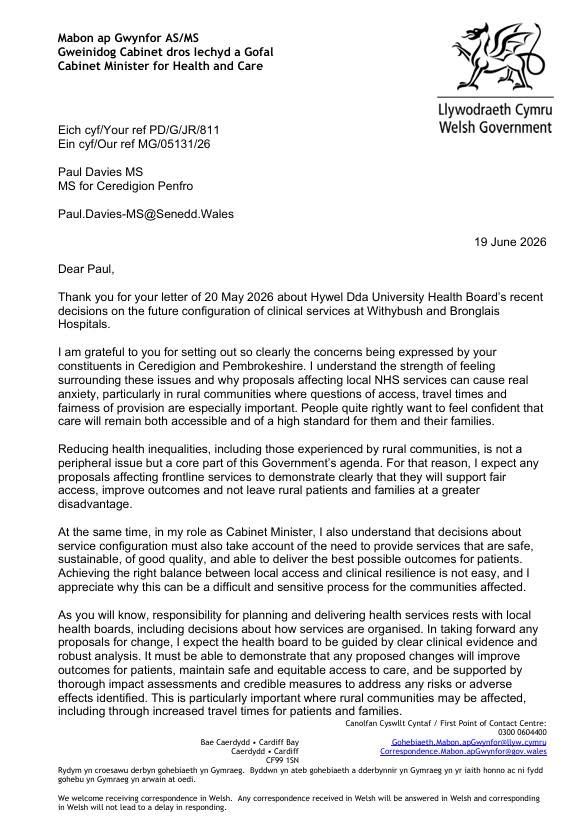
THE WELSH GOVERNMENT has declined to intervene in controversial plans affecting services at Withybush and Bronglais hospitals, prompting fresh criticism from local Senedd Member Paul Davies.
In a letter dated June 19, Health and Care Cabinet Secretary Mabon ap Gwynfor said responsibility for planning and delivering NHS services rests with local health boards and confirmed that Hywel Dda University Health Board should continue its consultation process on proposed service changes.
The response follows concerns raised by Mr Davies on behalf of constituents in Pembrokeshire and Ceredigion over the future configuration of clinical services, including stroke care.
While acknowledging strong public concern about access to healthcare in rural communities, the Minister stopped short of offering any commitment to block or reverse the Health Board’s proposals.
Instead, he stressed that any changes must be supported by robust evidence, maintain patient safety and demonstrate improved outcomes.
The Minister wrote: “Responsibility for planning and delivering health services rests with local health boards, including decisions about how services are organised.”
He added that proposals must improve outcomes for patients, maintain safe and equitable access to care and be supported by thorough impact assessments.
Paul Davies MS described the response as disappointing.
Posting the letter on social media, he said: “This letter tells me that the Welsh Government is not going to stand in the way of the Health Board’s plans.”
He added that he would raise the issue in the Senedd chamber next week and continue pressing ministers to intervene.
The exchange comes as Hywel Dda University Health Board continues a public consultation on proposed changes to stroke services across west Wales.
The consultation, which opened on May 28, is due to run until July 26.

In his response, the Minister stated that anyone suffering a stroke should receive treatment “as quickly as possible in the most appropriate setting” and said the current model of stroke care in Wales must evolve if national standards are to be achieved.
The comments are likely to fuel concern among campaigners opposed to the proposed changes, who fear services could become increasingly centralised and further away from rural communities in Pembrokeshire and Ceredigion.

SCHOOLS across Wales are to receive statutory guidance on restricting pupils’ mobile phone use during the school day, the Welsh Government has announced.
The move follows a consultation and a workforce survey which found strong support for national direction on the issue.
Although most schools already have mobile phone policies, the survey found there was no consistent approach across Wales. It also found that 82% of respondents supported statutory restrictions.
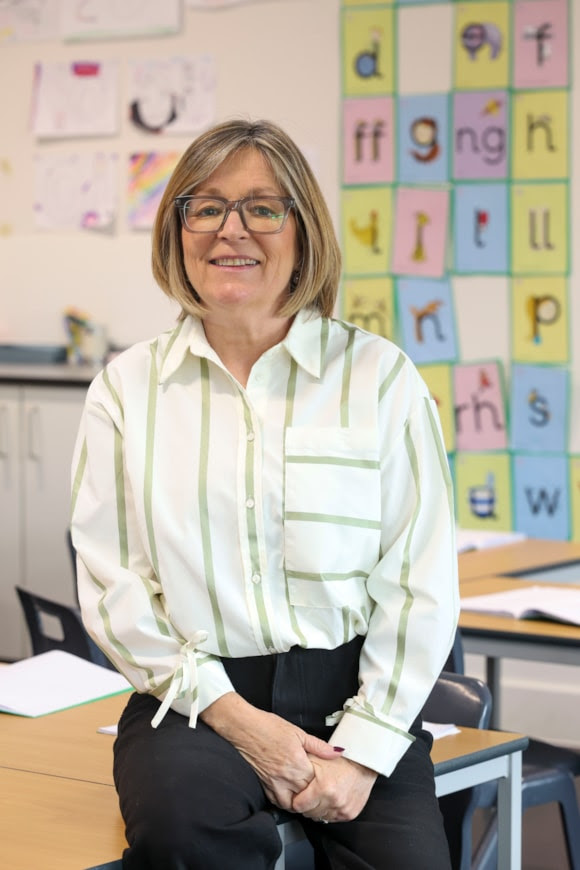
The new guidance for local authorities and schools will set out clearer expectations on how phones should be used during the school day. It will be evaluated over the school year, with ministers leaving open the option of strengthening the rules further if required.
Cabinet Minister for Education and Welsh Language, Anna Brychan said: “Our 100-day plan was clear that we would act, and I have listened to the calls for stronger clarity on this issue.
“This is why the government will publish statutory guidance to provide clear national expectations on how mobile phones are used in schools.
“I want to be clear: as Cabinet Minister, I fully support — and strongly encourage — headteachers to introduce clear and robust restrictions on mobile phone use during the school day, up to and including a full restriction across the school site.
“I am mindful some children will always need exceptions, for medical reasons for example.
“By consulting on guidance at the start of the school year I am giving schools the clarity they want quickly, and creating a safer learning environment by reducing distractions now.”
The Welsh Government said it would also consider the implications of UK Government plans for new restrictions on under-16s’ access to social media.
Ms Brychan said ministers were committed to protecting young people online and would work with school leaders and partners across the education system in Wales as the proposals develop.
The announcement came as the Education Minister set out wider priorities for the sector, including raising standards, strengthening Welsh language provision, improving skills and creating what she described as a system that works for everyone.

The Welsh Government said it would develop a new Foundational Literacy and Numeracy Plan before the end of the summer and review the curriculum.
Other priorities include reducing workload for education staff, expanding Welsh-medium education, ensuring learners have more opportunities to use Welsh beyond the classroom, and reviewing how universities are funded.
Ms Brychan added: “Education is the key to unleashing our nation’s potential and there is no shortage of talent, energy and innovation in Wales.
“If we want to unlock this potential and build a stronger Wales, we need a stronger education system.
“We will raise standards, strengthen the Welsh language, develop skills and build a system that works.
“By working together, we can provide opportunity, ambition and excellence for all learners, in all parts of Wales and support the workforce that makes it possible.
“This Government has made education a priority because the future of Wales depends on it.”

Estyn report highlights strengths in classrooms but says too many pupils face gaps in learning
A NEW report by Wales’ education watchdog has found examples of excellent science teaching across the country but warns that inconsistent provision is preventing many pupils from developing the scientific knowledge and skills they need.
Inspectors from Estyn found strong practice in both primary and secondary schools, with some pupils benefiting from engaging practical experiments, real-world learning opportunities and well-planned lessons that build understanding over time.
However, the report concludes that the quality of science education remains “too variable” across Wales, with weaknesses in curriculum planning, teaching and assessment continuing to affect pupils’ progress.
Inspectors said problems were particularly evident when pupils moved from primary to secondary school, where poor coordination often led to repetition of work, gaps in learning and uneven levels of challenge.
His Majesty’s Chief Inspector, Owen Evans, said science education plays a crucial role in preparing young people for future careers.
“Science plays a vital role in helping young people understand the world around them and preparing them for future study and employment,” he said.
“While we saw encouraging examples of effective practice in schools across Wales, too many pupils experience an inconsistent science curriculum that does not build their knowledge and understanding systematically enough over time.”
The report also highlights ongoing difficulties recruiting and retaining specialist science teachers, particularly in Welsh-medium education.
Growing importance
The findings come at a time when demand for science, technology and engineering skills is increasing across west Wales.
Projects linked to renewable energy, environmental monitoring, advanced manufacturing and the Celtic Freeport are expected to create new opportunities requiring strong STEM (Science, Technology, Engineering and Mathematics) skills over the coming years.
Estyn said schools need to strengthen teachers’ subject knowledge, improve curriculum planning and work more closely together to ensure pupils progress smoothly through their education.
The watchdog also called on local authorities, school improvement services and the Welsh Government to invest further in science-specific professional development and tackle shortages of specialist teachers.

The report was commissioned by the Welsh Government and examined science teaching in primary, secondary and all-age schools across Wales.



Community4 hours ago
The gentle giant behind the tattoos
Pembrokeshire security worker Josh Davies praised for professionalism, kindness and proving first impressions can be wrong JOSH Davies is hard...


Charity1 day ago
Toy Story fans fill charity toy box at Haverfordwest cinema
Donations pour in for SNAP Specialist Play as families embrace Toy Story 5 launch A TOY STORY-themed charity appeal at...


Community1 day ago
Lord Rhys emerges from the mist in St Davids
Giant puppet begins historic journey marking 850 years since the first Eisteddfod MIST swirled around St Davids Cathedral on Friday...


News2 days ago
Tragic tribute paid to Haverfordwest man after A4075 collision
FAMILY REMEMBERS “KIND AND LOVING” CALLUM HANSON THE FAMILY of a 22-year-old man from Haverfordwest who died following a road...


News3 days ago
Motorcyclist, 22, dies in A4075 crash in Pembrokeshire
A 22-year-old woman remains in hospital after two-vehicle collision A MOTORCYCLIST has died following a serious two-vehicle crash on the...


Community3 days ago
Why police will be visiting every home in Pembrokeshire
New operation aims to knock on more than 257,000 doors across Dyfed-Powys over the next three years DYFED-POWYS POLICE has...


Crime3 days ago
Prisons at breaking point: MPs warn Wales is paying the price of a failing system
Frozen healthcare budgets, overcrowded jails, homelessness on release and mounting pressure on staff are undermining rehabilitation across Wales, according to...


News4 days ago
Brexit at 10: How Britain was sold a dream that cost us dearly
A decade after the referendum, the promised benefits remain hard to find while the economic costs are increasingly difficult to...


Crime4 days ago
Worcestershire man jailed after violent attack on woman in Tenby
Defendant was already serving a suspended sentence when serious assault took place A WORCESTERSHIRE man has been jailed for more...


Climate4 days ago
Offshore wind ‘could bring new generation of jobs to Milford Haven’
Pembrokeshire ports and Celtic Sea projects placed at centre of Wales’ green energy ambitions MILFORD HAVEN and Pembroke Dock could...
-

 Crime3 days ago
Milford Haven man jailed for breaching domestic violence protection order
-

 Local Government5 days ago
Security privately arranged by Mayor at Beating of the Bounds
-

 News3 days ago
Crash on Freeman’s Way causes school-run chaos across Haverfordwest
-

 Crime5 days ago
Man wanted by court after failing to attend hearing over alleged shop thefts
-
 Crime5 days ago
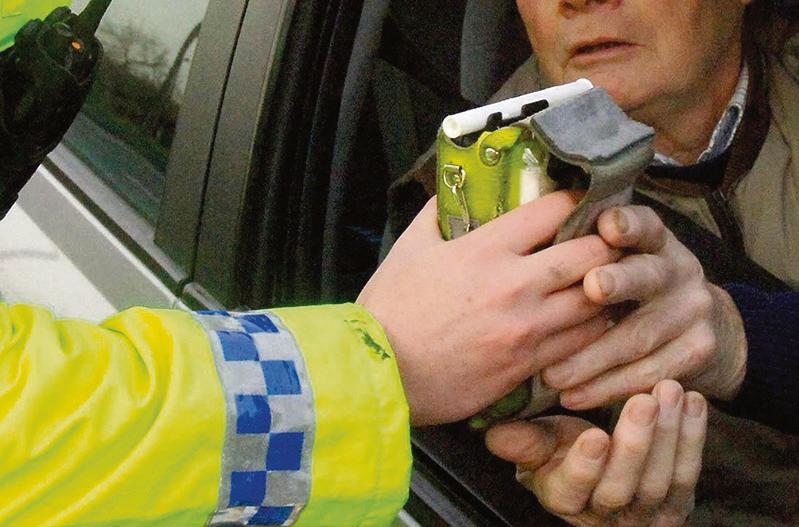
Man banned from roads after drink-driving offence
-

 Crime5 days ago
Man jailed after admitting strangulation and assaults
-

 Crime5 days ago
Drug trafficker must repay £33,000 after court rules he made nearly £500,000
-

 Crime5 days ago
Man sentenced over stalking campaign and lock knife offence