


News
New Welsh recycling regulations could cost businesses thousands


IN AN AMBITIUOS move to further the country’s commitment to sustainability, the Welsh government has announced drastic new workplace recycling laws.
Set to take effect from 6 April 2024, the legislation mandates all businesses, charities, and public sector organisations to sort their waste for recycling. The first of its kind in the region, it has been introduced in an attempt to boost the quality and quantity of recycling in Wales.
However, some recycling and waste experts believe the changes come with real practical issues that have either been dismissed or not considered.
“When this policy comes into force, no businesses will be allowed to have a mixed recycling bin or collection”, Paul Jackson, waste expert and Director at NRC explains. “This is despite the fact that most recycling facilities in the commercial sector were designed to treat this type of waste. Many will now have to spend more in investments to manage these new single waste streams.”
Jackson adds, “Adapting to these new regulations could cost operators thousands of pounds, all of which will inevitably have to be passed back to the customer.”

It’s not just recycling facilities that will have to invest money to meet the new laws. All collection contractors will also have to invest thousands to help their customers meet the regulations. NRC has already begun helping their customers adjust their services.
“In nearly all cases”, Jackson explains, “the changes have required new containers to be ordered, services to be amended, staff to be trained and space to be found for extra bins.”
Over 90% of the businesses NRC supports in Wales have mixed recycling collections.
Jackson explains, “This waste is already recycled today; the changes will not have a drastic impact.”
In a preliminary cost of change analysis, NRC has found that hospitality businesses will experience a 5% increase in costs and 3% increase in recycling, while small retailers will have an 8% increase in recycling for a 23% increase in cost.
“With extra bins comes extra collections and an additional, ongoing expense”, Jackson adds.
“That’s in addition to unknown costs for the reduced productivity and slow moving containers that will emerge from customers who do not produce sufficient volumes of some materials to support regular collection.”

Jackson feels that some real practicalities have not been considered. “Any customers with limited room for containers are now required to magic up some space for additional containers.”
He explains, “Part of the sector provides ad hoc services to customers that require a one off clearance using a van service or skips. In recent discussions with NRW, they have confirmed that these situations will still require the customer to meet the new laws, and therefore have several van collections or several skips for the different materials.
“In effect, this will triple or quadruple collection costs, regardless of the practical impossibilities of having multiple skips or van collections at their collection locations. As this is not practically or commercially viable, customers could be left with massive increases in ad hoc collection costs, and the ad hoc waste clearance sector could potentially be severely damaged.
“We understand and fully support the need for wider recycling efforts”, Jackson concludes. “But these new regulations raise the questions of: ‘Who will carry the burden of cost’, and ‘How will this affect Welsh businesses in the long run?’”


All passengers rescued as emergency services remain at scene
A BUS overturned on the A484 between Kidwelly and Ferryside on Tuesday (Jun 23), prompting a major emergency response and lengthy road closures.
The incident happened shortly after 12:20pm near the Kidwelly roundabout at Parc y Bocs.
Emergency services, including firefighters from Kidwelly, Carmarthen and Tumble, were sent to the scene following reports of a serious collision involving the bus.
Mid and West Wales Fire and Rescue Service confirmed that all passengers were safely removed from the vehicle.
A spokesperson said: “All passengers have been safely removed from the bus and are receiving appropriate care.”
A rest centre has been established at the John Burns Centre in Kidwelly, where welfare arrangements are being made for those involved.
The scale of the incident led Dyfed-Powys Police to declare a major incident earlier in the day, with officers urging members of the public to avoid the area.
The A484 remains closed between the Kidwelly roundabout at Parc y Bocs and Llandyfaelog while emergency services continue their response and carry out investigations into the cause of the crash.
Police, ambulance and fire crews remain at the scene.
Motorists are being advised to find alternative routes and are warned that the road is expected to remain closed for a considerable time.
Emergency services have also issued advice for drivers caught in congestion during the hot weather, urging people to stay hydrated, keep vehicles ventilated and never leave children, vulnerable adults or pets inside parked vehicles.
The cause of the incident has not yet been confirmed.

The Herald will provide further updates as more information becomes available.
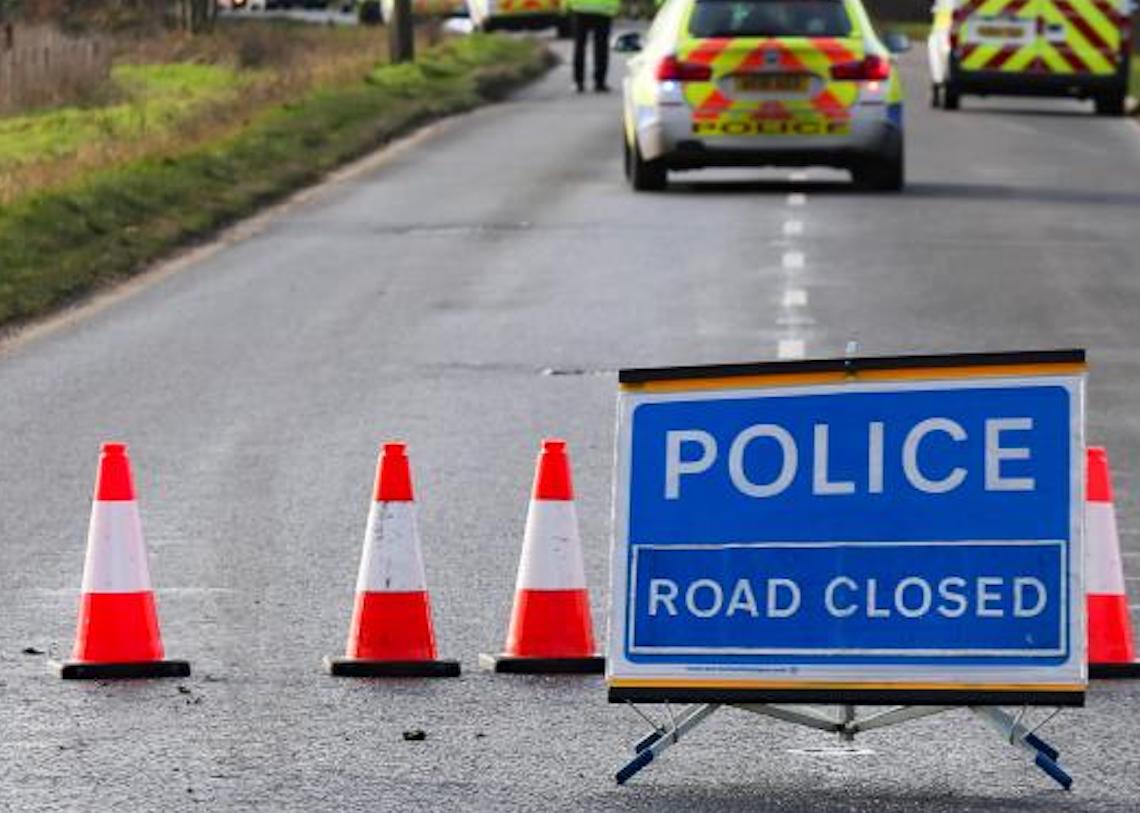
Emergency services at scene as A484 closed near Parc y Bocs
A MAJOR incident has been declared in Kidwelly following a collision involving a bus.
Dyfed-Powys Police said officers were dealing with the incident on the A484 near the Kidwelly roundabout at Parc y Bocs.
The road has been closed between the Kidwelly roundabout and Llandyfaelog, and motorists are being urged to find alternative routes.
Emergency services are at the scene, and members of the public have been asked to stay away from the area until further notice.
A Dyfed-Powys Police spokesperson said: “Officers are dealing with a major incident in Kidwelly, following a report of a collision involving a bus on the A484 near the Kidwelly roundabout.
“The road is closed between the Kidwelly roundabout at Parc y Bocs and Llandyfaelog, and motorists are asked to find alternative routes.
“Emergency services are on scene and members of the public are asked to stay away from the area until further notice.”
More information is expected to follow.
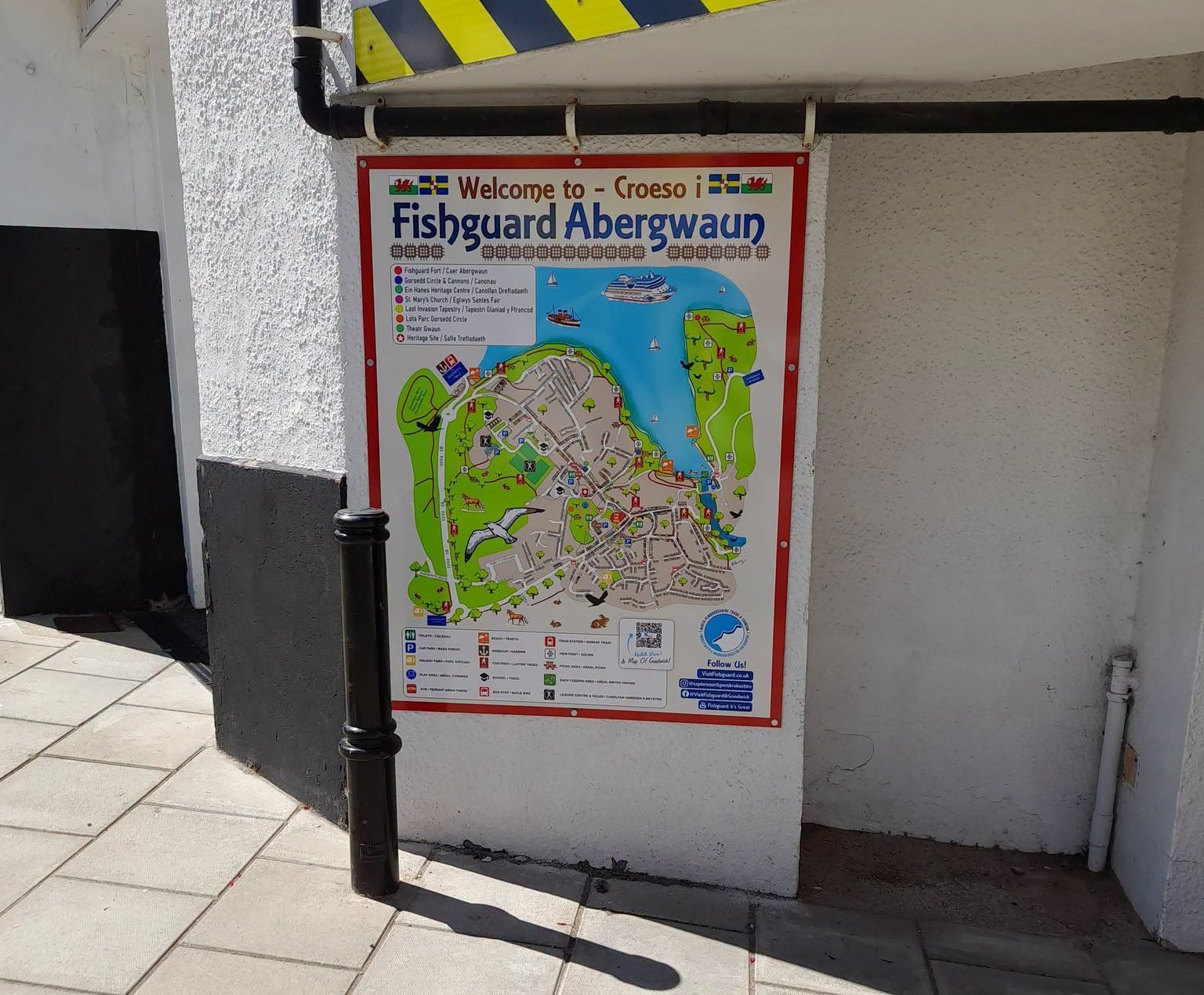
A NEW town map has been installed in the heart of Fishguard to help residents and visitors discover more of what the area has to offer.
The map, created by Visit Fishguard & Goodwick’s in-house graphic designer, has been placed on the Abergwaun Hotel tunnel, near Offshore Surfwear’s new shop.
The group said it was “incredibly proud” of the finished result and thanked the building owner for allowing the map to be installed on the premises.
Visit Fishguard & Goodwick is now hoping to create a similar map for Goodwick and is asking for help from a centrally located building owner who may be willing to host it.
Anyone who can help, or knows of a suitable location, is being asked to get in touch with Visit Fishguard & Goodwick.



News1 hour ago
Bus overturns in major incident near Kidwelly
All passengers rescued as emergency services remain at scene A BUS overturned on the A484 between Kidwelly and Ferryside on...


Community23 hours ago
Tenby Summer Spectacular cancelled amid council row over harbour access
Organisers say popular charity events cannot safely go ahead without clear powers to control crowds TENBY ROUND TABLE has announced...


News1 day ago
Motorcyclist dies after four-vehicle crash on A40 in Carmarthenshire
A MOTORCYCLIST has died following a four-vehicle collision on the A40 between St Clears and Whitland. Dyfed-Powys Police said the...


News1 day ago
Rhun ap Iorwerth urges new deal for Wales after Starmer quits
First Minister says next Prime Minister must focus on greater powers, fair funding and respect for Wales’ democratic mandate FIRST...


News1 day ago
How Labour’s landslide victory unravelled in just two years
Prime Minister announces resignation after losing support within his own party as Andy Burnham emerges as overwhelming favourite to take...


News2 days ago
Long Course Weekend set to bring thousands to Pembrokeshire
Three days of swimming, cycling and running will once again transform Tenby into one of the UK’s biggest endurance sporting...


Community2 days ago
The gentle giant behind the tattoos
Pembrokeshire security worker Josh Davies praised for professionalism, kindness and proving first impressions can be wrong JOSH Davies is hard...


Charity3 days ago
Toy Story fans fill charity toy box at Haverfordwest cinema
Donations pour in for SNAP Specialist Play as families embrace Toy Story 5 launch A TOY STORY-themed charity appeal at...


Community3 days ago
Lord Rhys emerges from the mist in St Davids
Giant puppet begins historic journey marking 850 years since the first Eisteddfod MIST swirled around St Davids Cathedral on Friday...


News4 days ago
Tragic tribute paid to Haverfordwest man after A4075 collision
FAMILY REMEMBERS “KIND AND LOVING” CALLUM HANSON THE FAMILY of a 22-year-old man from Haverfordwest who died following a road...
-

 Crime5 days ago
Milford Haven man jailed for breaching domestic violence protection order
-

 News5 days ago
Crash on Freeman’s Way causes school-run chaos across Haverfordwest
-

 Crime7 days ago
Man wanted by court after failing to attend hearing over alleged shop thefts
-
 Crime7 days ago
Man banned from roads after drink-driving offence
-

 Crime7 days ago
Man jailed after admitting strangulation and assaults
-

 Crime7 days ago
Drug trafficker must repay £33,000 after court rules he made nearly £500,000
-

 Crime7 days ago
Man sentenced over stalking campaign and lock knife offence
-

 Crime7 days ago
Woman admits assaults on police officers during incident in Haverfordwest