


Crime
Domestic abuse victims explains difficulty leaving abusive partner


A WOMAN who suffered years of emotional control and physical assaults at the hands of her partner has opened up about the difficulty of leaving an abusive relationship.
While it can be easy for those on the outside to ask ‘why don’t you just leave’, there are often fears around housing, money, or the impact leaving might have on children. And as Jess explains, someone who has been abused might still have a form of connection with their abuser, or has been manipulated into thinking they have changed.
Jess has spoken out about three years of emotional and physical abuse as part of Dyfed-Powys Police’s winter campaign, which aims to empower those living with domestic abuse, stalking or harassment to report incidents and find support.
When Jess started a relationship with her ex-partner, she admits there were early – if subtle – signs of abusive behaviour, which stemmed from his jealousy. While friends picked up on these behaviours, Jess would be told by her partner that they were ‘interfering’.
“He always convinced me that he was just emotional due to the strength of his feelings for me and that he obviously didn’t mean the nastier things he said under the influence of alcohol,” she said.

“My friends tried to tell me the relationship could have been considered abusive, but I was deeply in denial.”
Over time, the abuse Jess faced escalated. She was called derogatory names, emotionally controlled, and was repeatedly accused of being unfaithful. If she spent time away from home, her partner wanted constant contact.
“Time spent with friends would always result in abuse when I went back home, so there were times when I decided that it wasn’t worth it,” she said.
“He would constantly question me on what I was doing and my feelings towards him, he went through my phone behind my back, read my diary and would use entries from the past against me.

“For some months, despite his emotionally abusive behaviour, I always believed he would never physically hurt me.”
The emotional abuse did lead to physical assaults, however, and Jess was subject to attacks and threats. Following one incident she took the brave step in calling Dyfed-Powys Police after fleeing with her phone.
“For once I had physical evidence in the form of a cut, so I thought I would be taken more seriously, rather than it being just his word against mine,” she said. “Until then I had always felt as though anything within my relationship was my own mess to sort out.”

Jess learned that she had been the victim of domestic abuse in the form of controlling and coercive behaviour for two years.
“I was surprised when the police said I’d described one of the more serious situations of domestic abuse they’d ever encountered, based on just how much I’d come to accept as normal,” she said.
“Up to this point I had felt embarrassed for involving the police and assumed they’d dismiss it because I didn’t have serious physical injuries.”
Jess’s abuser was arrested and charged with assault.
Despite this, she was manipulated into restarting their relationship a few short months later, with promises that he had changed. However, she suffered another year of abuse before calling it off once more.
While they are now separated, and Jess knows he poses a danger to her, she fears she might never be free from him.
“I feel massively emotionally affected and traumatised by our time together,” she said.
“He’s still contacting me on a daily basis trying to win me back. I’d rather have no contact with him at all, but he keeps talking me round to it. I respond to this because part of me has been conditioned to please him to avoid the abuse.
“Sometimes I fear I will never truly escape him – and that my remaining friends will abandon me to this fate.”
While Jess appreciates how difficult it is to speak out, she hopes that reading her story might be the push someone needs to seek help.
“I always liked to think of myself as a strong, intelligent, independent woman and never imagined I would find myself in this sort of situation, but it really can happen to anyone,” she said.
“It’s not your fault. The only person who should feel shame in an abusive relationship is the abuser.”
If any of Jess’s story resonates with you, or you need to report domestic abuse, stalking or harassment, you can contact Dyfed-Powys Police in the following ways:
Report online: https://bit.ly/DPPContactOnline
Email: [email protected]
Call: 101
If you are deaf, hard of hearing, or speech impaired text the non-emergency number on 07811 311 908
In an emergency, always call 999.
If you feel you need support in contacting police, there are organisations that can help you. Click here to find them, or search online for Live Fear Free, Women’s Aid or the National Stalking Helpline – all of which have free helplines available.

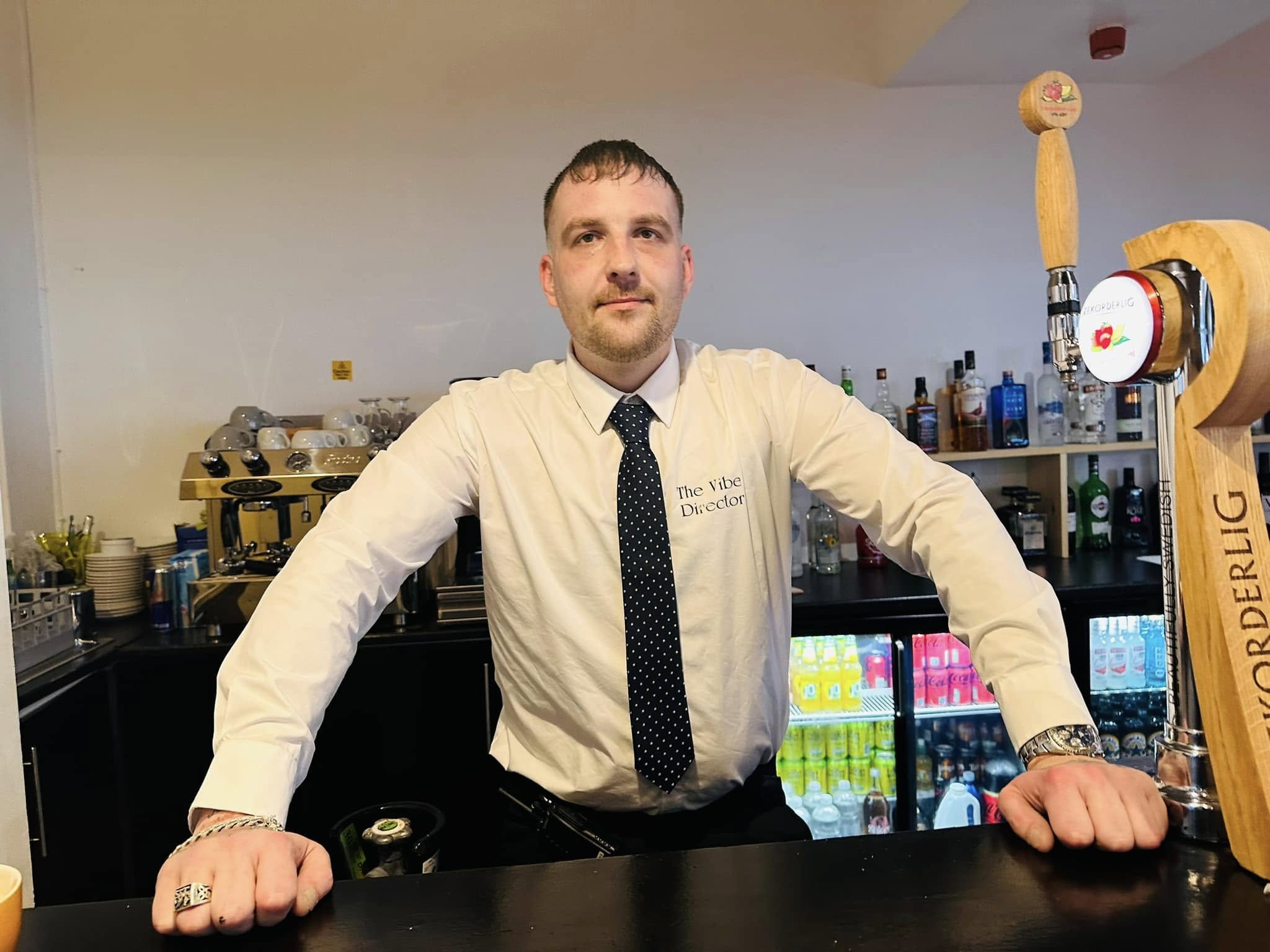
Dealer who claimed £160,000 profits was later calling police for protection as threats escalated over money he owed to his suppliers
A MILFORD HAVEN drug dealer who bragged he had “the best coke out there” and claimed to have made up to £160,000 in just four months has been jailed for six years.
But behind the image of a confident, high-earning operator, the reality was starkly different — a man in debt, under threat, and repeatedly calling police for protection as his world closed in.
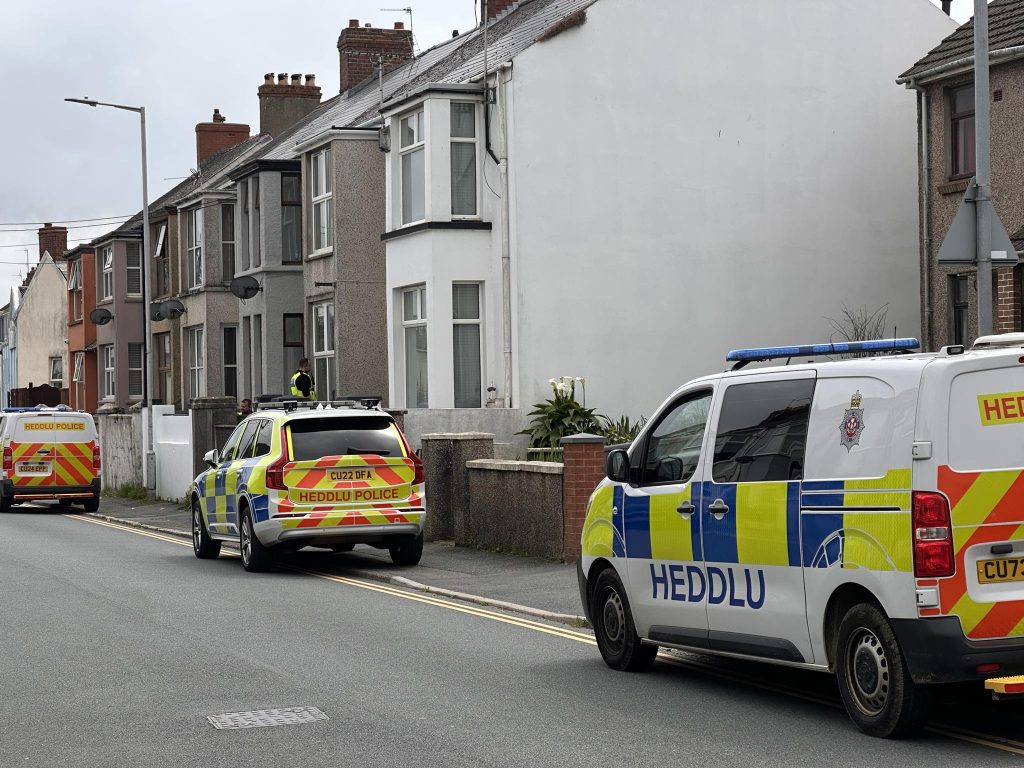
The 35-year-old defendant admitted multiple offences relating to the supply of cocaine and cannabis when he appeared before Swansea Crown Court.
The court heard he played a significant role in the supply of Class A and Class B drugs, purchasing large quantities — including claims he was buying cocaine by the kilogram — and maintaining contact with upstream suppliers.
In messages shown to the court, he boasted about his profits, claiming to have made £38,000 and suggesting that far larger sums were within reach. He also claimed to have earned £160,000 in just four months and said he had bought two houses.
He told customers he had “the best coke out there” and responded aggressively to complaints, stating: “Out of £30,000 worth, you’re the only one to complain,” before adding: “Bad mouthing me is a bad idea you little slag.”
Violence and intimidation
The court was also shown chilling footage of a confrontation at a property on the Mount Estate, where the defendant was heard directing violence over a debt.
In the video, he shouted: “I got boys, yeah, I got boys,” before telling others to “kick his head in” as the attack unfolded inside the victim’s home.
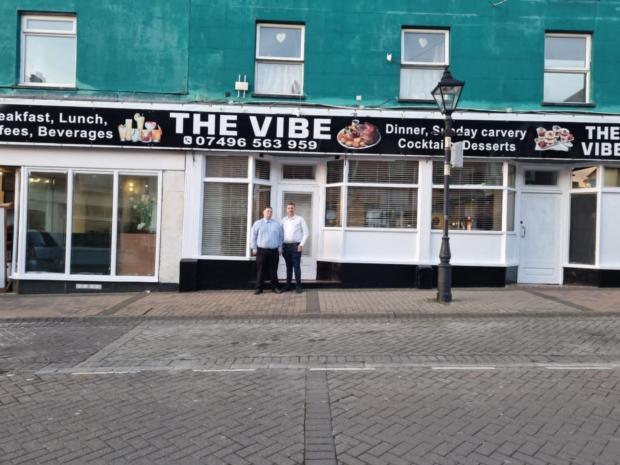
Witnesses described him as having become a “kingpin” in Milford Haven’s drug scene, operating from The Vibe public house, which they claimed was used as both a legitimate business front and a base linked to drug dealing.
Fear behind the façade
Yet the court heard that behind the bravado, the defendant was living in fear.
He had accumulated drug debts estimated at between £18,000 and £26,000 and was being threatened by those higher up the supply chain. His partner reported people turning up at their home, with threats including claims it would be bombed or burned down.
The Herald attended his home address on multiple occasions to report on police activity after he called officers for protection.

In a direct call to this newspaper during the period, he said: “There are threats to my life — people want me dead, dead. I don’t want this in the paper. It’s over money… hundreds of thousands of pounds.”
Documents reveal further pressure
The Herald can also reveal that the defendant was served with a statutory demand in late 2025 over an alleged unpaid debt relating to stock, fixtures and fittings following his takeover of The Vibe public house in March 2024.
Documents seen by this newspaper indicate the financial pressures he was under extended beyond drug debts.
National attention
The case has already drawn national interest, with Channel 4 making a documentary featuring the defendant after interviewing local people in Milford Haven over recent months.
‘Significant role’ in drug trade
Police arrested the defendant on January 5 last year on suspicion of being concerned in the supply of Class A drugs. A search of an address on Priory Road uncovered 18 grams of cannabis, while a separate incident involving a vehicle led to the discovery of 73 grams of cocaine and cannabis.
Prosecutors said he was actively involved in the supply of drugs and purchasing large quantities, describing him as a key player in the local trade.
He has 57 previous convictions, mostly for theft-related offences.
‘Only a custodial sentence’
Defending, Mr Ibrihim described his client’s background as a “tale of woe,” telling the court his father was addicted to heroin and his mother struggled with alcohol. His younger sister died in 2022.
The court heard he had gone “off the rails” in his late teens and that his drug dealing was linked to debts, including those connected to his father. It was also said that many of his claims about wealth were exaggerated and amounted to “bravado”.
Sentencing, the judge said: “The seriousness of this offending means that only an immediate custodial sentence is appropriate.
“You played a significant role in drug dealing. What is clear is that you were dealing with a lot of cocaine.
“I have no doubt that some of what you did was due to pressure, but some of it was for your own gain.”
The judge added that despite the defendant’s claims of wealth, “you haven’t got hardly anything left”.
For the supply of cocaine, he was sentenced to six years in prison, with a concurrent sentence of 30 months for supplying cannabis.
He will serve at least half the sentence in custody before being eligible for release.
A victim surcharge of £228 was also imposed.

National scheme aims to support hundreds of victims of modern slavery across the UK
MORE than 600 adult survivors of modern slavery are set to receive dedicated support through a new national pilot scheme providing accredited, independent advocates.
The initiative will see specially trained professionals working directly alongside survivors of human trafficking and exploitation, helping them navigate complex legal, social, and recovery processes.
While survivors of crimes such as domestic and sexual abuse already have access to specialist advocacy, no equivalent provision previously existed for victims of modern slavery—despite the often severe and long-term trauma they experience.
Over the next three years, 24 Independent Modern Slavery Advocates (IMSAs) will be deployed across the UK. Each advocate will complete a postgraduate qualification and receive support from a central hub hosted by anti-trafficking charity Hope for Justice.
Tim Nelson, CEO at Hope for Justice, said the pilot aims to tackle inequalities in support: “We want to end the postcode lottery that adult survivors of modern slavery and human trafficking are experiencing in the UK.
“There are many organisations already doing incredible work, but by working together and setting new standards, we can give survivors the best possible chance of rebuilding their lives.”
The scheme is backed by a £1 million National Lottery grant and involves several organisations, including Unseen UK, Medaille Trust, Bawso, SOHTIS, Hope for Justice, and the Snowdrop Project.
Since the pilot began six months ago, advocates have already supported 121 survivors, helping to secure housing, legal recognition, and access to vital services.
Key outcomes so far include:

Ten survivors provided with safe and secure housing
Seventeen Home Office decisions successfully challenged, granting victims access to support
Humanitarian protection secured for a young adult survivor
Advocates have also helped individuals access healthcare, mental health support, education, employment, and secure immigration status.
One survivor described the support as “life changing” after escaping a trafficker. In a letter to her advocate, she said: “You have fought our corner tirelessly when I did not have the strength. You stood beside us every step of the way.

“You helped me rebuild trust, believe in myself, and slowly find my voice again.”
The IMSA role aligns with international guidance on independent advocacy and has been shaped by experts and those with lived experience.
Louise Mensah, Head of Frontline at Unseen, said: “This pilot is a step towards a world without slavery. We are proud to be part of something that will improve outcomes and change futures.”
Ben Ryan, Deputy CEO at Medaille Trust, added: “We know the value of long-term support in recovery. This partnership allows us to embed best practice and develop new approaches.”
Organisations wishing to join the final phase of the pilot have until May 2026 to apply.
Further information is available at www.hopeforjustice.org/imsa/
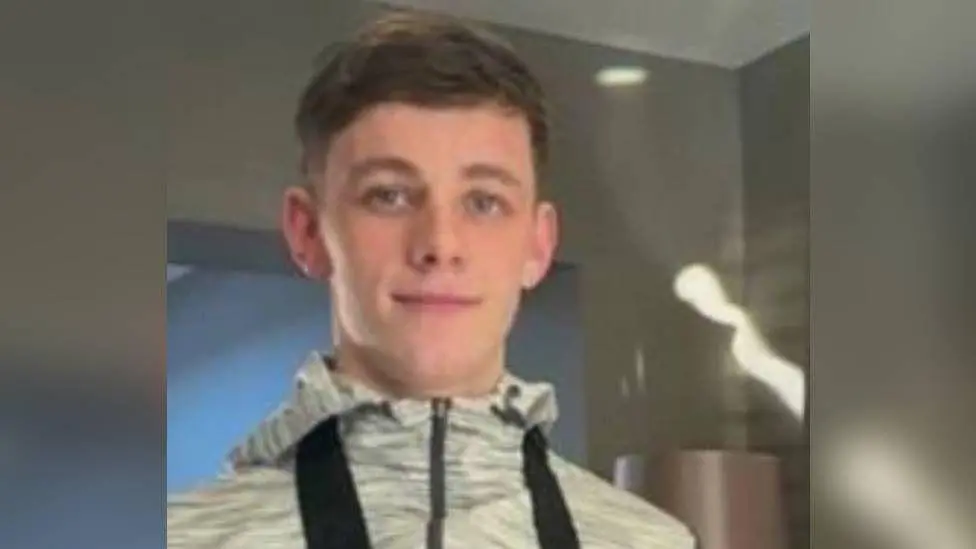
FOUR people have pleaded not guilty to the murder of a 17-year-old boy.
Ricardo Elliot, aged 27, Connor Palfrey, aged 24, Elexi Manny, aged 24, and Georgie Mears, aged 18, appeared before Merthyr Tydfil Crown Court on Friday (March 20), where each denied killing Tristan Shae Kerr.
Emergency services were called to a property in Abertridwr, Caerphilly, at around 5:45pm on Wednesday (Feb 5) following reports that a teenage boy had suffered serious injuries. Despite efforts, Tristan was pronounced dead at the scene.
The court heard that the teenager is alleged to have been attacked with a so-called “zombie knife” measuring approximately nine to ten inches in length.
During the hearing, the four defendants spoke only to confirm their personal details and enter their pleas.

A trial is due to begin on August 3 and is expected to last around six weeks. A further pre-trial review has been scheduled for July 24.
All four defendants were remanded in custody.
Paying tribute after his death, Tristan’s family described him as a “deeply loved son, grandson, nephew, cousin and friend.”
They said he was quick-witted, with a love for motorbikes and adventure, adding that he had a natural energy that lit up every room and drew people towards him.



Entertainment11 hours ago
Tenby steams up in spectacular style as crowds flock to festival
Colourful parade, towering creations and Victorian flair bring town centre to life TENBY was transformed into a vibrant Victorian fantasy...

Crime2 days ago
Publican jailed for six years for supplying cocaine and cannabis
Milford Haven man sentenced at Swansea Crown Court following drug dealing operation A MILFORD HAVEN publican has been jailed for...

Local Government2 days ago
Poverty summit highlights support efforts across Pembrokeshire
A SUMMIT bringing together key organisations from across Pembrokeshire has highlighted both the scale of local poverty and the work...

Education2 days ago
Milford Haven school plans unveiled but funding not yet secured
PLANS for a new £100 million school in Milford Haven have been unveiled, but the project has not yet secured...


News3 days ago
Council unveils plans for new state-of-the-art secondary school in Milford Haven
PEMBROKESHIRE COUNTY COUNCIL has revealed plans for a new state-of-the-art school in Milford Haven, promising modern, inspiring learning spaces for...


Health3 days ago
NHS waiting list falls — but cancer delays and diagnostic backlog worsen
Record progress claimed by Welsh Government as critics warn key targets are still being missed THE NHS in Wales has...


Crime4 days ago
Rapist jailed after ‘abhorrent’ attacks on woman and children
Haverfordwest man told police “women won’t have sex without force” A HAVERFORDWEST man who raped a woman and a young...


News4 days ago
Reform secures first Pembrokeshire councillor in Hakin by-election win
Late Reform candidate takes seat as independent surge and Labour withdrawal shape contest REFORM UK candidate Scott Thorley has won...

News4 days ago
Scott Thorley elected as Pembrokeshire’s first Reform councillor
REFORM UK candidate Scott Thorley has won the Hakin by-election after securing 179 votes. The full result is as follows:...


News4 days ago
Police confirm man has died after being recovered from River Cleddau
Major emergency response in town centre after concerns raised for man in water A MAN has died after being recovered...
-

 News7 days ago
Fishguard linked to allegations in Many Tears Animal Rescue investigation
-

 News5 days ago
Emergency services flood Haverfordwest after reports of person in river
-

 Crime3 days ago
Mother given community order after admitting child cruelty offence
-
Health3 days ago
NHS waiting list falls — but cancer delays and diagnostic backlog worsen
-

 News4 days ago
Senedd vote to ban greyhound racing hailed as ‘landmark moment’ by charities
-

 international news7 days ago
UK considers military options as pressure grows to secure Strait of Hormuz
-
 News4 days ago
Senedd votes to ban Greyhound racing in Wales to protect animal welfare
-

 Crime6 days ago
Man cleared of sexual assault allegation after magistrates rule no case to answer