


Health
The pest that could point to problems with damp

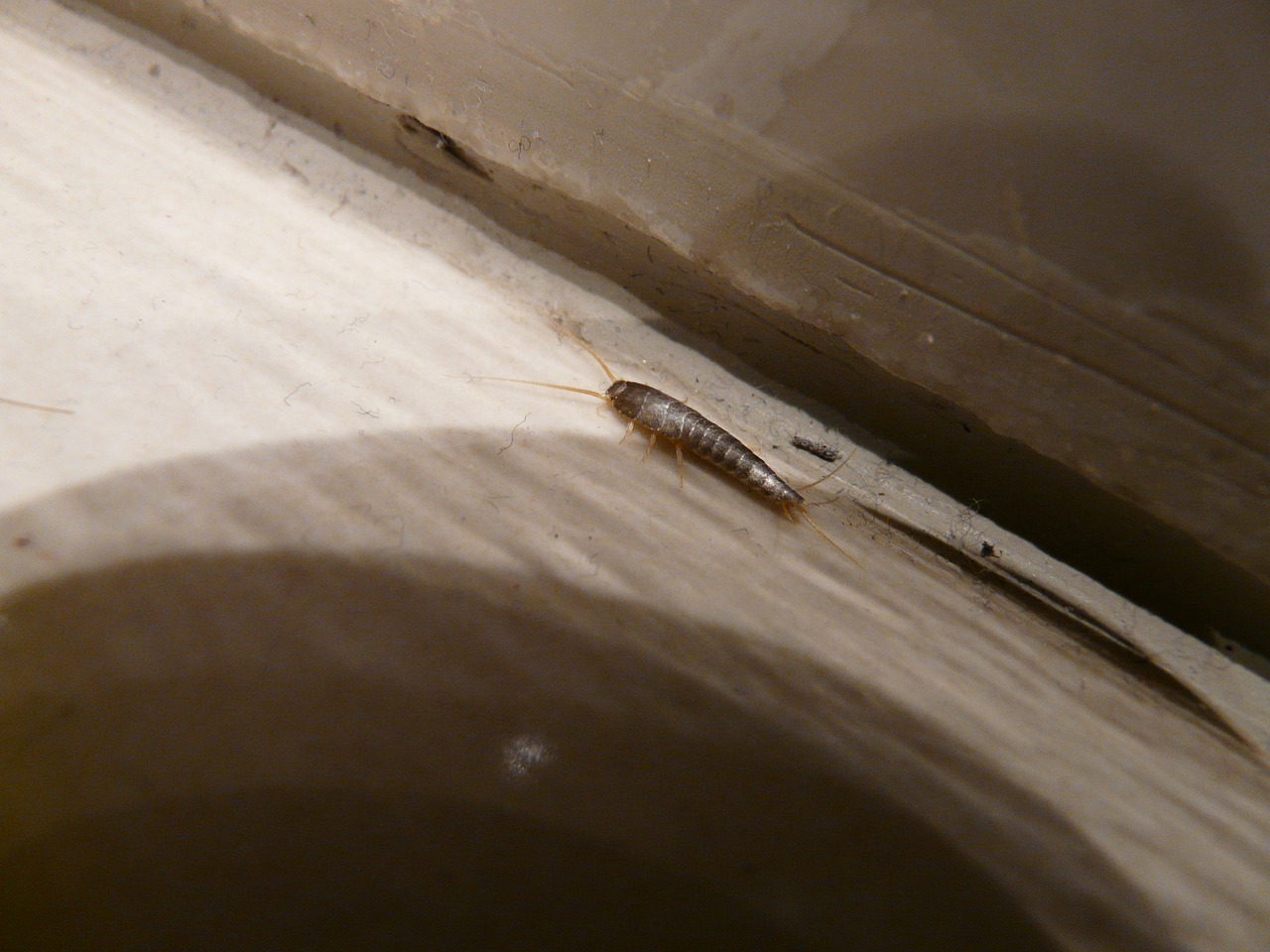
A HARMLESS pest could indicate damp problems in the home that may need attention, according to pest experts at a national trade body.
British Pest Control Association (BPCA) says Silverfish don’t bite or spread diseases to people, but they can damage wallpaper and could be a sign of damp inside the property.
Silverfish are often first spotted when they become trapped in baths, basins and sinks in the bathroom or kitchen.
John Horsley, Technical Support Officer at BPCA said: “Silverfish are nocturnal in habit, so it’s possible that householders won’t know about an infestation until they discover a Silverfish that has become trapped somewhere it can’t climb out of.
“They are carrot-shaped insects, around 12mm long and feed on residues of starchy substances such as glue, wallpaper paste and carbohydrate food debris.

“They thrive in damp environments, so can become more active in winter when colder weather can cause condensation inside some homes, but an infestation of Silverfish could be an indicator of persistent damp conditions that may need attention.”
Adult Silverfish can live for more than three years. Eggs are laid in cracks and crevices and the nymphs grow by an indefinite number of moults.
If a serious infestation is identified, BPCA recommends seeking professional help and advice to tackle the problem.
John added: “The first step is to use an insect monitor to check the extent of the infestation in your property. In small infestations, these monitors may be enough to control the silverfish while the damp issue is resolved.

“However, to prevent future infestations – and avoid issues with mould – it’s important that any persistent dampness is also corrected.
“For heavy infestations an insecticide labelled ‘for the control of Silverfish’ could be used directly onto the insect and into the harbourage area – however, BPCA strongly recommends anyone using pesticides MUST ensure the product is legal, suitable for the job and applied exactly in accordance with the instructions on the label.
“If in any doubt, or if the infestation appears to be severe, contact a pest professional such as a BPCA member.”

A BPCA member company will have the technical knowledge and experience to apply products in an efficient manner while minimising risk to the environment and non-target species.
BPCA members:
- Carry the correct insurances
- Are trained and qualified technicians
- Are assessed to the British Standard in pest management EN 16636
- Follow BPCA’s Codes of Best Practice.
- To find a BPCA member visit: bpca.org.uk/find.


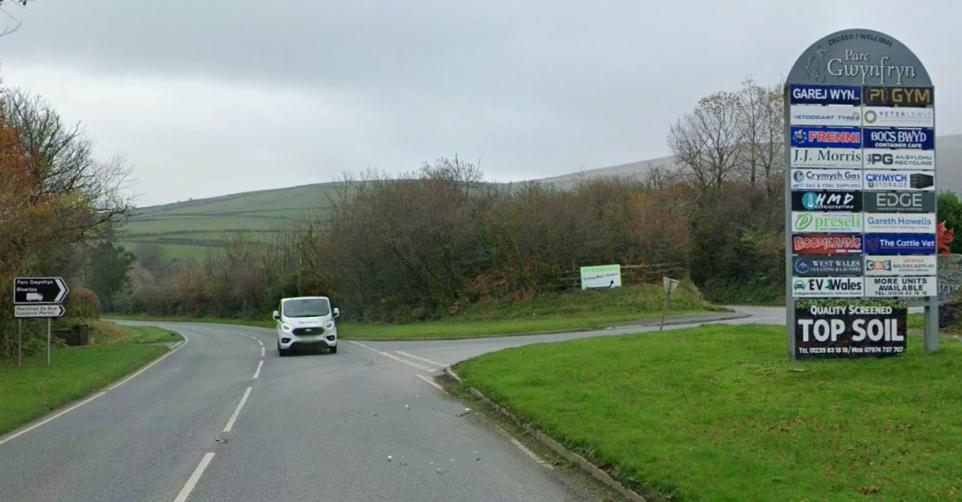
A CALL for approval for the use of Crymych industrial units as a golf simulator, child’s play space and a wellness centre offering a sauna, ice baths, and oxygen therapy has been submitted to county planners.
In an application to Pembrokeshire County Council, Mr and Mrs Evans, through agent Preseli Planning Ltd, seek a partly retrospective permission for the erection of commercial building containing three individual business units, at a former vacant storage yard at Parc Gwynfryn, Crymych.
A supporting statement says: “The building provides three sperate business spaces, two of the units are occupied, one as a golf simulator (7B 2) a second is occupied by a child’s role play and play space (7B 4) and the central unit (7B 3) is currently unoccupied, proposed to be let as a wellness centre.”
The site owners and applicants, Mr and Mrs Evans, are also the operators of the golf simulator enterprise and the original developers of the industrial estate, the statement says.
“The aim of the application is to regularise the existing building and existing and proposed uses. The building was substantially complete May 2025 and first occupied June 2025. Unit 7B2 is occupied by a golf simulator whereby users book slots online and self-serve.

“Unit 7B3 is currently unoccupied but would be occupied by wellness centre once planning permission is granted, consisting of sauna, ice baths, cryotherapy room, oxygen therapy etc. Unit 7B4 is occupied by a new enterprise which offers indoor roleplay space for children, Byd Bach.”
It adds: “In terms of the golf simulator, this is owner managed and the sites proximity to their main office within the site makes managing and attending the unit convenient and enables multiple businesses to be managed by the same members of staff.
“In terms of Byd Bach, this is operated by a local couple who also manage other premises in Crymych, amongst other employment. The site’s proximity to Crymych is therefore important and these arrangements are only successful given that the site is well-related to Crymych.
“The offering would not disrupt existing comparable provision, the closest facility of this kind being in St Clears, well beyond the catchment of this facility.

“The third unit is not yet occupied but would be operated by a local spinal injury sufferer, and athlete, who would benefit from the facilities themselves and offer therapy for others.”
Citing a recently-approved change on use of a building on the industrial site itself to a Hair and Beauty Salon, it said it was considered the development would not have a significant detrimental effect on the overall supply of business units or land in Pembrokeshire or Crymych.
The application will be considered by county planners at a later date.


AN EMERGENCY call for Pembrokeshire’s council to take greater action in safeguarding the future of Withybush hospital is to be heard next week.
At the full council meeting of March 5, an emergency notice of motion by the council’s 11-strong Conservative Party group will demand that the Welsh Government immediately reverses the decision to cease emergency general surgery at Withybush Hospital.
Last year, Hywel Dda University Health Board consulted with its communities on options for change in critical care, dermatology, emergency general surgery, endoscopy, ophthalmology, orthopaedics, stroke, radiology and urology.
It said its Clinical Services Plan focuses on nine healthcare services that are “fragile and in need of change”.
The proposed changes included an option for Withybush patients needing specialist critical care being transferred to Glangwili.
At a recent two-day meeting, the board, amongst its many other decisions, backed changes into emergency general surgery which will see no emergency general surgery operations taking place at Withybush, but a strengthening of the same-day emergency care (SDEC).
A petition against the plans already has more than 4,000 signatures and has met an angry response from local politicians and campaigners.
At the March council meeting, the Conservative council group, led by Cllr Di Clements, will say: “The Welsh Government has powers of intervention in Sections 26-28 of the NHS (Wales Act) 2006 which enables it to intervene in decisions made by a health board, in this case the Hywel Dda University Health Board.”
It says that Pembrokeshire residents “have seen continual downgrading of services over the years, and this has been detrimental to all residents,” adding: “We believe this recent decision is life threatening to those who need emergency surgery and a matter of resident’s safety.
“Every hour lost, on average, survival rates decrease by four per cent. Those who live furthest west and north will be affected the most.”
The group adds: “We are concerned especially that this has the huge potential to affect A&E provision. With limited opportunity for doctors to operate we are concerned that our county hospital will be left with few or no senior surgeons and A&E will be forced to close.”
The group has also questioned the accuracy of figures quoted by the First Minister Eluned Morgan on the number of affected patients, saying: “HDUHB own figures for the changes to emergency surgery put the number at nine per week, not five.”

The group has said it “acknowledges that Pembrokeshire County Council has no control over health services in the county, but the 60 county councillors represent approximately 120,000 people who at some point may need hospital services”.
Group leader Cllr Di Clements said: “I am certain the whole county will support our aim to prevent any more downgrading of services at Withybush.
“We are treated like second class citizens, and it is just not good enough.”

Senedd Members demand immediate investment in Withybush and Bronglais as election campaign intensifies
SENEDD Members Paul Davies and Samuel Kurtz have launched a fresh attack on Welsh Labour’s renewed pledge to deliver a new regional hospital for west Wales, branding the proposal a “desperate pre-election distraction” from mounting pressures on frontline services.
The intervention follows comments from First Minister Eluned Morgan, who indicated that plans for a new hospital serving west Wales would be progressed ahead of the Senedd election in May.
The concept of a new regional hospital has circulated for decades. Potential sites have previously been explored, but the project was effectively paused by Hywel Dda University Health Board, with delivery widely understood to be many years away due to financial and economic constraints.

Davies and Kurtz argue that communities in Pembrokeshire and Ceredigion cannot afford to wait while uncertainty continues over services at Withybush Hospital and Bronglais Hospital.
Paul Davies MS said: “People in Pembrokeshire and Ceredigion do not need vague long-term aspirations. They need certainty and investment now. Services are being centralised and downgraded while we are told to wait for something that is neither fully planned nor properly funded.

“Instead of chasing headlines, the Welsh Government should focus on safeguarding and strengthening services at Withybush Hospital and Bronglais Hospital. The message from our communities is clear: invest in the hospitals we have so people can access the care they need closer to home.”
The two MSs contend that immediate capital and workforce investment in existing facilities is the only credible way to guarantee patient safety, reduce excessive travel times for rural residents, and provide sustainable healthcare across west Wales.
They are calling on the Welsh Government to publish a fully costed and deliverable plan to protect core services at Withybush and Bronglais, rather than relying on what they describe as “recycled promises that never materialise.”
Samuel Kurtz MS added: “Just ahead of a Senedd election, the First Minister dusts off a decades-old plan and tries to sell it to local voters who can see straight through this empty promise.
“When 10,000 local people sign a petition demanding the Welsh Government intervene on Withybush, and all they can do is issue a press release about a plan that may not happen for another decade, it shows Labour are not serious about supporting the communities of west Wales.”
Government response
The Welsh Government maintains that long-term transformation of NHS services is necessary to secure sustainable healthcare provision across rural Wales. Ministers have argued that ageing hospital estates, recruitment pressures and increasing demand require modern infrastructure and strategic planning.
Labour has pledged significant capital investment in NHS facilities as part of its wider health strategy and says any future regional hospital would form part of a long-term programme designed to improve clinical resilience and patient outcomes.

The debate over the future configuration of hospital services in west Wales has intensified in recent years, particularly around emergency and specialist provision, with campaigners arguing that protecting local access must remain the priority.
Davies and Kurtz said confidence in local healthcare will continue to erode unless immediate, visible investment is made in frontline services at Withybush and Bronglais.
The Welsh Government and Hywel Dda University Health Board have been approached for further comment.


Health12 hours ago
Davies and Kurtz attack ‘fantasy hospital’ pledge for west Wales
Senedd Members demand immediate investment in Withybush and Bronglais as election campaign intensifies SENEDD Members Paul Davies and Samuel Kurtz have launched a fresh...


Health22 hours ago
Hywel Dda warns of ‘significant pressure’ as A&E departments remain packed
Patients urged to use NHS 111 as Withybush, Glangwili and Bronglais face continued strain HYWEL DDA University Health Board has...


News2 days ago
War stops Qatar gas: Milford Haven LNG supplies disrupted
UK energy security concerns grow after shutdown at major export facilities ENERGY bills in the UK could rise sharply after...


Community2 days ago
Martyn Butler dies aged 71 months after Haverfordwest visit
Co-founder of Terrence Higgins Trust attended local plaque unveiling honouring friend Terry Higgins A LEADING figure in the UK’s response...

Crime2 days ago
Nine deny Class A drugs conspiracy as case set for Crown Court trial
Eight remanded in custody as four-week trial fixed for May 18 NINE people have denied conspiring to supply Class A...


Community2 days ago
No asylum seekers housed in west Wales hotels, latest Home Office figures show
WEST Wales currently has no asylum seekers being housed in hotels, according to the latest figures published by the Home...


Community5 days ago
St David’s Day parade brings colour and celebration to Haverfordwest
HAVERFORDWEST town centre was a hive of activity today (Friday, Feb 27) as hundreds of children from schools across Pembrokeshire...


News6 days ago
Hoax 999 call sparks massive lifeboat and helicopter rescue — man arrested
Emergency services diverted from real incidents after false report off south Wales coast A MAJOR sea rescue operation involving three...


Crime6 days ago
St Dogmaels man jailed over hundreds of indecent images
Previous convictions for similar offences revealed to court A 57-YEAR-OLD man from St Dogmaels has been jailed for two-and-a-half years...

Health6 days ago
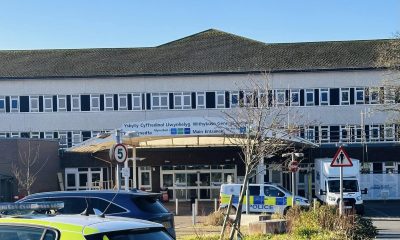
Petition against hospital service changes surges past 6,000 signatures
Public response now far exceeds health board consultation figures A PETITION calling for urgent Welsh Government intervention over services at...
-
 Health6 days ago
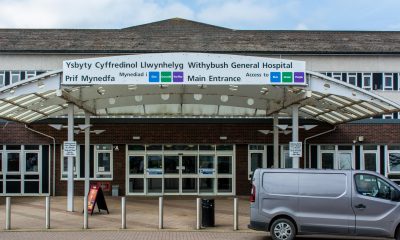
Petition calling for Withybush intervention nears 5,000 signatures
-
 Crime7 days ago
Milford Haven pensioner admits sexually assaulting two shop workers
-

 Business7 days ago
Council reviewing complaints over Computer Solutions Wales as concerns continue
-

 News6 days ago
Welsh Government criticised after Russian-linked drone image used in defence announcement
-
News6 days ago
Hoax 999 call sparks massive lifeboat and helicopter rescue — man arrested
-

 Community6 days ago
Pub reopens with VIP club launch and free drink offer
-
Health6 days ago
Petition against hospital service changes surges past 6,000 signatures
-
Crime6 days ago
West Wales man jailed for murder of five-month-old baby