


Community
Falklands War: We were all just kids, innocents to the slaughter

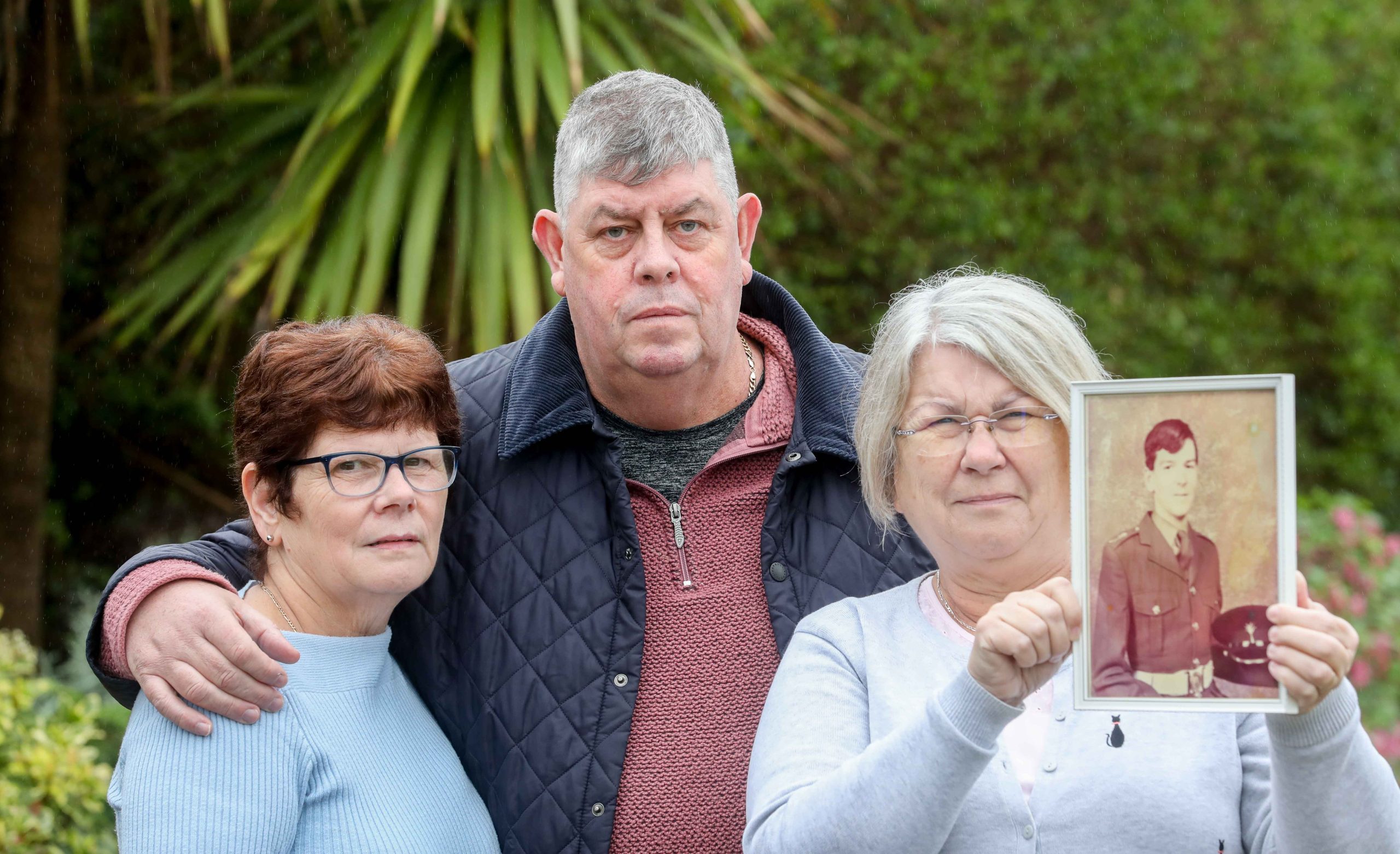
A FALKLANDS WAR veteran and the two sisters of one of his lost comrades are campaigning to win justice for 32 Welsh Guards killed in the bombing of British ship RFA Sir Galahad.
Not a day goes by without Rhyl businessman Les Peake re-living the horrific firestorm which saw 48 of his comrades killed on the morning of June 8, 1982, including the Welsh Guards.
Among them was his pal Peter Edwards, aged just 19, from Llandyrnog, near Denbigh, described by his sisters Mandy Perkins and Barbara Royles as having been ‘full of life’.
Les, Mandy and Barbara are among Falklands veterans and their families who are seeking answers about the Sir Galahad disaster which shell-shocked the nation.
They are incredulous that red tape means documents revealing the full facts about the bombing are sealed for another four decades until 2065.

Speaking ahead of a landmark reunion event in Cardiff on March 23, they called on UK Government ministers to change the rules and immediately unveil the official records to reveal how the Sir Galahad became an open target for Argentinian bombers.
Pete was the son of proud parents Evelyn and Gordon Edwards, and had only been a soldier for around a year when the Falklands War broke out.
Mandy said: “Pete joined the Welsh Guards because there were no jobs around at that time. He loved his training and quickly made lots of friends in the army.”
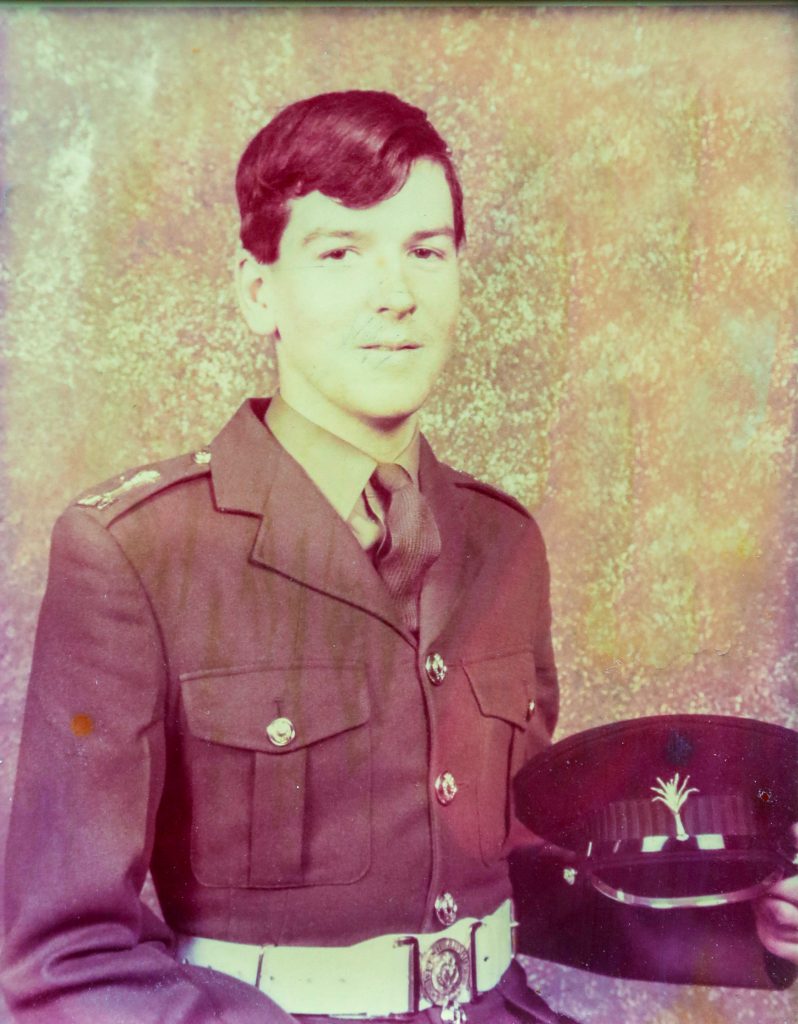
But in the spring of 1982 he and fellow Welsh Guards, including the now famous burns charity campaigner Simon Weston, were posted to the South Atlantic after Argentinian forces invaded self-governing British overseas territory, the Falkland Islands.

As a specially trained ‘Spearhead Battalion’ they were tasked with ramping up the Royal Navy mission to liberate the Falkland Islands.
But as they arrived confusion reigned even before they managed to get ashore.
They were inexplicably sent to a different nautical location than originally planned. Vital landing craft failed to show up, and scores of soldiers were unexpectedly put onto the civilian supply ship RFA Sir Galahad where they were told to wait for a fleet of smaller boats to bring them to shore.

But as daylight dawned, having no surface to air missile defences on board Sir Galahad, they became sitting ducks within the sightline of Argentine jets.
The defenceless ship, full of munitions and fuel, suffered three direct hits from Argentine bombs. It became a raging inferno from which there was no escape.
It was the highest loss of British troops of any incident in the war and the biggest single day British military disaster since World War II.
Memories of that hellfire, haunting visions of his comrades on fire, and their desperate screams for help, will never leave Les or his fellow survivors.
Les was aged 18, and most of the young Guards who lost their lives were also in their late teens.
He said: “We were all just kids, innocents to the slaughter. I was 18, my cousin was there too, and Pete was 19, we were teenagers, good pals, young men on the verge of adulthood.”
Back at home, for Mandy, Barbara and their families, the day news of the attack reached them is forever etched in their minds.
They say the huge loss of life is hard enough to bear, but the distress of losing loved ones has been compounded by controversy which has surrounded the Sir Galahad disaster over the last four decades.
Veterans and bereaved families are angry and distraught that some media reports, government and military officials have laid the blame for the disaster at the door of the Welsh Guards, accusing them of incompetence and being unprepared.
Les said: “We’ve been made scapegoats. It’s a travesty of justice to let us be blamed for events clearly out of our control.”
Although an official inquiry was held shortly after the war ended, its findings have never been fully released. Only highly redacted versions have been made available and many survivors’ questions remain unanswered.
They are calling for the names of key decision-makers to be unveiled along with an explanation as to why the battalion came to be placed in an exposed location on an undefended supply ship in the first place.
Mandy and Barbara are furious, feeling that for too long their brother’s name and the reputation of the Welsh Guards have been ‘unfairly slurred’.
They want the findings of the Board of Inquiry report into the incident to be unsealed in full. They say it is incomprehensible that the report is currently not due to be opened for public viewing until 2065.
The hope is that the government will finally recognise the strength of feeling demonstrated by those attending the reunion of RFA Sir Galahad survivors, bereaved families and supporters at the Mercure Hotel, Cardiff, on March 23.
It is the first ever reunion of its kind involving surviving veterans, with guests and speakers including prominent figures who have joined the fight for justice like General Sir Michael Rose, commander of the SAS; Master of the RFA Sir Galahad, Philip Roberts; Welsh Senedd member Jenny Rathbone and south Wales MPs, Jessica Morden and Stephen Doughty.
Reunion organiser Kevin Edwards, himself a Sir Galahad survivor, said decisions will be on the day about the proposed next steps.
He said: “A recently redacted copy of the Board of Inquiry report clearly shows that the Welsh Guards and its officers were completely exonerated of any blame in 1982, yet many official voices and authors of media publications still wrongly state differently and smear our regiment’s name.
“The bereaved and veterans have endured almost 42 years of blame, 42 years of defamation of character, capabilities and the names of our fallen dragged through the dirt. Enough is enough, we who remain will all be history by the year 2065.
“Our committee met with cross party MPs in Parliament of late, having produced evidence uncovered at the national archives at Kew. This resulted in Sir Ian Duncan Smith, Priti Patel and many MPs to suggest that there remain questions to be answered. They all fully support our campaign.”
The original 1980s inquiry was held behind closed doors shortly after the attack but its meagre published findings comprised merely a statement that concluded the loss of the ship and troops was down to the ‘ordinary chances of war’.
Survivors dispute this and cite a catalogue of errors made by senior commanders who they say needlessly left the Welsh Guards defenceless and vulnerable.
Their calls for the truth to come out have grown stronger following the publication of a book last year, ‘Too Thin for A Shroud’, by Crispin Black, a former Welsh Guards officer who survived the Sir Galahad and went on to become an intelligence adviser in the Cabinet Office. He will also be speaking at the reunion.
In the near-42 years which have passed Les has barely had a full night’s sleep. He has suffered his marriage break-up, two years of homelessness, rifts with his family and persistent nightmares.
These days he takes refuge in his work, describing himself as a workaholic, who tries to stave off nightmares by allowing himself only two or three hours sleep a night.
He said: “Sleep is my enemy now. The nightmares kick in and bring it all back, so I avoid sleep as much as I can. Even so there is never a day when I don’t think about what happened out there. I try to push it out of my mind.
“I know some survivors who turn to alcohol or drugs. For some the constant torment drove them to commit suicide.
“I have had rough times in the past, my moods became so bad that I grew apart from my family.
“I was homeless for two years and then I took to driving to earn a living, taking trucks all around Europe just to stay on the move, never letting my mind settle.
“More lately I’ve coped by diverting my attention away from the dark thoughts, I put my whole focus on work. I now run a successful transport company, with my two daughters. You could say I’ve learned to cope by becoming a workaholic.
“It’s really not good for my mental health to let my mind wander back to such dark visions. But it’s something that I feel I have to risk for Pete, all the others who died, their families, and for survivors like myself who still live with these memories every single day. We all deserve justice.


HAVERFORDWEST town centre was a hive of activity today (Friday, Feb 27) as hundreds of children from schools across Pembrokeshire took part in a special St David’s Day celebration.
The popular parade, organised by the Pembrokeshire Language Forum, returned to the county town once again, with smiles all round from participants and spectators who lined the streets to watch.
Children paraded down High Street, through Bridge Street and along Quay Street, led by Samba Doc, before gathering at Picton Playing Fields for songs and dancing during an open-air jamboree with entertainer Tomos Tanllyd.
Pembrokeshire County Council Leader Cllr Jon Harvey said: “St David’s Day is always a special occasion in Pembrokeshire, and it was wonderful to see so many young people coming together to celebrate our language, culture and national identity.”
Cabinet Member for Education and the Welsh Language, Cllr Guy Woodham added: “The annual St David’s Day parade is a shining example of what schools in Pembrokeshire do to celebrate the Welsh language and culture, and they are certainly enthusiastic about it.”

Council Vice Chairman and Champion for the Welsh Language and Children and Young People, Cllr Delme Harries said: “It was fantastic to see such enthusiasm from pupils across the county, proudly celebrating St David’s Day.”
Local member Cllr Tom Tudor also praised the event, adding: “It really was a great celebration of St David’s Day and a highlight for Haverfordwest.”
Welsh Language Development Officer Catrin Phillips said the event continues to grow each year.
She said: “The St David’s Day parade, organised by the Pembrokeshire Language Forum, is always a highlight of the year and it’s wonderful to bring schools together to celebrate Welsh language and culture in such a joyful way.

“It has been especially encouraging to see new schools joining us this year, helping the event continue to grow.”
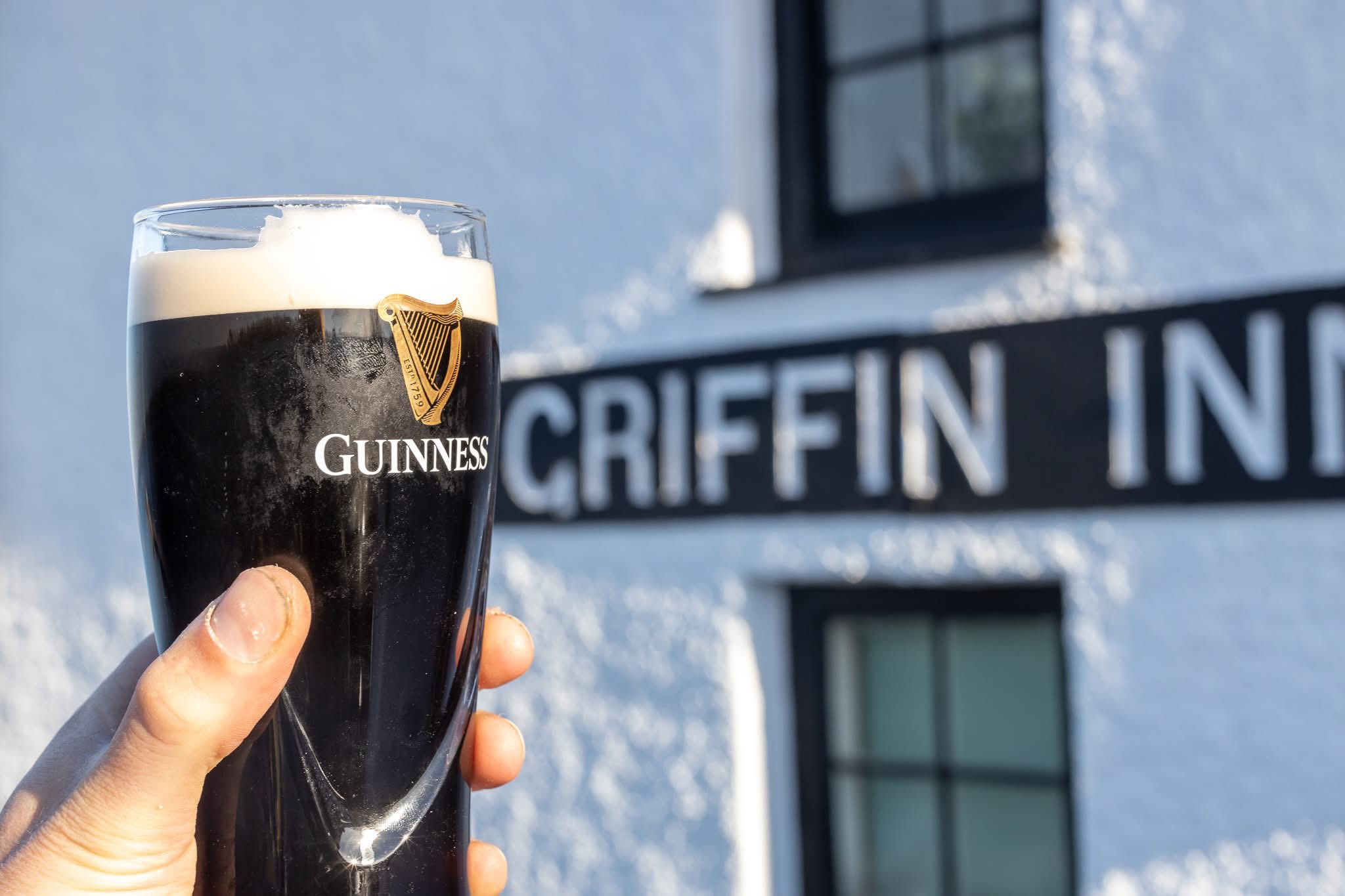
A POPULAR Pembrokeshire pub is reopening its doors this week with a new loyalty scheme aimed at rewarding regular customers.
The Griffin Dale Pembrokeshire will reopen for the season on Thursday (Feb 26), with owners Sian and Simon promising roaring fires, fresh seafood and a warm welcome for returning customers.
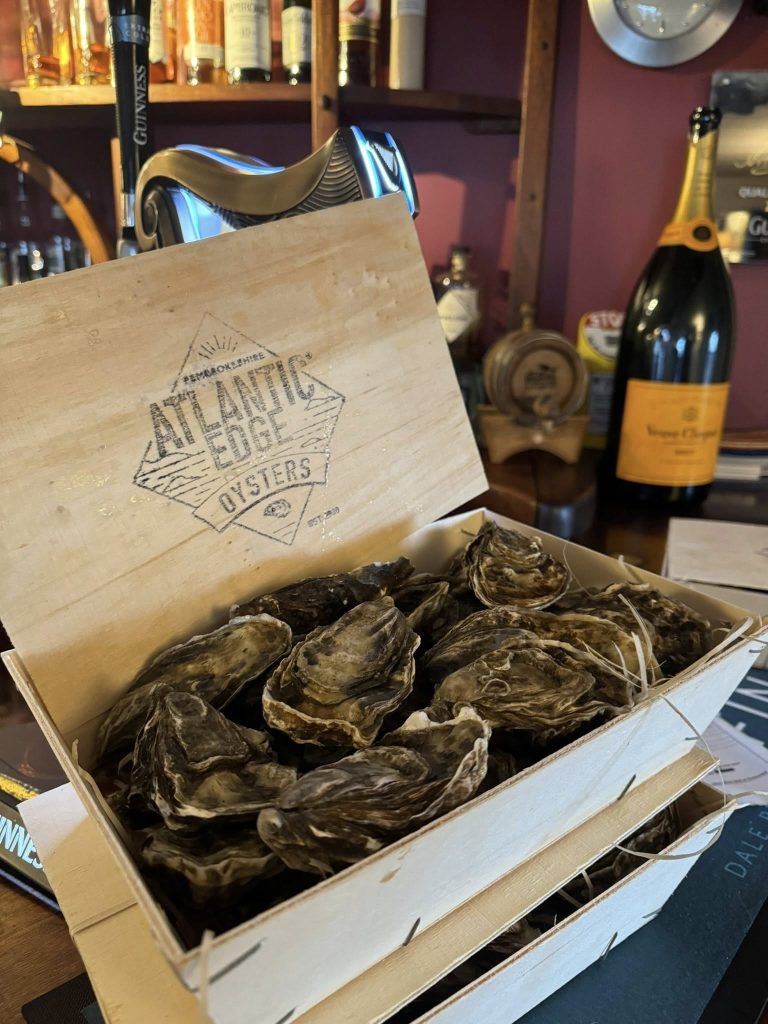
To mark the reopening, the team has launched a new Griffin VIP Club, designed to give regular visitors small perks throughout the year.
The scheme includes a loyalty drinks stamp card, occasional meal offers, discounts on drinks, birthday treats and early access to events and promotions.
As part of the launch celebrations, customers visiting on reopening day will receive a complimentary drink along with 20% off food and drinks during a special “Thirsty Thursday” promotion.
The owners said the club was intended as a simple way of giving something back to loyal customers rather than a formal membership programme.
“We’re so excited to be reopening for the season and welcoming everyone back,” they said. “It’s just our way of saying thank you to those who support us and pop in regularly.”
Customers interested in joining the VIP Club can sign up at the bar when visiting the pub.
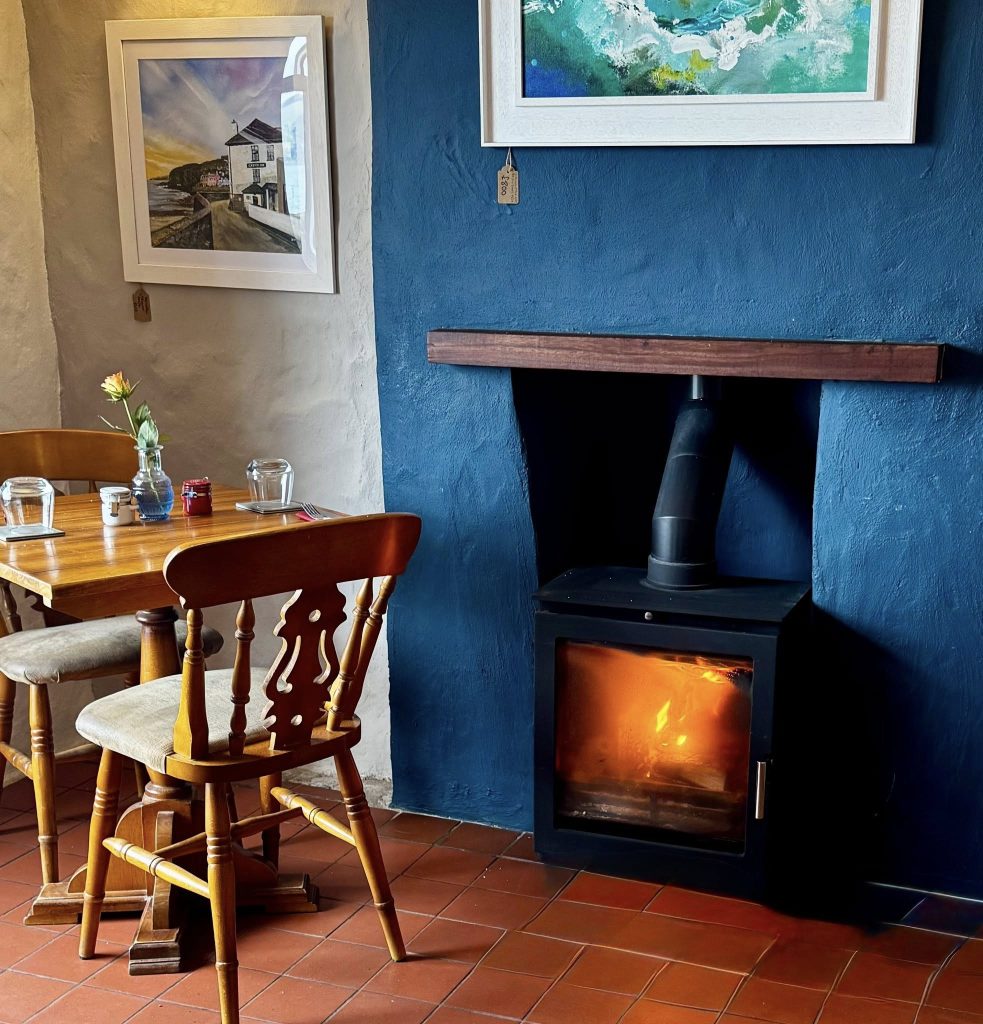

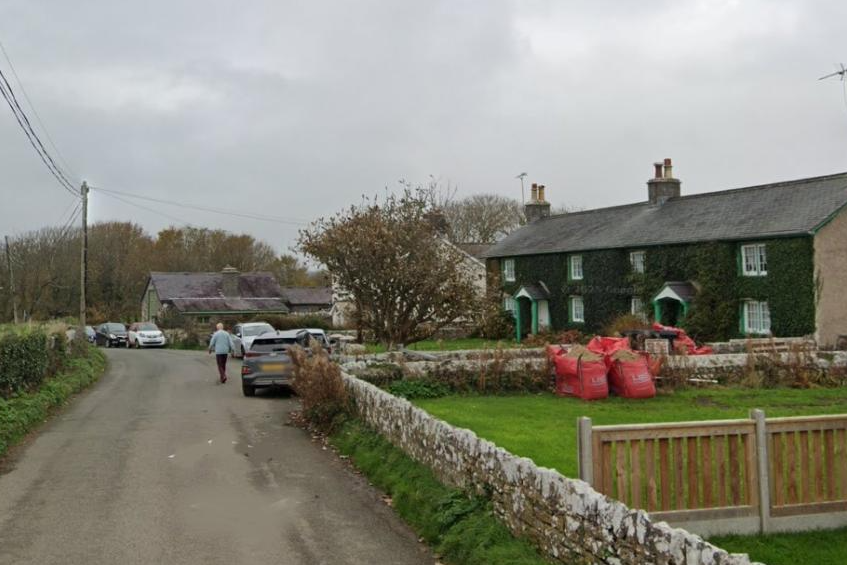
A CALL to allow the selling of alcohol as late as 10pm at a rural beauty spot former village tearoom which objectors fear will “create an absolute nightmare” exacerbating an already growing issue with antisocial behaviour from holidaymakers, has been given the go-ahead.
At Pembrokeshire County Council’s February licensing sub-committee, members considered an application by Sarah Jane Partridge and Robert John Secrett for a new premises licence at Bosherton Bistro, Old World Cottage, Bosherton.
A report for members said it was proposed the premises, formerly a tearoom called ‘Ye Olde Worlde Café’ would open 8am-10pm, selling alcohol from 9am on and off site, seven days a week in the village.
Since the proposal for the site, close to the village pub The St Govan’s Inn, was publicised, 13 objections were received, including Stackpole and Castlemartin Community Council.
In its submissions, the community council said it “will cause a significant public nuisance in the residential area”.
It said the ordinarily tranquil Bosherston, with its neighbouring beauty spot attractions of the lily ponds and St Govans currently has four well-established camp sites “which already frequently cause late night disruption, littering and anti-social behaviour caused predominantly by intoxicated individuals”.
It went on to say: “Instances of aggressive behaviour and trespass are already prevalent within the village by visitors under the influence of alcohol.”
Concerns raised by members of the public included fears of “an increased problem with drunkenness, drink driving and antisocial behaviour,” and it would “make life for the residents in the immediate area an absolute nightmare”.
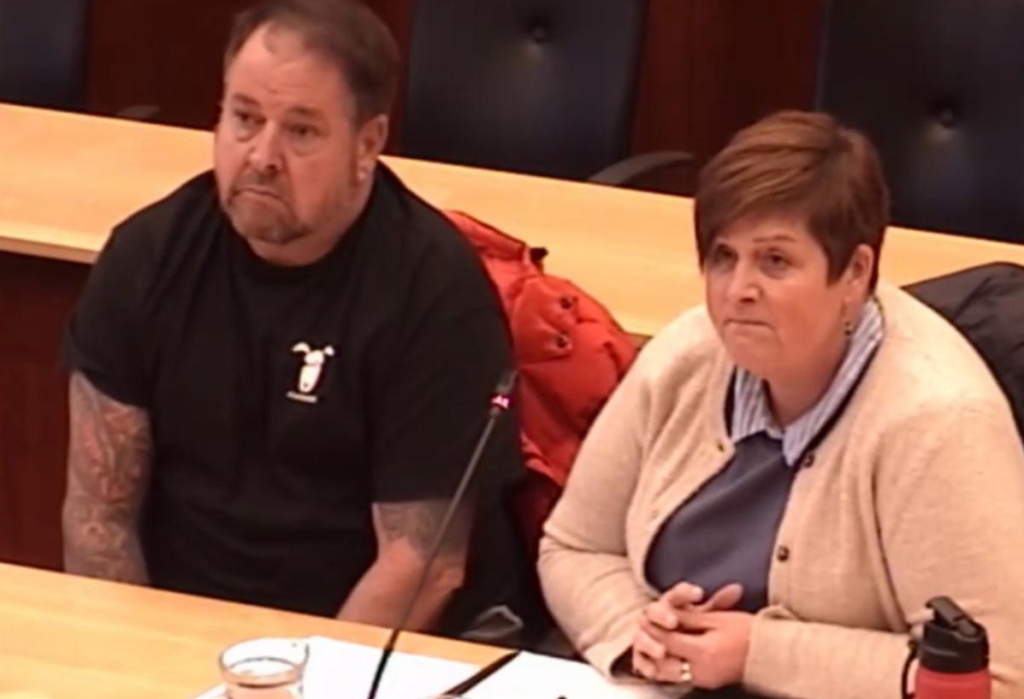
Speaking at the meeting, applicant Sarah Jane Partridge said they shared “the same fundamental aims as the residents,” with the scheme “not about creating a drinking venue but a food-based family bistro”.
She stressed that campers were already able to buy alcohol from the pub, or bring their own to the campsites, adding the 84-cover bistro would introduce safeguarding measures around the sale of any alcohol; off-site sales consisting of ‘gift-set’-style alcohol craft packages rather than “cans of lager”.
Objector Rik Guly said there had been many public order incidents over the years in the 36-home village relating to visitors from the campsites, as well as empty beer bottles, tampons and tins littering the area, one farmer also having his ‘honesty box’ stolen on several occasions; the application “effectively throwing a catalyst for more alcohol consumption and more public disorder”.
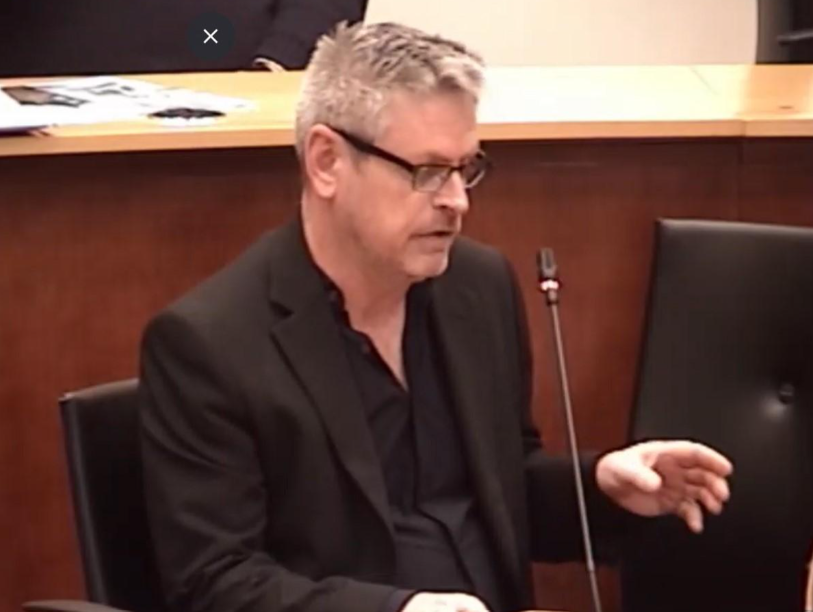
He also raised concerns it could restrict access along the narrow road to the nearby coastguard building for emergency services.

Another objector Clare Strudwick said “almost half the village” was objecting to the scheme which would cause “unacceptable public nuisance”.
Representing the community council, local county councillor Steve Alderman, who once farmed in Bosherston himself, said post-Covid visitor interest in the area had been raised “immeasurably,” with huge numbers attracted to the area.
He said that, while “antisocial behaviour, both physical and verbal” and “a complete lack of respect for what is a marvellous-looking village” was “society’s fault,” the resident’s had a right to enjoy their quality of life.
After the committee deliberated, chair Cllr Tony Wilcox said they had considered the range of objections but considered they were “not of sufficient seriousness to consider rejecting the application”.
The licensing application was approved, objectors hearing that decision could be appealed within 28 days.



Community20 hours ago
St David’s Day parade brings colour and celebration to Haverfordwest
HAVERFORDWEST town centre was a hive of activity today (Friday, Feb 27) as hundreds of children from schools across Pembrokeshire...

News2 days ago
Hoax 999 call sparks massive lifeboat and helicopter rescue — man arrested
Emergency services diverted from real incidents after false report off south Wales coast A MAJOR sea rescue operation involving three...


Crime2 days ago
St Dogmaels man jailed over hundreds of indecent images
Previous convictions for similar offences revealed to court A 57-YEAR-OLD man from St Dogmaels has been jailed for two-and-a-half years...

Health2 days ago
Petition against hospital service changes surges past 6,000 signatures
Public response now far exceeds health board consultation figures A PETITION calling for urgent Welsh Government intervention over services at...

Crime3 days ago
Milford Haven pensioner admits sexually assaulting two shop workers
76-year-old touched victims and kissed one on the neck, court hears A MILFORD HAVEN man has admitted sexually assaulting two...


News4 days ago
Senedd backs assisted dying legislation in historic vote
POLITICIANS in the Senedd have voted in favour of legislation that could allow assisted dying services to be provided through...
Crime4 days ago
Manchester men deny aggravated burglary after armed raid on dog breeder
Prosecution says machete-armed gang carried out “carefully planned” attack TWO men have gone on trial accused of involvement in an...


News4 days ago
Labour and Plaid criticised over £1.2m anti-racism ‘metaverse’ project
Figures revealed in Senedd questions as political row intensifies ahead of election THE WELSH GOVERNMENT has come under political pressure...

Business4 days ago
Local Senedd member hears retailer concerns ahead of election
INDEPENDENT shop owners in Pembrokeshire have warned that rising costs and increasing pressures could threaten the future of small high-street...

Charity5 days ago
Charity launches bid to save Foley House with new community cooperative
A PEMBROKESHIRE charity has launched an ambitious bid to restore Foley House, one of Haverfordwest’s most significant historic buildings, through...
-
 Local Government6 days ago
Candidate who withdrew from Hakin race will still appear on ballot paper
-

 Crime6 days ago
BBC documentary reveals local man murdered mother then lived with her body
-

 Local Government7 days ago
First Minister left red-faced as Labour candidate pulls out during Hakin campaign visit
-

 Community6 days ago
Pembrokeshire Milford Haven children’s home approved
-
News4 days ago
Labour and Plaid criticised over £1.2m anti-racism ‘metaverse’ project
-
Charity5 days ago
Charity launches bid to save Foley House with new community cooperative
-

 Crime5 days ago
Eleven-year jail term for rape after judge finds victim ‘particularly vulnerable’
-

 Sport7 days ago
Late heartbreak as Scotland snatch victory in Cardiff thriller