

Politics
Senedd set for crunch vote on banning lying politicians


THE SENEDD will today debate a “historic, world-leading” plan to ban lying politicians amid claims members have been given “erroneous” legal advice ahead of the crunch vote.
Adam Price’s plan would make it a criminal offence for Senedd members, ministers or candidates to deliberately deceive the public, with a four-year disqualification as punishment.
The Plaid Cymru politician’s proposed ban was added to the elections bill, under clause 64, after Labour backbencher Lee Waters abstained in a vote during an earlier committee stage.
Now, the Welsh Government has introduced an amendment to delete clause 64, which will be subject to a vote of the whole Senedd – the final opportunity to change the bill.
Activists and legal experts have accused Mick Antoniw, the counsel general, of making “legal and factual errors” in letters to Senedd members, which urged them to resist change.

Speaking on the eve of the vote, Mr Price, who represents Carmarthen East and Dinefwr, urged his fellow Senedd members to act.
He said: “Trust in politics is at an all-time low and the existing solutions – standards committees, standards commissioners and recall – have failed to solve that problem.
“So, it’s time to do something different.
“If the three opposition parties stay united and independent-minded Labour members join us then we have the chance to start to rebuild that trust.”
Mr Price, who led a campaign to impeach former prime minister Tony Blair for “duping” the UK into the Iraq war, added: “Winning is the next step in this process – not the end, however.
“We hope the government will then shift from defending an old system that isn’t working to helping us design and build a new one together that will.”
In a letter to members, Mick Antoniw, who is the Welsh Government’s chief legal adviser, raised concerns the bill could have profound, unintended consequences.

Describing the proposals as “unworkable” and lacking consultation, he warned clause 64 could stifle political debate and undermine effective scrutiny of government.
Mr Antoniw wrote: “While the underlying intentions behind the provision seem morally right, the proposed new crime represents a radical departure from modern constitutional norms in this country that has the potential to do much more harm than good.
“I do not overstate my concerns by highlighting that it is the kind of criminal law that was used as a tool to suppress dissent in the distant past in this country, is still used for that purpose in other countries today.
“And I worry that the good intentions that lie behind this provision could be abused in that way again here under different political circumstances.”
Mr Antoniw suggested the bill could be referred to the Supreme Court or prevented from receiving royal assent by the Welsh secretary.
Sam Fowles, of Cornerstone Barristers, who has provided free advice to Mr Price, criticised “legal and factual errors” in the counsel general’s advice to members.
Dr Fowles claimed Mr Antoniw was wrong to say the bill would restrict freedom of speech and that issues of honesty cannot be adjudicated on by the courts.
He said: “[The law] does not impose any restriction on the freedom of speech of Senedd members beyond that already in place. It is surprising the counsel general implies otherwise.
“The counsel general’s scepticism as to the ability to distinguish between fact and opinion is at odds with the day-to-day reality of public discourse as well as law.”
In a follow-up letter to MSs, the barrister, who is director of the Institute for Constitutional and Democratic Research, argued that freedom of speech has never implied a freedom to lie.
Dr Fowles, who was involved in high-profile cases around the post office and prorogation of the UK Parliament, said clause 64 would make it easier to regulate deliberate deception.
Jennifer Nadel, co-director of Compassion in Politics, a cross-party think tank, called for decisive action at a dangerous time, “with a Putin apologist set to enter parliament”.
She said: “Sadly those who are perhaps concerned that the tradition of gentlemen’s agreements is about to be replaced by something altogether more transparent and accountable have made erroneous arguments in defence of the status quo.
“It is clear that something bolder and more courageous is needed to restore trust in politics.
“Honesty matters to the public and they want to see clear independent action, not politicians continuing to police themselves.
“They are on the wrong side of history. This bill is supported by the vast majority of the population. I am hopeful that Wales will do something truly historic and back this bill and let truth and integrity prevail.”
The author and award-winning journalist accused Douglas Bain, the Senedd’s standards commissioner, of being out of touch with public opinion.
Giving evidence on Monday, July 1, Mr Bain criticised clause 64, describing its drafting as “clumsy at best” before adding “and I think that’s being rather generous”.
Ms Nadel said: “We are gravely concerned that the commissioner doesn’t appear to appreciate the gravity of the situation or the loss of public confidence in existing measures.
“His inability to see why the measure is needed makes the case for reform all the stronger.”
Dr Fowles also hit back at Mr Bain’s comments, saying: “The Senedd standards commissioner seemed to call political lying ‘a problem that isn’t really there’.
“Only 9% of the public trust politicians to tell the truth. It’s not a problem, it’s a crisis. The commissioner should take 91% of the public more seriously.”
Richard Symons, director of the Ministry of Truth – a BBC documentary on political lying – was followed by cameras on his campaign to persuade MPs to back a ban in 2007.
Mr Price, then a member of the House of Commons, agreed, proposing a “Misrepresentation of the People Act” which ultimately failed to make it onto the statute book.
But now, 17 years on, the pair are closer than ever to changing the law.
Mr Symons pointed to December’s Ipsos poll which found trust in politicians has fallen below a low set amid the expenses scandal, with trust in ministers at its lowest since the early ’90s.
The filmmaker said: “In other words, the existing mechanisms and those introduced after 2009 have brought only further decline. Nothing more.
“We don’t have a mechanism to engender public trust, we have mechanisms which erode it. Both the standards commissioner and the Labour government seem blind to this.”


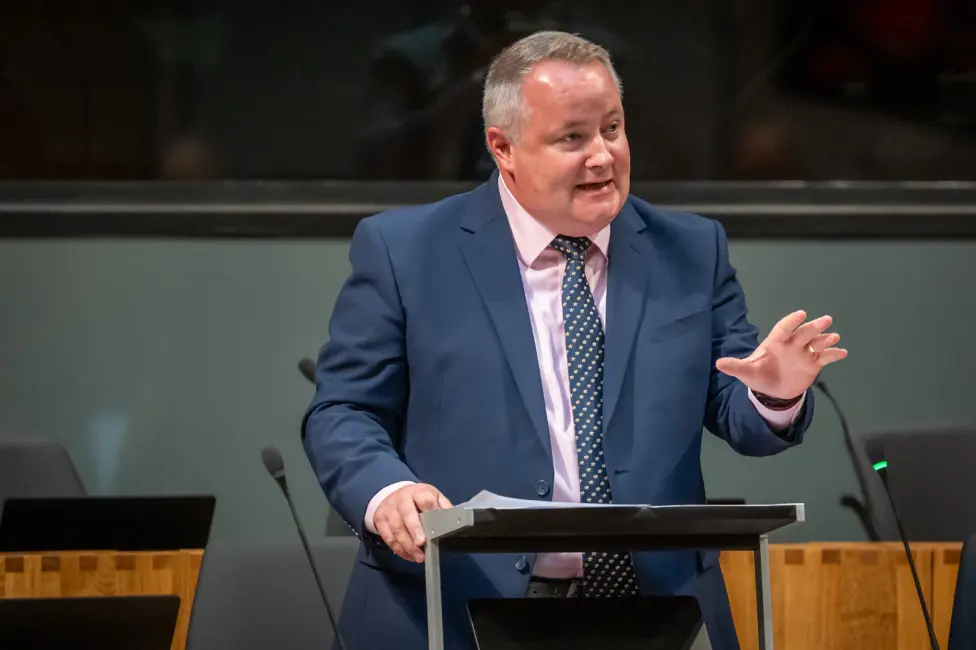
AN INDEPENDENT inquiry into grooming gangs across England and Wales has failed to identify a single location in Wales for local investigation, the Senedd has been told.
Welsh Conservative leader Darren Millar raised the issue in the Siambr on Wednesday July 8, warning that known victims of child sexual exploitation in Wales are being overlooked.
Mr Millar said independent investigations had already cited Swansea, Rhyl and parts of mid Wales as areas where grooming gangs operate, with victims being trafficked to other parts of the UK.
Addressing Deputy First Minister Sioned Williams, Mr Millar asked for assurances that she would commit to a standalone, Wales-wide inquiry if the current cross-border investigation continues to bypass Welsh locations.
Ms Williams, who also serves as social justice and equality minister, said the Welsh Government had consulted on the terms of reference to ensure the “unique Welsh context” is captured.
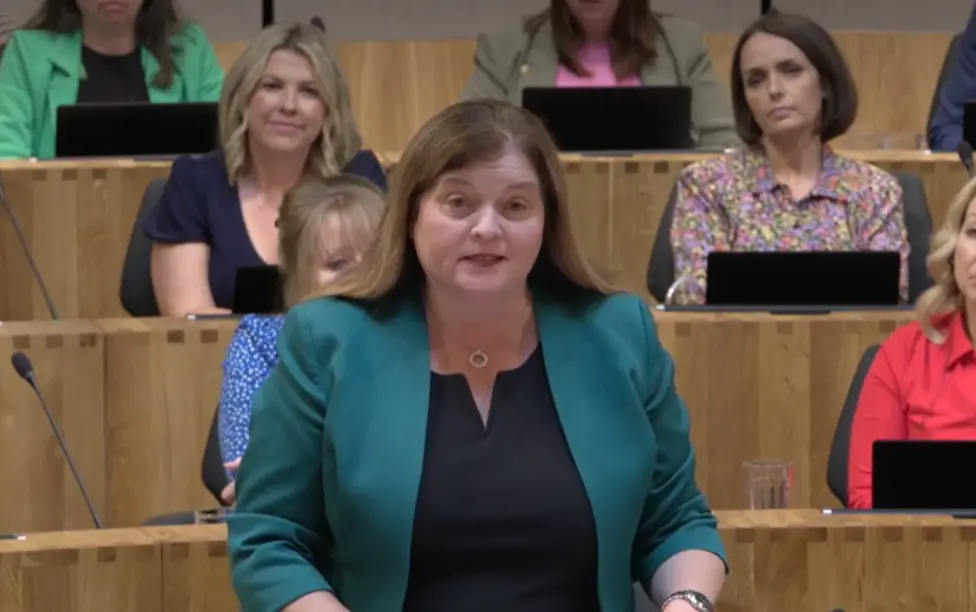
She confirmed that Welsh officials meet monthly with the inquiry team and have been assured that Welsh survivors will be able to contribute fully.
Ms Williams added that her government would take further action if it believes it is required.
The debate followed figures highlighted in the Senedd by Plaid Cymru’s Beca Brown on Wednesday July 2, showing an estimated 25,000 children and young people are sexually abused in Wales every year.
Labour’s spokesperson for equalities, Shav Taj, called for ring-fenced funding to train teachers to identify sophisticated online AI deepfake networks and “sextortion” rings.

Ms Taj warned that relying on a central website without specific funding was a “passive strategy” for exhausted school staff.
Ms Williams said the government’s ten-year strategy focuses on prevention, effective protection, and supporting affected families alongside the NSPCC and the Centre of Expertise on Child Sexual Abuse.
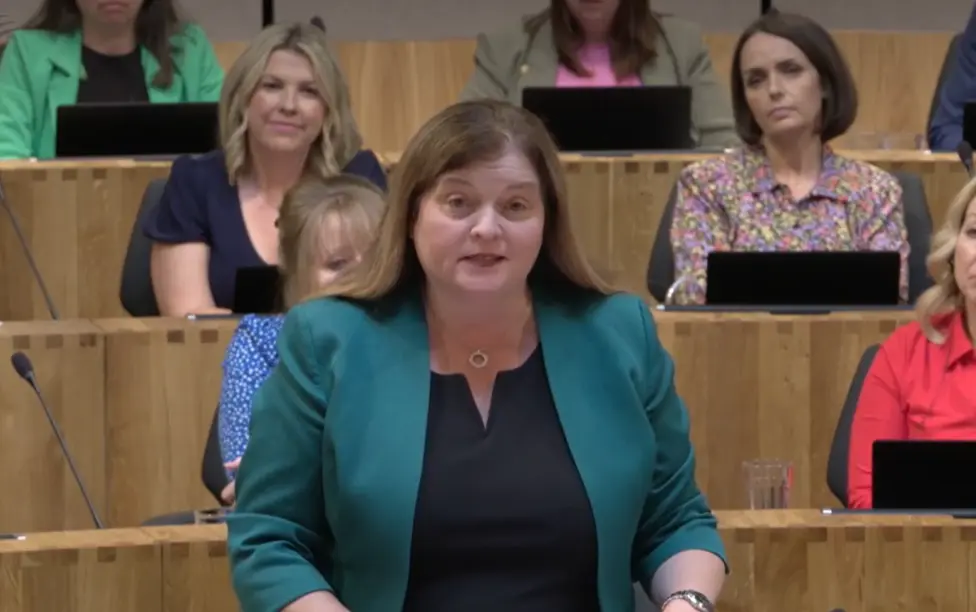
AN “EXPERT GROUP” has been set up as the Welsh Government looks to pilot its proposed child payment.
Wales’ Deputy First Minister faced questions on Cynnal – a Plaid Cymru manifesto pledge to deliver a £10 payment to to low income households.
Sioned Williams said the group will support the “design, delivery, monitoring, and evaluation of the Cynnal pilot” – which could benefit up to 15,000 children aged six and below.
Answering a question from Plaid Cymru colleague Elyn Stephens, Ms Williams the group brings together “expertise from across the sector” to ensure the scheme is “evidence-led, is robustly evaluated, and is grounded in the realities of families’ lives.”
Drawing on experiences from her own constituency of Afan Ogwr Rhondda, Ms Stephens noted the “real difference” the Cynnal payment could make to families facing the “sharpest end of child poverty”.
However, she said potential recipients need clarity that the support will reach them directly.
She said: “We know there are clear precedents for additional payments being disregarded within the benefits system, including the Scottish child payment and local welfare provision.
“But the Welsh NHS and social care bonus show that without Department for Work and Pensions protection, the value of a government payment can be reduced through the Universal Credit system as it’s then classed as earnings.”
Ms Stephens said the Cynnal payment needs to be “simple to access and protected in full”.
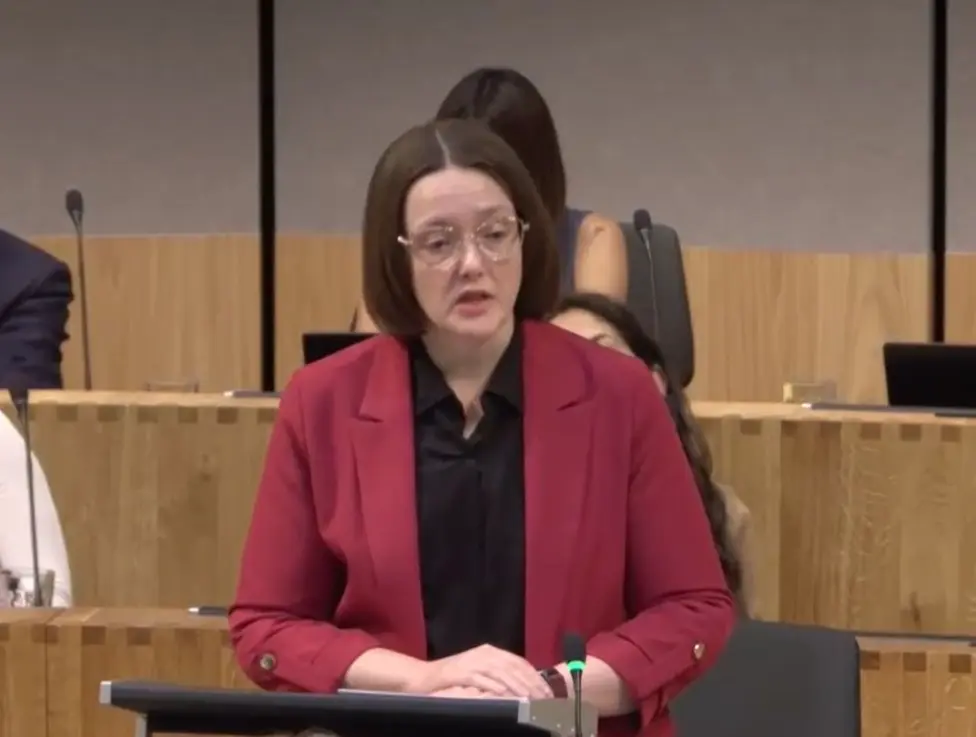
Ms Williams confirmed negotiations have begun with the UK Government to look at the links between benefits, taxation, and the Cynnal payment.
She said: “I’ve already started discussing this with Andrew Western MP, the minister for transformation, and further meetings are in the diary.”
Reform’s Gareth Thomas asked Ms Williams how many families in his constituency of Pen-y-Bont Bro Morgannwg are expected to benefit from the payment, and whether his area will be included in the original rollout.
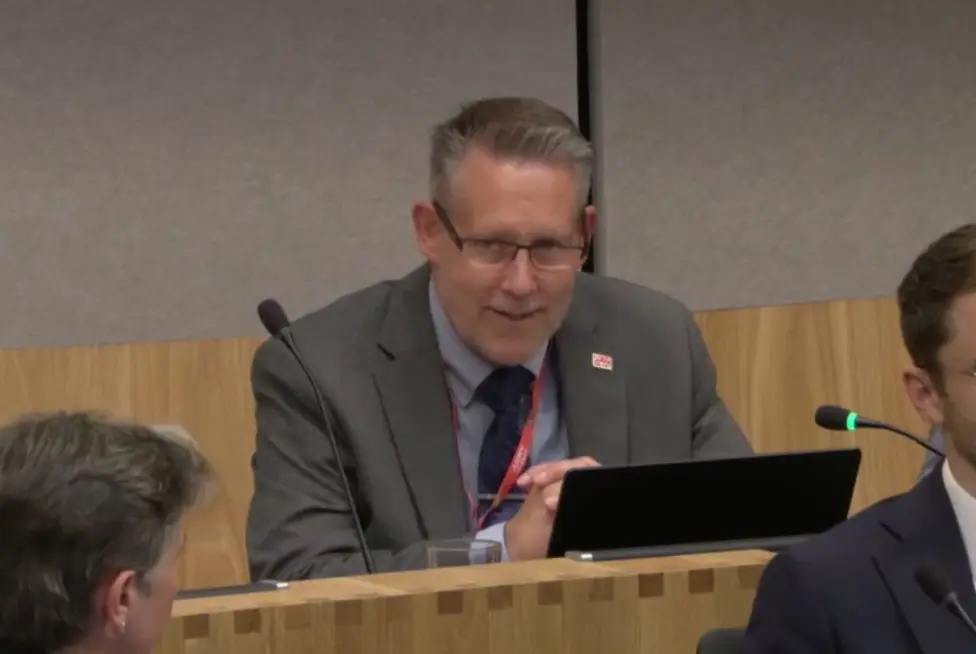
He also pushed for the Welsh Government to publish local figures so MSs can assess “whether Cynnal is delivering real benefits for families and value for public money”.
In response, Ms Williams said: “The task of the expert group will be to ensure that we plan this payment carefully. It is a pilot programme, so it won’t reach every family in need in Wales, because that’s the nature of a pilot, clearly.”
She continued: “We need to think how we can assess how this child payment can support families in the best way possible, and then build those strong foundations of robust evidence in order to steer future decisions.”
Labour’s Jane Bryant emphasised the importance of working with both the UK Government and local authorities in Wales on the scheme’s rollout.

She asked when the child payments will start, and urged the minister to ensure it will not affect families’ eligibility for other financial support.
On the involvement of local authorities, Ms Williams said: “We know we have key partners in this work as regards delivery and interaction with other Welsh benefits.
“So that is, again, what will be completely under the consideration of the expert steering group which will be meeting next week.”
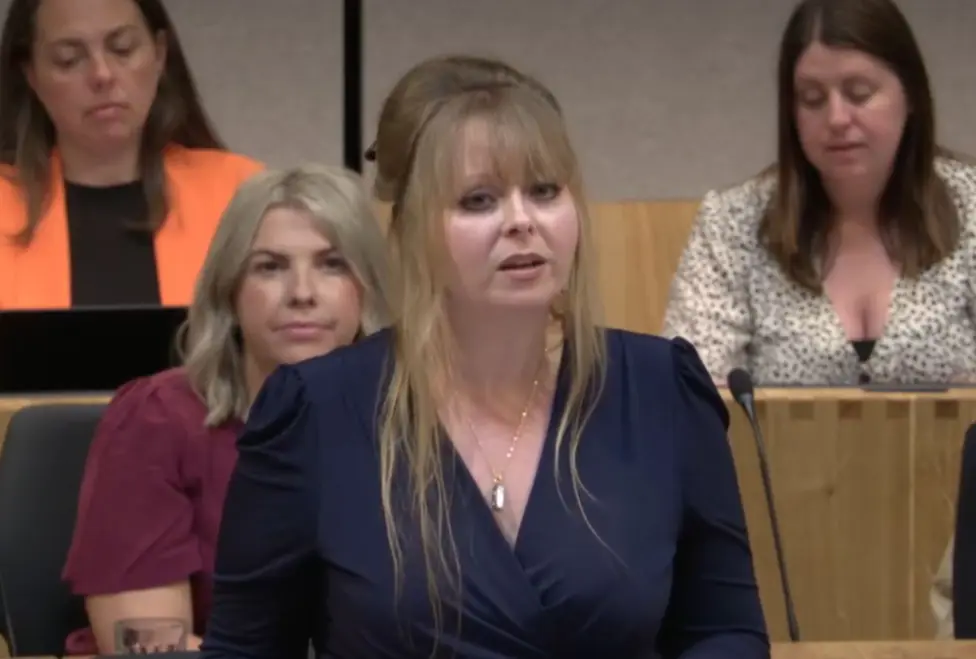
WALES’ first-ever dedicated women’s health minister has promised a major overhaul of endometriosis and abortion services.
Addressing Senedd colleagues on July 7, Blaenau Gwent Caerffili Rhymni MS Delyth Jewell vowed to tackle the “invisibility” of women’s pain in the healthcare system
Ms Jewell, who was appointed deputy minister for social care, mental health, and women’s health in May, said these areas have lacked “sufficient attention” for too long.
The Plaid Cymru MS said she would champion carers, and said she would work to ensure more carers receive the real living wage and “parity of esteem”,
She said: “Why is it that social care receives less prominence in debate than the NHS? Why shouldn’t care workers hold the same space in our psyche as nurses and doctors?”
Speaking on the importance of mental health care, Ms Jewell highlighted the need for “a fundamental change” in how services are delivered, moving towards “open-access, same-day mental health support”.
The deputy minister revealed she had met with Professor Ann John, national adviser for suicide prevention and self-harm, and pledged to provide a written statement setting out the government’s priorities – with a focus on male suicide.
Ms Jewell also said: “For too long, women’s health has been treated as an afterthought” – and pledged to tackle women’s pain in healthcare.
“How many women have been told, ‘this might hurt’, and have been afraid to speak up and say that they are in pain?” Ms Jewell asked.
“Women’s voices should be heard. Their pain should not simply be endured. I am determined to change this.”
Ms Jewell continued: “We will be refreshing elements of the NHS Wales women’s health plan, with action this year focused on improving endometriosis and abortion services.
“I will want to hear from women directly. We’ll be commissioning work to gather women’s feedback, and we’re also carefully considering the women’s health hub model to improve consistency.”

Ms Jewell confirmed plans to host a ministerial summit on the matter on July 16, and pledged to help those struggling to get appointments, families waiting too long for diagnoses, and women who have not been believed.
She said: “I want to bring hope, to bring change, and, most of all, to be a voice for those who have not been heard. I promise I am listening.”
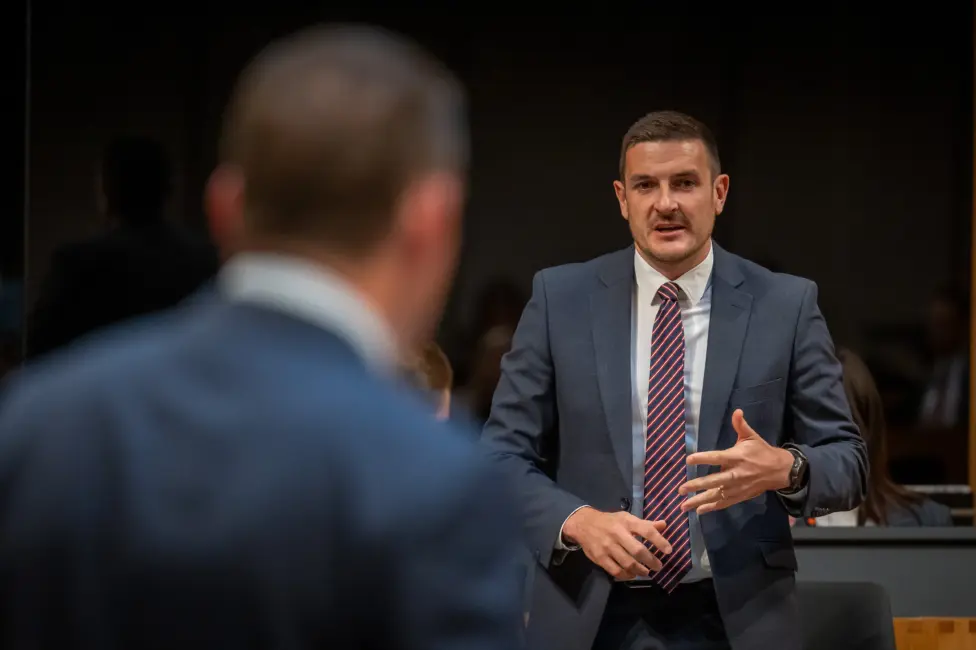
James Evans, Reform’s shadow minister for health and prevention, congratulated Ms Jewell on her appointment but reminded her that “warm words […] need to be matched by delivery, deadlines and accountability”.
Mr Evans quizzed his opposite number on her plans for a national care service, something Ms Jewell pledged would be created this Senedd term alongside a new national care academy.
But Mr Evans said he has “long opposed” its creation, describing it as an “unnecessary additional level of bureaucracy and a drain on vital public money”.
He added: “A national care academy, fair pay and conditions, better support for unpaid carers – there’s something we all want – and those significant commitments that you’ve made also need to be matched by funding.”
Mr Evans called for a “practical timetable” on this, asking when the national care academy will be online, and how the Welsh Government will ensure the national care service does not become “another layer of bureaucracy”.
In response, Ms Jewell said: “We want to make sure that what we have for people is greater than the sum of those parts, that actually there is parity of esteem for people in the workforce.
“[…] It’s bizarre, isn’t it, that there’s never been a founding moment for the care service in the way that we’ve had with the NHS. We celebrated the NHS’s birthday a few days ago; when I was talking about the same space in our psyche, we should be celebrating this work.
“Most people will come into contact with the NHS and with other areas of public service throughout the course of our lives.”
Ms Jewell spoke of the importance of increasing the status of the sector and said: “Most people only come into contact with the care service when something has either gone wrong with them or someone else they love.”
Answering Mr Evans’ questions on timescale, Ms Jewell admitted a lot of the work will take the course of the Senedd term but that some elements, such as the academy, she wants to bring forward “far earlier”.
Mr Evans also pressed Ms Jewell on her plans for suicide prevention, and welcomed the focus on male suicide.
He said: “One of the biggest groups that does suffer from suicide is young white men, and young men in general. They are the people who suffer the most and they do need to be supported.”
Mr Evans called for a dedicated men’s health plan, adding that it should not be limited solely to suicide prevention but also other issues such as cardiovascular disease and fathers struggling with newborns.
In response, Ms Jewell said: “I am prepared to engage with you and other members on this as a concept, because, of course, you’re right that certain health issues are either only apparent in men, or have a disproportionate effect on men.
“And there’s lots of work, including what I’ve said about male suicide. The upcoming cancer plan will look at improving rates of diagnosis in areas like prostate cancer. Whether we need to bring that together in one men’s health plan, I am open to the idea – let’s have further conversations.”
Labour’s spokesperson for public and preventative health, Jayne Bryant, told the Siambr that “for far too long, women’s voices and experiences in the healthcare system have not been given their due weight.”
Ms Bryant, of Casnewydd Islwyn, drew attention to the work of the previous Labour government to support women’s health – from “free period products, to menopause support, to creating women’s health hubs in every health board.”
She told the Senedd it was “disappointing” to see “no dedicated action” for women’s health in Plaid Cymru’s pledges for the first 100 days in government.
She called for the deputy minister to share the government’s plans to address endometriosis – a condition which affects one in ten women in Wales.
Ms Bryant told the Siambr that “advances are being made in diagnosis” and Wales must make sure it’s ready to adapt.
She said: “Rapid endometriosis tests have just been given the go-ahead by the National Institute for Health and Care Excellence, which will help to significantly reduce the time it takes for women to be told whether they have the condition.
“One test, I believe, provides that result in 45 minutes. Currently, getting a diagnosis can take years. So, when does the minister expect women in Wales to be able to access those new tests?”
Ms Jewell paid tribute to the work done by Labour’s Sarah Murphy and Eluned Morgan on women’s health in the last Senedd term.
She said: “It should not be normal for women to have to go for so many appointments before they get the symptom diagnosis that they deserve.
“So, I want to look at this in terms of how it is working in hubs, how it’s working in primary care, all the way through to tertiary services as well. It’s going to be a focus of the women’s health plan.”
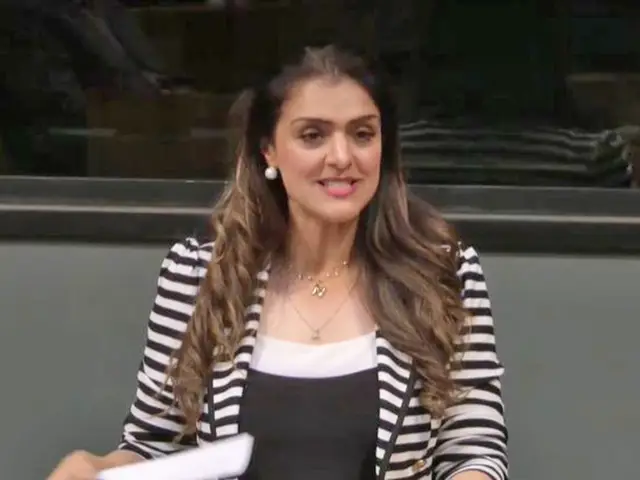
Conservative spokesperson for health and social care, Natasha Asghar, questioned the deputy minister on endometriosis and polyendocrine metabolic ovarian syndrome (PMOS), formerly known as polycystic ovary syndrome.
Ms Asghar told colleagues that NICE published draft guidelines on PMOS last week which recommended “faster diagnosis and an annual review of women and girls aged ten and over to include symptoms and signs of PMOS.”
She called on Ms Jewell to consider annual reviews of the condition alongside the training of doctors and health professionals across Wales to ensure they can spot the signs of PMOS.
Ms Jewell acknowledged the draft guidance but noted the final recommendations won’t be available until December.
Ms Asghar, of Casnewydd Islwyn, also highlighted the importance of quality education on menstrual health and menopause.
She said: “All too often, women and girls cope with endometriosis and PMOS because they believe that heavy and painful periods are a normal part of their menstrual journey.”
Ms Asghar said she had asked the previous education minister about “ensuring universal menstrual health education within the curriculum”, and asked Ms Jewell how she will ensure “quality menstrual health education” is available Wales-wide.
She also said she has raised “consistent concerns” about the delivery of advice and support for menopause alongside menstrual health.
Ms Asghar noted that Cardiff and Vale University Health Board has launched a menopause hub in Ely, and asked about their Wales-wide rollout.
In response, Ms Jewell said she is “willing and eager” to work cross-party to ensure the message gets out to women and to “empower them to use their voice”.



Crime18 hours ago
Teacher stabbing trial: The first week of evidence
Jury hears accounts of alleged planned classroom attack, teacher’s fear she was dying, and boy’s words after leaving school A...


Community20 hours ago
Haverfordwest Castle refurbishment reaches new heights as roof goes on
Major milestone reached in project to transform historic gaol building into flagship visitor attraction A MAJOR milestone has been reached...


Business2 days ago
Pembrokeshire lands £98m share of Wales marine energy boom
New industry report says county has received the second highest level of marine energy investment in Wales, supporting more than...
Crime2 days ago
First aider tells jury teacher was “crying, shaking” after classroom stabbing
A SCHOOL first aider has told a jury that teacher Vicki Williams was “crying, shaking” and in “complete shock” after...


Crime3 days ago
Teacher feared she was dying after Milford Haven classroom stabbing
A TEACHER allegedly stabbed in the head at Milford Haven Comprehensive School told a jury she feared she was dying...


News3 days ago
Farage to resign as MP and fight Clacton by-election amid finance row
NIGEL FARAGE has announced he will resign as MP for Clacton and stand again in the by-election he intends to...
Crime3 days ago
Teacher tells jury there were ‘no issues’ with accused pupil hours before ‘stabbing’
Milford Haven teacher gives evidence as trial of 15-year-old continues at Swansea Crown Court A TEACHER allegedly stabbed at Milford...


News3 days ago
Major incident stood down after fire at Impala Terminal in Milford Haven
Fire involved decommissioned oil tank containing residual crude oil and around 60 cylinders A MAJOR incident declared during a fire...


News4 days ago
Large fire breaks out at Impala Terminal in Milford Haven
Black smoke seen for miles as emergency services respond to incident at former Puma Energy site A LARGE fire has...
Crime4 days ago
Prosecution outlines ‘planned attack’ as Milford Haven teacher stabbing trial opens
Jury hears teenager allegedly brought kitchen knife into school before teacher was stabbed in the head THE JURY in the...
-
 Education7 days ago
Education secretary vows to tackle ‘root causes’ of antisocial behaviour in schools
-

 Education7 days ago
Ysgol Glannau Gwaun celebrates prestigious Gold Active Travel award
-
 Community7 days ago
Closure-threatened Stepaside school expected to remain open
-
 Education7 days ago
First Minister pressed on biological sex, additional learning needs, and NHS jobs
-

 Farming3 days ago
Pembrokeshire slaughterhouse given urgent improvement rating after audit failure
-
News4 days ago
Large fire breaks out at Impala Terminal in Milford Haven
-

 Education4 days ago
Council failed Welsh language standards over school closure
-

 Entertainment2 days ago
Swing and big band classics heading to Torch Theatre