


Education
Largest ever global air sampling maps fungal spread


MUSHROOMS and other fungi spread their spores in a more localised way than once thought and more similar to how animals and plant species migrate, new research has found.
Published in the journal Nature, it is the largest ever global air sampling project and analyses how the climate affects the growth and spread of fungi.
The study used air samplers to collect airborne fungal spores at 47 locations on every continent apart from Antarctica over a two-year period.
Most fungi spread by releasing airborne spores and detection of these spores with air sampling can tell us when they are released and how far they travel.
Mapping of the global distribution of fungi can establish the ecological ranges of rare or threatened species to be observed. This allows us to detect changes in these patterns caused by climate change or habitat destruction.

It also means the spread of fungi which are potentially harmful to humans or crop plants can be monitored.
Fungi are essential to how ecosystems work but they are mostly invisible to the naked eye, so the factors determining their distribution and activity remain poorly understood.
It is estimated that there could be up to five million different species but most of these remain unknown.
For decades scientists debated which factors drive the distribution of fungi and other microbes.

It was originally believed that the long distance dispersal of fungi in the air meant they could reach all parts of the planet, but would only grow in suitable conditions.
This contrasts with animals and plants whose spread is more strictly limited by mountain ranges, seas and other geographical barriers.
However, the new research paper shows that the spread of fungi, like animals and plants, is determined by climatic factors, and that they too are distributed locally, not only in where they grow but in how their spores are spread.

Professor Gareth Griffith from the Department of Life Sciences at Aberystwyth University said: “Sampling of airborne DNA in the way we have for this study is a huge step forward in the understanding of the how fungi grow and disperse in different parts of the world. Overall, our results suggest that the factors that affect where microbes live and grow are similar to those determining the distribution of plants and animals.
“The very diverse kingdom of fungi follows globally highly predictable patterns. These patterns resemble those described for other major groups of organisms. This research makes a major contribution to that long-standing debate.”
The study found that species of airborne fungus found in different regions was most strongly affected by the mean annual air temperature of the site, with diversity and numbers increasing from the poles towards the Equator.
The results also confirms that temperature influences fungal reproduction and that spore release peaks when the wind speeds are high.
Professor Gareth Griffith from Aberystwyth University added:“Our results highlight the role of temperature as an underlying driver of fungal dispersal, with fungal diversity increasing with warmer climates and more spores being released on warmer days. This finding suggests that global climate change, and generally warming climates, will have a major role in restructuring fungal communities.
“Although previous large-scale studies of soil fungi have found clear effects of the climate on community composition, the fact that air temperature explains most of the variation in the distributions of fungi in our data is striking.”
Speaking about the significance of the air sampling, Academy Research Fellow Nerea Abrego, from the University of Jyväskylä in Finland, said:
“Air is a real treasure trove for nature research; it is full of DNA from plants, fungi, bacteria, insects, mammals and other organisms. This knowledge is essential not only to understand where and when different fungal species thrive, but also to predict their fate under the ongoing global change.
“One particularly interesting subject for further research is a more detailed review of the sequences for fungi that are important to humans. These include fungal diseases of humans, crops and production animals, as well as fungi that indicate the progress of the loss of nature and the weakening of natural ecosystem processes.”
The Global Spore Sampling Project was funded through a number of bodies, including the UK Natural Environment Research Council.


Learner beats more than 3,000 entrants to take top prize in textured hair category
A PEMBROKESHIRE COLLEGE student has been crowned a national champion after winning first place in a prestigious UK hairdressing competition.
Marieme, a Level 3 Hairdressing learner, took the top spot in the Textured Hair category after being selected from more than 3,300 applicants. She went on to compete against the final six contestants in the national finals, where she impressed judges to secure first place.
The achievement marks a significant milestone for both Marieme and the college, highlighting the high standard of training and talent emerging from Pembrokeshire.
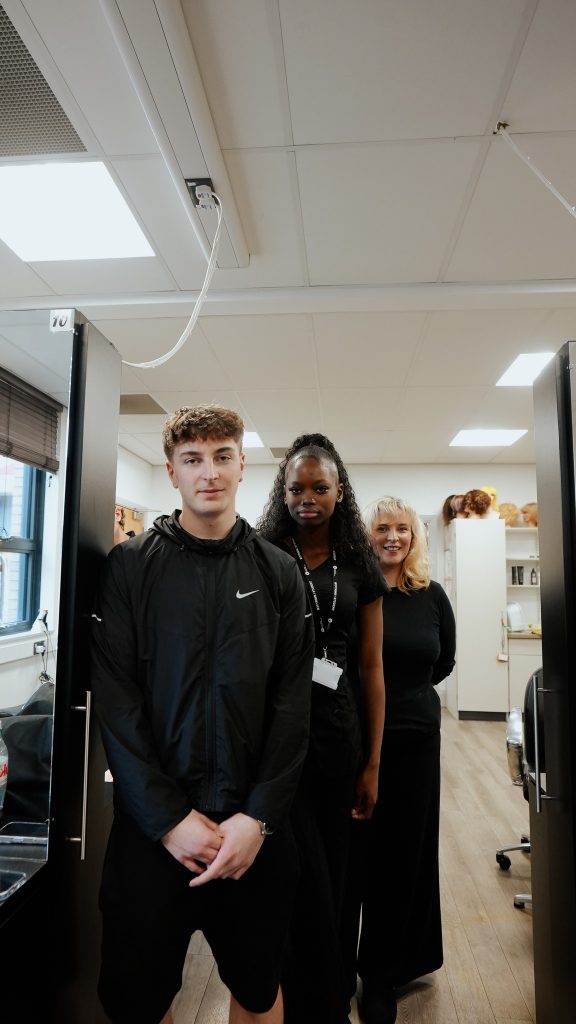
Staff at the college said they were “absolutely thrilled” with the result, praising Marieme’s hard work, creativity and dedication throughout the competition.
The success did not stop there, with two other Pembrokeshire College learners also reaching the national finals.
Dylan was named among the top six in the Barbering category, while Laura achieved the same distinction in the Avant Garde category.
Their performances contributed to what the college described as a “fantastic day” for its hairdressing department.
The results underline the strength of vocational training in west Wales and the growing reputation of Pembrokeshire College in national competitions.
Top honour recognises commitment to Service children and families
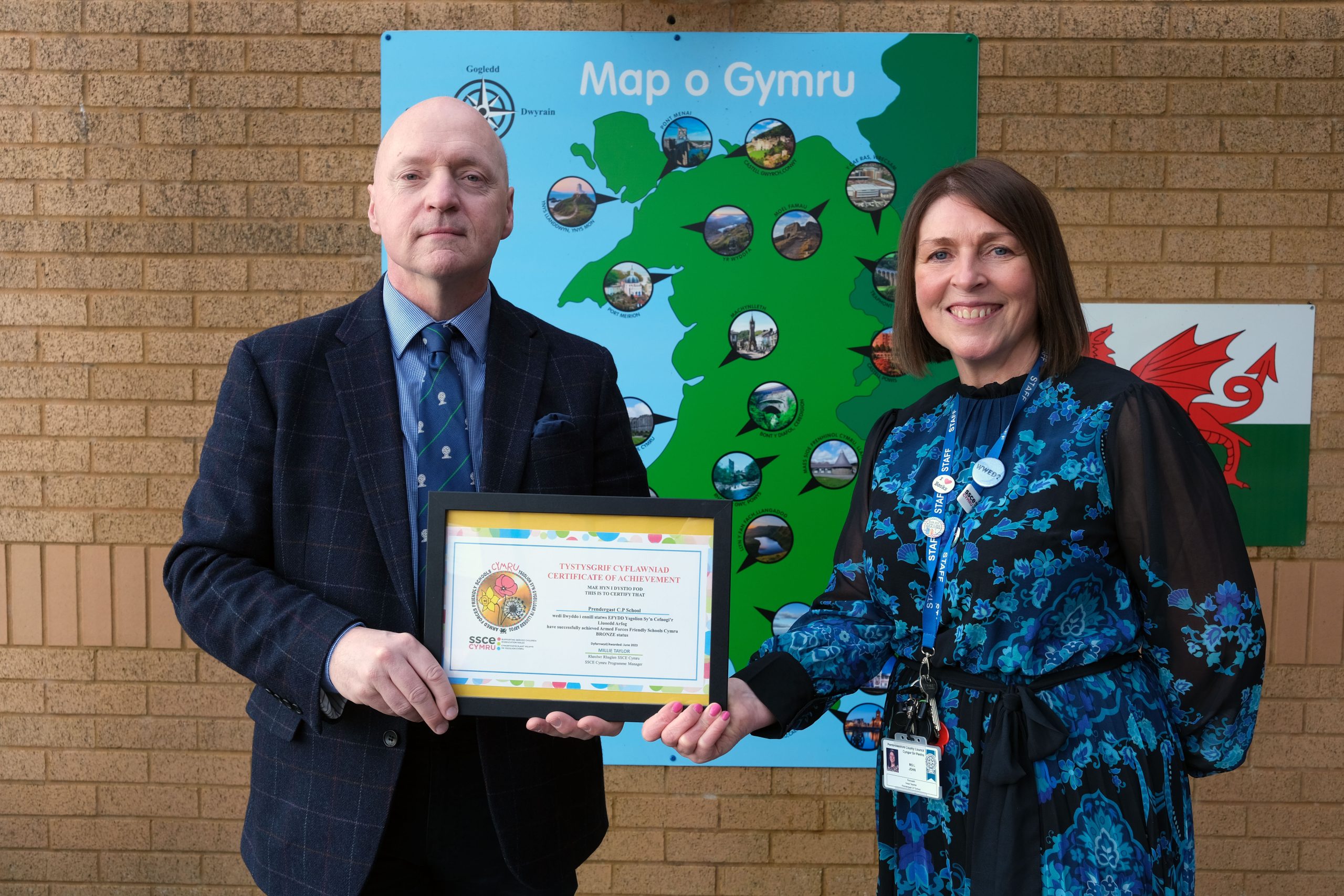
PRENDERGAST CP School in Haverfordwest has been awarded the highest possible recognition for its support of Armed Forces families.
The school has secured Gold Armed Forces Friendly School Cymru status, marking a significant milestone in its ongoing work to support pupils from Service backgrounds.
Headteacher Louise John said the achievement reflects a strong, whole-school commitment to ensuring Service children feel supported and able to succeed.

She said: “We are committed to ensuring Service pupils feel welcomed, understood and able to thrive.
“We recognise the unique experiences of children from Service families and have worked hard to embed that understanding across the school.

“Our approach focuses on early identification, strong communication with families, and consistent pastoral support.
“Achieving Gold status recognises the dedication of our staff and the inclusive practices already in place, while reinforcing our ongoing commitment to supporting Service children’s wellbeing, sense of belonging, and educational success.”
The Gold award, delivered through Supporting Service Children in Education Cymru (SSCE Cymru), requires schools to demonstrate strong and sustained support for Service children. This includes creating a positive environment where pupils can share their experiences and strengthening links with the wider Armed Forces community.
Prendergast CP School previously achieved both Bronze and Silver awards before progressing to the top level.

Cllr Simon Hancock, Pembrokeshire County Council’s Armed Forces Champion, praised the achievement.
He said: “I would like to congratulate Prendergast School on achieving the coveted Gold Armed Forces Friendly School Cymru status.
“From my visits, it is clear the school actively engages with the Armed Forces community and provides a positive and supportive environment for Service children.”

Cllr Guy Woodham, Cabinet Member for Education and the Welsh Language, added: “This is fantastic recognition of the ongoing work at Prendergast School.
“It highlights the importance of supporting Armed Forces families and sets a strong example of best practice. Well done to everyone involved.”


Protecting your personal data and financial information is crucial. With scammers and hijackers getting more and more sophisticated, you need to implement proper cyber security systems in order to keep yourself protected.
With that in mind, here are four cybersecurity tips to help you stay safe online.
Use Strong Passwords
A strong password is a basic security essential. A password that’s difficult to guess makes it harder for unauthorised users to gain access.
When creating a password, consider these guidelines:
- Length – the longer the better, as there’s more opportunity to get it wrong
- Character variation – use a combination of upper and lower case, symbols, and numbers
- Avoid personal information – birthdays or other important dates, names, streets etc.
- Keep passwords unique – don’t use the same password on different sites
It’s also a good idea to set up two-factor authentication. This adds an extra layer of security, should your password be compromised.
Most people use simple passwords so they’re easy to remember, but this can be risky. If you struggle to remember complex passwords, consider using a password manager such as NordPass to securely store your passwords.
Remain Vigilant
It’s important to remain vigilant of scams or phishing attempts. They usually come through as emails or text messages and there are a few clear signs of malicious intent:
- Misspellings – particularly in the email address itself
- Pressure to take action – scammers often aim to create a sense or urgency to get you to take action without thinking
- Asking for sensitive information – legitimate companies don’t typically ask for passwords or financial details via text or email. Never give personal information away without verifying the legitimacy of the site and the correspondence
- Suspicious links – don’t click links that you’re unsure of or ones where the URL destination is completely different to the hyperlinked text (you can hover over links without clicking to see this)
Keep Your Software Up to Date
Keeping your software up-to-date ensures that you remain protected. Software updates are often designed to bridge security gaps and protect against new threats, plus new systems are typically better equipped to resist malware. Consider turning on automatic updates so you don’t miss any.
Remove Malware Immediately
If you notice that your device is slower than usual, apps that you don’t recognise have been installed, or pop-up ads are appearing everywhere, you may have malware on your device.
It’s important to run a scan to detect malware if you suspect your device has been affected, and remove it promptly. There is plenty of step-by-step help out there that can help you remove malware from your device.
Safeguard Your Data
By using strong passwords, remaining vigilant of scams and phishing attempts, keeping your software and devices up to date, and removing malware as soon as possible, you can help ensure your personal and financial information remains secure.


Community7 hours ago
Broad Haven volunteers secure ‘national asset’ status for nature reserve
A SMALL stretch of woodland and former opencast coal mine has been transformed into a nationally recognised biodiversity site, in...


Entertainment1 day ago
Tenby steams up in spectacular style as crowds flock to festival
Colourful parade, towering creations and Victorian flair bring town centre to life TENBY was transformed into a vibrant Victorian fantasy...


Crime2 days ago
Publican jailed for six years for supplying cocaine and cannabis
Milford Haven man sentenced at Swansea Crown Court following drug dealing operation A MILFORD HAVEN publican has been jailed for...

Local Government3 days ago
Poverty summit highlights support efforts across Pembrokeshire
A SUMMIT bringing together key organisations from across Pembrokeshire has highlighted both the scale of local poverty and the work...


Education3 days ago
Milford Haven school plans unveiled but funding not yet secured
PLANS for a new £100 million school in Milford Haven have been unveiled, but the project has not yet secured...


News3 days ago
Council unveils plans for new state-of-the-art secondary school in Milford Haven
PEMBROKESHIRE COUNTY COUNCIL has revealed plans for a new state-of-the-art school in Milford Haven, promising modern, inspiring learning spaces for...


Health4 days ago
NHS waiting list falls — but cancer delays and diagnostic backlog worsen
Record progress claimed by Welsh Government as critics warn key targets are still being missed THE NHS in Wales has...


Crime5 days ago
Rapist jailed after ‘abhorrent’ attacks on woman and children
Haverfordwest man told police “women won’t have sex without force” A HAVERFORDWEST man who raped a woman and a young...


News5 days ago
Reform secures first Pembrokeshire councillor in Hakin by-election win
Late Reform candidate takes seat as independent surge and Labour withdrawal shape contest REFORM UK candidate Scott Thorley has won...


News5 days ago
Scott Thorley elected as Pembrokeshire’s first Reform councillor
REFORM UK candidate Scott Thorley has won the Hakin by-election after securing 179 votes. The full result is as follows:...
-

 News5 days ago
Emergency services flood Haverfordwest after reports of person in river
-

 Crime4 days ago
Mother given community order after admitting child cruelty offence
-
Health4 days ago
NHS waiting list falls — but cancer delays and diagnostic backlog worsen
-

 News5 days ago
Senedd vote to ban greyhound racing hailed as ‘landmark moment’ by charities
-

 News5 days ago
Senedd votes to ban Greyhound racing in Wales to protect animal welfare
-
News5 days ago
Reform secures first Pembrokeshire councillor in Hakin by-election win
-

 News7 days ago
£3.8m to help Welsh families struggling with soaring heating oil costs
-

 Crime4 days ago
Woman stole from pharmacy despite ban, court hears