


Climate
National Park Authority secures funding for Cysylltu Natur 25×25 project


THE Pembrokeshire Coast National Park Authority is thrilled to announce that it has secured funding from the Nature Networks programme for its Cysylltu Natur 25×25 project.
This ambitious initiative aims to boost nature recovery across 25% of the northern section of the National Park by 2025. Thanks to a generous grant of £244,450 from The National Lottery Heritage Fund, bolstered by an extra £5,000 from the Pembrokeshire Coast Charitable Trust, the project will help connect species-rich habitats to nationally and internationally protected sites, fostering a more resilient environment in which wildlife can flourish.
Part of the Cysylltu Natur 25×25 project involves building upon the Park Authority’s existing work of supporting farmers and smallholders who use traditional farming techniques to conserve nature on their own land and on commons.
By utilising cutting-edge virtual fencing technology alongside infrastructure improvements, it’s hoped that farmers will be able to make full use of their land, using nature-friendly practices.
Another key aspect will be the control of invasive non-native species that threaten Sites of Special Scientific Interest and waterways throughout the area.

Species expected to benefit from the Cysylltu Natur 25×25 project include horseshoe and barbastelle bats, dormice, harvest mice, chough, willow tits, marsh fritillary and small pearl-bordered fritillary butterflies, southern damselflies, adders and lichens.
In addition to the ecological advantages, the project also aims to create opportunities for people from under-represented groups and disadvantaged communities to actively engage in nature conservation activities. Through initiatives like the Pathways project, individuals gain valuable skills and experiences, fostering a deeper connection between communities and their natural surroundings.
Katie Macro, Director of the Pembrokeshire Coast Charitable Trust, said: “We are delighted to have secured funding for Cysylltu Natur 25×25. This project represents a significant step forward in our ongoing efforts to protect and restore the natural environment of the National Park.
“By working collaboratively with farmers, communities and partner organisations, we can ensure a thriving future for both nature and people.”
This project is funded by the Nature Networks Programme. It is being delivered by the Heritage Fund, on behalf of the Welsh Government.
Further information on practical conservation opportunities in the National Park can be found at www.pembrokeshirecoast.wales/practical-conservation-opportunities.


PLAID CYMRU has renewed calls for the Crown Estate to be devolved to Wales after figures showed income linked to Wales rising from £8.7 million to £210 million in five years.
The party says the increase, described as a rise of around 2,300 per cent, shows that Welsh natural resources are generating huge sums while communities in Wales see little direct benefit.
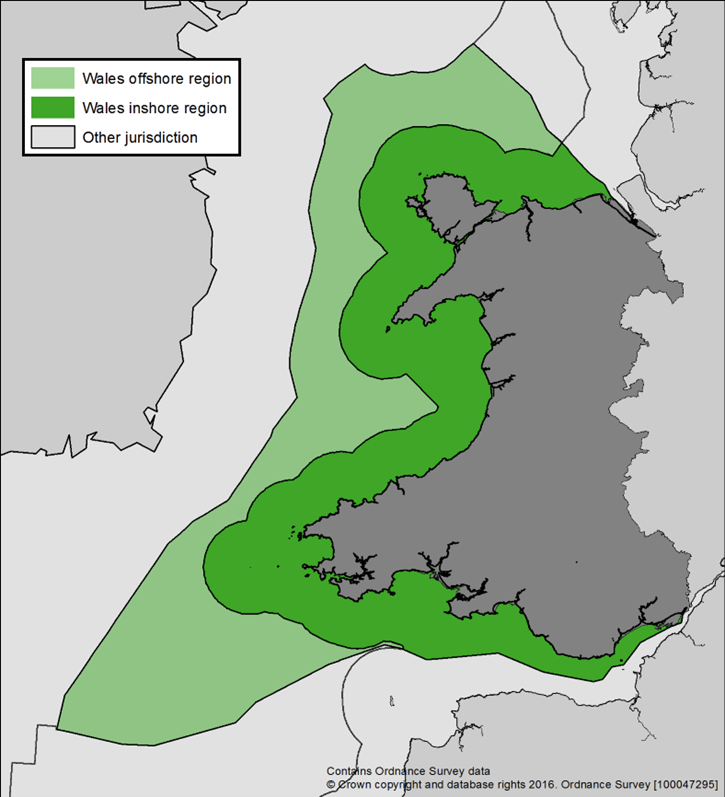
The Crown Estate manages much of the seabed around Wales, England and Northern Ireland, including areas leased for offshore wind developments. Its profits are paid to the UK Treasury, rather than being retained directly in Wales.
Plaid Cymru’s Ceredigion-Penfro branch said: “Crown Estate profits are up 2,300% but Welsh communities see no benefit.”
The issue has become increasingly topical as Pembrokeshire and the wider west Wales coast are being promoted as key locations for the next generation of floating offshore wind in the Celtic Sea.
Supporters of devolution argue that Wales should have control over the revenue generated from its coastline, seabed and natural resources, with profits reinvested in local infrastructure, ports, skills, transport and public services.
They also point to Scotland, where the Crown Estate has already been devolved. In Scotland, revenue from Crown Estate assets is managed north of the border and contributes to Scottish public finances.
Plaid Cymru says Wales should be treated in the same way.
The party argues that, as offshore wind expands, Wales risks seeing major energy infrastructure developed around its coastline while the financial rewards continue to flow to Westminster.
The Crown Estate has benefited significantly from offshore wind leasing in recent years. Across the UK, the estate has reported profits of more than £1 billion for a third consecutive year, with offshore wind continuing to play a major role in its income.
In Wales, the political argument is sharpened by the scale of potential development in the Celtic Sea.
Ports such as Milford Haven and Port Talbot are expected to play a major role in supporting floating offshore wind, with politicians and industry leaders saying the sector could bring thousands of jobs and major investment.

However, campaigners say Wales must secure more than construction work and supply-chain promises. They argue that long-term control of Crown Estate revenues would allow Wales to build a lasting national benefit from renewable energy.
The UK Government has previously resisted calls to devolve the Crown Estate in Wales. Ministers have argued that Crown Estate profits are returned to the Treasury and used for public spending across the UK.
Opponents of devolution also say Wales already receives funding through the wider UK funding settlement, and that changing the Crown Estate model could add complexity at a time when major energy projects need certainty.
But calls for change have continued to grow, particularly as the value of offshore wind leases has increased.
For Plaid Cymru, the issue is now being framed as a question of fairness.
The party says Wales is being asked to host nationally important renewable energy infrastructure while having limited control over the income generated from its own natural resources.
With the Senedd election approaching, the future of the Crown Estate is likely to remain a major political dividing line.
For campaigners, the argument is simple: if Welsh waters are helping to generate hundreds of millions of pounds, Welsh communities should see the benefit.
For the UK Government, the current system keeps Crown Estate revenue within the UK-wide public finances.
The debate now turns on whether Wales should continue under that arrangement, or follow Scotland in taking control of Crown Estate assets for itself.
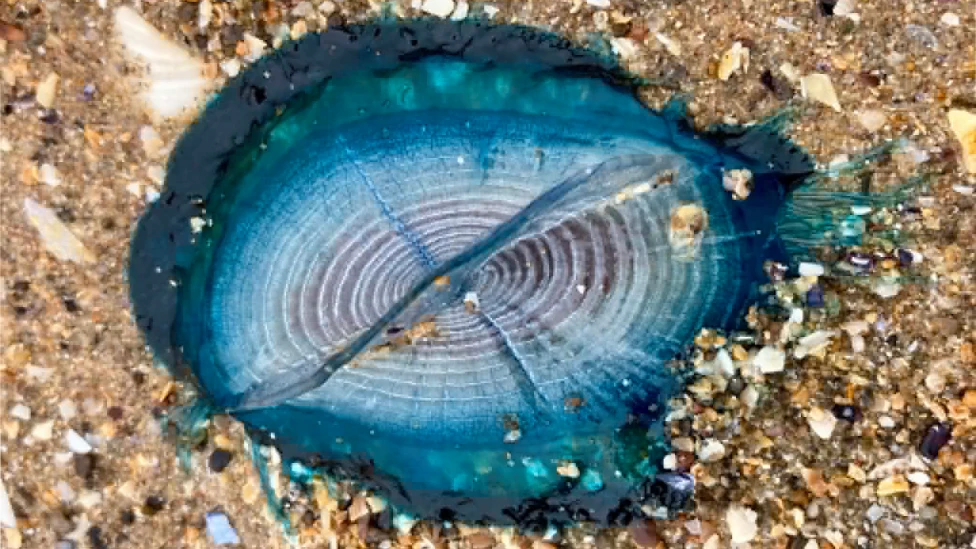
VISITORS to Welsh beaches have been warned not to touch unusual blue sea creatures which have washed ashore along parts of the coastline.
Hundreds of velella velella, commonly known as by-the-wind sailors, have been reported on beaches in Anglesey, Gwynedd and Tenby.
The small, bright blue marine creatures are free-floating hydrozoans and are related to Portuguese man o’ war, sea anemones and corals.
They get their name from a small sail-like structure on their body, which catches the wind and carries them across the surface of the sea.
One was spotted on Tenby South Beach on Tuesday (Jun 16), where beachgoer Maxine Allinson described it as “fantastic” and “like a crystal”.
Marine experts say the creatures are often seen after changes in currents or stormy weather, which can push large numbers ashore at the same time.
Although they are much smaller and less dangerous than Portuguese man o’ war, they do have stinging cells.
Their sting is usually mild, but people are being advised not to pick them up, especially as contact with the face, lips or sensitive skin could cause pain or tingling.
Experts also warn that the stinging cells can remain active even after the creatures appear to be dead on the beach.
The advice is to admire them from a safe distance and leave them where they are.
Caption: Maxine Allinson spotted a velella velella on Tenby South beach Tuesday

Met Office warns of oppressive heat, sleepless nights and potential disruption as rare amber alert extended
A RARE amber weather warning has been issued for large parts of England and Wales as forecasters predict what could become one of the hottest June heatwaves ever recorded in the UK.
The Met Office has extended its Extreme Heat Warning from Monday (June 22) through to Thursday (June 25), with temperatures expected to climb well above 35C and potentially reach 38C by the middle of the week.
Forecasters say the heatwave will intensify rapidly, with temperatures reaching around 32C on Monday before climbing to 35C and beyond on Tuesday and Wednesday. Parts of southeast Wales could see temperatures of around 35C, while southern England is expected to experience the highest values.
The warning covers much of England and Wales and has been described by the Met Office as a potentially significant weather event due to the combination of extreme temperatures and unusually high humidity.
June records under threat
Meteorologists say there is now a strong possibility that the UK’s June temperature record of 35.6C, set in Southampton in 1976, could be broken this week.
The current forecast suggests Wednesday and Thursday will be the hottest days, with temperatures approaching 38C in some areas.
Tropical nights expected
One of the biggest concerns is the lack of overnight relief.
The Met Office is forecasting widespread “tropical nights” across southern parts of Britain, where temperatures remain above 20C throughout the night. High humidity levels are expected to make conditions feel particularly oppressive and may make sleeping difficult.
Health experts warn that prolonged hot nights can increase the risk of heat-related illness because the body has less opportunity to cool down and recover.
Health and travel concerns
The UK Health Security Agency has issued amber heat-health alerts, warning of increased pressure on health and care services and elevated risks for older people, young children and those with existing health conditions.
The Met Office has also warned of possible impacts on transport networks, power supplies and water resources, with roads, railways and public infrastructure potentially affected by the prolonged heat.
Advice for Pembrokeshire residents
While coastal areas of west Wales are likely to remain somewhat cooler than inland locations, temperatures are still expected to be significantly above average for June.

Residents are being advised to:
- Drink plenty of water throughout the day.
- Avoid strenuous activity during the hottest hours.
- Check on elderly relatives, neighbours and vulnerable people.
- Keep homes shaded during the day.
- Take extra care around rivers, lakes and the coast, where cold water shock remains a risk despite the hot weather.
The heat is expected to ease later in the week, although forecasters say temperatures will remain above average and there remains some uncertainty over whether thunderstorms could develop as the hot spell breaks down.



Health6 hours ago
Wales begins early NHS winter planning after long waits and ambulance pressure
Ministers say health boards and councils must act now to ease pressure on hospitals, ambulances and social care before winter...


Crime1 day ago
Judge calls pensioner a ‘dirty old man’ as he avoids jail for exposing himself to women
Judge says 75-year-old Stewart Laugharne behaved ‘disgracefully’ as he avoids jail but is ordered to sign sex offenders register A...
Health1 day ago
Stroke services consultation reaches halfway point as public urged to have say
HYWEL DDA University Health Board is urging people to take part in its consultation on the future of stroke services,...


Business1 day ago
Welsh firms eye share of £5bn defence drone boom
WELSH defence and aerospace firms could be in line for a share of billions of pounds in new military spending...


Community3 days ago
Thousands line Cardigan streets for Lord Rhys homecoming parade
THOUSANDS of people lined the streets and quayside in Cardigan on Saturday as the town marked 850 years since Lord...


Crime4 days ago
Dyfed-Powys Police rated only ‘Adequate’ in organised crime inspection
A WATCHDOG has rated Dyfed-Powys Police only “Adequate” in its response to serious and organised crime, despite praise for the...


News4 days ago
Two taken to hospital after aircraft ditches in Cardigan Bay
Coastguard helicopter spotted two casualties after light aircraft came down off west Wales coast TWO people were taken to hospital...


Sport5 days ago
Long Course Weekend gets underway in Tenby as thousands head for county
Three days of swimming, cycling and running begin with The Wales Swim at North Beach THOUSANDS of athletes and supporters...


Climate5 days ago
Welsh waters, Westminster profits: Crown Estate row reignited in Wales
PLAID CYMRU has renewed calls for the Crown Estate to be devolved to Wales after figures showed income linked to...

News5 days ago
Reform MS: ‘I felt like shouting get out of the water’
Paul Marr says children playing in streams at Pembrokeshire beaches deserve better protection from pollution risks REFORM UK MS Paul...
-

 Crime6 days ago
Police appeal after reported rape at Young Farmers rally
-
Crime4 days ago
Dyfed-Powys Police rated only ‘Adequate’ in organised crime inspection
-

 Entertainment5 days ago
Torch cuts children’s cinema tickets to £5.25 for summer
-

 News2 days ago
Biker dies and woman seriously injured in Black Mountain crash
-

 Farming7 days ago
Farmers urged to protect themselves as heatwave brings health risks
-

 Farming7 days ago
Rural Wales ‘left out’ of net zero debate, warns carbon entrepreneur
-
News5 days ago
Reform MS: ‘I felt like shouting get out of the water’
-

 Community7 days ago
Council ‘did not request or give direction’ to cancel Tenby Summer Spectacular