


Community
Pembrokeshire County Show closes on a high note


THE Pembrokeshire County Show, Wales’ largest and most celebrated agricultural event, has successfully wrapped up its two-day extravaganza, leaving behind a trail of fond memories and a sense of accomplishment. The show, held at the Pembrokeshire County Showground in Haverfordwest, saw a vast array of activities and displays, drawing in crowds from across the region and beyond.
The first day of the event opened under a blanket of sunshine, with thousands of eager visitors flocking to the showground. The clear skies and warm weather created the perfect atmosphere for attendees to immerse themselves in the rich rural heritage that the show offers. From the vibrant livestock competitions to the bustling food stalls, the showground was alive with energy, as people of all ages explored the attractions.
This year’s event held special significance as it marked the 240th anniversary of the Pembrokeshire Agricultural Society (PAS), an organisation that has long been the backbone of the show. The Society, with its deep-rooted history, took extra care in curating an event that paid homage to its past while seamlessly integrating modern elements. The result was a show that not only celebrated tradition but also embraced contemporary trends, ensuring that there was something for everyone.
Day one was a resounding success, with large crowds filling the showground and creating a lively and festive atmosphere. The weather played a crucial role in drawing people out early, with traffic building up as early as 7:30 a.m. Visitors were greeted with a myriad of activities, from interactive displays to live entertainment, making the most of the glorious weather.
Among the notable attendees was Wales’ First Minister, Eluned Morgan, who made her first official visit to Pembrokeshire since being elected. Ms. Morgan spent the day touring the showground, expressing her admiration for the event’s organisation and the resilience of the community in bringing the show back to its full glory post-pandemic. “It’s a really lovely day this year. Things have been building back up to pre-pandemic levels. It’s been wonderful. Lots of people are here from Pembrokeshire and beyond. It has been brilliantly organised,” she remarked.

The First Minister was particularly impressed with the livestock exhibitions, which are a cornerstone of the show. “One of my favourite parts of the show is seeing the livestock. It’s amazing to think about all the work that has gone in over generations to ensure an animal is in peak condition,” she added. Her presence underscored the importance of the show, not just as a local tradition but as an event of national significance.
Adam Thorne, President of the Pembrokeshire Agricultural Society and a third-generation arable and beef farmer, officially opened the show from the main ring. Reflecting on the event’s success, he highlighted the indispensable role of volunteers. “We’ve got 200 voluntary stewards across all the sections, and the show just wouldn’t be possible without them,” he said, emphasising the community spirit that underpins the event.
As day one drew to a close, anticipation was high for the second day, despite forecasts predicting less favourable weather. True to the forecast, day two greeted attendees with rain, but this did little to deter the crowds. The showground remained busy, and some car parks even reached full capacity, leading to visitors being redirected to other entrances. The resilient spirit of the show’s visitors shone through as they donned raincoats and umbrellas, determined to make the most of the day.
Show director and trustee Delme Harries echoed the sentiments of many when he spoke about the show’s evolution over the centuries. “Before the pandemic, we had eight full-time show staff, and that’s now down to two, so we are lucky to be able to rely very heavily on volunteers and are conscious that we must involve the next generation as well,” he explained. Mr. Harries also noted how the show has adapted to changing times, embracing social media and responding to the growing demand for quality, locally-made goods while staying true to its agricultural roots.

One of the standout attractions this year was Aquarius, a magnificent White-Tailed Eagle with a two-metre wingspan, brought by the British Bird of Prey Centre. Aquarius captivated visitors with her impressive size and grace, symbolising the efforts to reintroduce these majestic birds to Welsh skies. Alongside Aquarius was the Centre’s newest addition, a baby Snowy Owl, which charmed the crowds with its sleepy demeanor. These birds were a hit among both children and adults, adding a unique element to the show’s already diverse offerings.
The poultry competition made a triumphant return this year, after being absent in recent years due to the pandemic and avian flu concerns. The competition attracted 600 entries, ranging from individual birds to crafts and eggs, delighting both participants and spectators. “Although this year’s entries are half of what they used to be, they are double what we expected because we went ahead at the last minute,” said poultry show secretary Bethan Clarke. Her satisfaction with the turnout reflected the broader sentiment of the event, which managed to exceed expectations despite the challenges.
Food lovers were well catered for at the Welsh Food Hall, sponsored by Castell Howell. The Hall showcased over 40 local producers, offering everything from cider to cheesecake. Regular cookery demonstrations drew large crowds, as attendees were eager to learn from local chefs and sample the delicious offerings. This celebration of Welsh food and drink has become a highlight of the show, showcasing the region’s rich culinary heritage and the innovation of its producers.

The showground was a hive of activity throughout the two days, with the Country Market shopping area featuring 60 stalls selling unique, artisan products. Families and children were well catered for, with a range of activities including rugby skills sessions with the Scarlets, Little Legs Football, and the always popular Panic Circus Big Top, which offered free fun and games for all ages.
The Countryside Park was another popular area, where visitors could engage with the British Bird of Prey Centre’s exhibits, including talks on Eagle Reintroduction Wales and the chance to meet some of the Centre’s residents up close. The Ferret World exhibit and the gundog display team led by Wales’ top handler, Meurig Rees, also drew large audiences, offering a glimpse into traditional country life. These exhibits provided educational and entertaining experiences, highlighting the rural traditions that are at the heart of the show.
Live entertainment played a crucial role in maintaining the lively atmosphere of the event. Pure West Radio broadcasted live from the showground, with their stage featuring live music, competitions, performances, and special guests. The radio station’s involvement ensured that there was never a dull moment, keeping the energy high throughout both days of the show.
As the second day drew to a close, the much-anticipated judging of sheep and pig classes took place, concluding with the supreme horse championship. Despite the rain, the competitions were fiercely contested, with participants showcasing the best of Welsh livestock. Thursday also saw the Ladies Day reception in the Members’ Marquee, where guests donned their finest attire and enjoyed Prosecco, all while raising funds for the Royal Agricultural Benevolent Institution (RABI). The event was a highlight of the second day, adding a touch of elegance and charity to the proceedings.
Reflecting on the event, the organisers were pleased with the overall success of the show. “The community spirit and the support from volunteers have been incredible,” said Delme Harries. “Despite the challenges, we’ve had a fantastic show, and we’re already looking forward to next year.” The Pembrokeshire County Show has once again proven why it remains a cornerstone of Welsh rural life. The blend of tradition, community, and entertainment, coupled with the resilience of both organisers and attendees, ensured that this year’s event was a resounding success.

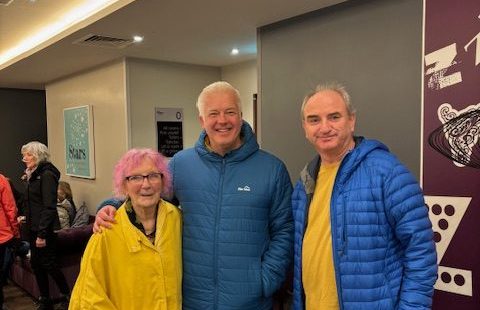
A WELL-KNOWN Welsh weather presenter was spotted in Pembrokeshire as he filmed scenes for a new series celebrating the county’s coastline.
Derek Brockway, who has been a familiar face on BBC Wales since 1995, was in St Davids recently working on another instalment of his popular walking series along the Pembrokeshire Coast.
Local resident Thomas Tudor said it was “lovely” to meet the broadcaster during filming, posing for a photograph alongside his mother, Beryl Tudor, and sister, Bethan Thomas Price.
Brockway, who is based at BBC Cymru Wales in Cardiff, is widely known not only for his weather forecasts across television, radio and online, but also for his programmes showcasing Wales’ landscapes and coastal paths.
The latest filming in St Davids is expected to form part of an upcoming series highlighting the natural beauty and walking routes of Pembrokeshire, an area long regarded as one of the jewels in Wales’ tourism crown.

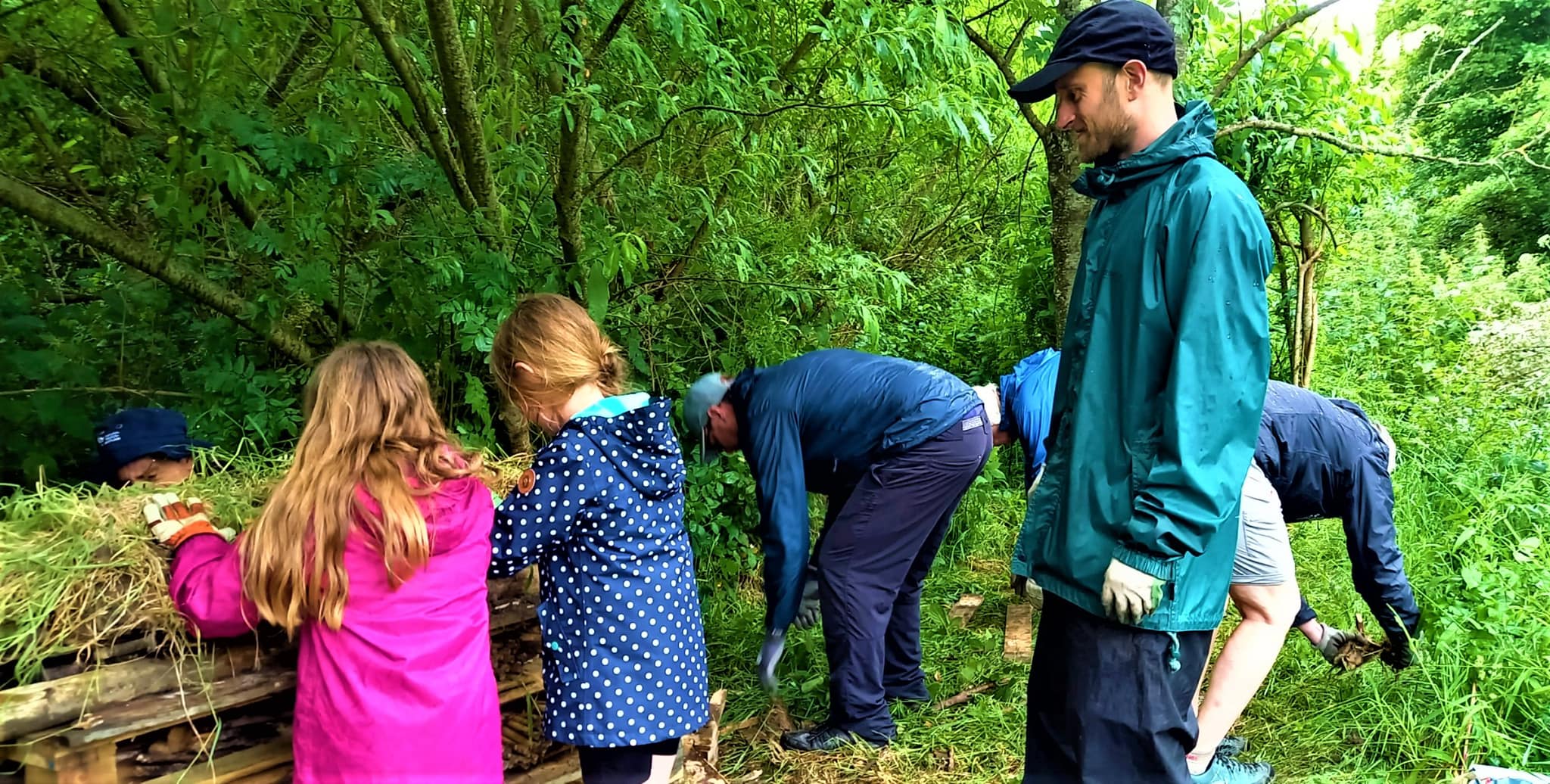
A SMALL stretch of woodland and former opencast coal mine has been transformed into a nationally recognised biodiversity site, in a major first for Wales.
The Slash Pond Community Nature Reserve has been awarded ‘Naturfa’ status, becoming the first community-managed site in Wales to receive the designation.
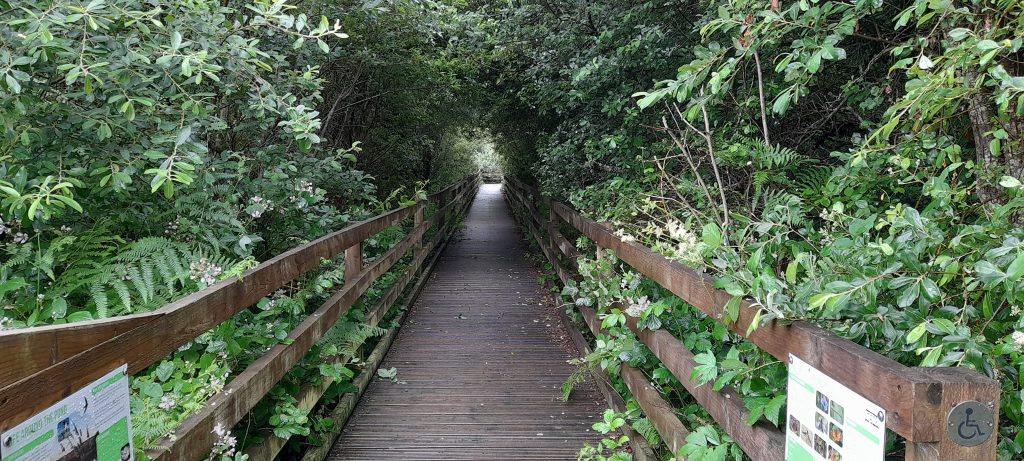
The recognition, confirmed by Deputy First Minister Huw Irranca-Davies, classifies the reserve as an “Other Effective Area-based Conservation Measure” (OECM). This means the volunteer-led work of the Support the Boardwalk group will now contribute directly to Wales’ 30×30 target – the global commitment to protect 30% of land, freshwater and sea for nature by 2030.
In a further boost, the site has also been included in the National Forest for Wales, recognising its role in strengthening a connected network of woodlands and habitats across the country.
Once a simple local walkway, the Slash Pond has developed into a thriving wildlife haven. The reserve now supports a wide range of species, including critically endangered European eels, otters, ten species of bat, and more than fifty species of birds, alongside diverse aquatic plants and insects.
Huw Irranca-Davies said: “These special places are a testament to the care and dedication of people working on the ground – securing a legacy for future generations. Nature can only thrive where habitats are resilient, protected and effectively managed.”
The new status is expected to unlock future funding opportunities, supporting long-term plans for maintaining the boardwalk, monitoring biodiversity and water quality, installing new signage, and expanding environmental education work with Broad Haven Primary School and the wider Havens community.
Andy Drumm, a volunteer with Support the Boardwalk, said: “We’ve always known how special the Slash Pond is, but this recognition puts it firmly on the map as a national asset. It’s a tribute to years of hard work and shows that local communities can lead the way in tackling the nature crisis.”
To mark the achievement, a Spring Family Fun Day will take place on Friday (May 9) from 1:00pm to 4:00pm at the Slash Pond car park.
The event will feature guided nature walks, pond dipping, a wildlife treasure trail, live music, and family activities including crafts and face painting. The official unveiling of the Naturfa certificate and new reserve branding will also take place, alongside the launch of a new book, From Culm to Calm: A History of the Slash Pond by local author David Meanwell.
Karen Riggs, a long-time volunteer, said: “This achievement belongs to everyone in Broad Haven who has supported the site over the years. We’re not just celebrating a new title – we’re celebrating what our community has built together.”
The day will also see the installation of new benches at the observation decks and the launch of a floating island habitat to support wildfowl and other bird species. Visitors will also be invited to share feedback on plans for an improved picnic area designed to withstand local flooding.

Naturfa is a Welsh Government initiative recognising areas outside traditional protected sites, such as SSSIs, that are managed in ways which deliver long-term benefits for biodiversity.
The Slash Pond Community Nature Reserve is managed by the Support the Boardwalk group in partnership with The Havens Community Council, and is maintained entirely by volunteers.
Further information and updates are available via the Support the Boardwalk Facebook page.

A local beauty therapist earns recognition in prestigious UK competition
A MILFORD HAVEN beauty therapist has been shortlisted for a major national award celebrating excellence in the hair and beauty industry.
Charlotte Mitchell-Johns, of The Attic Hair & Beauty, has been named a finalist in the Hair Extensions Specialist category at the UK Hair and Beauty Awards 2026.
Ms Mitchell-Johns, who is a Level four beauty therapist, also works as a hair extensions specialist and beauty educator with HB Training.
Speaking about the recognition, she said she was “truly honoured” to be named among the finalists.
She added that she believes the industry thrives on collaboration rather than competition, and that supporting others is key to long-term success.

Ms Mitchell-Johns has been recognised for her technical skill, commitment to clients, and efforts to maintain high standards within the beauty sector.
The UK Hair and Beauty Awards highlight leading professionals from across the country, celebrating talent, creativity and dedication within the industry.


Community12 hours ago
Broad Haven volunteers secure ‘national asset’ status for nature reserve
A SMALL stretch of woodland and former opencast coal mine has been transformed into a nationally recognised biodiversity site, in...


Entertainment2 days ago
Tenby steams up in spectacular style as crowds flock to festival
Colourful parade, towering creations and Victorian flair bring town centre to life TENBY was transformed into a vibrant Victorian fantasy...

Crime3 days ago
Publican jailed for six years for supplying cocaine and cannabis
Milford Haven man sentenced at Swansea Crown Court following drug dealing operation A MILFORD HAVEN publican has been jailed for...

Local Government3 days ago
Poverty summit highlights support efforts across Pembrokeshire
A SUMMIT bringing together key organisations from across Pembrokeshire has highlighted both the scale of local poverty and the work...


Education4 days ago
Milford Haven school plans unveiled but funding not yet secured
PLANS for a new £100 million school in Milford Haven have been unveiled, but the project has not yet secured...


News4 days ago
Council unveils plans for new state-of-the-art secondary school in Milford Haven
PEMBROKESHIRE COUNTY COUNCIL has revealed plans for a new state-of-the-art school in Milford Haven, promising modern, inspiring learning spaces for...


Health4 days ago
NHS waiting list falls — but cancer delays and diagnostic backlog worsen
Record progress claimed by Welsh Government as critics warn key targets are still being missed THE NHS in Wales has...


Crime5 days ago
Rapist jailed after ‘abhorrent’ attacks on woman and children
Haverfordwest man told police “women won’t have sex without force” A HAVERFORDWEST man who raped a woman and a young...


News5 days ago
Reform secures first Pembrokeshire councillor in Hakin by-election win
Late Reform candidate takes seat as independent surge and Labour withdrawal shape contest REFORM UK candidate Scott Thorley has won...


News5 days ago
Scott Thorley elected as Pembrokeshire’s first Reform councillor
REFORM UK candidate Scott Thorley has won the Hakin by-election after securing 179 votes. The full result is as follows:...
-

 News6 days ago
Emergency services flood Haverfordwest after reports of person in river
-

 Crime5 days ago
Mother given community order after admitting child cruelty offence
-
Health4 days ago
NHS waiting list falls — but cancer delays and diagnostic backlog worsen
-

 News5 days ago
Senedd vote to ban greyhound racing hailed as ‘landmark moment’ by charities
-
 News5 days ago
Senedd votes to ban Greyhound racing in Wales to protect animal welfare
-
News5 days ago
Reform secures first Pembrokeshire councillor in Hakin by-election win
-

 Crime5 days ago
Woman stole from pharmacy despite ban, court hears
-

 News7 days ago
£3.8m to help Welsh families struggling with soaring heating oil costs