


News
Welsh Government unveils renewable energy potential of disused coal mines


THE Welsh Government has today announced the release of a comprehensive “Mine Water Heat Opportunity Map,” detailing the potential for using disused coal mines across Wales as a source of renewable energy. The map, alongside several technical reports, has been made public by Ken Skates, the Cabinet Secretary for the Economy, Transport and North Wales.
The map illustrates how the extensive network of historical coal mines, once the backbone of Wales’s industrial landscape, could now serve as a renewable, low-carbon source of heating. With heating accounting for 50% of energy use in Wales, the potential of mine water heat is seen as a significant opportunity to enhance the sustainability of communities located within coalfield regions.
Mr Skates highlighted the potential environmental benefits, stating, “Mine water heat could also play a part in our necessary efforts to tackle climate change and support decarbonisation.” He emphasised that this initiative could contribute to the Welsh Government’s broader goals of reducing carbon emissions and promoting sustainable economic growth.
The Coal Authority was commissioned by the Welsh Government to assess the feasibility of this initiative. Their work involved evaluating all known coal mine workings in Wales, focusing on identifying those that might now contain water warmed by natural geological processes. The resulting map categorises the mine workings into three groups: “Good,” “Possible,” and “Challenging” opportunities for developing mine water heat projects.
Additionally, the map includes locations where mine water is already being discharged through controlled gravity-driven mechanisms and mine water treatment schemes. These sites are considered particularly promising for cost-effective heating solutions.

The Welsh Government has also prepared technical reports for 11 local authorities, highlighting specific opportunities within their areas. These reports, now available on the Welsh Government’s website and DataMapWales, are designed to provide developers with accessible information and data to explore the potential of mine heat resources.
The release of these documents is part of a broader strategy that includes the upcoming publication of further information on the Welsh Government’s Heat Strategy, Local Area Energy Plans, and Net Zero Wales Carbon Budgets. This initiative underscores the government’s commitment to clear policy direction and the facilitation of informed decision-making in the pursuit of decarbonisation and sustainable economic growth.
Mr Skates concluded by offering to address any further questions or provide additional statements to the Senedd upon its return from recess, ensuring that members remain informed of the government’s ongoing efforts in this area.

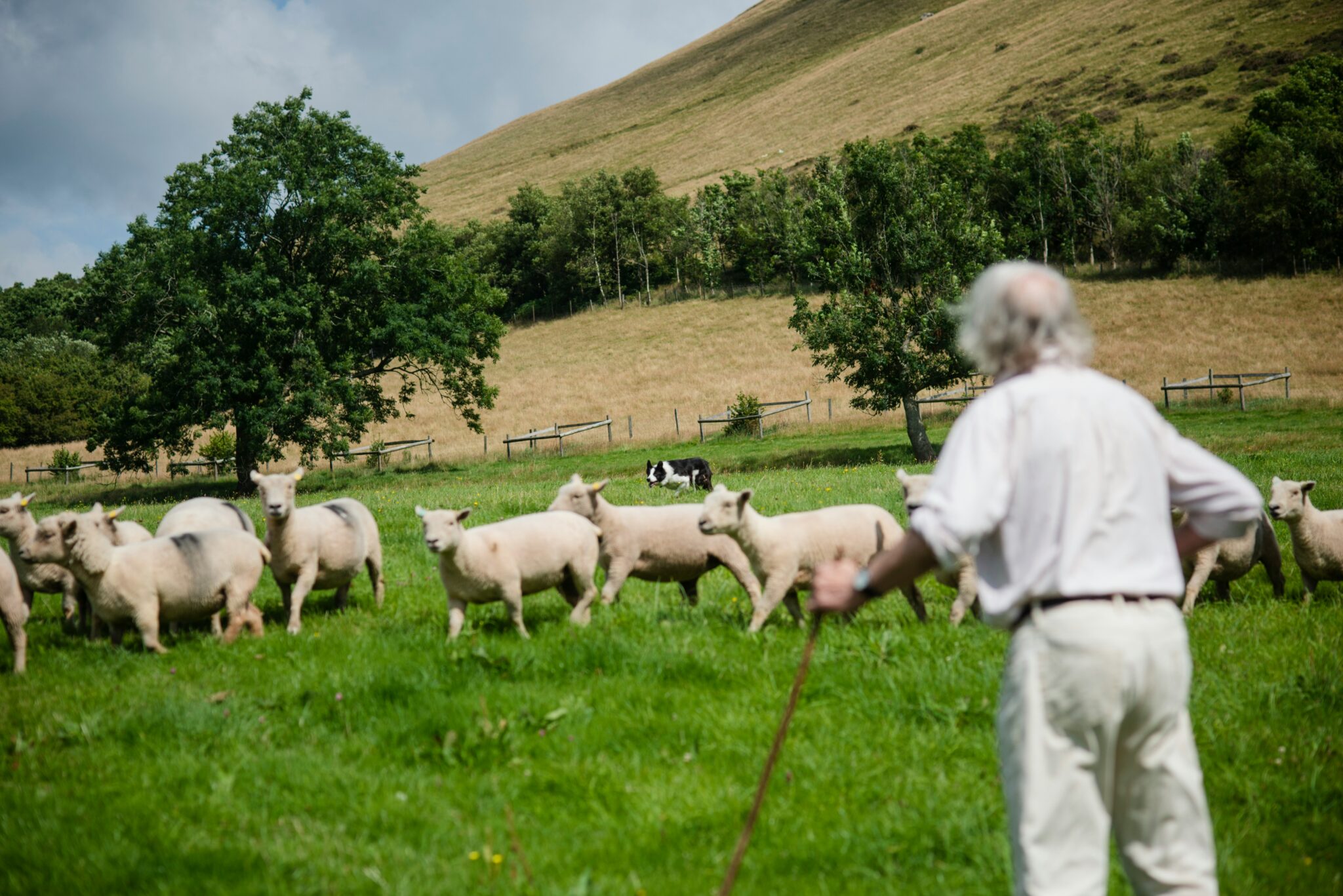
A WELSH carbon entrepreneur has warned that rural Wales risks being left behind in the national conversation about net zero.
Cai Matthews said farmers and land-based businesses are too often treated as people who will be affected by climate policy, rather than as people who can help shape it.
Writing for the Institute of Welsh Affairs’ welsh agenda, Mr Matthews said much of the debate around a “just transition” in Wales focuses on cities, heavy industry, transport, digital jobs and renewable energy.
He said those areas matter, but warned that they do not reflect the reality of a country where most of the land is rural or agricultural.
Mr Matthews said: “Farmers in Wales are visible in the just transition conversation primarily as potential victims of it.
“They are not framed as producers of economic value in the green economy. They are not framed as innovators.”
He said rural communities are often overlooked because their problems are less visible than the closure of a factory or the loss of thousands of jobs in one town.
Instead, he said, pressure builds quietly through low farm incomes, reliance on subsidy, mental health strain, and young people struggling to see a future on family farms.
Mr Matthews argued that Welsh farmland should be seen as a major economic asset in the climate transition.
He pointed to agroforestry, soil improvement, biodiversity work and biochar as examples of land-based climate work that can remove carbon while also supporting nature.
He said farmers could earn additional income by selling verified carbon removal alongside food production, but warned that the system must be designed fairly.
Carbon markets, he said, were not a complete answer to the problems facing rural Wales, but could provide a valuable second income stream if farmers were not priced out or exploited by outside platforms.

Mr Matthews said the danger was that companies and organisations outside Wales would build the infrastructure, take the value, and leave farmers with only a small share.
He said Wales should instead build its own system, rooted in Welsh law, Welsh land and Welsh communities.
Mr Matthews, who works with Clo Carbon Cymru, said the Well-being of Future Generations Act should give Wales a strong foundation for this work, but only if its principles are turned into practical action.
He said the next Welsh Government should recognise that some of the work needed for a just transition is already happening on the ground.
He added: “The question for the next Welsh Government isn’t whether it can architect a just transition from the top down.
“It’s whether it can recognise the one being built from the ground up, and decide to stand behind it.”
The intervention comes as farming unions continue to argue that rural Wales must not be sidelined in climate, biodiversity and land-use policy.
Mr Matthews said the issue was not simply about asking for more investment in rural areas, but about recognising farmers as active partners in building Wales’ future economy.
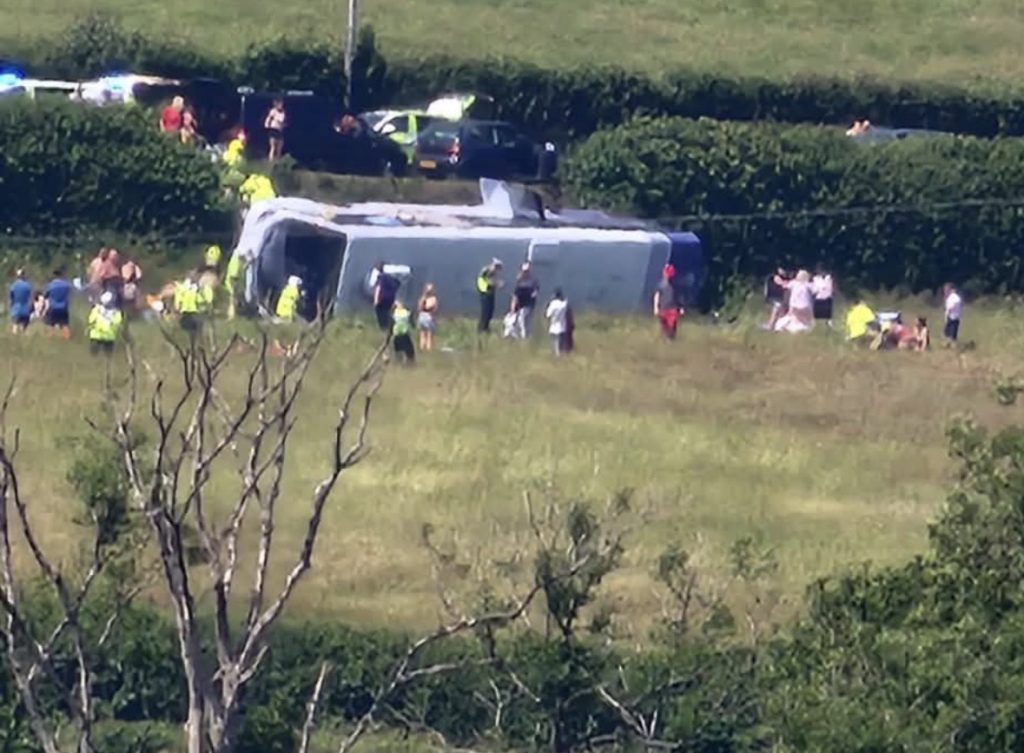
NINETEEN people were injured after a bus overturned near Kidwelly, sparking a major emergency response and leaving witnesses describing the scene as “like a warzone”.
The X11 service crashed on the A484 near the Parc y Bocs roundabout at around 12:20pm on Tuesday (Jun 23).
Six people were taken to hospital and 13 others were treated and discharged at the scene. Dyfed-Powys Police said none of the injuries were believed to be life-threatening.
A major incident was declared, with police, fire crews, ambulance teams and two Wales Air Ambulance helicopters sent to the scene. The incident was later stood down at around 5:30pm.
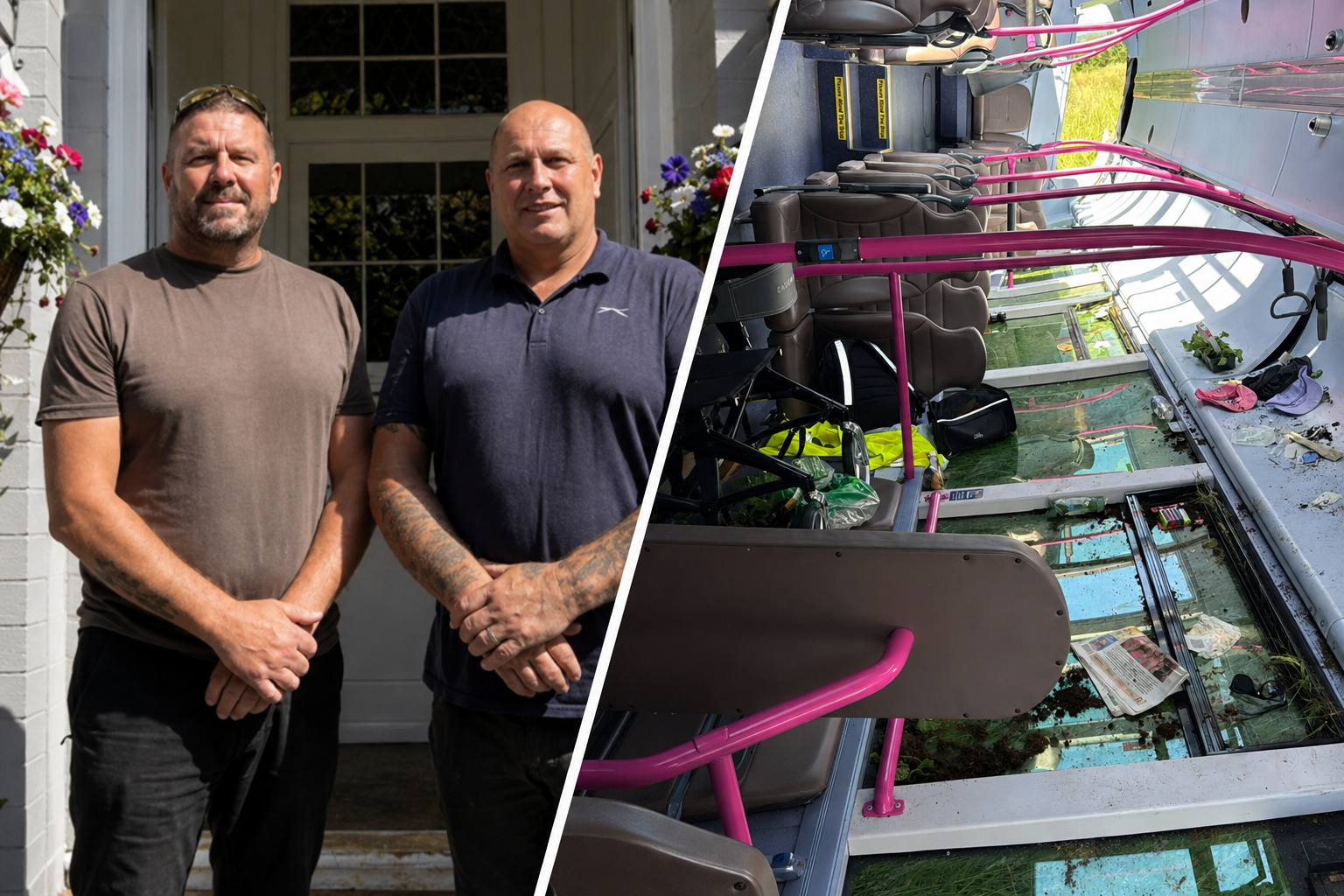
Among the first to help were Martyn Pope, from Ferryside, and Dean Hollands, from Mynydd y Garreg, who were travelling behind the bus in a van.
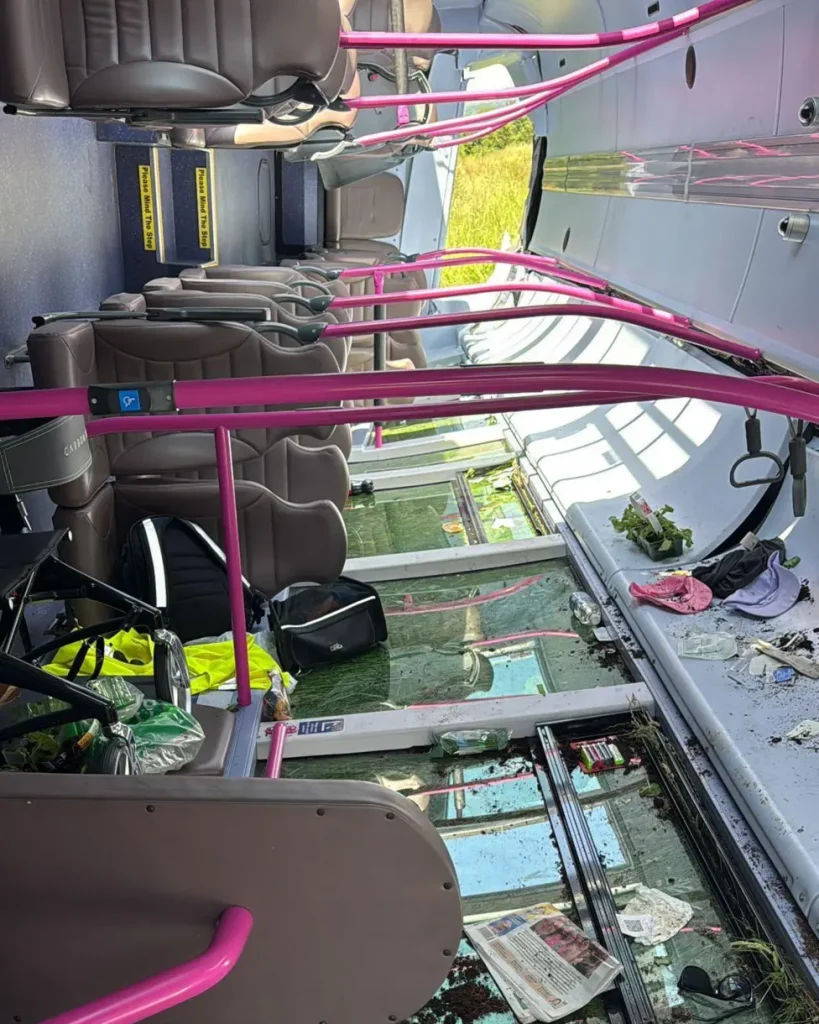
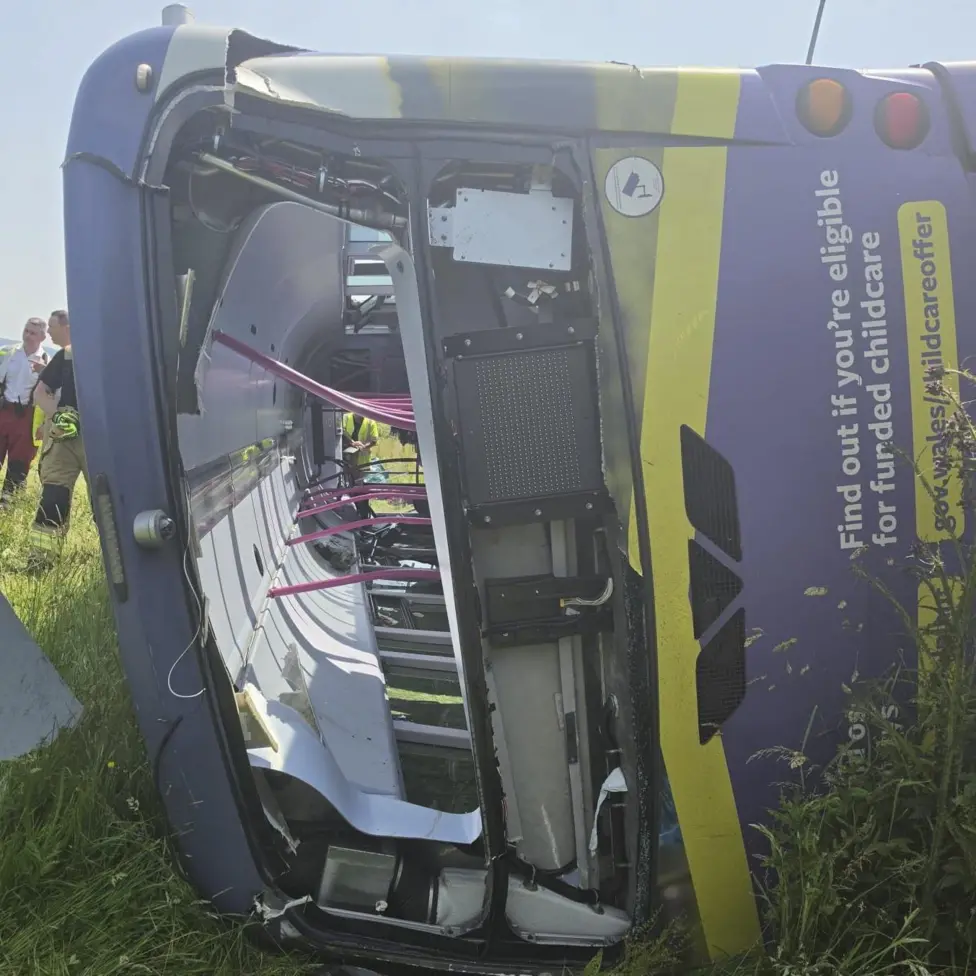
The pair, who work at Bryn Illtud and Erw Hir care homes, grabbed hammers from their vehicle and rushed into the field to help trapped passengers.
Mr Pope said: “As we came around the corner the coach was in the field.
“We’ve got tools in the back of the van so we grabbed a couple of hammers and dashed down onto the field.
“People were crying and screaming.”
Mr Hollands said adrenaline took over as they began breaking through the bus to reach those inside.
He said one woman was lying on broken glass because the vehicle had come to rest on its side.
“Martyn went to the front, I went to the back, pulled one old lady out and an old chap. Then me and Martyn took the doors out,” he said.

They also helped a man with a baby and a dog escape from the bus.
Inside the vehicle, food shopping, debris and disabled walkers were scattered across the smashed windows, making the rescue even more difficult.
Mr Pope said passengers had suffered cuts, head injuries, dislocations and broken bones, while many were badly shaken.
The men later discovered that one of the elderly women they helped was the mother of a colleague from the care home. She had suffered broken ribs and a broken hip.
A rest centre was set up at the John Burns Centre, where welfare arrangements were made for those involved.
Hywel Dda University Health Board warned at the time that A&E waiting times were likely to be longer as hospitals dealt with those most in need.
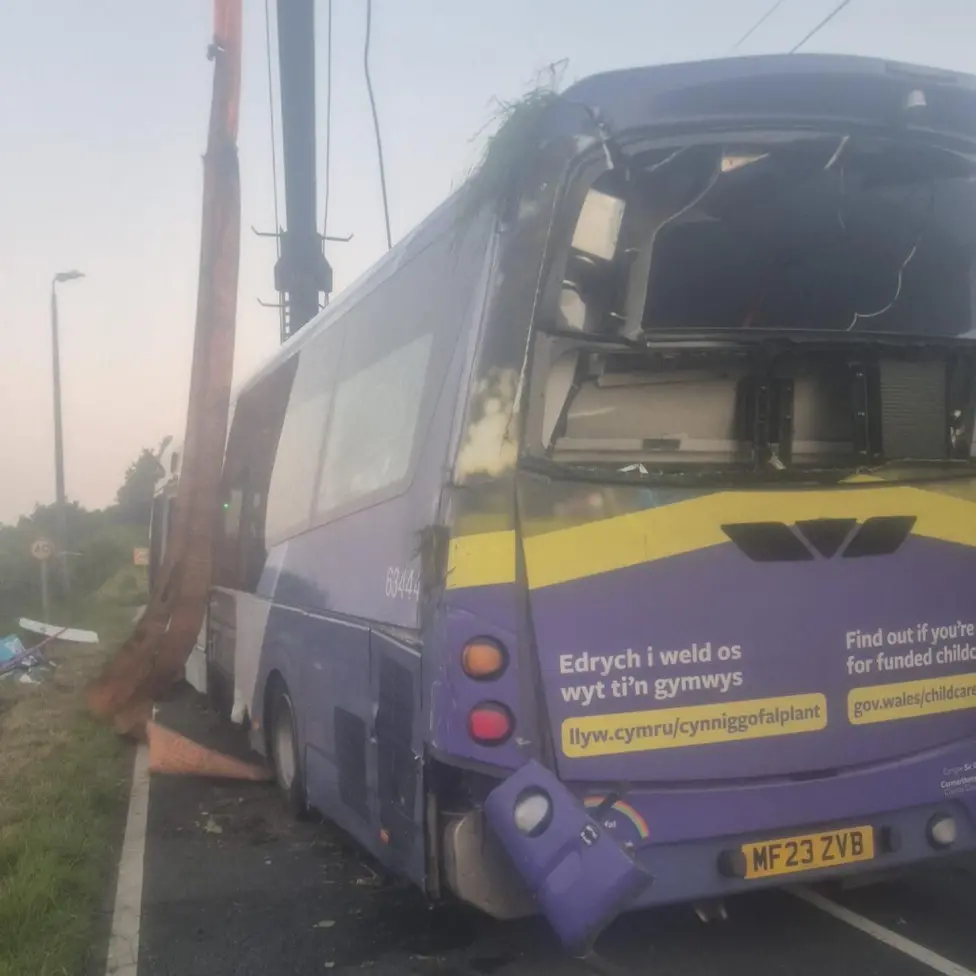
One passenger, 17-year-old Connor Morgan Smith, had been travelling to Swansea to meet friends.
His mother, Sally-Ann Morgan Smith, said she received a call from him at 1:50pm.
She said: “From what he told me, a car overtook a bike and the bus braked hard. The bus was juddering and then it hit the verge and went over.”
She described the journey to reach her son as “the longest journey ever”.
“He might be 17, but he’s still my baby,” she said.
Connor was taken to Glangwili Hospital after his pulse became very high. He was later said to be shaken but recovering, with a bad knee, a bad arm and aches across his body.
His mother said she was “100% proud” of him after he activated the emergency exit shortly after the crash.
Local farmer Jacko Thomas, who rents the field where the bus overturned, said he had been due to mow there that day.
He helped move injured passengers away from the scene using his pickup and John Deere farm buggy.
He said: “The bus was on its side and bodies were everywhere. I was gobsmacked. Honest to God, I was just going to go mow that field.”
Mr Thomas said he had long feared a serious crash on that stretch of road.
“The roads aren’t fit for purpose,” he said.
“They’re not wide enough for buses or lorries.”
Dyfed-Powys Police are continuing to investigate the circumstances of the crash.
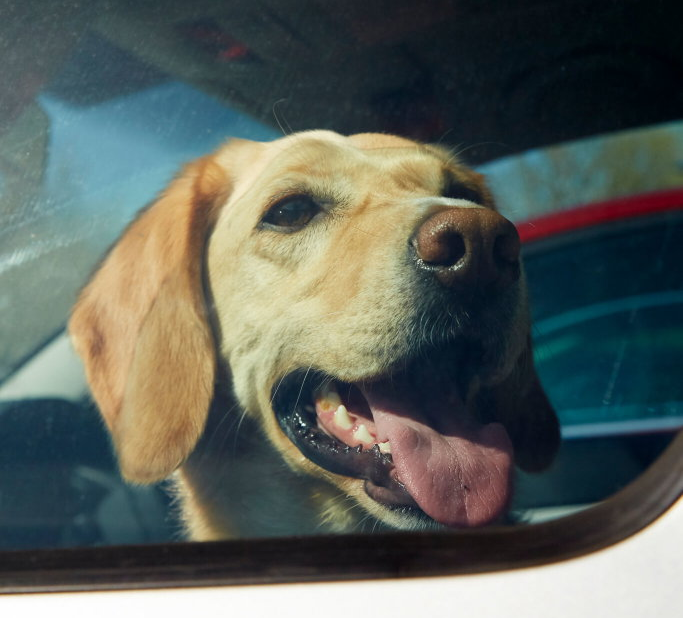
THE RSPCA has urged people to call police immediately if they see an animal trapped in a hot car during the heatwave.
The charity says members of the public should not call the RSPCA first in an emergency, because only police have the legal power to force entry to a vehicle to rescue an animal in distress.
Lauren Bennett, animal welfare expert at the RSPCA, said: “The RSPCA does not have the legal power to enter a vehicle to rescue an animal in distress — only the police have the power to do this.
“So please, if you see a dog or any other animal inside a hot car, call 999 immediately. Every second really does count in this situation and it is vital to get the animal out of that environment and safely cooled down as soon as possible.”
The warning comes as high temperatures continue to pose a serious risk to pets, wildlife and farm animals.
The RSPCA said a car can become a “death trap” for dogs, even on a warm or cloudy day, with temperatures inside vehicles rising rapidly in just a few minutes.
Ms Bennett said: “This is not a new warning, but sadly too many people still do not appreciate how dangerous it can be to leave a dog in a hot car, conservatory or caravan.
“Many people think it will be fine just to leave their pets for a minute or two, but we know that this is all it takes for temperatures inside a car to soar to dangerous levels.
“A hot car can be a death trap for dogs, it is as simple as that.”
The charity is also urging pet owners to keep animals cool, calm and comfortable by making sure they have constant access to fresh water, shade, ventilation and cooler areas away from direct sunlight.
Owners are being reminded to watch for signs of heatstroke, which can include heavy panting, drooling, lethargy, confusion, vomiting, collapse or seizures.
The current advice, endorsed by the Royal Veterinary College, is known as “Cool First, Transport Second”.
Anyone who believes an animal is suffering from heatstroke should stop all activity, move the animal away from the heat, begin cooling it with water cooler than body temperature, and then take it to a vet in a cool, well-ventilated vehicle while continuing the cooling process.
The RSPCA says people should call ahead to let their vet know they are coming.
Figures from inspiring vet care, which has recently partnered with the RSPCA, show its vets dealt with 355 suspected heatstroke incidents in 2025. Of those, 234 happened during the summer months.
The number of suspected heatstroke cases was up 28 per cent on 2024, when 277 incidents were recorded.
The charity said it is not only dogs that are at risk. Cats, rabbits, guinea pigs, ferrets, poultry, horses, fish and reptiles can all suffer in extreme heat.
Rebecca Ashman, Head Vet at the RSPCA, said cats and rabbits can also suffer sunburn, particularly white-furred animals or those with little or no hair.
She said: “To keep them safe, you can gently apply some pet-safe, waterproof sun cream — at least factor 30 — to the front and back of the tips of your pet’s ears and a bit on the furless part of their nose.
“Signs of skin cancer in pets include redness and soreness, especially on the tips of the ears, or crusting around the ears — so if you notice this, it is important to take your pet to the vet.”
The RSPCA is also asking people to help wildlife by leaving out bowls of fresh water, checking long grass before mowing or strimming, searching bonfires before lighting them, and keeping ponds topped up during hot weather.
Pet owners are advised to provide shade throughout the day, keep indoor areas well ventilated, avoid exercising dogs during the hottest parts of the day, check small animals and poultry twice daily for flystrike, and keep fish tanks out of direct sunlight.
The charity said outdoor event organisers should also warn visitors about the dangers of heat-related illness in dogs and encourage owners to leave pets at home during very hot weather.


News1 hour ago
Coastguard callout payments axe sparks fears for coastal communities
VOLUNTEER coastguards across the UK are set to lose callout payments, prompting concern over the future resilience of emergency cover...


Local Government17 hours ago
Tenby Spectacular row continues as organisers say key question remains unanswered
Round Table says legal clarity over pedestrian access is still holding up event plan TENBY ROUND TABLE has welcomed Pembrokeshire...


Community1 day ago
Manorbier fire scandal: Council’s payout just £63,777 after school destroyed
PEMBROKESHIRE COUNTY COUNCIL has accepted an insurance settlement which leaves it with just £63,777.07 after the catastrophic fire which destroyed...

News2 days ago
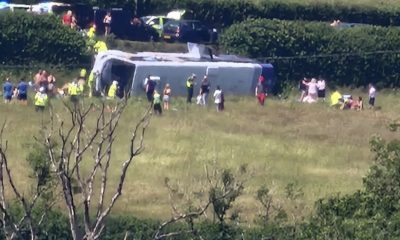
Bus overturns in major incident near Kidwelly
All passengers rescued as emergency services remain at scene A BUS overturned on the A484 between Kidwelly and Ferryside on...


Community3 days ago
Tenby Summer Spectacular cancelled amid council row over harbour access
Organisers say popular charity events cannot safely go ahead without clear powers to control crowds TENBY ROUND TABLE has announced...

News3 days ago
Motorcyclist dies after four-vehicle crash on A40 in Carmarthenshire
A MOTORCYCLIST has died following a four-vehicle collision on the A40 between St Clears and Whitland. Dyfed-Powys Police said the...


News3 days ago
Rhun ap Iorwerth urges new deal for Wales after Starmer quits
First Minister says next Prime Minister must focus on greater powers, fair funding and respect for Wales’ democratic mandate FIRST...


News3 days ago
How Labour’s landslide victory unravelled in just two years
Prime Minister announces resignation after losing support within his own party as Andy Burnham emerges as overwhelming favourite to take...


News4 days ago
Long Course Weekend set to bring thousands to Pembrokeshire
Three days of swimming, cycling and running will once again transform Tenby into one of the UK’s biggest endurance sporting...


Community4 days ago
The gentle giant behind the tattoos
Pembrokeshire security worker Josh Davies praised for professionalism, kindness and proving first impressions can be wrong JOSH Davies is hard...
-
 News7 days ago
Crash on Freeman’s Way causes school-run chaos across Haverfordwest
-

 Health5 days ago
Woman jailed assaults on police, harassment and XL Bully possession
-

 Crime5 days ago
Milford Haven woman spared jail despite string of shop thefts
-
Community4 days ago
The gentle giant behind the tattoos
-

 Local Government7 days ago
Pembrokeshire faces accessible housing shortage as 403 people wait for homes
-

 Crime5 days ago
Spittal man to stand trial accused of ABH
-

 Crime5 days ago
Carmarthenshire pensioner, 86, accused of causing prostitution for gain
-

 Entertainment4 days ago
Harbour Fest to bring music, food and maritime magic to Milford Waterfront