


News
Oasis: The Welsh ties that shaped a Britpop icon


OASIS, the legendary rock band synonymous with Manchester’s vibrant music scene, are celebrated for defining a generation with their anthemic sound. However, their links to Wales are both profound and pivotal, playing a crucial role in the band’s rise to global stardom. From significant recording sessions to the influence of their Welsh manager, Marcus Russell, Wales has been an unsung hero in the Oasis story.
One of the most pivotal figures in the band’s history is Marcus Russell, their long-time manager, who hails from Ebbw Vale, Blaenau Gwent. Russell’s journey with Oasis began at a small gig in Manchester, where he was struck by their raw talent and potential. With a deep-rooted passion for music nurtured during his youth in South Wales, Russell took on the role of their manager, guiding the band from obscurity to international fame. His influence was instrumental in transforming Oasis into one of the biggest bands in the world. Despite his global success, Russell has remained deeply connected to his roots, serving as the owner and benefactor of Ebbw Vale Rugby Club for over 15 years—a testament to his enduring loyalty to his hometown, even as he navigated the complex world of rock management.

The importance of Wales in Oasis’s rise to fame is further underscored by their early recording sessions. In 1993, on the cusp of their breakthrough, Oasis recorded much of their debut album Definitely Maybe at Monnow Valley Studio in Rockfield, Monmouthshire. This renowned studio, with its serene setting and rich history, provided the perfect backdrop for the band to craft the sound that would define the Britpop era. The sessions at Monnow Valley were critical in capturing the raw energy and emotion that propelled the band to stardom. Tracks like “Slide Away,” one of the few from these sessions to make it onto the final album, still resonate with the distinctive vibe of their Welsh recording environment.
But Monnow Valley wasn’t the only Welsh studio that played a part in Oasis’s ascent. The band also recorded at Rockfield Studios, another legendary site near Monmouth, where countless iconic albums have been produced. Under the guidance of Russell and producer Owen Morris, Oasis recorded tracks for their follow-up album, (What’s the Story) Morning Glory? The album’s success, featuring enduring hits like “Wonderwall” and “Don’t Look Back in Anger,” solidified Oasis’s place in music history and further entrenched their connection to Wales.
The Welsh influence in Oasis’s story continued with Andy Bell, who joined the band as bassist in 1999. Originally from Cardiff, Bell was a key figure during a transitional period for Oasis, contributing to albums like Heathen Chemistry and Don’t Believe the Truth. His Welsh roots and musical prowess helped maintain the band’s momentum, ensuring that the Welsh influence within Oasis persisted into their later years.

Beyond recording studios and personnel, the relationship between Oasis and Wales extended to the broader music scene. Marcus Russell’s strategic decisions also benefited Welsh bands like the Manic Street Preachers, who gained significant exposure by touring with Oasis during their formative years. This collaboration not only bolstered the Welsh music scene during the 1990s but also brought attention to Wales’s rich musical heritage, further cementing the country’s place in the history of British rock.

The significance of these Welsh connections is evident as Oasis prepares for their highly anticipated reunion tour, which fittingly begins in Cardiff. Starting the tour at the Principality Stadium—a venue that holds special significance for both the band and Marcus Russell—is a fitting tribute to Wales’s crucial role in their story. For Russell, the Cardiff concert represents more than just another gig; it’s a homecoming, a chance to bring Oasis back to the place where so much of their journey was forged.
While Oasis will always be synonymous with Manchester, their ties to Wales have been fundamental in shaping their journey to stardom. From the critical recording sessions at Monnow Valley and Rockfield to the guiding hand of Marcus Russell, the band’s story is as much a part of Welsh music history as it is of British rock. As the band embarks on their next chapter, beginning in Cardiff, their enduring connection to Wales serves as a poignant reminder that the path to greatness often winds through unexpected places. For Oasis, the Welsh chapter of their story remains one of the most significant, with the serene landscapes of Monmouthshire and the steady hand of their Welsh manager playing an indelible role in their extraordinary career.

Defendant remanded in custody as court hears allegations spanning Wales and South West England
A MAN accused of carrying out a series of high-value thefts from Currys stores across Wales and South West England has appeared before magistrates in connection with an alleged offence in Haverfordwest.
Ilia Patchkoria, aged 27, of no fixed abode, appeared before Llanelli Magistrates’ Court facing multiple theft allegations involving electrical goods worth tens of thousands of pounds.
Among the charges is an allegation that Patchkoria stole items worth £1,525 from the Currys store in Haverfordwest on May 23 this year.
The court heard that the Haverfordwest incident forms part of a wider series of alleged offences said to have taken place at Currys stores across Wales and England.
Other charges relate to alleged thefts at stores in Carmarthen, Barnstaple, Plymouth, Truro, Penzance and Torquay. The total value of the goods involved in the various allegations runs into many thousands of pounds.
According to the court register, the largest single alleged theft took place at the Carmarthen branch, where goods valued at more than £7,600 are said to have been taken.
Patchkoria indicated guilty pleas to some matters before the court. Magistrates ordered that he be remanded in custody while proceedings continue.
The case has been adjourned until July 2, when it is due to return before Llanelli Magistrates’ Court.
It is not yet known precisely what items were allegedly taken from the Haverfordwest store, although Currys outlets typically stock a range of high-value electrical goods including laptops, mobile phones, gaming consoles and household technology.
No verdicts have been reached in relation to the outstanding allegations.
The Herald has approached Currys for comment on the alleged Haverfordwest theft and to establish whether the incident caused any disruption to customers or store operations.
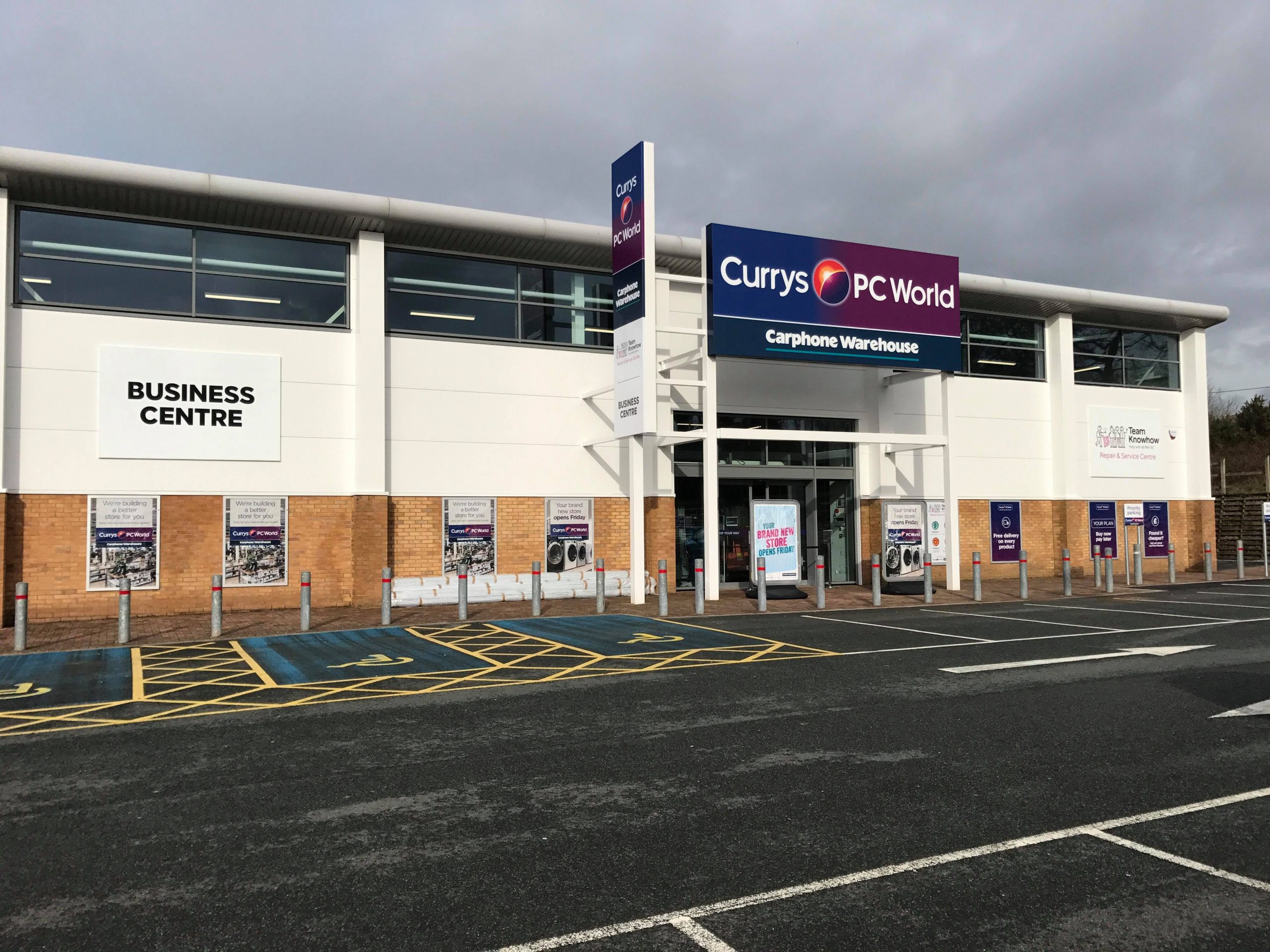
Photo caption: Currys in Haverfordwest was among several stores allegedly targeted in a cross-country theft spree (Pic: Herald).


FAMILY REMEMBERS “KIND AND LOVING” CALLUM HANSON
THE FAMILY of a 22-year-old man from Haverfordwest who died following a road traffic collision have paid tribute to their “kind and loving” son, brother and grandson.
Callum Hanson sadly passed away in hospital on Wednesday (Jun 17) after a collision on the A4075 near Cross Hands, Pembrokeshire.
In a tribute released through Dyfed-Powys Police, his family said Callum lived life to the fullest despite his own personal challenges.
They said he was a deeply caring person who had spent the last month looking after his grandad, who also recently passed away.
Callum had a passion for gaming and motorbikes, and was training to become a mechanic at college.
He will be remembered by his mum Joanne, dad Carl, sister Kacey, nan Heather, girlfriend Emily, and his wider family and friends.
The family have asked for privacy at this difficult time.
Police are continuing to appeal for witnesses. Officers want to hear from anyone who was travelling on the A4075 between Canaston Bridge and Yerbeston at around 6:15pm on Wednesday (Jun 17).
Anyone with information can contact Dyfed-Powys Police online, by emailing [email protected], or by calling 101, quoting reference 362 of June 17.

INSOLVENCY figures fell in May, but businesses across Wales remain under serious financial pressure, according to restructuring specialists.
Official figures show there were 1,868 corporate insolvencies in May 2026, down 10.5% from April and 16.3% lower than in May last year.
Andy McGill, restructuring and insolvency partner at Azets, which has offices in Cardiff, Swansea and St Asaph, said the fall was welcome but should not be mistaken for a sign that firms are out of difficulty.
He said: “Directors running out of fight, firepower and finance is still a problem, and creditors remain willing to turn to the courts to recover monies owed — and neither of these are going to change in the short term.
“The reality is that despite the fall in insolvencies compared to last month and last May, numbers are still high and businesses are still struggling, with many facing an uncertain future.”
Mr McGill said firms were being hit by a combination of geopolitical uncertainty, rising costs, political instability, a lack of affordable finance and creditors chasing overdue debts.
He added: “Unless the climate becomes easier and some way is found of lightening the cost load on businesses, it’s likely demand for advice and support will remain high in the coming weeks and months.”
Cost pressures continue
BUSINESSES are also facing rising employment costs, higher business rates and renewed pressure from energy bills.
Mr McGill said many firms were being “sandwiched” between their own higher costs and customers cutting back on spending.
He said the hospitality, retail and construction sectors remained among the hardest hit.
He added: “The fact that several household names have entered restructuring or insolvency processes recently shows the strain on the restaurant sector is becoming unbearable as the double blow of increased expenses and cautious consumers continues to affect it.

“Despite a rise in footfall and sales, retailers continue to be crushed by costs.”
He also pointed to the planned restructuring of TG Jones as evidence that even long-established high street names were not immune from financial distress.
Construction firms under strain
THE construction industry continues to face pressure from rising labour costs, higher material prices and late payment.
Mr McGill said tight margins and cashflow difficulties were pushing more firms towards financial distress.
He said: “Our advice to anyone who is worried about their business is to pick up the phone and speak to an adviser.
“It’s incredibly hard to voice your concerns about your finances, but the earlier you do, the more potential solutions you have open to you and the more time you have to consider how you move forward.”



News3 hours ago
Tragic tribute paid to Haverfordwest man after A4075 collision
FAMILY REMEMBERS “KIND AND LOVING” CALLUM HANSON THE FAMILY of a 22-year-old man from Haverfordwest who died following a road...


News1 day ago
Motorcyclist, 22, dies in A4075 crash in Pembrokeshire
A 22-year-old woman remains in hospital after two-vehicle collision A MOTORCYCLIST has died following a serious two-vehicle crash on the...


Community1 day ago
Why police will be visiting every home in Pembrokeshire
New operation aims to knock on more than 257,000 doors across Dyfed-Powys over the next three years DYFED-POWYS POLICE has...


Crime1 day ago
Prisons at breaking point: MPs warn Wales is paying the price of a failing system
Frozen healthcare budgets, overcrowded jails, homelessness on release and mounting pressure on staff are undermining rehabilitation across Wales, according to...


News2 days ago
Brexit at 10: How Britain was sold a dream that cost us dearly
A decade after the referendum, the promised benefits remain hard to find while the economic costs are increasingly difficult to...


Crime2 days ago
Worcestershire man jailed after violent attack on woman in Tenby
Defendant was already serving a suspended sentence when serious assault took place A WORCESTERSHIRE man has been jailed for more...


Climate2 days ago
Offshore wind ‘could bring new generation of jobs to Milford Haven’
Pembrokeshire ports and Celtic Sea projects placed at centre of Wales’ green energy ambitions MILFORD HAVEN and Pembroke Dock could...


Community3 days ago
Police officer hailed hero after midnight sea rescue in Milford Haven
PC swam 100 metres offshore to save distressed woman heard calling for help in darkness A DYFED-POWYS POLICE officer has...


Local Government3 days ago
Security privately arranged by Mayor at Beating of the Bounds
HAVERFORDWEST TOWN COUNCIL has confirmed that security personnel seen at this year’s Beating of the Bounds were privately arranged and...


Business4 days ago
Celtic Freeport five-year plan puts Milford Haven at centre of green energy future
Strategy promises investment, skilled jobs and new supply chains, but major barriers remain over grid connections, planning and delivery THE...
-

 Community5 days ago
Pembrokeshire Chess Club crowned Welsh champions
-

 Crime1 day ago
Milford Haven man jailed for breaching domestic violence protection order
-
Local Government3 days ago
Security privately arranged by Mayor at Beating of the Bounds
-

 News1 day ago
Crash on Freeman’s Way causes school-run chaos across Haverfordwest
-

 Education7 days ago
Diocese threatens legal action as Manorbier school closure battle intensifies
-

 Crime3 days ago
Man wanted by court after failing to attend hearing over alleged shop thefts
-

 Crime3 days ago
Man jailed after admitting strangulation and assaults
-
 Crime3 days ago
Man banned from roads after drink-driving offence